EU Jobless Reform Could Cost Switzerland Up to CHF 900 Million

A proposed reform by the European Union on unemployment insurance rules for cross-border workers could significantly increase costs for Switzerland, according to estimates from the State Secretariat for Economic Affairs.

The Swiss government agency warned that the planned changes could result in additional annual expenses ranging between CHF 600 million and CHF 900 million (approximately $771 million to CHF 1.1 billion).

The reform, currently being discussed within the European Union, aims to change the system for paying unemployment benefits for cross-border workers.

Under the new proposal, responsibility for unemployment payments would shift from the worker’s country of residence to the country where the individual last worked before becoming unemployed.

SECO published the cost estimates on its official website, following earlier reporting by the Swiss newspaper Neue Zürcher Zeitung.

However, Swiss authorities stressed that the figures remain highly uncertain due to limited data on unemployed cross-border workers.

Officials stated that a more accurate financial assessment will only be possible once the final version of the EU regulation is approved.

Before implementation, the proposal must be accepted by both the EU Council and the European Parliament. An EU diplomat reportedly expressed confidence that the reform is likely to pass.

The issue is particularly important for Switzerland due to its large number of cross-border workers from neighboring EU countries, especially in regions such as Geneva, Basel, and Ticino.

Experts warn that any change in benefit responsibility could place additional pressure on Switzerland’s unemployment insurance system and federal budget.

Migrants Essential for Switzerland’s Pension System, Minister Says

Elisabeth Baume-Schneider has stated that migrant workers play a crucial role in sustaining Switzerland’s public pension system. Speaking in a recent media interview, the minister responsible for social insurance highlighted the importance of immigration in maintaining the financial stability of the country’s pension scheme.

According to Baume-Schneider, many residents in Switzerland receive more in pension benefits than they contribute during their working years. This imbalance makes the contributions of foreign workers essential to keeping the system financially balanced. She emphasized that migrant workers typically pay more into social insurance programs than they withdraw in benefits.

The minister’s remarks come amid ongoing political debate surrounding the “No to 10 million” immigration control initiative. The proposal, supported by Swiss People’s Party, argues that foreign nationals place a burden on Switzerland’s social welfare system.

However, Baume-Schneider strongly rejected this claim. She warned that Switzerland’s aging population is increasing rapidly, and without migrant workers actively participating in the labor market, it would become increasingly difficult to sustain the pension system in the long term.

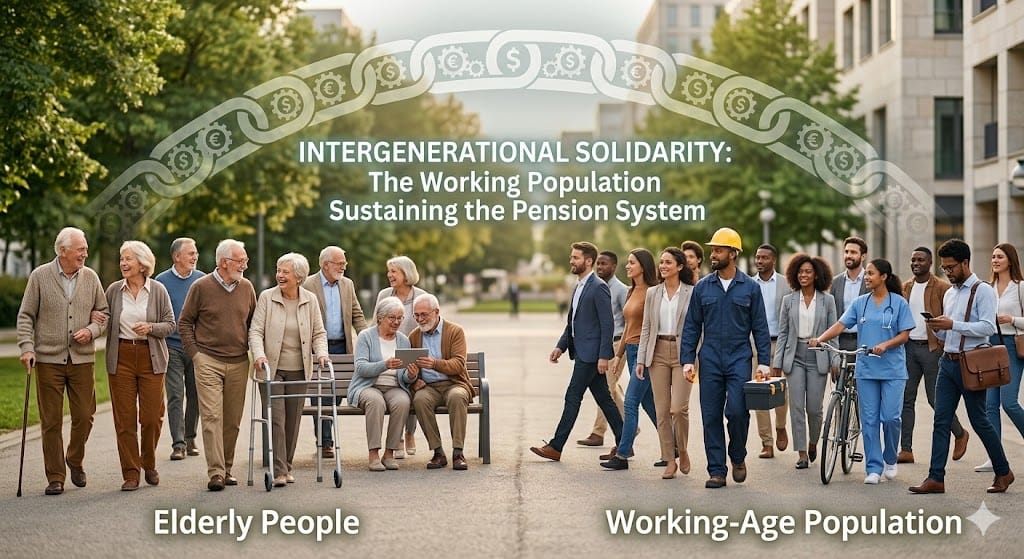
Switzerland’s AHV Pension System operates on a pay-as-you-go model, where current workers fund the pensions of retirees. In this system, a steady and sufficient workforce is critical to ensure continuous payments. The minister stressed that immigration remains a key factor in maintaining this balance.

This issue has become a central topic in Switzerland’s economic and political discussions, as the country seeks to balance demographic challenges with sustainable social security policies. The outcome of the ongoing debate will significantly influence the future of Switzerland’s pension system and immigration strategy.

Migros CEO Warns Foreign Workers Are Essential for Switzerland’s Economy

The debate over immigration in Switzerland has intensified as the upcoming “No to 10 million” referendum approaches. Amid this discussion, Mario Irminger, CEO of Migros, has issued a strong warning about the critical role of migrant workers in sustaining the country’s economy.

Speaking ahead of the June 14 national vote, Irminger emphasized that Switzerland’s retail and food sectors depend heavily on foreign labor. He stated that migrant workers play a vital role in maintaining current service standards and ensuring a stable supply of goods across the country.

Switzerland is currently facing a significant labor shortage, and foreign workers have become essential in filling workforce gaps. Irminger highlighted that in Micarna, a major meat processing subsidiary, around 60% of employees are foreign nationals. This statistic clearly demonstrates the extent to which key industries rely on international labor.

He further warned that reducing immigration could directly impact service quality and disrupt supply chains. According to Irminger, the Swiss economy will continue to depend on migrant workers not only in the present but also in the future to maintain operational stability.

The “No to 10 million” proposal aims to limit Switzerland’s population growth by tightening immigration policies. While some political and social groups support the initiative due to concerns about rapid population increase, business leaders fear it could worsen labor shortages, particularly in retail and manufacturing sectors.

This issue has now evolved into a major national debate, balancing population control against economic sustainability. The outcome of the upcoming referendum will play a decisive role in shaping Switzerland’s future immigration policy and its economic stability.

Swiss Rent Shock: Moving Homes Could Raise Costs by Up to 50%

A new study reveals that tenants in Switzerland could face sharp rent increases when moving to a new home, with some regions seeing hikes of up to 50%.

According to research by Wüest Partner, rents for new contracts rose by around 17% between 2016 and 2025. In contrast, existing rental agreements increased by only 5% during the same period.

This growing gap means tenants who change homes often pay significantly higher rent than those who stay. As a result, many residents hesitate to move, even when their current housing no longer meets their needs.

The study highlights major regional variations:

  • Geneva: Over 50% higher rents in new contracts
  • Zug: Around 38% increase
  • Zurich: About 20% rise

These differences show how location plays a key role in rental affordability.

Impact on Tenants and Future Risks

The trend creates financial pressure, especially for middle-income households. Many tenants now avoid moving to escape higher costs.

If this situation continues, analysts warn that the rental market could become increasingly imbalanced, making housing less accessible for many people.

Switzerland Weekly News Roundup: Citizenship, Jobs, Immigration & Rising Costs

Over the past week, Switzerland has witnessed major developments across politics, economy, and society. From stricter citizenship rules to rising job cuts, immigration debates, and increasing travel costs, several key issues have captured public attention.

Citizenship Rules Remain Strict

The Swiss National Council rejected the “Democracy Initiative,” which aimed to reduce the residency requirement for non-EU nationals from 10 years to 5 years for Swiss citizenship.

Lawmakers argued that easing the rules could weaken existing standards. As a result, Switzerland’s strict naturalization process will remain unchanged for now.

Job Cuts Increase Across Companies

Several companies announced layoffs, reflecting growing economic pressure:

  • Andritz Beutler AG – 50 job cuts
  • Serge Ferrari Tersuisse SA – 62 job cuts
  • Swisscard – 40 job reductions in Zurich

These decisions are largely influenced by parent company strategies in countries like Germany and France. The trend highlights cost-cutting measures across industries.

Immigration Helps Balance Aging Population

According to the Federal Statistical Office, immigration plays a vital role in stabilizing Switzerland’s aging population.

  • Average age of Swiss citizens: 44.5 years
  • Average age of foreign residents: 37.5 years

Most immigrants are of working age, contributing positively to the labor market and economic growth.

Flight Prices Surge Sharply

A study by Comparis revealed that airline ticket prices have increased by up to 77% over the past five years.

Due to rising fuel costs, airlines are reducing routes:

  • Edelweiss Air has suspended flights from Zurich to Denver and Seattle
  • Flights to Las Vegas are also being reduced

Travel during summer 2026 is expected to become significantly more expensive.

Immigration Debate Intensifies

The Swiss People’s Party is pushing a new immigration control proposal ahead of the June 14 national vote.

Recent polls suggest 52% public support, raising the possibility of a major policy shift, although similar proposals have failed in the past.

Warning Over Online Shopping Risks

Swiss consumers spend around CHF 15 billion annually on foreign e-commerce platforms. However, authorities warn that some imported products may not meet safety standards.

Politician Benjamin Roduit has proposed restricting access to non-compliant foreign websites. Officials, however, say monitoring all imports remains a major challenge.

This week’s developments highlight the key challenges facing Switzerland today—strict immigration policies, economic pressure, rising living costs, and consumer safety concerns.

As debates continue, issues like immigration, employment, and affordability are expected to remain central to Switzerland’s future.

Switzerland Chicken Consumption Surge Drives Imports Higher

Chicken consumption in Switzerland has increased significantly over the past few years, reflecting a major shift in dietary habits. Consumers are choosing poultry more frequently, making it one of the most popular meat options in the country.

In 2024, the average per capita chicken consumption reached 15.9 kilograms. This marks a 70% increase compared to the year 2000. While pork consumption has declined and beef remains stable, chicken has gained a dominant position in everyday diets.

In 2025, more than 82 million chickens were raised for meat production in Switzerland. Despite this large-scale production, domestic supply still falls short of demand. As a result, nearly one-third of chicken meat is imported from countries such as Brazil.

Restaurants and fast-food chains have played a key role in boosting chicken consumption. Chicken-based meals have become increasingly popular, and several international food brands that previously struggled in Switzerland are now succeeding by focusing on poultry offerings.

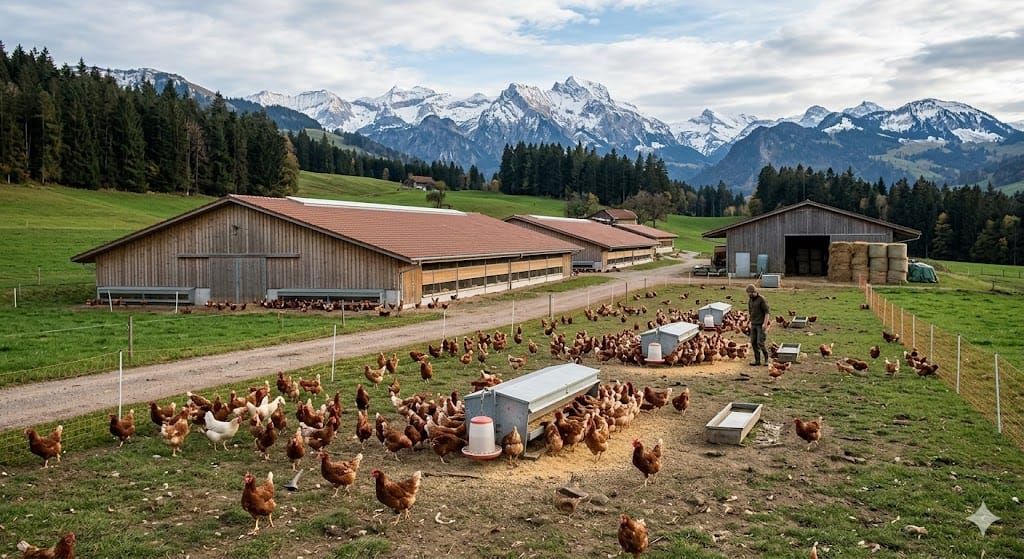
The growing demand has created new opportunities for local farmers. Many farmers are shifting from dairy production to poultry farming. While dairy farming faces price pressure, poultry farming offers more stable returns and better pricing structures.

This shift indicates a broader transformation in Switzerland’s agricultural sector. Farmers are adapting to changing consumer preferences and market conditions, ensuring a steady supply of poultry products in the future.

The rapid rise in chicken consumption highlights evolving food trends in Switzerland. As demand continues to grow, both imports and local production will play a crucial role in meeting consumer needs.

Switzerland Records Lowest Tax Burden in Europe, Says OECD Report.

Switzerland continues to offer one of the lowest tax burdens in Europe, according to a new report by the Organisation for Economic Co-operation and Development. The findings highlight a major financial advantage for residents despite the country’s high cost of living.

The OECD report, released on April 22, reveals that Switzerland ranks among the lowest-taxed countries within its 38 member nations. Only a few countries, including Colombia, Chile, New Zealand, and Mexico, report lower overall tax contributions.

On average, individuals in Switzerland pay around 22.9% of their income in taxes and social security contributions. This figure stands well below the OECD average of 35.1%, making Switzerland the lowest-tax country in Europe.

Families with children enjoy even greater financial advantages. Tax deductions vary across cantons, but dual-income households with two children see their tax burden drop from 22.9% to approximately 17.1%. Larger families benefit from even higher reductions.

Residents can expect additional tax relief in 2026. Local governments across several cantons have approved tax reductions and adjustments linked to lower inflation. These changes aim to reduce financial pressure on households.

Tax savings vary by region. Residents in Geneva can expect savings of at least 1,000 Swiss francs. In Zurich, St. Gallen, Graubünden, and Ticino, savings range between 500 and 1,200 francs. Areas such as Lucerne, Aargau, and Schwyz also report significant reductions.

Several factors explain Switzerland’s low tax rates. The country maintains a very low unemployment rate, allowing more people to contribute to tax revenue. In addition, Switzerland spends less on social welfare programs compared to countries like Sweden, promoting a system where individuals remain financially independent.

For many residents, including members of the Tamil community living and working in Switzerland, these lower taxes provide financial relief. However, experts advise careful financial planning due to the country’s high living costs.

Switzerland’s low tax structure continues to strengthen its economic appeal. With further tax reductions expected in 2026, residents are likely to experience improved financial stability despite rising living expenses.

India’s Luxury Market Faces Mall Shortage

India’s luxury market is expanding rapidly, driven by rising disposable income and growing demand for premium products. However, the country faces a major challenge — a shortage of world-class luxury shopping malls. This infrastructure gap is slowing down the growth of the high-end retail sector.

Global brands such as Louis Vuitton, Gucci, and Dior are ready to expand their presence in India. They see strong potential in cities like Delhi, Mumbai, and Bengaluru. Yet, these brands struggle to find suitable retail spaces that meet international luxury standards.

Currently, most premium shopping malls in major Indian cities operate at full capacity. Retail spaces designed specifically for luxury brands remain limited. As a result, many international brands delay their entry or expansion plans in the Indian market.

The construction of new luxury malls has not kept pace with demand. High land costs and rising construction expenses have slowed down development projects. Developers also face regulatory challenges, which further delay new investments in premium retail infrastructure.

This shortage has created a clear infrastructure gap in India’s luxury ecosystem. Without sufficient high-end retail spaces, the country cannot fully benefit from its growing luxury market. Experts believe that improving infrastructure will unlock significant economic opportunities.

If India addresses this issue, it can attract more global brands, increase foreign investment, and strengthen its position in the global luxury market. The future of India’s luxury sector depends heavily on how quickly it can build world-class retail environments.