Swiss Immigration Vote Sparks Nationwide Debate Ahead of Referendum

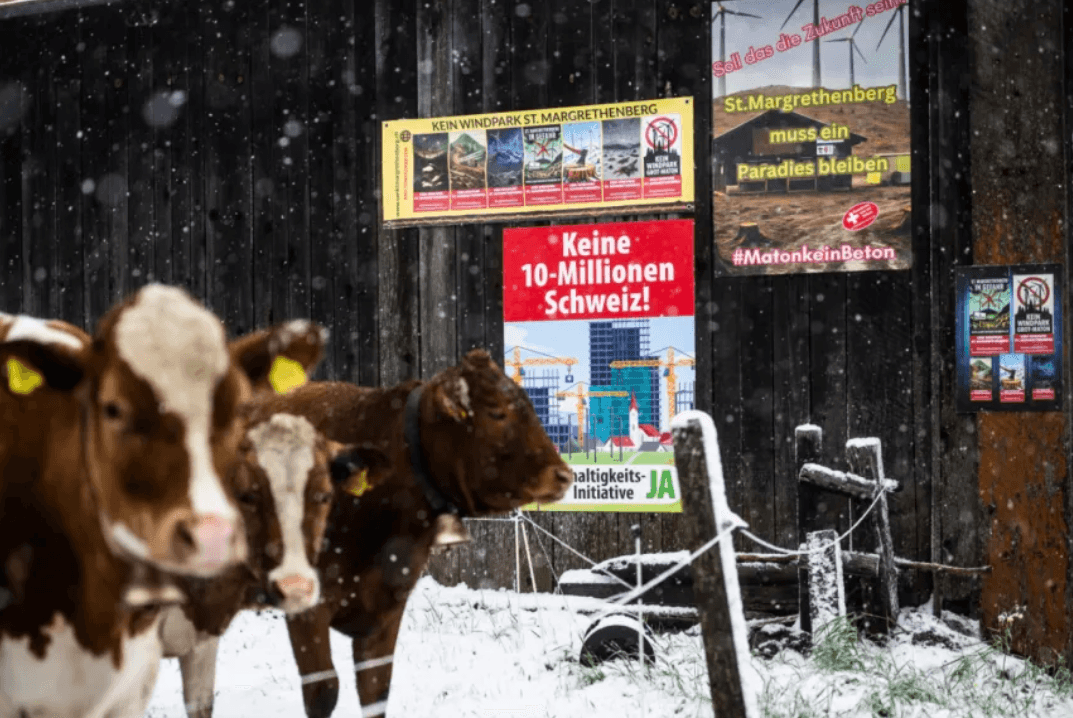
A major political debate is gaining momentum in Switzerland as the country prepares for a crucial national referendum on immigration. The proposal, widely known as “No to 10 Million Switzerland,” aims to limit the country’s population growth by introducing stricter immigration controls. The referendum is scheduled to take place on June 14 and has already attracted nationwide attention unlike any recent public vote in the country.

The proposal was introduced by the Swiss People’s Party, a political group known for its strong stance against large-scale immigration. Supporters of the initiative argue that rapid population growth is increasing pressure on housing, transportation, healthcare, and public infrastructure across Switzerland. They believe tighter immigration policies are necessary to protect the country’s long-term stability and quality of life.

However, strong opposition to the proposal is also growing across the country. Business leaders, economists, and several political groups warn that reducing immigration could create serious labor shortages in key sectors. Industries including healthcare, construction, hospitality, and technology heavily depend on foreign workers to maintain daily operations and economic growth.

Critics of the proposal argue that immigration plays a vital role in strengthening the Swiss economy. They say limiting the number of immigrants could slow economic development, reduce workforce availability, and negatively impact Switzerland’s international competitiveness. Many experts also point out that skilled migrants contribute significantly to innovation, productivity, and tax revenue.

As the referendum date approaches, both supporters and opponents are spending heavily on nationwide campaigns to influence voters. Political advertisements, public debates, social media campaigns, and television discussions have intensified in recent weeks, turning the immigration referendum into one of the most talked-about political issues in Switzerland this year.

The outcome of the vote could shape the future of immigration policy in Switzerland and influence debates across Europe. With public opinion sharply divided, the referendum is expected to become a defining political moment for the country.
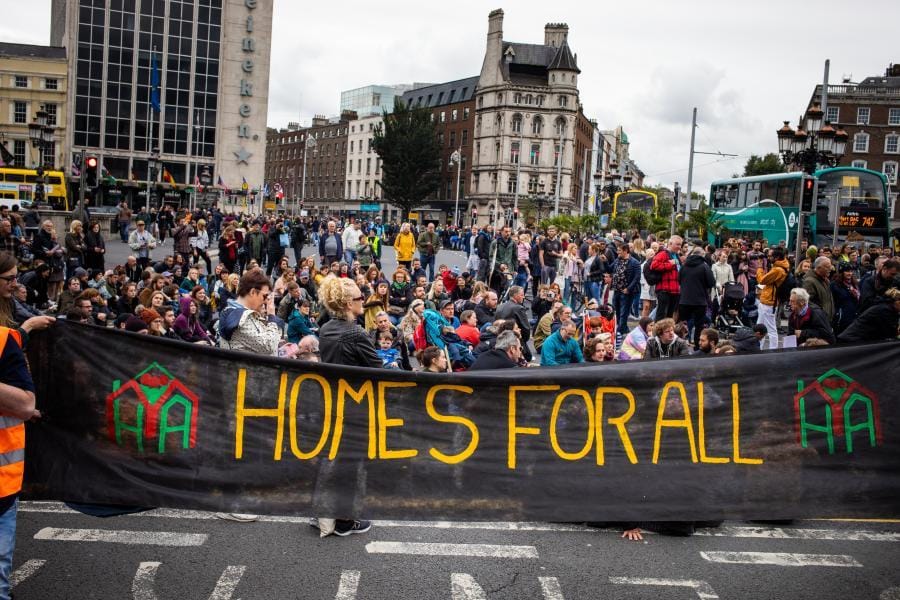

Zurich Housing Shortage Takes Centre Stage Ahead of June 14 Vote.

The housing shortage in Canton of Zurich has become the dominant issue ahead of the upcoming June 14 vote, as voters prepare to decide on new measures aimed at improving housing availability and affordability.

Two popular initiatives are being put forward that seek to strengthen tenant protections against rising vacancies and promote the construction of more affordable housing. In response, the cantonal government and parliament have introduced a counter-proposal designed to balance housing development with regulatory oversight.

Affordable housing has become increasingly scarce across Zurich, with rising demand and limited supply driving up prices. One contributing factor highlighted in the debate is the demolition of older buildings, which are often replaced by high-cost developments that reduce the availability of affordable rental units.

A survey conducted by a tenants’ association found that 84% of renters fear termination of their lease agreements, reflecting growing uncertainty in the housing market.

The upcoming vote will determine how aggressively the canton intervenes in the housing market, with supporters of the initiatives calling for stronger protection for tenants and critics warning that excessive regulation could discourage investment and slow construction.

The issue has become one of the most closely watched regional political debates in Switzerland, as housing affordability continues to affect households across urban centres.

Switzerland Fuel Prices Drop Slightly as Oil Market Eases

Fuel prices in Switzerland have fallen slightly in recent days, offering limited relief to motorists after months of elevated energy costs.

According to the Touring Club Switzerland (TCS), the average national fuel prices during the week stood at CHF1.89 per litre for unleaded 95 petrol, CHF2.00 for unleaded 98, and CHF2.14 for diesel.

Compared with the end of April, petrol prices have dropped by CHF0.01, while diesel prices declined by CHF0.03 per litre. Despite the decrease, fuel remains significantly more expensive than before the escalation of tensions in the Middle East earlier this year.

Before the regional conflict intensified, fuel prices at the end of February averaged CHF1.

67 for unleaded 95, CHF1.78 for unleaded 98, and CHF1.79 for diesel. Current prices therefore remain roughly 13% higher for petrol and more than 20% higher for diesel.

The TCS says stronger industrial demand has contributed to the sharper increase in diesel prices compared with petrol.

Global oil prices have also eased slightly. A barrel of Brent crude traded at just under $108 this week, down around $10 from late April levels.

Oil markets had surged earlier after concerns over conflict in the Middle East and fears surrounding possible disruptions to the strategically important Strait of Hormuz shipping route.

The TCS noted that actual fuel prices can vary across Swiss regions and petrol stations, as its published figures are based on estimates and market sampling.

Although prices have softened slightly, Swiss consumers continue to face elevated transport and energy costs compared to earlier in the year.

Record CHF15.5 Million Spent on Swiss Immigration Referendum Campaigns

Political groups in Switzerland are spending record amounts ahead of the upcoming “No to ten million” immigration referendum, with campaign budgets reaching CHF15.52 million so far.

According to figures released by the Swiss Federal Audit Office, this is the highest declared campaign spending since Switzerland introduced mandatory political budget reporting rules.

Swiss voters are scheduled to head to the polls on June 14 to decide whether stricter immigration limits should be introduced.

The campaign supporting the initiative has so far declared CHF6.44 million in funding. Much of the financial backing comes from the Swiss People’s Party, including contributions from current and former politicians as well as business figures linked to the party.

Meanwhile, opponents of the proposal have declared approximately CHF9 million in donations. More than CHF4 million reportedly comes from Economiesuisse, the Swiss Business Federation, which argues that restricting immigration could damage the country’s economy and labour market.

The “No to ten million” initiative has become one of the most politically divisive issues in Switzerland, with supporters arguing that population growth is placing pressure on housing, infrastructure, and public services. Opponents warn that limiting immigration could weaken economic growth, worsen labour shortages, and reduce tax revenues.

Campaign spending linked to another national vote concerning amendments to the Civilian Service Act remains comparatively modest and more balanced between supporters and opponents.

Political analysts say the sharp rise in referendum campaign spending reflects the growing importance of immigration and economic policy debates in Swiss national politics.

Swiss Health Insurance Premiums to Rise by 3.7% Next Year, But Slowdown Expected

Switzerland residents will face higher health insurance costs next year, although the increase is expected to be more moderate than in recent years, according to new market forecasts.

A report from comparison platform Comparis predicts an average premium increase of 3.7% for the upcoming year. While this still adds pressure on households, it represents a slowdown compared to the sharp rises seen in previous cycles.

The report explains that health insurers are currently rebuilding financial reserves after years of relatively low premiums and political pressure to keep insurance buffers limited. This restructuring phase has contributed to gradual premium adjustments.

According to Comparis, stronger-than-expected investment returns have helped stabilize the financial position of insurers in the short term. However, the report warns that global economic uncertainty could quickly reverse this stability, as insurers depend heavily on financial market performance to support their reserves.

Health insurance costs remain one of the largest recurring expenses for Swiss households, and even moderate increases can significantly impact household budgets.

The forecast suggests that while the pace of premium growth is slowing, cost pressure in the Swiss healthcare system is unlikely to disappear in the near future.

Authorities and insurers continue to debate long-term reforms aimed at controlling healthcare spending while maintaining high-quality medical services.

Swiss Households Could Pay CHF 635 More Per Year if Anti-Immigration Proposal Passes

Switzerland households could face higher annual costs if the proposed “No to 10 million” anti-immigration initiative is approved, according to opponents of the plan.

Campaigners against the proposal warn that the policy could increase the average household burden by around CHF 635 per year, driven by reduced tax revenues, higher public service costs, and increased pressure on the national economy.

The initiative aims to significantly restrict immigration levels in Switzerland, but critics argue that such limits would weaken the country’s labour market and strain public finances.

Opponents claim that fewer working-age migrants would reduce tax contributions while increasing per-capita costs for healthcare, pensions, and infrastructure. They also warn that businesses could face labour shortages, potentially slowing economic growth.

The warning adds to a growing debate ahead of the referendum on whether Switzerland should introduce stricter population controls. Government-linked analyses have previously suggested that long-term fiscal impacts could outweigh any benefits such as reduced housing pressure.

Supporters of the initiative argue that limiting population growth would ease housing shortages and reduce overcrowding in urban areas, but critics say these gains would be limited compared to broader economic losses.

The proposal remains highly contested, with both sides presenting sharply different forecasts about its impact on the economy and everyday living costs.

Swiss Population Cap Could Cost Billions, Study Warns

Switzerland could face significant long-term economic losses if the proposed “No to ten million” population cap initiative is approved, according to a new study published by the Swiss migration authorities ahead of the upcoming federal referendum.

The report, released by the government’s migration office, concludes that restricting immigration would provide only limited relief to housing pressure, while generating substantial financial costs for the economy and public finances.

While the study acknowledges that limiting population growth could slightly ease overcrowding in certain urban areas and the housing market, it states that these benefits would be far smaller than the broader economic consequences.

The analysis warns that Switzerland’s pension system would be severely affected, with the state pension fund potentially losing several billion francs annually over the coming decades due to a shrinking workforce.

It also projects a decline in tax revenues, noting that public income would fall more sharply than government spending reductions. As a result, the share of healthcare and social costs relative to national income would increase compared to a scenario without population limits.

The report further states that savings in social assistance and supplementary benefits would not be sufficient to compensate for reduced tax income. This imbalance could eventually lead to higher taxes for residents, particularly impacting the working-age population.

The initiative, which proposes limiting Switzerland’s population growth to around ten million people, has sparked strong political debate, especially regarding its impact on economic stability, labour shortages, and public services.

The study concludes that while migration control may offer short-term relief in specific sectors, the long-term fiscal impact could be significantly negative for the Swiss economy.

Switzerland Avoids Recession Despite Oil Crisis, Study Finds.

A new economic study suggests that Switzerland is unlikely to fall into recession despite rising global oil prices and ongoing energy market tensions linked to the Middle East situation.

According to economists at Raiffeisen Group, Switzerland’s economy is expected to continue growing in 2026, with projected GDP growth between 0.5% and 1%, depending on different economic scenarios.

Chief economist Fredy Hasenmaile stated that although the current energy crisis resembles past oil shocks, Switzerland is in a much stronger position today compared to the 1970s. During the 1973 oil crisis, the Swiss economy suffered a sharp downturn, with GDP falling significantly and inflation rising sharply.

However, the study highlights that Switzerland has become far less dependent on oil over the decades. Oil now accounts for a smaller share of total energy consumption, while energy efficiency across industries has improved significantly. This structural change has reduced the economic impact of oil price increases.

Economists estimate that a 10% rise in oil prices now reduces Swiss economic growth by only around 0.05%, compared to a much stronger impact in past decades.

Despite this resilience, the report warns that risks remain. Switzerland still imports a large share of its energy, and transportation remains heavily dependent on fossil fuels. Additionally, Switzerland’s export-driven economy is closely linked to global markets, making it sensitive to international economic fluctuations.

Overall, analysts conclude that Switzerland’s improved energy efficiency, diversified economy, and strong institutional stability help protect it from recession, even during global energy shocks.

SWISS to Cut Administrative Staff by 10% in Cost-Saving Drive

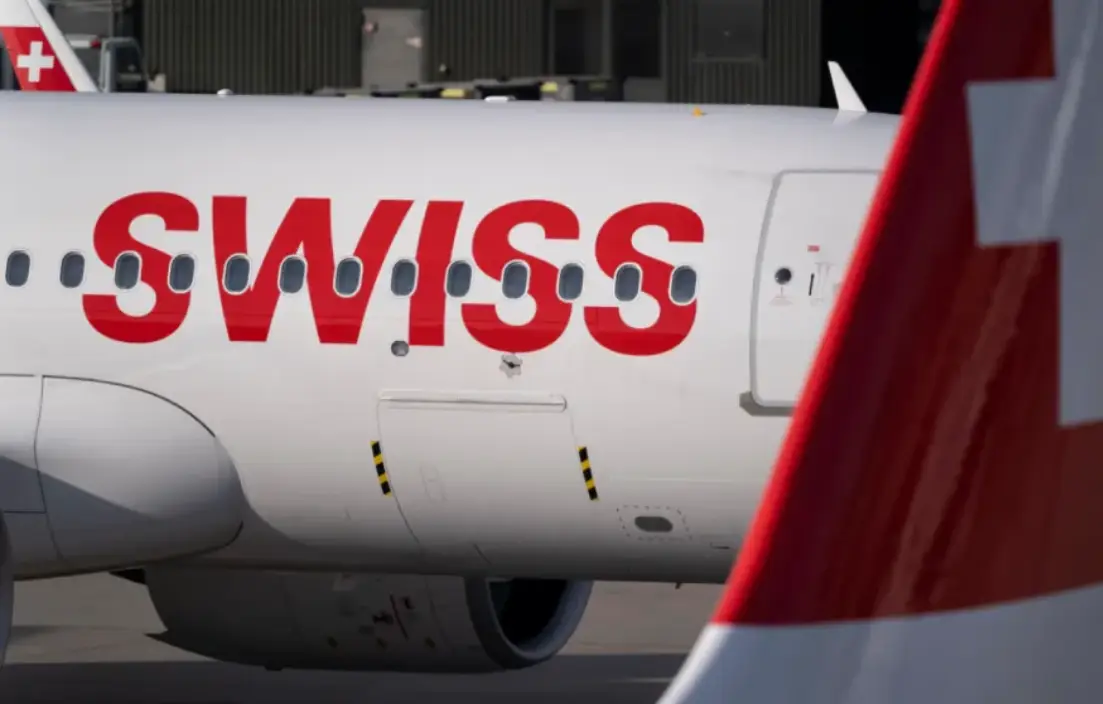
Swiss International Air Lines (SWISS) has announced plans to reduce its administrative workforce by around 10% as part of expanded cost-saving measures.

SWISS Chief Executive Officer Jens Fehlinger confirmed the decision in an interview published by the Swiss newspaper NZZ am Sonntag.

According to Fehlinger, the airline aims to lower administrative staffing levels without implementing forced redundancies.

Instead, SWISS plans to achieve the reduction through voluntary departures and incentive-based programmes designed to encourage employees to temporarily or permanently leave their positions.

The airline is reportedly offering financial incentives similar to measures previously introduced for cabin crew members.

Under the new programme, administrative staff who choose unpaid leave could receive compensation worth up to 20% of the base salary savings generated by their absence.

The move comes as airlines across Europe continue adjusting operational costs amid changing travel demand, rising competition, and economic pressures within the aviation sector.

SWISS has already introduced several efficiency measures in recent months to strengthen long-term financial stability while maintaining flight operations and customer services.

Industry analysts say many airlines are increasingly focusing on reducing back-office expenses and streamlining administration rather than cutting frontline operational staff.

Despite the planned reduction, SWISS stated that it remains committed to avoiding compulsory job cuts and maintaining a stable working environment for employees.

The airline continues to play a major role in Switzerland’s aviation industry and international connectivity.

Financial Pressure Growing Among Switzerland’s Middle Class.

Financial pressure is increasing for many middle-class families in Switzerland, according to new data released by the Federal Statistical Office.

Although the majority of people in Switzerland are classified as middle income, many households are struggling with financial insecurity and rising living costs.

The Federal Statistical Office reported that around one in four people in the lower middle class would be unable to cover an unexpected expense of CHF 2,500 (approximately $3,200).

The findings are based on Switzerland’s household budget survey and research into income and living conditions.

According to the FSO, approximately 4.9 million people in Switzerland belonged to the middle-income category in 2024.

The classification includes single adults earning between CHF 4,228 and CHF 9,061 per month, as well as couples with two children earning a combined gross monthly income between CHF 8,800 and CHF 19,028.

However, the data show that financial difficulties are especially severe among the lower middle class, which represents roughly 2.3 million residents.

This category includes single individuals earning below CHF 6,041 monthly and families with two young children earning less than CHF 12,685 combined income.

Experts say rising housing costs, healthcare expenses, inflation, and everyday living costs continue to place increasing pressure on middle-income households across Switzerland.

The report highlights growing concerns over financial vulnerability even among people traditionally considered economically stable.

Economists warn that continued increases in living expenses could further weaken household purchasing power and long-term financial security for many Swiss residents.