US Proposes New Tariffs on Swiss Goods Over Forced Labour Concerns

The United States has announced plans to impose new tariffs of 12.5% on Swiss imports linked to allegations of goods produced using forced labour, escalating trade tensions between the two countries.

The move is part of a broader trade policy initiative under the US administration, which targets around 60 trading partners, including Switzerland. The US argues that affected countries have not done enough to prevent imports of products linked to forced labour practices.

According to a report from the US Trade Representative, Switzerland is among 54 economies that allegedly lack a clear legal ban on such imports. As a result, Washington is considering additional tariffs on 45 of these countries, including Switzerland.

However, certain products such as semiconductors, coffee, beef, and fruit would be excluded from the proposed tariff measures.

Other countries facing similar or lower tariff proposals include the European Union, Canada, the United Kingdom, Mexico, Indonesia, Pakistan, and several Asian and Latin American nations.

The proposal is still under review, but it signals increased pressure on Switzerland’s export-driven economy, particularly in sectors linked to global supply chains.

Swiss authorities have not yet issued an official response, but the issue is expected to be discussed further in upcoming trade negotiations.

Switzerland Opens Ukraine Reconstruction to Private Companies.

Switzerland has approved a new bilateral agreement that will allow private companies to participate in the reconstruction of Ukraine, marking a significant shift in its development cooperation approach.

Both chambers of the Swiss Parliament supported the agreement, which was originally signed in July 2025. The decision enables Swiss companies— including those not currently operating in Ukraine— to take part in rebuilding infrastructure in the war-affected country.

Under the new system, reconstruction projects will be managed through official tenders organised by Swiss authorities, based on requests from Ukrainian institutions. This ensures that projects are coordinated transparently while expanding opportunities for Swiss businesses in international development work.

The government noted that this form of “tied aid,” which links development assistance with domestic economic participation, required a legal basis because it does not fully align with existing Swiss development cooperation law.

Authorities also highlighted that financial risks, including corruption concerns, are reduced because funds will not be transferred directly to Ukrainian state bodies. Instead, payments will go directly to Swiss companies delivering approved projects.

The initiative reflects Switzerland’s broader effort to combine humanitarian support with economic engagement while contributing to Ukraine’s long-term reconstruction and stability.

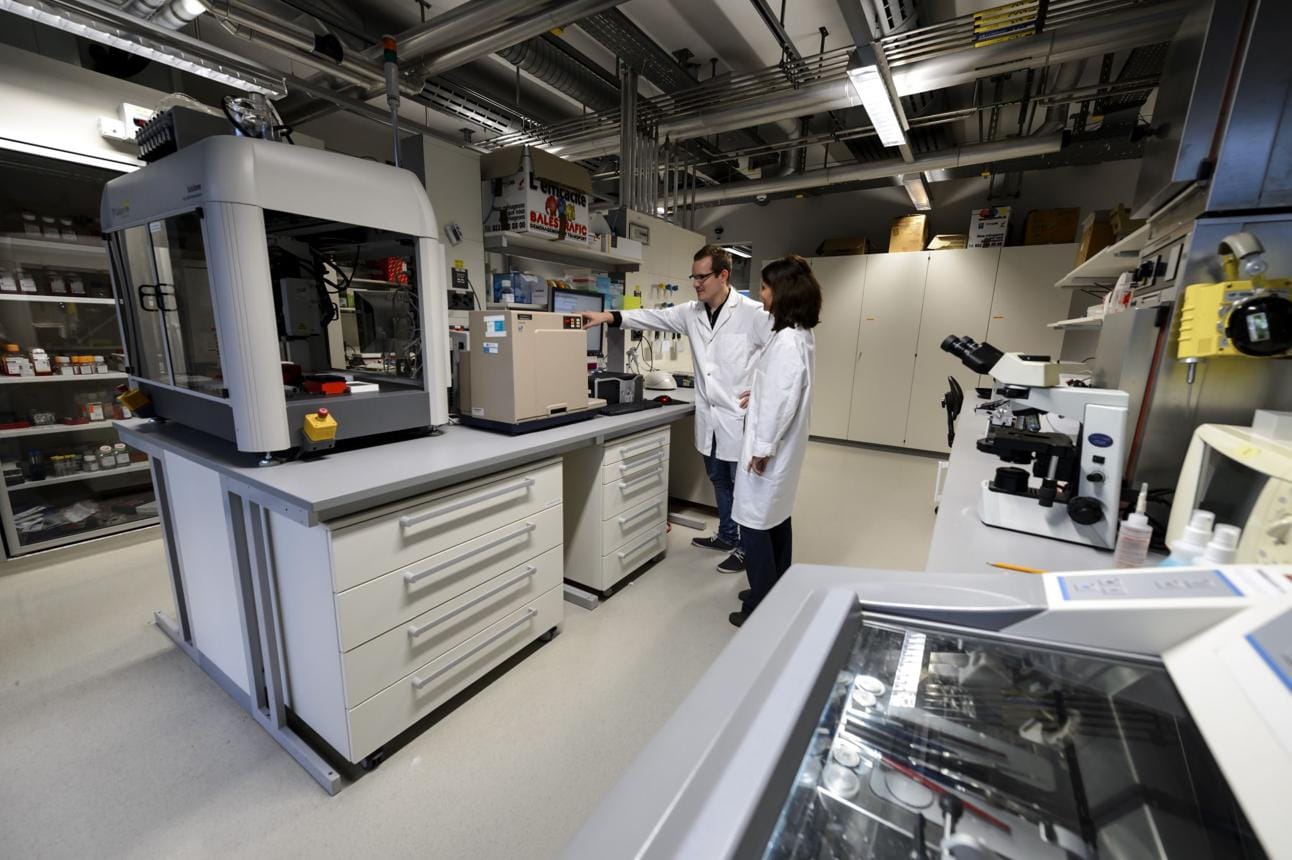
Swiss Parliament Approves Funding for EU Research Programmes.

Switzerland has taken another important step in strengthening its position in international research and innovation. The Swiss Parliament approved CHF58.3 million in funding for European Union research programmes as part of a supplementary 2026 budget package worth nearly CHF90 million.

The funding will support Switzerland’s participation in major European research initiatives, including Horizon Europe and Euratom. Lawmakers emphasized that maintaining access to these programmes is crucial for Swiss universities, researchers, scientists, and technology companies that rely on international collaboration and advanced research networks.

Parliament reduced the government’s original request of CHF67.3 million by removing a reserve fund that was no longer necessary. Despite the reduction, the approved funding ensures Switzerland can continue contributing to and benefiting from some of the world’s largest research and innovation projects.

Supporters of the measure argued that Switzerland must remain connected to global scientific developments and avoid another period of exclusion from key European research platforms. They stressed that research cooperation plays a vital role in driving innovation, economic growth, technological advancement, and international competitiveness.

The budget supplement also includes additional funding for the European Space Agency, Swiss rail cargo services, and transportation infrastructure projects. The decision highlights Switzerland’s continued commitment to science, technology, and international research partnerships.

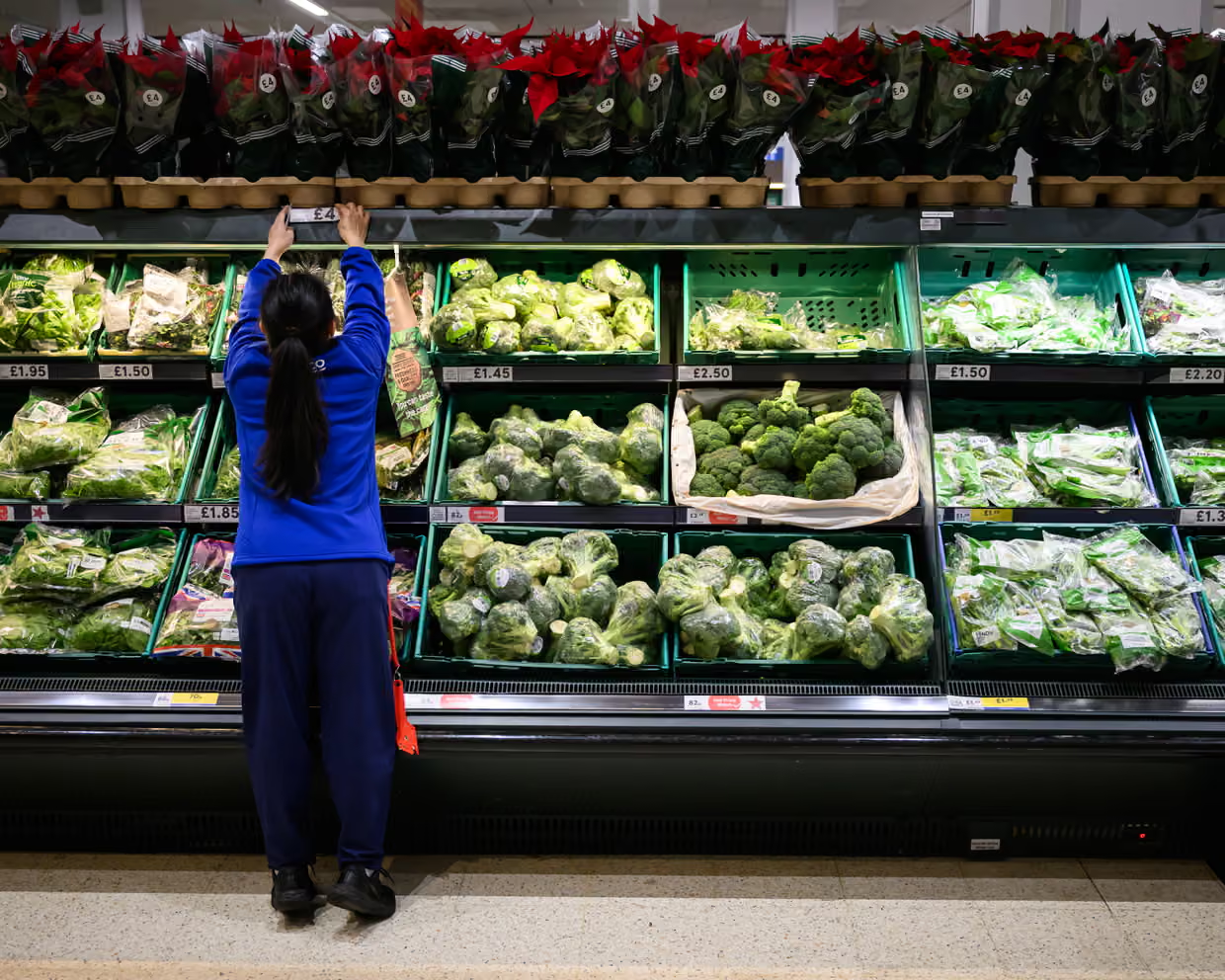
Britain Faces Growing Food Crisis Warning.

Food experts warn that Britain is moving toward a major food crisis driven by extreme weather, rising inflation, and global geopolitical tensions. Industry leaders say the government must act urgently to strengthen national food security before conditions worsen.

Farmers across the UK are struggling through severe heatwaves after an unusually dry spring. High temperatures are reducing crop yields, stressing livestock, and increasing wildfire risks. Experts believe the economic damage could reach hundreds of millions of pounds.

Food inflation already continues to pressure British households. Analysts predict food prices could become 50% higher this November compared to levels seen five years ago. Ongoing climate disruptions and supply chain instability are expected to worsen the situation further.

The conflict involving Iran also adds pressure on global fuel and fertiliser markets. Experts warn that disruptions near the Strait of Hormuz continue to affect international trade routes, increasing costs for farmers and food producers worldwide.

A coalition of food policy experts has written to UK ministers demanding an updated national food strategy. The group calls for stronger domestic food production, better protection against supply chain shocks, and improved public access to affordable and healthy food.

Food policy specialist Tim Lang criticises the government for treating the crisis as “business as usual.” He warns that climate change, inflation, and geopolitical instability are creating long-term risks to national food security.

Retired General Richard Nugee also describes food security as a major national security issue. He says supply disruptions and rising living costs could increase public frustration if the government fails to maintain stable and affordable food supplies.

Experts now urge Britain to prepare for a future shaped by extreme weather, global instability, and increasing pressure on agricultural systems.

Polish President Visits Switzerland in Bern Ceremony.

Polish President Karol Nawrocki receives full military honours during an official visit to Switzerland in Bern on Wednesday. Swiss leaders welcome him at Parliament Square, highlighting strong diplomatic and economic relations between the two countries.

President Nawrocki states that relations between Poland and Switzerland remain “of very high quality,” while Swiss officials confirm that cooperation between Bern and Warsaw has “never been better.”

Both nations focus discussions on strengthening economic ties, with Poland emerging as Switzerland’s most important trading partner in Central Europe. In 2025, bilateral trade reaches nearly CHF 6.5 billion, reflecting growing commercial cooperation.

Switzerland continues to support Poland through its EU cohesion contribution, with Warsaw receiving around CHF 320 million. The funding supports infrastructure upgrades in medium-sized Polish cities and promotes research and innovation projects.

Swiss officials emphasize that improved infrastructure in Poland also benefits Swiss companies operating in the region. The visit reinforces long-term economic collaboration and political goodwill between the two European partners.

Swiss Vote on 10 Million Population Cap Plan.

Swiss voters are set to decide next month on a controversial initiative that proposes capping the country’s population at 10 million, sparking intense debate across the nation.

The proposal, which is widely seen as an anti-immigration measure, has divided public opinion in Switzerland, a country known for its strong economy, high living standards, and reliance on foreign labor.

Supporters argue that limiting population growth is necessary to protect infrastructure, housing availability, and environmental sustainability. They believe rapid population increases are placing pressure on transport systems, public services, and urban development.

Opponents, however, warn that such a cap could severely damage Switzerland’s economy, which depends heavily on skilled foreign workers across industries such as healthcare, technology, and finance. Critics also argue that the initiative could harm Switzerland’s international reputation and labor market stability.

The referendum highlights growing tensions in Swiss politics over immigration, demographic change, and national identity. Similar debates have previously shaped policy discussions within Switzerland, which regularly holds referendums on major national issues.

If approved, the measure could have long-term implications for immigration policy, labor supply, and Switzerland’s economic growth model.

The vote is expected to be closely watched both domestically and internationally, as it reflects broader European debates on migration and population control.

Swiss Farmers Gain Trade Support.

The Swiss government announced on Wednesday that it will provide extra financial support to local farmers. This decision aims to offset the major economic concessions made in upcoming international trade deals, particularly the Mercosur agreement with Latin American nations. Local agricultural workers expressed deep concerns over market changes, prompting immediate intervention from Swiss authorities.

To help the farming sector stay competitive, the government is easing access to interest-free loans. These loans will encourage critical investments in local agricultural infrastructure and modern farming technologies. Because international trade negotiations frequently demand concessions from local producers, Swiss authorities emphasize that the sector must rapidly adapt to shifting market conditions.

This financial cushioning will help modern farms upgrade their facilities, lower operational overhead, and maintain high standards without losing market share to foreign imports.

Swiss Hotels Struggle as Online Booking Platforms Undercut Prices.

Hotels across Switzerland are facing increasing pressure from online booking platforms that often list rooms at lower prices than hotels’ own direct offers, according to a new industry study.

The report, published by Hotelleriesuisse, found that around half of 171 surveyed hotels experienced undercutting in 2025, up from 40% the previous year. In 83% of these cases, hotels said they had not authorized the discounted prices.

Industry representatives warn that such pricing practices force hotels to reduce their own direct rates in order to stay competitive, creating a downward pricing cycle that weakens profitability across the sector.

Hotelleriesuisse director Christian Hürlimann said hotels risk losing control over their pricing and distribution strategies as online travel agencies continue to dominate the market.

Despite direct bookings still accounting for 59% of reservations, platforms such as Booking.com and Expedia remain highly influential in shaping consumer choices and visibility. Booking.com alone handles more than 70% of online hotel bookings, while Expedia accounts for around 15%.

Although price parity rules have been banned, hotels report that online travel agencies still influence pricing indirectly through ranking systems, promotional tools, and discount programs. Nearly 29% of hotels also report direct pricing interventions.

The study further highlights the growing use of “multi-sourcing,” where hotel rooms are resold by third-party platforms, affecting more than half of hotels and further complicating pricing control.

Experts warn that these trends could reduce transparency and profitability in Switzerland’s tourism industry unless stronger regulatory safeguards or industry agreements are introduced.

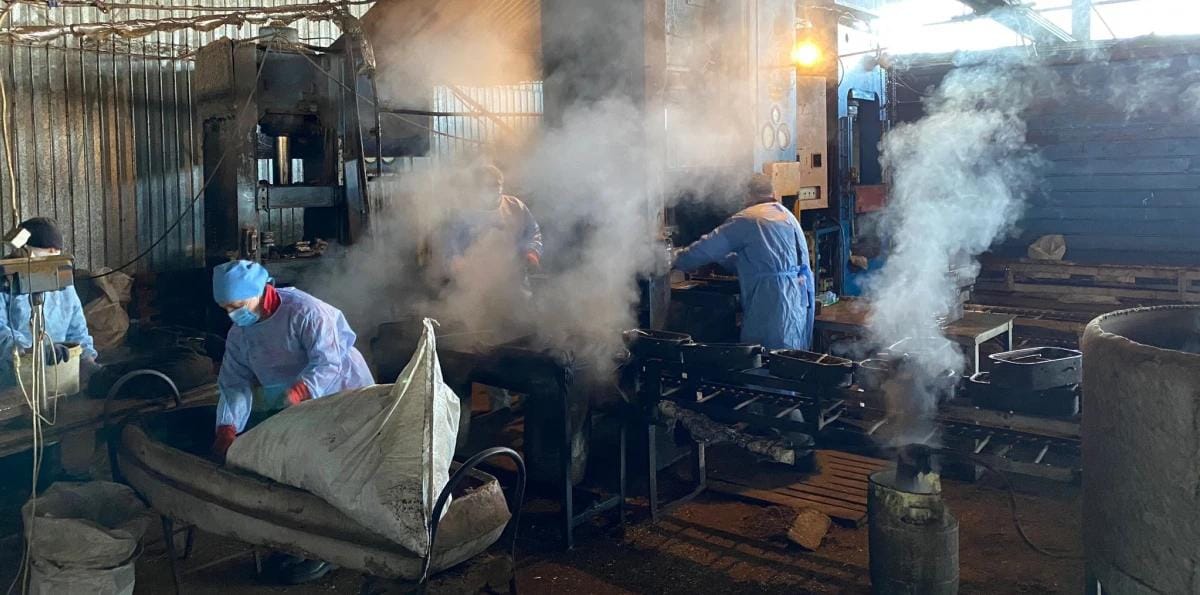
EU Approves Tougher Steel Import Tariffs Affecting Switzerland.

The European Parliament has approved stricter steel import regulations aimed at protecting the European market from global steel overcapacity, with the new measures also affecting Switzerland.

Under the revised policy, duty-free steel import quotas will be significantly reduced, while customs duties on imports exceeding the quotas will rise from 25% to 50%.

The new rules will apply to most non-EU countries, with exemptions only for members of the European Economic Area, including Norway, Iceland, and Liechtenstein. Switzerland unsuccessfully attempted to secure an exemption during negotiations in Brussels.

The European Commission stated that the measures comply with World Trade Organization regulations and are necessary to shield European steel producers from excessive global competition and market distortions.

European officials are currently negotiating updated steel quotas with more than 20 international partners, including Switzerland, as discussions continue over the economic impact of the new trade restrictions.

The tougher tariff framework is expected to take effect on July 1, 2026, pending final approval from EU member states.

The decision increases pressure on Swiss steel producers already facing challenges linked to rising energy costs, international competition, and slowing industrial demand across Europe.

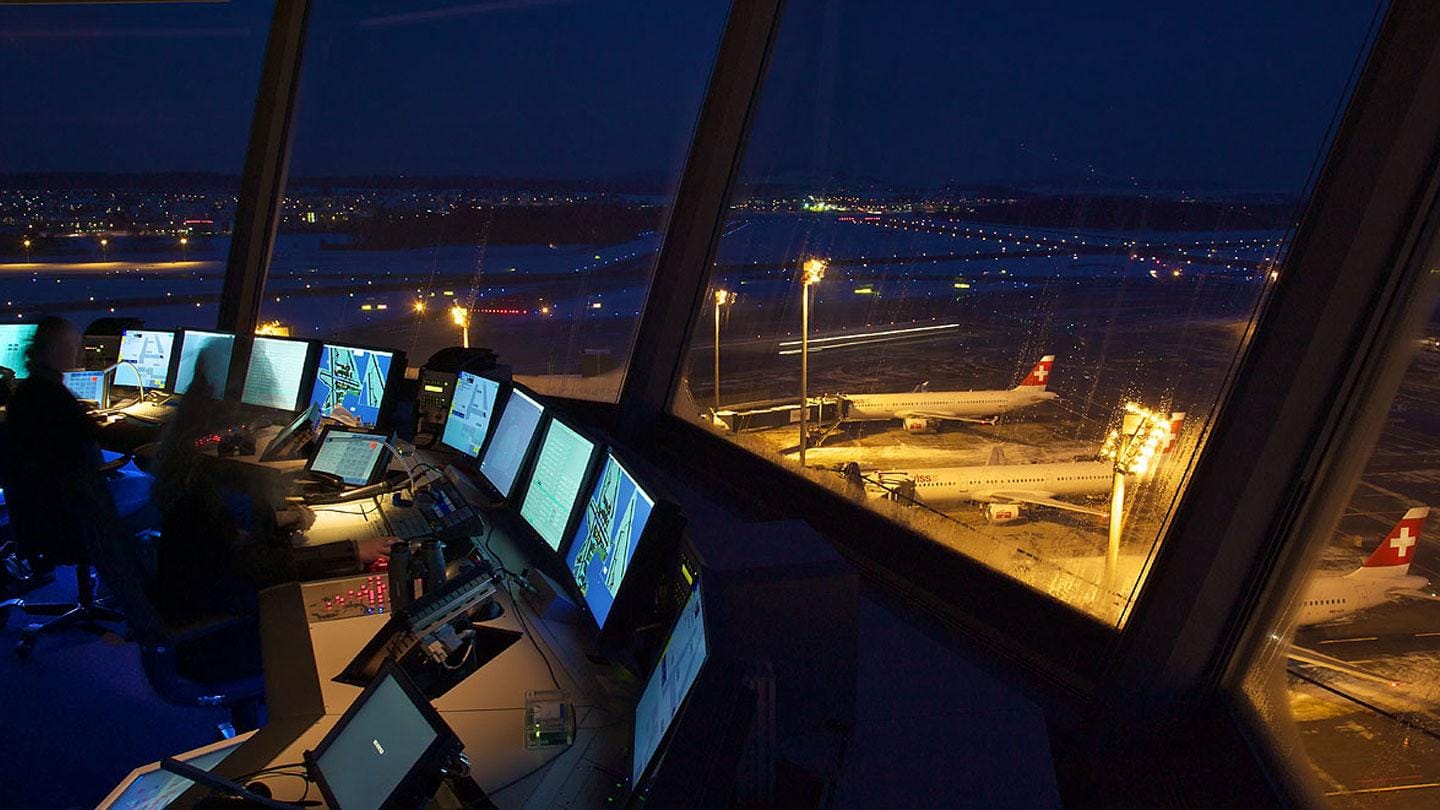
Swiss Air Traffic Controller Skyguide Plans Up

Skyguide has announced plans to reduce its workforce by up to 220 positions by the end of 2027 as part of a major restructuring aimed at improving financial stability and operational efficiency.

The Swiss air traffic control company is responding to rising personnel and systems costs, uncertain revenue forecasts, and increasing European efficiency requirements. Internal complexity has also been cited as a key reason for the planned changes.

The restructuring will be carried out in two phases. Around 90 jobs will be affected between September and November this year, followed by up to 130 additional positions between May and June 2027.

Sites including Geneva-Cointrin and the Dübendorf airfield are expected to be impacted by the cuts, although operational air traffic control roles will remain protected to ensure safety standards are maintained across Switzerland’s airspace.

Skyguide reported total expenditure of CHF 576 million in 2025, including CHF 382 million in personnel costs, highlighting the financial pressure driving the restructuring plan.

The company emphasized that safety and service continuity remain its top priorities. It stated that air traffic operations will continue without disruption throughout the restructuring process.

As part of a formal consultation procedure that began on Tuesday and runs until June 18, Skyguide is working with employee representatives to explore alternatives to job cuts. These include internal transfers, early retirement schemes, reduced external hiring, and limited recruitment.