

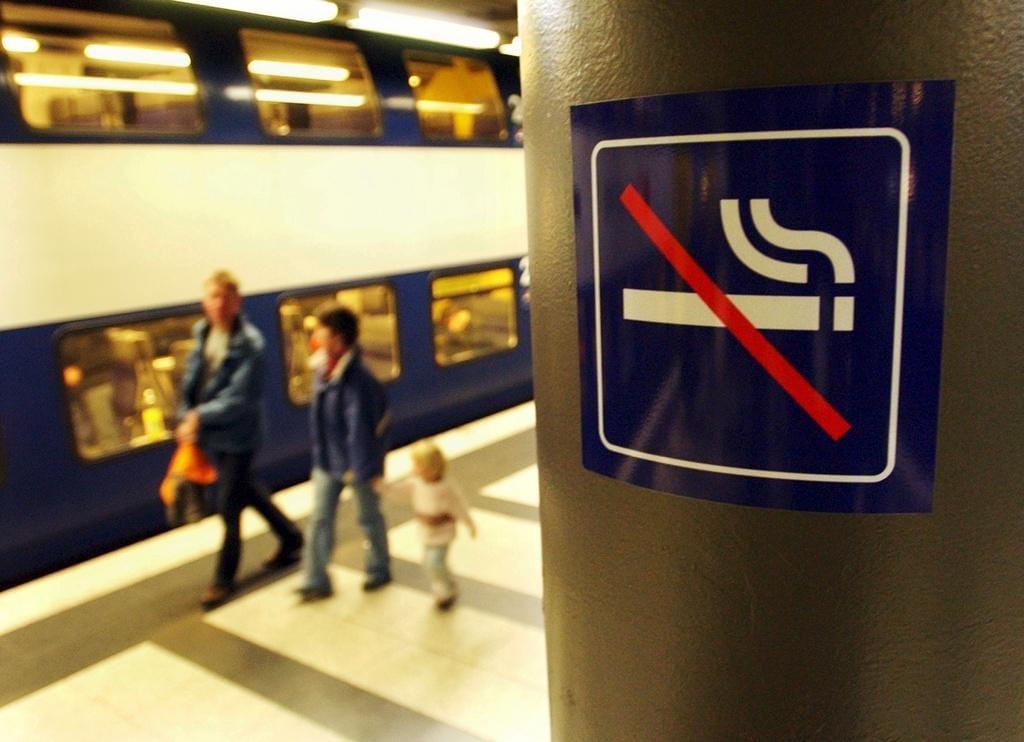
New Swiss Platform Highlights Dangers of Passive Smoking and Vaping

A new public health platform in Switzerland is raising awareness about the dangers of passive smoking and vaping as prevention groups express concern over the country’s tobacco control policies.

The platform, Passivesmoke.ch, was launched by the Swiss Association for Tobacco Prevention in partnership with the Swiss Lung League.

Campaigners say the initiative responds to growing nicotine consumption among young people and Switzerland’s continued refusal to ratify the World Health Organization Framework Convention on Tobacco Control.

According to new figures published by Addiction Switzerland, electronic cigarettes are increasingly becoming the main entry point to nicotine use among adolescents. The study found that around 45% of people aged 18 to 24 already consume nicotine-related products such as e-cigarettes, snus, and nicotine pouches.

Health advocates describe the trend as alarming and warn that passive exposure to smoke and vaping emissions remains a daily issue in homes, shared living spaces, and indoor public areas.

The new platform aims to educate the public about the health risks associated with second-hand smoke and passive vaping, topics that campaigners say have been largely overlooked in recent public debates.

The WHO Framework Convention on Tobacco Control recommends measures such as stricter advertising restrictions and higher tobacco taxes to reduce nicotine consumption. However, Switzerland remains one of the few European countries that has not fully adopted the agreement.

Earlier this year, a majority in the Swiss parliament rejected ratification of the convention, arguing that it could weaken national sovereignty by aligning Swiss policies with international standards.

Public health organizations continue to call for stronger tobacco prevention measures as nicotine product use rises among younger generations across Switzerland.

Long Traffic Jams Build Early at Switzerland’s Gotthard Tunnel.

Heavy traffic congestion has already formed at the northern entrance of the Gotthard Road Tunnel as holiday and transit traffic intensifies across Switzerland.

According to the Touring Club Switzerland (TCS), a queue measuring approximately 9 kilometres had developed at the north portal by 7:20am on Thursday morning.

Motorists faced waiting times exceeding 90 minutes before entering the tunnel. Traffic authorities reported that the line of vehicles was divided into several sections between Erstfeld and Göschenen.

Drivers heading south were advised to use the alternative route via the A13 motorway and the San Bernardino Tunnel to avoid severe delays.

Traffic pressure at the Gotthard route has remained high in recent days. On Wednesday afternoon, authorities had already recorded a traffic jam stretching around 10 kilometres at the same location.

The Gotthard corridor is one of Europe’s most important north-south transit routes, particularly during holiday periods and long weekends, often leading to significant congestion at tunnel access points.

Swiss traffic authorities continue to monitor the situation and recommend that travelers check live traffic updates before beginning their journeys.

Swiss Court Convicts Businessman for Supplying Sensitive Goods to Russia

Switzerland’s Federal Criminal Court has sentenced a businessman to a suspended prison term after finding him guilty of illegally supplying sensitive materials to Russia in violation of Swiss export control laws.

The court handed the man a 16-month suspended prison sentence for multiple offences under the Swiss Goods Control Act, including attempted illegal exports linked to materials allegedly intended for a programme involving weapons of mass destruction.

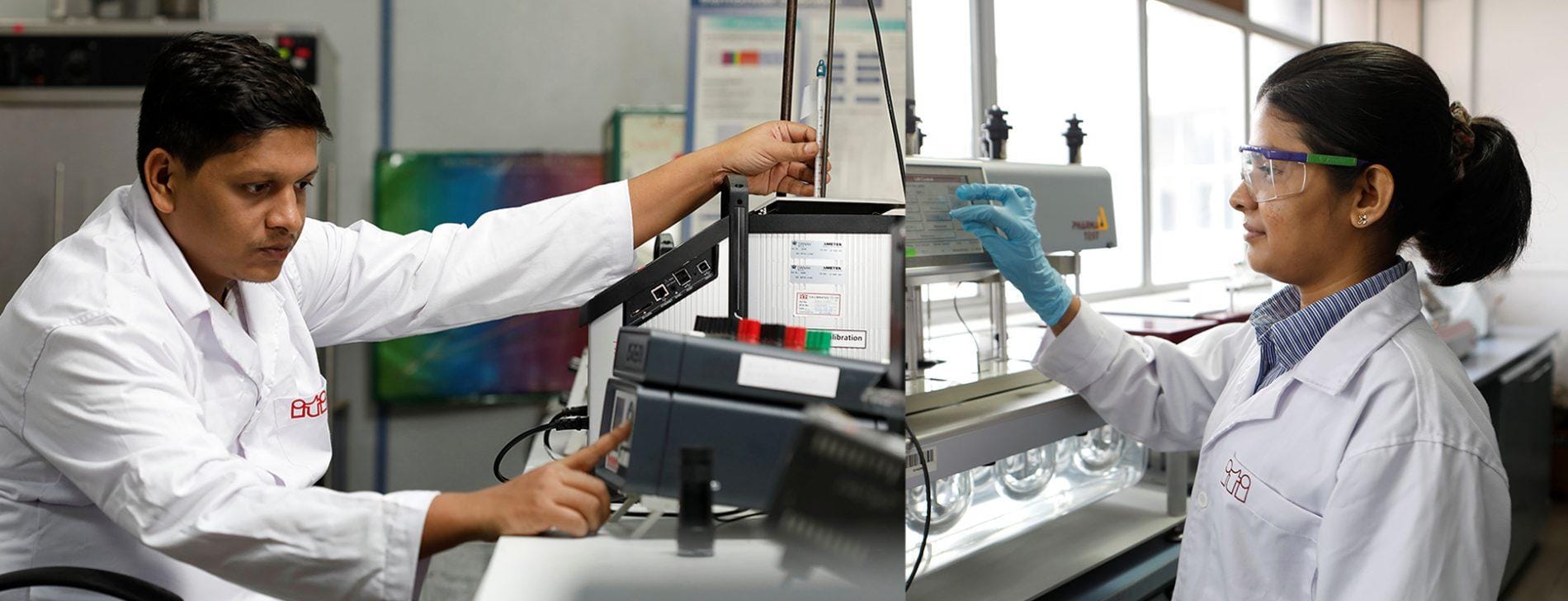
According to prosecutors, the businessman worked for a company that distributes laboratory equipment, medical products, and pharmaceutical materials. Over a period of four years, he supplied and offered to supply goods to two individuals connected to the Russian trade mission in Bern.

Investigators stated that products worth around CHF75,000 were successfully exported to Russia, while additional offers totaling approximately CHF934,000 were proposed but never completed due to intervention by Swiss authorities in 2024.

The case highlights Switzerland’s strict regulations on dual-use goods and sensitive technologies that could potentially support military or prohibited weapons programmes.

Swiss authorities have intensified monitoring of exports linked to Russia in recent years, particularly following international sanctions and heightened geopolitical tensions.

The ruling underscores the country’s commitment to enforcing international non-proliferation rules and preventing the transfer of controlled materials that could threaten global security.