Switzerland Star Breel Embolo Blocked by ESTA Delay.

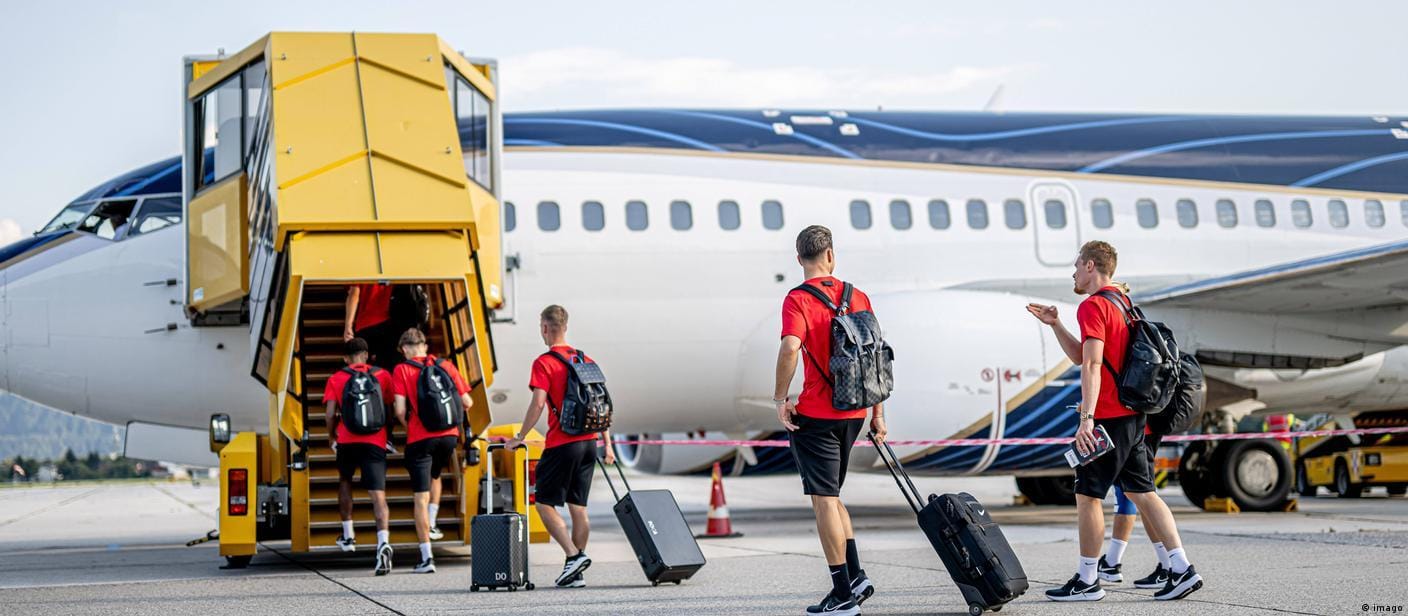
Switzerland forward Breel Embolo was unable to travel with the national football team to Los Angeles as scheduled due to an issue with his ESTA travel authorization for entry into the United States.

The Swiss Football Association (SFV) confirmed that Embolo’s ESTA had initially been approved earlier in the day. However, just hours before the team’s departure, authorities informed the association that his travel authorization had been placed under further review. As a result, the striker was unable to board the flight with the rest of the squad.

The situation created uncertainty within the Switzerland camp shortly before their scheduled departure at 1pm on Tuesday. The SFV stated that it is in contact with both Swiss and US authorities to resolve the issue as quickly as possible.

At this stage, no official explanation has been provided for the renewed review of Embolo’s ESTA application. The striker remains in Switzerland while waiting for clearance to travel.

Team officials have not confirmed when Embolo will be able to join his teammates in Los Angeles. The incident highlights how travel documentation procedures can unexpectedly disrupt international sporting schedules, even at the highest level of competition.

Further updates are expected once the Swiss Football Association receives clarification from the relevant authorities.
Switzerland’s 10 Million Population Vote: Impact on Tamils?

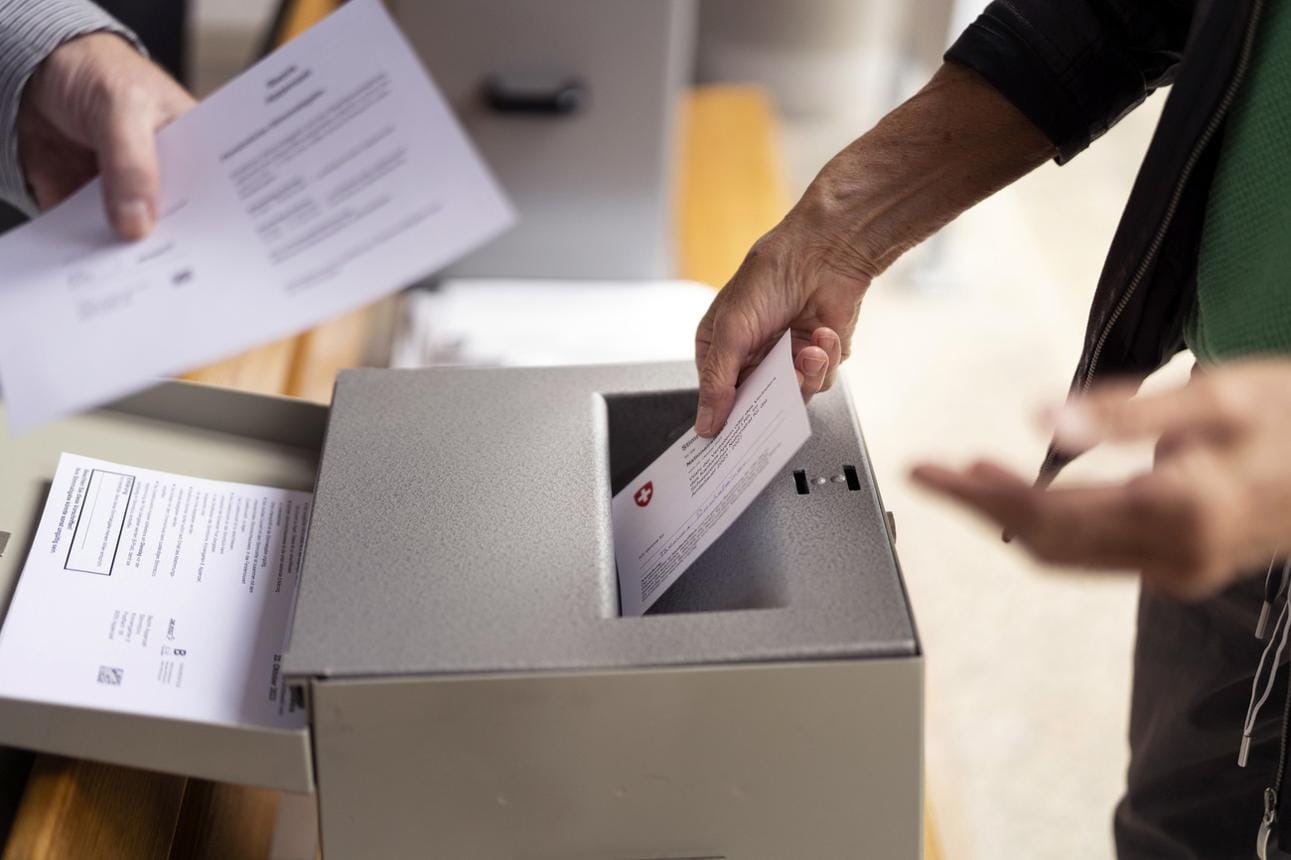
Switzerland is preparing for an important national vote on a proposal known as “No to 10 Million Switzerland,” which aims to limit the country’s population growth. The initiative, introduced by the Swiss People’s Party (SVP), seeks to prevent Switzerland’s population from exceeding 10 million by introducing stricter controls on immigration.

Supporters of the proposal argue that rapid population growth places increasing pressure on housing, transportation, public services, infrastructure, and environmental resources. They believe Switzerland should take stronger measures to manage migration and maintain the country’s quality of life.

Opponents, however, warn that the proposal could negatively affect Switzerland’s economy, labour market, and international competitiveness. Most major political parties, along with the Swiss Federal Government, have rejected the initiative and are encouraging voters to oppose it. Critics argue that Switzerland relies heavily on skilled foreign workers and international talent to support economic growth.

Speaking on the issue, Socialist Democratic Party member Siri Rasamanickam urged Swiss citizens to study the proposal carefully before casting their vote. He emphasized the importance of making informed decisions based on official information rather than opinions shared on social media.

The proposal has also attracted attention among migrant communities, including Swiss Tamils, who are closely following the debate. While the initiative primarily focuses on future population growth and immigration policies, many observers believe the outcome could influence Switzerland’s long-term approach to migration and integration.

Political analysts note that the proposal faces significant opposition from major parties and government institutions. Nevertheless, the final decision rests with Swiss voters, making the upcoming referendum an important event for the country’s future migration policies.

The vote is expected to generate widespread discussion across Switzerland as citizens consider the balance between population growth, economic needs, and social development.+

Starting a Business in Switzerland: A Complete Guide.

Switzerland offers one of the most business-friendly environments in Europe, making it an attractive destination for entrepreneurs and small business owners. Whether you want to start a cleaning service, construction company, online store, restaurant, delivery service, or consulting business, understanding the registration process is essential for success.

The simplest option is to start as a Sole Proprietorship (Einzelfirma). This structure is suitable for self-employed individuals and freelancers. Entrepreneurs must register with the AHV/AVS social insurance office as self-employed. If annual revenue exceeds CHF 100,000, registration in the Commercial Register becomes mandatory. Businesses earning less than this amount may register voluntarily to increase credibility and visibility.

Another popular option is establishing a GmbH (Limited Liability Company). This structure requires a minimum share capital of CHF 20,000 and offers greater legal protection for business owners. A notary must prepare the incorporation documents before the company is officially registered in the Swiss Commercial Register.

For larger businesses, the AG (Aktiengesellschaft) structure is commonly used. This form is designed for companies seeking significant investment and expansion opportunities. AG companies require higher capital contributions and more extensive legal procedures, including mandatory notary certification and Commercial Register registration.

Entrepreneurs can complete many registration procedures through EasyGov, Switzerland’s official online business platform. The service allows users to register companies, complete AHV registrations, apply for VAT registration, and handle Commercial Register procedures through a single portal. Business owners can also verify registered companies using the Zefix central commercial register database.

Various organizations provide support for new entrepreneurs in Switzerland. Cantonal economic development offices, chambers of commerce, business consultants, startup incubators, and financial institutions offer guidance on legal requirements, taxation, accounting, and business planning. Their expertise can help entrepreneurs navigate the Swiss business environment more efficiently.

Before starting a business, entrepreneurs should evaluate their residence permit status, business activity, expected revenue, and legal obligations. Proper planning and compliance with Swiss regulations can significantly improve the chances of building a successful and sustainable business.

Swiss Bank Stops Loan Access for Refugees.

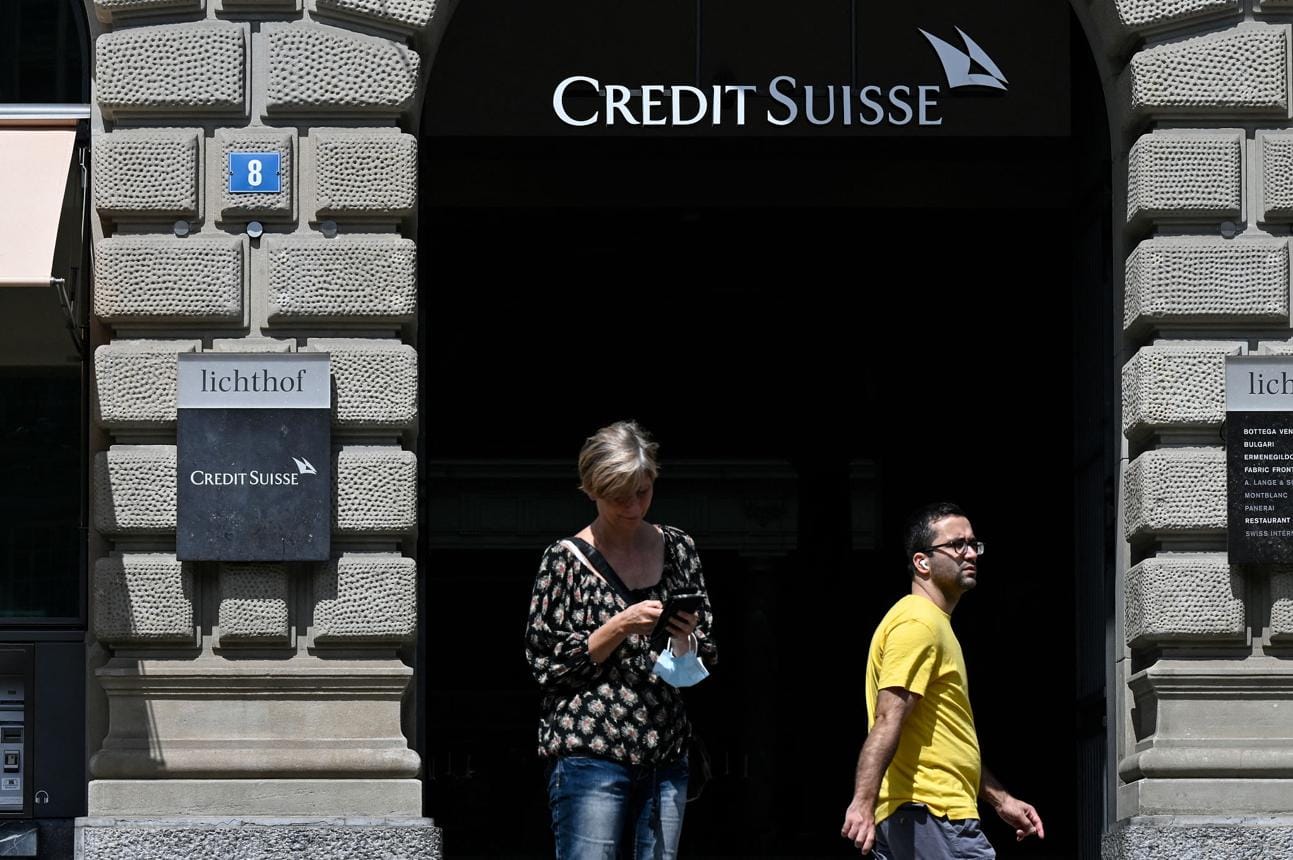
A well-known Swiss bank has reportedly ended loan facilities for individuals holding refugee status in Switzerland. The decision has sparked discussion among community groups, financial experts, and refugee support organizations regarding access to essential financial services.

Banks in Switzerland regularly review their lending policies based on risk assessments, regulatory requirements, and internal business strategies. Changes to loan eligibility criteria can affect specific customer groups, including foreign nationals and individuals with different residence permit categories.

The reported move has raised concerns among refugee communities who rely on financial products to support education, housing, transportation, and small business activities. Advocates argue that access to responsible credit plays an important role in helping individuals integrate into Swiss society and achieve financial stability.

Supporters of stricter lending policies, however, point out that banks must manage financial risks carefully and comply with regulatory obligations. Financial institutions often evaluate factors such as income stability, employment status, residency conditions, and repayment capacity before approving loans.

The development highlights the ongoing debate between financial risk management and equal access to banking services in Switzerland. Further clarification from the bank and relevant authorities may provide additional details regarding the scope and impact of the policy change.

Migros Restaurant Food Quality in Switzerland.

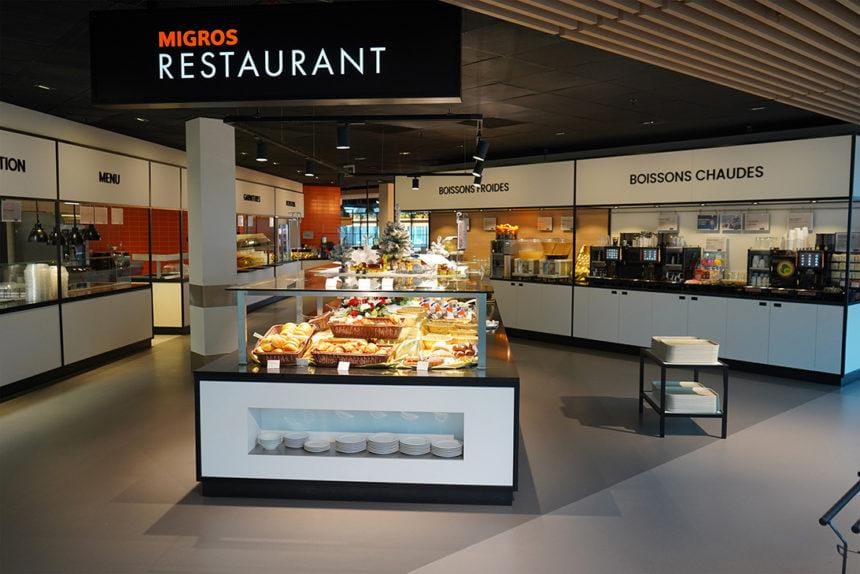
Migros operates some of the most popular self-service restaurants across Switzerland and continues to attract thousands of customers every day. While Migros restaurants are not considered luxury dining destinations, many visitors appreciate them for offering fresh meals, affordable prices, and a comfortable dining environment.

Migros focuses on providing seasonal menus, freshly prepared dishes, salad buffets, vegetarian options, and family-friendly meals. The company aims to deliver quality food that meets Swiss standards while keeping prices accessible for everyday customers. This combination has helped Migros become a trusted choice for quick lunches and casual dining throughout the country.

Many customers praise Migros restaurants for offering good value for money. Fresh salads, buffet selections, clean dining spaces, and family-oriented meal options remain among the most appreciated features. Customers also value the use of ingredients that comply with Switzerland’s strict food quality standards.

However, customer experiences can vary between different Migros restaurant locations. Some visitors report that food quality and taste differ from branch to branch. Others believe that food standards have changed over recent years, while some diners feel the restaurants may not satisfy expectations for premium culinary experiences.

Overall, Migros remains a reliable option for people seeking a clean, affordable, and convenient meal in Switzerland. Although food enthusiasts looking for gourmet dining may prefer other restaurants, Migros continues to maintain its reputation as one of Switzerland’s most accessible and trusted self-service dining brands.

Sri Lanka Mobile Embassy Service Successfully Held in Zurich, Switzerland

A mobile consular service organized by the Sri Lankan diplomatic mission in Zurich was successfully conducted on May 09 and 10, 2026, in collaboration with local Sri Lankan associations and community groups.

The initiative was coordinated by the Permanent Mission of Sri Lanka in Geneva to improve accessibility for Sri Lankans living in Switzerland. The service was designed to allow citizens to access essential embassy services without traveling long distances, ensuring greater convenience for the diaspora community.

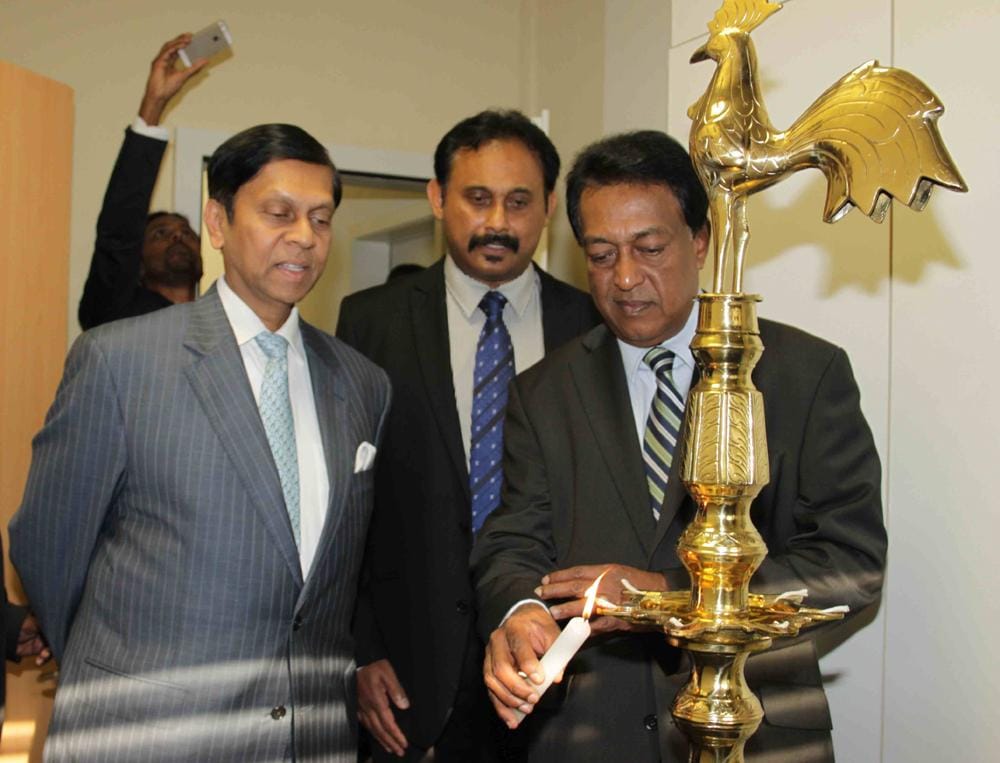
The event was inaugurated by Sri Lanka’s Permanent Representative to the United Nations in Geneva, Ambassador Sumith Dassanayake. He stated that, under the guidance of Foreign Minister Vijitha Herath, similar mobile consular services will be expanded across Switzerland in the future, including cities such as Bern, Aargau, and Solothurn. The Zurich program marks the beginning of this broader initiative.

During the two-day service, the diplomatic team provided several important consular services. These included accepting passport applications, issuing birth registrations, providing e-BMD certified birth, marriage, and death certificates, processing dual citizenship applications, and certifying civil status documents and affidavits.

Alongside the consular work, the Ambassador also held discussions with key Sri Lankan community organizations in Switzerland, including the Swiss Sri Lanka Association and the Dharma Union (Hindu-Buddhist organization). These discussions focused on strengthening cooperation and improving services for the Sri Lankan community.

He also visited the Sri Bodhirajaramaya Buddhist Temple in Lenzburg and the Sri Sivasubramaniar Temple in Adliswil, where he engaged with community members and religious leaders to understand their concerns and needs.

This mobile embassy service is considered an important step toward improving diplomatic accessibility and delivering efficient public services to Sri Lankans living abroad.

Swiss Immigration Vote Sparks Nationwide Debate Ahead of Referendum

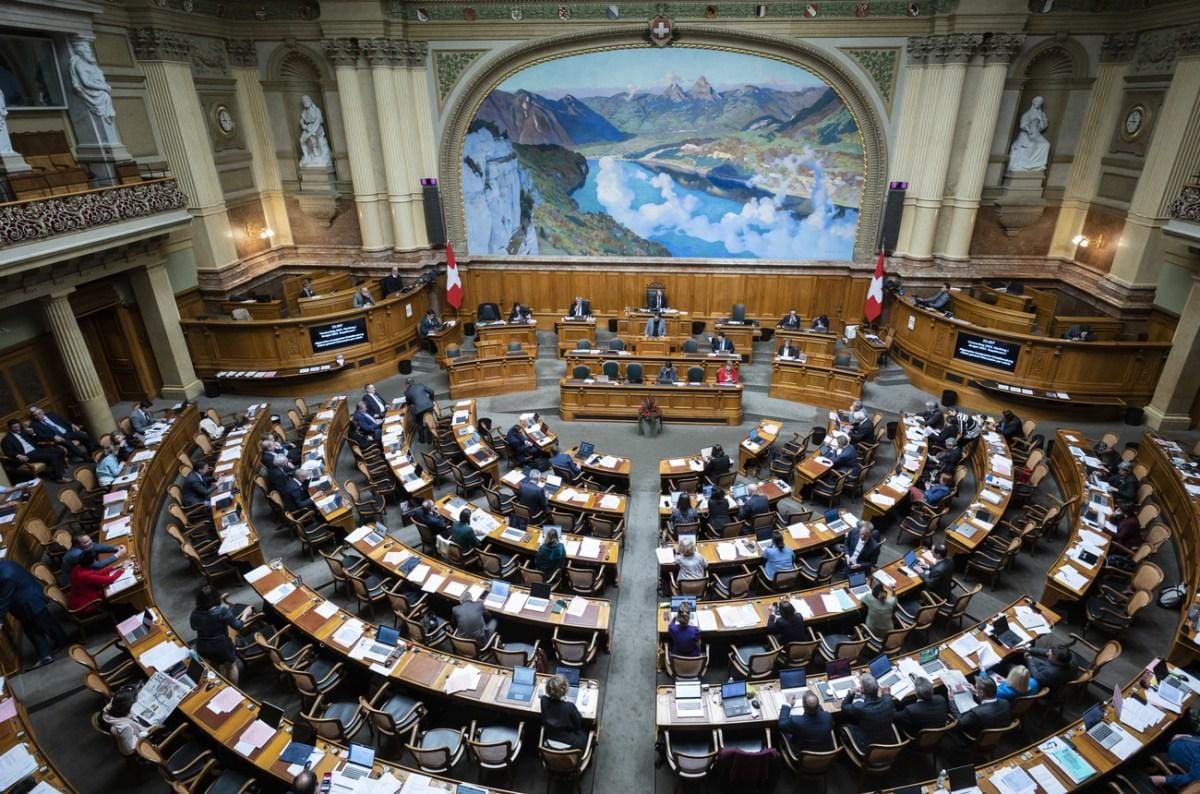
A major political debate is gaining momentum in Switzerland as the country prepares for a crucial national referendum on immigration. The proposal, widely known as “No to 10 Million Switzerland,” aims to limit the country’s population growth by introducing stricter immigration controls. The referendum is scheduled to take place on June 14 and has already attracted nationwide attention unlike any recent public vote in the country.

The proposal was introduced by the Swiss People’s Party, a political group known for its strong stance against large-scale immigration. Supporters of the initiative argue that rapid population growth is increasing pressure on housing, transportation, healthcare, and public infrastructure across Switzerland. They believe tighter immigration policies are necessary to protect the country’s long-term stability and quality of life.

However, strong opposition to the proposal is also growing across the country. Business leaders, economists, and several political groups warn that reducing immigration could create serious labor shortages in key sectors. Industries including healthcare, construction, hospitality, and technology heavily depend on foreign workers to maintain daily operations and economic growth.

Critics of the proposal argue that immigration plays a vital role in strengthening the Swiss economy. They say limiting the number of immigrants could slow economic development, reduce workforce availability, and negatively impact Switzerland’s international competitiveness. Many experts also point out that skilled migrants contribute significantly to innovation, productivity, and tax revenue.

As the referendum date approaches, both supporters and opponents are spending heavily on nationwide campaigns to influence voters. Political advertisements, public debates, social media campaigns, and television discussions have intensified in recent weeks, turning the immigration referendum into one of the most talked-about political issues in Switzerland this year.

The outcome of the vote could shape the future of immigration policy in Switzerland and influence debates across Europe. With public opinion sharply divided, the referendum is expected to become a defining political moment for the country.