Switzerland Praises WHO for Strong Hantavirus Management.

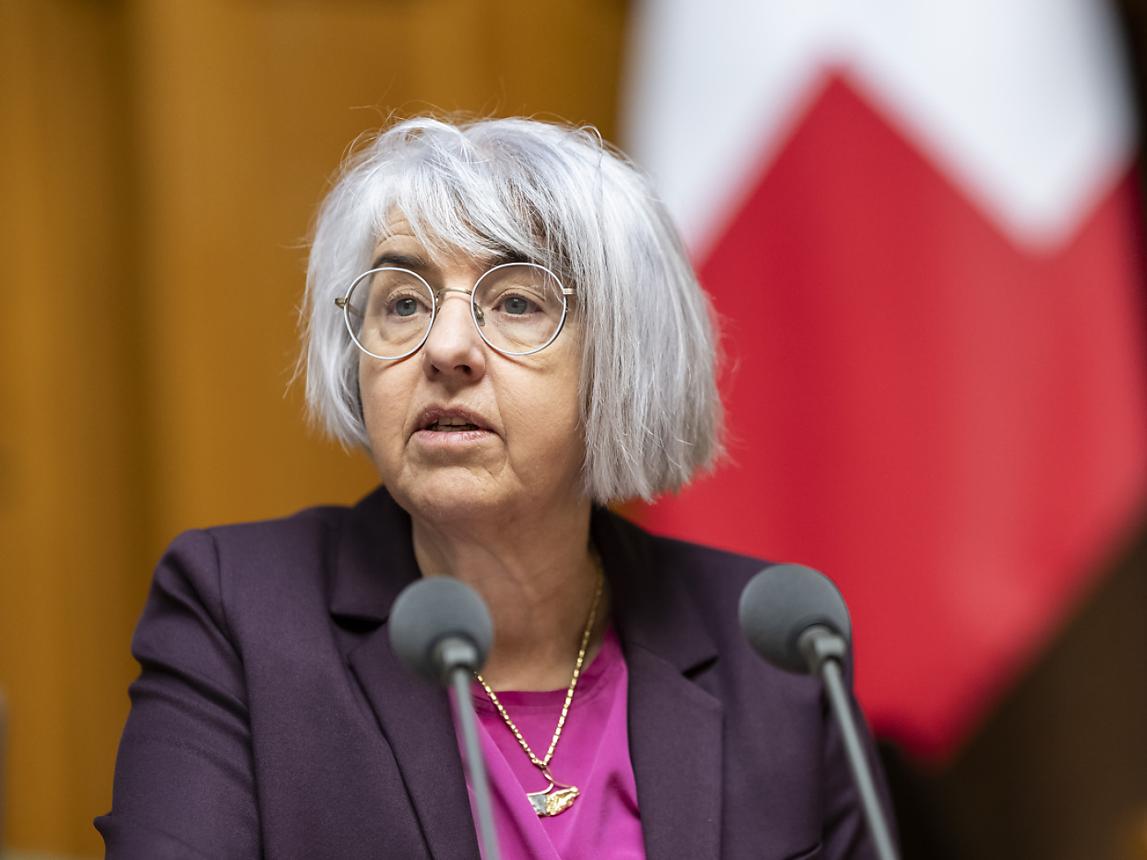
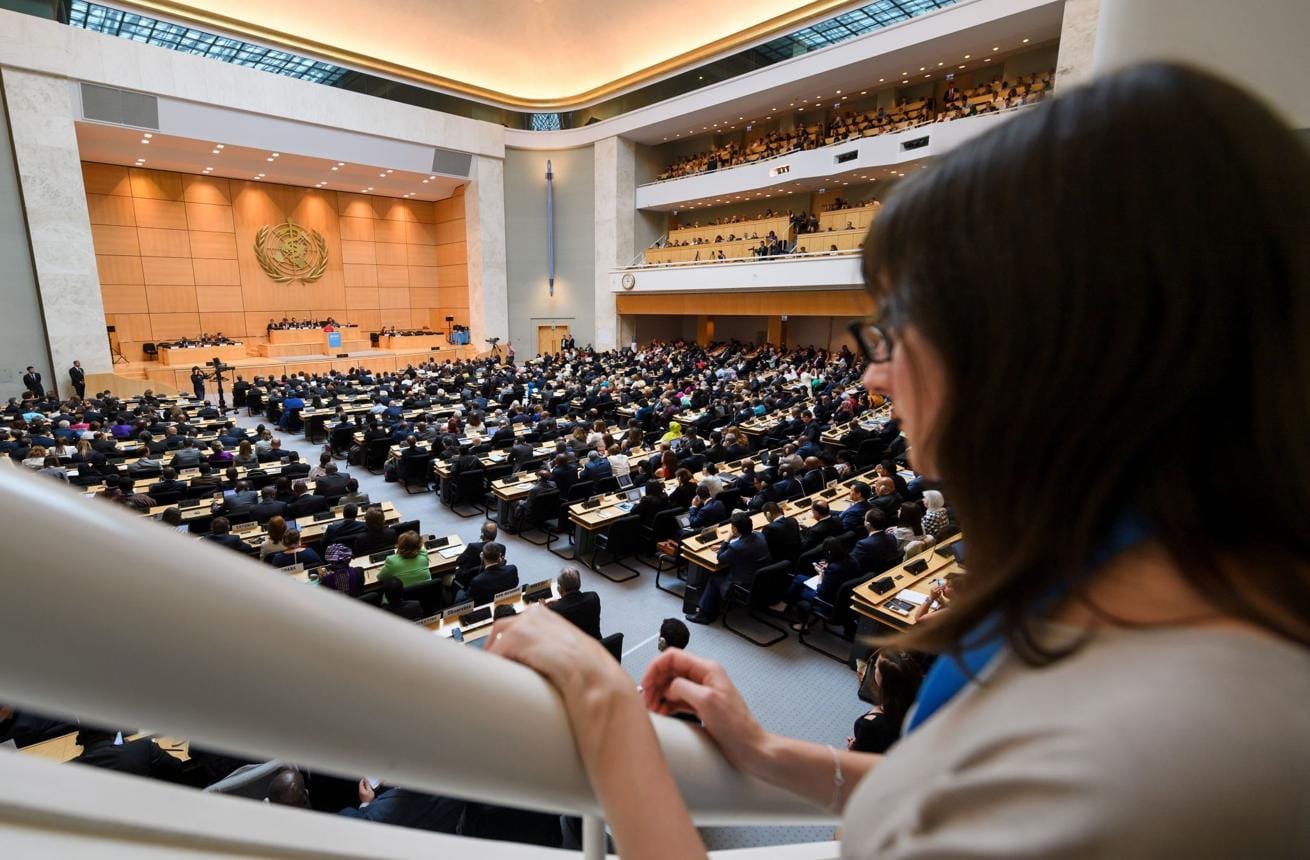
Switzerland has praised the role of the Geneva-based World Health Organization (WHO) for leading the global response to the hantavirus outbreak. During the opening of the World Health Assembly in Geneva, Swiss Interior Minister Elisabeth Baume-Schneider emphasized the importance of international cooperation and transparent health communication during future global health emergencies.

Baume-Schneider stated that the WHO remains an essential institution for global public health despite growing political pressure and financial challenges. She called for a realistic and efficient international system that allows countries to share pathogen information and medical countermeasures quickly during pandemics. Switzerland strongly believes that global cooperation is necessary to prevent future health crises and protect millions of lives worldwide.

The minister also highlighted the WHO’s active response to both hantavirus and Ebola outbreaks. She acknowledged that the organization continues to perform its responsibilities effectively even after facing a budget reduction of nearly $1 billion and the loss of approximately 1,300 staff members. Switzerland reaffirmed its support for the WHO and stressed that the organization plays a critical role in global disease monitoring, emergency response, and healthcare coordination.

Recent criticism from countries such as the United States and Argentina has created uncertainty around the WHO’s future funding and leadership. However, Switzerland continues to support the Geneva-based organization and recognizes its contribution to international health security. Swiss officials believe that strengthening the WHO will improve global preparedness for future pandemics and emerging infectious diseases.

Experts say hantavirus infections remain a serious public health concern in several regions worldwide. The disease spreads mainly through contact with infected rodents and can cause severe respiratory complications. Health authorities continue to monitor the situation closely while encouraging countries to improve disease surveillance and emergency response systems.

Swiss Economy Grows 0.5% Despite Oil Price Shock

The Swiss economy recorded stronger-than-expected growth in early 2026 despite global pressure from rising oil prices and ongoing trade uncertainties.

According to a flash estimate released by the State Secretariat for Economic Affairs (SECO), Switzerland’s gross domestic product (GDP) increased by 0.5% in the first quarter of 2026 compared to the previous quarter.

Both the industrial and service sectors contributed to this positive performance, showing resilience even amid external economic shocks.

The growth rate exceeded analysts’ expectations, which had predicted expansion between 0.3% and 0.4%, according to market surveys.

In the previous quarters, the Swiss economy showed mixed performance, including a 0.2% growth at the end of 2025 and a 0.5% contraction earlier due to tariff-related tensions.

SECO officials noted that improved business confidence played a key role in the recovery, along with easing tariff pressures and modest positive spillover effects from Germany’s economy.

However, economists remain cautious about the outlook. Rising oil prices, which increased significantly in March, could still affect economic momentum in the coming months.

Despite this, confidence indicators have remained relatively stable, suggesting that short-term growth may continue.

The Swiss government currently projects annual growth of around 1.0%, though this could be revised down to 0.8% if high energy prices persist.

A detailed GDP breakdown is expected in the upcoming full report scheduled for June 1, which will provide deeper insight into sector-specific performance.

Baume-Schneider Praises WHO Response to Hantavirus Management

Swiss Interior Minister Elisabeth Baume-Schneider has praised the World Health Organization (WHO) for its ongoing management of the hantavirus response, highlighting the importance of strong international coordination in global health emergencies.

Speaking in Geneva at the start of the World Health Assembly, Baume-Schneider emphasized that the WHO remains “irreplaceable” despite facing financial pressure and workforce reductions in recent years.

She noted that the organization is continuing to play a key role in managing current health threats, including hantavirus and Ebola, even after significant budget cuts and nearly 1,300 job reductions.

Baume-Schneider also called for a more “realistic and functional” global system for sharing information about pathogens and countermeasures during future pandemics.

A key focus of ongoing discussions is the proposed pathogen-related sharing system (PABS), which aims to regulate how countries share biological data and medical resources in the event of outbreaks.

However, member states have yet to reach a consensus on the framework, despite an agreement reached in 2025 aimed at strengthening global pandemic preparedness.

Switzerland has reiterated its support for a practical and enforceable system that ensures clear responsibilities and effective coordination between countries.

The statement comes amid increasing global debate over the role and funding of the WHO, particularly after criticisms and partial withdrawals from some countries.

Geneva Prepares Special Security Measures Ahead of G7 Summit in Evian

Authorities in Switzerland are preparing extensive security measures ahead of the upcoming G7 Summit scheduled to take place in Evian, France, near the Swiss border.

The Geneva Public Prosecutor’s Office has announced a large-scale operational plan to handle potential incidents during the summit, which will run from June 15 to June 17 on the French side of Lake Geneva.

Geneva public prosecutor Olivier Jornot said authorities are preparing for the “most dangerous scenario,” including possible mass arrests linked to protests or security incidents.

To manage the expected pressure, the prosecutor’s office plans to double or even triple its usual staffing levels during the summit period. Up to six prosecutors per day will reportedly be placed on standby to handle urgent legal procedures.

Officials also confirmed that routine hearings involving detainees will be significantly reduced during the summit in order to prioritize emergency response and security-related cases.

Security planning has identified two main risk areas. The first involves potential threats against heads of state and delegations, which falls under federal-level Swiss security responsibility. The second concerns civil disturbances, including protests, vandalism, and property damage, which will be handled by Geneva authorities.

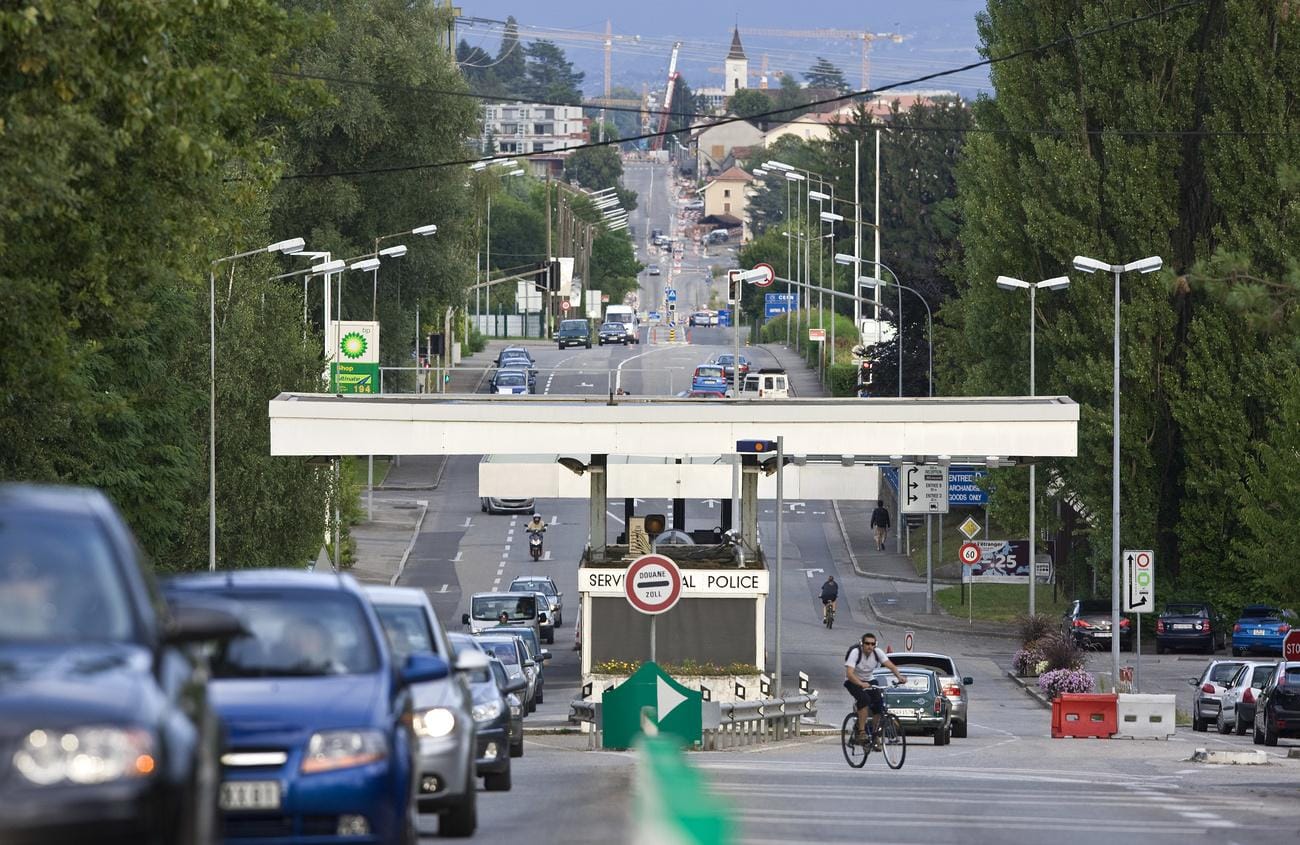
In response to these risks, Geneva will also tighten border controls during the summit period. Between June 12 and June 18, only seven of the canton’s 35 border crossings will remain open to regulate movement and strengthen security monitoring.

Authorities have cited lessons learned from the 2003 G8 summit in Evian, when protests led to significant damage on the Swiss side of the border.

The coordinated Swiss-French security strategy highlights the importance of cross-border cooperation during major international political events held in the Lake Geneva region.

Massive Crowds Attend 35th Swiss Federal Music Festival in Biel/Bienne

The 35th Swiss Federal Music Festival has drawn massive crowds to Biel/Bienne, transforming the city into a national hub for wind instrument and brass band performances over four days.

Organisers estimate that around 100,000 visitors attended the event, with officials suggesting the actual number may have been even higher due to the overwhelming turnout across venues and streets.

A total of 24,071 musicians from 532 associations participated in competitions held in major venues such as the Palais des Congrès, Maison du Peuple, and Théâtre Nebia. Expert juries evaluated performances across multiple categories, showcasing the depth of Switzerland’s long-standing musical tradition.

Despite challenging weather conditions, most events continued as planned, although one parade competition on Saturday evening had to be cancelled due to heavy rain.

The festival atmosphere remained vibrant throughout, with large audiences lining streets along parade routes. At peak times, central areas such as Rue Centrale became so crowded that movement was extremely difficult.

In the “Brass Band Excellence” category, musicians from the canton of Valais dominated the rankings, securing the top six positions. The Ancienne Cécilia group from Chermignon claimed the top prize, reinforcing Valais’s strong reputation in Swiss brass music.

Beyond competitions, more than 60 additional cultural and entertainment events were held, attracting families, youth groups, and music enthusiasts from across the country.

Organisers also placed strong emphasis on youth participation, collaborating with local cultural collectives and youth centres to encourage younger generations to learn and engage with wind instrument music.

The festival, considered one of the largest of its kind globally, has a history spanning over 200 years, reflecting deep cultural roots dating back to the early Swiss federal era.

Following the success of the 2026 edition, the next Swiss Federal Music Festival is scheduled for 2031 in St. Gallen.

Swiss President Criticises EU Steel Tariffs as Harmful

Swiss President Guy Parmelin has strongly criticised new steel tariffs approved by the European Union, calling the measures “counterproductive” and harmful to European supply chains.

Speaking to Swiss public broadcaster SRF, Parmelin said he had already warned European Commission President Ursula von der Leyen that the tariffs could become an “own goal” for Europe.

The EU plans to introduce stricter protections for its steel sector starting July 1, including a major reduction in duty-free steel import quotas. Swiss steel producers are expected to be affected by the changes despite Switzerland’s close economic integration with European manufacturing industries.

Parmelin argued that Switzerland plays a crucial role in European industrial supply chains, particularly in sectors such as aerospace and advanced manufacturing. He warned that restricting Swiss steel imports could negatively impact European companies that depend on Swiss materials and components.

The Swiss government and the European Commission are now expected to negotiate updated import quotas through the framework of the World Trade Organization.

The Swiss president also expressed frustration over new EU rules concerning unemployment benefits for cross-border workers. Under the proposed regulation, unemployed cross-border workers would receive benefits from the country where they last worked instead of their country of residence.

According to Switzerland’s State Secretariat for Economic Affairs (SECO), the change could cost Switzerland up to CHF900 million annually. Parmelin described the move as unhelpful and said he was surprised that the EU had raised several sensitive issues while Switzerland and the EU were still discussing broader agreements on bilateral relations.

At the same time, Switzerland’s trade discussions with the United States are also facing difficulties. Parmelin noted that uncertainty surrounding a recent US Supreme Court decision on presidential tariff powers has complicated negotiations between Bern and Washington.

Swiss officials are still awaiting a formal response from the US regarding Switzerland’s trade proposals. Analysts say the situation highlights the increasing pressure facing Switzerland as it navigates complex trade relationships with both the EU and the United States.

Royal Pop Watches Trigger Massive Queues Across Switzerland

The launch of the new Royal Pop watch collection by Swatch Group created huge excitement across Switzerland, with hundreds of people lining up outside stores in multiple cities.

Large crowds began gathering from Friday night in hopes of purchasing the trendy new watches when sales officially opened on Saturday morning. In Geneva alone, more than a thousand people reportedly filled nearby streets around the Swatch store as police officers monitored the growing crowds.

Hundreds of customers also gathered near the Swatch Group headquarters in Biel/Bienne, while around 400 people queued outside the Zurich store early Saturday morning. Due to the overwhelming demand, the Zurich branch reportedly opened earlier than scheduled.

The situation became tense in some cities as crowd-control problems emerged. Local media reported scuffles and minor clashes in Basel and Lausanne, forcing police to intervene to maintain order and public safety.

Following the incidents, Swatch announced on Instagram that several stores would remain closed temporarily. Branches located on Rue du Marché in Geneva, as well as stores in Lausanne and Basel, were shut down due to safety concerns linked to the large crowds.

The Royal Pop launch quickly became one of the biggest retail events in Switzerland this year. Social media hype, limited availability, and growing collector interest contributed to the massive turnout.

Industry observers say the event highlights the strong global demand for limited-edition Swiss watches and the growing influence of hype-driven fashion culture. Videos and photos of long queues outside stores have already gone viral online, attracting international attention.

The Swiss watch industry continues to remain a major global luxury market, with brands increasingly using exclusive launches and social media marketing to drive consumer excitement.

How Switzerland Became the World’s Second-Largest Coffee Exporter

Switzerland has become one of the most surprising leaders in the global coffee export market, despite not producing a single coffee bean due to its climate. Today, it ranks as the second-largest coffee exporter in the world, only behind Brazil.

The success is driven not by cultivation, but by high-value processing and re-exporting. Green coffee beans are imported into Switzerland at relatively low prices and then transformed into premium roasted products for global markets. According to research from the University of St. Gallen, raw coffee beans are imported at around $5 per kilogram, while processed exports can reach up to $26.80 per kilogram.

This massive value addition has made coffee Switzerland’s most important agricultural export, even surpassing traditional Swiss products such as cheese and chocolate in total export share.

A major contributor to this industry is global food and beverage giant Nestlé, which has built a strong global coffee ecosystem through brands like Nespresso and Nescafé. Switzerland has also become a key hub for trading, roasting, packaging, and distribution of coffee to international markets.

Experts say Switzerland’s success lies in its strong logistics infrastructure, political stability, financial systems, and high-tech food processing capabilities. These advantages allow companies to import raw materials, add value through advanced processing, and re-export finished goods efficiently.

However, the story of Swiss coffee dominance also has a complex side. While Switzerland profits significantly from coffee trading, most coffee is grown in developing countries where farmers often receive only a small portion of the final retail value. This global imbalance has sparked ongoing discussions about fairness in the coffee supply chain.

Today, Switzerland’s coffee industry stands as a powerful example of how a country can dominate global trade not through raw production, but through innovation, branding, and value-added processing.

AI Data Centres May Strain Switzerland’s Water Supply

The rapid expansion of artificial intelligence infrastructure is raising concerns about water and energy consumption in Switzerland. Experts warn that the growing number of AI-powered data centres could place increasing pressure on the country’s natural resources, especially water supplies used for cooling systems.

Switzerland currently hosts around 120 data centres, with approximately 20 additional facilities under construction. This gives the country one of the highest concentrations of data centres per capita in the world. The rise of artificial intelligence technologies is accelerating this growth as companies invest heavily in advanced computing infrastructure.

AI servers require significantly more processing power than traditional systems. As a result, they generate higher levels of heat and require intensive cooling methods to maintain safe operating temperatures. Many of these cooling systems depend heavily on water.

According to David Atienza Alonso, a professor at EPFL and an expert in AI computing systems, increasing AI adoption will continue driving demand for larger and more powerful data centres.

He explained that countries are also expanding domestic data infrastructure due to geopolitical tensions and concerns about digital sovereignty. Governments and companies increasingly want sensitive data to remain within national borders, leading to greater investment in local storage and computing facilities.

While Switzerland is often called the “water tower of Europe” because of its lakes, rivers, and glaciers, experts warn that resource availability should not be taken for granted. If AI infrastructure growth continues without long-term planning, some regions could eventually face challenges in supplying enough electricity and water.

Global estimates from the International Energy Agency suggest that data centres currently consume around 560 billion litres of water annually worldwide. This figure could rise to 1.2 trillion litres by 2030 as AI usage expands rapidly across industries.

Most of this water is used for cooling servers and generating electricity required to power data centre operations. Environmental experts say the issue remains largely invisible to the public despite its growing importance in the digital economy.

Researchers and policymakers are now calling for sustainable infrastructure planning, improved cooling technologies, and better resource management to ensure that Switzerland can support technological growth without placing excessive strain on natural resources.

Switzerland Issues High Alert Over African Swine Fever Risk

The Swiss government has issued a high-risk warning over the possible spread of African Swine Fever (ASF) into Switzerland. The alert was released by the Federal Food Safety and Veterinary Office (FSVO), which warned that the virus could reach the country at any time.

Although Switzerland has not yet recorded any ASF cases, authorities say the threat level has increased following a recent resurgence of infections in neighboring European countries, particularly Italy and Germany. Officials fear the disease could severely damage Switzerland’s pork industry and agricultural economy if it crosses the border.

African Swine Fever is a highly contagious viral disease that affects pigs and wild boars. While the virus does not pose a danger to humans, it can spread rapidly among animals and often results in large-scale livestock losses. Authorities warn that the virus can survive for long periods in meat products, animal carcasses, soil, and contaminated equipment.

The FSVO has strongly advised travelers not to bring pork or wild boar meat products into Switzerland from affected regions. Hunters returning from foreign hunting trips have also been instructed to thoroughly clean and disinfect their clothing, footwear, equipment, and vehicles before re-entering the country.

Swiss officials believe human activity is one of the biggest risks for transmission. A small amount of contaminated food waste or improperly cleaned hunting gear could potentially introduce the virus into local wild boar populations or domestic pig farms.

The government’s national monitoring program is currently conducting early detection testing across the country. Authorities confirmed that all recently tested wild boars have so far returned negative results for ASF. However, officials stress that continued vigilance is essential as the virus continues spreading in several European regions.

Recent setbacks in Germany and increasing cases in Spain have intensified concerns across Europe. Swiss authorities say the situation demonstrates how quickly ASF can return even after periods of apparent control.

Farmers and animal owners are now being urged to immediately report any unusual symptoms in pigs to veterinarians. The Swiss government says rapid reporting, strict hygiene measures, and border precautions are critical to preventing a national outbreak.