Swiss Patients Return Home After Treatment Abroad

Following the major fire disaster at the “Le Constellation” bar in Crans-Montana, all Swiss patients who were treated abroad have now safely returned home, according to the Federal Office for Civil Protection.

The blaze, which occurred on New Year’s Eve, resulted in 41 deaths and 115 injuries. In total, 38 injured individuals were transferred to specialised burn units across Europe, including clinics in Belgium, Germany, France, and Italy. Among them, 22 were Swiss residents.

The Federal Office for Civil Protection (FOCP) confirmed that a specialised coordination body, known as the Medical Board, managed the international repatriation process and ensured patients received appropriate care abroad before returning to Switzerland.

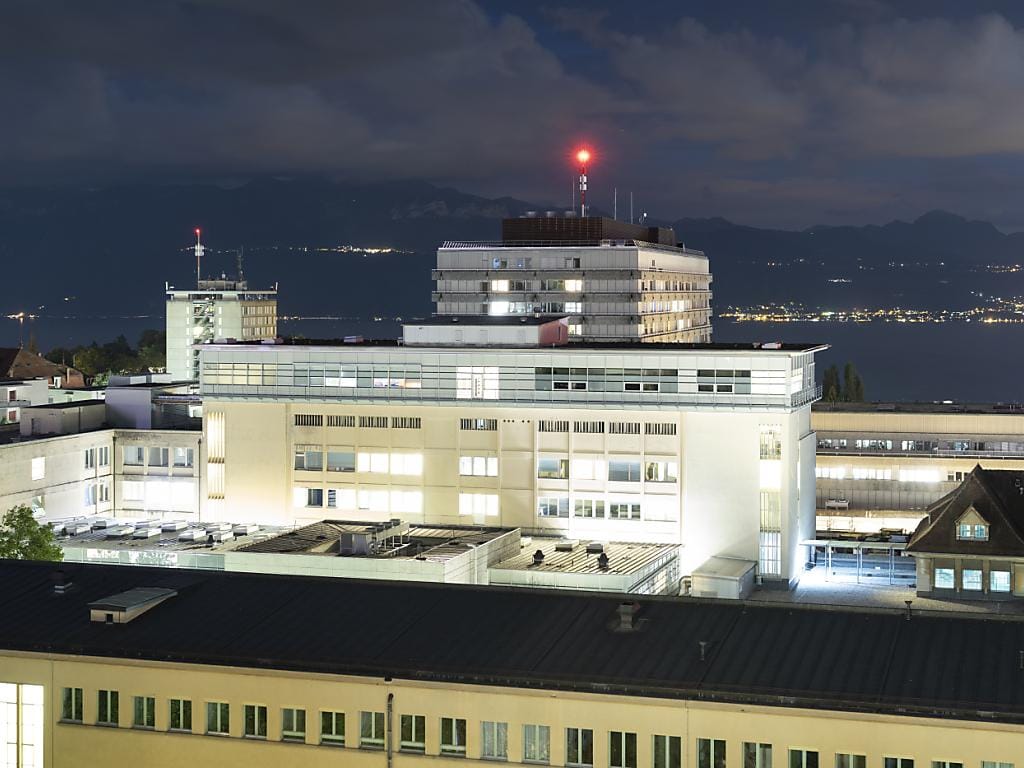
Most patients have now been transferred to hospitals in western Switzerland as well as the SUVA Clinic Sion for continued treatment close to their homes. Some critically injured patients are still being treated in intensive care units at the Lausanne University Hospital (CHUV) and the University Hospital Zurich (USZ).

Authorities reported that European cooperation played a crucial role in managing the disaster response. Under the Union Civil Protection Mechanism, 24 countries offered medical support, specialist burn units, and emergency transport services to assist Switzerland during the crisis.

Swiss officials emphasized that managing mass casualty events involving severe burn injuries requires strong international collaboration. However, Switzerland is not yet part of the EU’s civil protection mechanism, although preparations are underway for possible future participation.

The Federal Office for Civil Protection stated that ongoing cooperation between hospitals across Switzerland helped stabilize patients and also allowed additional burn victims from other incidents to receive treatment.

Authorities confirmed that recovery efforts are still ongoing, but the return of Swiss patients marks a significant milestone in the post-disaster response.

Switzerland Records Decline in Dairy Cows and Pig Farming in 2025.

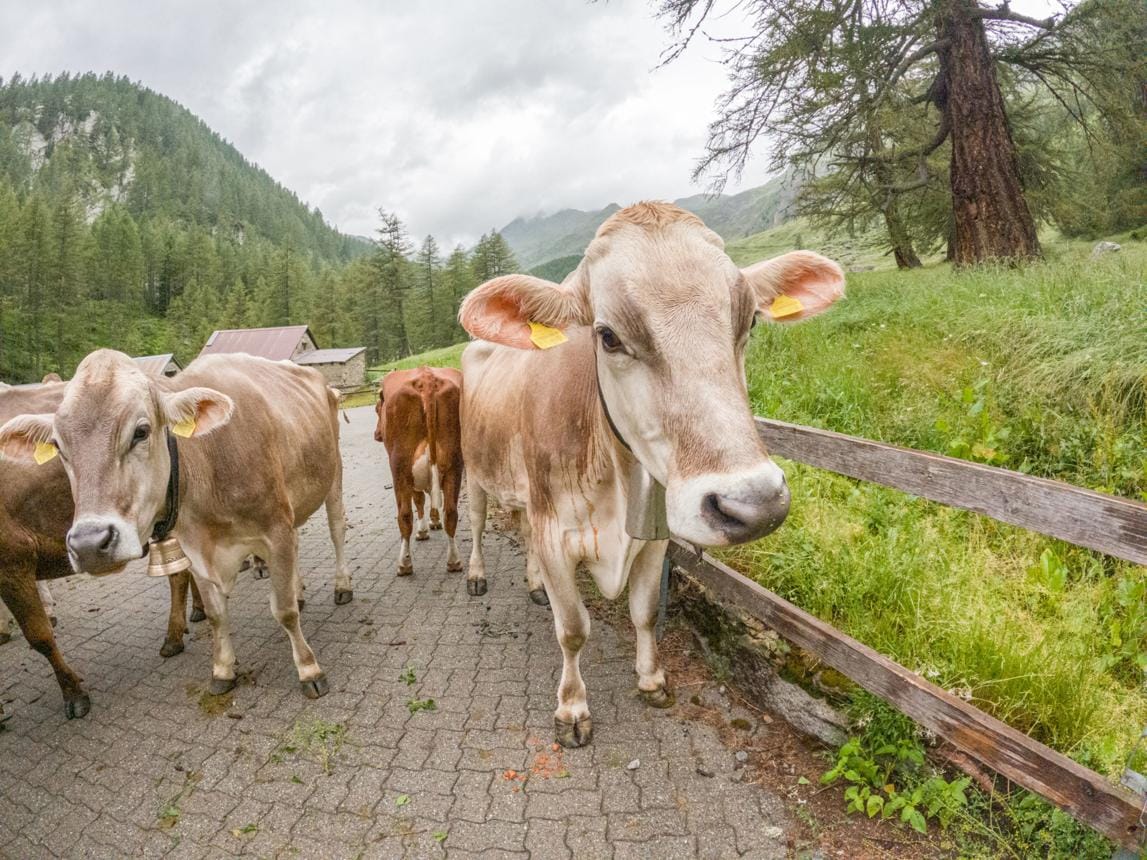
Switzerland recorded a decline in dairy cow and pig populations during 2025, while vegetable farming and poultry production continued to expand, according to new figures released by the Federal Statistical Office.

The latest agricultural structure survey shows that Swiss farming is continuing to evolve in response to economic pressures, consumer demand, and climate-related challenges. In 2025, Switzerland counted 46,270 farms, representing a decrease of 1.7% compared with the previous year.

Despite the decline in the number of farms, the average agricultural area increased slightly by 0.4 hectares, reaching 22.5 hectares per farm. Similar trends were also recorded among organic farms, where farm numbers decreased while average land use expanded.

The number of dairy cows fell by 0.6% to approximately 524,400 animals. Officials linked the reduction to international market tensions and ongoing overproduction challenges within the dairy sector.

Pig farming also experienced a decline, reflecting changing market conditions and shifting consumer behaviour. In contrast, poultry farming recorded strong growth during the year, highlighting rising demand for chicken and egg products across the country.

Vegetable farming showed one of the strongest increases in Swiss agriculture. Experts say this trend reflects growing interest in sustainable local food production and climate adaptation strategies within the agricultural sector.

The latest figures indicate that Swiss agriculture is gradually adapting to new economic realities and environmental conditions, with farmers increasingly diversifying production to remain competitive.

Ice Cream Sales Continue to Grow Across Switzerland in 2025.

Ice cream consumption continued to rise in Switzerland during 2025, driven mainly by warmer weather and growing demand for home consumption. New figures released by Glacesuisse show steady growth across multiple product categories.

According to the industry association, Glacesuisse members sold a total of 44.9 million litres of ice cream last year, marking a 2% increase compared with 2024. Around two-thirds of total sales, equivalent to 30.5 million litres, came from Swiss-made ice cream products.

Swiss ice cream producers also expanded internationally, exporting approximately 5.5 million litres during the year. The strongest sales growth occurred in the second quarter, where sales surged by 16.6% due to higher temperatures and increased seasonal demand.

However, sales declined slightly during the first and third quarters, reflecting changing weather patterns and consumer behaviour. Despite this, the final quarter of the year recorded a modest increase of 1.4%.

Home consumption remained one of the strongest trends in the Swiss market. Sales for take-home products such as multipacks, cones, ice cream blocks, and family-size packs rose by 2.3%, reaching 28.7 million litres in total.

Among all product categories, multipack cones recorded the highest growth, increasing by 12.8%. Meanwhile, “street products” such as individually sold ice creams increased by 1.7%, while sales for bulk consumers, including restaurants and hospitality businesses, rose by 1.2%.

The latest figures highlight the continued strength of Switzerland’s food and beverage sector, especially during warmer summer seasons when consumer demand for frozen products rises significantly.

Geneva Police Launch Real-Time Sign Language Service for Deaf Community

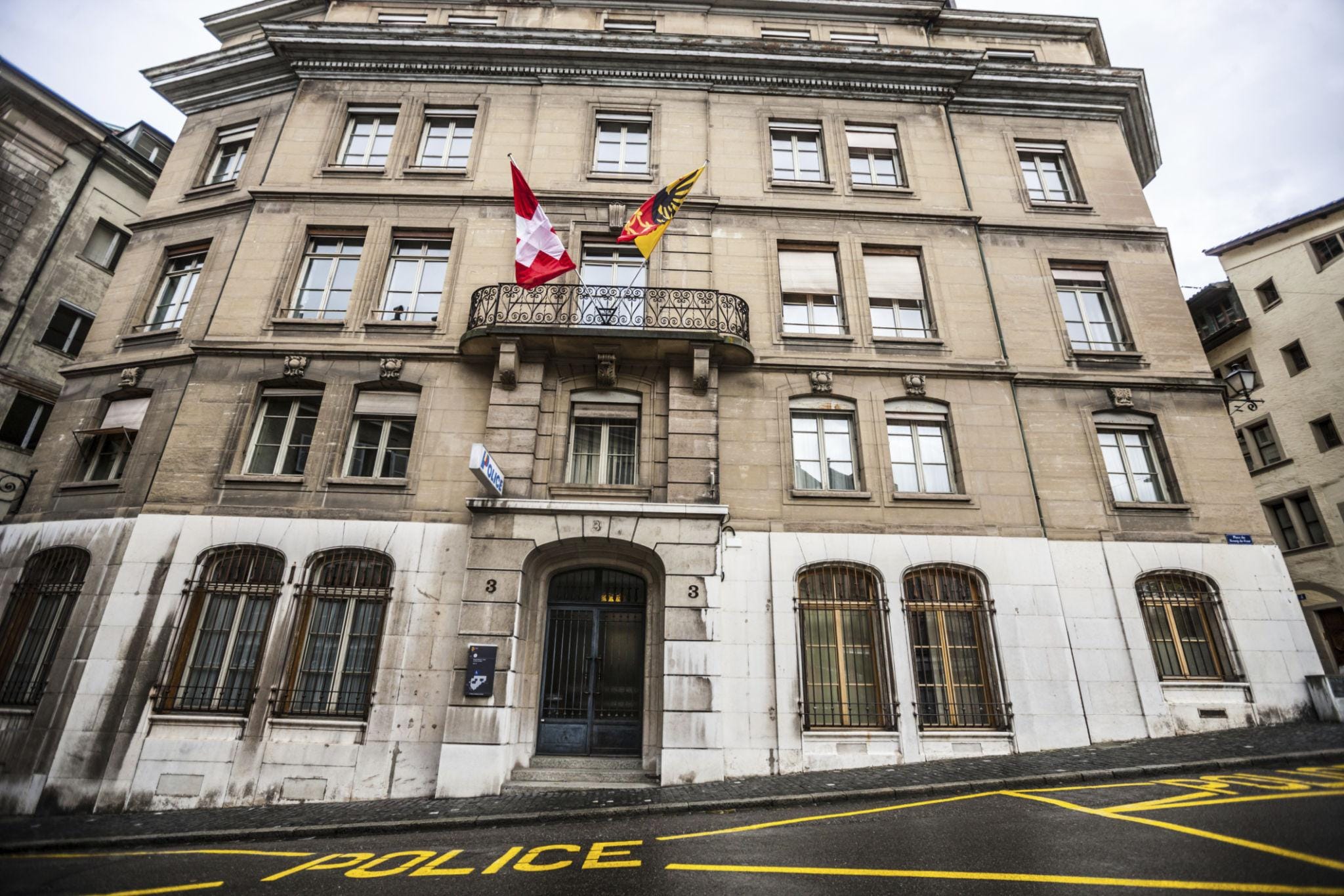
Geneva has become the first city in Switzerland to introduce a real-time sign language interpretation system within its municipal police service, improving accessibility for deaf and hard-of-hearing residents.

Starting Monday, people who visit police counters or interact with officers will be able to connect instantly with a professional sign language interpreter via video call. The system is activated through a QR code, allowing staff to quickly initiate communication through a smartphone or device in the field.

The initiative is supported by the PROCOM Foundation, which provides remote interpretation services. This innovation ensures that communication barriers are reduced during police interactions, emergency support, and administrative procedures.

City officials emphasized that the goal is to guarantee equal access to public services for all residents. Marie Barbey-Chappuis described the project as an important step toward inclusivity, while Christine Camp highlighted its significance for improving public service communication.

Authorities estimate that between 20,000 and 30,000 people in Switzerland are deaf, while nearly one million live with some form of hearing impairment. The new system also aligns with upcoming revisions to Switzerland’s federal disability equality laws.

Geneva’s approach is being closely watched as a potential model for other Swiss cities aiming to improve accessibility in public services through digital innovation.

Swiss Glaciers Record Major Snow Deficit Across Regions

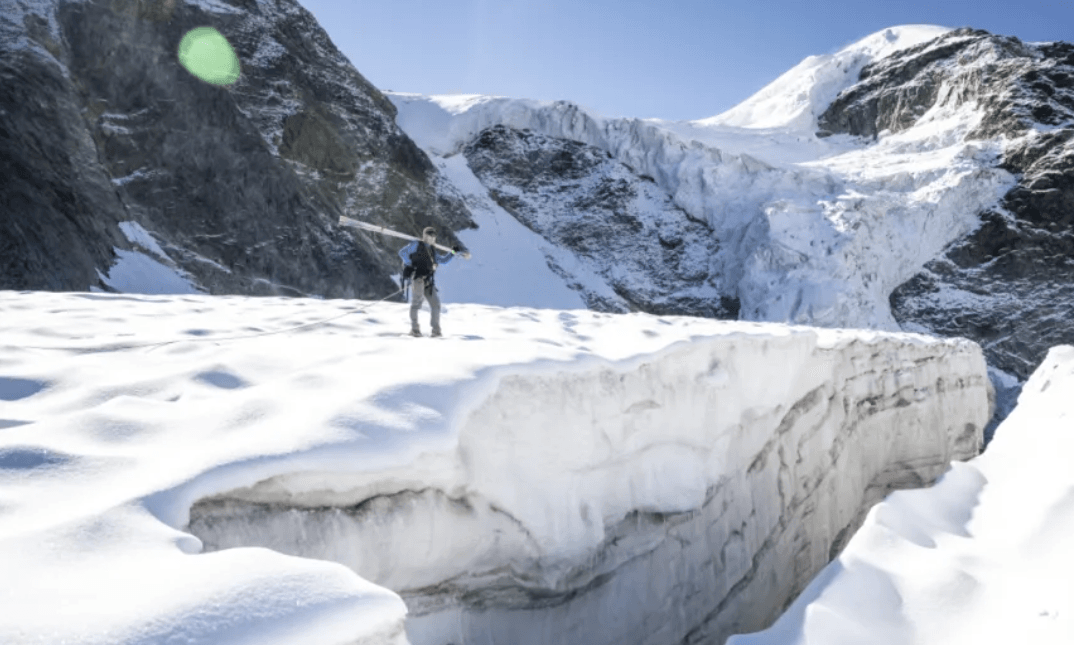
Glaciers across Switzerland are experiencing a significant snow deficit this winter, raising concerns about accelerated melting during the upcoming summer season.

According to the Swiss Glacier Monitoring Network, snowfall levels were substantially below average across several key regions, including Upper Valais, Ticino, and Graubünden.

The monitoring organization reported that winter 2025–26 shows an average 25% snow deficit compared to the 2010–2020 baseline.

GLAMOS collected measurements from 25 glaciers across Switzerland during April, revealing that a warm and unusually dry spring contributed heavily to reduced snow accumulation.

Some regions, such as the Bernese Oberland and central Valais, were less affected and remain closer to long-term seasonal averages. However, other glacier zones show clear signs of reduced snowpack.

Experts warn that low winter snow cover is critical because it acts as a protective layer that slows glacier melt during warmer months. Without sufficient snow insulation, glaciers absorb more heat and lose mass more rapidly.

Scientists now expect that the reduced snow cover could intensify glacier retreat in 2026, continuing the long-term trend of ice loss observed across the Swiss Alps.

Switzerland’s glaciers have already been shrinking for decades due to rising temperatures, and this winter’s deficit may further accelerate the process.

Climate researchers emphasize that continued monitoring is essential to understand how extreme weather patterns are impacting alpine ice reserves.