

Meghan Markle Travels to Switzerland for Online Child Safety Event

Meghan Markle will visit Geneva this weekend to support a major global initiative focused on online child safety and digital protection.

The Duchess of Sussex is expected to attend the inauguration of the Lost Screen Memorial at Place des Nations on May 17 alongside Tedros Adhanom Ghebreyesus, global health leaders, and families affected by online harm.

The event is being organised by World Health Organization and Archewell Foundation ahead of the 79th World Health Assembly.

The memorial will feature 50 illuminated lightboxes displaying the lock screen images of children who lost their lives due to online violence and digital harm. Meghan Markle is expected to honour the children remembered in the installation and call for stronger international protections for children online.

The exhibition will remain open in Geneva until May 22 and was created in partnership with The Parents’ Network.


Pope Leo XIV Honors Swiss Cardinal Tscherrig in Rome

Pope Leo XIV presided over the funeral mass of Cardinal Emil Paul Tscherrig at St. Peter’s Basilica on Friday afternoon, honouring the late Swiss cleric as a devoted and responsible servant of God.

Several dozen senior church dignitaries attended the ceremony in Vatican City to pay tribute to the Swiss cardinal, who passed away earlier this week at the age of 79.

During the homily, Pope Leo XIV reflected on a passage from the Gospel of John, quoting Jesus’ words: “I am the resurrection and the life.” The message focused on faith, eternal life, and dedication to spiritual service.

Biblical readings during the funeral were delivered by members of the Pontifical Swiss Guard. Tscherrig himself had briefly served in the Swiss Guard during his early years.

The pope highlighted Cardinal Tscherrig’s extensive diplomatic and ecclesiastical career, praising his decades of international service on behalf of the Holy See.

Since becoming Apostolic Nuncio in 1994, Tscherrig served in several countries across Africa, the Caribbean, Scandinavia, Asia, and South America. His diplomatic missions included Burundi, South Korea, Mongolia, Argentina, and multiple Caribbean nations.

Born in the canton of Valais in Switzerland, Cardinal Tscherrig became one of the country’s most prominent Catholic figures and represented the Vatican in international affairs for decades.

The funeral ceremony marked a final farewell to one of Switzerland’s highest-ranking church leaders in modern history.

Swiss Federal Music Festival Opens in Biel/Bienne Despite Weather.

The Swiss Federal Music Festival has officially begun in Biel/Bienne, with thousands of musicians taking part in one of the country’s largest cultural events despite concerns over heavy rain.

The opening parade started on Thursday at around 12:30 pm after organisers made a last-minute decision to proceed. While light drizzle was reported during parts of the day, the weather also improved at times, allowing the procession to continue through the city streets.

Organisers had earlier warned that the parade could be cancelled if conditions worsened, as wind instruments such as clarinets, saxophones, and oboes are particularly vulnerable to rain damage.

The festival’s communications manager, Théo Martin, confirmed that the decision to proceed depended heavily on weather conditions, with heavy rainfall remaining the main risk factor for cancellation.

A member of the organising committee, Jean-Marc Richard, highlighted the cultural importance of the event, stating that the festival showcases the “power and energy of wind instruments” and helps challenge common stereotypes about folk music.

The Swiss Federal Music Festival brings together around 532 music societies from across Switzerland, with more than 25,000 participants competing in various categories between Thursday and Sunday.

Held approximately every five years, the event is one of Switzerland’s most significant musical gatherings, attracting large audiences and celebrating the country’s strong tradition of amateur and professional wind music ensembles.

Zurich Housing Shortage Takes Centre Stage Ahead of June 14 Vote.

The housing shortage in Canton of Zurich has become the dominant issue ahead of the upcoming June 14 vote, as voters prepare to decide on new measures aimed at improving housing availability and affordability.

Two popular initiatives are being put forward that seek to strengthen tenant protections against rising vacancies and promote the construction of more affordable housing. In response, the cantonal government and parliament have introduced a counter-proposal designed to balance housing development with regulatory oversight.

Affordable housing has become increasingly scarce across Zurich, with rising demand and limited supply driving up prices. One contributing factor highlighted in the debate is the demolition of older buildings, which are often replaced by high-cost developments that reduce the availability of affordable rental units.

A survey conducted by a tenants’ association found that 84% of renters fear termination of their lease agreements, reflecting growing uncertainty in the housing market.

The upcoming vote will determine how aggressively the canton intervenes in the housing market, with supporters of the initiatives calling for stronger protection for tenants and critics warning that excessive regulation could discourage investment and slow construction.

The issue has become one of the most closely watched regional political debates in Switzerland, as housing affordability continues to affect households across urban centres.

Driverless PostBus Hits Swiss Bank in Nunningen

A driverless public transport bus operated by PostBus Switzerland crashed into a bank building in Nunningen on Thursday evening, causing significant property damage but no injuries.

According to the cantonal police, the articulated autonomous bus began rolling for reasons that are still under investigation at around 8:35 pm while it was stationary at a stop on Zullwilerstrasse.

The vehicle crossed a traffic island before colliding directly with the façade of a local bank branch. Authorities confirmed that both the building and the bus sustained considerable damage in the impact.

Emergency services responded quickly to the scene, but no passengers or bystanders were injured in the incident.

Police in Switzerland have launched an investigation to determine what caused the driverless vehicle to move unexpectedly. Technical failure, system malfunction, or braking issues have not been ruled out at this stage.

Driverless and semi-autonomous public transport systems have been increasingly tested across Switzerland and Europe as part of efforts to modernise urban mobility and improve efficiency. However, the incident highlights ongoing safety challenges associated with autonomous transport technologies.

Authorities have not yet confirmed whether the bus was in fully autonomous mode at the time of the accident or whether a remote operator was monitoring the system.

The investigation is ongoing, and further technical assessments are expected in the coming days.

Switzerland Fuel Prices Drop Slightly as Oil Market Eases

Fuel prices in Switzerland have fallen slightly in recent days, offering limited relief to motorists after months of elevated energy costs.

According to the Touring Club Switzerland (TCS), the average national fuel prices during the week stood at CHF1.89 per litre for unleaded 95 petrol, CHF2.00 for unleaded 98, and CHF2.14 for diesel.

Compared with the end of April, petrol prices have dropped by CHF0.01, while diesel prices declined by CHF0.03 per litre. Despite the decrease, fuel remains significantly more expensive than before the escalation of tensions in the Middle East earlier this year.

Before the regional conflict intensified, fuel prices at the end of February averaged CHF1.

67 for unleaded 95, CHF1.78 for unleaded 98, and CHF1.79 for diesel. Current prices therefore remain roughly 13% higher for petrol and more than 20% higher for diesel.

The TCS says stronger industrial demand has contributed to the sharper increase in diesel prices compared with petrol.

Global oil prices have also eased slightly. A barrel of Brent crude traded at just under $108 this week, down around $10 from late April levels.

Oil markets had surged earlier after concerns over conflict in the Middle East and fears surrounding possible disruptions to the strategically important Strait of Hormuz shipping route.

The TCS noted that actual fuel prices can vary across Swiss regions and petrol stations, as its published figures are based on estimates and market sampling.

Although prices have softened slightly, Swiss consumers continue to face elevated transport and energy costs compared to earlier in the year.

Record CHF15.5 Million Spent on Swiss Immigration Referendum Campaigns

Political groups in Switzerland are spending record amounts ahead of the upcoming “No to ten million” immigration referendum, with campaign budgets reaching CHF15.52 million so far.

According to figures released by the Swiss Federal Audit Office, this is the highest declared campaign spending since Switzerland introduced mandatory political budget reporting rules.

Swiss voters are scheduled to head to the polls on June 14 to decide whether stricter immigration limits should be introduced.

The campaign supporting the initiative has so far declared CHF6.44 million in funding. Much of the financial backing comes from the Swiss People’s Party, including contributions from current and former politicians as well as business figures linked to the party.

Meanwhile, opponents of the proposal have declared approximately CHF9 million in donations. More than CHF4 million reportedly comes from Economiesuisse, the Swiss Business Federation, which argues that restricting immigration could damage the country’s economy and labour market.

The “No to ten million” initiative has become one of the most politically divisive issues in Switzerland, with supporters arguing that population growth is placing pressure on housing, infrastructure, and public services. Opponents warn that limiting immigration could weaken economic growth, worsen labour shortages, and reduce tax revenues.

Campaign spending linked to another national vote concerning amendments to the Civilian Service Act remains comparatively modest and more balanced between supporters and opponents.

Political analysts say the sharp rise in referendum campaign spending reflects the growing importance of immigration and economic policy debates in Swiss national politics.

Switzerland Backs Special Tribunal to Prosecute Aggression Against Ukraine

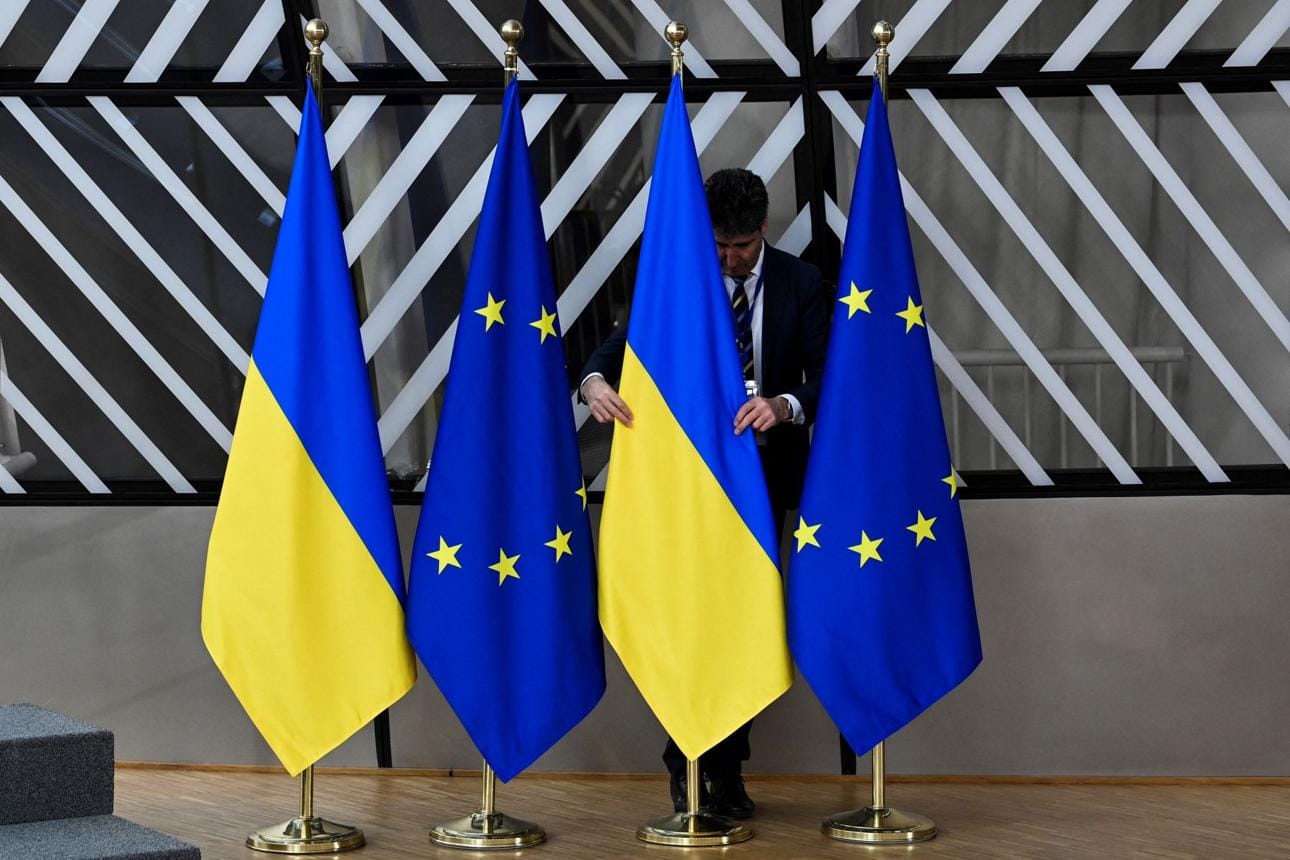
Switzerland has joined 35 other countries and the European Union in supporting the creation of a Special Tribunal for the Crime of Aggression against Ukraine.

The announcement was made during a meeting of foreign ministers organised by the Council of Europe in Chișinău.

Council of Europe Secretary General Alain Berset described the initiative as a decisive step toward establishing accountability for the attack on Ukraine. He said the tribunal represents “justice and hope” and stressed that political commitments must now be transformed into practical action through financing and operational support.

Swiss Foreign Minister Ignazio Cassis confirmed that Switzerland intends to support the tribunal, pending approval from the Swiss parliament.

According to Cassis, Switzerland fully supports the Council of Europe’s action plan for Ukraine and aims to send a clear international signal against impunity. He also highlighted Switzerland’s participation in the Register of Damages and the international framework designed to support compensation mechanisms related to the war.

The tribunal’s role will focus specifically on investigating and prosecuting individuals considered primarily responsible for the crime of aggression against Ukraine. It aims to complement the work of the International Criminal Court, which currently investigates war crimes, crimes against humanity, and genocide but lacks jurisdiction over the crime of aggression in this case.

The new court would become the first special tribunal established under the authority of the Council of Europe. Russia was expelled from the organisation following the outbreak of the war in Ukraine in 2022.

For the tribunal to become operational, support from at least 16 countries is required. Supporters say the initiative strengthens international law and reinforces efforts to pursue accountability for acts of aggression during armed conflict.

Switzerland Warns of High Risk of African Swine Fever Spread

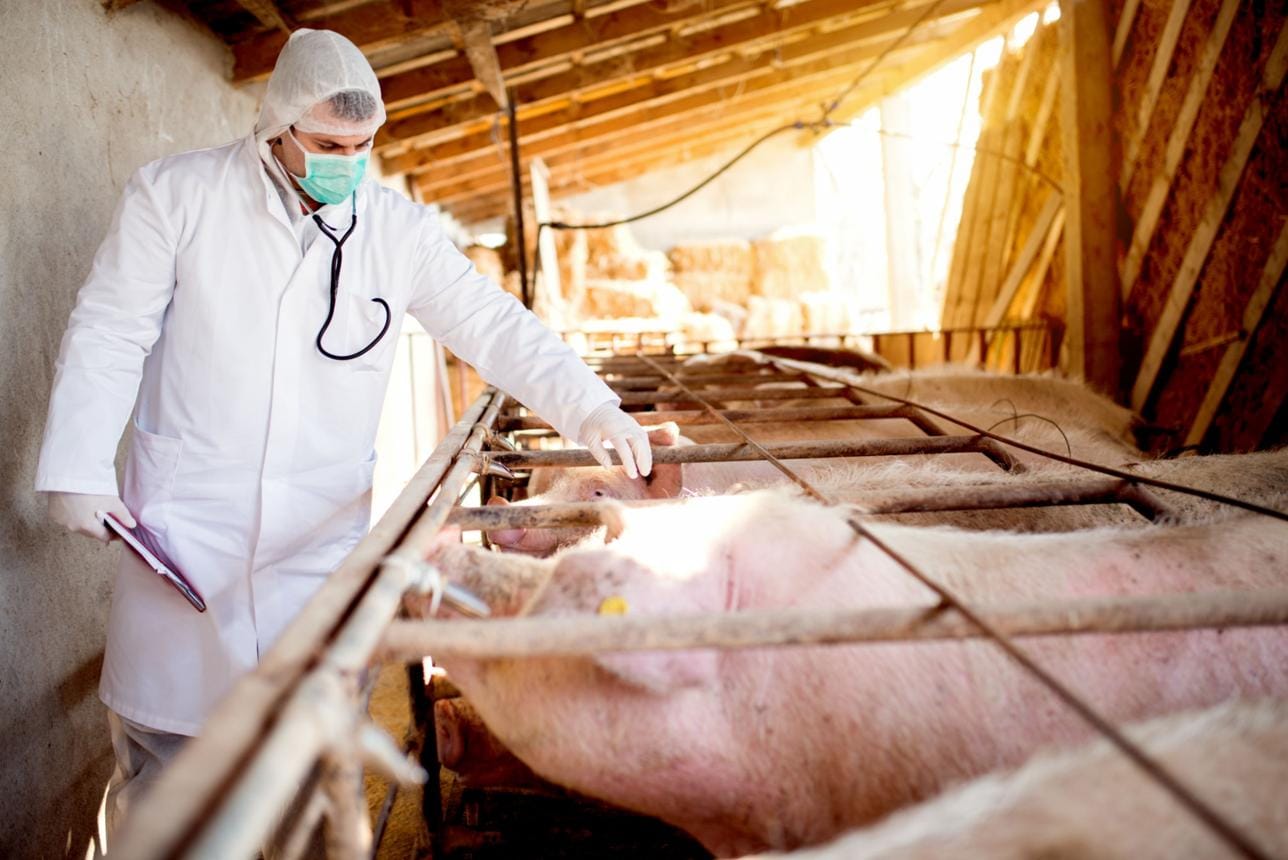
Switzerland has warned that the risk of African swine fever (ASF) spreading into the country remains high as new outbreaks continue to emerge across Europe.

According to the Federal Food Safety and Veterinary Office (FSVO), transmission from infected wild boar populations to domestic pigs is possible at any time, particularly in regions near affected European zones.

The warning follows renewed outbreaks in Italy during April, after earlier hopes that the disease had been brought under control. Authorities also reported setbacks in Germany, where new ASF cases were recently detected in Saxony.

The Swiss government strongly advises travellers not to import pork or wild boar meat products from affected regions into Switzerland. Officials also urge hunters returning from those areas to thoroughly clean and disinfect clothing, footwear, vehicles, and equipment before crossing the border.

The FSVO stated that the ASF virus is highly resistant and can remain infectious for long periods in blood, meat products, and animal carcasses, increasing the risk of accidental transmission.

Pig owners are being asked to contact veterinarians immediately if animals show unusual symptoms. Switzerland has also intensified surveillance through a national early-detection programme that tests wild boar found dead or visibly ill.

So far, all 25 wild boar tested in Switzerland have returned negative results, according to authorities.

Across Europe, African swine fever cases among wild boar populations remain elevated, and Swiss officials warn that additional outbreaks are likely in the coming months.

Although ASF does not pose a direct threat to humans, the disease can severely impact agriculture and livestock industries due to the high mortality rate among pigs and strict trade restrictions triggered by outbreaks.

Court Bans In-Office Judge Romance

Switzerland’s highest judicial body has ruled that romantic relationships between federal judges are incompatible with the court’s professional standards and judicial customs.

The decision was made during an extraordinary meeting of all members of the Federal Supreme Court of Switzerland on Wednesday following public attention surrounding a relationship between two federal judges.

The controversy emerged after reports revealed a relationship between federal judge Beatrice van de Graaf and federal judge Yves Donzallaz. The matter became public in April through reporting by the German-language publication Weltwoche.

According to a statement released by the Federal Court, judges are expected to avoid behaviour that could raise concerns about their independence, impartiality, or the reputation of the judiciary.

The court announced that an independent panel of experts will examine the specific case involving the two judges. An external specialist has been tasked with clarifying the facts and reporting findings to the Administrative Commission of the Federal Court.

Officials stated that the investigation results are expected by the end of June, after which the court will decide on any further action.

While the inquiry into the individual case remains ongoing, the court separately confirmed that romantic relationships between members of the court are fundamentally considered incompatible with current judicial conduct standards.

The development has sparked debate in Switzerland regarding judicial ethics, independence, and personal conduct within the country’s highest legal institutions.