Swiss Army Expands Field Trials of Minidrones for Combat and Reconnaissance

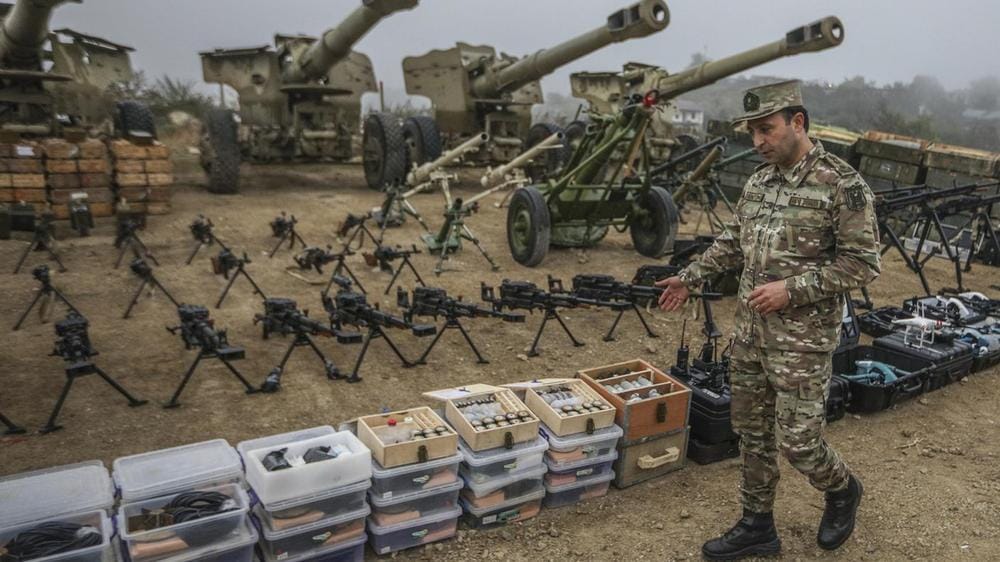
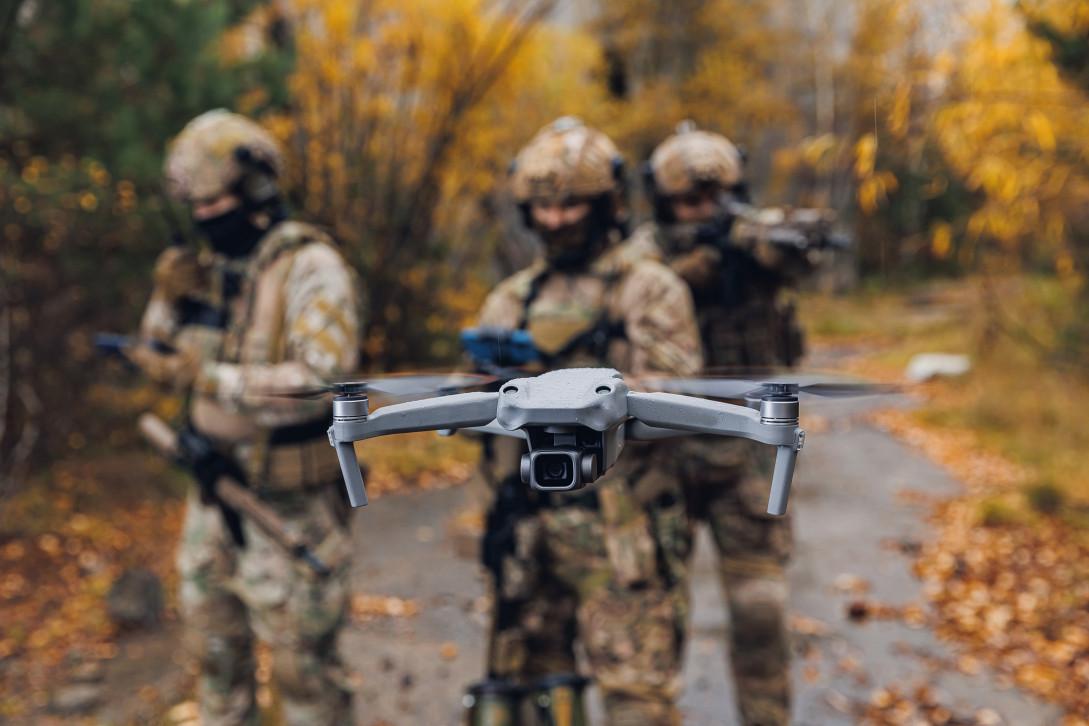
The Swiss Armed Forces are continuing field trials of advanced minidrones designed for reconnaissance and potential combat use, as modern warfare increasingly relies on unmanned systems.

The army stated that drones are rapidly expanding capabilities in both surveillance and attack operations. These minidrones are primarily used for reconnaissance missions, allowing forces to gather intelligence without putting soldiers at direct risk.

However, military officials also acknowledge that when equipped with explosive payloads, drones can function as precision weapons capable of targeting enemy positions. This dual-use capability reflects lessons learned from modern conflicts, including the war in Ukraine, where drone warfare has significantly changed battlefield strategies.

The army is actively training personnel in First Person View (FPV) drone piloting, a system where operators use immersive goggles to control drones through live video feeds. Around 20 recruits have already undergone training as part of upcoming field trials scheduled for autumn 2025.

Further tests are being carried out by the Defence UAV and Robotics Competence Centre, focusing on how FPV drone units can be integrated into traditional combat formations. The goal is to improve coordination between drone operators and ground troops during military operations.

According to the Swiss army, drone use has become a standard feature in modern crisis and conflict scenarios. In response to growing technological threats, the Federal Department of Defence, Civil Protection and Sport (DDPS) established a dedicated Drone Task Force in June 2024.

The ongoing trials highlight Switzerland’s efforts to adapt its defense strategy while maintaining its long-standing policy of neutrality in global conflicts.

Middle East Conflict and Oil Prices Threaten Swiss Economic Growth

The ongoing Middle East conflict is likely to slow down Switzerland’s economic growth while increasing inflation, according to new projections from UBS economists.

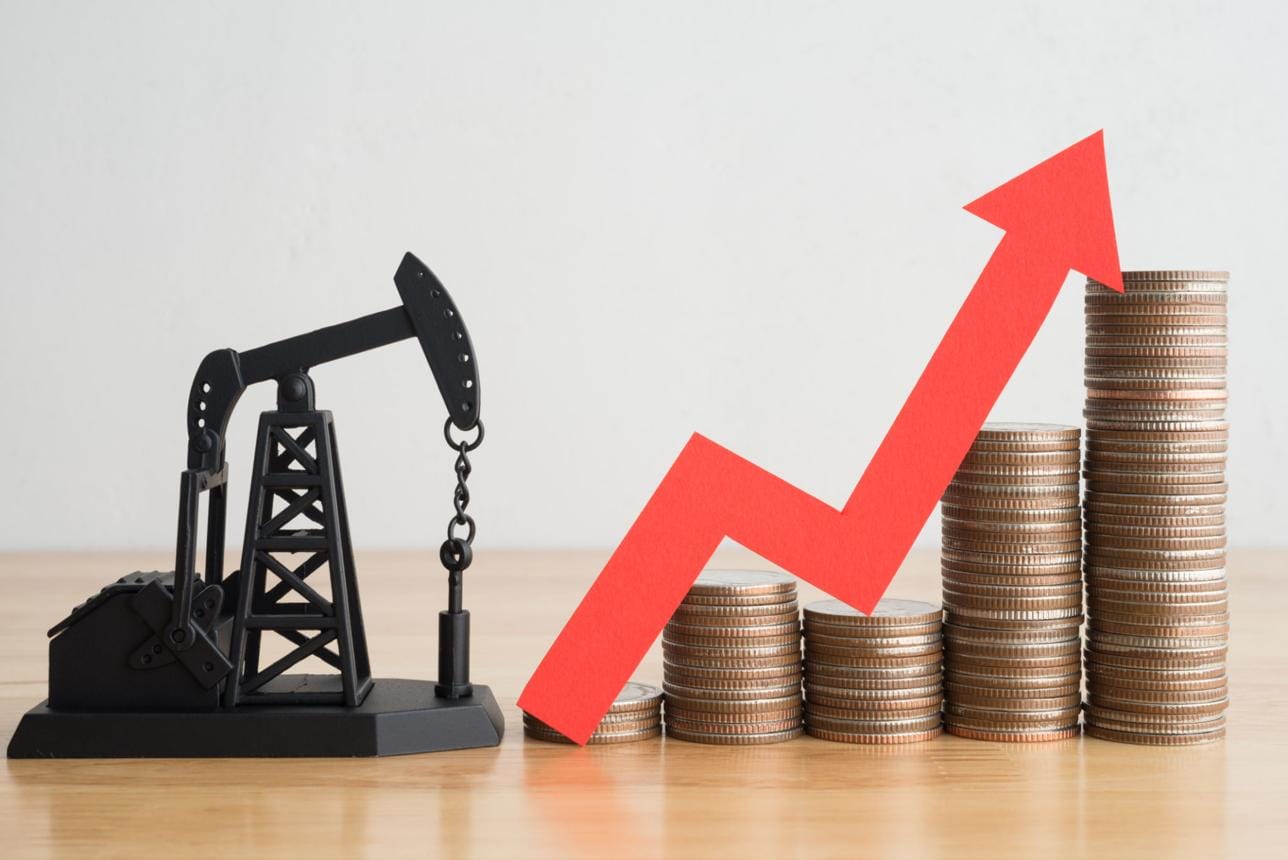
Analysts Alessandro Bee and Matteo Mosimann warn that if tensions between the United States and Iran continue, oil prices could rise above $150 per barrel. Such a surge would significantly increase global energy costs and raise fears of a broader economic slowdown.

The report highlights that higher fuel prices are already impacting Swiss households. Increased costs for petrol and heating oil are currently costing consumers around CHF 170 million per month, although this still represents less than 0.5% of total household spending.

Despite rising prices, consumer confidence has weakened. UBS noted that morale dropped in March and April to its lowest level in nearly two and a half years. However, industrial sentiment has remained relatively stable, showing limited immediate impact on production activity.

Economists expect some stabilization if geopolitical tensions ease in the coming months, with global oil supply likely to normalize in the second half of the year. However, they still caution that the Swiss economy will face pressure even under improved conditions.

UBS has revised its growth outlook downward. For 2026, Swiss GDP is now expected to grow by just 0.7%, compared with earlier forecasts of 0.9%. In 2027, growth is projected at 1.4%, slightly below previous estimates.

Despite the slowdown, economists believe Switzerland could benefit indirectly from fiscal stimulus measures in Europe, including Germany’s tax package, which may support confidence and economic activity in the longer term.

Overall, the outlook suggests moderate but manageable economic pressure rather than a severe downturn.

Swiss Citizens Launch Constitutional Initiative to Protect Pollinating Insects.

A citizen-led committee in Switzerland has launched a popular initiative aimed at strengthening legal protection for bees and other pollinating insects by embedding it directly into the national constitution.

The initiative, titled “In favour of ensuring the pollination of cultivated and wild plants by insects (bee initiative),” was officially published in the Federal Gazette on Tuesday. It brings together beekeepers, environmental supporters, and members of parliament.

The proposal calls on both the federal government and cantonal authorities to take responsibility for ensuring effective pollination of crops and wild plants. It also demands that authorities allocate sufficient resources and establish clear national guidelines to protect pollinating insect populations.

If successful, the initiative must collect at least 100,000 valid signatures by November 19, 2027, to trigger a nationwide referendum.

Supporters argue that pollinating insects are essential for food production and biodiversity, as they play a critical role in maintaining ecosystems and agricultural yields. Without them, many plant species and crops would face serious decline.

The initiative reflects growing public concern over environmental degradation, pesticide use, and habitat loss, all of which have contributed to declining bee populations in recent years.

If approved by voters, the proposal would make pollinator protection a constitutional duty, significantly strengthening Switzerland’s environmental policy framework.

Swiss-Built Smile Satellite Successfully Launches Into Space

The Smile satellite has successfully launched into space, marking a major achievement for Swiss and international space research.

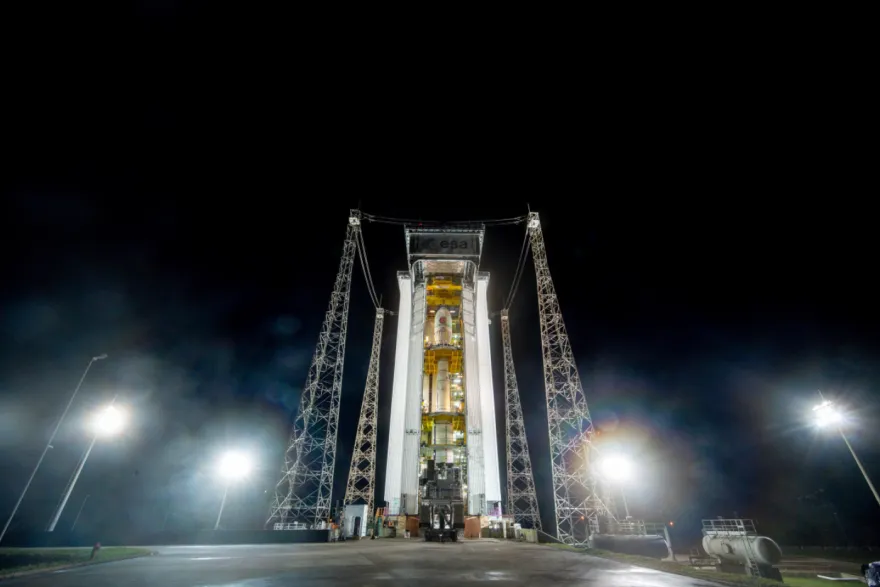
A Vega-C rocket carried the satellite to an altitude of more than 700 kilometres above Earth before the spacecraft safely separated and deployed its solar panels. Scientists confirmed the mission’s successful start shortly after launch.

Researchers from the University of Applied Sciences and Arts Northwestern Switzerland played a key role in developing important components for the mission. Project leader Säm Krucker described the launch as an exciting milestone and said the satellite will now begin collecting scientific data over the next three years.

The Smile mission is a joint project between European and Chinese space agencies. Its primary goal is to better understand space weather and the interaction between solar winds and Earth’s magnetic field.

Space weather is caused by charged particles released from the Sun during solar storms. When these particles collide with Earth’s magnetic field, they can create auroras while also disrupting satellites, navigation systems, communications, and even power grids.

Swiss researchers developed and tested a cooling system for the satellite’s telescope and also contributed advanced software algorithms designed to improve image quality captured by the onboard wide-angle camera.

Swiss technology also supported the rocket itself. Beyond Gravity manufactured the rocket’s protective nose cone, which shielded the satellite during launch.

The successful mission highlights Switzerland’s growing role in global aerospace innovation and scientific space exploration.

Swiss Cantons Oppose Converting Asylum Status Into Work Permits

Several Swiss cantons have opposed a federal proposal that would allow asylum seekers with temporary protection status to convert their residency into work permits after five years.

The Conference of Cantonal Directors of Social Affairs of Central Switzerland warned that the policy could place significant financial pressure on cantons and municipalities across Switzerland.

The debate mainly concerns refugees holding Switzerland’s temporary protection status S, many of whom arrived from Ukraine following the ongoing conflict. Cantonal authorities argue that status S was originally designed as a short-term humanitarian measure rather than a pathway to permanent residence.

According to the cantons, automatically converting S permits into B residence permits after five years would fundamentally change the purpose of the protection system. Officials stated that such a move would transform a temporary protection mechanism into a long-term immigration model.

The cantons also criticized the federal government’s financial approach. Under the proposal, Bern plans to reduce or stop federal financial support after five years, while local governments would continue covering social welfare and integration costs.

Regional leaders are now demanding greater authority over social assistance policies and adjustments to federal regulations to ensure that cantons are not left carrying the long-term financial burden alone.

The Conference of Cantonal Directors of Social Affairs of Central Switzerland includes the cantons of Lucerne, Uri, Schwyz, Nidwalden, Obwalden, and Zug.

The issue is expected to remain politically sensitive as Switzerland continues balancing refugee protection policies with economic and social integration challenges.

Jordan Refuses Full Cooperation in Swiss Weapons Inspection

Jordan has refused to fully cooperate with Swiss inspectors conducting checks on weapons exported from Switzerland, raising concerns over compliance with international arms agreements.

According to a report from State Secretariat for Economic Affairs (Seco), Swiss officials visited Jordan in February 2025 as part of a post-shipment verification (PSV) process. These inspections ensure that Swiss-made weapons remain in the importing country and are not transferred without authorization.

The report revealed that Jordan prevented inspectors from examining certain weapons during the visit. Swiss authorities also reported that some individual weapons could not be located, increasing concerns about transparency and accountability.

Switzerland requires importing countries to follow strict rules regarding the resale or transfer of military equipment. Swiss officials say on-site inspections are essential for verifying whether countries respect these obligations.

The issue has sparked political debate in Switzerland as parliament recently approved changes to relax parts of the War Materiel Act. Under the revised law, importing countries may no longer need to provide guarantees against transferring Swiss weapons to third parties in every case.

Critics argue that loosening export controls could weaken oversight and reduce Switzerland’s ability to monitor how its military equipment is used abroad. Supporters, however, claim the reforms would simplify export procedures and improve the competitiveness of Swiss defense industries.

The law change now faces a national referendum after campaigners submitted more than 75,000 signatures demanding a public vote. Swiss voters are expected to decide on the issue no earlier than September 2026.

The debate highlights growing international concern over arms exports, military accountability, and the monitoring of defense agreements between countries.

Israel Detains Swiss Activists on Gaza Flotilla Near Cyprus

Israeli armed forces intercepted a Gaza-bound flotilla near the coast of Cyprus and arrested several activists, including four Swiss nationals, according to videos shared online by participants.

The flotilla was part of a humanitarian mission organized by Global Sumud, aiming to reach Gaza by sea. Videos posted on Instagram confirmed the detention of members of the Swiss delegation, including Lausanne-based artist Anne Rochat. Reports indicate that eight Swiss citizens had joined the mission.

The Federal Department of Foreign Affairs stated that the Swiss embassy in Tel Aviv is currently in contact with Israeli authorities regarding the situation. However, officials said they had not yet received detailed information about the condition of the detained Swiss citizens.

Swiss authorities called on Israel to respect the fundamental rights of those involved in the flotilla and to comply with international maritime law. The FDFA emphasized that any intervention at sea must follow the principle of proportionality.

The Swiss government also revealed that it had warned organizers in April about the “considerable risks” associated with joining naval expeditions toward Gaza. Authorities stressed that participants acted under their own responsibility.

According to Swiss law, consular support may be limited in cases where citizens knowingly enter high-risk situations despite official warnings. The FDFA added that any assistance provided could also be billed to the individuals involved.

The incident has drawn international attention as tensions surrounding humanitarian missions to Gaza continue to increase across the region.

EU Rejects Swiss Criticism Over New Steel Import Tariffs.

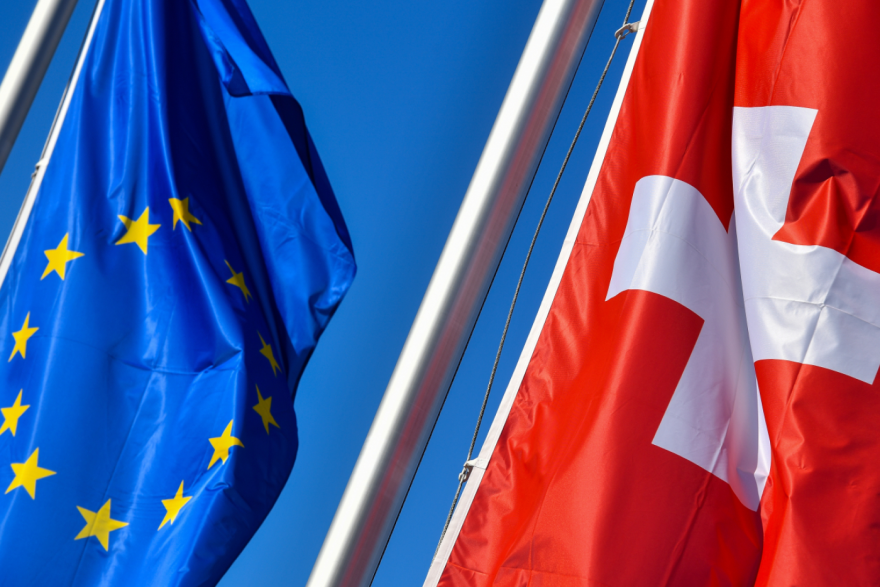
The European Union has rejected criticism from Switzerland over its newly approved steel import tariffs, stating that the measures comply with existing trade agreements and do not breach ongoing bilateral understandings.

The dispute escalated after Swiss Economics Minister Guy Parmelin described the EU’s stricter steel rules as “unacceptable” and expressed surprise at their timing, as Switzerland’s parliament continues reviewing a major bilateral agreement package with Brussels.

The European Commission responded that the joint declaration on stabilising Switzerland–EU relations only applies to the new cooperation package currently under negotiation. It clarified that steel trade falls under the 1972 free trade agreement and is therefore outside the scope of the recent political declaration.

The EU’s new steel policy includes reduced import quotas and doubled tariffs on excess volumes, aiming to protect its domestic steel industry. These rules are expected to take effect from July 1, with exceptions only for European Economic Area countries such as Norway, Iceland, and Liechtenstein.

European Commission emphasized that Switzerland is not part of the exemption list and that any future quota adjustments would need to be negotiated through international trade frameworks such as the World Trade Organization.

Swiss officials argue that the timing and scope of the measures could create political tension while the broader Switzerland–EU agreement package is still under parliamentary review. Despite disagreements, both sides have expressed interest in maintaining stable long-term relations.

Swiss Crowdfunding Market Grows for First Time Since 2021 Driven by Crowdlending Surge

Switzerland’s crowdfunding sector has returned to growth in 2025 after three consecutive years of decline, signaling renewed investor confidence in digital financing platforms. According to the latest “Crowdfunding Monitor Switzerland” report by Lucerne University of Applied Sciences and Arts (HSLU), the total volume of funds raised through online platforms increased by 14% to CHF629 million (around $800 million).

The market had previously peaked at nearly CHF792 million in 2021 before experiencing a steady decline. The recent recovery is mainly driven by strong performance in the crowdlending segment, which now accounts for approximately 75% of the total crowdfunding volume in Switzerland.

CHF 629 million = 629000000 CHFCHF\ 629\ million\ =\ 629\,000\,000\ CHFCHF 629 million = 629000000 CHF

Experts explain that stricter banking regulations introduced in 2025 played a key role in boosting alternative financing channels. Swiss banks are now required to hold more capital against riskier property loans, making traditional lending more expensive and less flexible. As a result, businesses and individuals are increasingly turning to crowdlending platforms for faster and more accessible financing options.

The report also highlights a broader recovery across other crowdfunding segments. Crowdsupporting and crowddonating platforms recorded growth for the first time since 2020. Crowddonating, which supports charitable, cultural, and social initiatives, and crowdsupporting, where contributors receive rewards such as products or services, together increased significantly in 2025.

Sports and health-related projects were among the most successful categories, contributing to a total combined volume increase of 30% to CHF35 million. Meanwhile, real estate crowdlending showed particularly strong expansion, rising by 38% to CHF275 million, making it one of the most important growth drivers in the sector.

Researchers from HSLU noted that the annual “Crowdfunding Monitor Switzerland” plays a key role in tracking market trends and improving transparency within the financial ecosystem. The study helps identify emerging investment behaviors and highlights how regulatory changes continue to shape Switzerland’s digital finance landscape.

Swiss Economy Records Strong Growth in Early 2026 Despite Global Challenges

Switzerland’s economy showed stronger-than-expected growth during the first quarter of 2026 despite rising oil prices and ongoing global trade uncertainties. According to the latest flash estimate released by the Swiss State Secretariat for Economic Affairs (SECO), the country’s real seasonally adjusted gross domestic product (GDP) increased by 0.5% compared to the previous quarter.

The positive economic performance came from growth in both the industrial and service sectors. Economists had predicted a lower increase of between 0.3% and 0.4%, making the latest figures a positive surprise for the Swiss economy. During the final quarter of 2025, Switzerland’s GDP had grown by only 0.2%, while the previous quarter experienced a 0.5% decline due to international tariff disputes and trade tensions.

GDP Growth=0.5%GDP\ Growth = 0.5\%GDP Growth=0.5%

SECO economic expert Felicitas Kemeny explained that confidence in the economy has improved in recent months. She stated that reduced tariffs and slight economic recovery in Germany helped support Swiss economic activity. Several economic indicators also pointed toward stronger business confidence and stable consumer activity across Switzerland.

Although oil prices increased significantly during March, analysts noted that confidence indicators remained relatively stable. This has created optimism that Switzerland may maintain positive economic momentum in the short term. However, uncertainty still exists because global energy prices and international trade conditions continue to affect economic forecasts worldwide.

The Swiss government currently expects economic growth of around 1.0% for 2026 under its main scenario. If oil prices remain elevated for a longer period, experts believe growth could slow slightly to around 0.8%. SECO will release the detailed GDP report on June 1, which will provide more information about the performance of individual sectors within the Swiss economy.

Switzerland continues to demonstrate resilience despite global economic pressure, inflation concerns, and international market instability. Economists believe the country’s diversified economy, stable financial system, and strong industrial base continue to support steady economic growth during uncertain times.