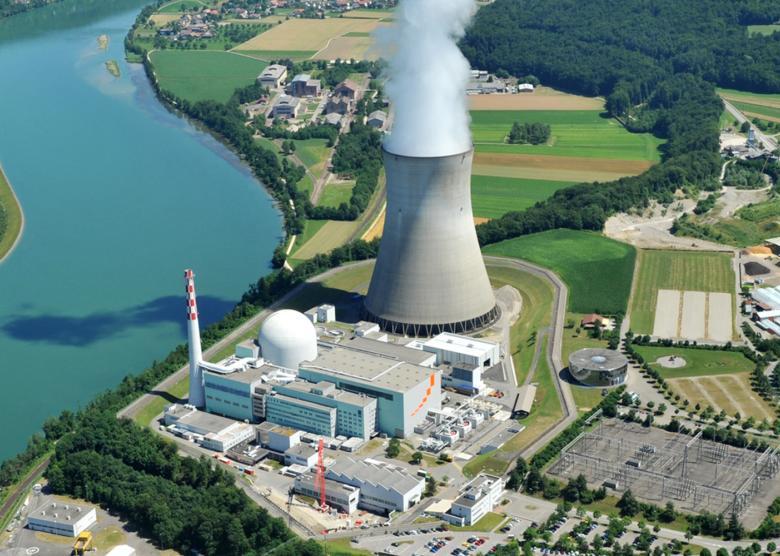
Switzerland’s Clean & Sustainable Electricity System Explained

Switzerland is widely recognized as one of the countries with the cleanest and most stable electricity production systems in the world. Its energy system is built on a strong foundation of renewable and low-carbon sources, making it a global leader in sustainable power generation.

Electricity Mix in Switzerland

Switzerland’s electricity production is mainly divided into three major sources:

  • Hydropower: approximately 55%–60%
  • Nuclear power: approximately 30%–35%
  • Solar energy: rapidly growing and reaching nearly 10%
  • Wind and other sources: very small share

This balanced mix allows Switzerland to maintain a reliable and low-carbon electricity supply.

Hydropower as the Backbone

Hydropower is the most important energy source in Switzerland. The country’s mountainous geography and Alpine rivers provide ideal conditions for hydroelectric dams. These plants generate a large portion of the national electricity demand, especially during the summer months.

Role of Nuclear Energy

Nuclear power also plays a significant role in Switzerland’s energy system. However, after the Fukushima nuclear disaster in 2011, the government decided not to build new nuclear power plants and gradually phase out existing ones. Despite this, nuclear energy still contributes a substantial share of electricity production.

Growth of Solar Energy

In recent years, solar energy has grown rapidly across Switzerland. Rooftop solar installations and renewable energy investments have significantly increased, making solar power an important part of the future energy transition.

Energy Import and Export Balance

Switzerland exports electricity during summer months when hydropower production is high. However, during winter, when demand increases and hydropower output decreases, the country sometimes imports electricity from neighboring European countries.

Environmental Strength of Switzerland

One of Switzerland’s key strengths is its low-carbon electricity system. Most of its electricity comes from renewable or low-emission sources, making it one of the cleanest energy systems in the world.

Future Energy Direction

Due to increasing electricity demand and climate change challenges, Switzerland continues to debate the future role of nuclear energy while expanding renewable sources such as solar and hydropower storage systems.

Switzerland remains a global model for sustainable electricity production and climate-friendly energy policy.


How to Withdraw Remaining Pension Funds in Switzerland (2nd Pillar Guide)

In Switzerland, the occupational pension system (commonly known as the 2nd pillar or BVG/Pensionskasse) allows individuals to access their retirement savings under specific legal conditions. Many residents who have already withdrawn part of their pension funds often ask whether they can withdraw the remaining balance again.

Can You Withdraw Pension Funds Again?

Yes, in certain situations, individuals who have previously withdrawn part of their pension funds—such as for buying a home or leaving Switzerland—may still be able to access remaining funds.

However, eligibility depends on the reason for the first withdrawal and current legal conditions.

Key Rule: Waiting Period and Conditions

If you have withdrawn pension funds more than 5 years ago, you may still be eligible to withdraw remaining balances, depending on your current pension status and contribution history.

The pension fund institution will review:

  • Your employment status
  • Remaining accumulated pension savings
  • Reason for previous withdrawal
  • Current residence and insurance status

Common Reasons for Pension Withdrawal

Swiss law allows pension withdrawal in cases such as:

  • Purchasing a primary home (EPL/WEF scheme)
  • Leaving Switzerland permanently
  • Starting self-employment
  • Retirement age eligibility

How Much Can You Withdraw?

The amount depends on your accumulated 2nd pillar savings. If only part of the pension was previously withdrawn, the remaining balance continues to grow through contributions and investment returns.

Important Conditions

Before approving a new withdrawal, pension authorities check:

  • Whether you are still insured under BVG
  • Whether legal conditions for withdrawal are met
  • Whether previous withdrawals were partial or full

Where to Apply

Requests must be submitted directly to your pension fund provider (Pensionskasse). Each institution has its own rules, forms, and verification process.

Important Advice

Incorrect or incomplete applications can delay approval. It is important to contact your pension fund office directly for accurate calculation and eligibility confirmation.

Swiss pension rules are strict but flexible depending on personal financial and employment circumstances.

Switzerland Arbeitslosenkasse (ALK) System Explained – Benefits, Rules & Process

In Switzerland, the Arbeitslosenkasse (ALK) plays a key role in supporting individuals who lose their jobs. It is part of the broader unemployment insurance system known as Arbeitslosenversicherung (ALV), which ensures financial stability during periods of unemployment.

What is ALV (Unemployment Insurance)?

The ALV system is funded through monthly salary deductions from both employees and employers. It provides financial protection for workers who lose their jobs. However, self-employed individuals are generally not covered under this system.

What is RAV (Regional Employment Center)?

The RAV acts as a job placement and support center. It helps unemployed individuals find new jobs, monitors job applications, organizes meetings, and recommends training programs. Job seekers must regularly attend appointments and prove active job search efforts.

What is Arbeitslosenkasse (ALK)?

The ALK is responsible for calculating and paying unemployment benefits (Taggeld). They verify documents, process applications, and ensure monthly payments are made to eligible individuals.

What to Do After Job Loss

Once employment ends, individuals must immediately register with RAV. Delays in registration may reduce benefits.

Required Documents

Applicants must submit:

  • Passport or residence permit
  • Employment termination letter (Kündigung)
  • Employment contracts
  • Salary slips
  • Bank account details
  • AHV number

Job Search Requirements

Unemployed individuals must actively apply for jobs and provide proof. Failure to meet RAV requirements may lead to penalty days (Einstelltage), during which payments can be reduced or suspended.

How Much Support is Paid?

Unemployment benefits usually cover around 70% of the previous salary. In some cases, such as families with children, this can increase up to 80%.

For example, if a person earned CHF 5,000 monthly, they may receive approximately CHF 3,500 to CHF 4,000 as unemployment support.

Eligibility Conditions

To qualify, individuals must:

  • Have worked legally in Switzerland
  • Contribute to ALV insurance
  • Lose job involuntarily
  • Actively search for new employment

Important Responsibilities

Beneficiaries must:

  • Attend all RAV appointments
  • Submit job applications regularly
  • Remain available for work
  • Inform authorities about illness or travel

Payment Delays and Issues

In recent years, some delays have been reported due to system updates (SECO IT system), missing employer documents, or administrative backlogs. Sanctions from RAV can also temporarily affect payments.

Switzerland’s unemployment system is designed to support job seekers while encouraging active reintegration into the workforce.

Three Injured in Winterthur Station Knife Attack

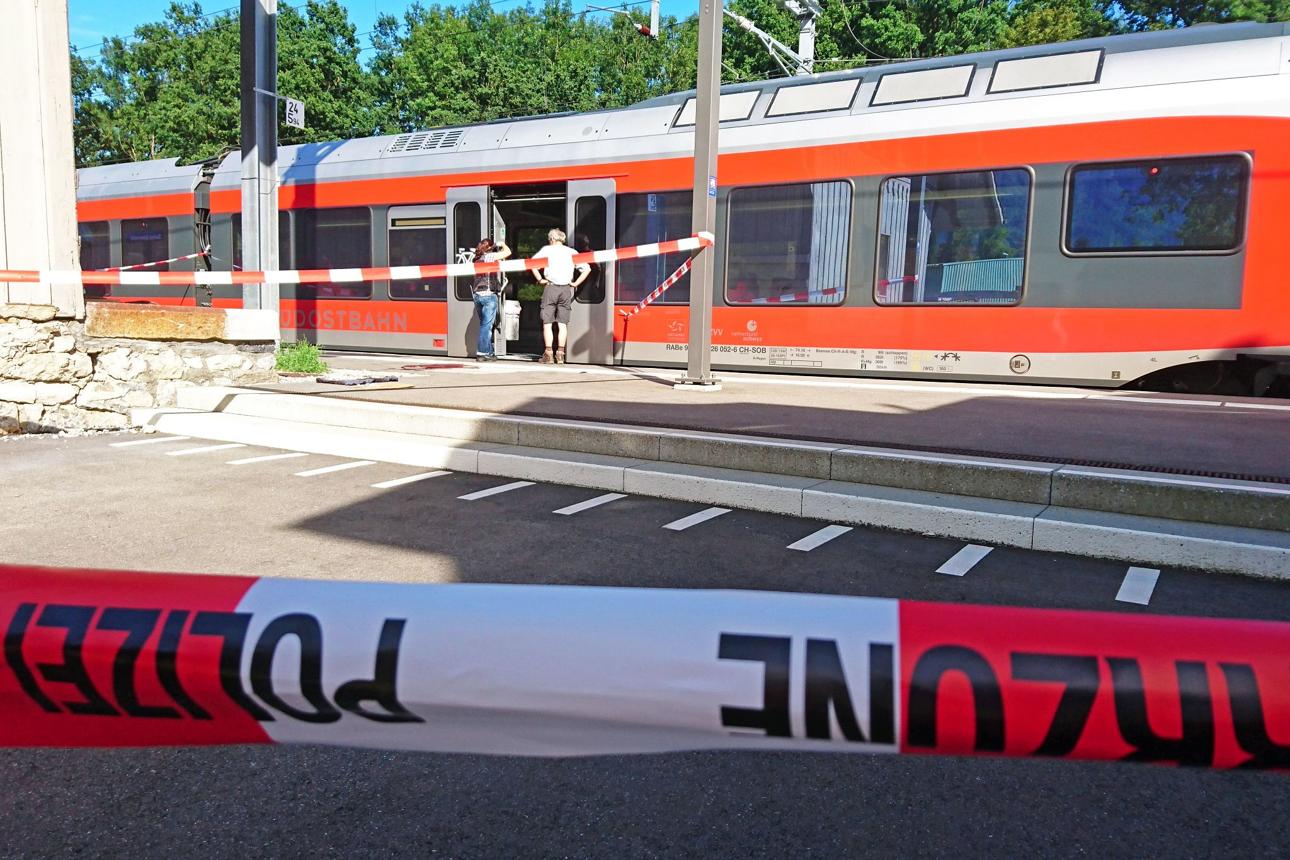
Three people were injured in a knife attack at Winterthur railway station in Switzerland’s Zurich canton, prompting a swift police response and the arrest of a suspect.

According to Swiss police, the incident occurred around 8:30 AM during the morning rush hour when commuters and students were present at the station. The victims, aged 28, 43, and 52, are all Swiss nationals. They were immediately taken to hospital for medical treatment after sustaining injuries. Authorities have not yet released updates on their current conditions.

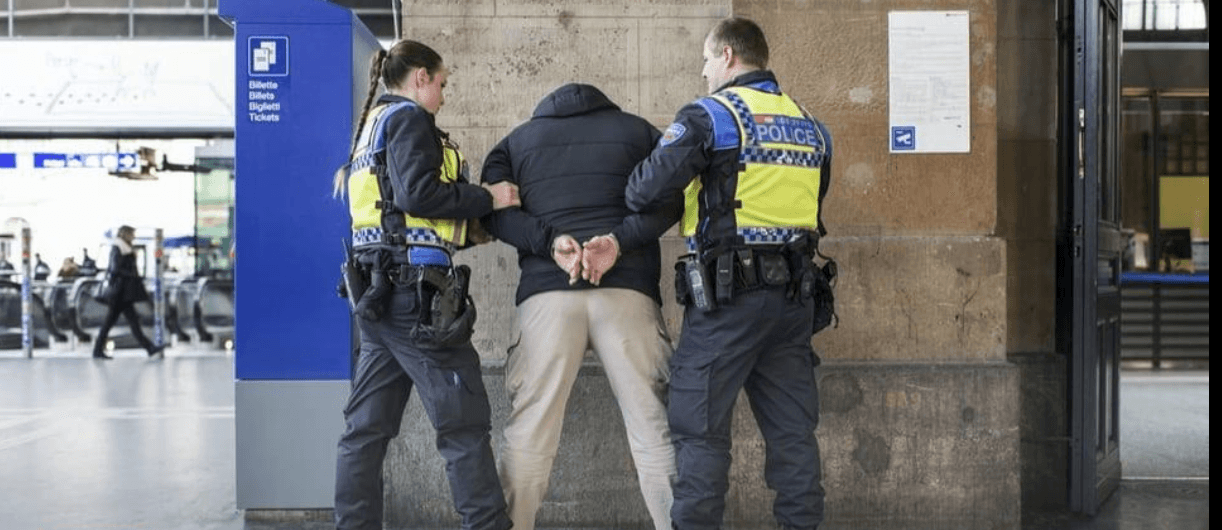
Police confirmed that a 31-year-old Swiss man was arrested shortly after the attack. He is suspected of using a sharp weapon during the incident, and investigators are currently working to determine the motive behind the attack.

A witness working in a nearby office building reported hearing the suspect shout a phrase in Arabic shortly before the attack. However, authorities have not confirmed any motive, and they have urged the public to avoid speculation until the investigation is complete.

The incident caused panic at the busy station, especially as many schoolchildren were present at the time. Emergency services quickly secured the area and provided assistance to the injured.

Swiss authorities continue to investigate the case, focusing on the suspect’s background and the circumstances leading up to the attack.

Knife Attack at Swiss Station Injures Four.

A shocking knife attack at Winterthur railway station in Switzerland’s Zurich canton has left four people injured and sparked widespread concern over public safety.

The incident occurred early this morning at around 8:30 AM, a busy time when school children and commuters were arriving at the station. According to local reports, a Swiss national attacked four individuals with a knife, causing panic among passengers.

Eyewitnesses stated that a teacher acted quickly to protect schoolchildren who were nearby during the attack. The teacher reportedly stepped in to prevent the children from being harmed, helping to avoid further injuries.

Swiss police responded rapidly to the scene and arrested a 31-year-old suspect. Authorities have confirmed that the suspect is currently under investigation, and the motive behind the attack has not yet been disclosed.

Emergency services treated the injured victims at the scene before transporting them to nearby hospitals. Their current conditions have not been officially released.

The incident has raised serious concerns about safety in public transportation hubs across Switzerland, particularly in busy stations during peak hours. Police continue to investigate the case.

Swiss Anti-Immigration Vote Could Hurt Economy.

Switzerland is preparing for a major national referendum that could significantly affect the country’s economy, workforce, and international border relations. The proposal, introduced by the Swiss People’s Party, aims to stop Switzerland’s population from exceeding 10 million people under the campaign slogan “No to 10 Million Switzerland.”

Swiss voters will cast their votes on June 14. Supporters of the proposal argue that limiting immigration will reduce pressure on housing, transportation, and public services. However, economic experts warn that the decision could create serious long-term problems for Switzerland.

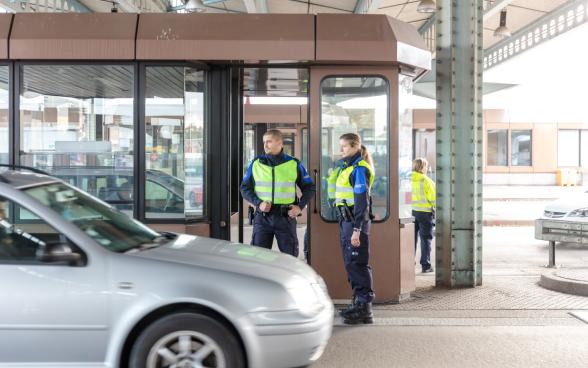
Research organization Ecoplan states that if the proposal succeeds, Switzerland could face difficulties within the Schengen zone. Neighboring countries including France, Germany, Italy, and Austria may introduce stronger border checks. These restrictions could heavily affect thousands of workers who cross borders daily for employment.

Regions such as Geneva, Ticino, and Basel are expected to face the biggest impact. Nearly 400,000 cross-border workers travel into Switzerland every day. If stricter controls begin at all borders, workers may experience delays of more than one hour while commuting.

Experts believe that many foreign workers may eventually stop working in Switzerland because of these delays and restrictions. Reports suggest that nearly two-thirds of cross-border employees could leave their jobs if the situation becomes difficult.

Healthcare services may suffer the most. Swiss hospitals and essential service sectors depend heavily on international workers. A reduction in foreign employees could create staff shortages and affect public services across the country.

Economic analysts warn that the referendum may weaken Switzerland’s economy, reduce workforce availability, and increase operational challenges for businesses. As the national vote approaches, the debate over immigration and economic stability continues to grow across Switzerland.

Swiss Technology SMEs Struggle Under Economic Pressure.

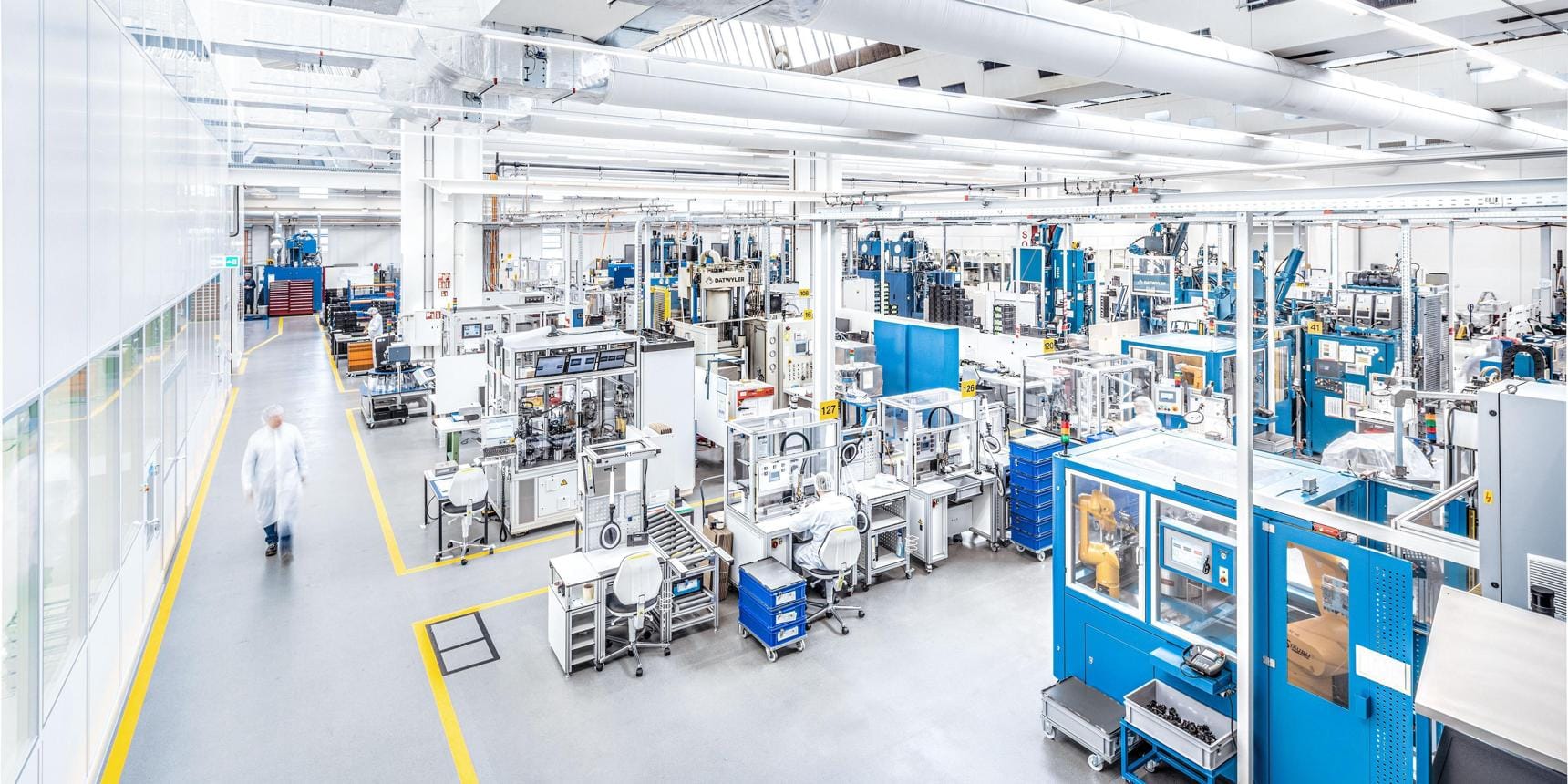
Small and medium-sized enterprises in Switzerland’s technology sector are facing growing economic pressure due to weak demand, currency challenges, and rising operating costs. According to the latest survey released by Swissmechanic, business confidence among SMEs in the machinery, electrical equipment, and metals industries remains deeply negative.

The business climate index for Swiss MEM industry SMEs stood at around minus 30 points in April 2026, continuing a prolonged downturn that has persisted since the end of 2023. Many companies report ongoing uncertainty and reduced customer demand across key industrial sectors.

The lack of incoming orders remains the biggest challenge, with 60% of surveyed companies identifying it as their main concern. Businesses are also struggling with the impact of the strong Swiss franc, which affects export competitiveness and profitability in international markets.

Around 41% of companies highlighted exchange rate fluctuations as a major issue, while 23% pointed to rising energy costs. These pressures have intensified since the beginning of 2026 and continue to affect operating margins across the industry.

Financial performance has weakened for many businesses. During the first quarter of 2026, approximately four out of ten SMEs reported a decline in EBIT margins, reflecting increasing cost pressure and reduced profitability.

Despite the difficult environment, some companies are attempting to protect jobs through short-time work programmes and internal efficiency measures. Around 18% of SMEs said they are maintaining their workforce despite declining earnings.

Investment activity also remains limited. Nearly one-quarter of surveyed companies stated they are unable to invest due to financial constraints, especially limited equity capital. Many firms are choosing to maintain current production capacity rather than expand operations during uncertain market conditions.

However, there are small signs of improvement in the Swiss technology industry. Exports from the MEM sector have increased for three consecutive quarters, and Switzerland’s purchasing managers’ index recently moved above the growth threshold for the first time since late 2022.

Even so, industry experts warn that a stable and long-term recovery has not yet been secured, and many SMEs continue to face significant economic uncertainty in 2026.

Switzerland Allocates CHF3 Million to Fight Ebola Outbreak.

Switzerland has announced emergency financial support worth CHF3 million to help combat the growing Ebola outbreak affecting the Democratic Republic of the Congo and neighbouring regions. The funding aims to strengthen healthcare response efforts, disease prevention, and emergency medical support in affected communities.

The Swiss government confirmed that the funding will be provided through the Swiss Agency for Development and Cooperation using emergency humanitarian aid resources. Officials stated that more than CHF2 million will be directed to the World Health Organization to support emergency medical coordination, laboratory assistance, and expert deployment in outbreak zones.

An additional CHF500,000 will support maternal and child healthcare programmes operating in South and North Kivu, regions heavily affected by ongoing health and humanitarian crises. Around CHF400,000 will also be allocated to infectious disease prevention and control projects in Ituri and North Kivu provinces.

Swiss authorities emphasized the importance of rapid international cooperation in containing Ebola outbreaks before they spread further across vulnerable regions. The funding will help improve emergency response systems, medical infrastructure, and disease monitoring capabilities.

Meanwhile, Swiss Solidarity has separately pledged CHF1.2 million from its humanitarian relief fund to support Ebola containment efforts in Congo and surrounding countries. The organisation plans to assist with isolation and treatment centres, virus testing, contact tracing, hygiene kits, and protective medical equipment.

The humanitarian support will also fund community awareness programmes and safe burial practices aimed at reducing infection risks. Health experts say prevention campaigns are essential because Ebola spreads rapidly through direct contact with infected individuals and contaminated materials.

Switzerland’s contribution reflects growing international concern over the Ebola outbreak and the need for coordinated global action to prevent a wider public health emergency.

AI Brings Mixed Impact to Swiss Company Workforce.

Artificial intelligence is rapidly transforming workplaces across Switzerland, but its overall impact on jobs remains uncertain. A new survey conducted by EY reveals that Swiss companies are increasingly adopting AI technologies while still evaluating their long-term effects on employees and the labour market.

According to the survey, around 7% of Swiss companies have already reduced jobs because of artificial intelligence. In addition, 11% reported that vacant positions were not replaced due to the growing use of AI systems and automation tools.

At the same time, artificial intelligence is also creating new career opportunities. Around 18% of respondents stated that their companies had introduced additional positions linked to AI development and implementation. These new roles include specialists in data science, AI engineering, automation systems, and digital transformation.

The report highlights that many organisations are still in the early stages of AI adoption. A significant 42% of respondents said they could not yet clearly assess the overall impact of AI on their workforce. Researchers believe this reflects the ongoing transition as companies experiment with new technologies and workplace models.

The use of AI in Swiss companies has become highly widespread. Only 3% of surveyed employees said the use of artificial intelligence was prohibited within their workplace. Most companies now use AI tools pragmatically to support everyday business tasks.

Approximately 72% of respondents said they mainly use AI as a productivity assistant in daily work activities. Employees commonly rely on AI for brainstorming ideas, creating first drafts, organising information, and improving workflow efficiency.

In addition, 47% of participants reported that they already trust artificial intelligence in selected business applications. This growing confidence suggests that AI integration is becoming more accepted across multiple industries in Switzerland.

The survey included responses from 604 employees working in Swiss companies of different sizes, providing insight into how businesses are adapting to the rapidly changing digital economy.

Experts believe Switzerland’s labour market may continue evolving as AI technology develops further, balancing concerns over automation with opportunities for innovation and new digital professions.

Switzerland Moves to Limit Junk Food Ads Targeting Children.

The Swiss government is planning new measures to reduce advertising of unhealthy foods targeting children under the age of 13, in an effort to improve long-term public health outcomes. The initiative focuses on limiting exposure to ads for products high in sugar, fat, and salt across multiple media platforms.

The proposal was presented by the Federal Food Safety and Veterinary Office in Bern during discussions with representatives from the food and advertising industries. Authorities aim to establish a self-regulation framework rather than an immediate legal ban.

Under the proposed system, restrictions would apply to advertising channels that directly reach children, including television, social media, online games, websites, and outdoor advertisements near schools. Products such as sugary drinks, chocolate, and salty snacks would be restricted from targeted marketing toward young audiences.

The guidelines are expected to align with the nutritional profiling model developed by the World Health Organization, ensuring that products considered unhealthy under international standards are covered by the restrictions. The government also plans to monitor compliance to ensure that self-regulation is effectively implemented across the industry.

Officials emphasize that advertising significantly influences children’s eating habits, often encouraging the consumption of high-calorie, low-nutrition foods. With around one in five children in Switzerland currently affected by overweight or obesity, authorities say stronger preventive measures are necessary to protect long-term health.

Health experts warn that early dietary habits formed in childhood can strongly affect adult health, increasing the risk of diseases such as diabetes and cardiovascular conditions. The proposed policy aims to encourage healthier food environments during childhood development.

The food and advertising industry has been given until mid-July to confirm participation in the self-regulation plan and agree to the required standards