


Swiss Anti-Immigration Vote Could Hurt Economy.
Switzerland is preparing for a major national referendum that could significantly affect the country’s economy, workforce, and international border relations. The proposal, introduced by the Swiss People’s Party, aims to stop Switzerland’s population from exceeding 10 million people under the campaign slogan “No to 10 Million Switzerland.”
Swiss voters will cast their votes on June 14. Supporters of the proposal argue that limiting immigration will reduce pressure on housing, transportation, and public services. However, economic experts warn that the decision could create serious long-term problems for Switzerland.
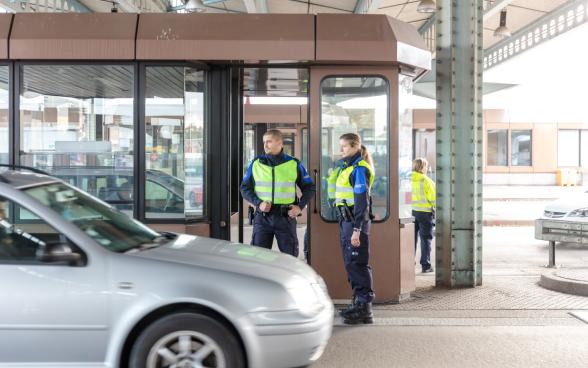
Research organization Ecoplan states that if the proposal succeeds, Switzerland could face difficulties within the Schengen zone. Neighboring countries including France, Germany, Italy, and Austria may introduce stronger border checks. These restrictions could heavily affect thousands of workers who cross borders daily for employment.
Regions such as Geneva, Ticino, and Basel are expected to face the biggest impact. Nearly 400,000 cross-border workers travel into Switzerland every day. If stricter controls begin at all borders, workers may experience delays of more than one hour while commuting.
Experts believe that many foreign workers may eventually stop working in Switzerland because of these delays and restrictions. Reports suggest that nearly two-thirds of cross-border employees could leave their jobs if the situation becomes difficult.
Healthcare services may suffer the most. Swiss hospitals and essential service sectors depend heavily on international workers. A reduction in foreign employees could create staff shortages and affect public services across the country.
Economic analysts warn that the referendum may weaken Switzerland’s economy, reduce workforce availability, and increase operational challenges for businesses. As the national vote approaches, the debate over immigration and economic stability continues to grow across Switzerland.