Switzerland Faces Labour & Energy Concerns

Switzerland could face a serious labour shortage if the proposed anti-immigration initiative is approved in the upcoming national vote, according to a new demographic study. Researchers warn that the Swiss labour market may lose tens of thousands of workers in the coming years due to low birth rates and increasing retirements. Estimates suggest the country could face a shortage ranging from 87,000 to 245,000 workers depending on future immigration levels.

At the same time, concerns are growing over rising electricity prices linked to the ongoing conflict involving Iran. Swiss energy authorities warn that disruptions in global gas supplies and the Strait of Hormuz could impact Europe’s energy market and increase electricity costs in Switzerland, especially during winter. Experts say low gas reserves in Europe may create additional pressure on energy supply stability.

New figures also reveal details about Switzerland’s middle class. According to the Federal Statistical Office, more than 55% of the Swiss population belongs to the middle-income category. The latest report highlights the wide income range required to qualify as middle class in Switzerland due to the country’s high cost of living.
Prison Population in Switzerland Reaches Record High in 2026

Switzerland has recorded its highest-ever prison population at the beginning of 2026, according to newly released figures from the Federal Statistical Office (FSO).

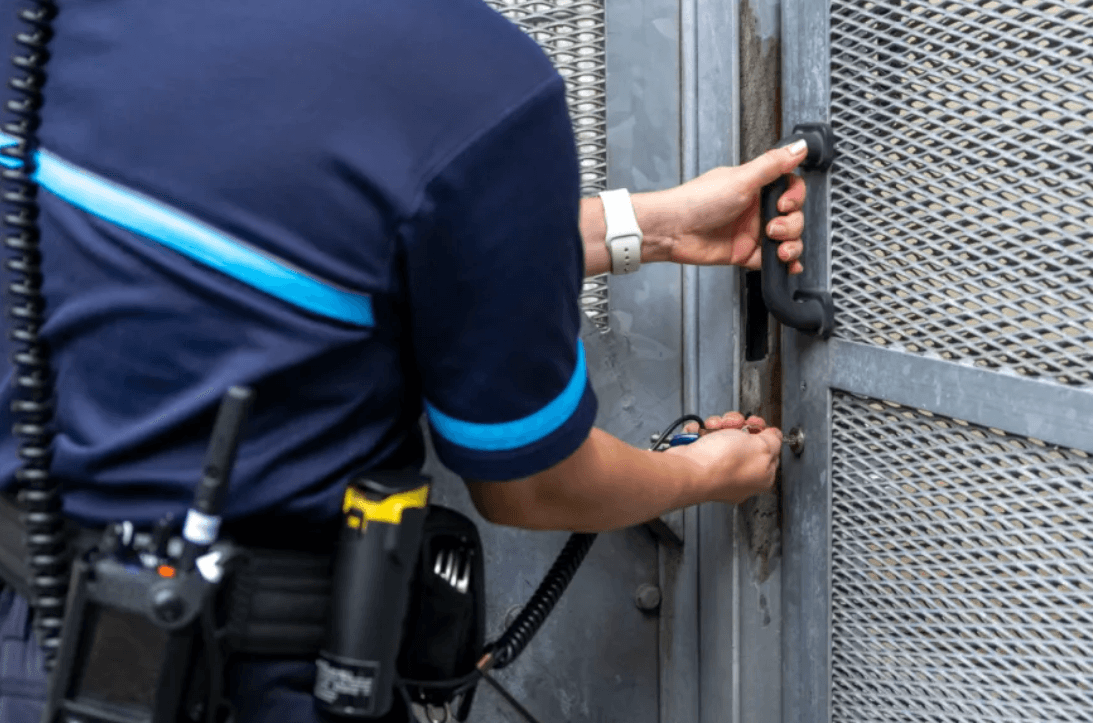
As of January 31, 2026, a total of 7,119 people were being held in Swiss correctional facilities, marking the highest number since official records began. The sharp increase pushed the nationwide prison occupancy rate to 97%, raising concerns about pressure on the country’s detention system.

Among the inmates, around 63% were serving prison sentences or court-ordered measures, while 31% were being held in pretrial detention or for security-related reasons. The remaining 6% were imprisoned under other legal circumstances.

The latest data also revealed that the number of short-term unsuspended prison sentences has dropped to an all-time low, showing a shift in Switzerland’s criminal justice approach toward alternative penalties and legal measures.

According to the Federal Statistical Office, 111,962 adult criminal convictions were entered into the Swiss criminal record system last year. More than half of these convictions were related to road traffic violations.

Legal experts say the growing prison population may increase discussions about prison capacity, rehabilitation programs, and long-term criminal justice reforms in Switzerland.

Axpo Proposes Gas Power Plants to Secure Switzerland Electricity Supply

Axpo, one of Switzerland’s leading electricity producers, has proposed the construction of three to four gas-fired power plants to strengthen the country’s energy security.

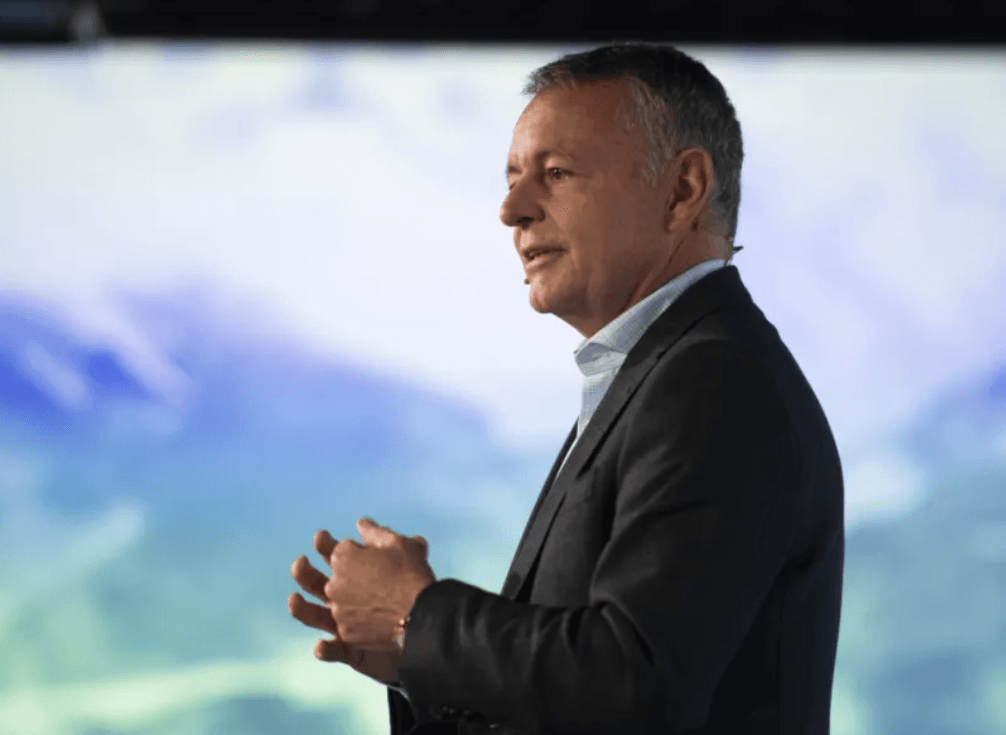
According to Axpo Chair Thomas Sieber, Switzerland needs a balanced energy strategy that combines hydropower, renewable energy sources, and flexible gas-fired power plants to ensure a stable electricity supply, especially during winter months.

Sieber explained that gas-fired power plants offer a major advantage because they can be built relatively quickly and provide flexibility to support the national grid during peak demand periods. However, he emphasized that legal adjustments and supportive policies will be required to enable their construction.

At the same time, Switzerland continues to rely heavily on nuclear energy as a key part of its electricity system. The continued operation of existing nuclear power plants is considered essential for maintaining supply stability.

Axpo estimates that nuclear plants in Gösgen Nuclear Power Plant and Leibstadt Nuclear Power Plant could continue operating for up to 80 years with proper maintenance and approvals.

A critical decision regarding the future of the Gösgen nuclear plant must be made by 2029. If no extension is approved, it may be disconnected from the grid as originally planned.

Energy experts say Switzerland is focusing on a long-term strategy that balances renewable energy expansion with reliable backup sources to ensure energy security in the coming decades.

Switzerland Plans Health Insurance Franchise Increase.

Switzerland is currently discussing a new proposal to increase the minimum health insurance franchise amount from CHF 300 to CHF 400.

The proposed change has sparked nationwide attention as healthcare costs continue to rise across the country.

In Switzerland, the franchise system requires individuals to pay a fixed amount of their medical expenses each year before health insurance coverage begins.

At present, the minimum franchise stands at CHF 300. Under the new proposal, the minimum contribution could increase to CHF 400.

Swiss authorities say the planned change aims to encourage people to reduce unnecessary medical visits and healthcare expenses.

Officials believe the increase may help lower pressure on the national healthcare system and reduce overall insurance costs in the long term.

However, the proposal has also raised concerns among residents, especially middle-income families and elderly citizens who already face rising living expenses.

Critics argue that increasing the franchise amount could create additional financial pressure for people who regularly require medical treatment.

Government discussions and public consultations regarding the proposed law are currently ongoing. According to reports, the final decision is expected later this year depending on public response and political support.

The healthcare insurance system remains one of the most important economic and social topics in Switzerland, with many residents closely following any possible changes that may affect their monthly expenses and medical access.

Housing Prices Continue to Rise Across Switzerland in 2026

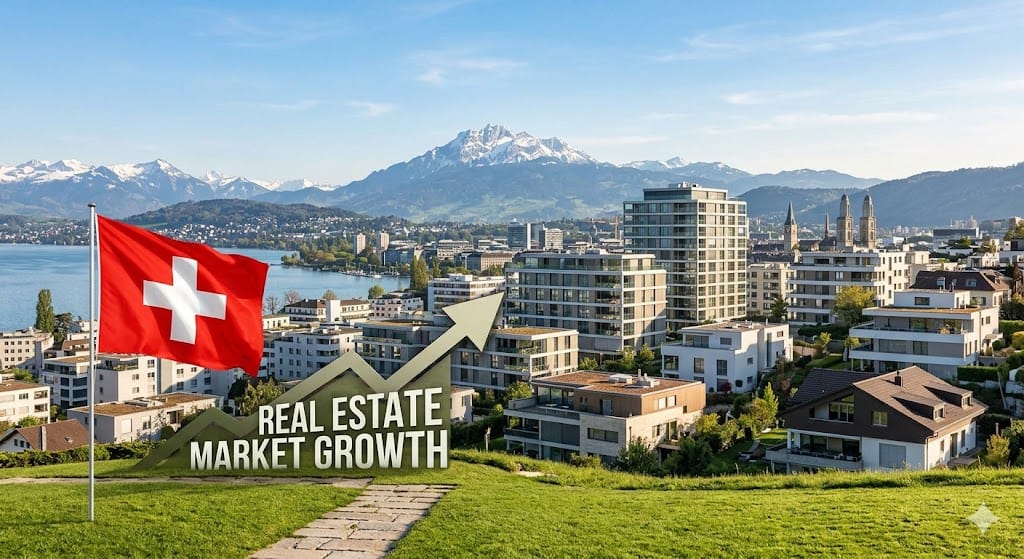
Housing prices in Switzerland continue to increase steadily in 2026, with major cities such as Zurich, Geneva, and Lausanne experiencing significant price growth in the property market.

According to recent 2026 housing market data, apartment prices across Switzerland have increased by nearly 4% annually, while prices for individual houses have risen by around 3%. Real estate experts say strong demand and limited housing supply continue to push prices higher across the country.

Property demand remains especially high in Zurich and other large urban areas. However, the pace of new housing construction has not matched the growing population and demand, creating pressure on the Swiss housing market.

Several major factors continue to drive the increase in Swiss housing prices. Rising immigration, limited construction of new homes, and low interest rates have contributed to higher demand for residential properties. Switzerland’s reputation as a safe and stable investment destination has also attracted both local and international investors.

Economic experts additionally point to Switzerland’s high salaries and strong employment opportunities as reasons why many foreign workers continue to move to the country. This growing workforce further increases demand for housing in major Swiss cities.

The continued rise in property prices has become an important topic among residents, investors, and policymakers. Many people are now concerned about long-term housing affordability, especially for middle-income families and first-time home buyers in Switzerland.