The Future of Lab Research? Meet the Swiss AI Mouse.

Swiss researchers have developed an artificial intelligence (AI) model that simulates a mouse to reduce the need for live animal testing in drug development. The innovation was created by the Swiss Federal Laboratories for Materials Science and Technology (Empa) and is designed to evaluate how new active compounds behave inside a living organism using computer-based simulations.

The AI-driven “virtual mouse” can predict how nanoparticles with specific properties are distributed throughout the body. This capability is especially important in advanced medical research, including the development of treatments for brain tumours, where nanoparticles are used to cross the blood-brain barrier and deliver targeted therapy.

Researchers say the model can act as a decision-making tool in early-stage drug development. By simulating biological processes digitally, scientists can better understand how compounds interact within the body before moving to costly and ethically sensitive animal testing stages.

The system helps reduce reliance on live animal experiments by providing detailed predictions of drug behaviour in complex biological environments. This approach supports more ethical research practices while also potentially speeding up pharmaceutical development.

Empa researchers highlight that the AI model is not intended to fully replace all animal testing immediately, but it represents a major step toward reducing its use. By combining material science, biomedical research, and artificial intelligence, Switzerland continues to advance in ethical and data-driven healthcare innovation.
Swiss Wages Set to Rise by Up to 2% in 2026.

Average wages in Switzerland are expected to rise between 1.5% and 2% this year, broadly matching inflation levels. However, salary growth will not be evenly distributed across all professions or regions, according to a new labour market survey by job placement firm Adecco.

The report, based on more than 15,000 job interviews, shows that Swiss companies are increasingly focusing on targeted recruitment rather than expanding their workforce across all departments. This shift is creating a more selective salary structure, where only certain roles benefit from significant pay increases.

Specialist professionals are expected to see the strongest wage growth. In particular, workers with expertise in business transformation, artificial intelligence, and sustainability-related ESG (environmental, social, and governance) fields are in high demand. These niche skills are becoming essential as companies adapt to digitalisation and regulatory changes.

At the same time, most general job functions are expected to experience only moderate salary increases. Adecco highlights that salary progression is now more closely linked to measurable performance and project contributions rather than seniority or hierarchical position within a company.

The labour market continues to face a shortage of advanced technical skills, a situation made worse by the retirement of the baby boomer generation. This structural gap is increasing competition for highly qualified candidates and pushing salaries higher in specialised sectors.

Regional differences also remain significant. The “Zurich premium” continues to influence national wage patterns, with employees working in or around Switzerland’s financial hub earning between CHF 5,000 and CHF 10,000 more per year compared to the national average.

Overall, while Swiss salaries are rising, the growth is uneven, reflecting a labour market increasingly shaped by specialised skills, regional demand, and performance-based pay structures.

Pollution Delays Swiss Munitions Dump Cleanup.

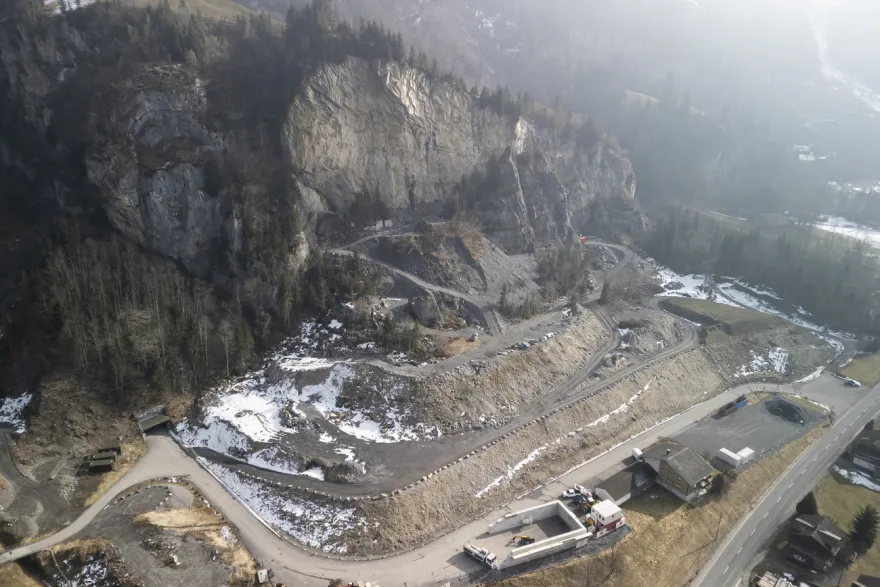
Switzerland has delayed the cleanup of the historic Mitholz munitions depot after investigators discovered far more contaminated material than expected. The revised timeline now extends the massive environmental and safety project until 2047, two years later than previously planned.

The ammunition depot, located in the Bernese Oberland region, became the site of a deadly disaster on December 19, 1947, when part of the 7,000 tonnes of stored munitions and explosives exploded. The blast killed nine people and scattered hazardous material across the surrounding area. For decades, authorities believed the site posed little danger until a reassessment in 2018 prompted the federal government to launch a full-scale cleanup operation.

Engineers and environmental specialists have since uncovered significant levels of contamination throughout the area. Investigations revealed that large amounts of polluted material remain buried beneath mudslide deposits and avalanche protection structures. Experts estimate that around 350,000 cubic metres of heavily contaminated debris are located within the affected zone.

The scale of the contamination has increased the complexity of the project. Some excavated material can be reused, but heavily polluted waste requires specialized treatment and disposal. Authorities also warn that hidden contaminants may still exist beneath rock crevices and deep underground fissures near the former ammunition depot.

Residents living near Mitholz will be required to temporarily leave their homes by the end of 2032. The evacuation is expected to last approximately ten years while cleanup and safety operations continue. Despite the contamination, officials report that no pollutants have been detected in local water sources. Agricultural land and grazing areas outside the affected zones remain safe for continued use.

Project leaders have also reported a positive development. New assessments indicate that the risk of a major explosion is lower than previously estimated. As a result, Switzerland’s defence authorities can reduce the scale of planned protective infrastructure near a railway line, saving approximately CHF8 million. However, the overall cleanup project remains one of Switzerland’s most expensive environmental and safety operations, with total costs estimated at around CHF2.5 billion.

The Mitholz cleanup highlights Switzerland’s commitment to addressing historical environmental hazards while protecting local communities and preserving public safety for future generations.

Swiss Alpine Passes Open for Summer Travel.

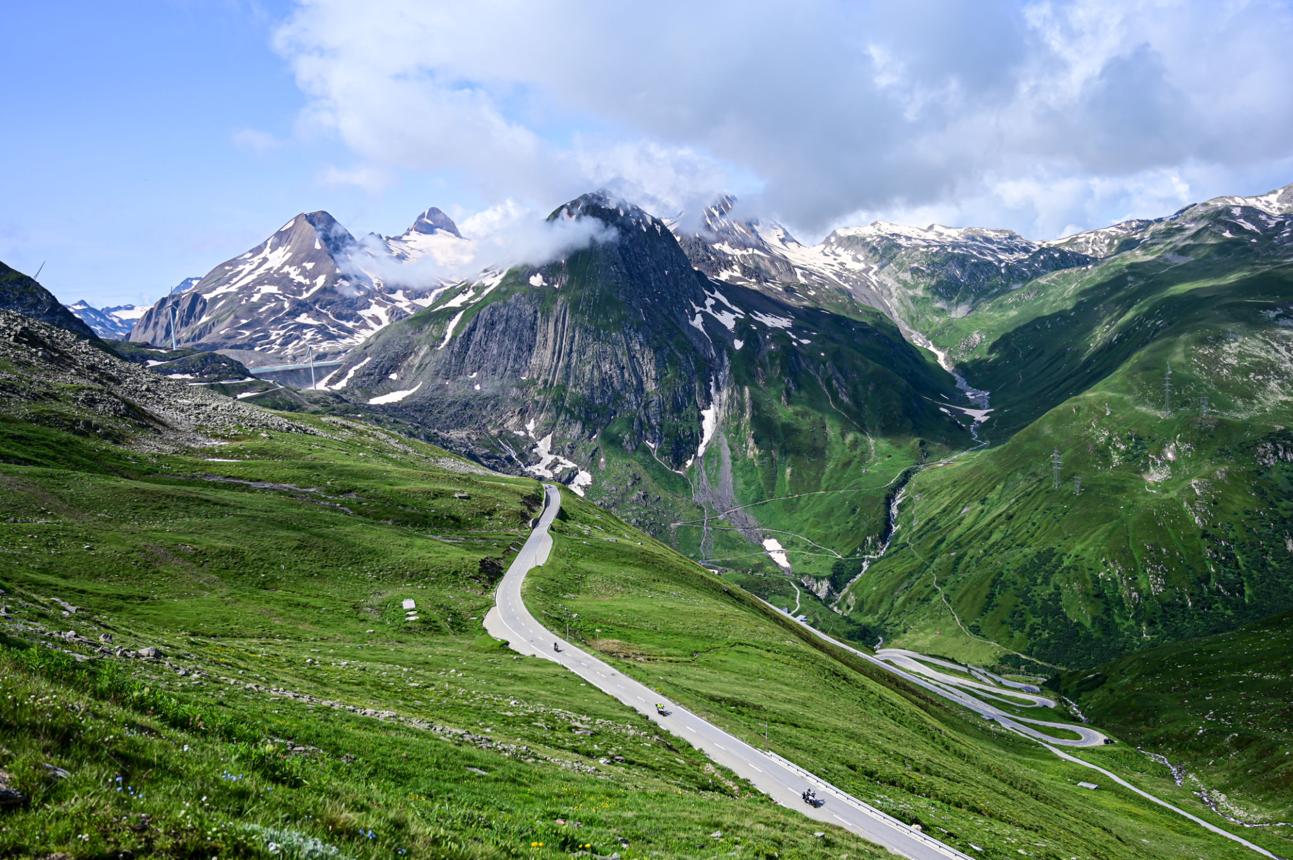
Switzerland has reopened three more major Alpine passes for the summer season, making travel across the country’s mountainous regions easier for residents and tourists. The Furka, Grimsel, and Nufenen passes officially reopened on Friday following their winter closures.

The Furka Pass, located at an altitude of 2,429 metres, reopened to traffic from 9 a.m. The scenic mountain route connects Realp in the Canton of Uri with Obergoms in Valais, providing an important link between the two regions during the summer months.

The Grimsel Pass, standing at 2,164 metres above sea level, also resumed operations. This key route connects Innertkirchen and Gletsch and is widely used by travellers exploring Switzerland’s spectacular Alpine landscapes. The Nufenen Pass, Switzerland’s highest fully paved mountain pass at 2,478 metres, reopened as well, reconnecting Ulrichen in Valais with Airolo in Ticino.

According to the Touring Club of Switzerland (TCS), only two major Alpine crossings remain closed among Switzerland’s 77 most important mountain passes. The Susten Pass, which links Innertkirchen and Wassen, and the Great St Bernhard Pass, connecting Valais with Italy’s Aosta Valley, are still awaiting reopening due to seasonal conditions.

Several other strategic Alpine routes, including the famous Gotthard Pass road between Andermatt and Airolo, had already reopened ahead of the Ascension and Whitsun holiday weekends. The reopening of these mountain roads marks the beginning of the busy summer travel season and offers visitors easier access to some of Switzerland’s most breathtaking Alpine destinations.

Swiss Spring 2026 Among Warmest on Record.

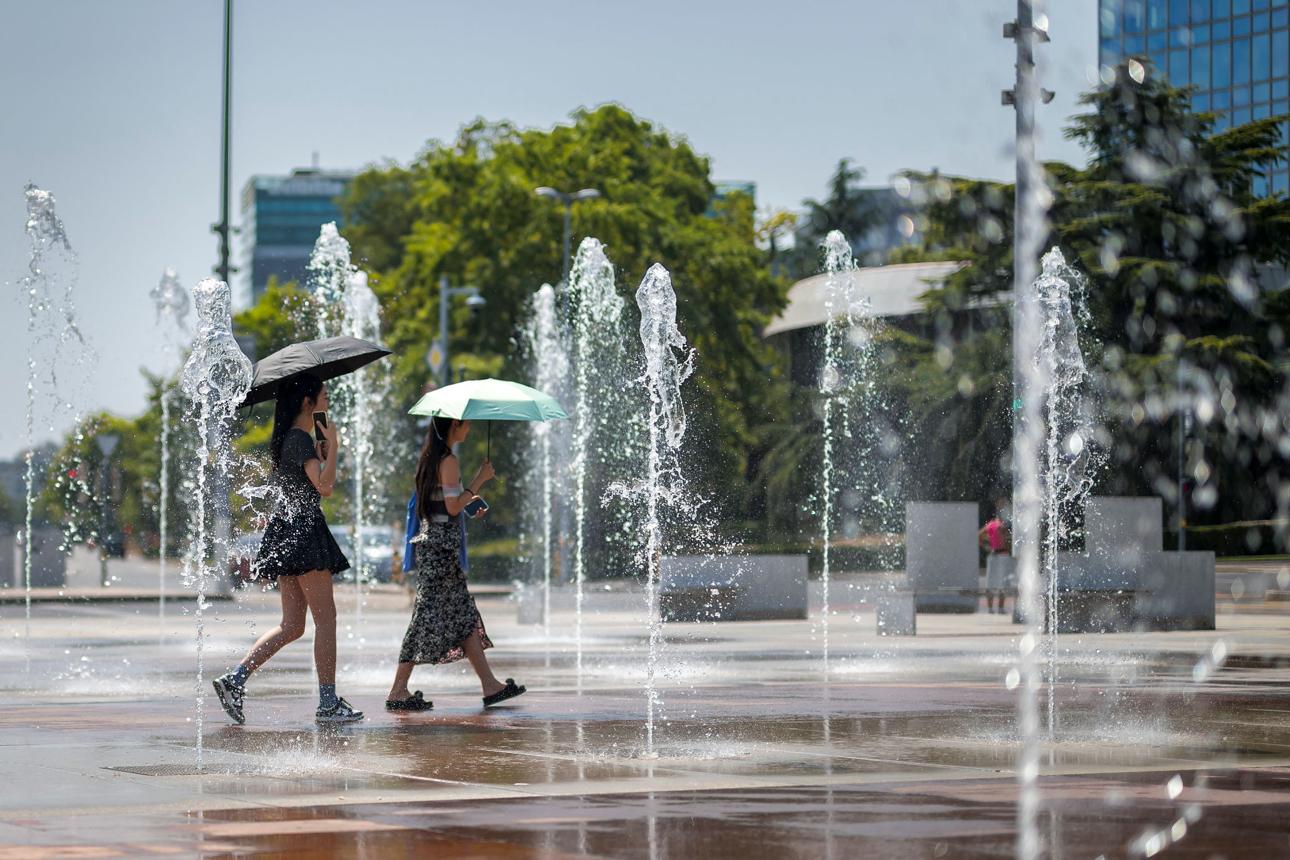
Swiss Spring 2026 became the third warmest spring ever recorded in Switzerland, according to the Federal Office of Meteorology and Climatology (MeteoSwiss). The season brought unusually high temperatures, abundant sunshine, and exceptionally dry weather across much of the country. National temperatures from March to May averaged 1.6°C above the 1991–2020 climate reference period, making it one of the warmest springs in Swiss history.

April stood out as one of the hottest months ever recorded, while May delivered dramatic weather changes. A brief cold spell with frost and snowfall at lower elevations quickly gave way to an unusually early heatwave. By the end of May, several regions recorded new daily temperature highs, highlighting the intensity of the warming trend across Switzerland.

The southern Swiss town of Biasca in Canton Ticino reached 34.8°C on May 28, setting a new May temperature record for the southern side of the Alps. The figure came remarkably close to Switzerland’s all-time May record of 35.1°C, recorded in Sion in 2009. Meteorologists noted that such extreme temperatures are becoming increasingly common during spring months.

Switzerland also experienced one of its driest springs on record. Many regions received between 40% and 90% less rainfall than normal. Eastern Switzerland, including Graubünden and the Engadin region, faced particularly severe dryness, recording the driest spring since weather observations began in 1901.

Experts continue to monitor these climate patterns as rising temperatures and prolonged dry conditions increasingly affect agriculture, water resources, and ecosystems across Switzerland. The latest data highlights the growing impact of climate change on the country’s seasonal weather patterns.

Swiss Research Calls for Strong Action on AI and Digital Transformation Across Society

Swiss researchers are urging policymakers, businesses, and society to work together to manage the rapid rise of digital technologies and artificial intelligence (AI), according to findings from a major national research programme.

Digital Transformation Requires Coordination

The Swiss National Science Foundation (SNSF) emphasizes that Switzerland can only fully benefit from digital transformation if all sectors—government, industry, and society—coordinate their efforts. Without collaboration, both opportunities and risks linked to AI could increase significantly.

Large-Scale National Research Programme

The findings come from the National Research Programme “Digital Transformation” (NRP 77), which was commissioned by the Swiss government. Over five years, researchers completed 46 separate projects with a total budget of CHF 30 million.

Key Finding: Technology Alone Is Not the Deciding Factor

Researchers concluded that the impact of AI and digital tools is not determined by the technology itself, but by how people choose to use it. This highlights the importance of policy, education, and training in shaping outcomes.

Challenges in Education

One of the major findings shows that digital tools are often underused in Swiss schools. The main reasons include a lack of structured implementation strategies and insufficient training for teachers.

Labour Market Skills Gap

The report also warns that companies must invest more consistently in employee digital skills. Without continuous upskilling, workers may struggle to adapt to AI-driven changes in the labour market.

Media and Democracy Concerns

Researchers further stress the importance of maintaining a strong and independent media landscape. They argue that digital transformation can only support democracy if reliable information systems are protected.

Conclusion

The study highlights that AI and digital transformation are not just technological issues but societal challenges. Switzerland is encouraged to strengthen education, workforce training, and media independence to fully benefit from the digital future.

Cannabis and Testosterone: What a New Study Reveals.

A new Swiss study suggests that cannabis use may be linked to higher testosterone levels in young men, challenging earlier assumptions that the substance lowers male hormone levels.

Study Overview

Researchers from the University of Geneva analyzed blood samples from 94 Swiss military recruits aged between 18 and 23. The participants were divided into two groups: 47 cannabis users and 47 non-users.

The findings showed that testosterone levels were approximately 23% higher in the cannabis-using group compared to non-users.

Biological Mechanism

According to researchers, the increase in testosterone appears to originate in the testicles, specifically in the Leydig cells, which are responsible for producing male sex hormones. The adrenal glands, however, showed no significant change in hormone production.

This suggests that cannabis may have a direct biological effect on testosterone production mechanisms in the male reproductive system.

No Direct Link to Fertility

Despite the increase in testosterone levels, researchers caution against interpreting the results as improved fertility. The relationship between testosterone and reproductive health is complex and cannot be measured by hormone levels alone.

Scientists propose that the increase may be a compensatory response to reduced sensitivity in hormone receptors. Another possibility is that individuals with naturally higher testosterone levels may be more likely to engage in risk-taking behaviors, including cannabis use.

Wider Scientific Context

The study aligns with earlier research from Denmark and the United States, which also observed a correlation between cannabis use and increased testosterone levels. However, earlier smaller studies had produced mixed or contradictory findings.

Conclusion

Researchers emphasize that while cannabis appears to influence hormone levels, its long-term effects on fertility and reproductive health remain unclear. Further large-scale studies are needed to understand the full clinical implications.

Switzerland Records Fourth Hottest May Since 1864 Amid Severe Dry Conditions

Switzerland is set to record its fourth hottest May since weather records began in 1864, according to the national meteorological service MeteoSwiss. The country is also experiencing unusually dry conditions across many regions.

Temperature Above Average

Meteorological data shows that temperatures in May 2026 have been approximately 1.8°C above the long-term average. The nationwide average daily temperature has reached 10.7°C so far this month.

Early rainfall at the beginning of May was not sufficient to compensate for a significant precipitation deficit that has developed since March.

Severe Rainfall Deficit

Rainfall levels across Switzerland have dropped sharply, with only around 56% of the average precipitation recorded nationally. In some regions, rainfall has fallen to just 40% of normal levels.

Canton Graubünden and the Engadine region have been particularly affected, receiving less than half of their typical rainfall.

Comparison With Historic Droughts

Experts note that current conditions resemble historic drought years such as 1944 and 1976. The ongoing spring season is also expected to rank among the driest since modern records began in 1901.

Government Weather Alert

The Swiss government has issued a Level 2 drought alert, currently affecting the Alps and eastern Plateau regions. Authorities classify this as a mild drought, with no immediate improvement expected in the short term.

Early Heatwave Conditions

Switzerland has already experienced early heatwave conditions, with temperatures exceeding 30°C in several regions. In Ticino and parts north of the Alps, temperatures have climbed above 34°C.

In Valais, the temperature reached 34.2°C in Sion, marking one of the earliest intense heat events of the season.

Impact on High Altitudes

Even high mountain regions have been affected. The 0°C isotherm rose to 4,328 metres above sea level during Whitsun weekend, making it one of the highest recorded levels for May.

Climate Change Influence

Meteorologists highlight that climate change is influencing seasonal patterns in Switzerland. Heatwaves are occurring earlier, lasting longer, and affecting higher altitudes with increasing intensity.

The Federal Office of Meteorology and Climatology warns that such extreme conditions are becoming more frequent across the Alpine region.

43 Lives Lost in Swiss Rivers and Lakes in 2025: Lifesaving Society Warns on Prevention

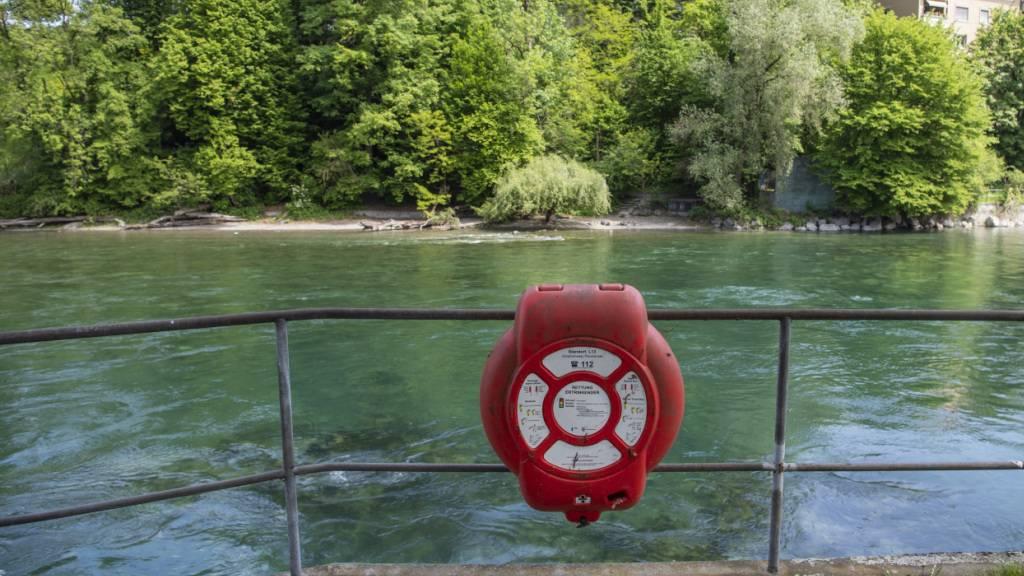
Switzerland recorded 43 drowning deaths in rivers and lakes in 2025, according to the Swiss Lifesaving Society (SSS). Almost all incidents occurred in open water, highlighting ongoing risks in natural swimming areas.

Overall Trend in Drowning Cases

The number of fatal drownings in 2025 marks a decline compared to previous years. There were 59 deaths in 2024 and 66 in 2022, which was recorded as a peak year. For the first time since 2021, fatalities dropped below 50.

Despite the improvement, experts emphasize that water safety remains a serious public concern.

Who Is Most Affected?

Data shows that men account for around 80% of all drowning victims. Two age groups are particularly affected:

  • Young adults (17–32 years): 10 deaths
  • Senior citizens (65+): 17 deaths

Older victims represent about 40% of total fatalities. The SSS explains this may be linked to increased water activity among seniors, combined with health issues and reduced physical capacity.

Children and Accidents

Fatal accidents involving young children remain rare. However, tragic cases still occur, including a two-year-old child who drowned in a private swimming pool and a 14-year-old boy found in a stream.

Where Do Most Incidents Occur?

Most drownings happened in natural waters:

  • Lakes: 23 cases
  • Rivers: 15 cases
  • Other incidents include diving accidents in Lake Thun and during a police operation in the Limmat River

Prevention Still a Major Concern

Although the overall numbers have decreased, the Swiss Lifesaving Society warns that prevention efforts must not be reduced. Authorities stress that vigilance is especially important for children near water.

Experts also highlight a growing concern: distractions such as mobile phone use by adults supervising children near pools or open water.

Conclusion

While Switzerland has seen a decline in drowning deaths, the SSS emphasizes that water safety awareness and prevention campaigns remain essential to avoid further tragedies in rivers, lakes, and swimming areas.

Over 72% of Prison Inmates in Switzerland Are Foreign Nationals (2025 Data Explained)

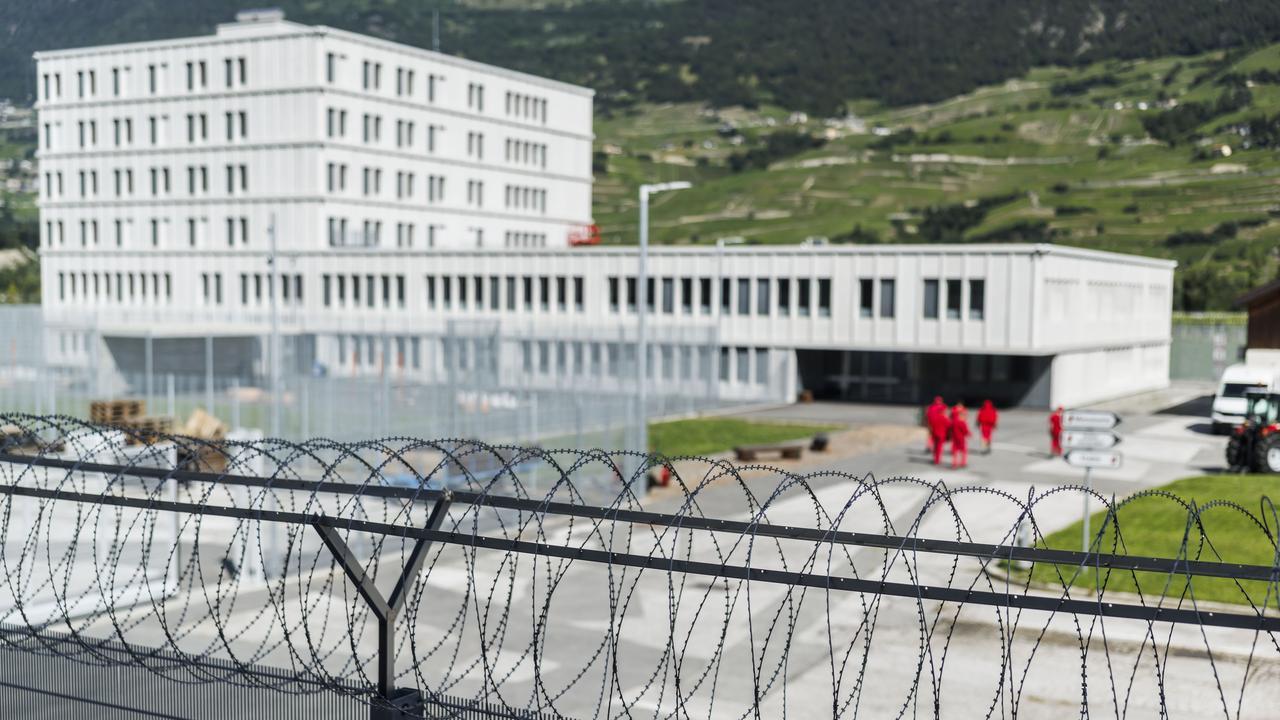
Recent 2025 data indicates that approximately 72.5% of inmates in Swiss prisons are foreign nationals. This means that nearly 7 out of 10 prisoners in Switzerland do not hold Swiss citizenship.

Understanding the Statistics

It is important to understand that the term “foreign nationals” does not only refer to tourists or illegal migrants. The category also includes:

  • Long-term residents without Swiss citizenship
  • Temporary workers and cross-border commuters
  • Asylum seekers
  • Individuals without permanent residency status

Therefore, the data reflects nationality status rather than recent immigration activity.

Population Context in Switzerland

Switzerland has a high proportion of foreign residents compared to many other countries. More than 25% of the total population consists of non-Swiss nationals. This demographic structure naturally influences prison statistics as well.

Key Factors Behind the Numbers

Experts highlight several contributing factors:

  • Higher proportion of foreign residents in urban and working-age groups
  • Inclusion of non-citizens in temporary and asylum categories
  • Socio-economic differences affecting legal outcomes
  • Cross-border mobility within Europe and Schengen area

Important Interpretation

Authorities and analysts emphasize that this statistic should not be misinterpreted as a direct link between immigration and crime. Instead, it reflects population composition, legal residency status, and socio-economic diversity in Switzerland.

Conclusion

Switzerland’s prison demographics are closely linked to its international population structure. The high percentage of foreign nationals in prisons highlights the complexity of interpreting crime data in a highly multicultural and mobile society.