

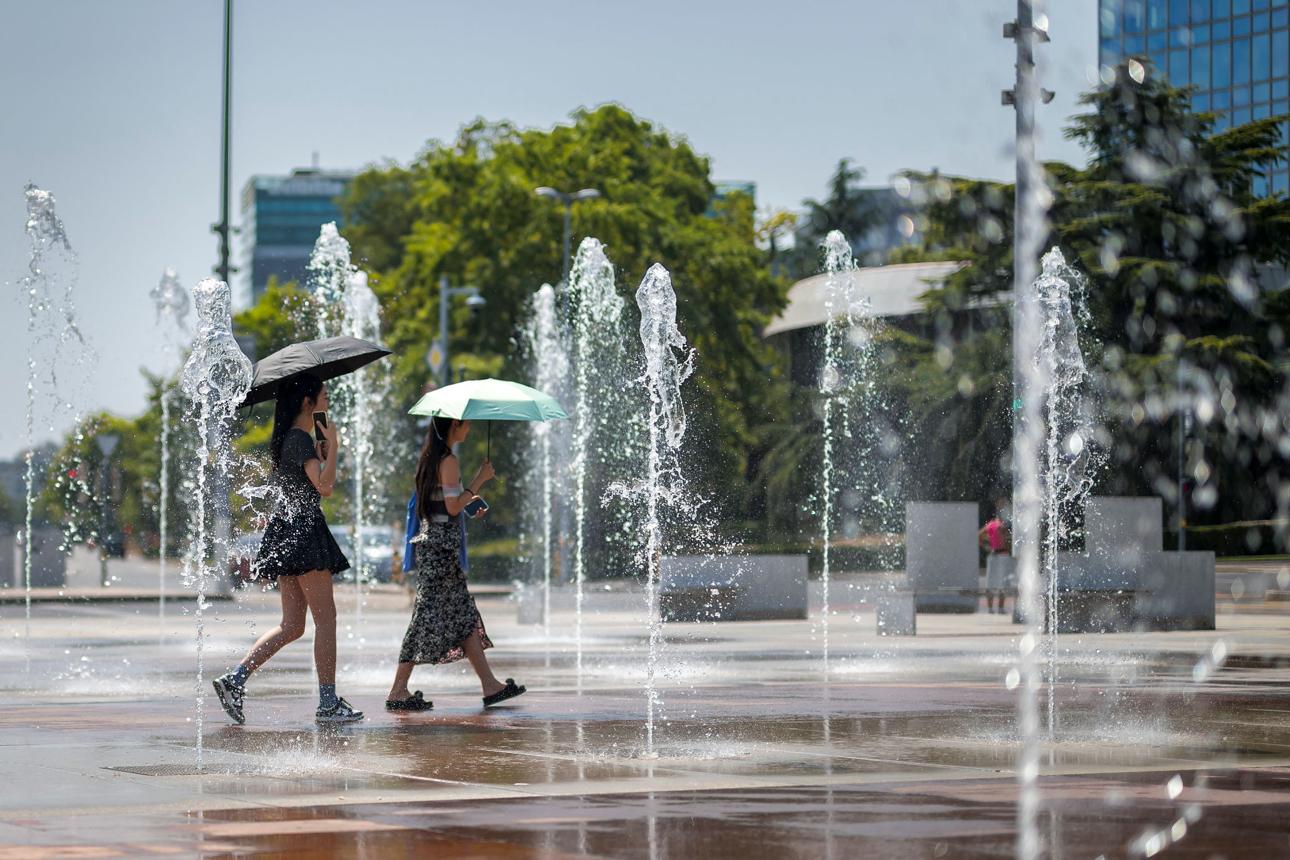

Switzerland Records Fourth Hottest May Since 1864 Amid Severe Dry Conditions
Switzerland is set to record its fourth hottest May since weather records began in 1864, according to the national meteorological service MeteoSwiss. The country is also experiencing unusually dry conditions across many regions.
Temperature Above Average
Meteorological data shows that temperatures in May 2026 have been approximately 1.8°C above the long-term average. The nationwide average daily temperature has reached 10.7°C so far this month.
Early rainfall at the beginning of May was not sufficient to compensate for a significant precipitation deficit that has developed since March.
Severe Rainfall Deficit
Rainfall levels across Switzerland have dropped sharply, with only around 56% of the average precipitation recorded nationally. In some regions, rainfall has fallen to just 40% of normal levels.
Canton Graubünden and the Engadine region have been particularly affected, receiving less than half of their typical rainfall.
Comparison With Historic Droughts
Experts note that current conditions resemble historic drought years such as 1944 and 1976. The ongoing spring season is also expected to rank among the driest since modern records began in 1901.
Government Weather Alert
The Swiss government has issued a Level 2 drought alert, currently affecting the Alps and eastern Plateau regions. Authorities classify this as a mild drought, with no immediate improvement expected in the short term.
Early Heatwave Conditions
Switzerland has already experienced early heatwave conditions, with temperatures exceeding 30°C in several regions. In Ticino and parts north of the Alps, temperatures have climbed above 34°C.
In Valais, the temperature reached 34.2°C in Sion, marking one of the earliest intense heat events of the season.
Impact on High Altitudes
Even high mountain regions have been affected. The 0°C isotherm rose to 4,328 metres above sea level during Whitsun weekend, making it one of the highest recorded levels for May.
Climate Change Influence
Meteorologists highlight that climate change is influencing seasonal patterns in Switzerland. Heatwaves are occurring earlier, lasting longer, and affecting higher altitudes with increasing intensity.
The Federal Office of Meteorology and Climatology warns that such extreme conditions are becoming more frequent across the Alpine region.