Swiss Airports Face Longer Waits Under New EU System.

Air travelers arriving in Switzerland from countries outside the Schengen area, such as the United States and the United Kingdom, are experiencing longer waiting times at airports due to the rollout of a new European border control system.

The system, known as the Entry/Exit System (EES), records all entries and exits of non-EU, non-Schengen travelers within the Schengen zone. It applies to passengers who do not hold passports from EU countries or associated states such as Norway, Iceland, Liechtenstein, or Switzerland.

The EES has been gradually introduced and has been fully operational across the Schengen area since April 10. According to EU officials, the system has already registered around 90 million travelers, with approximately two million new registrations processed each week. The system is designed to strengthen border security, track travel movements, and identify security risks more efficiently.

However, the new process has also led to delays at several airports, including those in Switzerland. At Zurich Airport, the system was introduced in November 2025, while Geneva Airport began using it in October 2025. Authorities confirm that first-time registrations require detailed data collection, including personal information, travel document details, and biometric data such as fingerprints and facial images.

Because of these additional requirements, border processing times have increased, especially when multiple long-haul flights arrive at the same time. In some cases, passengers have reported waiting times of up to one to two hours before completing entry procedures.

Airport officials say the system is generally stable and reliable, but they acknowledge that longer queues can occur during peak travel periods. They expect processing times to improve as border staff gain more experience with the new system.

Geneva Airport also experienced significant delays during the winter ski season, when daily passenger numbers exceeded 70,000. On the busiest days, waiting times reached up to two and a half hours, according to airport authorities.

While responsibility for border checks differs between airports, with Zurich managed by cantonal police and Geneva overseen by the Federal Office for Customs and Border Security, both authorities confirm that the Entry/Exit System is functioning as intended but requires additional processing time.

Officials emphasize that the system plays an important role in improving security across the Schengen area, even as efforts continue to streamline procedures and reduce waiting times for international travelers.


Swiss Government Targets Better Endometriosis Treatment.

The Swiss government has announced new measures to improve the diagnosis and treatment of endometriosis, a condition that affects approximately one in ten women of childbearing age. Officials say there is a clear need for action to ensure earlier diagnosis, better treatment quality, and stronger support for women living with the disease.

According to a newly approved government report, many women with endometriosis experience symptoms for years before receiving an accurate diagnosis. The condition can cause severe menstrual pain, chronic pelvic pain, fatigue, anxiety, and fertility difficulties, significantly affecting daily life, education, employment, and personal relationships.

The government acknowledges that challenges surrounding endometriosis reflect broader structural weaknesses in the healthcare system when it comes to managing conditions that primarily affect women. As a result, improving care for endometriosis patients has become part of a wider effort to strengthen women’s health services across Switzerland.

Several initiatives are already underway. The Federal Commission for Quality has been instructed to include female-specific diseases in its strategic objectives. In addition, a national study examining the quality of treatment for these conditions is currently in progress, with endometriosis included among the key focus areas.

The Federal Office of Public Health (FOPH) has also been tasked with exploring ways to analyze existing healthcare data related to women affected by endometriosis. This work will be carried out in collaboration with the Swiss Health Observatory to better understand patient experiences and treatment outcomes.

While the government is supporting research and policy improvements, it emphasizes that healthcare professionals, hospitals, medical societies, educational institutions, and patient organizations also play a critical role in ensuring timely diagnosis and effective treatment.

Officials are calling for greater awareness of endometriosis in healthcare settings, workplaces, and educational institutions. They believe that increased public understanding, improved research, and coordinated care strategies can help reduce diagnosis delays and improve the quality of life for thousands of women across Switzerland.

The initiative represents an important step toward addressing long-standing gaps in women’s healthcare and ensuring that endometriosis receives the attention it deserves within the Swiss healthcare system.

NZZ Fights Swissmedic Over Drug Advertising Claims.

One of Switzerland’s leading newspapers, Neue Zürcher Zeitung (NZZ), is taking legal action against Swissmedic after the regulator ordered the removal of several editorial publications that it classified as unauthorized advertising for prescription-only medicines.

According to reports, two separate cases are currently before Swiss courts. The dispute centers on whether journalistic content discussing medical treatments can be considered independent reporting or promotional material for pharmaceutical products.

In one case, Swissmedic challenged a first-person article written by a journalist about living with migraines. The Federal Administrative Court ruled in favor of Swissmedic in May 2025, stating that the article created a promotional impression and presented information in a one-sided manner. NZZ has appealed that decision to the Federal Supreme Court, seeking a final ruling on the matter.

The controversy extends beyond migraine reporting. Swissmedic also instructed NZZ to remove several publications related to weight-loss injections. These reportedly include a video feature, a personal weight-loss experiment series, and multiple journalistic articles discussing the treatments.

NZZ argues that the publications fall within the scope of legitimate journalism and public-interest reporting. The newspaper is challenging Swissmedic’s orders before the Federal Administrative Court, raising broader questions about media freedom, editorial independence, and health communication in Switzerland.

The legal battle highlights the growing tension between media organizations and regulatory authorities over the reporting of medical treatments and healthcare innovations. As prescription medicines become more widely discussed in the public sphere, courts may play a crucial role in defining the boundaries between journalism and advertising.

The outcome of these cases could have significant implications for Swiss media outlets, healthcare reporting, and the future regulation of medical content in Switzerland.

Swiss Government Boosts Funding for Global Sports Events.

The Swiss government has announced additional financial support for major international sporting events scheduled to take place across the country between 2027 and 2029. The Federal Council is proposing two supplementary credits totaling CHF8.24 million to help Switzerland host world-class competitions and strengthen the nation’s sporting profile.

Officials believe that international sporting events generate significant benefits beyond athletics. Major tournaments contribute to economic growth, tourism, community engagement, and the promotion of both elite and grassroots sports. Recent successes, including the Ice Hockey World Championship and the UEFA Women’s Euro tournament, demonstrated the positive impact such events can have on Switzerland.

The proposed funding package includes CHF5.24 million to support the organization and hosting of international competitions. An additional CHF3 million will be allocated to sports development initiatives linked to these events, helping to encourage participation and long-term growth in various sports disciplines.

Several major championships are set to benefit from the funding. The 2028 Judo World Championships in Lausanne will receive CHF1.4 million, while the 2028 European Men’s Handball Championship in Zurich will be supported with CHF1.15 million. The 2027 World Rowing Championships in Lucerne will receive CHF825,000.

Additional funding has been proposed for the 2029 Women’s European Basketball Championship in Geneva, the 2027 European Figure Skating Championships in Lausanne, and the 2027 Short Course Swimming Championships in Basel. Support will also be provided for the 2028 World Bobsleigh and Skeleton Championships in St. Moritz.

The government also plans to extend the deadline for financial assistance under the National Sports Facilities Programme (CISIN 5), ensuring continued support for sports infrastructure projects of national importance.

By investing in these events, Switzerland aims to strengthen its reputation as a leading international sports destination while creating lasting economic and social benefits for local communities.

RUAG Pays Ransom After Cyberattack.

Swiss defence company RUAG has confirmed that it paid a ransom to hackers following a cyberattack on its US subsidiary. The incident has sparked debate about cybersecurity strategies and the risks of negotiating with cybercriminals.

According to RUAG Board Chairman Jürg Rötheli, the company paid what he described as a “small amount” after the hacker group Akira infiltrated systems at the company’s US subsidiary in late 2025. The hackers reportedly stole sensitive data and threatened to publish it unless their demands were met.

Rötheli stated that the payment enabled the company to recover all of the stolen data. However, he declined to reveal the exact amount that was transferred to the cybercriminals.

The decision has attracted attention because it goes against the recommendations of Switzerland’s Federal Office for Cybersecurity (FOCBS). The agency generally advises organizations not to pay ransom demands, arguing that such payments can encourage further cyberattacks and help finance criminal operations.

Cybersecurity experts frequently warn that paying hackers does not guarantee long-term protection and may make organizations more attractive targets in the future. Nevertheless, some companies choose to pay when they believe critical business operations or sensitive information are at risk.

The attack on RUAG highlights the growing threat posed by ransomware groups, which increasingly target government agencies, defence contractors, and major corporations worldwide. These cybercriminal networks often use stolen data as leverage to pressure victims into making payments.

As cyber threats continue to evolve, the case is expected to fuel discussions in Switzerland about cybersecurity preparedness, risk management, and the appropriate response to ransomware attacks. The incident also underscores the importance of strengthening digital defences across critical industries and national security sectors.

Alps Home Prices Rise Across Switzerland 2025.

Property prices in the Swiss Alps continue to rise sharply, according to the latest Alpine Property Index released by UBS. The report shows that residential property values in Alpine regions have increased by nearly 4% in 2025 alone, reflecting strong demand for homes in Switzerland’s most prestigious mountain destinations.

The price growth is particularly visible in popular tourist and luxury resort towns, where limited land availability and high international demand continue to push values upward. Holiday homes and high-end apartments in these regions remain highly sought after by both local and foreign buyers.

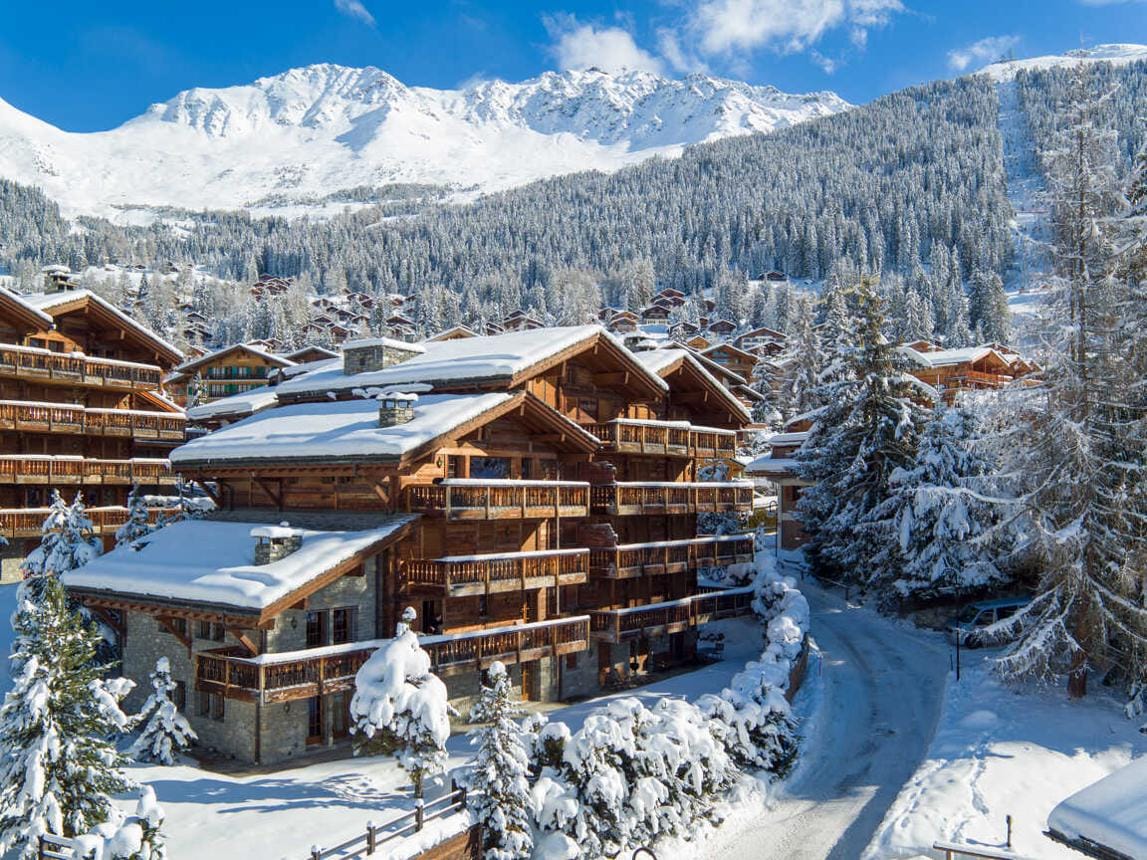
Among the most expensive locations, Gstaad stands out as the top-ranked Alpine property market, with average prices reaching around 25,200 Swiss francs per square meter for premium holiday residences. The Engadin / St. Moritz region follows closely at approximately 24,000 francs per square meter, while Verbier records around 23,600 francs.

Other high-value markets include Andermatt, where property prices reach about 22,200 francs per square meter, and Zermatt, with average prices around 21,000 francs per square meter. These figures highlight the continued strength of Switzerland’s luxury real estate sector.

Experts say the ongoing price surge is driven by several factors, including rising tourism demand, limited construction land in mountain regions, and strong interest from international investors seeking stable and premium real estate assets in Switzerland.

Analysts also note that Alpine properties are increasingly viewed as both lifestyle investments and long-term financial assets, further supporting sustained price growth across the region.

With demand remaining strong, the Swiss Alpine property market is expected to stay competitive, especially in high-end resort destinations where supply remains limited.

Switzerland Leads in Europe Transport Safety Ranking.

Switzerland has once again been ranked among the safest countries in Europe for public transport, according to data released by the Federal Office of Transport (FOT).

The report places Switzerland third in Europe for passenger safety in public transport systems, behind the United Kingdom and the Netherlands. The evaluation is based on safety performance across multiple transport modes, including trains, cable cars, ferries, trams, and buses.

Officials confirmed that Switzerland’s railways, cable car networks, and boat services have maintained an excellent safety record in recent years, with no reported fatalities or serious injuries in these sectors. This strong performance highlights the country’s continued investment in transport infrastructure, maintenance, and safety standards.

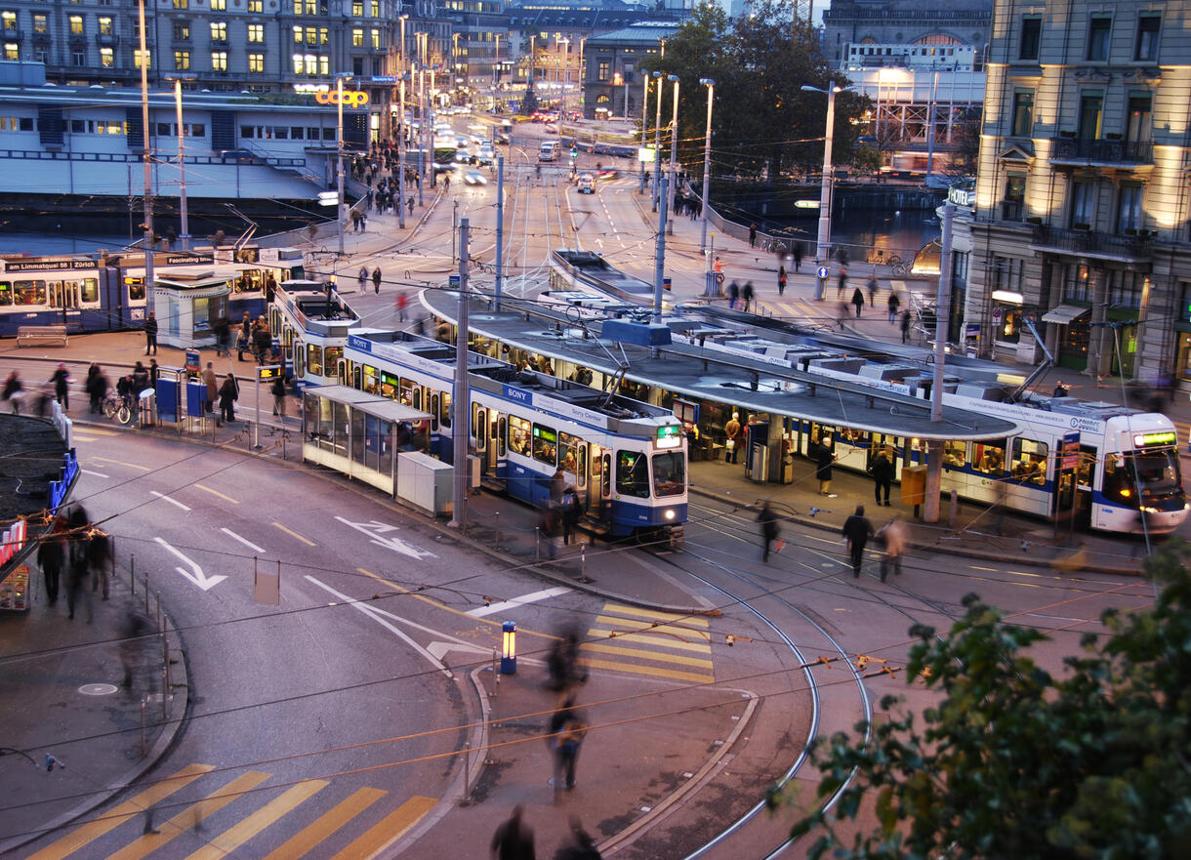
However, the report also notes growing safety concerns in urban transport systems. In particular, tram and bus networks in major cities have seen an increase in serious injuries and, in some cases, fatalities in recent years. Authorities attribute this trend to rising urban traffic density, increased pedestrian movement, and complex road-sharing conditions in city environments.

Transport experts explain that while Switzerland’s long-distance and mountain transport systems remain highly secure, urban mobility presents new challenges. Higher population movement in cities, combined with congestion and mixed traffic conditions, has made safety management more difficult.

Despite these challenges, Switzerland continues to maintain one of the most reliable and well-regulated public transport systems in Europe. Authorities emphasize ongoing efforts to improve safety in urban areas through better infrastructure planning, awareness campaigns, and updated traffic regulations.

The latest ranking reinforces Switzerland’s reputation as a global leader in transport reliability and safety, particularly in rail and alpine transport systems.

Geneva Approves No G7 Protest Route.

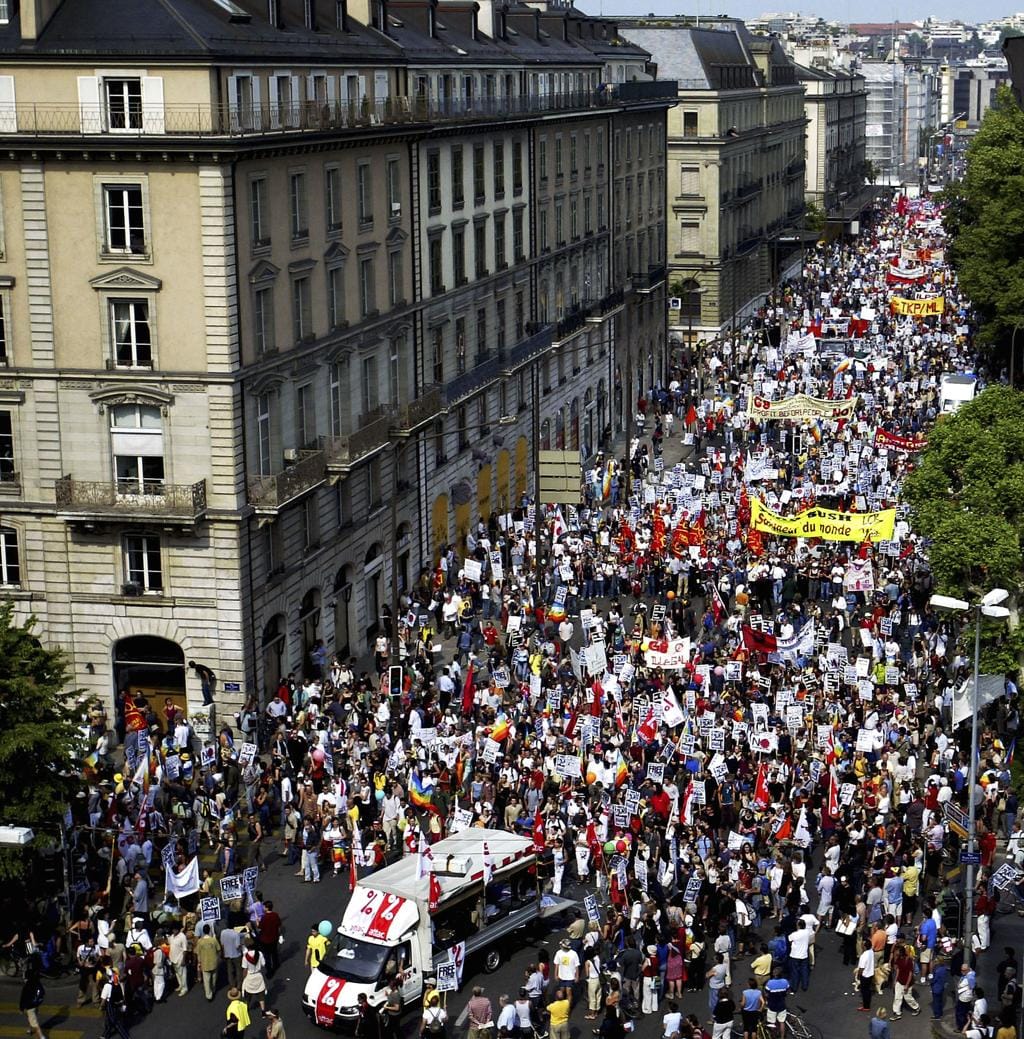
Geneva authorities and anti-G7 activists have reached an agreement on the route for a major demonstration planned ahead of the upcoming G7 Summit. The march, scheduled for June 14, 2026, will follow a revised path through Geneva city centre after discussions between protest organisers and local officials.

The agreement was finalized following talks between representatives of the No G7 coalition and Geneva State Councillor Carole-Anne Kast. Organisers confirmed that the demonstration route has been modified to avoid the Mont Blanc Bridge area and will instead be redirected through Rue des Alpes.

According to protest organisers, the change was welcomed because it reduces the possibility of tensions between demonstrators and security forces. Activists had expressed concerns that a route passing close to the Mont Blanc Bridge, where access restrictions are in place, could increase the risk of confrontations during the event.

Geneva authorities reviewed the organisers’ concerns and agreed to adjust the proposed route on the right bank of the Rhône River. The compromise is being viewed as a positive step toward ensuring that the demonstration can proceed peacefully while maintaining public safety.

The protest is expected to attract activists from Switzerland and neighbouring countries who oppose policies associated with the Group of Seven (G7). Demonstrators plan to raise issues including economic inequality, climate action, social justice, and global governance.

The 52nd G7 Summit will take place from June 15 to June 17, 2026, in Evian, France, near the Swiss border. Due to the summit’s proximity to Geneva, Swiss authorities have implemented enhanced security measures and coordination plans to manage cross-border activities and public demonstrations.

Both organisers and officials have expressed hope that the agreed route will allow participants to exercise their right to peaceful protest while minimizing disruptions and maintaining security throughout the event.

Swiss Hospital Faces Backlash Over Brain Removal Case.

A serious ethical controversy has emerged in Switzerland after it was revealed that a hospital in Geneva removed the brain of a young man following his death in a traffic accident without informing or obtaining permission from his family.

The case involves a young man named Alexandre, who died in a road accident three years ago. His parents had already completed all funeral arrangements, believing that their son had been laid to rest respectfully. However, it has now come to light that the Romandy University Centre of Forensic Medicine removed his brain for investigative purposes related to the accident case.

According to reports, the procedure was carried out for forensic examination to support ongoing or potential legal investigations. However, the family was not informed about the organ removal at the time, and they only discovered the incident much later. This has led to deep shock and emotional distress among the relatives.

The case has sparked widespread debate in Switzerland about medical ethics, patient rights, and legal boundaries in forensic investigations. While forensic institutions are authorized in certain cases to retain organs or tissues for examination, critics argue that transparency and family consent should remain a priority, especially when dealing with human remains.

Legal experts and ethicists are now questioning whether current Swiss medical regulations sufficiently protect the rights of deceased individuals and their families. The incident has also raised broader concerns about how forensic procedures are communicated and whether existing laws need to be revised to ensure clearer consent frameworks.

Public reaction has been strong, with many calling for stricter guidelines and greater accountability in medical institutions. The case continues to fuel discussions about balancing scientific investigation needs with respect for human dignity and family rights.

Authorities have not yet announced any disciplinary action, but the controversy is expected to prompt further review of forensic medical practices in Switzerland.

Switzerland Rejects EU Copernicus Program Until 2034

The Swiss government has confirmed that Switzerland will not participate in the European Union’s Copernicus Earth observation programme between 2028 and 2034, citing financial limitations and budget pressures. The decision marks a significant policy shift and contrasts with parliament’s earlier support for joining the initiative.

The Federal Council announced that the country’s current financial situation makes participation in Copernicus impossible during the upcoming funding period. While no detailed financial breakdown was provided, officials stated that Switzerland could reconsider joining the programme in 2032 if economic conditions improve.

Copernicus is one of Europe’s most important Earth observation and environmental monitoring systems. Established in cooperation between the European Union and the European Space Agency (ESA), the programme uses satellites and advanced technologies to collect data on climate change, environmental conditions, natural disasters, land use, and atmospheric developments. Governments, researchers, and businesses across Europe rely on Copernicus data for planning, scientific research, and environmental protection.

The decision has attracted attention because the Swiss parliament approved a motion supporting participation more than four years ago. Lawmakers viewed membership as a strategic investment in scientific research, climate monitoring, and technological innovation. However, despite parliament’s approval, the Federal Council has repeatedly postponed implementation and has now officially decided against participation for the next funding cycle.

Experts note that access to Earth observation data plays an increasingly important role as countries respond to climate change, extreme weather events, and environmental challenges. Copernicus has become a key platform for monitoring global warming, glacier changes, drought conditions, flooding risks, and ecosystem health across Europe.

Although Switzerland will remain outside the programme for the foreseeable future, the government has left the door open for future participation. Officials indicated that a reassessment could take place in 2032, depending on the country’s financial position and strategic priorities.

The announcement is expected to generate debate among policymakers, researchers, and environmental organizations, many of whom believe that international scientific cooperation will become increasingly important in addressing climate and environmental challenges in the years ahead.