Swiss Restaurant Industry Faces Mixed Financial Pressure in 2025

The restaurant and gastronomy sector in Switzerland is currently experiencing a mixed and challenging business environment. While some restaurants continue to perform well, many smaller establishments are struggling to maintain profitability due to rising operational costs and changing customer behaviour.

According to industry data from GastroSuisse and KOF, restaurant revenues in early 2025 show a decline compared to the previous year, highlighting ongoing pressure across the sector.

Rising operational costs impact profitability

One of the main challenges for Swiss restaurants is the continuous increase in operating expenses. Costs for rent, employee salaries, insurance, electricity, and raw materials have all risen significantly. As a result, profit margins have become tighter, especially for small and medium-sized businesses.

Changing customer behaviour

Consumer habits have also shifted. Many people are dining out less frequently or choosing more affordable options. This trend has directly affected mid-range and fine dining restaurants, particularly in urban areas where competition and costs are high.

Restaurant closures in high-cost areas

Some restaurants have been forced to close, especially in city locations with high rental prices. Fine dining establishments are also facing increased financial pressure due to higher operational requirements and reduced customer spending.

Opportunities still exist in the market

Despite the challenges, opportunities remain for well-planned businesses. Restaurants that succeed often focus on:

  • Prime location selection
  • Efficient and affordable menu concepts (such as Asian, Indian, or takeaway models)
  • Strict cost management
  • Active involvement of the owner in daily operations

These factors help certain restaurants remain profitable even in a competitive environment.Overall, the Swiss gastronomy sector does not offer easy profits at the moment. Success depends heavily on management efficiency, location choice, and customer targeting. New investors are advised to carefully evaluate rent, competition, and customer demographics before starting a restaurant business in Switzerland.
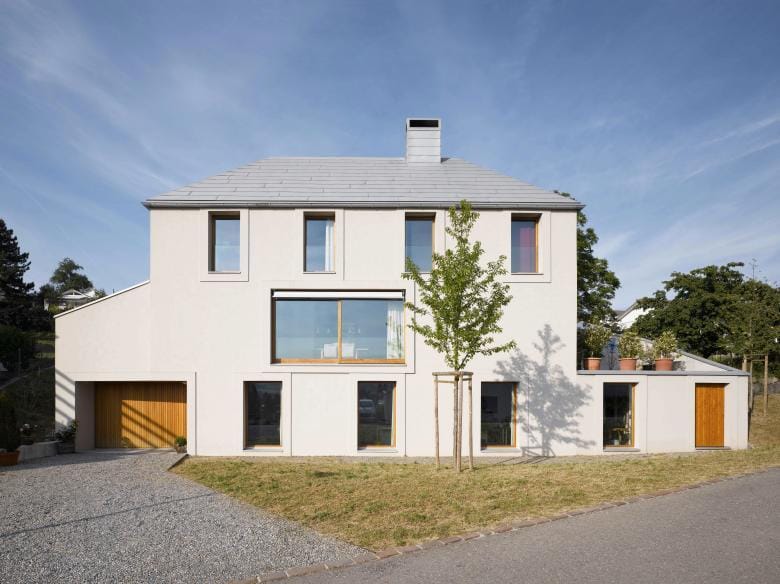

Important Guide for Buying or Building a House in Switzerland

Buying or building a home in Switzerland involves strict financial planning and several legal and banking procedures. Residents often use a combination of savings, pension funds, and bank mortgages to secure property ownership.

Pension fund usage for home purchase

In Switzerland, individuals can often use up to 10% of their pension savings (Pillar 2) for buying a home. If the remaining amount is insufficient, buyers may need to arrange additional financing through banks or private loans. Some people also use additional pension withdrawals depending on eligibility and financial structure.

Mortgage repayment and insurance options

Homebuyers in Switzerland are usually required to repay mortgage interest rather than fully paying off the loan immediately. Many borrowers also take life insurance policies and assign them to the bank as security. This can provide additional benefits such as potential tax advantages and financial protection for the family.

Buying vs building a home

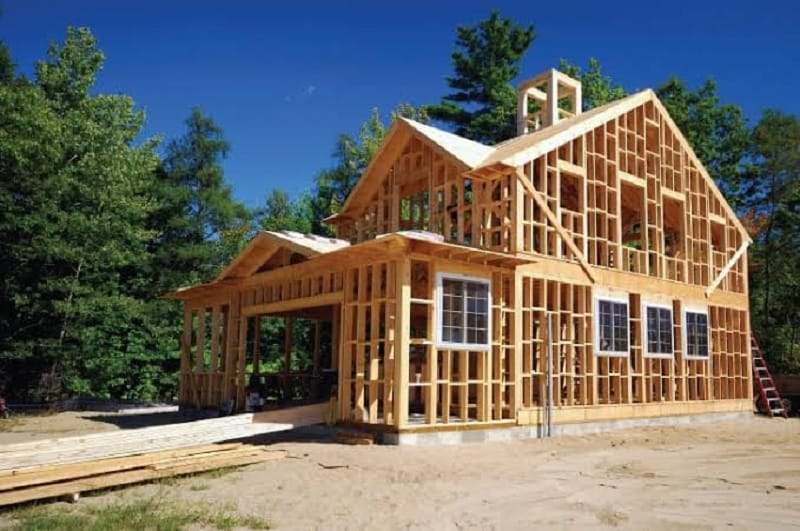
Experts often suggest that buying an already constructed home is safer than building a new one. This is because construction projects can face delays, cost overruns, and regulatory challenges. Ready-built homes reduce such risks and provide faster occupancy.

Age-based mortgage planning

For individuals above 50 years of age, a 10-year mortgage contract is often considered more practical. Shorter loan terms help reduce long-term financial risk and ensure that repayment aligns better with retirement planning.

Overall, the Swiss housing system offers flexibility but requires careful financial planning. Pension funds, insurance structures, and mortgage terms all play an important role in determining affordability and long-term stability for homeowners.

Swiss Women Trust Public Institutions Less Than Men, Study Finds

Women in Switzerland show significantly lower levels of trust in public institutions compared to men, according to a new study commissioned by the Federal Office for Gender Equality (FOGE) and conducted by the OECD.

The research, which analysed institutional trust across 30 countries, reveals that although Switzerland performs relatively well in international comparisons, a notable gender gap persists within the country.

One of the key findings shows that 45% of women express confidence in their ability to participate in politics, compared to 65% of men. This indicates a substantial difference in perceived political empowerment between genders.

The study also highlights disparities in political engagement. Around 26% of women in Switzerland do not participate in any political activity, compared to 17% of men. According to FOGE, this gap is nearly twice as large as the average gender difference observed across OECD countries.

Researchers also identified differences in satisfaction with public services, suggesting that women may evaluate state institutions more critically than men.

Despite these gaps, overall institutional trust in Switzerland remains high compared to many other countries. However, the findings underline ongoing challenges related to gender equality in political participation and civic engagement.

The report suggests that addressing these disparities could strengthen democratic participation and improve confidence in public institutions among women in Switzerland.

Switzerland Joins NATO Digital Defence Exercise.

The Swiss Armed Forces have begun participation in a major NATO digital defence exercise in Poland, starting Wednesday, as part of efforts to strengthen cyber security capabilities and improve international military cooperation.

The three-week exercise brings together specialists from Switzerland and 40 participating nations, focusing on improving networking systems, secure communication, and technical standards across international defence structures.

Swiss units from Cyber Command and Operations Command, along with experts from Armasuisse and other defence and IT sectors, are actively involved in the training activities held in Bydgoszcz, Poland.

A key objective of the exercise is to enhance the exchange of information between allied and partner countries. Participants are testing secure communication systems designed to support coordinated military operations across different national infrastructures.

The Swiss Armed Forces emphasized the growing importance of digital connectivity in modern defence strategies, particularly the integration of satellite-based real-time situational awareness systems, which help improve operational decision-making in joint missions.

According to the Armed Forces, the exercise also highlights the increasing relevance of space-based data and advanced communication networks in military planning and coordination.

Switzerland regularly participates in NATO cyber and digital defence exercises as part of its broader commitment to international security cooperation and interoperability with allied forces.

The results of the current exercise will be reviewed in the coming months and are expected to contribute to ongoing digital transformation projects within the Swiss military, particularly in cybersecurity and defence networking systems.

Victim Counselling and Financial Support Increase in Switzerland

Switzerland has recorded a noticeable rise in victim support services, according to new data published by the Federal Statistical Office (FSO). In 2025, victim counselling sessions increased by 7% compared to the previous year, reflecting growing demand for psychological and legal assistance.

At the same time, financial support for victims also increased. Compensation and reparation payments rose by 10%, reaching a total of CHF 7.3 million (USD 9.15 million).

The report shows that victim support centres provided 55,260 counselling sessions in total. A significant majority of those seeking help were women, accounting for 72% of cases, while 17% of clients were minors at the time of counselling. Additionally, just over 40% of individuals were Swiss nationals, highlighting the international nature of support services in the country.

The most common issues reported in counselling sessions were related to bodily harm and assault. Around one-third of cases involved blackmail, coercion, or threats, while a further 28% were linked to sexual offences.

Authorities note that these figures highlight both the ongoing need for victim support services and the importance of accessible assistance structures across Switzerland. The data suggests that awareness of support systems is increasing, encouraging more victims to seek help.

Swiss victim support centres continue to play a crucial role in providing counselling, legal guidance, and financial assistance to individuals affected by crime, ensuring that victims receive structured help during recovery and legal processes.

Swiss Team Faces Snake Threat at World Cup Camp.

As Switzerland prepares for its opening match of the FIFA World Cup, the national football team has encountered an unexpected challenge at its training base in San Diego, California. Beyond adjusting to warm and humid weather conditions, players have now been warned about the presence of venomous snakes near their training facilities.

The Swiss national team selected the San Diego Jewish Academy as its training centre ahead of the tournament. However, the area surrounding the complex has reportedly been identified as a snake habitat. Team officials highlighted the issue by marking a large section of the training camp as a “Snake Zone” and warning players to stay cautious while moving around the grounds.

The situation gained widespread attention after the Swiss Football Association shared a map of the training camp on social media. The image showed various sections of the facility, including training pitches, gym areas, and changing rooms. Fans quickly noticed a large red-marked area carrying the warning “Beware of Snakes,” which soon went viral online.

According to the San Diego Museum of Natural History, the region is home to four species of venomous rattlesnakes. While snake encounters remain relatively rare in controlled environments, authorities advise visitors to remain alert and avoid disturbing wildlife.

Switzerland is not the only national team facing reptile-related concerns. Norway’s squad, including star striker Erling Haaland, also received warnings about dangerous snakes near their World Cup training camp in Greensboro, North Carolina. Local authorities informed players that copperhead snakes are common in the region and should not be approached under any circumstances.

Despite the unusual challenge, Swiss players remain focused on their World Cup preparations. Team officials continue to monitor the situation while ensuring that all safety measures are in place so the squad can concentrate on football rather than unexpected wildlife encounters.

Greenpeace Sparks Row Over Swiss Nuclear Plans.

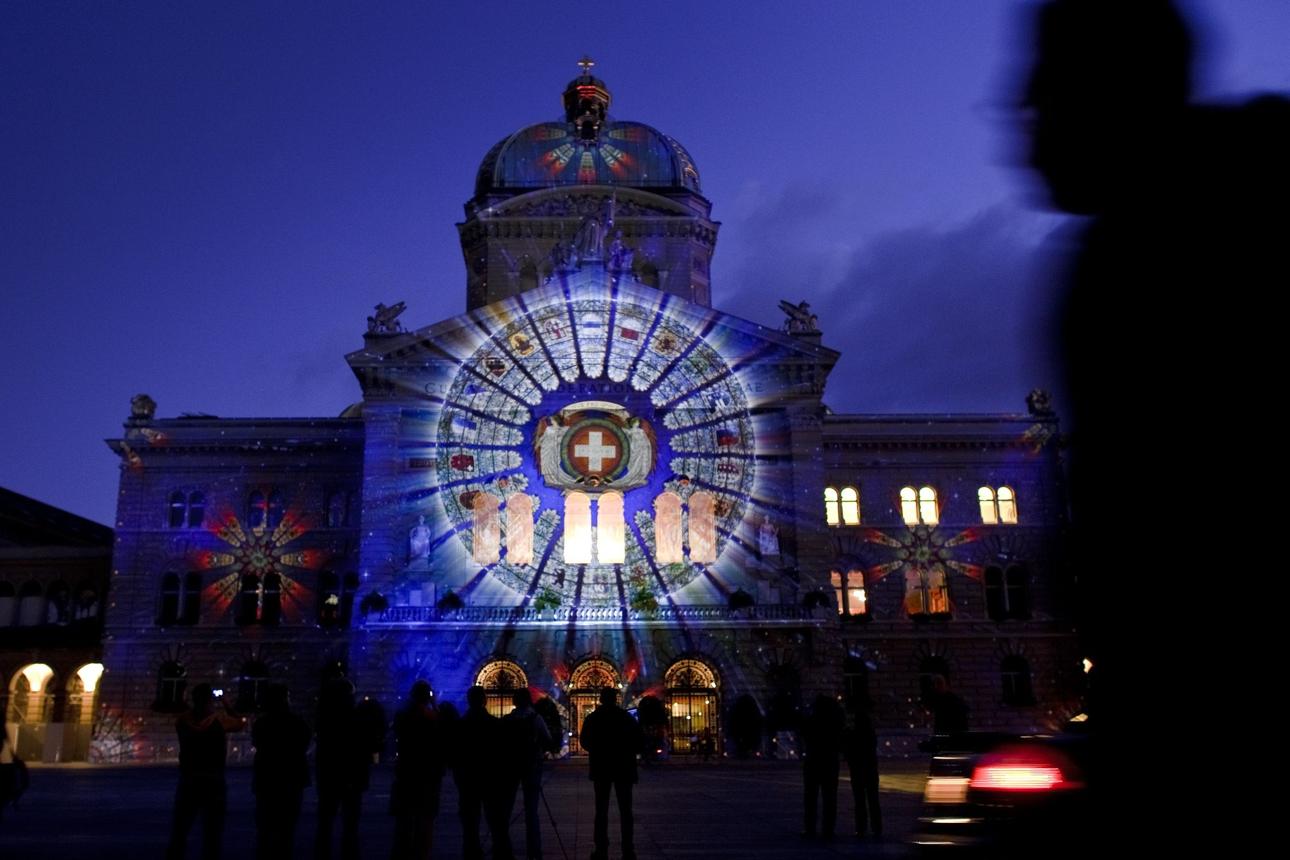
Environmental organization Greenpeace Switzerland staged a striking protest on Monday evening by projecting an image inspired by Edvard Munch’s famous painting “The Scream” onto the Federal Palace in Bern. The action coincided with a parliamentary debate on proposals that could pave the way for the construction of new nuclear power plants in Switzerland.

The protest followed the start of discussions in the National Council regarding the popular initiative “Anytime Electricity for All (Stop the Blackout)” and a related counterproposal. The counterproposal would remove the legislative ban on building new nuclear power stations in Switzerland.

Greenpeace criticized lawmakers for what it described as an attempt to undermine Switzerland’s energy transition goals. The projected artwork combined elements of The Scream with a radioactive warning symbol, highlighting the organization’s concerns about nuclear energy. Another projection featured Russian President Vladimir Putin alongside a nuclear cooling tower, drawing attention to geopolitical concerns linked to uranium supplies.

According to Greenpeace Switzerland energy expert Lukas Bühler, a return to nuclear energy would increase the risks associated with nuclear accidents and generate additional highly radioactive waste. He also argued that nuclear power would create long-term dependence on foreign uranium suppliers, including countries such as Russia and Kazakhstan.

The debate reflects a broader discussion in Switzerland about how to secure reliable electricity supplies while meeting climate and energy objectives. Supporters of nuclear energy argue that it can provide stable, low-carbon electricity, while opponents believe renewable energy sources offer a safer and more sustainable path forward.

As lawmakers continue to examine the proposal, the future of Switzerland’s nuclear policy remains a highly debated issue across the country.

Switzerland Building Permit Approval Time Guide.

In Switzerland, obtaining a building permit (Baubewilligung) is a structured process that varies depending on location and project type. The approval time is not fixed nationwide and changes from canton to canton and municipality to municipality.

For a single-family house, authorities typically process the application within 2 to 4 months if all documents are complete and no objections arise. Smaller projects with clear planning often receive faster approvals.

For larger residential buildings or complex construction projects, the approval period usually extends to 3 to 6 months or more. These projects require deeper technical evaluation, zoning checks, and environmental assessments.

Delays often occur when neighbors file objections (opposition/appeals). In such cases, the approval process can extend by an additional 6 to 18 months, especially if legal disputes arise or revisions are required.

For example, in Zurich, standard building applications often take around 5 months to process. In some parts of Basel, authorities may complete straightforward applications within approximately 3 months if all requirements are met.

Overall, Switzerland maintains a strict but efficient planning system. Applicants who submit complete documentation and comply with zoning laws usually receive faster approval.

Switzerland Signs Gaza Humanitarian Declaration

Switzerland has joined 19 other countries in signing a joint declaration expressing serious concern over the worsening humanitarian situation in the Gaza Strip. The Swiss foreign ministry described the situation as dramatic and highly unstable, emphasizing the urgent need for improved access to essential services and humanitarian assistance.

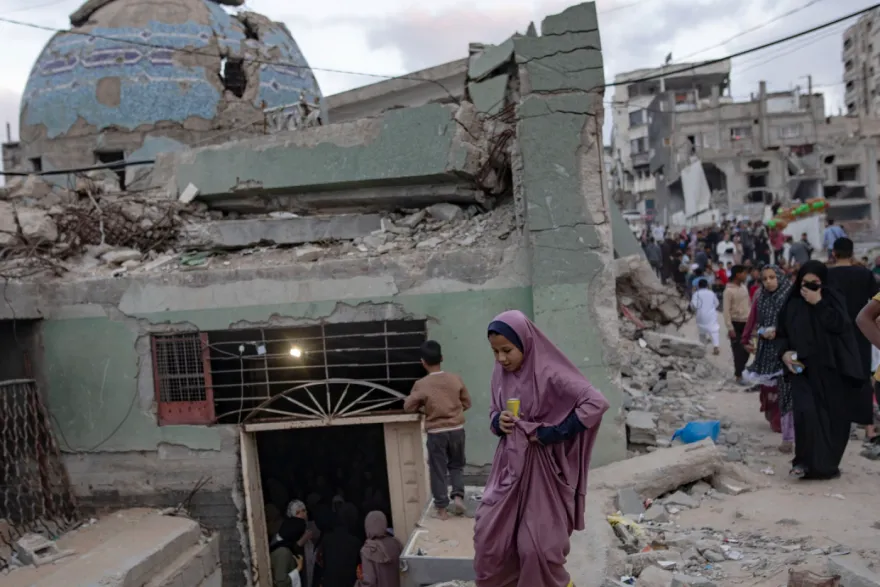
According to the Federal Department of Foreign Affairs, access to basic services in Gaza remains severely restricted. The United Nations reports that the healthcare system is under extreme pressure, with none of the 36 hospitals in the region fully functional and only about half operating partially.

The humanitarian crisis has also led to widespread displacement, with approximately 1.7 million people forced to leave their homes. Overcrowded living conditions, combined with inadequate waste management, have increased the spread of diseases such as skin infections among displaced populations.

In the joint declaration, Switzerland and its international partners called on Israeli authorities not to implement a new registration system for international non-governmental organisations in its current form. The statement also reaffirmed obligations under international humanitarian law, stressing the need to ensure safe, rapid, and unrestricted delivery of aid to civilians.

The declaration was signed alongside countries including Austria, Belgium, Denmark, Finland, France, Germany, Ireland, Japan, the Netherlands, Norway, Spain, Sweden, the United Kingdom, and others, as well as the European Commission.

Switzerland also highlighted its ongoing financial support for the Palestinian population. Since November 2023, the country has provided approximately CHF 174 million in assistance, including CHF 150 million dedicated specifically to humanitarian aid. Additional funding of around CHF 31 million has been allocated for the current year.

Officials in Bern reiterated Switzerland’s commitment to humanitarian principles and international cooperation, stating that continued support for civilians affected by conflict remains a key priority in its foreign policy approach.

Swiss Teen to Face Trial Over Knife Attack in Zurich

A Swiss teenager is set to stand trial in Zurich over a serious stabbing incident that took place in March 2024, in which an Orthodox Jewish man was severely injured. The case has raised widespread concern across Switzerland and sparked strong political reactions.

The trial will begin on July 1 at the Dielsdorf District Court and is expected to last one day. The court has already scheduled the verdict, which is expected to be announced on July 7. Due to the defendant being a minor, the proceedings will not be open to the general public.

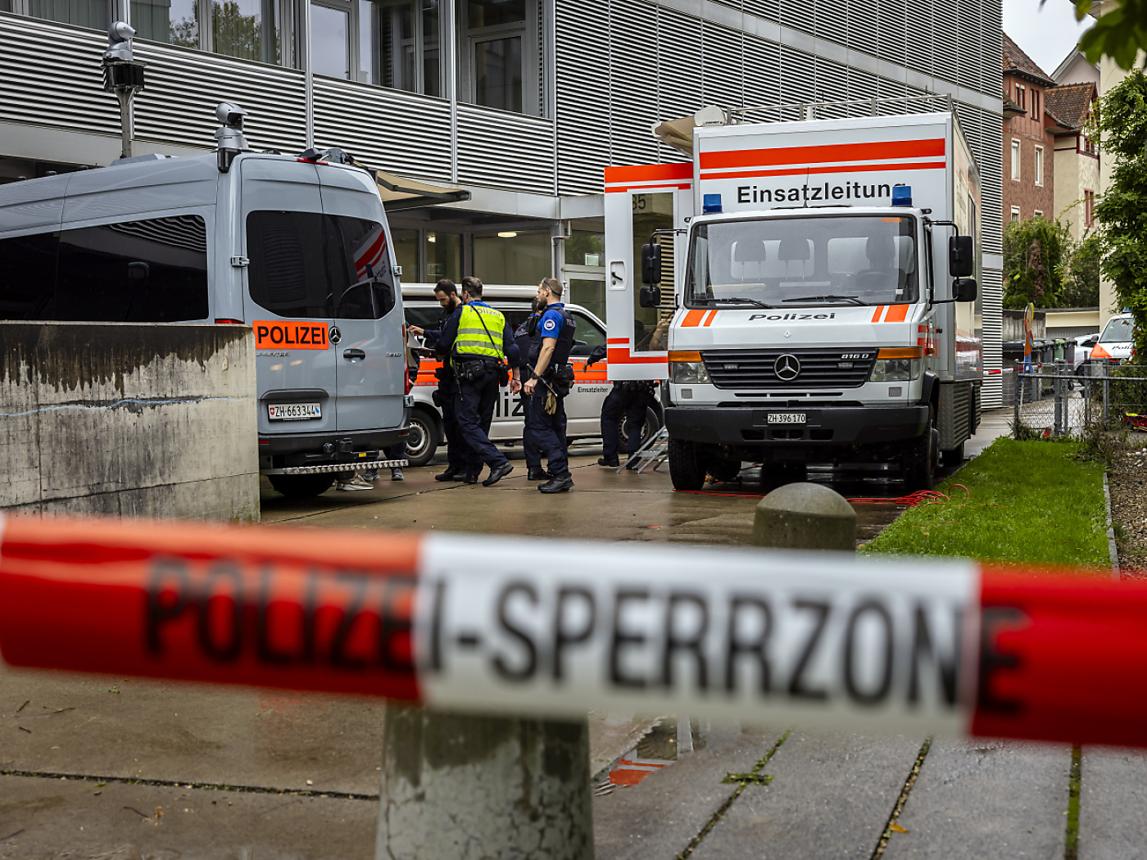
According to the youth prosecution service, the then 15-year-old Swiss national with Tunisian roots allegedly carried out a knife attack on an Orthodox Jewish man on a street in Zurich, causing life-threatening injuries. The victim survived but required urgent medical attention.

Investigators also allege that the teenager had been radicalised online prior to the attack and had expressed allegiance to Islamic State. Authorities further claim he attempted to target Jewish individuals and had tried to break into a synagogue before the stabbing incident.

The charges against the accused include multiple counts of attempted murder, alleged support of a criminal organisation, and incitement to hatred and discrimination. Prosecutors argue that the actions were part of a broader pattern of extremist intent.

The incident triggered strong political reactions in Switzerland. Zurich’s security director, Mario Fehr, publicly called for stricter measures and even suggested the possibility of deportation in response to the severity of the attack.

The case has reignited debate in Switzerland about youth radicalisation, online extremism, and the challenges of preventing hate-motivated violence. Authorities continue to stress the importance of monitoring online activity and strengthening prevention programs to address radicalisation at an early stage.

As the trial approaches, the case remains one of the most closely watched criminal proceedings involving a juvenile in recent Swiss legal history.