Otter Returns to Switzerland After Decades of Absence.

The otter has returned to Switzerland after disappearing for decades, marking a significant milestone for wildlife conservation efforts. However, environmental organisations warn that its long-term survival depends heavily on continued river restoration and habitat protection across the country.

According to conservation groups Pro Natura and Pro Lutra, multiple otter sightings were recorded in January 2026 across different regions of Switzerland, suggesting a slow but steady natural return of the species.

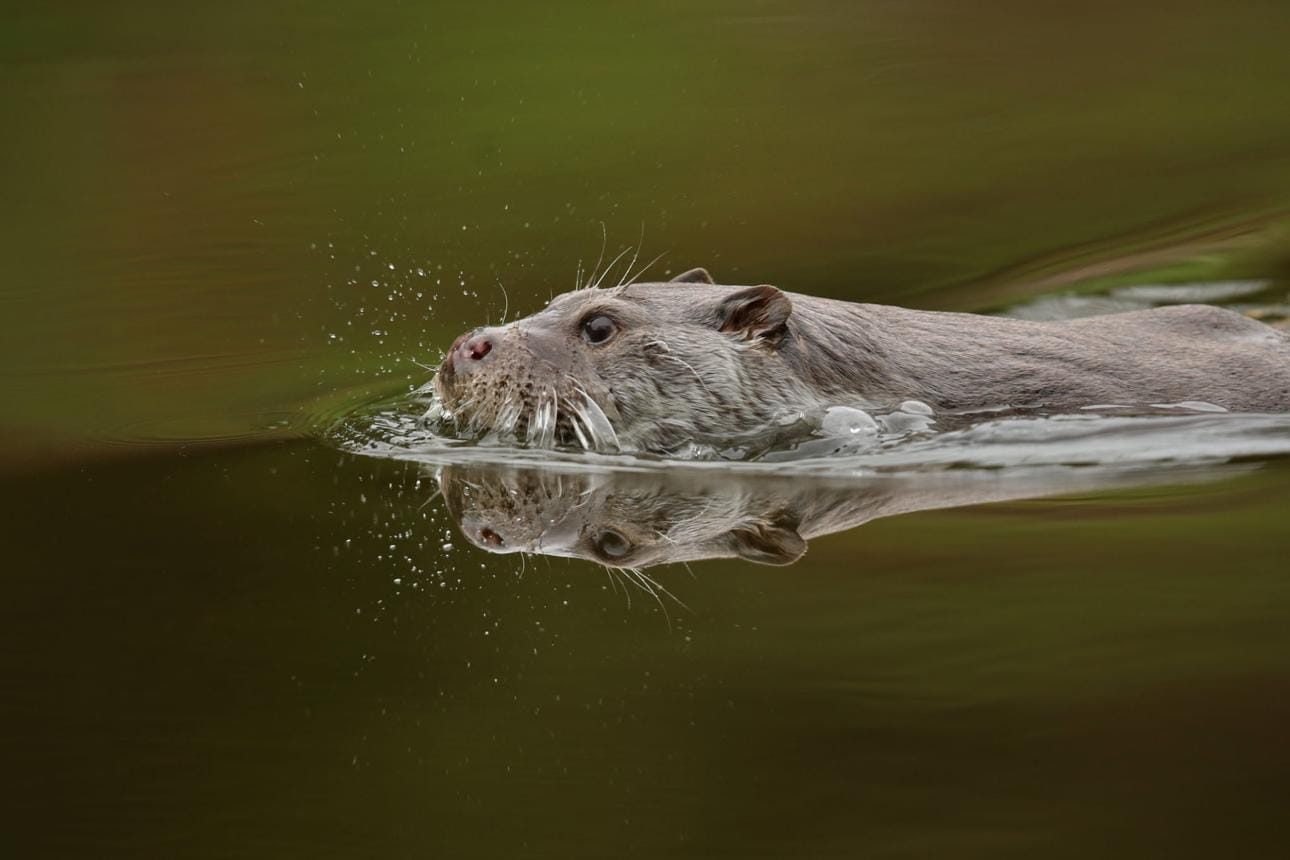
One of the most notable sightings occurred on January 11 in Selzach in the canton of Solothurn, where snow tracks along the River Aare confirmed otter presence for the first time in 91 years. Another sighting followed on January 15 when a wildlife camera captured an otter swimming in the Linth Canal in the canton of Glarus.

Additional reports of otters, including juvenile individuals, have also emerged from several Swiss cantons such as Graubünden, Bern, St Gallen, Ticino, Lucerne, and Zurich, indicating a wider regional presence.

The species disappeared from Switzerland in the late 20th century, with the last confirmed sighting recorded in 1989 at Lake Neuchâtel. Experts attribute its extinction to hunting, river modification, and water pollution, despite legal protections introduced in 1952 and environmental bans implemented in the 1980s.

Conservationists explain that otters have been able to naturally recolonise Switzerland by travelling through river networks connected to the Danube basin via Austria’s Inn region. This ecological corridor has allowed the species to gradually expand back into Swiss waterways.

However, experts warn that the otter’s survival is still uncertain. The species depends heavily on healthy fish populations, yet studies show that two out of three fish species in Switzerland are currently threatened. Environmental groups stress that river renaturation must be expanded significantly to support aquatic biodiversity.

Authorities currently restore less than half of the 50 kilometres of river habitat required annually by law, raising concerns about long-term ecological balance. Without stronger action, conservationists fear that the otter’s return could remain fragile.

World Otter Day, celebrated on the last Wednesday of May, is used globally to raise awareness about otter conservation. In Switzerland, events are also held on May 27, including educational activities at Muzoo La Chaux-de-Fonds and online webinars focusing on otter species and habitat protection.

Swiss Health Insurance Premiums to Rise 5% in Autumn.

Health insurance premiums in Switzerland are set to increase by around 5% in autumn 2026, according to new projections from the Federal Office of Public Health. The announcement was made during a media briefing in Bern on Tuesday, where officials highlighted the continued rise in healthcare costs across the country.

Swiss healthcare spending has increased significantly, with costs rising by an additional CHF247 per capita last year. Authorities confirm that this upward trend is expected to continue, driven by multiple long-term factors affecting the healthcare system.

Officials from the Federal Office of Public Health stated that premium increases are closely linked to overall cost growth in the healthcare sector. On average, insurers expect costs to rise by nearly 5% in 2026, which directly influences the adjustment of monthly premiums paid by residents.

Experts explain that the rise in healthcare expenses is due to several structural factors, including an ageing population, advances in medical technology, and increasing demand for healthcare services. These elements continue to place pressure on Switzerland’s insurance-based healthcare model.

Cost growth in the first quarter of the current year was recorded at approximately 2.9%, confirming that medical spending remains on an upward trajectory. Authorities have stressed that controlling costs remains a long-term challenge for policymakers and insurers alike.

The Federal Office of Public Health emphasized that while the Swiss healthcare system remains high-quality and efficient, sustained efforts are needed to manage expenditure growth and ensure long-term affordability for citizens.

As premiums continue to rise, public debate in Switzerland is expected to intensify around healthcare reform, insurance affordability, and cost control measures in the coming years.

Swiss Concern Over Global Security Reaches 20-Year Low Confidence.

Public concern about global instability has significantly increased in Switzerland, according to the latest Federal Department of Defence, Civil Protection and Sport “Security 2026” survey released on Tuesday. The findings reveal that Swiss citizens are increasingly anxious about international conflicts and the country’s long-term security position.

The survey shows that 86% of respondents feel pessimistic about the global political situation, marking a sharp rise in insecurity perceptions. Many also expressed concern about Switzerland’s own future stability in an increasingly uncertain geopolitical environment.

According to the report, overall feelings of personal and national security in Switzerland have dropped to their lowest level in the past 20 years. More than 80% of participants believe that the Swiss armed forces remain either “absolutely necessary” or “rather necessary” for national defence and crisis response.

The study also highlights growing support for increased defence investment. Around 29% of respondents believe that military spending is currently too low, the highest level recorded since 1986. This indicates a clear shift in public opinion toward strengthening national defence capabilities.

At the same time, attitudes toward compulsory military service are divided. About one-quarter of respondents support abolishing mandatory service, reflecting ongoing debate about the role of citizens in national defence.

Another key finding shows that a slight majority of Swiss citizens now support closer cooperation with NATO. This marks a notable shift in a country traditionally known for its long-standing policy of neutrality.

The report further states that more than half of respondents believe Switzerland’s neutrality can no longer be credibly defended in military terms. This signals a significant change in public perception regarding the country’s traditional foreign policy stance.

Overall, the “Security 2026” survey suggests that global instability is reshaping Swiss public opinion, with increasing support for stronger defence policies, higher military spending, and closer international security cooperation.

Swiss Old-Age Pension Payments Hit Record High.

Switzerland has reported a record rise in old-age pension payments, reflecting the country’s steadily ageing population. According to the Federal Social Insurance Office, a total of 2.64 million old-age pensions were paid out last year, marking a 1.6% increase compared to the previous year.

The data shows that Switzerland continues to experience a consistent rise in pension recipients. In the previous year, the number of beneficiaries had already increased by around 1.8%, adding approximately 44,000 new pensioners. In the latest reporting period, a further net increase of about 40,400 people was recorded.

By the end of 2025, the Swiss pension system was paying out a total of around 2.91 million pensions, including old-age pensions as well as widows’, widowers’, and orphans’ benefits. Notably, around one-third of these pensions are being paid to individuals living outside Switzerland, highlighting the global nature of Swiss retirement distribution.

Despite the growing number of beneficiaries, the Swiss pension system remained financially stable. It closed the year with a surplus, as total income exceeded expenditure by CHF1.8 billion. When investment income is included, the overall operating result reached CHF4.4 billion, although this was lower than the CHF5.6 billion recorded the previous year.

The continued growth in pension payouts reflects demographic changes in Switzerland, where an ageing population is placing increasing pressure on long-term social insurance systems. Policymakers continue to monitor sustainability measures to ensure that future generations receive stable retirement support.

The report has sparked renewed discussion about retirement planning, cost of living for pensioners, and the financial balance of Switzerland’s public pension system.

Blatten Landslide Damage Reaches CHF255 Million.

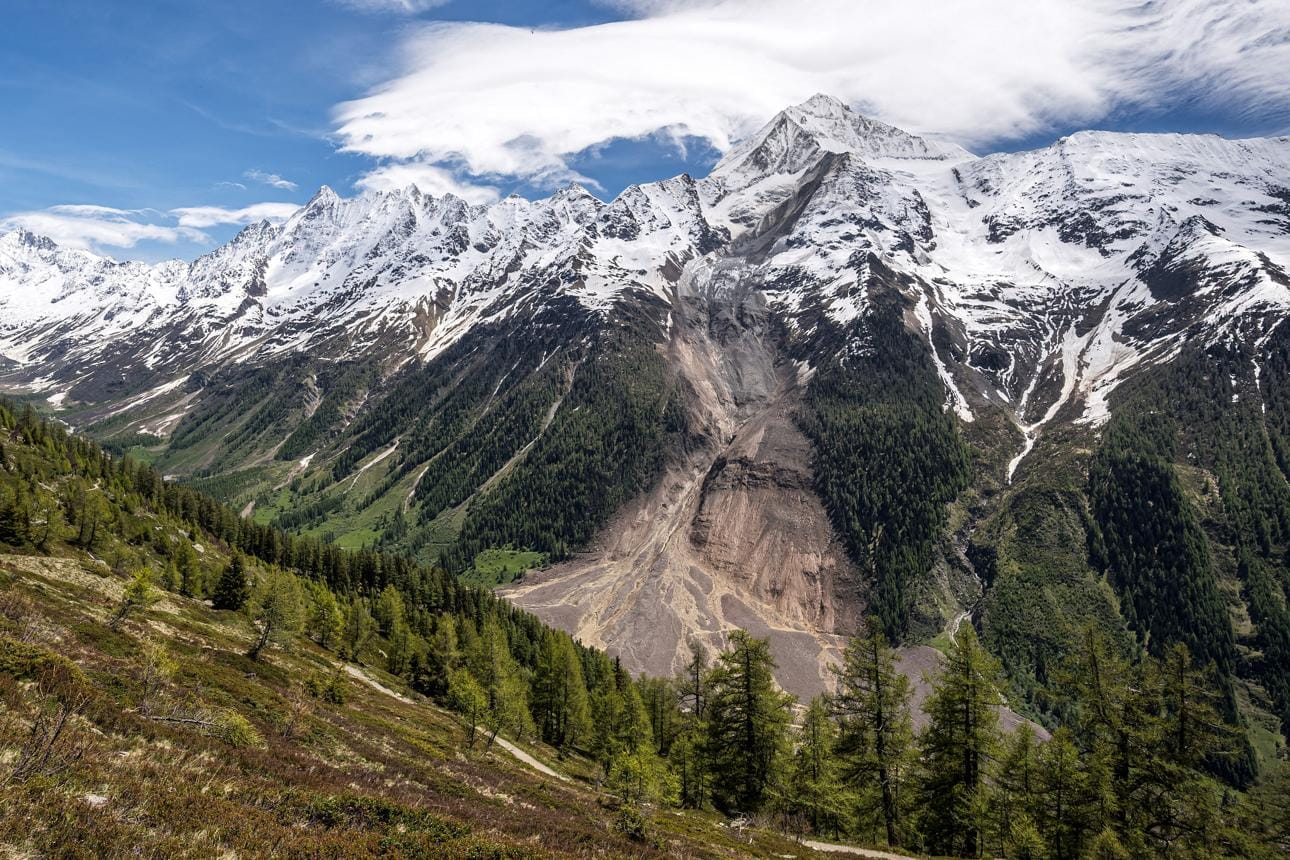
A devastating landslide in Blatten has caused insured damages estimated at CHF255 million, making it one of the most expensive natural disasters in recent Swiss history. The disaster struck on May 28, 2025, after a collapsing glacier buried large sections of the village located in the Lötschental valley of Valais.

According to financial statements released by Switzerland’s natural hazard insurance pool, around CHF240 million of the losses fall under the country’s natural hazard compensation system. Swiss insurers are now dealing with significant claims related to destroyed homes, damaged infrastructure, and business losses caused by the catastrophic glacier collapse.

Insurance authorities reported that approximately CHF210 million in losses came from damage to buildings and property structures. Another CHF30 million involved household contents, furniture, and movable belongings destroyed by the landslide. In addition, around CHF15 million in damages occurred outside the insurance loss pool, including vehicle damage and business interruption costs.

The natural hazard pool in Switzerland helps private insurers share financial risks linked to natural disasters such as landslides, floods, avalanches, and storms. The organisation also purchases international reinsurance protection to support member companies during large-scale catastrophes.

The Blatten disaster shocked residents across Switzerland and raised new concerns about climate change, glacier instability, and increasing natural hazard risks in Alpine regions. Experts continue monitoring mountain areas where melting glaciers and unstable rock formations may create future dangers for nearby communities.

Swiss authorities and emergency services acted quickly during the disaster response, but the landslide still caused massive destruction across the village. Recovery and rebuilding efforts are expected to continue for several years as affected families and businesses attempt to recover from the disaster.

The incident remains one of the most discussed environmental and insurance-related events in Switzerland during 2025 and continues to attract national and international attention.

Swiss Woman Faces Trial Over Gun Threat to Children.

A shocking criminal case in Basel has drawn major public attention after a 70-year-old Swiss woman allegedly threatened children with a loaded firearm during Swiss National Day celebrations. The incident reportedly happened on August 1, 2023, in Aesch, where several children were lighting fireworks near a family garden.

According to prosecutors, the elderly woman became upset because the loud fireworks frightened the dog she was walking. Investigators stated that she first confronted the children and demanded they stop using fireworks. However, when the children did not immediately leave, the situation escalated dramatically.

Authorities claim the woman returned to her apartment, collected a loaded Glock 19 pistol, and walked back toward the children. Prosecutors say she pointed the weapon at three boys and fired a shot into the air close to one child’s head. The prosecution argues that the incident placed the children and nearby residents in serious danger.

The criminal charges against the woman include assault, threatening behaviour, coercion, endangering life, and violations of Swiss weapons laws. Court documents state that the accused did not possess a legal permit to carry the handgun in public at the time of the incident.

The three boys reportedly suffered ear pain and tinnitus after the gunshot and later underwent medical examinations at a children’s hospital. Their parents have filed legal complaints and requested compensation for the emotional and physical distress caused by the frightening encounter.

The trial is taking place in the criminal court in Muttenz near Basel. Swiss authorities continue to emphasize that the presumption of innocence applies until the court delivers its final judgement.

This case has also reopened discussions across Switzerland regarding firearm safety, responsible gun ownership, and public security during national celebrations. The incident has gained widespread attention in Swiss media due to the involvement of children and the dangerous use of a firearm in a residential area.

Economist Warns War Could Hurt Swiss Economy.

A leading Swiss economist has warned that the ongoing conflict in the Middle East could seriously affect Switzerland’s economy by disrupting global supply chains and increasing energy prices.

Jan-Egbert Sturm, director of the KOF Swiss Economic Institute, said Switzerland’s economy remains stronger than expected despite global instability. The country recorded 0.5% GDP growth during the first quarter of 2026.

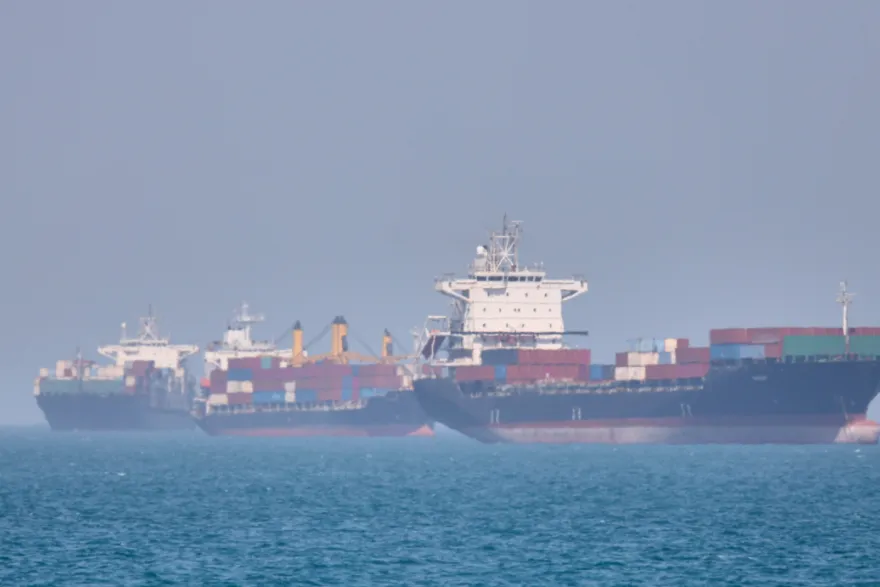
However, Sturm cautioned that the longer the conflict continues, the more Switzerland will experience its economic consequences. He highlighted concerns over the Strait of Hormuz, a key global oil and gas shipping route, warning that prolonged disruptions could affect fuel supplies and prices worldwide.

Although Asian economies may feel the immediate pressure first, Switzerland could also face delayed economic impacts through rising transport costs and weakened consumer demand.

According to Sturm, increasing petrol and energy prices raise business expenses, which companies often pass on to consumers through higher product prices. As living costs rise, households may reduce spending in other sectors, slowing overall economic activity.

The economist also warned about the possibility of a wage-price spiral if workers demand higher salaries to offset inflation. He expects Swiss inflation to reach around 2% this year, remaining within the target range set by the Swiss National Bank.

Despite current economic resilience, Sturm stressed that extended geopolitical instability could threaten Switzerland’s long-term prosperity.

Swiss Church Frescoes Face Major Conservation Effort.

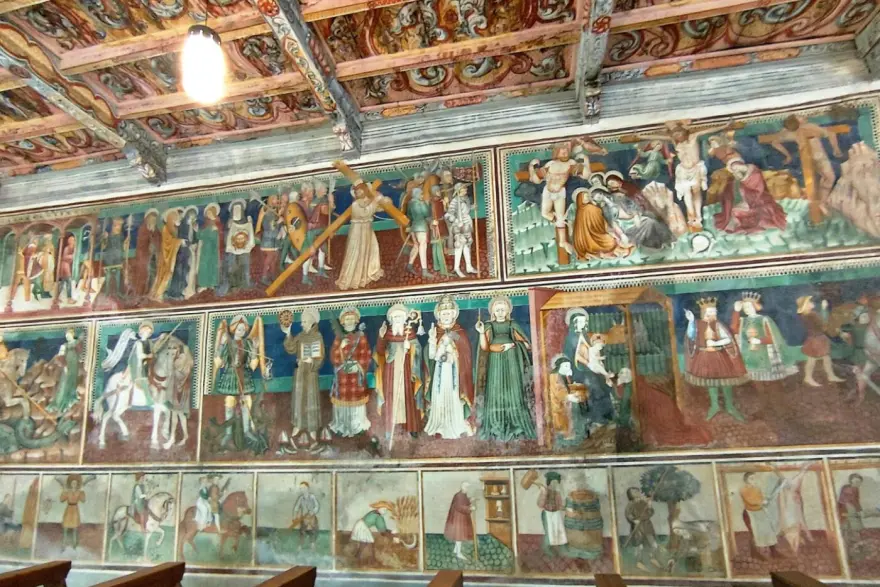
Swiss conservation experts have launched a major study and restoration project to preserve valuable 15th-century frescoes inside the Church of Santa Maria del Castello in southeastern Switzerland.

The historic frescoes, located in Church of Santa Maria del Castello, are undergoing scientific analysis in collaboration with SUPSI and its Conservation and Restoration programme.

Researchers identified the large fresco on the church’s north-western wall as the highest conservation priority. The artwork, created by Lombard painters from the Seregnesi workshop during the 15th century, measures nearly 12 metres wide and has shown visible signs of deterioration.

Recent inspections discovered salt deposits, paint lifting, moisture damage, and possible biological activity affecting the lower sections of the painting. Experts also noted that restoration work completed in 1923 altered parts of the original artwork.

Conservation specialists have now begun a new phase of environmental monitoring inside the church. Teams are examining humidity, temperature, and potential water infiltration to better understand the causes of degradation.

Restorer Stefania Luppichini explained that the current investigations aim to determine the seriousness of the damage before a detailed conservation study begins in spring 2027.

The upcoming restoration research will analyze the fresco’s materials, painting techniques, and overall condition as part of a bachelor’s programme in Conservation and Restoration.

An international conference held in Soazza also highlighted new historical research that may challenge traditional interpretations surrounding the frescoes and their original commission.

The project is considered an important step in protecting Switzerland’s cultural and artistic heritage for future generations.

Swiss Study Links Isolation to Rising Mistrust.

A new Swiss-led scientific study has revealed that prolonged isolation and cramped living conditions can significantly increase mistrust, loneliness, and conflict within groups.

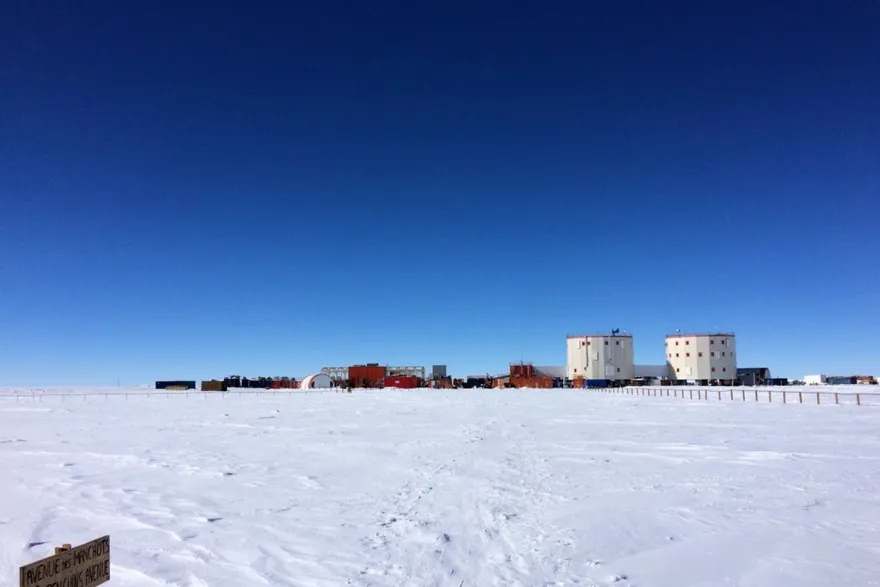
Researchers from University of Bern monitored 12 crew members during a ten-month mission at the Concordia research station in Antarctica. The remote station sits more than 3,000 metres above sea level, where winter temperatures can fall to -80°C.

Scientists collected questionnaire responses and sensor-based interaction data throughout the mission. The findings showed that as isolation continued, participants experienced higher levels of loneliness, paranoia, and interpersonal conflict, while overall team cohesion and perceived performance declined.

Researchers also discovered that increased physical proximity did not strengthen relationships. Instead, spending long periods in confined spaces appeared to increase tension and mistrust among team members.

The study further observed social division along national lines. French and Italian participants increasingly formed separate social groups, raising concerns about polarization within isolated environments.

Lead researcher Sebastian Walther explained that the remoteness of the Concordia station exceeds even that of the International Space Station, making it a valuable environment for studying human behaviour under extreme conditions.

The findings could help organizations better prepare teams working in isolated environments such as space missions, military operations, and industrial research facilities. However, researchers say more studies are needed before creating formal recommendations.

The study was published in the scientific journal PNAS.

Zurich Emerging as Europe’s Quiet Art Hub.

Zurich is positioning itself as a rising cultural destination in Europe, offering visitors a quieter alternative to crowded art capitals like Paris and Florence.

The Swiss city is home to the Kunsthaus Zürich, which expanded in 2021 with a major extension designed by David Chipperfield. The museum now holds one of the most significant art collections in Switzerland, featuring works from 800 years of art history, including pieces by Giacometti, Monet, Cézanne, Picasso, Van Gogh, and Warhol.

Cultural activity is growing around the Zurich Gallery Mile, especially during Zurich Art Weekend, where galleries host exhibitions, talks, performances, and guided art walks across the city.

In the Zurich-West district, the former 19th-century Löwenbräukunst-Areal has been transformed into a major contemporary art hub, now housing multiple galleries, including Hauser & Wirth.

The Museum Rietberg near Lake Zurich offers a different experience, focusing on non-European art from Asia and beyond, including Indian paintings, Japanese prints, and Chinese lacquerware.

A short train ride away in Baden, the recently reopened Museum Langmatt showcases a private collection of French Impressionist masterpieces, adding further depth to the region’s cultural appeal.

Together, these institutions highlight Zurich’s growing reputation as a calm yet rich European art destination.