Swiss Army Orders New German Artillery System.

The Swiss armed forces have announced a major modernization of their artillery capabilities with the purchase of new systems from Germany. The upgrade will replace the long-serving M109 self-propelled howitzers, which have been in operation since the 1960s.

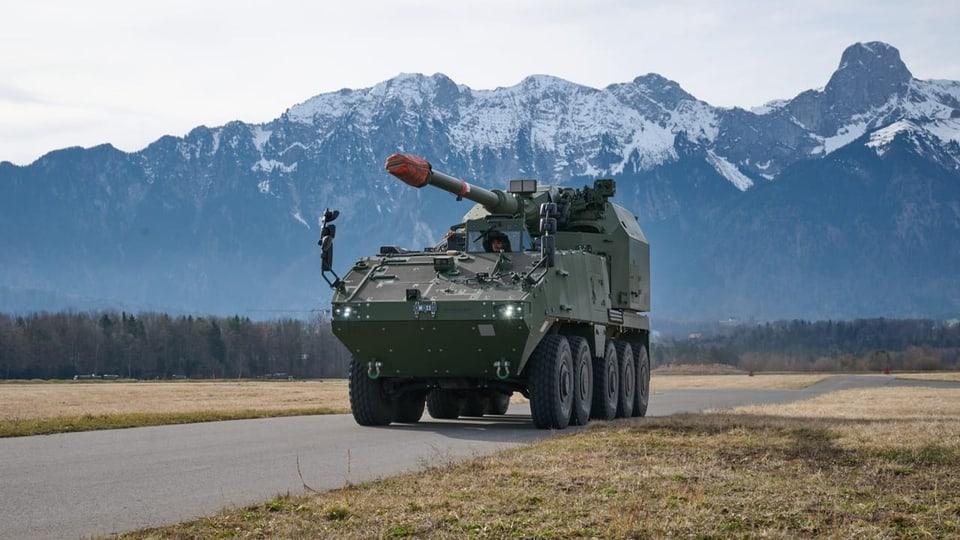
The contract was signed with KNDS Germany, according to Switzerland’s Federal Armaments Office, Armasuisse. The new AGM Artillery Gun Module will be mounted on a Swiss carrier platform, forming the core of the country’s next-generation artillery system.

Under the procurement plan, Switzerland will acquire one prototype unit and 32 production systems. The agreement also covers ammunition logistics, training programs, simulation systems, spare parts, technical documentation, and specialized tools required for long-term operation and maintenance.

The prototype is scheduled for completion in 2027, with testing expected the following year. Full delivery of the artillery systems is planned to begin in 2031, marking a long-term transition to modernized ground firepower.

Officials state that the new artillery system will significantly improve speed, precision, and operational efficiency. Advanced sensor technology, digital targeting systems, and automated processes are expected to enhance battlefield awareness and response capabilities.

The procurement is part of the Swiss Armed Forces Dispatch 2025, which was approved by the Federal Council and submitted to Parliament. The plan includes funding of CHF 1.7 billion for multiple defense projects aimed at strengthening national security.

However, Parliament rejected an additional CHF 1 billion request intended for air defence ammunition, reflecting ongoing debates over defence spending priorities.

Authorities cited the deteriorating security situation in Europe as a key reason for the investment. Defence officials emphasized the importance of maintaining readiness and closing capability gaps in the armed forces.

Swiss Defence Minister Martin Pfister stated that the modernization effort is essential to ensure Switzerland remains prepared for a wide range of potential threats in an increasingly uncertain global environment.

The new artillery system represents one of the most significant upgrades to Switzerland’s ground forces in decades, reinforcing the country’s long-term defence strategy.

Swiss Wolf Packs Rise to 43 in 2025.

Switzerland’s wolf population continued its steady expansion in 2025, with wildlife experts confirming the presence of 43 wolf packs across the country. The latest findings, released by the Kora Foundation, highlight the ongoing recovery of one of Europe’s most closely monitored wildlife species.

According to the annual report, researchers identified approximately 350 wolves living in Switzerland during the year. The increase reflects the species’ continued spread into new regions and its successful establishment in several cantons.

A significant milestone was recorded in the canton of Obwalden, where a wolf pack was confirmed for the first time. Another newly established pack was documented in the canton of Neuchâtel, further demonstrating the growing geographic range of wolves within Switzerland.

Researchers also made an important scientific discovery in the canton of Bern. For the first time, a pregnant female wolf from the Central European wolf population was officially recorded in Switzerland. Until now, the vast majority of wolves found in the country have originated from the Alpine wolf population.

Another notable development occurred in the canton of Valais. Wildlife experts documented double reproduction within a single wolf pack for the first time. Two female wolves successfully reproduced during the same breeding season, a rare event that provides valuable insight into wolf behavior and population dynamics.

The growing wolf population continues to attract attention from conservationists, farmers, and policymakers. Supporters view the increase as a success for biodiversity and wildlife conservation, while others raise concerns about the impact on livestock and rural communities.

The Kora Foundation’s findings provide important data for future wildlife management decisions. As wolf numbers continue to rise, authorities are expected to balance conservation goals with measures designed to protect agriculture and maintain coexistence between wildlife and local communities.

The latest report confirms that wolves are becoming an increasingly established part of Switzerland’s natural landscape, marking another significant chapter in the country’s wildlife conservation efforts.

Chaplin’s World Misses Record Attempt.

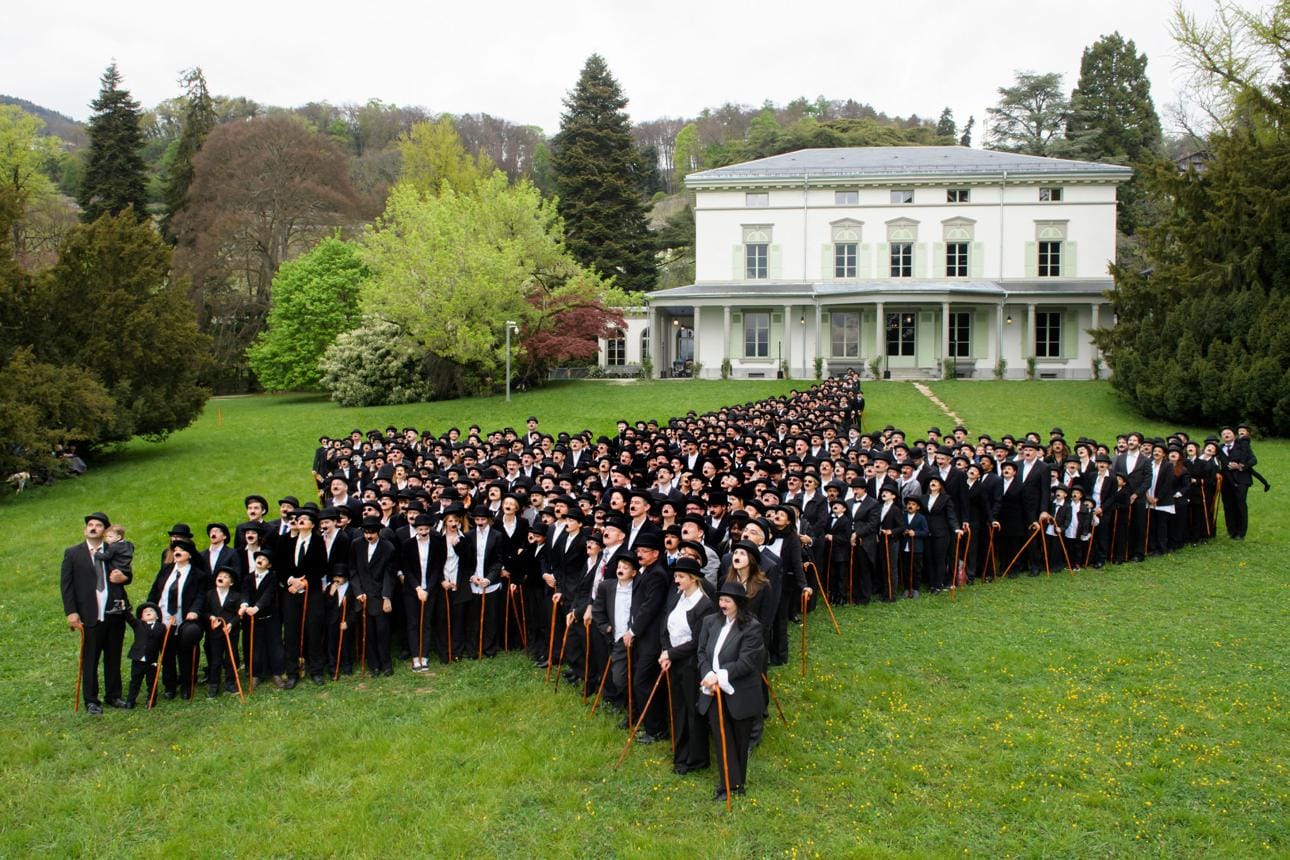
Chaplin’s World in Switzerland celebrated its tenth anniversary with a unique tribute to legendary filmmaker Charlie Chaplin. Hundreds of fans dressed as the iconic actor gathered at the museum in Corsier-sur-Vevey on Sunday, hoping to break the world record for the largest gathering of Charlie Chaplin look-alikes.

A total of 429 participants arrived wearing Chaplin’s signature outfit, including the famous black bowler hat, moustache, suit, and walking stick. Together, the participants formed a giant number “10” in the gardens of the historic Ban mansion, marking a decade since the museum first opened its doors.

Despite the enthusiastic turnout, the event fell short of its ambitious goal. Organisers had hoped to attract 1,000 participants and surpass the existing record. However, the final count remained well below the 662 look-alikes who gathered at the same location in 2017, meaning the record remains unbeaten.

The anniversary event was part of a broader programme of celebrations planned throughout the year. Chaplin’s World continues to attract visitors from around the world who want to explore the life and legacy of one of cinema’s most influential figures.

Located above Vevey in western Switzerland, the museum opened in 2016 and transformed the historic Ban mansion into an immersive cultural attraction. The estate served as Charlie Chaplin’s home during the final 25 years of his life after he settled in Switzerland.

Chaplin moved to Switzerland in 1953 and spent much of his later life there with his family. Today, the museum offers visitors a unique insight into his personal life, cinematic achievements, and lasting impact on the world of entertainment.

Although the record attempt did not succeed, the gathering created a memorable celebration of Charlie Chaplin’s legacy and highlighted the continued popularity of one of cinema’s greatest icons. Organisers say the anniversary events will continue to attract film enthusiasts and tourists throughout the year.

Roche Invests $700M in Cancer Drug Deal.

Swiss pharmaceutical leader Roche has entered a major partnership with California-based Nurix Therapeutics, committing $700 million to support the development of an experimental cancer treatment known as bexobrutideg. The agreement strengthens Roche’s position in the rapidly growing oncology market and highlights its continued focus on innovative cancer therapies.

Bexobrutideg is currently being developed as a treatment for chronic lymphocytic leukemia (CLL), one of the most common forms of blood cancer. The drug is expected to enter its final phase of clinical development later this year, bringing it one step closer to potential regulatory approval.

Researchers are also exploring the therapy’s potential use in treating B-cell lymphomas, as well as applications in neurology and immunology. This broader scope could significantly increase the medicine’s future commercial and medical value.

The collaboration agreement could eventually be worth as much as $2.3 billion if specific development and commercial milestones are achieved. Under the terms of the deal, Roche and Nurix will share profits and losses equally within the United States market.

Outside the United States, Nurix will receive royalty payments ranging from 10% to 20% of Roche’s revenue generated from the treatment. Roche will also assume responsibility for 60% of future development costs associated with the drug.

Industry analysts view the partnership as a strategic investment in a rapidly expanding healthcare sector. Roche estimates that the combined market for chronic lymphocytic leukemia and non-Hodgkin lymphoma treatments could reach approximately $41 billion by 2031. Within that market, therapies targeting Bruton’s tyrosine kinase are expected to account for nearly $19 billion.

The agreement demonstrates Roche’s commitment to advancing next-generation cancer treatments and expanding its oncology portfolio. If successful, bexobrutideg could provide new treatment options for patients while strengthening Roche’s leadership position in the global pharmaceutical industry.

As demand for innovative cancer therapies continues to grow worldwide, partnerships between major pharmaceutical companies and biotechnology firms are becoming increasingly important in accelerating medical breakthroughs and improving patient outcomes.

ABB CEO Warns of EU Job Crisis.

The chief executive of Swiss engineering giant ABB has issued a stark warning about Europe’s economic future, saying excessive regulation and rising energy costs could threaten competitiveness and lead to significant job losses across the European Union.

In an interview with the Financial Times, ABB CEO Morten Wierod called on EU policymakers to accelerate reforms and reduce bureaucratic barriers that he believes are slowing economic growth. He warned that failure to act quickly could result in a much deeper economic crisis and widespread unemployment.

Wierod expressed frustration over the slow implementation of recommendations proposed by former European Central Bank President Mario Draghi. According to the ABB chief, many of the suggested reforms aimed at strengthening Europe’s competitiveness have remained largely unimplemented despite being discussed for nearly two years.

The ABB leader argued that Europe must go beyond simply simplifying regulations. He believes certain rules should be removed entirely to strengthen the EU’s internal market and encourage investment, innovation, and business expansion. According to Wierod, these measures would help stimulate economic growth and improve the region’s ability to compete globally.

He also raised concerns about new European initiatives designed to reduce dependence on foreign technologies. While supporting the goal of stronger European industries, Wierod warned that strict “Made in Europe” requirements could increase costs for businesses and consumers while creating unintended economic consequences.

Another major challenge highlighted by the ABB CEO is energy pricing. Europe continues to face higher energy costs than the United States, placing manufacturers at a competitive disadvantage. Wierod noted that recent geopolitical tensions and higher gas prices are expected to keep energy costs elevated through 2026 and 2027.

Despite these concerns, Wierod emphasized that Europe still possesses significant strengths, including a highly skilled workforce, world-class education systems, and strong crisis-management capabilities. He pointed to Europe’s rapid reduction in dependence on Russian gas as evidence of the region’s ability to adapt during difficult circumstances.

The ABB chief joins a growing number of European business leaders urging policymakers to act faster. Many industry executives believe reducing red tape, encouraging innovation, and lowering business costs are essential steps to ensure Europe remains competitive in the global economy and protects future employment opportunities.

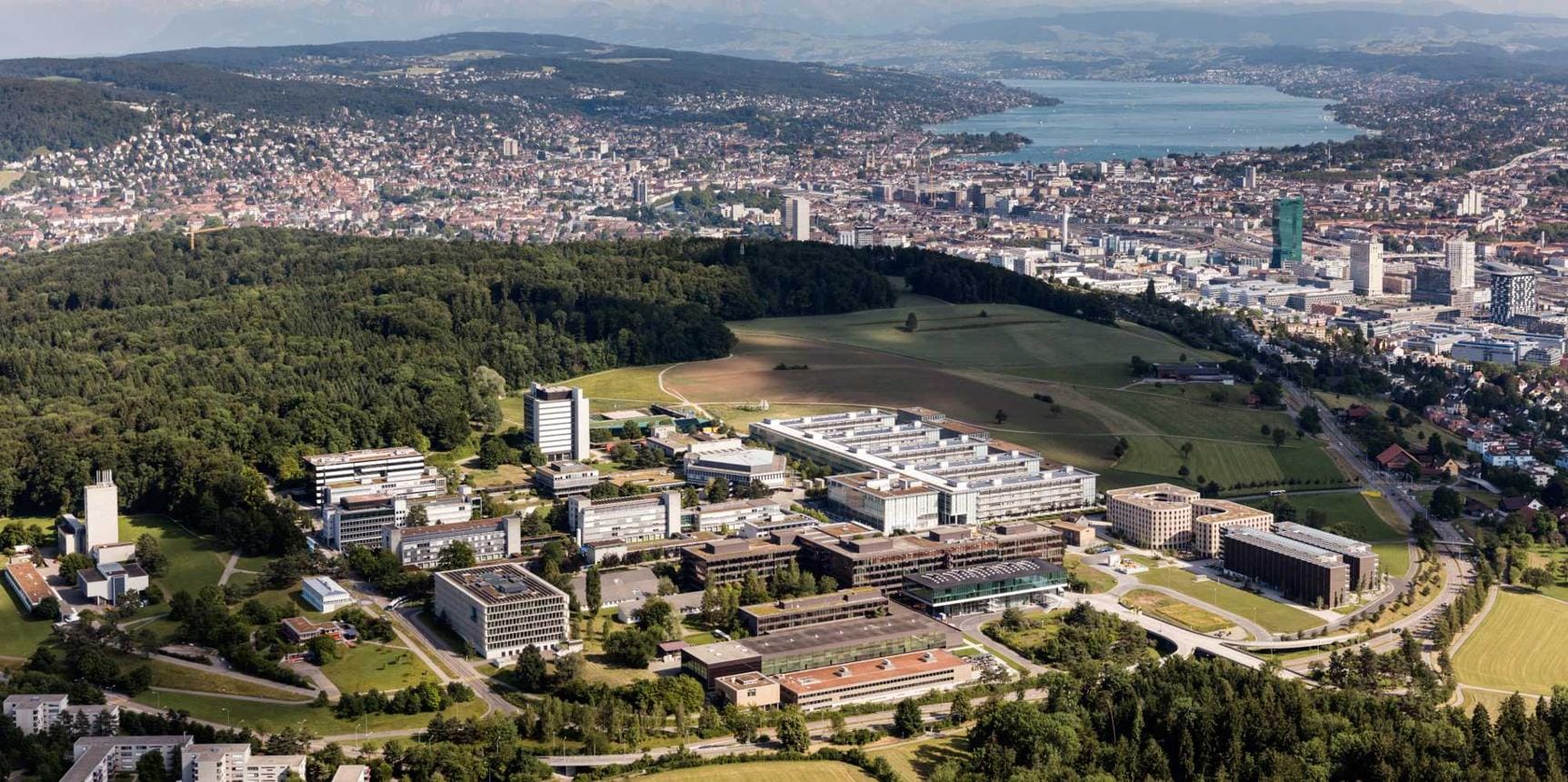
ETH Zurich Safely Removes Hazardous Chemical.

A major safety operation at ETH Zurich concluded successfully after specialists removed and transported a highly hazardous chemical substance from a former research facility. The operation was completed without any incidents, allowing evacuated residents to return to their homes later the same day.

Authorities temporarily evacuated nearly 270 residents living near the affected area as a precautionary measure. The evacuation was part of a carefully coordinated plan designed to ensure public safety while experts handled the dangerous material.

The substance involved was a gas cylinder containing chlorine trifluoride, a chemical widely recognized as one of the most hazardous compounds used in scientific research. Specialists transferred the cylinder into a specially designed recovery container before transporting it away for secure handling and disposal.

The operation began on Sunday morning and involved close coordination between ETH Zurich, emergency services, and Zurich cantonal police. Safety measures remained in place for several hours while teams completed the transfer process inside a secure laboratory environment.

Following the successful completion of the operation, authorities lifted evacuation orders and temporary traffic restrictions. Residents were allowed to return to their homes after officials confirmed that the area was safe.

Police reported that the entire operation proceeded according to plan and that all activities were carried out under strict safety protocols. No injuries, leaks, or unexpected incidents occurred during the removal process.

According to ETH Zurich, chlorine trifluoride was previously used in geological research to analyze rock samples. The chemical is highly toxic and can ignite rapidly when exposed to certain materials, making specialized handling procedures essential.

The successful operation highlights Switzerland’s strong emergency preparedness and commitment to public safety when dealing with hazardous scientific materials. Officials praised the cooperation between emergency responders, researchers, and local residents throughout the process.

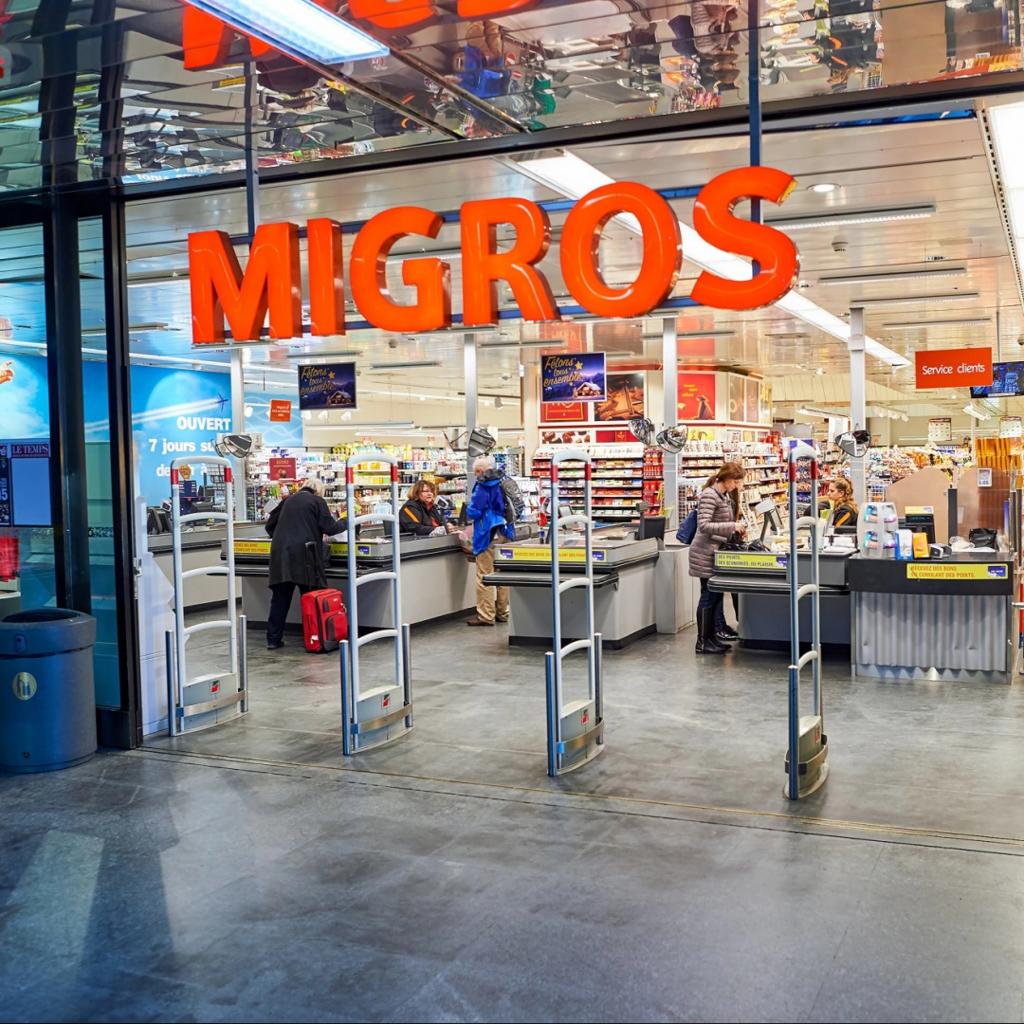
Animal Rights Groups Target Migros Ads.

A coalition of Swiss animal protection organisations is preparing to file a formal complaint against supermarket giant Migros, accusing the retailer of using misleading animal welfare advertising. The complaint is expected to be submitted to Switzerland’s Fair Trading Commission in the coming days.

The action is being led by Werbemist, an alliance that includes Animal Rights Switzerland, Sentience, the Fondation pour l’animal en droit (TIR), and Tier im Fokus (TIF). The organisations argue that Migros’ advertising slogan, “Always topical: animal welfare,” creates a misleading impression about conditions within livestock farming.

According to the alliance, significant animal welfare concerns continue to exist in modern farming practices. The groups highlight issues such as painful breastbone fractures in laying hens and the use of carbon dioxide stunning methods in pigs before slaughter. They claim that these practices raise serious ethical questions and conflict with the image presented in Migros marketing campaigns.

The complaint also argues that terms such as “animal welfare” and “animal-friendly” are not legally protected in Switzerland. As a result, companies can use these phrases in advertising even when animal rights groups believe the standards do not fully reflect consumer expectations. Activists describe this practice as “welfare washing,” comparing it to other forms of marketing that present a more positive image than reality.

Migros has strongly rejected the allegations. The company states that animal welfare remains a core commitment and that standards are regularly reviewed and improved. A company spokesperson emphasized that continuous monitoring and development are part of Migros’ long-term approach to responsible food production.

The retailer also noted that improving animal welfare across the agricultural sector requires cooperation between farmers, researchers, industry partners, and government authorities. Migros believes meaningful progress can only be achieved through collaboration rather than individual action.

The dispute has sparked renewed debate in Switzerland over transparency in food production, ethical farming practices, and how animal welfare claims should be communicated to consumers. The outcome of the complaint could have broader implications for advertising standards and consumer trust within the Swiss retail sector.

Swiss Doctors Still Face Burnout Concerns.

Doctors working in Swiss hospitals are experiencing a slight reduction in weekly working hours, according to a new survey. While this marks a positive development for the healthcare sector, concerns about exhaustion and patient safety remain widespread.

The survey, conducted among 2,400 doctors by the Demoscope research institute on behalf of the Association of Swiss Assistant and Senior Physicians (VSAO), found that the average weekly workload has fallen to 54.6 hours. In 2022, doctors reported working an average of 56.3 hours per week.

The findings also show an improvement in compliance with labour regulations. The percentage of doctors reporting violations of working time laws decreased from 68% to 58%, indicating gradual progress in hospital working conditions.

Despite these improvements, fatigue continues to affect a large portion of the medical workforce. More than half of the doctors surveyed said they regularly reach a point where they feel unable to continue due to physical or mental exhaustion. The level of stress remains almost unchanged compared with previous years.

Patient safety is another major concern highlighted in the report. Nearly 60% of respondents stated that they had witnessed situations in the past two years where patients were placed at risk because of fatigue caused by excessive workloads. Medical professionals warn that long working hours and ongoing pressure can affect concentration, decision-making, and overall quality of care.

Healthcare experts believe that further reforms are needed to improve staffing levels, reduce pressure on medical teams, and protect both doctors and patients. While the reduction in working hours is a positive sign, the latest findings suggest that burnout and workplace stress continue to be serious challenges within Switzerland’s healthcare system.

The survey serves as an important reminder that maintaining a healthy and sustainable workforce is essential for delivering safe and effective healthcare across Switzerland. As hospitals face increasing demand for services, ensuring the wellbeing of medical professionals will remain a key priority.

Swiss Support for New Nuclear Plants Surges.

Public opinion in Switzerland is shifting significantly in favor of nuclear energy, with a growing number of citizens viewing it as a reliable solution to future electricity challenges. A recent survey commissioned by the Swiss Association of Electricity Companies (AES) reveals that nearly 60% of respondents support the construction of new nuclear power plants across the country.

The findings highlight increasing concerns about Switzerland’s long-term energy security. As demand for electricity continues to rise, many residents are questioning whether renewable energy sources alone will be sufficient to meet future needs. This has led to renewed interest in nuclear power as part of a balanced national energy strategy.

According to the survey, 79% of participants support keeping existing nuclear power plants in operation as long as they continue to meet safety standards. In addition, 59% favor building next-generation nuclear facilities to strengthen Switzerland’s energy infrastructure and reduce the risk of power shortages.

Energy experts believe public attitudes have changed due to growing awareness of supply risks experienced in recent years. International geopolitical tensions and concerns about global energy markets have also increased public focus on reliable domestic electricity production.

Despite the rising popularity of nuclear energy, renewable energy remains the preferred long-term solution for many Swiss citizens. Solar, wind, and hydropower continue to receive strong public support, with many respondents favoring an energy mix that combines renewables with stable backup generation.

The Swiss Parliament is expected to discuss the future direction of national energy policy, making this an important moment for Switzerland’s long-term energy planning. The debate could influence how the country balances energy security, environmental goals, and economic stability in the years ahead.

As Switzerland evaluates its energy future, nuclear power is once again becoming a central topic of discussion. The latest survey suggests that public opinion is evolving, with more citizens willing to consider nuclear energy as part of the solution to ensure a stable and secure electricity supply.

Parental Stress Becomes Major Mental Health Issue in Switzerland.

A new study conducted by AXA Switzerland has found that parental responsibility is becoming one of the leading causes of mental health challenges among adults in the country, surpassing even financial and workplace stress in its overall impact.

According to the findings, around one in four adults in Switzerland is currently affected by some form of mental health issue. The report highlights a growing concern about emotional well-being across different age groups.

Young adults between the ages of 18 and 24 are identified as the most affected group, with approximately 39% reporting mental health challenges. Experts suggest that uncertainty about education, careers, and personal life may be contributing factors.

The study also revealed a significant rise in mental health-related disability insurance claims, which have increased by nearly 78% over the past four years. This indicates a growing long-term impact on Switzerland’s workforce and social systems.

Researchers and experts point out that parenting responsibilities are placing increasing pressure on adults, especially those trying to balance work, childcare, and financial stability in a high-cost living environment.

For expatriate families living in Switzerland, the challenge is often greater due to the lack of extended family support systems. Many parents face additional emotional and logistical pressure while raising children in isolation from relatives.

Mental health professionals emphasize that this trend reflects broader societal changes, including increased work demands, rising living costs, and evolving family structures.

The study calls for stronger mental health support systems, including better access to counseling services, workplace flexibility, and family support programs to help reduce parental stress.

As mental health discussions continue to grow in Switzerland, experts stress that early intervention and community-based support will be essential in addressing the rising emotional burden on families.