Study shows 20% of swiss pupils lag in reading and maths skills.

A new education study in Switzerland reveals that a significant share of young students are still struggling with core academic skills. The research, commissioned by the Conference of Cantonal Ministers of Education and conducted by the University of Bern, highlights performance levels among second-grade pupils across the country.

According to the findings, around 79% of pupils met national standards in reading in their school language, while 76% achieved the required level in mathematics. This means that approximately one in five students is still not reaching expected learning goals in these essential subjects.

The study shows stronger results in listening comprehension, where about 87% of pupils met educational targets. Researchers suggest that oral comprehension skills may be developing more effectively than written literacy and numeracy at this stage of schooling.

Education authorities, including the Conference of Cantonal Ministers of Education, stated that the results indicate Switzerland’s cantons are generally aligned in their education standards. However, the overall performance was described as “moderate,” suggesting there is still room for improvement.

The survey included approximately 20,000 pupils from around 1,150 schools across Switzerland in 2024. It forms part of a long-term monitoring system, with the next assessments planned for 2028 and 2031.

Education experts say the findings highlight the need for continued focus on early learning support, especially in reading and mathematics, to ensure stronger academic foundations for future education levels.
Swiss Industrial Production Falls 6.1% in First Quarter 2026.

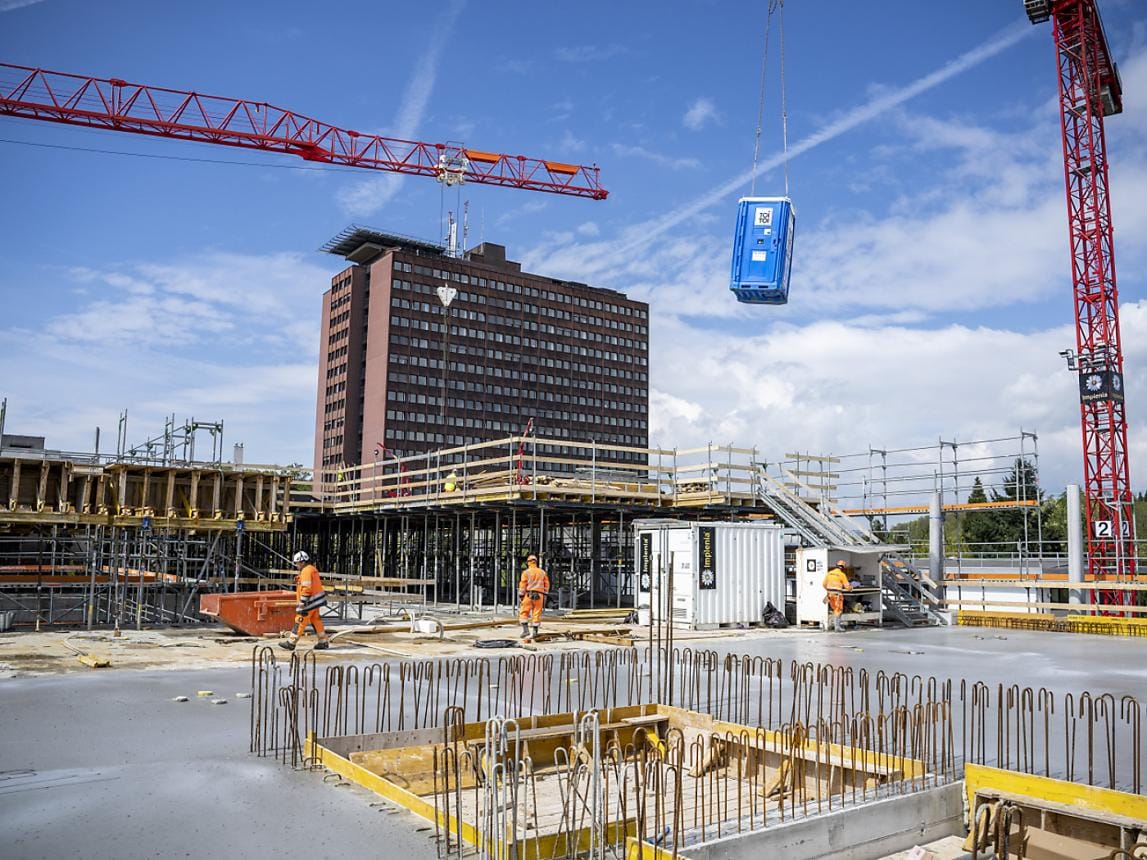
Industrial production in Switzerland’s secondary sector recorded a significant decline in the first quarter of 2026, according to the Federal Statistical Office. Overall production in industry and construction dropped by 6.1% between January and March compared to the same period last year.

Turnover in the sector also declined by 5.8%, reflecting weaker demand and reduced output in several key industries across the Swiss economy. The data highlights continued pressure on Switzerland’s manufacturing base amid global economic uncertainty.

The industrial sector experienced the sharpest downturn, with production falling by 7.1%. The most significant declines were seen in pharmaceutical manufacturing, which dropped by 20.4%, and vehicle construction, which fell by 15.0%.

Despite the overall negative trend, some sectors showed positive performance. Production increased in metal product manufacturing by 8.8%, while data processing equipment and watch production rose by 6.6%, indicating resilience in high-value Swiss industries.

The construction sector performed comparatively better during the same period. Production increased by 0.8%, continuing a modest recovery trend seen in late 2025. Building construction grew by 2.8% and civil engineering by 3.8%, although other construction activities saw a slight decline of 0.6%.

Overall turnover in construction rose by 1.5%, suggesting steady demand in infrastructure and housing projects despite broader economic challenges.

Economists note that while Switzerland continues to maintain stability in certain high-tech and construction segments, the sharp decline in industrial output reflects ongoing global supply chain pressures and weaker international demand.

Switzerland Warns Against Bolivia Travel.

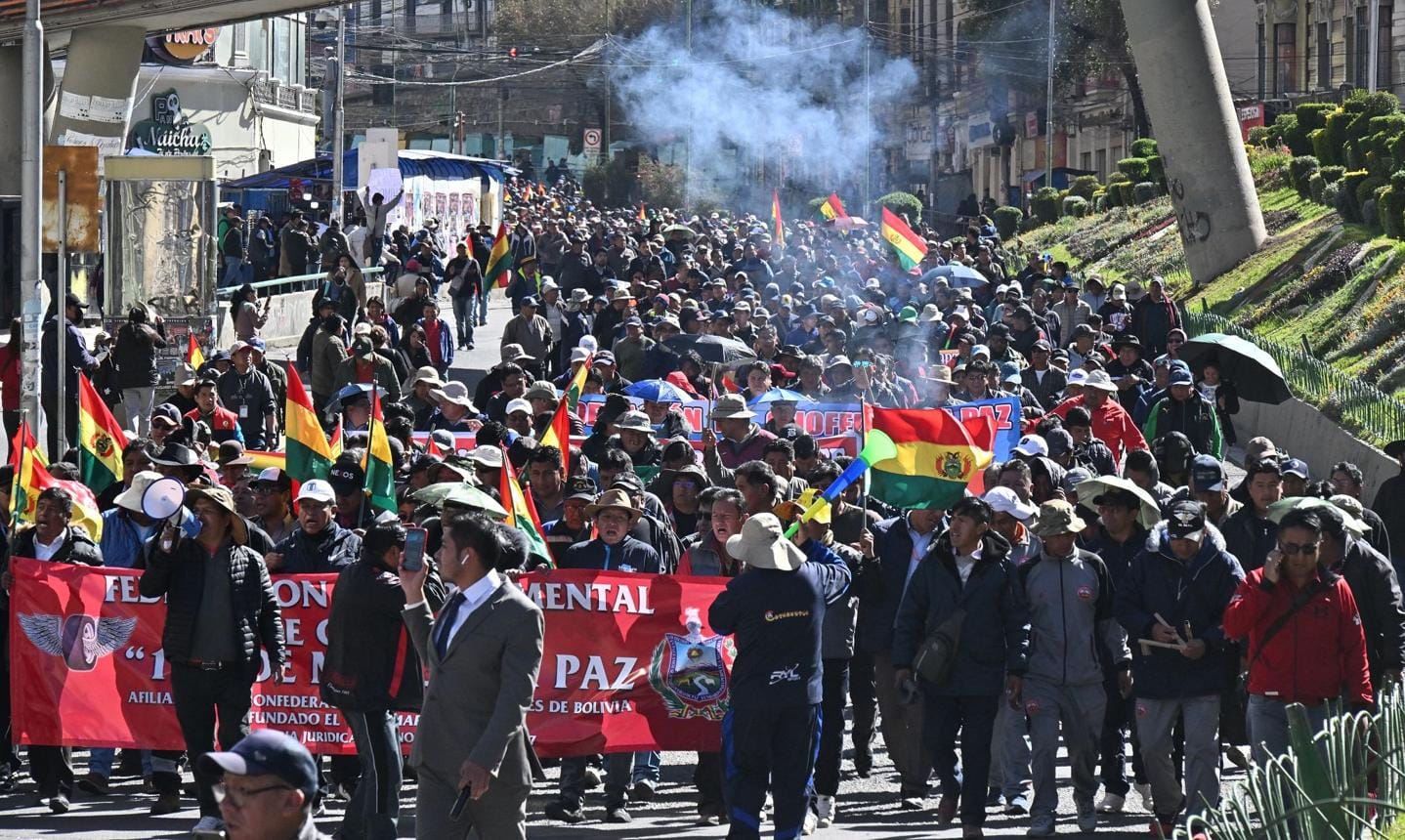
The Swiss Federal Department of Foreign Affairs has updated its travel advisory for Bolivia following violent demonstrations and growing unrest in the country’s capital, La Paz. Swiss authorities now advise citizens to avoid non-essential travel due to the worsening security situation and uncertain developments.

According to the updated advisory, Bolivia has experienced numerous roadblocks and protests since early May. Major access routes to La Paz remain heavily disrupted, affecting transportation and the supply of essential goods including food, fuel, and medical supplies.

Swiss officials warned travellers to avoid demonstrations, crowded public areas, and political gatherings. Authorities also noted that the Swiss embassy may have limited ability to assist stranded citizens attempting to leave affected regions during the unrest.

Violence escalated on Monday when protesters, including miners, farmers, teachers, and supporters of former president Evo Morales, attempted to enter the main government square in La Paz. Local reports stated that demonstrators threw stones and fireworks, set vehicles on fire, and stormed several public buildings.

Police forces reportedly responded with tear gas to control the crowds. According to Bolivia’s ABI news agency, at least 95 people were arrested during the clashes.

Bolivia has faced a severe economic crisis for several years, leading to recurring protests and political tensions across the country. Rising inflation, shortages of essential goods, and public dissatisfaction continue to fuel nationwide unrest.

The latest travel warning highlights growing international concern over the security situation in Bolivia as authorities continue monitoring developments in the South American nation.

Crans-Montana Fire Victim Seeks €8.2M Compensation.

A French woman seriously injured in the deadly Crans-Montana Fire Disaster has filed a compensation claim worth €8.2 million (CHF7.5 million) in a Paris court. Her lawyer stated that the claim aims to cover urgent medical expenses and lifelong care costs following the tragic incident.

The victim’s lawyer, Sébastien Fanti, explained that the legal request includes €2 million as an immediate payment for emergency treatment and ongoing support. The remaining amount would help cover medical care, rehabilitation, loss of earnings, and future living expenses for the victim.

According to the lawyer, the woman suffered severe physical injuries during the devastating fire and will require permanent care for the rest of her life. An expert reportedly prepared the preliminary compensation estimate submitted to the court in Paris.

The legal action was filed with the Compensation Commission for Victims of Crime in Paris. It follows a criminal complaint submitted to the Valais public prosecutor’s office on April 1. The complaint includes allegations of negligent arson, negligent grievous bodily harm, and violations of building regulations connected to the disaster.

Lawyer Sébastien Fanti said he currently represents 26 victims and family members affected by the tragedy. He also stated that he believes France could eventually pay compensation to the injured woman and later seek accountability from local Swiss authorities.

The tragic fire disaster took place in Crans-Montana on New Year’s Day. The incident claimed the lives of 41 people and injured 115 others, making it one of the most devastating recent tragedies in Switzerland.

Authorities in the canton of Valais continue investigating the causes of the fire and possible violations of safety regulations. The case has attracted significant public attention across both Switzerland and France due to the scale of the disaster and the ongoing legal proceedings.

Foreign Investment in Switzerland Drops in 2025.

Foreign investment in Switzerland declined significantly in 2025 as global companies slowed expansion plans across Europe. According to a recent report released by EY, the number of foreign investment projects in Switzerland dropped by nearly 24%, falling to only 84 projects during the year.

US companies, which remain the largest foreign investors in Switzerland, also reduced their investment activities. The report showed that investment projects from American firms declined by 7% compared to previous years. Economic uncertainty, geopolitical tensions, and changing global trade policies influenced many companies to delay or reduce expansion plans.

Across Europe, investment activity also weakened. Total foreign investment projects across European countries fell by 7%, reaching the lowest level recorded in the last eleven years. Analysts believe that rising energy costs, inflation pressures, geopolitical instability, and economic concerns continue to affect investor confidence throughout the continent.

Despite the decline, Switzerland continues to maintain its strong reputation as an important business destination in Europe. Experts highlight that the country still offers major advantages such as political stability, legal security, a skilled workforce, advanced infrastructure, and an attractive tax system for international companies.

According to André Bieri from EY, Switzerland still acts as a “gateway to Europe” for many US companies. Businesses continue to value Switzerland for its strategic location and reliable economic environment even during uncertain global conditions.

France and the United Kingdom ranked among the most attractive investment destinations in Europe during 2025, while Germany secured third place. Switzerland ranked 13th overall in Europe for foreign investment projects.

Economic experts warn that ongoing geopolitical developments and support programs introduced in the United States could continue to impact investment activity in Europe, including Switzerland. However, Switzerland’s strong financial system and international business environment may help the country recover investment growth in the coming years.

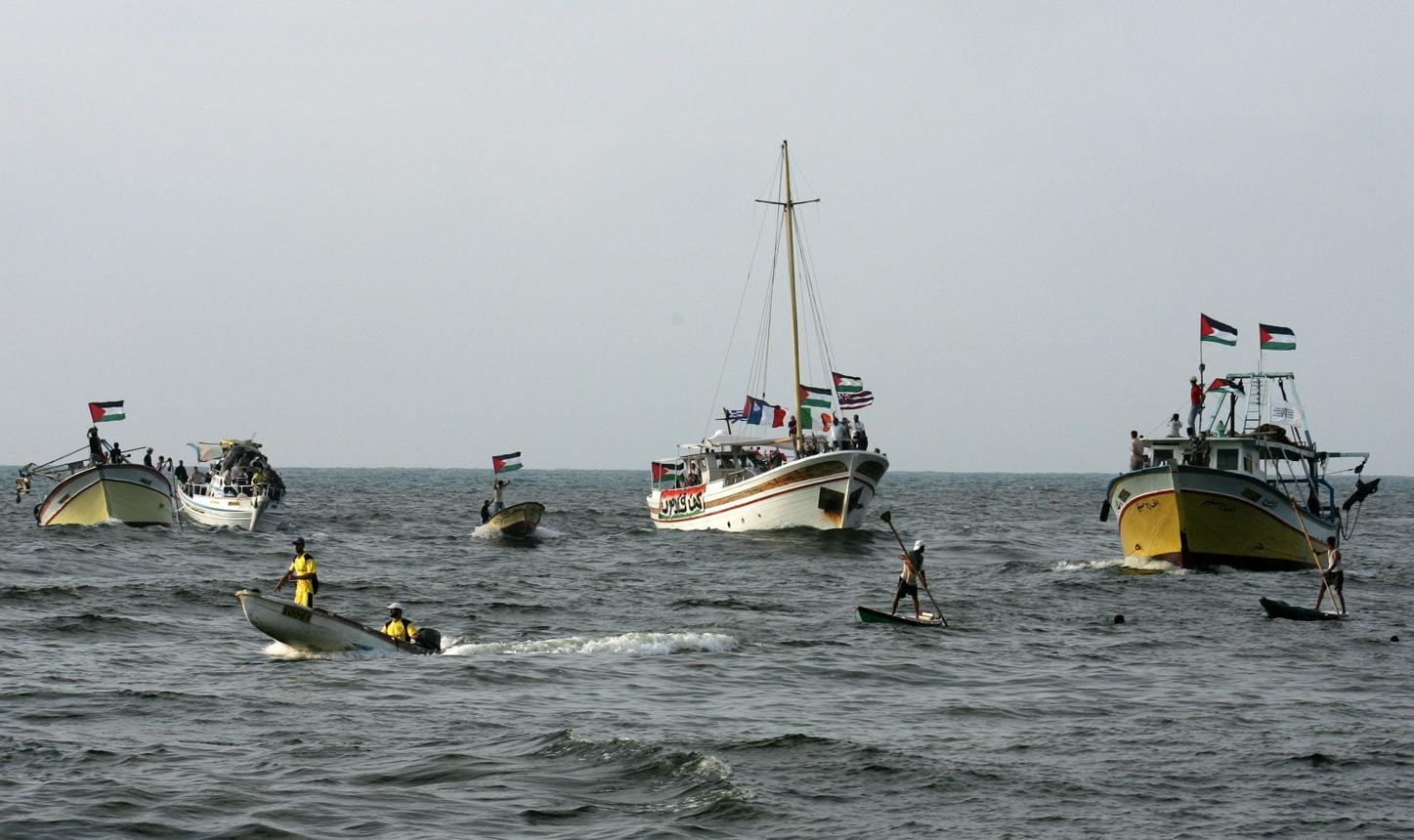
Swiss Criticize Gaza Flotilla Arrests.

The Swiss government strongly criticized the treatment of activists involved in the Gaza aid flotilla and called on Israel to fully respect international law and fundamental human rights.

In an official statement shared on social media, Switzerland’s Federal Department of Foreign Affairs (FDFA) described the reported treatment of some flotilla participants as “unacceptable.” The government said the actions appeared inconsistent with previous assurances given by Israeli authorities regarding the protection of human rights and international legal standards.

Swiss officials emphasized that all commitments related to humane detention conditions, procedural guarantees, and the right to legal defence must be respected in practice. Bern also stressed the importance of protecting humanitarian principles during sensitive international operations.

The FDFA confirmed that several Swiss nationals were believed to be among the participants in the Gaza aid flotilla. However, authorities stated they had not yet received official confirmation from Israel regarding the exact identities or number of Swiss citizens detained.

The incident has drawn international attention as humanitarian organizations continue to raise concerns about access to Gaza and the safety of aid missions in the region. Switzerland reiterated its support for international law and diplomatic dialogue while monitoring developments closely.

Political observers say the statement highlights Switzerland’s commitment to human rights and neutral diplomacy in global conflicts. The Swiss government continues to seek clarification from Israeli authorities regarding the situation involving Swiss citizens.

The Gaza flotilla issue remains a major topic in international discussions about humanitarian access, regional tensions, and the protection of civilian activists involved in aid operations.

Swiss Farmers Gain Trade Support.

The Swiss government announced on Wednesday that it will provide extra financial support to local farmers. This decision aims to offset the major economic concessions made in upcoming international trade deals, particularly the Mercosur agreement with Latin American nations. Local agricultural workers expressed deep concerns over market changes, prompting immediate intervention from Swiss authorities.

To help the farming sector stay competitive, the government is easing access to interest-free loans. These loans will encourage critical investments in local agricultural infrastructure and modern farming technologies. Because international trade negotiations frequently demand concessions from local producers, Swiss authorities emphasize that the sector must rapidly adapt to shifting market conditions.

This financial cushioning will help modern farms upgrade their facilities, lower operational overhead, and maintain high standards without losing market share to foreign imports.

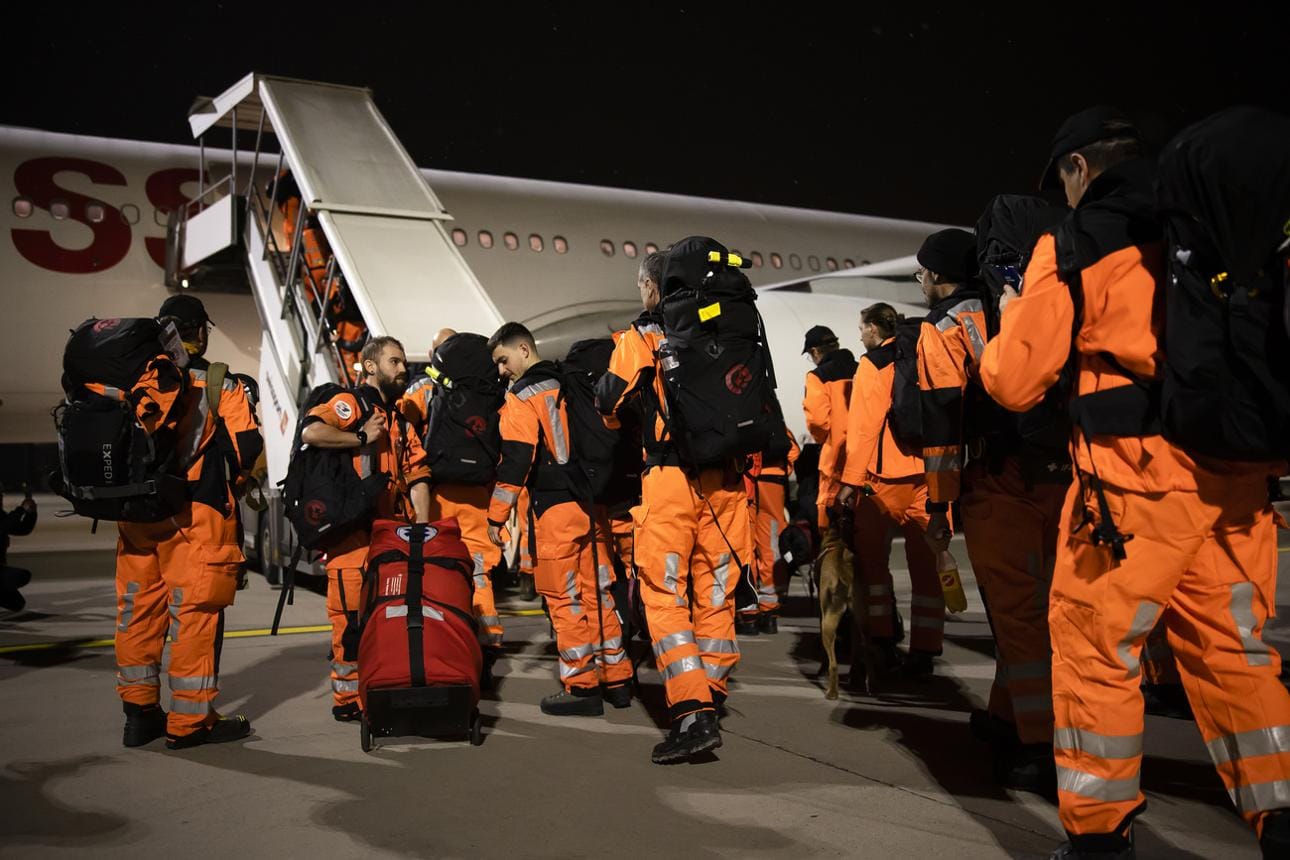
Crans-Montana Fire Rescue Team Wins International SAR Award.

The emergency response teams involved in the Crans-Montana bar fire in Switzerland have received international recognition, winning the “Search and Rescue Mission of the Year” award for their coordinated life-saving operation.

The award was presented in London on May 15 to around 250 health and emergency service personnel who responded to the deadly fire on January 1. The incident required a large-scale, multi-agency rescue effort under extremely challenging conditions.

Organizers said the award recognizes a dramatic operation that had a profound impact on both victims and first responders. It highlights the professionalism and coordination of all teams involved in managing the crisis.

The Valais Cantonal Rescue Organisation (KWRO) played a central role in coordinating the response. The operation brought together emergency call services, ambulance teams, air rescue units, emergency physicians, and hospital services in a highly integrated system.

Officials described the response as “unusually large in scale,” emphasizing the effectiveness of the Valais emergency model in handling mass casualty incidents.

The recognition comes amid ongoing legal and investigative scrutiny related to the fire, but authorities say the award specifically honors operational excellence and teamwork during the emergency response.

French Authorities Carry Out Surprise Searches at Nestlé Waters Sites

French authorities carried out unannounced inspections and searches at two industrial sites operated by Nestlé Waters, the bottled water subsidiary of Swiss-based food giant Nestlé.

The raids took place on Tuesday at the Perrier plant in Vergèze and a laboratory in Vittel, according to Radio France investigative reporting. Around 40 officials from French fraud authorities were involved in the coordinated operation.

The inspections are part of an ongoing investigation led by the Paris public prosecutor’s office following a complaint filed by the NGO Foodwatch, which alleges potential fraud linked to bottled water operations.

Authorities have not yet disclosed specific findings from the searches. However, the investigation is understood to focus on regulatory compliance and possible misconduct within water treatment or labeling practices.

Nestlé Waters confirmed that unannounced inspections were taking place at its sites and stated that it is fully cooperating with the relevant authorities throughout the process.

The case adds further scrutiny to Switzerland’s Nestlé, which has faced multiple regulatory and public trust challenges in recent years related to food and water safety concerns.

French investigators continue to examine evidence as part of a broader inquiry into corporate practices in the bottled water sector.

Switzerland Ranks Near Bottom in Europe for Tobacco Control.

Switzerland ranks among the worst-performing countries in Europe for tobacco control, according to a new report published by the Swiss Association for Tobacco Prevention (AT).

The index places Switzerland second from last out of 37 European countries assessed, highlighting significant gaps in smoking prevention policies compared to other nations.

Only Bosnia and Herzegovina scored lower in the ranking. Meanwhile, Ireland, the United Kingdom, and the Netherlands topped the list as the strongest performers in tobacco control measures.

The report groups Switzerland with several Eastern European countries, as well as Italy and the Balkans, reflecting its relatively weak regulatory framework on smoking compared to its Western European peers.

Among neighbouring countries, France ranked highly at 4th place, while Austria placed 22nd and Germany 25th, both significantly ahead of Switzerland’s 36th position.

The findings suggest that Switzerland continues to lag behind in implementing strict tobacco regulations, including measures related to smoking bans, advertising restrictions, and prevention policies.

Health experts argue that stronger public health strategies are needed to reduce smoking rates and improve long-term health outcomes across the country.