Former Raiffeisen CEO Fined in Switzerland.

The former Chief Executive Officer of Raiffeisen Bank, Pierin Vincenz, has been ordered to pay a fine of nearly CHF 1 million following a confirmed tax evasion ruling in Switzerland.

The Swiss Federal Court recently rejected Vincenz’s appeal, upholding earlier decisions made by the Cantonal Court of Appenzell Ausserrhoden. The ruling confirms that he failed to properly declare approximately CHF 3.4 million in income between 2012 and 2015.

In April 2025, the cantonal court imposed a fine of CHF 980,000 for tax evasion. Following legal appeals, the Federal Supreme Court reaffirmed the judgment in early May 2026, making the penalty final. In addition to the fine, Vincenz was ordered to pay CHF 12,500 in legal costs.

Swiss media reports indicate that the case was initially revealed by SonntagsZeitung, while the Federal Court decision was later confirmed by Keystone-ATS.

Authorities originally began examining Vincenz’s tax declarations due to separate ongoing criminal investigations in Zurich. The Zurich public prosecutor has also accused him and his former associate Beat Stocker of multiple financial crimes, including fraud, disloyal management, breach of trust, forgery of documents, and unfair competition.

The case has drawn significant attention in Switzerland due to Vincenz’s former leadership role at one of the country’s major banking institutions and the scale of the financial misconduct allegations.

Zurich Riots Leave Officer Injured.

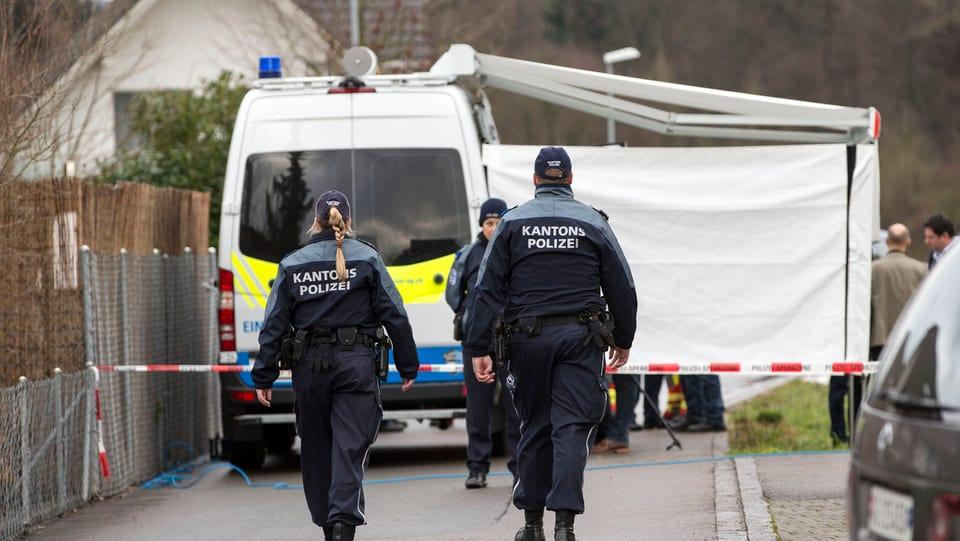
A violent disturbance erupted in the city of Zurich in Zurich over the weekend, leaving a police officer slightly injured after clashes with a large group of rioters.

According to police reports, officers were initially called to the scene following complaints of a noise disturbance in the early hours of Sunday morning. A patrol arrived shortly after 2:30 a.m., but was immediately met with aggression as a group of individuals began throwing bottles and stones at police vehicles.

As the situation escalated, officers were forced to withdraw from the area and request reinforcements. Law enforcement then responded with crowd-control measures, including rubber bullets and chemical sprays, in an attempt to disperse the group.

Additional police units were deployed, including a water cannon and police dogs, to regain control of the situation and contain the unrest.

During the confrontation, one officer was struck by an object and sustained minor injuries. A police vehicle was also damaged in the incident before the crowd eventually dispersed.

Authorities have launched an investigation into the unrest and are working to identify those involved in the violence.

Home Robbery by Masked Gang in Nyon.

A shocking armed robbery has taken place in the city of Nyon in the canton of Vaud, where a local family experienced a sudden and violent home invasion.

According to initial reports, a group of masked individuals wearing hoodies forced their way into a residential property by breaking the front door. Once inside, they attacked one of the family members on the head and threatened the household to gain access to valuables stored in a safe.

The intruders reportedly stole jewellery and cash before fleeing the scene. However, local authorities have not yet disclosed the exact value or details of the stolen items as investigations are still ongoing.

Police in Nyon have launched a full investigation and are actively searching for the suspects involved in the robbery. Security forces are also reviewing nearby surveillance footage and gathering witness statements to identify the gang.

The incident has left the affected family in shock following the unexpected and traumatic experience inside their own home.

Authorities have urged residents in the area to remain vigilant while the investigation continues.

Maextro S800 Features Self-Parking Tech.

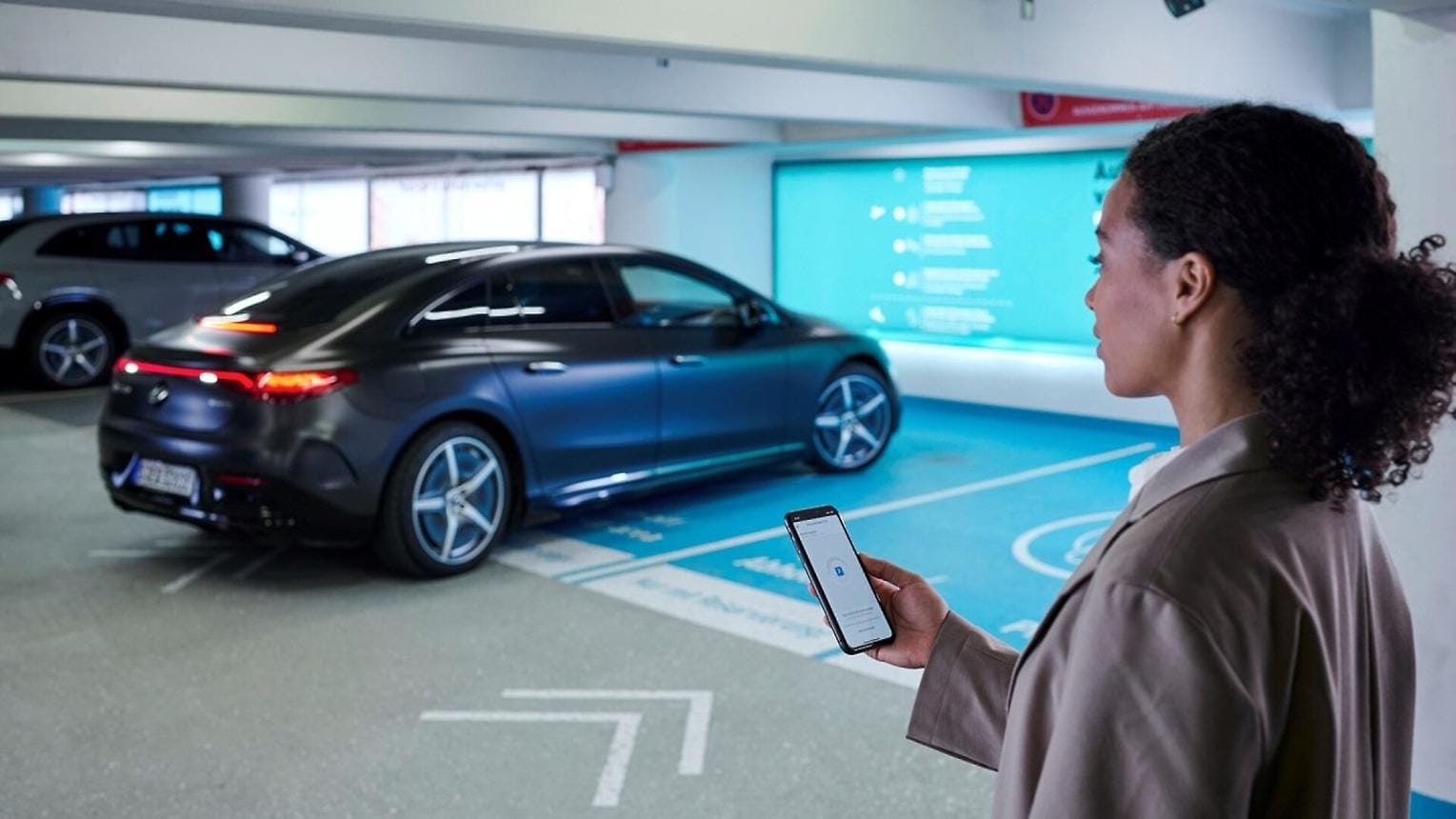
The Maextro S800 introduces advanced self-parking technology powered by Huawei’s ADS (Advanced Driving System), making parking safer and more convenient for drivers. The system allows the vehicle to perform fully automatic parking without requiring driver input, using a combination of sensors, cameras, radar, and LiDAR to accurately detect available parking spaces and surrounding obstacles.

One of its key features is remote parking, which enables drivers to control the vehicle through a smartphone or key fob. This is especially useful in tight parking areas where opening doors may be difficult. The car can also move forward or backward autonomously to adjust its position or exit narrow spaces using a summon function.

In addition, the Maextro S800 supports intelligent parking memory, allowing it to recognize previously used parking spots and automatically park itself in familiar locations. It can handle multiple parking types, including parallel, perpendicular, and angled spaces with high precision.

The AI system continuously analyzes the environment in real time, making decisions on steering, braking, and acceleration. This reduces the risk of human error and enhances safety in complex parking scenarios. Overall, the Maextro S800’s self-parking technology represents a major step toward fully autonomous driving, combining convenience, innovation, and smart mobility in one premium electric vehicle.

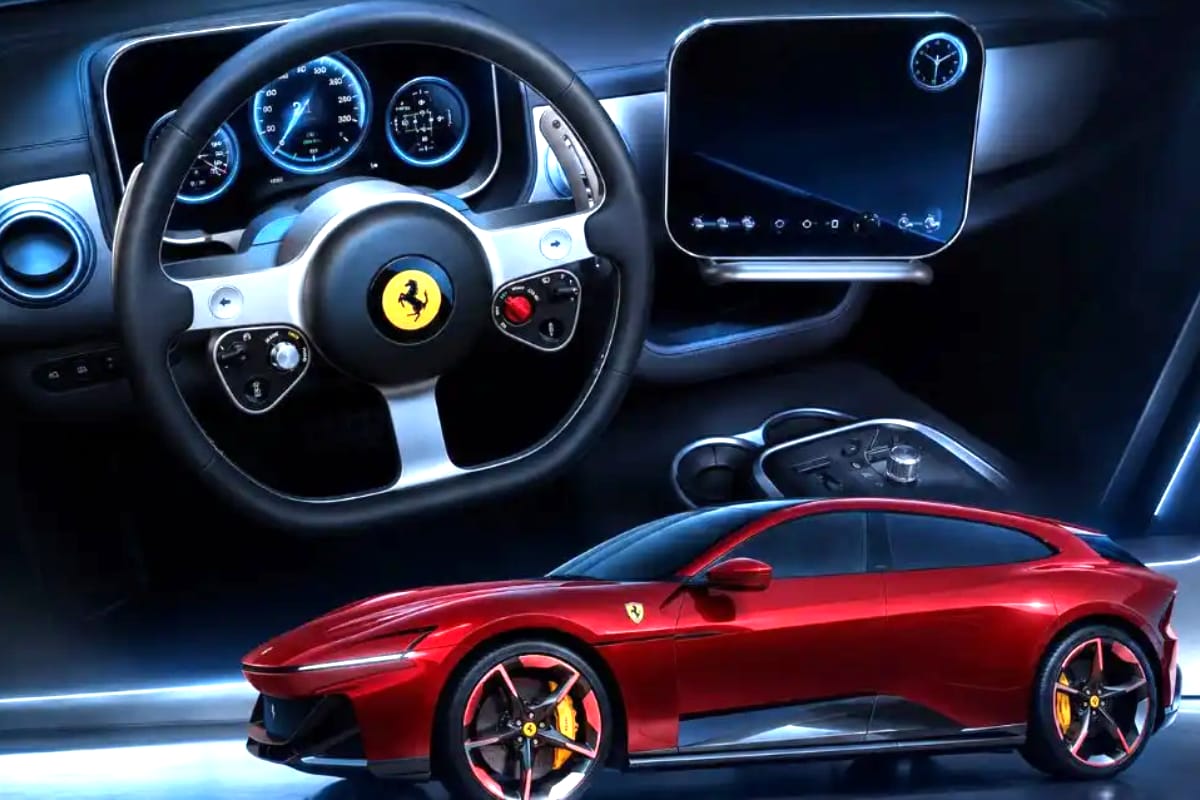
Ferrari Unveils First Full Electric Luxury Sports Car “Luce” in Rome.

Italian luxury sports car manufacturer Ferrari has officially entered the electric vehicle era by unveiling its first fully electric model, named “Luce,” in Rome.

The name “Luce,” meaning “light” in Italian, represents a new direction for the brand as it shifts toward sustainable high-performance mobility while preserving its luxury identity.

The new electric supercar can reach a top speed of 193 mph (310 km/h), positioning it among the most powerful electric performance vehicles ever introduced in the luxury segment. The vehicle is priced at approximately €500,000.

The design of Luce was developed with contributions from Jony Ive through his design studio LoveFrom, adding a strong focus on minimalist luxury and futuristic aesthetics.

Under the leadership of CEO Benedetto Vigna, Ferrari has invested heavily in its new “e-building” facility in Maranello to support the production of electric vehicles.

Ferrari has spent the last decade developing hybrid technologies, and the launch of Luce marks its bold transition into full electrification. However, industry experts continue to debate whether electric powertrains can fully replicate the emotional driving experience of traditional V12 engines.

Competitors such as Lamborghini have delayed their own full EV plans until 2030, while Ferrari has also postponed its second EV model to 2028, reflecting the cautious approach taken by luxury sports car manufacturers.

Despite this, Luce is not designed purely for mass sales but rather to redefine the concept of “luxury electric performance” in the global automotive market.

Meanwhile, Chinese EV leader BYD continues to expand aggressively in the electric vehicle sector, increasing global competition.

Deliveries of the Ferrari Luce are expected to begin in October 2026, marking a significant milestone in the company’s electrification journey.

AI Helps Understand Pet Communication.

Artificial intelligence technology continues to expand into everyday life, and now it is entering the world of pet communication.

A Chinese technology company called Meng Xiaoyi has introduced a new AI-powered smart collar designed to help pet owners understand the sounds and emotions of their pets.

The device, named PettiChat, uses advanced AI models developed through Alibaba Cloud’s Qwen AI technology. The system was trained using more than 1.5 million real-world pet sound samples and over 3,200 hours of annotated pet video data collected with the support of veterinarians and volunteers.

When attached to a dog or cat’s collar, the device analyzes sounds, emotional signals, and behavior patterns with AI assistance. It then converts the interpreted meaning into text and sends it directly to a connected smartphone application.

For example, if a cat looks upward and meows repeatedly, the AI system may translate the behavior as “I want to play.”

The smart collar weighs only 27.2 grams and also includes GPS tracking features, allowing owners to monitor their pets’ locations in real time.

According to the company, a single one-hour charge can support more than 1,000 “sentence translations,” making the device practical for daily use.

The company announced that the product will officially launch on May 30. Reports indicate that more than 10,000 customers have already pre-ordered the device ahead of release.

The AI collar is priced at 799 yuan, approximately ₹11,000 in Indian currency. While many technology enthusiasts are excited about the innovation, social media users continue debating how accurate the translations will be in real-world situations.

AI Helps Decode Ancient Cuneiform Tablets.

Researchers in Germany have developed an advanced artificial intelligence system capable of helping historians decode thousands of ancient clay tablets that remained difficult to study for decades.

Many of these historical tablets were discovered broken, damaged, or faded and had been stored in museums and research centers around the world for years. Even experienced experts often struggled to read or reconnect the fragmented writings.

A new AI tool called “Palaeographicum,” developed by researchers from University of Würzburg and the Mainz Academy of Sciences and Literature, is now transforming the study of ancient texts.

The AI system identifies tiny handwriting differences found in cuneiform inscriptions, one of the world’s oldest writing systems. Tasks that previously required several days of expert analysis can now be completed within minutes.

Cuneiform writing was widely used around 3,500 years ago by the Hittite civilization to record laws, trade agreements, royal communications, and political records.

Because many tablets were broken and scattered across different museums globally, reconstructing and connecting related pieces became a major historical challenge.

The new AI technology analyzed nearly 70,000 photographs containing approximately five million cuneiform symbols. By studying writing patterns, the system can identify the handwriting style of individual ancient scribes and determine which tablets were likely created in the same location.

Researchers say the technology can also estimate the historical period of undated tablets by examining writing styles. This allows historians and archaeologists to uncover historical connections much faster than before.

Although human expertise remains essential, researchers believe AI significantly improves both speed and accuracy in ancient text analysis. The breakthrough could reveal thousands of hidden stories buried for centuries within ancient civilizations.