Royal Pop Watches Trigger Massive Queues Across Switzerland

The launch of the new Royal Pop watch collection by Swatch Group created huge excitement across Switzerland, with hundreds of people lining up outside stores in multiple cities.

Large crowds began gathering from Friday night in hopes of purchasing the trendy new watches when sales officially opened on Saturday morning. In Geneva alone, more than a thousand people reportedly filled nearby streets around the Swatch store as police officers monitored the growing crowds.

Hundreds of customers also gathered near the Swatch Group headquarters in Biel/Bienne, while around 400 people queued outside the Zurich store early Saturday morning. Due to the overwhelming demand, the Zurich branch reportedly opened earlier than scheduled.

The situation became tense in some cities as crowd-control problems emerged. Local media reported scuffles and minor clashes in Basel and Lausanne, forcing police to intervene to maintain order and public safety.

Following the incidents, Swatch announced on Instagram that several stores would remain closed temporarily. Branches located on Rue du Marché in Geneva, as well as stores in Lausanne and Basel, were shut down due to safety concerns linked to the large crowds.

The Royal Pop launch quickly became one of the biggest retail events in Switzerland this year. Social media hype, limited availability, and growing collector interest contributed to the massive turnout.

Industry observers say the event highlights the strong global demand for limited-edition Swiss watches and the growing influence of hype-driven fashion culture. Videos and photos of long queues outside stores have already gone viral online, attracting international attention.

The Swiss watch industry continues to remain a major global luxury market, with brands increasingly using exclusive launches and social media marketing to drive consumer excitement.

Amit Dutta Explores Swiss Scholar’s Life and Friendship Through Film

A unique cultural and artistic friendship between Indian filmmaker Amit Dutta and Swiss-based ethnographer and art historian Eberhard Fischer has come to life through a new documentary film exploring history, art, and human connection.

The film, titled Eberhard As Seen By Amit, was recently screened at the Cinéma du Réel festival in Paris. The documentary reflects on Fischer’s life and career while examining deeper themes connected to ethnographic research, colonial history, and India’s artistic traditions.

Eberhard Fischer is widely recognized for his work at the Rietberg Museum in Zurich, where he became known for his contributions to the study of Asian art and culture. Through the documentary, Amit Dutta presents Fischer not only as a scholar but also as a deeply disciplined and reflective individual whose work influenced generations of researchers and artists.

During the special screening in Paris, Fischer emotionally introduced Amit Dutta as an independent filmmaker living in the Himalayan region of northern India. He described Dutta as a poetic and deeply thoughtful artist who prefers a quiet life away from the international spotlight.

According to emails shared during the event, Dutta explained that he creates films to understand and preserve lives that inspire him. He wrote that Fischer represented a life built on education, patience, discipline, and intense intellectual focus.

Their artistic collaboration dates back many years. Dutta previously worked with Fischer on the 2010 film Nainsukh, which explored the life and work of the celebrated 18th-century Indian miniature painter.

The documentary also highlights ongoing conversations surrounding colonial-era ethnographic research and the challenge of presenting non-Western cultures through fair and respectful perspectives. By focusing on friendship and shared curiosity, the film attempts to bridge cultures through art and cinema.

Film critics and cultural observers have praised the project for its quiet storytelling style and thoughtful exploration of identity, history, and artistic legacy.

UBS Cleared in Archegos Case

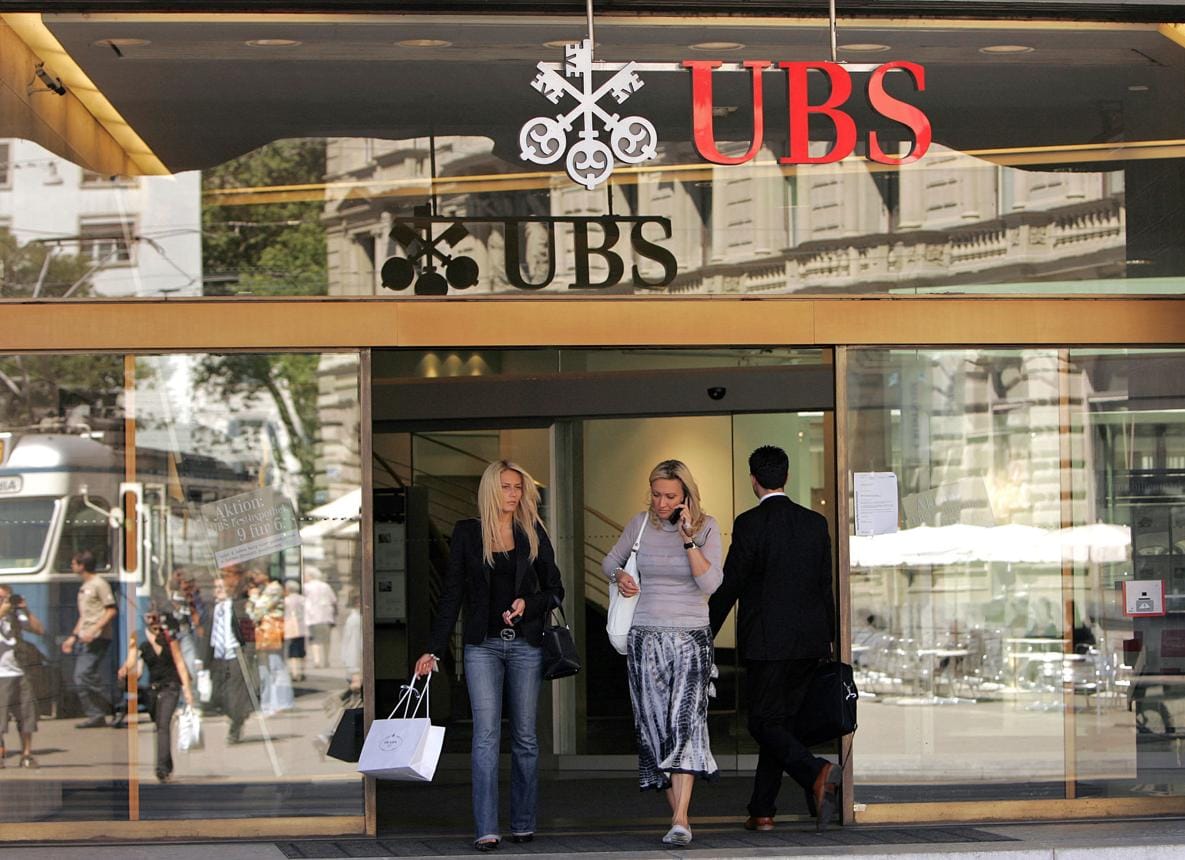
The United States Federal Reserve has officially lifted the enforcement measures imposed against UBS and the former Credit Suisse over the collapse of the Archegos hedge fund scandal.

According to the Federal Reserve, the restrictions introduced in 2023 were related to serious organisational and risk-management failures discovered within Credit Suisse during the collapse of Archegos Capital Management in 2021. The incident became one of the biggest financial disasters in the bank’s history.

In 2023, the Federal Reserve fined Credit Suisse and UBS a combined $268.5 million after identifying weaknesses in supervision, liquidity management, internal controls, and data management systems. Regulators also demanded major improvements to the banks’ compliance and oversight structures.

The enforcement action was coordinated with international financial regulators. Britain’s Prudential Regulation Authority imposed an additional £87 million fine, while Switzerland’s financial regulator FINMA ordered corrective measures after uncovering serious operational failures within Credit Suisse.

The collapse of Archegos Capital Management in March 2021 had a devastating impact on several international financial institutions. However, Credit Suisse suffered the largest losses among all affected banks. The scandal reportedly cost the Swiss bank nearly CHF5 billion and severely damaged investor confidence.

Archegos was managed by investor Bill Hwang, whose highly leveraged investment strategy triggered massive losses across global markets after the hedge fund collapsed.

Financial analysts widely view the Archegos crisis as one of the key events that accelerated the downfall of Credit Suisse before its emergency takeover by UBS in 2023. Since then, UBS has continued integrating Credit Suisse operations while working closely with global regulators to strengthen compliance systems.

The Federal Reserve’s decision to remove the measures suggests regulators are satisfied with the corrective actions taken by UBS following the acquisition and restructuring process.

Sri Lanka Mobile Embassy Service Successfully Held in Zurich, Switzerland

A mobile consular service organized by the Sri Lankan diplomatic mission in Zurich was successfully conducted on May 09 and 10, 2026, in collaboration with local Sri Lankan associations and community groups.

The initiative was coordinated by the Permanent Mission of Sri Lanka in Geneva to improve accessibility for Sri Lankans living in Switzerland. The service was designed to allow citizens to access essential embassy services without traveling long distances, ensuring greater convenience for the diaspora community.

The event was inaugurated by Sri Lanka’s Permanent Representative to the United Nations in Geneva, Ambassador Sumith Dassanayake. He stated that, under the guidance of Foreign Minister Vijitha Herath, similar mobile consular services will be expanded across Switzerland in the future, including cities such as Bern, Aargau, and Solothurn. The Zurich program marks the beginning of this broader initiative.

During the two-day service, the diplomatic team provided several important consular services. These included accepting passport applications, issuing birth registrations, providing e-BMD certified birth, marriage, and death certificates, processing dual citizenship applications, and certifying civil status documents and affidavits.

Alongside the consular work, the Ambassador also held discussions with key Sri Lankan community organizations in Switzerland, including the Swiss Sri Lanka Association and the Dharma Union (Hindu-Buddhist organization). These discussions focused on strengthening cooperation and improving services for the Sri Lankan community.

He also visited the Sri Bodhirajaramaya Buddhist Temple in Lenzburg and the Sri Sivasubramaniar Temple in Adliswil, where he engaged with community members and religious leaders to understand their concerns and needs.

This mobile embassy service is considered an important step toward improving diplomatic accessibility and delivering efficient public services to Sri Lankans living abroad.

Why Some Swiss Banks Avoid U.S. Citizens: The FATCA Effect Explained

Many people believe that citizens of the United States cannot open bank accounts in Switzerland. However, this is not entirely true. While it is possible for U.S. citizens to hold Swiss bank accounts, many Swiss banks choose not to accept them due to strict international tax regulations and compliance risks.

The main reason behind this situation is the U.S. law known as FATCA (Foreign Account Tax Compliance Act), introduced in 2010. This law requires all foreign banks to report financial information of U.S. citizens to the Internal Revenue Service (IRS). If banks fail to comply, they may face heavy penalties or restrictions from the U.S. financial system.

As a result, Swiss banks face significant operational challenges. One major issue is the increased administrative burden. Banks must collect additional tax documentation, maintain detailed reporting systems, and implement complex compliance software to track U.S. account holders.

Another concern is legal risk. Even small reporting errors can result in serious financial penalties. To avoid this risk, some banks prefer not to onboard U.S. clients at all and clearly state policies such as “U.S. persons not accepted.”

Historically, Switzerland was known for strong banking privacy laws. However, international pressure—especially from the U.S.—has significantly reduced banking secrecy. Investigations involving major banks like UBS played a major role in changing Swiss banking compliance rules.

Additionally, U.S. citizens are subject to worldwide taxation, meaning they must report global income regardless of where they live. This creates further reporting complexity for foreign banks handling their accounts.

Despite these challenges, not all Swiss banks reject U.S. citizens. Some institutions, including major banks and financial service providers such as PostFinance, may still allow accounts under strict conditions. These often include higher minimum balances, additional tax forms, enhanced compliance checks, and certain investment restrictions.

In summary, the issue is not discrimination against U.S. citizens. Instead, it is the result of strict U.S. tax laws, compliance costs, and regulatory risks that make it difficult for many Swiss banks to offer services to American clients.

Zurich Housing Shortage Takes Centre Stage Ahead of June 14 Vote.

The housing shortage in Canton of Zurich has become the dominant issue ahead of the upcoming June 14 vote, as voters prepare to decide on new measures aimed at improving housing availability and affordability.

Two popular initiatives are being put forward that seek to strengthen tenant protections against rising vacancies and promote the construction of more affordable housing. In response, the cantonal government and parliament have introduced a counter-proposal designed to balance housing development with regulatory oversight.

Affordable housing has become increasingly scarce across Zurich, with rising demand and limited supply driving up prices. One contributing factor highlighted in the debate is the demolition of older buildings, which are often replaced by high-cost developments that reduce the availability of affordable rental units.

A survey conducted by a tenants’ association found that 84% of renters fear termination of their lease agreements, reflecting growing uncertainty in the housing market.

The upcoming vote will determine how aggressively the canton intervenes in the housing market, with supporters of the initiatives calling for stronger protection for tenants and critics warning that excessive regulation could discourage investment and slow construction.

The issue has become one of the most closely watched regional political debates in Switzerland, as housing affordability continues to affect households across urban centres.

2026 FIFA World Cup Expected to Provide Limited Boost to Swiss Economy

The 2026 FIFA World Cup is expected to provide only a modest boost to the Swiss economy despite the tournament expanding to a record number of matches. The competition, hosted by the United States, Canada, and Mexico, will begin next month and feature 48 teams competing in 104 matches.

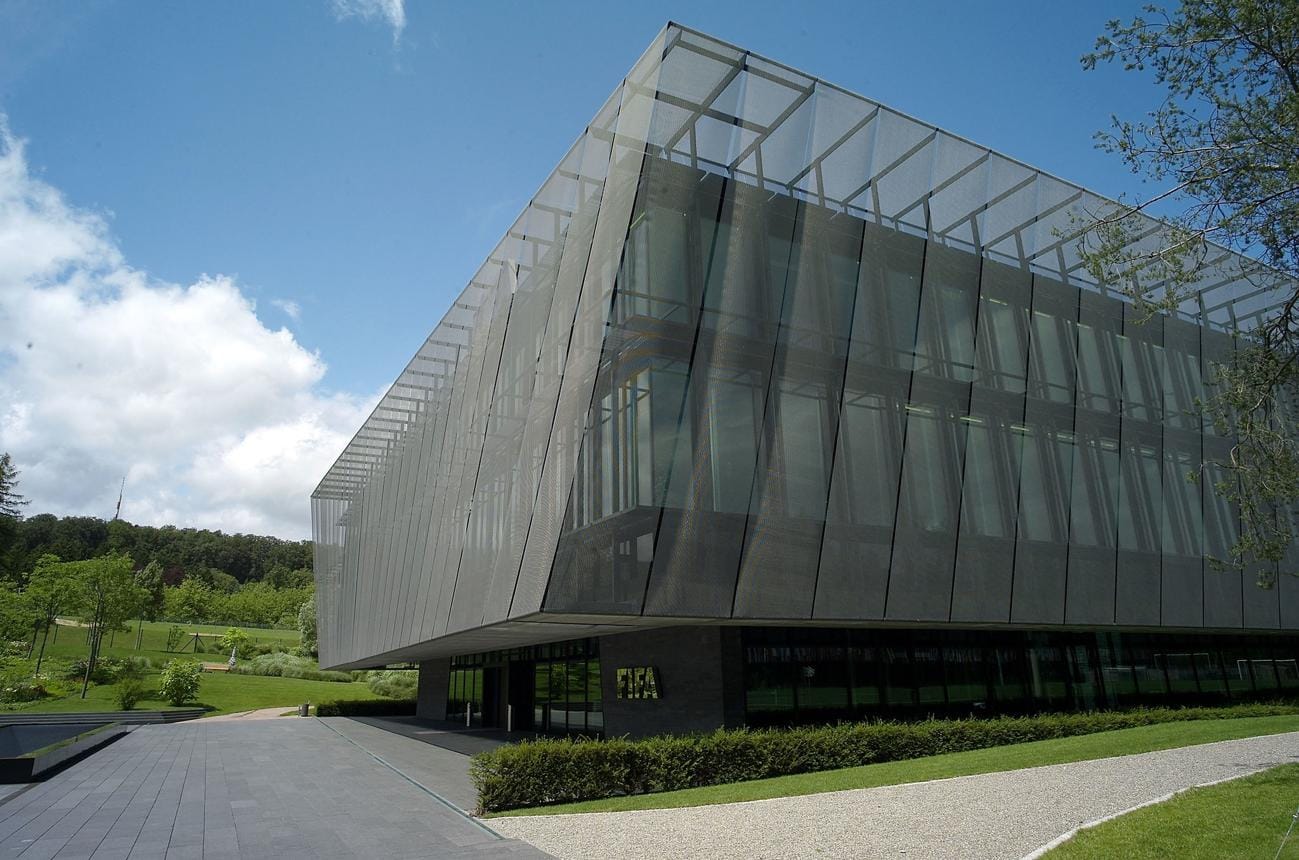
Although Switzerland is not hosting any matches, the country will still benefit economically because FIFA is based in Zurich. Revenue generated from broadcasting rights, sponsorship agreements, hospitality packages, and brand licensing is recorded as economic activity in Switzerland.

According to experts from the KOF Swiss Economic Institute, the tournament could increase Switzerland’s GDP in 2026 by approximately 0.3 to 0.4 percentage points. However, economists believe the overall impact will remain relatively limited.

Economist Alexander Rathke explained that the financial effects will likely stay within normal economic margins. While FIFA is expected to generate around CHF1 billion more in broadcasting revenue compared with the 2022 Qatar World Cup, the organisation has also significantly expanded its global football activities in recent years.

Analysts say the growing number of international football tournaments, including the FIFA Club World Cup and expanded women’s competitions, has reduced the unique economic significance of the men’s World Cup. BAK Economics noted that the broader expansion of FIFA and UEFA activities spreads economic effects across multiple events instead of concentrating them in a single tournament.

Experts also emphasized that the impact mainly exists on paper through accounting and financial reporting. The real economy and labour market in Switzerland are expected to experience only limited direct benefits, with relatively few new jobs created.

Nevertheless, increased revenues from international sports organisations continue to strengthen Switzerland’s position as a global hub for sports administration. FIFA and the International Olympic Committee generated approximately $8 billion in combined revenues during 2022, highlighting the growing financial power of global sporting institutions based in Switzerland.

Swiss economists now increasingly publish GDP figures excluding major sporting events in order to provide a clearer picture of the country’s actual economic performance.

Switzerland Launches Campaign to Stop Spread of Japanese Beetle

Switzerland has launched a nationwide awareness campaign to slow the spread of the invasive Japanese Beetle, which continues to threaten agriculture, plants, and ecosystems across several Swiss regions.

The Federal Office for Agriculture (FOAG) is asking travellers to carefully inspect their vehicles, luggage, and personal belongings when returning from affected regions in Switzerland and neighboring countries.

According to Swiss authorities, the Japanese beetle often spreads unnoticed through cars, trains, freight transport, and travel luggage. Infested areas currently include the entire canton of Ticino, parts of Graubünden and Valais, as well as northern Italian regions including Lombardy and Piedmont.

Swiss officials also reported major beetle infestations in the cantons of Basel and Zurich during 2025.

The awareness campaign will run across north-south transport routes, railway stations, freight terminals, tourist areas in Ticino, and online platforms. Authorities say public cooperation is now essential to slowing the insect’s spread.

Experts warn that while complete eradication is no longer possible in some affected regions, containment measures have successfully reduced the speed of expansion. Slowing the spread remains critical to protecting agricultural land and ecosystems north of the Alps where the beetle is still relatively rare.

The Japanese beetle is considered highly destructive because it feeds on hundreds of plant species, including crops, fruit trees, flowers, and grasslands.

Housing Prices Continue to Rise Across Switzerland in 2026

Housing prices in Switzerland continue to increase steadily in 2026, with major cities such as Zurich, Geneva, and Lausanne experiencing significant price growth in the property market.

According to recent 2026 housing market data, apartment prices across Switzerland have increased by nearly 4% annually, while prices for individual houses have risen by around 3%. Real estate experts say strong demand and limited housing supply continue to push prices higher across the country.

Property demand remains especially high in Zurich and other large urban areas. However, the pace of new housing construction has not matched the growing population and demand, creating pressure on the Swiss housing market.

Several major factors continue to drive the increase in Swiss housing prices. Rising immigration, limited construction of new homes, and low interest rates have contributed to higher demand for residential properties. Switzerland’s reputation as a safe and stable investment destination has also attracted both local and international investors.

Economic experts additionally point to Switzerland’s high salaries and strong employment opportunities as reasons why many foreign workers continue to move to the country. This growing workforce further increases demand for housing in major Swiss cities.

The continued rise in property prices has become an important topic among residents, investors, and policymakers. Many people are now concerned about long-term housing affordability, especially for middle-income families and first-time home buyers in Switzerland.

Zurich Hospital CEO Praises Whistleblower in Heart Surgery Scandal.

University Hospital Zurich CEO Monika Jänicke has publicly thanked the whistleblower who exposed serious irregularities within the hospital’s heart surgery clinic.

In an interview with SonntagsZeitung, Jänicke praised the former heart surgeon who first raised concerns about patient safety and unusual practices at the clinic.

She stated that the whistleblower’s actions “deserve all our respect” because he repeatedly brought attention to the alleged problems despite facing professional consequences.

The whistleblower reportedly lost his job after exposing the irregularities, although Jänicke declined to comment directly on his dismissal, noting that it happened before she became CEO in 2023.

The scandal emerged after an independent administrative investigation uncovered serious failures in the hospital’s cardiac surgery department between 2016 and 2020.

Investigators found that the clinic recorded between 68 and 74 more patient deaths than statistically expected during approximately 4,500 heart surgeries performed over the four-year period.

At the centre of the controversy is Francesco Maisano, who led the clinic during that time before leaving the hospital in 2020.

The investigation highlighted concerns surrounding the use of the Cardioband device, a heart valve implant developed by a company in which Maisano reportedly held financial interests.

Officials are examining whether the use of the device may have contributed to the unusually high mortality rate identified in the report.

Jänicke said discussions regarding compensation for victims and affected families are still premature but acknowledged that the issue could become part of future legal and administrative proceedings.

The scandal has sparked major public debate in Switzerland regarding patient safety, hospital oversight, medical ethics, and transparency in healthcare institutions.

University Hospital Zurich has since introduced stricter compliance systems and governance reforms aimed at preventing similar incidents in the future.