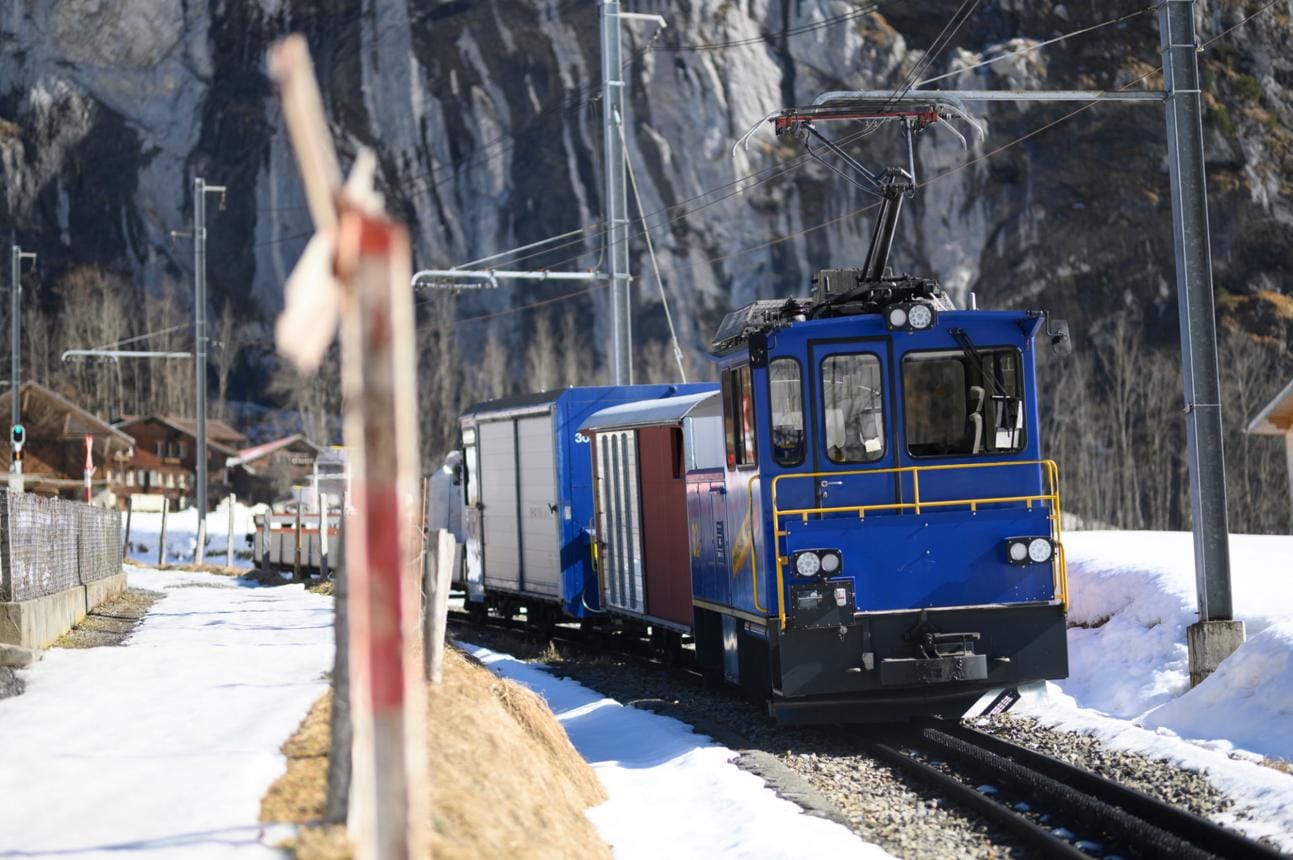
EU Approves Tougher Steel Import Tariffs Affecting Switzerland.

The European Parliament has approved stricter steel import regulations aimed at protecting the European market from global steel overcapacity, with the new measures also affecting Switzerland.

Under the revised policy, duty-free steel import quotas will be significantly reduced, while customs duties on imports exceeding the quotas will rise from 25% to 50%.

The new rules will apply to most non-EU countries, with exemptions only for members of the European Economic Area, including Norway, Iceland, and Liechtenstein. Switzerland unsuccessfully attempted to secure an exemption during negotiations in Brussels.

The European Commission stated that the measures comply with World Trade Organization regulations and are necessary to shield European steel producers from excessive global competition and market distortions.

European officials are currently negotiating updated steel quotas with more than 20 international partners, including Switzerland, as discussions continue over the economic impact of the new trade restrictions.

The tougher tariff framework is expected to take effect on July 1, 2026, pending final approval from EU member states.

The decision increases pressure on Swiss steel producers already facing challenges linked to rising energy costs, international competition, and slowing industrial demand across Europe.

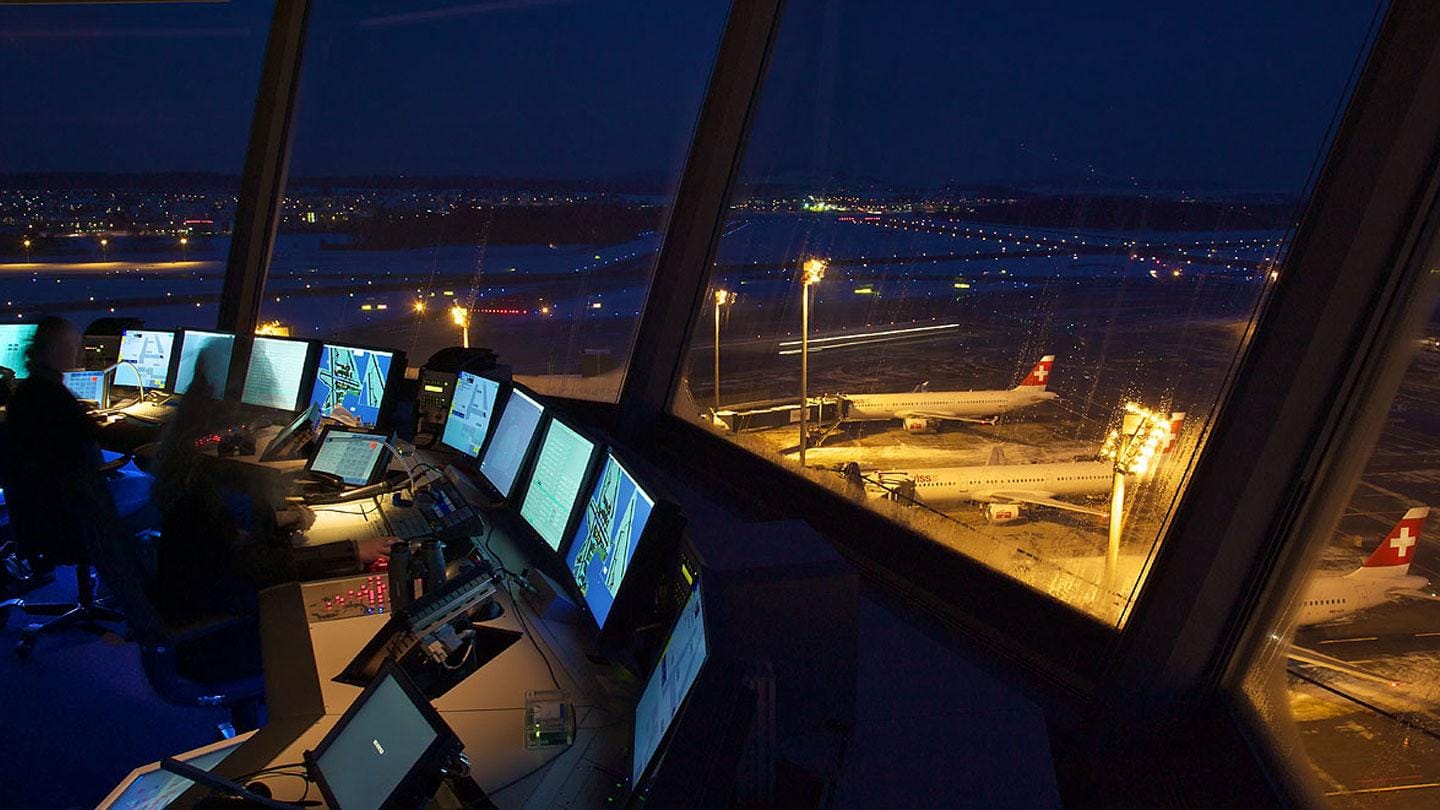
Fourteenth Suspect Charged in Crans-Montana Fire Investigation.

Swiss investigators have charged another individual in connection with the deadly Crans-Montana fire case, expanding the ongoing criminal investigation into one of the country’s worst recent tragedies.

According to reports from RTS, a municipal employee from Crans-Montana was formally placed under investigation during police questioning in the city of Sion on Tuesday.

The employee initially appeared before authorities as a person asked to provide information, a legal status positioned between witness and suspect. However, investigators reportedly interrupted the hearing and consulted prosecutors overseeing the case before changing the individual’s status to that of a formal defendant.

After being informed of the new status, the employee declined to continue the interrogation, which then ended.

Authorities believe the suspect may have had knowledge linked to renovation work carried out in 2015 at the Le Constellation bar, the site of the deadly fire. At the time, the employee worked in the Construction Department of the former municipality of Chermignon and currently remains active in the construction sector for the municipality of Crans-Montana.

The latest development brings the total number of individuals under investigation to 14. Those being investigated now include the bar owners, elected or former public officials, and several municipal employees.

The tragedy triggered widespread scrutiny over fire safety standards, renovation oversight, and administrative accountability in Switzerland. Investigators continue examining whether violations of construction regulations or oversight failures contributed to the disaster.

Swiss Air Traffic Controller Skyguide Plans Up

Skyguide has announced plans to reduce its workforce by up to 220 positions by the end of 2027 as part of a major restructuring aimed at improving financial stability and operational efficiency.

The Swiss air traffic control company is responding to rising personnel and systems costs, uncertain revenue forecasts, and increasing European efficiency requirements. Internal complexity has also been cited as a key reason for the planned changes.

The restructuring will be carried out in two phases. Around 90 jobs will be affected between September and November this year, followed by up to 130 additional positions between May and June 2027.

Sites including Geneva-Cointrin and the Dübendorf airfield are expected to be impacted by the cuts, although operational air traffic control roles will remain protected to ensure safety standards are maintained across Switzerland’s airspace.

Skyguide reported total expenditure of CHF 576 million in 2025, including CHF 382 million in personnel costs, highlighting the financial pressure driving the restructuring plan.

The company emphasized that safety and service continuity remain its top priorities. It stated that air traffic operations will continue without disruption throughout the restructuring process.

As part of a formal consultation procedure that began on Tuesday and runs until June 18, Skyguide is working with employee representatives to explore alternatives to job cuts. These include internal transfers, early retirement schemes, reduced external hiring, and limited recruitment.

Blackcap Becomes Switzerland’s Most Common Bird, Overtaking Chaffinch

The blackcap has become the most common bird species in Switzerland, overtaking the chaffinch, according to the 2025 bird monitoring programme by the Swiss Ornithological Institute.

Researchers report that there are now nearly one million breeding pairs of blackcaps across the country. The species has expanded significantly, benefiting from forest growth at higher altitudes and changing environmental conditions.

The study also suggests that more birds are choosing to remain in Europe during winter instead of migrating south, which has contributed to the blackcap’s population increase.

At the same time, chaffinch numbers have declined. Scientists say the reasons for this decrease remain unclear, describing it as puzzling due to the lack of identifiable causes.

Other common species such as sparrows and blackbirds continue to rank among the top ten most widespread birds in Switzerland. However, urban species like the street pigeon do not appear in the top 50.

The monitoring programme involved around 300 staff members from the Swiss Ornithological Institute, who dedicated more than 3,000 hours to collecting data on breeding bird populations across the country.

Experts say the findings highlight how climate change, habitat shifts, and migration behavior are reshaping Switzerland’s bird populations.

French Victim of Crans-Montana Fire Files Cross-Border Compensation Claim

A young French woman severely injured in the Crans-Montana bar fire in Switzerland has filed a compensation claim with the Crime Victims Compensation Commission (CIVI) at the Paris Judicial Court.

The 26-year-old victim suffered life-changing injuries in the New Year’s fire, which killed 41 people and injured more than 100 others. According to her lawyer, Sébastien Fanti, she sustained second- and third-degree burns covering 58.5% of her body and has lost the use of both hands.

The legal claim seeks compensation for severe physical, psychological, and functional damage, as well as the loss of her ability to work. While the exact amount has not been disclosed, the lawyer stated it reflects the “exceptional severity” of the injuries.

The legal action aims to use both Swiss and French legal systems to ensure the victim receives financial support to rebuild her life. The lawyer emphasized that while no compensation can undo the suffering, it can help provide a path toward recovery and stability.

The case is linked to a broader criminal investigation launched after allegations of culpable fire, grievous bodily harm, and violations of building safety regulations. The complaint was filed with the Valais public prosecutor’s office and targets individuals responsible for managing and supervising the premises.

The investigation also extends to potential administrative and political responsibility, as legal representatives argue that accountability may involve multiple levels of oversight failure.

Authorities in the canton of Valais have confirmed receipt of the complaint and continue to examine the circumstances surrounding the tragic incident.

Swiss Banking Fraud Cases Increase in 2025, Ombudsman Reports.

Financial fraud cases have increased in Switzerland in 2025, according to the Swiss Banking Ombudsman, with online banking and card payment scams driving most complaints.

The Swiss Banking Ombudsman handled 2,575 cases last year, marking a 4% increase compared with the previous year, as reported by Ombudsman Andreas Barfuss during a press conference.

Fraud-related complaints rose significantly to 316 cases in 2025, up from 270 in 2024. Officials said phishing attacks and digital payment fraud remain the most common issues affecting customers.

Regionally, 55% of complaints came from German-speaking Switzerland, while 23% originated from abroad. French-speaking Switzerland accounted for 19%, and Italian-speaking regions remained stable at 3%.

The report noted that in 90% of cases, the disputed amount was below CHF 100,000, indicating that most incidents involve relatively moderate financial losses.

Authorities emphasized that banks are not generally legally required to reimburse victims of such fraud cases. However, each complaint is assessed individually based on the circumstances and evidence provided.

Experts warn that the rise in digital fraud reflects growing cybersecurity risks as more banking services move online, highlighting the importance of stronger user awareness and preventive security measures.

Rising Fuel Prices Change Swiss Travel Habits, Survey Finds

Rising fuel prices are significantly changing travel behavior in Switzerland, as residents increasingly turn to public transport and more sustainable mobility options, according to a new survey.

A study conducted by Marketagent Schweiz found that 42.1% of respondents are now using public transport more often, while 35.2% report walking more frequently due to higher fuel costs.

The survey, based on 1,000 participants, also shows that 23.6% are cycling or using scooters more often, and 14.7% are working from home more regularly to reduce commuting expenses.

Despite growing concerns about persistently high fuel prices, more than half of respondents (56.9%) said they do not plan to switch to electric vehicles. Only 4.2% have already purchased an electric car, while 16.9% are considering doing so.

When asked about future car purchases, 32.6% of participants preferred hybrid vehicles. Petrol cars remained closely behind at 31%, while electric vehicles accounted for 26.1%. Diesel vehicles are declining in popularity, with just 7.1% of respondents considering them.

Industry data shows rising interest in electric mobility, with strong growth in searches and sales on platforms such as AutoScout24. However, the share of electric cars in overall registrations remains relatively stable at around 21.7%.

A separate analysis by Swisscharge highlights the cost advantage of electric vehicles. Charging an EV can cost around CHF 5.23 per 100 km, compared with CHF 11.08 for a petrol-powered car, especially when charging at home or at work.

Experts suggest that while cost pressures are encouraging behavioral change, long-term adoption of electric vehicles will depend on infrastructure expansion, affordability, and consumer confidence.

Preventive Culling Slows Wolf Population Growth in Switzerland

Preventive culling measures have successfully slowed the growth of the wolf population in Switzerland, according to a federal assessment covering regulatory actions since 2023.

The Federal Office for the Environment (FOEN) reported that more than 220 wolves have been killed across three regulatory phases, including animals removed before causing any recorded livestock damage.

During the most recent period from September 2025 to January 2026, authorities culled 77 wolves. In the previous 2024/2025 phase, 92 wolves were removed, while the initial shorter phase recorded 55. In all cases, the number of wolves shot remained below the maximum quotas authorized by federal authorities.

FOEN data shows that during the latest cycle, 76 wolves were removed through preventive measures and one following confirmed livestock damage. The government had approved the culling of approximately 115 wolves for that period.

Authorities state that the policy aims to manage wolf numbers in regions where livestock farming is affected while maintaining ecological balance. The approach reflects Switzerland’s effort to balance wildlife conservation with agricultural protection.

The federal government concludes that regulated culling has contributed to stabilizing wolf population growth, although debates continue over long-term wildlife management strategies and conservation ethics.

Six in Ten Swiss Companies Now Use AI, UBS Study Finds

A new study by UBS shows that around six out of ten companies in Switzerland are now using artificial intelligence, highlighting rapid but uneven adoption across the business sector.

Economist Alessandro Bee noted that while AI is widely used, most companies are not yet applying it in a structured or systematic way. The study found that smaller firms mainly use AI for data analysis, while larger corporations focus more on automating business processes.

Overall, Swiss companies view AI more as an opportunity than a risk. Many businesses expect the technology to significantly improve productivity and efficiency in the coming years.

However, concerns remain. Companies highlighted data protection, cybersecurity risks, and the possibility of incorrect decisions caused by flawed algorithms or poor-quality data as key challenges.

The survey also found that just over half of the companies plan to expand their use of AI or adopt it for the first time within the next five years. At the same time, nearly one-third of businesses currently do not use AI and have no plans to implement it in the near future.

UBS economist Pascal Zumbühl emphasized that AI adoption in Switzerland is growing, but not uniformly, with a clear divide between early adopters and companies still hesitant about the technology.

The findings suggest that AI will play an increasingly important role in Switzerland’s economic future, but its integration will depend on how businesses address trust, regulation, and implementation challenges.

Swiss Rail Freight Restructuring Impacts Nearly 200 Employees

Swiss Federal Railways is reorganizing its freight operations, leading to major internal changes that will affect nearly 200 employees across Switzerland.

The restructuring focuses on strengthening wagonload freight services (TWCI), where wagons from different customers are combined into single freight trains to improve efficiency and reduce operational costs.

The Swiss government has assigned SBB’s cargo division a public service mandate, requiring it to improve performance and ensure long-term sustainability in freight transport.

Under the new plan, the company aims to make freight operations profitable by 2033. SBB stated that the revised system will become significantly more efficient starting in December, as part of a broader modernization strategy.

As part of the restructuring, employees will either be relocated, retrained, or integrated into subsidiary companies or partner networks. The company emphasized that redundancies will remain rare and will be considered only as a last resort.

Around 30 employees in French-speaking regions of Switzerland are directly affected, with support measures offered to help them transition into new roles within or outside the organization.

The freight overhaul reflects Switzerland’s efforts to strengthen its logistics infrastructure while adapting to changing transport demands and financial pressures in the rail sector.