


Swiss Luxury Property Prices Continue to Rise

Luxury real estate prices in Switzerland continued to rise in 2025, although the pace of growth has started to slow, according to a new report by UBS.

The bank’s latest “UBS Luxury Property Focus 2026” report shows that Swiss luxury properties increased in value by an average of 3% over the past year. Despite the rise, growth in the luxury market was lower than the overall property market.

Luxury homes in mountain resort regions remained especially popular among wealthy buyers, particularly international investors seeking premium alpine properties.

According to the report, luxury property prices in Swiss mountain destinations climbed by around 6% last year, driven largely by demand from affluent foreign buyers.

St. Moritz remained the most expensive luxury property market in Switzerland, with average prices reaching approximately CHF52,000 per square metre.

It was followed by Gstaad and Verbier, where luxury real estate prices averaged around CHF45,000 per square metre.

UBS analysts noted that while demand for premium Swiss real estate remains strong, the market may soon stabilize as price growth slows and affordability pressures increase.

Switzerland’s political stability, secure economy, and attractive alpine lifestyle continue to make the country one of Europe’s most desirable destinations for high-end property investment.

Switzerland remains one of Europe’s most sought-after locations for luxury real estate investment due to its political stability, robust economy, and appealing alpine lifestyle.

Switzerland’s political stability, secure economy, and attractive alpine lifestyle continue to make the country one of Europe’s most desirable destinations for high-end property investment.

Swiss Minister Says Migrants Boost Economy

A senior Swiss minister has voiced strong support for migration, highlighting its economic benefits ahead of a key national vote in Switzerland.

The debate comes as the Swiss People’s Party pushes a proposal titled “No to 10 Million Switzerland,” which aims to limit the country’s population growth. The initiative seeks to curb immigration and will be put to a public vote on June 14.

Supporters of the proposal argue that rising immigration contributes to housing shortages and places increasing pressure on transport systems and public services.

However, Swiss Interior Minister Elisabeth Baume-Schneider has publicly defended migration, emphasizing its positive impact on the national economy. She stated that foreign workers play a vital role in strengthening Switzerland’s financial system.

According to the minister, migrants significantly contribute to the country’s pension system. She noted that foreign workers pay more into the pension scheme than they receive, effectively generating a surplus that supports long-term financial stability.

Her remarks come at a critical moment as voters prepare to decide on one of the most debated migration policies in recent years. The outcome of the referendum could shape Switzerland’s future approach to immigration and economic growth.

Swiss Job Market Shock: Major Layoffs Hit Leading Companies.

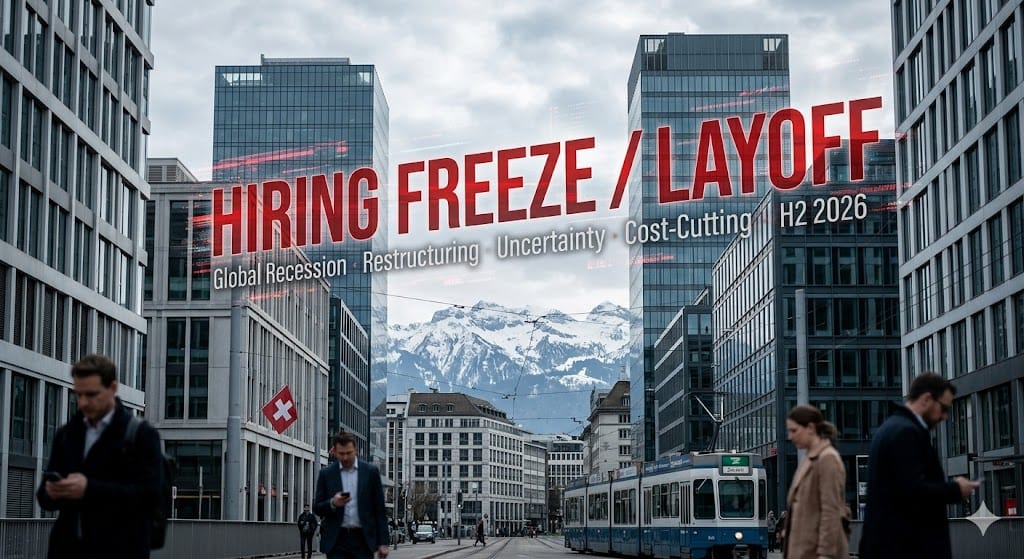
Switzerland’s job market is experiencing growing pressure as several major companies announce significant layoffs. Recent decisions by firms operating in Lucerne and other regions have raised concerns about employment stability across the country.

In Lucerne, two companies have confirmed workforce reductions this week. Andritz Beutler AG has announced that it will lay off 50 employees. Meanwhile, Serge Ferrari Tersuisse SA will cut 62 jobs in Emmenbrücke. Both companies stated that their foreign parent organizations in Germany and France made the final decisions.

Earlier, credit card provider Swisscard also revealed plans to reduce 40 positions in its Zurich office starting May 1. These announcements reflect a wider trend of restructuring across Switzerland’s corporate sector.

Between 2025 and 2026, several major companies are expected to eliminate thousands of jobs. Insurance giants Helvetia Insurance and Baloise Group plan to cut between 1,400 and 1,800 jobs after their merger process. Global banking group UBS is also reducing around 3,000 positions as part of its restructuring strategy. Logistics leader Kuehne + Nagel is planning to remove approximately 2,000 roles worldwide.

International organizations in Geneva, including United Nations agencies, are also implementing job cuts. Funding reductions from the United States have heavily impacted their operations. Additionally, companies are restructuring and shifting operations abroad to reduce costs and improve efficiency.

Experts say the Swiss labor market is entering a challenging phase as global economic pressures, mergers, and digital transformation reshape employment structures.