Jordan Refuses Full Cooperation in Swiss Weapons Inspection

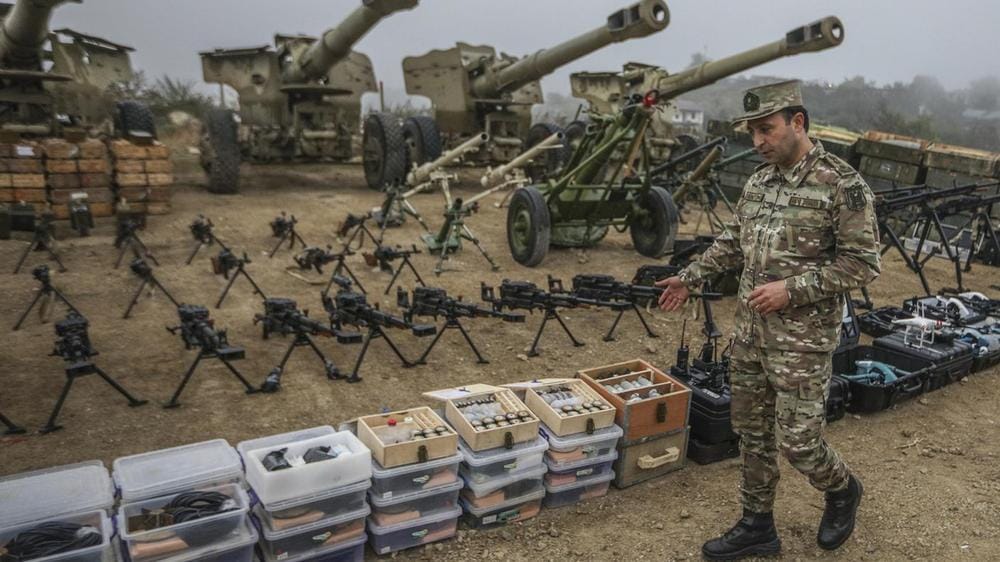
Jordan has refused to fully cooperate with Swiss inspectors conducting checks on weapons exported from Switzerland, raising concerns over compliance with international arms agreements.

According to a report from State Secretariat for Economic Affairs (Seco), Swiss officials visited Jordan in February 2025 as part of a post-shipment verification (PSV) process. These inspections ensure that Swiss-made weapons remain in the importing country and are not transferred without authorization.

The report revealed that Jordan prevented inspectors from examining certain weapons during the visit. Swiss authorities also reported that some individual weapons could not be located, increasing concerns about transparency and accountability.

Switzerland requires importing countries to follow strict rules regarding the resale or transfer of military equipment. Swiss officials say on-site inspections are essential for verifying whether countries respect these obligations.

The issue has sparked political debate in Switzerland as parliament recently approved changes to relax parts of the War Materiel Act. Under the revised law, importing countries may no longer need to provide guarantees against transferring Swiss weapons to third parties in every case.

Critics argue that loosening export controls could weaken oversight and reduce Switzerland’s ability to monitor how its military equipment is used abroad. Supporters, however, claim the reforms would simplify export procedures and improve the competitiveness of Swiss defense industries.

The law change now faces a national referendum after campaigners submitted more than 75,000 signatures demanding a public vote. Swiss voters are expected to decide on the issue no earlier than September 2026.

The debate highlights growing international concern over arms exports, military accountability, and the monitoring of defense agreements between countries.
Geneva Prepares Special Security Measures Ahead of G7 Summit in Evian

Authorities in Switzerland are preparing extensive security measures ahead of the upcoming G7 Summit scheduled to take place in Evian, France, near the Swiss border.

The Geneva Public Prosecutor’s Office has announced a large-scale operational plan to handle potential incidents during the summit, which will run from June 15 to June 17 on the French side of Lake Geneva.

Geneva public prosecutor Olivier Jornot said authorities are preparing for the “most dangerous scenario,” including possible mass arrests linked to protests or security incidents.

To manage the expected pressure, the prosecutor’s office plans to double or even triple its usual staffing levels during the summit period. Up to six prosecutors per day will reportedly be placed on standby to handle urgent legal procedures.

Officials also confirmed that routine hearings involving detainees will be significantly reduced during the summit in order to prioritize emergency response and security-related cases.

Security planning has identified two main risk areas. The first involves potential threats against heads of state and delegations, which falls under federal-level Swiss security responsibility. The second concerns civil disturbances, including protests, vandalism, and property damage, which will be handled by Geneva authorities.

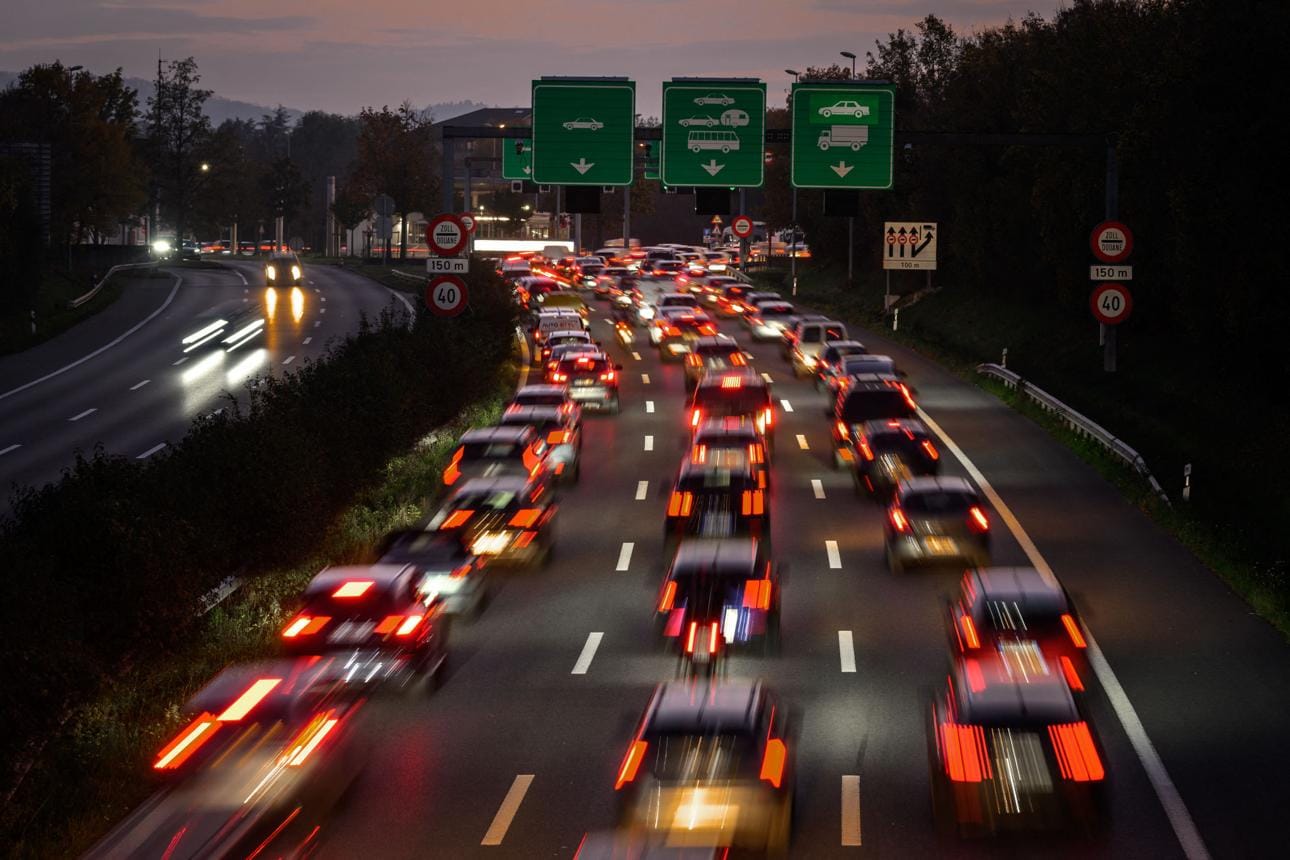
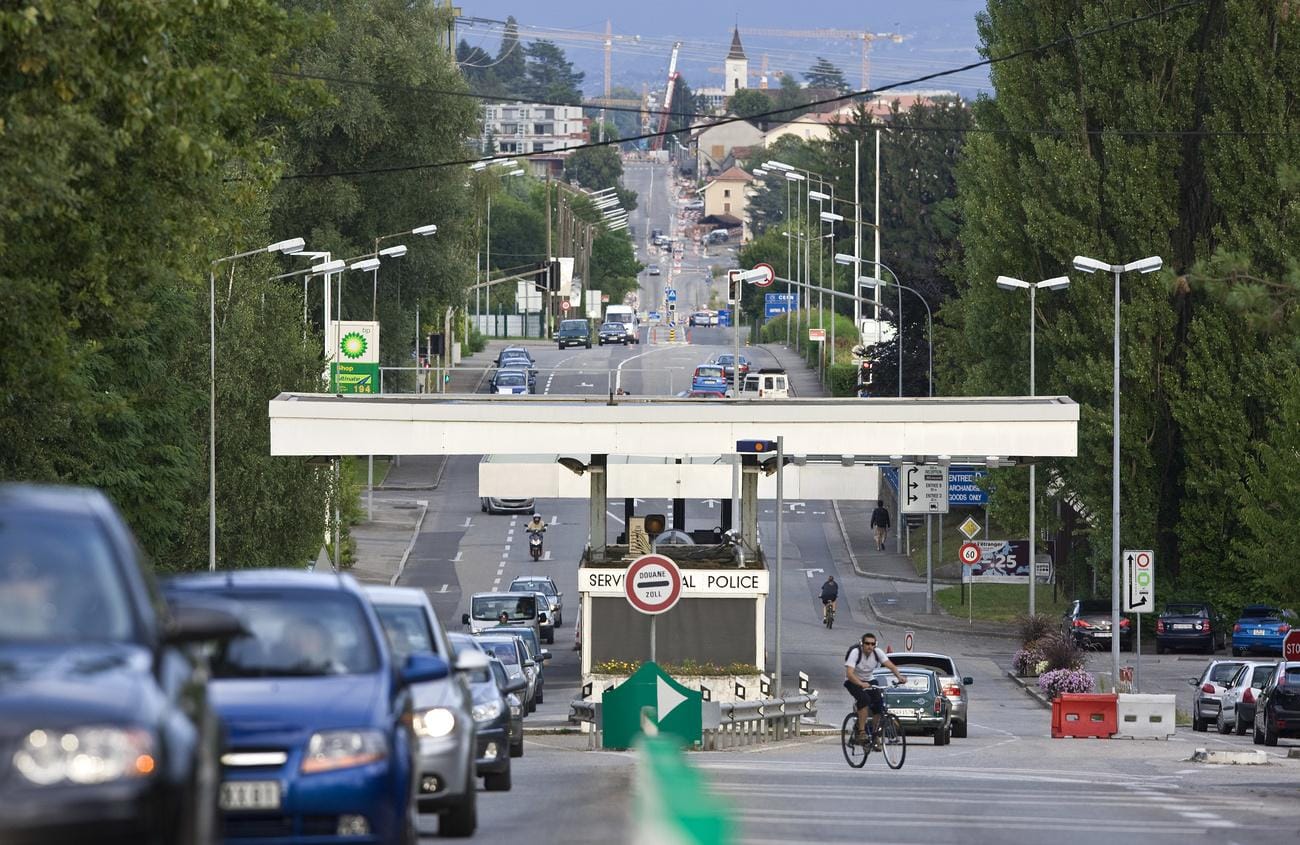
In response to these risks, Geneva will also tighten border controls during the summit period. Between June 12 and June 18, only seven of the canton’s 35 border crossings will remain open to regulate movement and strengthen security monitoring.

Authorities have cited lessons learned from the 2003 G8 summit in Evian, when protests led to significant damage on the Swiss side of the border.

The coordinated Swiss-French security strategy highlights the importance of cross-border cooperation during major international political events held in the Lake Geneva region.

Zurich Housing Shortage Takes Centre Stage Ahead of June 14 Vote.

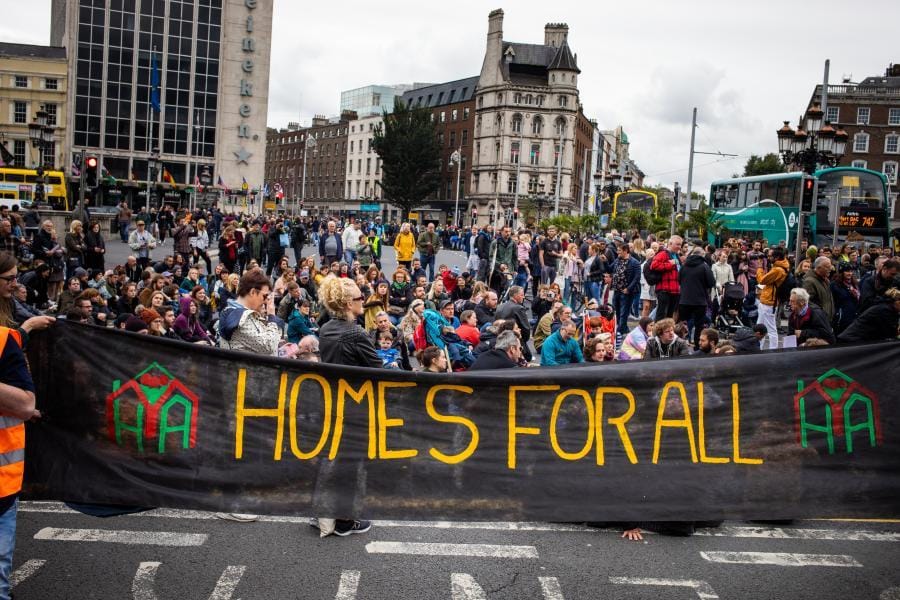
The housing shortage in Canton of Zurich has become the dominant issue ahead of the upcoming June 14 vote, as voters prepare to decide on new measures aimed at improving housing availability and affordability.

Two popular initiatives are being put forward that seek to strengthen tenant protections against rising vacancies and promote the construction of more affordable housing. In response, the cantonal government and parliament have introduced a counter-proposal designed to balance housing development with regulatory oversight.

Affordable housing has become increasingly scarce across Zurich, with rising demand and limited supply driving up prices. One contributing factor highlighted in the debate is the demolition of older buildings, which are often replaced by high-cost developments that reduce the availability of affordable rental units.

A survey conducted by a tenants’ association found that 84% of renters fear termination of their lease agreements, reflecting growing uncertainty in the housing market.

The upcoming vote will determine how aggressively the canton intervenes in the housing market, with supporters of the initiatives calling for stronger protection for tenants and critics warning that excessive regulation could discourage investment and slow construction.

The issue has become one of the most closely watched regional political debates in Switzerland, as housing affordability continues to affect households across urban centres.

Record CHF15.5 Million Spent on Swiss Immigration Referendum Campaigns

Political groups in Switzerland are spending record amounts ahead of the upcoming “No to ten million” immigration referendum, with campaign budgets reaching CHF15.52 million so far.

According to figures released by the Swiss Federal Audit Office, this is the highest declared campaign spending since Switzerland introduced mandatory political budget reporting rules.

Swiss voters are scheduled to head to the polls on June 14 to decide whether stricter immigration limits should be introduced.

The campaign supporting the initiative has so far declared CHF6.44 million in funding. Much of the financial backing comes from the Swiss People’s Party, including contributions from current and former politicians as well as business figures linked to the party.

Meanwhile, opponents of the proposal have declared approximately CHF9 million in donations. More than CHF4 million reportedly comes from Economiesuisse, the Swiss Business Federation, which argues that restricting immigration could damage the country’s economy and labour market.

The “No to ten million” initiative has become one of the most politically divisive issues in Switzerland, with supporters arguing that population growth is placing pressure on housing, infrastructure, and public services. Opponents warn that limiting immigration could weaken economic growth, worsen labour shortages, and reduce tax revenues.

Campaign spending linked to another national vote concerning amendments to the Civilian Service Act remains comparatively modest and more balanced between supporters and opponents.

Political analysts say the sharp rise in referendum campaign spending reflects the growing importance of immigration and economic policy debates in Swiss national politics.

Switzerland Backs Special Tribunal to Prosecute Aggression Against Ukraine

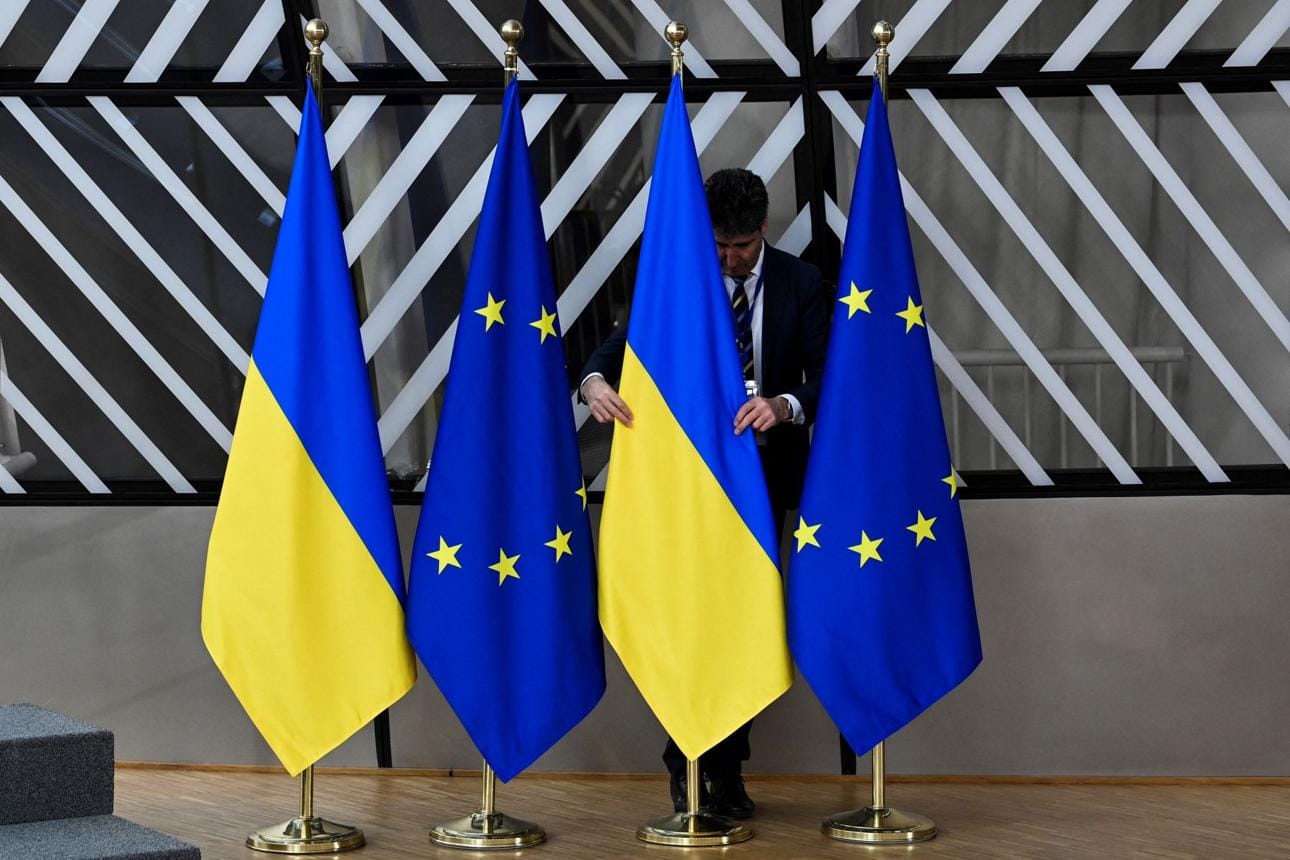
Switzerland has joined 35 other countries and the European Union in supporting the creation of a Special Tribunal for the Crime of Aggression against Ukraine.

The announcement was made during a meeting of foreign ministers organised by the Council of Europe in Chișinău.

Council of Europe Secretary General Alain Berset described the initiative as a decisive step toward establishing accountability for the attack on Ukraine. He said the tribunal represents “justice and hope” and stressed that political commitments must now be transformed into practical action through financing and operational support.

Swiss Foreign Minister Ignazio Cassis confirmed that Switzerland intends to support the tribunal, pending approval from the Swiss parliament.

According to Cassis, Switzerland fully supports the Council of Europe’s action plan for Ukraine and aims to send a clear international signal against impunity. He also highlighted Switzerland’s participation in the Register of Damages and the international framework designed to support compensation mechanisms related to the war.

The tribunal’s role will focus specifically on investigating and prosecuting individuals considered primarily responsible for the crime of aggression against Ukraine. It aims to complement the work of the International Criminal Court, which currently investigates war crimes, crimes against humanity, and genocide but lacks jurisdiction over the crime of aggression in this case.

The new court would become the first special tribunal established under the authority of the Council of Europe. Russia was expelled from the organisation following the outbreak of the war in Ukraine in 2022.

For the tribunal to become operational, support from at least 16 countries is required. Supporters say the initiative strengthens international law and reinforces efforts to pursue accountability for acts of aggression during armed conflict.

Court Bans In-Office Judge Romance

Switzerland’s highest judicial body has ruled that romantic relationships between federal judges are incompatible with the court’s professional standards and judicial customs.

The decision was made during an extraordinary meeting of all members of the Federal Supreme Court of Switzerland on Wednesday following public attention surrounding a relationship between two federal judges.

The controversy emerged after reports revealed a relationship between federal judge Beatrice van de Graaf and federal judge Yves Donzallaz. The matter became public in April through reporting by the German-language publication Weltwoche.

According to a statement released by the Federal Court, judges are expected to avoid behaviour that could raise concerns about their independence, impartiality, or the reputation of the judiciary.

The court announced that an independent panel of experts will examine the specific case involving the two judges. An external specialist has been tasked with clarifying the facts and reporting findings to the Administrative Commission of the Federal Court.

Officials stated that the investigation results are expected by the end of June, after which the court will decide on any further action.

While the inquiry into the individual case remains ongoing, the court separately confirmed that romantic relationships between members of the court are fundamentally considered incompatible with current judicial conduct standards.

The development has sparked debate in Switzerland regarding judicial ethics, independence, and personal conduct within the country’s highest legal institutions.

Swiss Court Convicts Businessman for Supplying Sensitive Goods to Russia

Switzerland’s Federal Criminal Court has sentenced a businessman to a suspended prison term after finding him guilty of illegally supplying sensitive materials to Russia in violation of Swiss export control laws.

The court handed the man a 16-month suspended prison sentence for multiple offences under the Swiss Goods Control Act, including attempted illegal exports linked to materials allegedly intended for a programme involving weapons of mass destruction.

According to prosecutors, the businessman worked for a company that distributes laboratory equipment, medical products, and pharmaceutical materials. Over a period of four years, he supplied and offered to supply goods to two individuals connected to the Russian trade mission in Bern.

Investigators stated that products worth around CHF75,000 were successfully exported to Russia, while additional offers totaling approximately CHF934,000 were proposed but never completed due to intervention by Swiss authorities in 2024.

The case highlights Switzerland’s strict regulations on dual-use goods and sensitive technologies that could potentially support military or prohibited weapons programmes.

Swiss authorities have intensified monitoring of exports linked to Russia in recent years, particularly following international sanctions and heightened geopolitical tensions.

The ruling underscores the country’s commitment to enforcing international non-proliferation rules and preventing the transfer of controlled materials that could threaten global security.

Switzerland Patriot System Costs May Double Amid Delays.

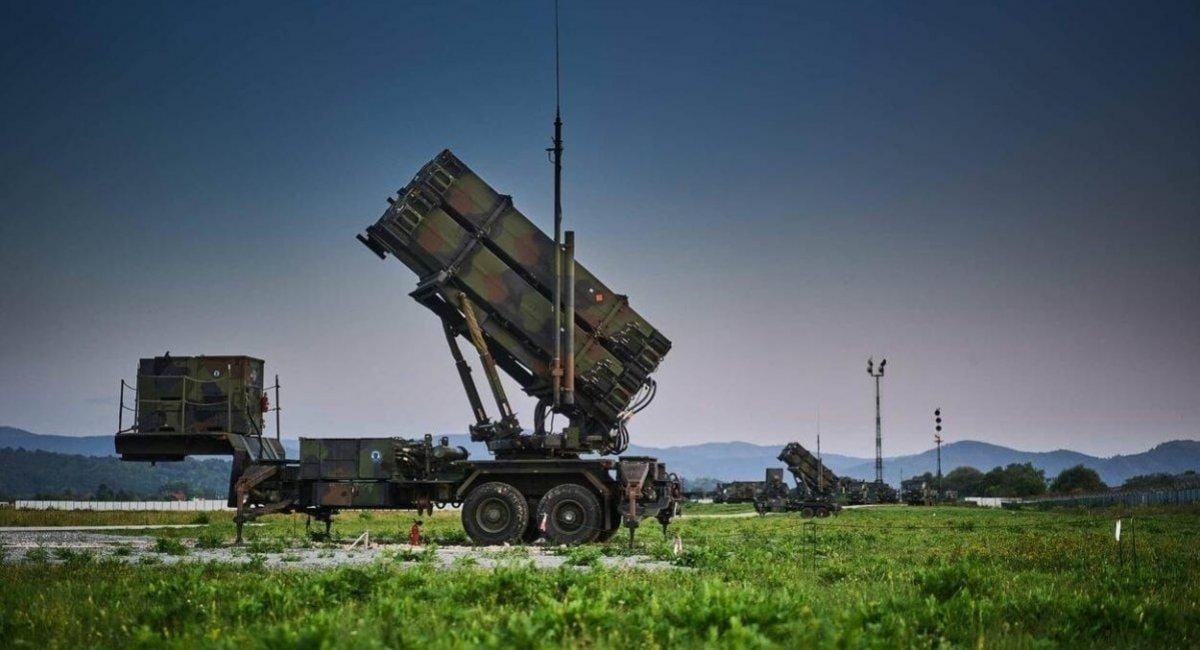
Switzerland is facing significantly higher costs and delays in its planned procurement of the US-made Patriot air defence system, according to reports from Swiss media outlets Tamedia and CHMedia.

The system, originally ordered for around CHF 2.3 billion, may now cost up to 50% more or even double, according to estimates cited by officials. A spokesperson from the Federal Office for Armaments (armasuisse) confirmed that expected additional costs are currently in the range of “50% plus,” although they did not confirm a full price doubling.

The Patriot system, developed by Raytheon, is a key component of Switzerland’s planned long-range air defence capability. However, its delivery timeline has been significantly disrupted.

Officials report that deliveries have already been delayed by several years due to global supply chain pressures and increased demand linked to the war in Ukraine. Media reports suggest that ongoing conflicts, including tensions in Iran, could cause further delays in production and deployment schedules.

Following the latest developments, the Swiss government has confirmed that procurement timelines will be pushed back by five to seven years, while overall costs are expected to rise substantially.

In April, the Swiss government decided to temporarily halt payments for the system. The Federal Council also stated that it has not ruled out cancelling the purchase entirely and instead considering alternative missile defence systems from European suppliers.

The government is expected to review options and make a final decision on the future of the project later this summer, as Switzerland reassesses its long-term air defence strategy.

France Demands Switzerland Reform Cross-Border Jobless Benefits System

France is increasing pressure on Switzerland to reform unemployment benefit rules for cross-border workers following a new agreement between Switzerland and the European Union.

French Labour Minister Jean-Pierre Farandou urged Switzerland to accelerate implementation of the revised system, which would shift responsibility for unemployment payments to the country where a person works rather than where they live.

Under the current arrangement, France pays unemployment benefits to many French residents employed in Switzerland after they lose their jobs.

French officials argue that this system creates a major financial burden for neighbouring countries with large numbers of cross-border commuters.

Speaking before the French parliament, Farandou stated that France currently loses around €860 million annually under the existing rules.

He noted that a timetable for implementation has already been agreed with Luxembourg and stressed that Switzerland must also comply with agreements linked to the European Union.

The reform proposal follows nearly a decade of negotiations between EU member states and aims to modernise rules affecting thousands of cross-border workers across Europe.

However, Swiss authorities have raised concerns about the financial impact of the changes.

According to estimates from the State Secretariat for Economic Affairs (SECO), Switzerland could face additional annual costs ranging between CHF600 million and CHF900 million if the new rules are implemented.

The issue is particularly significant for border regions where many residents commute daily between France and Switzerland for work.

Analysts say the debate could become an important topic in future Switzerland-EU relations and labour market negotiations.

The proposed reform highlights the growing economic and political challenges surrounding cross-border employment in Europe as governments seek fairer distribution of social welfare costs.

King of Switzerland’ Claim Sparks Political Controversy

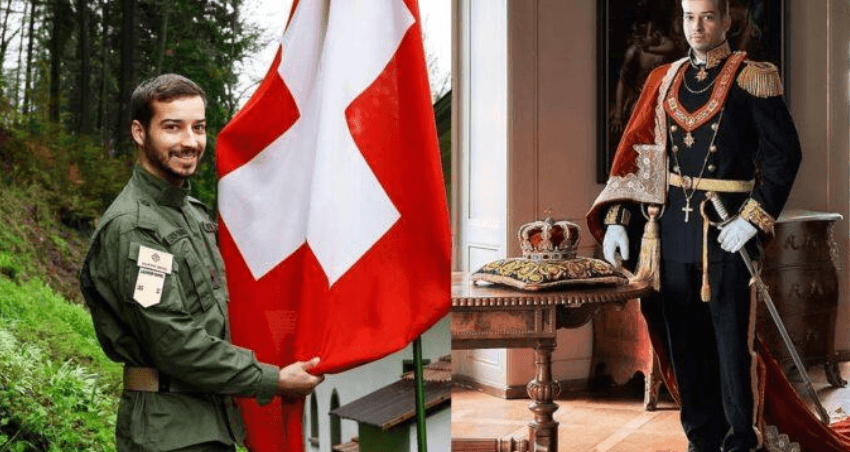
A 31-year-old man, Jonas Lauwiner, has triggered widespread political and legal debate in Switzerland after declaring himself the country’s “king” and claiming ownership of multiple unregistered land plots.

According to reports, Lauwiner has asserted control over 148 land parcels, covering approximately 117,000 square meters. His claims reportedly include 83 road sections, some of which are currently used by the public.

Legal Loophole Raises Concerns

Lauwiner is believed to have used a provision in Swiss law that allows individuals to claim ownership of land classified as “ownerless” by submitting a formal request to local authorities—often without payment.

Critics argue that exploiting this legal loophole for personal gain could set a dangerous precedent, especially if public-use areas fall under private control.

Political Backlash Intensifies

The move has sparked strong reactions from politicians and local communities. Lawmakers warn that such actions could undermine public access to shared infrastructure and open the door for similar claims by others.

Several cantons are now considering tightening regulations to prevent misuse of land ownership laws and to safeguard public property.


Public Access at Risk?

The controversy highlights broader concerns about balancing individual property rights with public interest. If such claims go unchecked, roads and commonly used areas could potentially become privately controlled spaces.

This unusual case has exposed gaps in Swiss land ownership regulations and triggered urgent discussions on legal reforms. Authorities are now under pressure to act quickly to prevent further exploitation.