Switzerland Weekly News Roundup: Citizenship, Jobs, Immigration & Rising Costs

Over the past week, Switzerland has witnessed major developments across politics, economy, and society. From stricter citizenship rules to rising job cuts, immigration debates, and increasing travel costs, several key issues have captured public attention.

Citizenship Rules Remain Strict

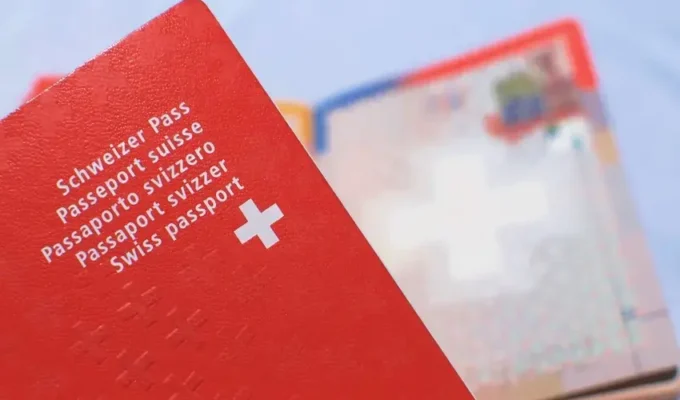
The Swiss National Council rejected the “Democracy Initiative,” which aimed to reduce the residency requirement for non-EU nationals from 10 years to 5 years for Swiss citizenship.

Lawmakers argued that easing the rules could weaken existing standards. As a result, Switzerland’s strict naturalization process will remain unchanged for now.

Job Cuts Increase Across Companies

Several companies announced layoffs, reflecting growing economic pressure:

  • Andritz Beutler AG – 50 job cuts
  • Serge Ferrari Tersuisse SA – 62 job cuts
  • Swisscard – 40 job reductions in Zurich

These decisions are largely influenced by parent company strategies in countries like Germany and France. The trend highlights cost-cutting measures across industries.

Immigration Helps Balance Aging Population

According to the Federal Statistical Office, immigration plays a vital role in stabilizing Switzerland’s aging population.

  • Average age of Swiss citizens: 44.5 years
  • Average age of foreign residents: 37.5 years

Most immigrants are of working age, contributing positively to the labor market and economic growth.

Flight Prices Surge Sharply

A study by Comparis revealed that airline ticket prices have increased by up to 77% over the past five years.

Due to rising fuel costs, airlines are reducing routes:

  • Edelweiss Air has suspended flights from Zurich to Denver and Seattle
  • Flights to Las Vegas are also being reduced

Travel during summer 2026 is expected to become significantly more expensive.

Immigration Debate Intensifies

The Swiss People’s Party is pushing a new immigration control proposal ahead of the June 14 national vote.

Recent polls suggest 52% public support, raising the possibility of a major policy shift, although similar proposals have failed in the past.

Warning Over Online Shopping Risks

Swiss consumers spend around CHF 15 billion annually on foreign e-commerce platforms. However, authorities warn that some imported products may not meet safety standards.

Politician Benjamin Roduit has proposed restricting access to non-compliant foreign websites. Officials, however, say monitoring all imports remains a major challenge.

This week’s developments highlight the key challenges facing Switzerland today—strict immigration policies, economic pressure, rising living costs, and consumer safety concerns.

As debates continue, issues like immigration, employment, and affordability are expected to remain central to Switzerland’s future.

Swiss Government Faces Criticism Over Actions Against Nurses Amid Shortage.

Labor unions in Switzerland have raised concerns over government actions affecting nurses, despite a severe shortage in the healthcare sector. The situation has triggered criticism and growing tension between healthcare workers and authorities.

Switzerland currently faces a shortage of approximately 14,000 nurses. Many hospitals and healthcare facilities struggle to fill vacancies, putting pressure on existing staff and reducing service efficiency.

Nurses have requested a reduction in weekly working hours from 50 to 45 hours. However, the Swiss National Council has rejected this demand. Instead of easing workloads, authorities continue to enforce existing policies, which unions argue worsen working conditions.

The government has also delayed proposals for higher pay on Sundays and public holidays. Officials have indicated that only a 25% increase in pay will apply, disappointing many healthcare workers who expected better compensation.

Labor unions warn that these decisions could deepen the crisis. They argue that failing to support nurses may lead to increased resignations and further shortages in the healthcare system.

The ongoing dispute highlights serious challenges in Switzerland’s healthcare sector. As pressure mounts, the government faces growing calls to take immediate action to support nurses and stabilize the system.

Swiss Voters Show Support for Anti-Immigration Proposal Ahead of Referendum.

Swiss Voters Back Anti-Immigration Proposal

A majority of voters in Switzerland have expressed support for a new anti-immigration proposal introduced by the Swiss People’s Party. The proposal aims to limit the country’s population growth and reduce the impact of migration.

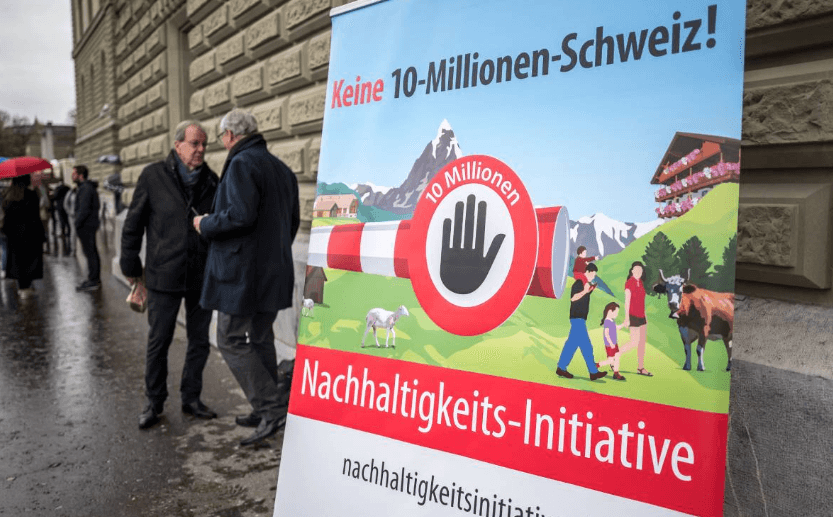
The initiative, titled “No to 10 Million Switzerland,” seeks to prevent the national population from exceeding 10 million. Supporters argue that controlling immigration will help maintain economic stability and protect infrastructure. Authorities have scheduled a nationwide referendum on June 14 to decide the proposal’s future.

Recent opinion polls show that 52% of Swiss voters support the proposal, while 46% oppose it. Only 2% of respondents remain undecided. The survey also highlights that women show slightly higher support for the initiative compared to men.

Supporters believe that rising immigration increases pressure on housing availability, transportation systems, and public services. They argue that limiting population growth will help ease these challenges and improve living conditions.

The proposal has sparked intense debate across Switzerland. While supporters emphasize sustainability and infrastructure concerns, critics warn that strict limits on immigration could affect economic growth and workforce availability.

As the referendum approaches, the outcome will play a key role in shaping Switzerland’s future immigration policy and demographic direction. The vote reflects growing public interest in balancing population growth with national resources.

Man Declares Himself King of Switzerland, Sparks Political Outrage

A man has declared himself the “King” of Switzerland, claiming authority over a private land area measuring approximately 117,000 square meters. The unusual announcement has quickly drawn attention across the country and triggered strong reactions from political leaders.

The individual reportedly marked his privately owned land as an independent kingdom. He claimed sovereign status and attempted to establish symbolic control over the area. While the land legally belongs to him, Swiss law does not recognize any form of monarchy or self-declared sovereignty.

Swiss politicians have openly criticized the move. Officials described the declaration as misleading and potentially harmful to public understanding of national laws. They emphasized that Switzerland operates under a federal democratic system, where no individual can claim royal authority.

Authorities are now reviewing whether the man’s actions violate any legal frameworks. Experts highlight that declaring a kingdom within Switzerland has no legal standing and may lead to consequences if it causes public confusion or administrative issues.

The incident has sparked widespread discussion online and in media circles. Some view the act as symbolic or attention-seeking, while others see it as a serious misuse of legal boundaries. The situation continues to attract public curiosity and debate.

This unusual case highlights the limits of private ownership and the importance of legal structures in modern democracies. Swiss authorities continue to monitor the situation closely as discussions around sovereignty and law gain momentum.