Swiss Economy Grows 0.5% Despite Oil Price Shock

The Swiss economy recorded stronger-than-expected growth in early 2026 despite global pressure from rising oil prices and ongoing trade uncertainties.

According to a flash estimate released by the State Secretariat for Economic Affairs (SECO), Switzerland’s gross domestic product (GDP) increased by 0.5% in the first quarter of 2026 compared to the previous quarter.

Both the industrial and service sectors contributed to this positive performance, showing resilience even amid external economic shocks.

The growth rate exceeded analysts’ expectations, which had predicted expansion between 0.3% and 0.4%, according to market surveys.

In the previous quarters, the Swiss economy showed mixed performance, including a 0.2% growth at the end of 2025 and a 0.5% contraction earlier due to tariff-related tensions.

SECO officials noted that improved business confidence played a key role in the recovery, along with easing tariff pressures and modest positive spillover effects from Germany’s economy.

However, economists remain cautious about the outlook. Rising oil prices, which increased significantly in March, could still affect economic momentum in the coming months.

Despite this, confidence indicators have remained relatively stable, suggesting that short-term growth may continue.

The Swiss government currently projects annual growth of around 1.0%, though this could be revised down to 0.8% if high energy prices persist.

A detailed GDP breakdown is expected in the upcoming full report scheduled for June 1, which will provide deeper insight into sector-specific performance.
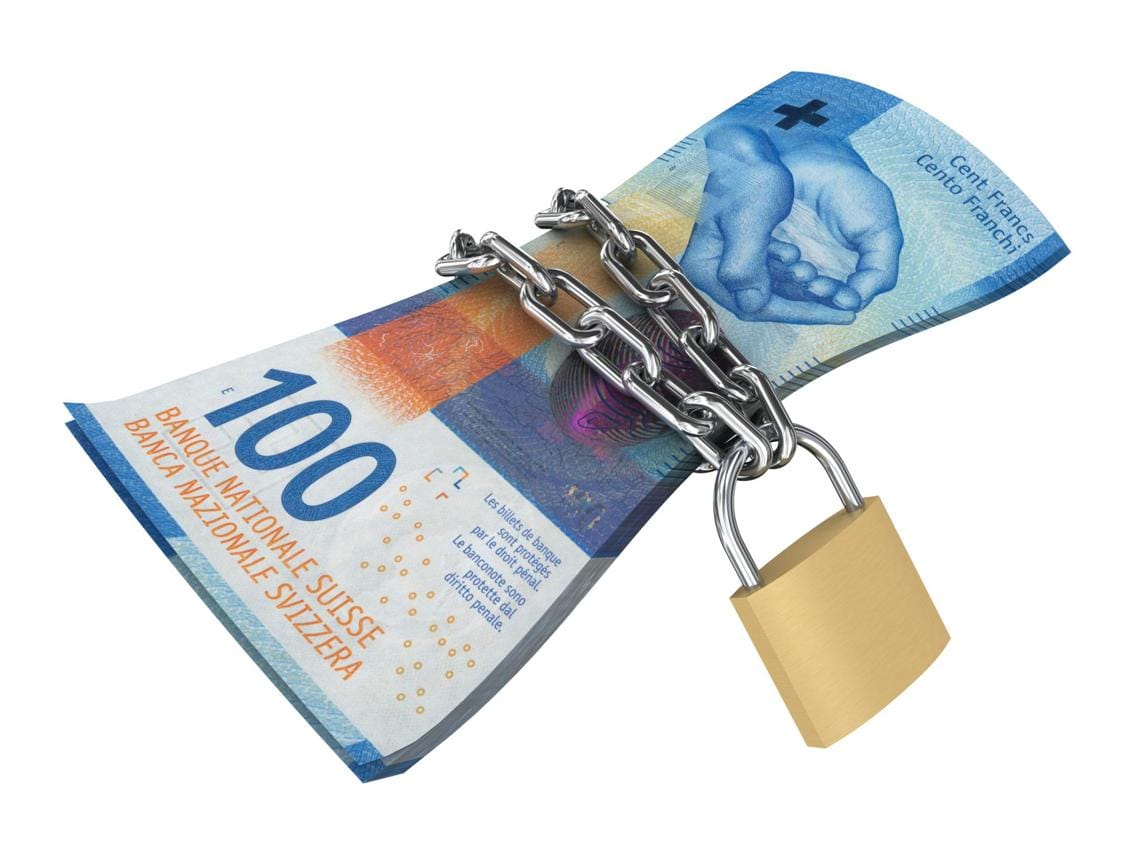
UBS Cleared in Archegos Case

The United States Federal Reserve has officially lifted the enforcement measures imposed against UBS and the former Credit Suisse over the collapse of the Archegos hedge fund scandal.

According to the Federal Reserve, the restrictions introduced in 2023 were related to serious organisational and risk-management failures discovered within Credit Suisse during the collapse of Archegos Capital Management in 2021. The incident became one of the biggest financial disasters in the bank’s history.

In 2023, the Federal Reserve fined Credit Suisse and UBS a combined $268.5 million after identifying weaknesses in supervision, liquidity management, internal controls, and data management systems. Regulators also demanded major improvements to the banks’ compliance and oversight structures.

The enforcement action was coordinated with international financial regulators. Britain’s Prudential Regulation Authority imposed an additional £87 million fine, while Switzerland’s financial regulator FINMA ordered corrective measures after uncovering serious operational failures within Credit Suisse.

The collapse of Archegos Capital Management in March 2021 had a devastating impact on several international financial institutions. However, Credit Suisse suffered the largest losses among all affected banks. The scandal reportedly cost the Swiss bank nearly CHF5 billion and severely damaged investor confidence.

Archegos was managed by investor Bill Hwang, whose highly leveraged investment strategy triggered massive losses across global markets after the hedge fund collapsed.

Financial analysts widely view the Archegos crisis as one of the key events that accelerated the downfall of Credit Suisse before its emergency takeover by UBS in 2023. Since then, UBS has continued integrating Credit Suisse operations while working closely with global regulators to strengthen compliance systems.

The Federal Reserve’s decision to remove the measures suggests regulators are satisfied with the corrective actions taken by UBS following the acquisition and restructuring process.

Switzerland Banking Safety: Which Bank is Best for Savings?

Choosing a safe and reliable bank for savings in Switzerland is an important financial decision, especially for residents and expats looking for long-term security. Swiss banking is globally known for stability, strong regulation, and high trust levels, but some banks are considered safer and more practical for savings than others.

Among all banking options, Cantonal Banks are widely regarded as the most secure choice. These banks are backed by the individual cantons (regional governments), which adds an extra layer of financial protection beyond the standard Swiss deposit insurance system. In Switzerland, deposits are generally protected up to CHF 100,000 under the esisuisse guarantee scheme.

One of the strongest examples is the Zürcher Kantonalbank. It is considered one of the safest banks in the country because it has full backing from the Zurich canton government. This strong government guarantee, combined with high financial ratings, makes it a preferred option for conservative savers.

Another popular choice is Raiffeisen Switzerland. It is known for its community-based banking model and stable operations across the country. Many users choose Raiffeisen for its balance between safety and competitive savings interest rates.

The global banking giant UBS is also widely used in Switzerland. While it offers strong international services and wealth management solutions, its deposit protection follows the standard Swiss system without additional cantonal guarantees.

Additionally, PostFinance is considered a conservative option with government-linked trust perception, making it a popular choice for everyday savings and transactions.

Financial experts in Switzerland often recommend diversifying savings across multiple banks if deposits exceed CHF 100,000. This is because spreading funds reduces risk exposure and ensures full protection under Swiss deposit insurance rules. A common strategy includes splitting funds between Zürcher Kantonalbank, Raiffeisen, and investment platforms.

For residents in Zurich, Zürcher Kantonalbank is often seen as the most practical and secure choice due to its strong government backing, lower fees, and stable reputation in the Swiss financial system.

Switzerland Avoids Recession Despite Oil Crisis, Study Finds.

A new economic study suggests that Switzerland is unlikely to fall into recession despite rising global oil prices and ongoing energy market tensions linked to the Middle East situation.

According to economists at Raiffeisen Group, Switzerland’s economy is expected to continue growing in 2026, with projected GDP growth between 0.5% and 1%, depending on different economic scenarios.

Chief economist Fredy Hasenmaile stated that although the current energy crisis resembles past oil shocks, Switzerland is in a much stronger position today compared to the 1970s. During the 1973 oil crisis, the Swiss economy suffered a sharp downturn, with GDP falling significantly and inflation rising sharply.

However, the study highlights that Switzerland has become far less dependent on oil over the decades. Oil now accounts for a smaller share of total energy consumption, while energy efficiency across industries has improved significantly. This structural change has reduced the economic impact of oil price increases.

Economists estimate that a 10% rise in oil prices now reduces Swiss economic growth by only around 0.05%, compared to a much stronger impact in past decades.

Despite this resilience, the report warns that risks remain. Switzerland still imports a large share of its energy, and transportation remains heavily dependent on fossil fuels. Additionally, Switzerland’s export-driven economy is closely linked to global markets, making it sensitive to international economic fluctuations.

Overall, analysts conclude that Switzerland’s improved energy efficiency, diversified economy, and strong institutional stability help protect it from recession, even during global energy shocks.

Financial Pressure Growing Among Switzerland’s Middle Class.

Financial pressure is increasing for many middle-class families in Switzerland, according to new data released by the Federal Statistical Office.

Although the majority of people in Switzerland are classified as middle income, many households are struggling with financial insecurity and rising living costs.

The Federal Statistical Office reported that around one in four people in the lower middle class would be unable to cover an unexpected expense of CHF 2,500 (approximately $3,200).

The findings are based on Switzerland’s household budget survey and research into income and living conditions.

According to the FSO, approximately 4.9 million people in Switzerland belonged to the middle-income category in 2024.

The classification includes single adults earning between CHF 4,228 and CHF 9,061 per month, as well as couples with two children earning a combined gross monthly income between CHF 8,800 and CHF 19,028.

However, the data show that financial difficulties are especially severe among the lower middle class, which represents roughly 2.3 million residents.

This category includes single individuals earning below CHF 6,041 monthly and families with two young children earning less than CHF 12,685 combined income.

Experts say rising housing costs, healthcare expenses, inflation, and everyday living costs continue to place increasing pressure on middle-income households across Switzerland.

The report highlights growing concerns over financial vulnerability even among people traditionally considered economically stable.

Economists warn that continued increases in living expenses could further weaken household purchasing power and long-term financial security for many Swiss residents.

EU Jobless Reform Could Cost Switzerland Up to CHF 900 Million

A proposed reform by the European Union on unemployment insurance rules for cross-border workers could significantly increase costs for Switzerland, according to estimates from the State Secretariat for Economic Affairs.

The Swiss government agency warned that the planned changes could result in additional annual expenses ranging between CHF 600 million and CHF 900 million (approximately $771 million to CHF 1.1 billion).

The reform, currently being discussed within the European Union, aims to change the system for paying unemployment benefits for cross-border workers.

Under the new proposal, responsibility for unemployment payments would shift from the worker’s country of residence to the country where the individual last worked before becoming unemployed.

SECO published the cost estimates on its official website, following earlier reporting by the Swiss newspaper Neue Zürcher Zeitung.

However, Swiss authorities stressed that the figures remain highly uncertain due to limited data on unemployed cross-border workers.

Officials stated that a more accurate financial assessment will only be possible once the final version of the EU regulation is approved.

Before implementation, the proposal must be accepted by both the EU Council and the European Parliament. An EU diplomat reportedly expressed confidence that the reform is likely to pass.

The issue is particularly important for Switzerland due to its large number of cross-border workers from neighboring EU countries, especially in regions such as Geneva, Basel, and Ticino.

Experts warn that any change in benefit responsibility could place additional pressure on Switzerland’s unemployment insurance system and federal budget.

Swiss Government Responds to Epstein Property Questions.

The Switzerland government says it cannot confirm whether late American financier Jeffrey Epstein owned property in Switzerland.

The statement came in response to a parliamentary inquiry submitted following growing attention on Epstein’s alleged Swiss connections revealed in recent months.

In its official response, the Swiss Federal Council stated that it has “no knowledge” of any property purchases made by Epstein in Switzerland. However, authorities also acknowledged that they cannot completely rule out the possibility.

The government explained that oversight of foreign property purchases falls under the responsibility of individual Swiss cantons rather than federal authorities.

Swiss officials remained cautious when responding to additional parliamentary questions related to Epstein’s activities and potential financial links within Switzerland.

Interest in Epstein’s international network intensified after United States authorities released approximately 3.5 million declassified pages connected to investigations involving the convicted sex offender, who died in prison in 2019.

According to multiple media reports, Epstein allegedly financed educational opportunities for several young women in Switzerland and maintained connections with influential figures in international finance.

The revelations have renewed public and political discussions about financial transparency, oversight of international wealth, and Switzerland’s historical links to high-profile global figures.

Swiss authorities have not announced any criminal investigation related to the reported property questions.

The case continues to attract international attention due to Epstein’s extensive network of global contacts and the ongoing release of previously classified information connected to his activities.

Monaco Fines UBS €6 Million Over Money Laundering Failures.

UBS has been fined €6 million by Monaco’s financial watchdog over serious failures linked to anti-money laundering and counter-terrorism financing controls.

The penalty was imposed by the Monegasque Financial Security Authority, which accused the Swiss banking giant’s Monaco subsidiary of multiple compliance breaches between 2018 and 2023.

According to the regulator, UBS failed to maintain effective internal controls and did not adequately meet legal obligations related to identifying high-risk clients and monitoring suspicious financial activity.

The AMSF stated that the repeated nature of the shortcomings demonstrated a broader failure within the institution’s compliance system.

Investigators found delays in reporting suspicious transactions and weaknesses in the preparation of the bank’s overall risk assessments.

The regulator also criticized UBS for failing to properly verify customer identities, income sources, and beneficial ownership structures — especially in complex corporate arrangements involving multiple ownership layers.

Authorities noted that more than half of UBS Monaco’s client base was classified as medium to very high risk, increasing the importance of strict compliance procedures.

The case highlights growing international pressure on major financial institutions to strengthen anti-money laundering systems and improve transparency in global banking operations.

Switzerland’s banking sector has faced increased scrutiny in recent years regarding financial crime prevention, transparency standards, and international regulatory compliance.

The fine adds to broader concerns across Europe about illicit financial flows, hidden ownership structures, and the role of global banks in preventing money laundering activities.

Switzerland Chicken Consumption Surge Drives Imports Higher

Chicken consumption in Switzerland has increased significantly over the past few years, reflecting a major shift in dietary habits. Consumers are choosing poultry more frequently, making it one of the most popular meat options in the country.

In 2024, the average per capita chicken consumption reached 15.9 kilograms. This marks a 70% increase compared to the year 2000. While pork consumption has declined and beef remains stable, chicken has gained a dominant position in everyday diets.

In 2025, more than 82 million chickens were raised for meat production in Switzerland. Despite this large-scale production, domestic supply still falls short of demand. As a result, nearly one-third of chicken meat is imported from countries such as Brazil.

Restaurants and fast-food chains have played a key role in boosting chicken consumption. Chicken-based meals have become increasingly popular, and several international food brands that previously struggled in Switzerland are now succeeding by focusing on poultry offerings.

The growing demand has created new opportunities for local farmers. Many farmers are shifting from dairy production to poultry farming. While dairy farming faces price pressure, poultry farming offers more stable returns and better pricing structures.

This shift indicates a broader transformation in Switzerland’s agricultural sector. Farmers are adapting to changing consumer preferences and market conditions, ensuring a steady supply of poultry products in the future.

The rapid rise in chicken consumption highlights evolving food trends in Switzerland. As demand continues to grow, both imports and local production will play a crucial role in meeting consumer needs.

Switzerland Records Lowest Tax Burden in Europe, Says OECD Report.

Switzerland continues to offer one of the lowest tax burdens in Europe, according to a new report by the Organisation for Economic Co-operation and Development. The findings highlight a major financial advantage for residents despite the country’s high cost of living.

The OECD report, released on April 22, reveals that Switzerland ranks among the lowest-taxed countries within its 38 member nations. Only a few countries, including Colombia, Chile, New Zealand, and Mexico, report lower overall tax contributions.

On average, individuals in Switzerland pay around 22.9% of their income in taxes and social security contributions. This figure stands well below the OECD average of 35.1%, making Switzerland the lowest-tax country in Europe.

Families with children enjoy even greater financial advantages. Tax deductions vary across cantons, but dual-income households with two children see their tax burden drop from 22.9% to approximately 17.1%. Larger families benefit from even higher reductions.

Residents can expect additional tax relief in 2026. Local governments across several cantons have approved tax reductions and adjustments linked to lower inflation. These changes aim to reduce financial pressure on households.

Tax savings vary by region. Residents in Geneva can expect savings of at least 1,000 Swiss francs. In Zurich, St. Gallen, Graubünden, and Ticino, savings range between 500 and 1,200 francs. Areas such as Lucerne, Aargau, and Schwyz also report significant reductions.

Several factors explain Switzerland’s low tax rates. The country maintains a very low unemployment rate, allowing more people to contribute to tax revenue. In addition, Switzerland spends less on social welfare programs compared to countries like Sweden, promoting a system where individuals remain financially independent.

For many residents, including members of the Tamil community living and working in Switzerland, these lower taxes provide financial relief. However, experts advise careful financial planning due to the country’s high living costs.

Switzerland’s low tax structure continues to strengthen its economic appeal. With further tax reductions expected in 2026, residents are likely to experience improved financial stability despite rising living expenses.