Britain Faces Growing Food Crisis Warning.

Food experts warn that Britain is moving toward a major food crisis driven by extreme weather, rising inflation, and global geopolitical tensions. Industry leaders say the government must act urgently to strengthen national food security before conditions worsen.

Farmers across the UK are struggling through severe heatwaves after an unusually dry spring. High temperatures are reducing crop yields, stressing livestock, and increasing wildfire risks. Experts believe the economic damage could reach hundreds of millions of pounds.

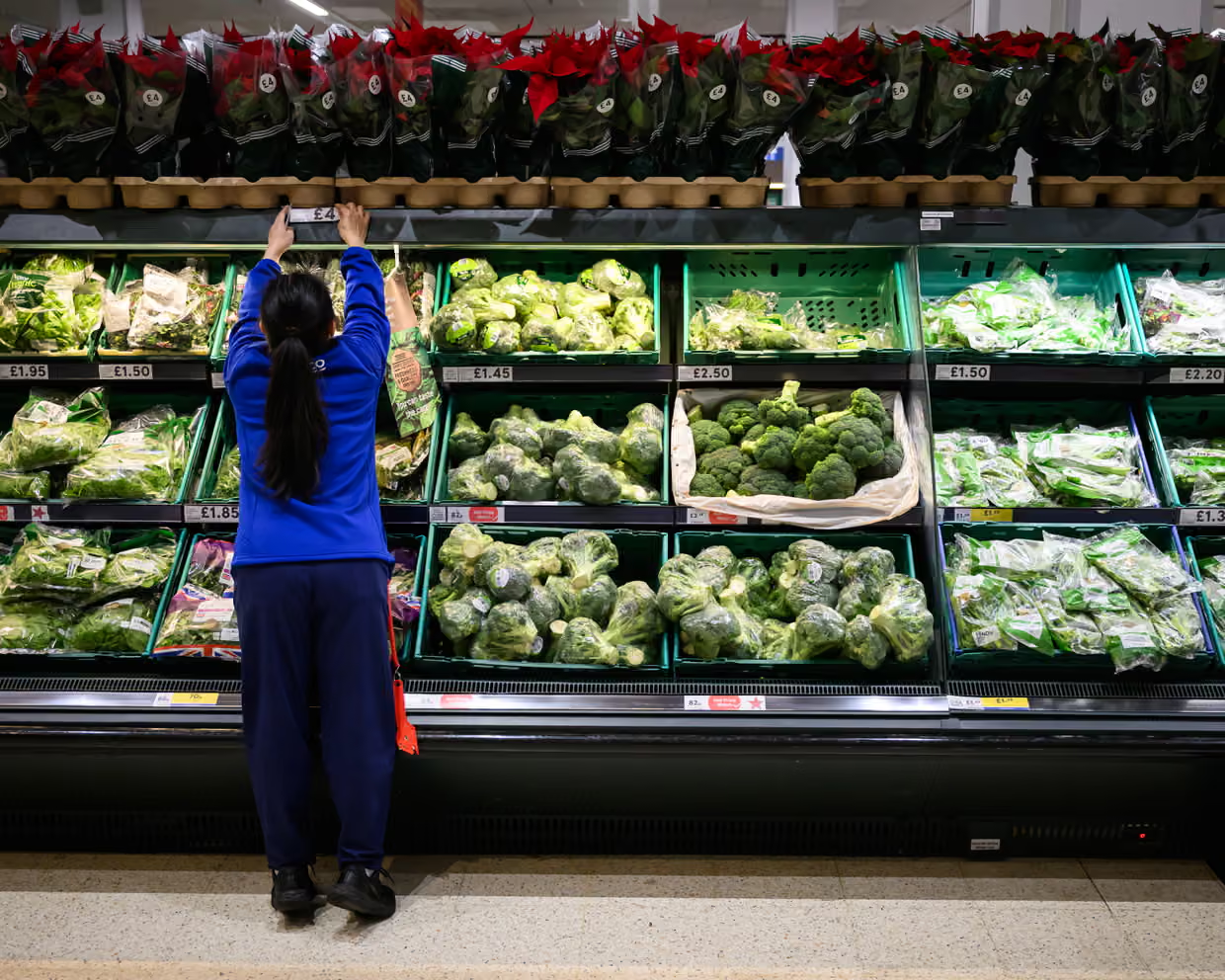
Food inflation already continues to pressure British households. Analysts predict food prices could become 50% higher this November compared to levels seen five years ago. Ongoing climate disruptions and supply chain instability are expected to worsen the situation further.

The conflict involving Iran also adds pressure on global fuel and fertiliser markets. Experts warn that disruptions near the Strait of Hormuz continue to affect international trade routes, increasing costs for farmers and food producers worldwide.

A coalition of food policy experts has written to UK ministers demanding an updated national food strategy. The group calls for stronger domestic food production, better protection against supply chain shocks, and improved public access to affordable and healthy food.

Food policy specialist Tim Lang criticises the government for treating the crisis as “business as usual.” He warns that climate change, inflation, and geopolitical instability are creating long-term risks to national food security.

Retired General Richard Nugee also describes food security as a major national security issue. He says supply disruptions and rising living costs could increase public frustration if the government fails to maintain stable and affordable food supplies.

Experts now urge Britain to prepare for a future shaped by extreme weather, global instability, and increasing pressure on agricultural systems.
Asian Tourist Drop Slows Swiss Summer Tourism Growth.

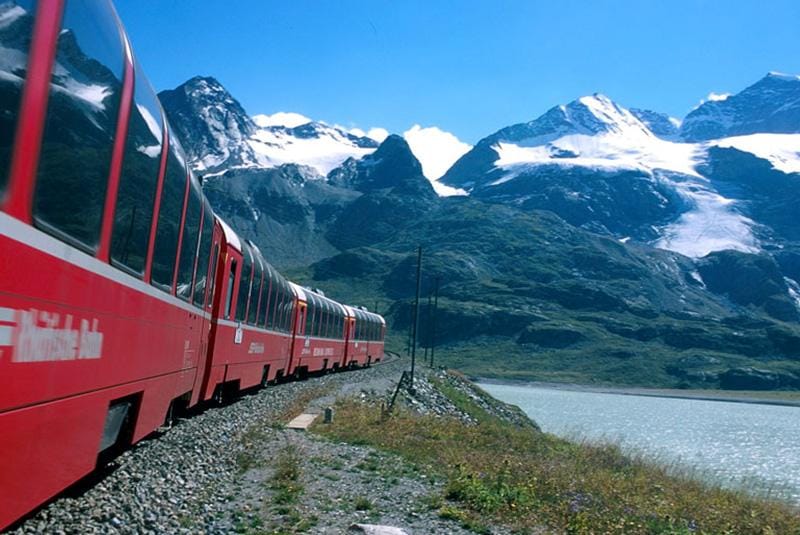
Switzerland’s summer tourism sector is expected to slow down in 2026, mainly due to a sharp decline in visitors from Asia. According to the latest forecast from the KOF Swiss Economic Institute at ETH Zurich, overnight hotel stays are projected to fall by 1.6% to around 24.8 million.

Researchers highlight that the ongoing Iran conflict is having a significant impact on global travel patterns, particularly long-haul flights. Rising fuel costs, higher airfares, and longer or less secure flight routes are discouraging many international tourists from travelling to Switzerland this summer.

The study shows that foreign guest overnight stays are expected to decline by 2.9% to 13 million. The biggest drop is predicted in visitors from Asia, which could fall by around 10% to 1.5 million overnight stays. Chinese tourists are expected to see an even sharper decline of approximately 25.7%, reducing their total to 0.4 million.

Asian visitors play an important role in Switzerland’s tourism economy, especially in major cities where long-distance tourism supports hotels, retail, and guided services. Their share of foreign overnight stays is expected to drop from 12.4% in summer 2025 to about 11.5% this year.

While international tourism is weakening, domestic demand is showing slight growth. Swiss residents are expected to generate around 11.8 million overnight stays, marking a modest increase of 0.2%. European visitors are also expected to remain relatively stable at 6.7 million overnight stays, a slight decrease of 0.4%.

Experts explain that European travellers are less affected because they can still reach Switzerland easily by car, train, or short-haul flights. In contrast, long-distance travel markets are more sensitive to fuel prices and geopolitical uncertainty.

Looking ahead, the winter season 2026/27 is expected to remain stable, with around 18.7 million overnight stays forecast. Unlike the summer season, winter tourism relies more on regional visitors and Swiss residents, making it less vulnerable to global disruptions.

The KOF also noted that the previous winter season was strong overall, although momentum slowed towards the end due to weaker snow conditions and early effects of global conflict.

SWISS to Cut Administrative Staff by 10% in Cost-Saving Drive

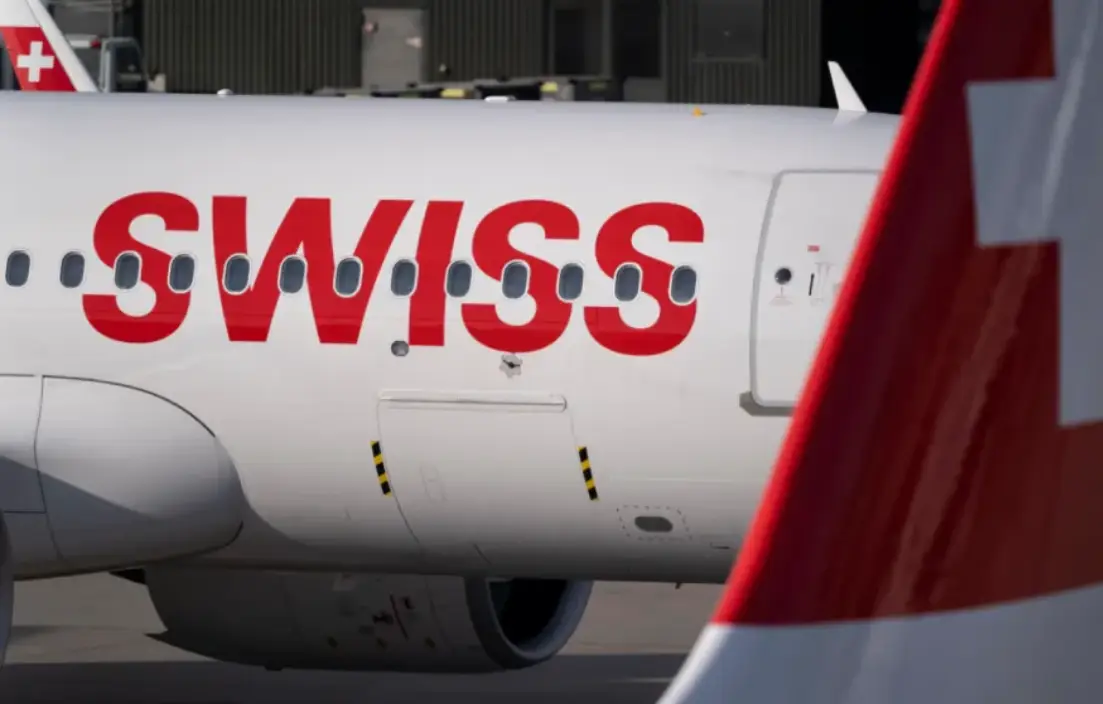
Swiss International Air Lines (SWISS) has announced plans to reduce its administrative workforce by around 10% as part of expanded cost-saving measures.

SWISS Chief Executive Officer Jens Fehlinger confirmed the decision in an interview published by the Swiss newspaper NZZ am Sonntag.

According to Fehlinger, the airline aims to lower administrative staffing levels without implementing forced redundancies.

Instead, SWISS plans to achieve the reduction through voluntary departures and incentive-based programmes designed to encourage employees to temporarily or permanently leave their positions.

The airline is reportedly offering financial incentives similar to measures previously introduced for cabin crew members.

Under the new programme, administrative staff who choose unpaid leave could receive compensation worth up to 20% of the base salary savings generated by their absence.

The move comes as airlines across Europe continue adjusting operational costs amid changing travel demand, rising competition, and economic pressures within the aviation sector.

SWISS has already introduced several efficiency measures in recent months to strengthen long-term financial stability while maintaining flight operations and customer services.

Industry analysts say many airlines are increasingly focusing on reducing back-office expenses and streamlining administration rather than cutting frontline operational staff.

Despite the planned reduction, SWISS stated that it remains committed to avoiding compulsory job cuts and maintaining a stable working environment for employees.

The airline continues to play a major role in Switzerland’s aviation industry and international connectivity.

Swiss Glaciers Record Major Snow Deficit Across Regions

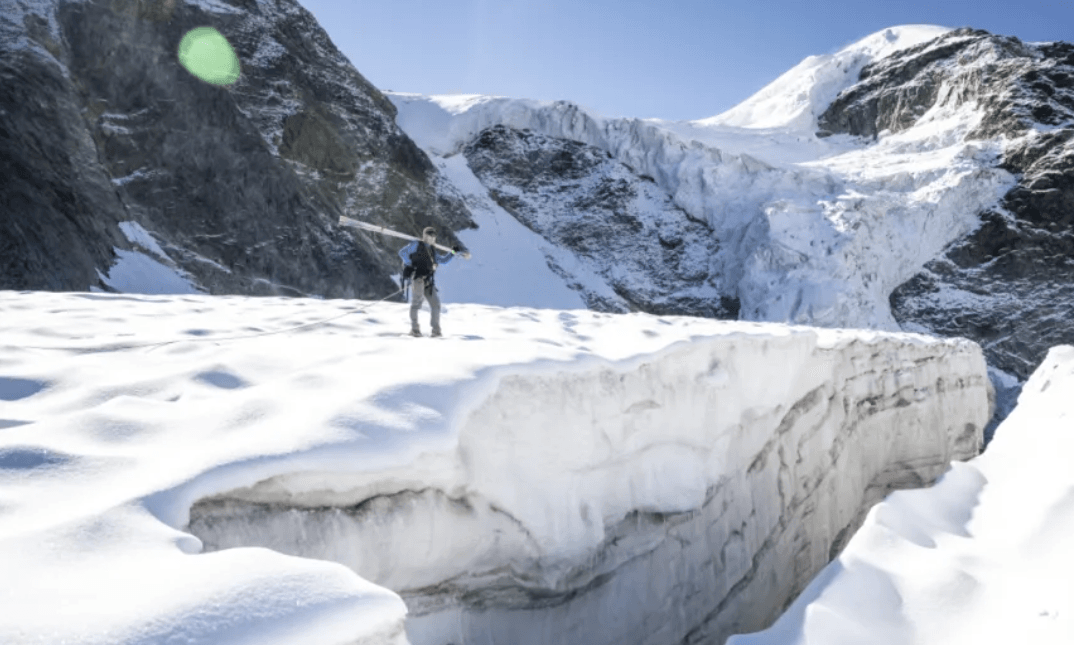
Glaciers across Switzerland are experiencing a significant snow deficit this winter, raising concerns about accelerated melting during the upcoming summer season.

According to the Swiss Glacier Monitoring Network, snowfall levels were substantially below average across several key regions, including Upper Valais, Ticino, and Graubünden.

The monitoring organization reported that winter 2025–26 shows an average 25% snow deficit compared to the 2010–2020 baseline.

GLAMOS collected measurements from 25 glaciers across Switzerland during April, revealing that a warm and unusually dry spring contributed heavily to reduced snow accumulation.

Some regions, such as the Bernese Oberland and central Valais, were less affected and remain closer to long-term seasonal averages. However, other glacier zones show clear signs of reduced snowpack.

Experts warn that low winter snow cover is critical because it acts as a protective layer that slows glacier melt during warmer months. Without sufficient snow insulation, glaciers absorb more heat and lose mass more rapidly.

Scientists now expect that the reduced snow cover could intensify glacier retreat in 2026, continuing the long-term trend of ice loss observed across the Swiss Alps.

Switzerland’s glaciers have already been shrinking for decades due to rising temperatures, and this winter’s deficit may further accelerate the process.

Climate researchers emphasize that continued monitoring is essential to understand how extreme weather patterns are impacting alpine ice reserves.

Swiss Consumer Confidence Rises Slightly but Remains Weak

Consumer confidence in Switzerland has shown a slight improvement in April, but overall sentiment remains weak as households continue to face economic uncertainty and persistent high prices.

According to data released by the State Secretariat for Economic Affairs, the consumer confidence index rose to -40.0 points in April, up from -42.9 in March. In February, the index had already dropped sharply from -30.4, indicating continued volatility in public sentiment.

Despite the monthly improvement, the index remains below the long-term average of -37.5, highlighting ongoing economic concerns among Swiss households.

On a year-on-year basis, consumer confidence improved slightly by 2.4 points, but expectations for the future remain cautious.

A key driver of the slight improvement is the better perception of the overall economic outlook. The sub-index measuring expected economic development rose from -67.9 to -58.0 in April.

However, this figure is still far below its long-term average of -33.6, showing that consumers remain pessimistic about future economic growth.

Experts note that job insecurity, inflationary pressure, and high living costs continue to weigh heavily on household sentiment.

While some stabilization is visible, economists caution that consumer confidence in Switzerland is still fragile and could be affected by global economic conditions, interest rate changes, and geopolitical uncertainty.

Ticino Retailers Struggle as Cross-Border Shopping to Italy Surges

Retailers in Ticino are coming under increasing pressure as cross-border shopping in nearby Italy continues to rise sharply, shifting consumer spending away from local stores.

According to industry estimates, the value of purchases made abroad by Ticino residents has grown from around Swiss Franc 500 million to CHF 700 million over the past five years. Many residents now rely heavily on supermarkets and retail outlets across the border in Italy for everyday goods.

Enzo Lucibello, president of the Ticino Association of Large Retailers (Disti), confirmed the trend, citing data reported by Corriere del Ticino and global VAT refund operator Global Blue.

A key factor behind the increase is Italy’s revised VAT refund policy. Since February 1, 2024, the minimum spending threshold for tax-free purchases has been reduced to €70, encouraging more Swiss shoppers to shop across the border.

The city of Como has seen a 6% rise in tax-free spending over the past two years, significantly above the national average. Swiss consumers account for 61% of total VAT refund spending, making them the largest group of cross-border shoppers.

Data shows that while non-EU customers tend to spend on luxury goods, Swiss shoppers primarily purchase groceries and everyday products. In fact, around one in two Swiss users of the VAT refund system shop mainly in supermarkets near the border.

The trend continues to challenge local retailers in Ticino, raising concerns about the long-term impact on the region’s domestic retail sector.

Switzerland Chicken Consumption Surge Drives Imports Higher

Chicken consumption in Switzerland has increased significantly over the past few years, reflecting a major shift in dietary habits. Consumers are choosing poultry more frequently, making it one of the most popular meat options in the country.

In 2024, the average per capita chicken consumption reached 15.9 kilograms. This marks a 70% increase compared to the year 2000. While pork consumption has declined and beef remains stable, chicken has gained a dominant position in everyday diets.

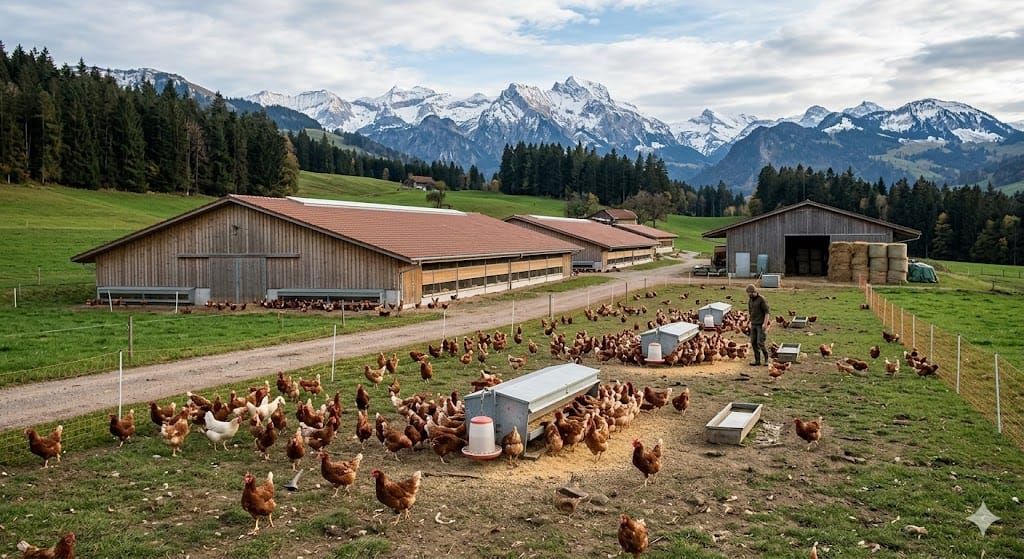
In 2025, more than 82 million chickens were raised for meat production in Switzerland. Despite this large-scale production, domestic supply still falls short of demand. As a result, nearly one-third of chicken meat is imported from countries such as Brazil.

Restaurants and fast-food chains have played a key role in boosting chicken consumption. Chicken-based meals have become increasingly popular, and several international food brands that previously struggled in Switzerland are now succeeding by focusing on poultry offerings.

The growing demand has created new opportunities for local farmers. Many farmers are shifting from dairy production to poultry farming. While dairy farming faces price pressure, poultry farming offers more stable returns and better pricing structures.

This shift indicates a broader transformation in Switzerland’s agricultural sector. Farmers are adapting to changing consumer preferences and market conditions, ensuring a steady supply of poultry products in the future.

The rapid rise in chicken consumption highlights evolving food trends in Switzerland. As demand continues to grow, both imports and local production will play a crucial role in meeting consumer needs.

Switzerland Records Lowest Tax Burden in Europe, Says OECD Report.

Switzerland continues to offer one of the lowest tax burdens in Europe, according to a new report by the Organisation for Economic Co-operation and Development. The findings highlight a major financial advantage for residents despite the country’s high cost of living.

The OECD report, released on April 22, reveals that Switzerland ranks among the lowest-taxed countries within its 38 member nations. Only a few countries, including Colombia, Chile, New Zealand, and Mexico, report lower overall tax contributions.

On average, individuals in Switzerland pay around 22.9% of their income in taxes and social security contributions. This figure stands well below the OECD average of 35.1%, making Switzerland the lowest-tax country in Europe.

Families with children enjoy even greater financial advantages. Tax deductions vary across cantons, but dual-income households with two children see their tax burden drop from 22.9% to approximately 17.1%. Larger families benefit from even higher reductions.

Residents can expect additional tax relief in 2026. Local governments across several cantons have approved tax reductions and adjustments linked to lower inflation. These changes aim to reduce financial pressure on households.

Tax savings vary by region. Residents in Geneva can expect savings of at least 1,000 Swiss francs. In Zurich, St. Gallen, Graubünden, and Ticino, savings range between 500 and 1,200 francs. Areas such as Lucerne, Aargau, and Schwyz also report significant reductions.

Several factors explain Switzerland’s low tax rates. The country maintains a very low unemployment rate, allowing more people to contribute to tax revenue. In addition, Switzerland spends less on social welfare programs compared to countries like Sweden, promoting a system where individuals remain financially independent.

For many residents, including members of the Tamil community living and working in Switzerland, these lower taxes provide financial relief. However, experts advise careful financial planning due to the country’s high living costs.

Switzerland’s low tax structure continues to strengthen its economic appeal. With further tax reductions expected in 2026, residents are likely to experience improved financial stability despite rising living expenses.

Fertiliser Supply Disruption Due to Iran Conflict Could Impact Global Food Production

Global Fertiliser Crisis Raises Food Security Concerns

Global food production could face serious pressure as disruptions in fertiliser supply threaten agricultural output worldwide, according to industry experts.

The chief executive of one of the world’s largest fertiliser producers, Yara, has warned that ongoing conflict in the Gulf region is affecting the transport and production of essential fertiliser materials.

The disruption, linked to instability in and around Iran, has led to restricted shipping routes through the Strait of Hormuz, a key global trade passage for energy and agricultural inputs.

Possible Impact on Global Food Production

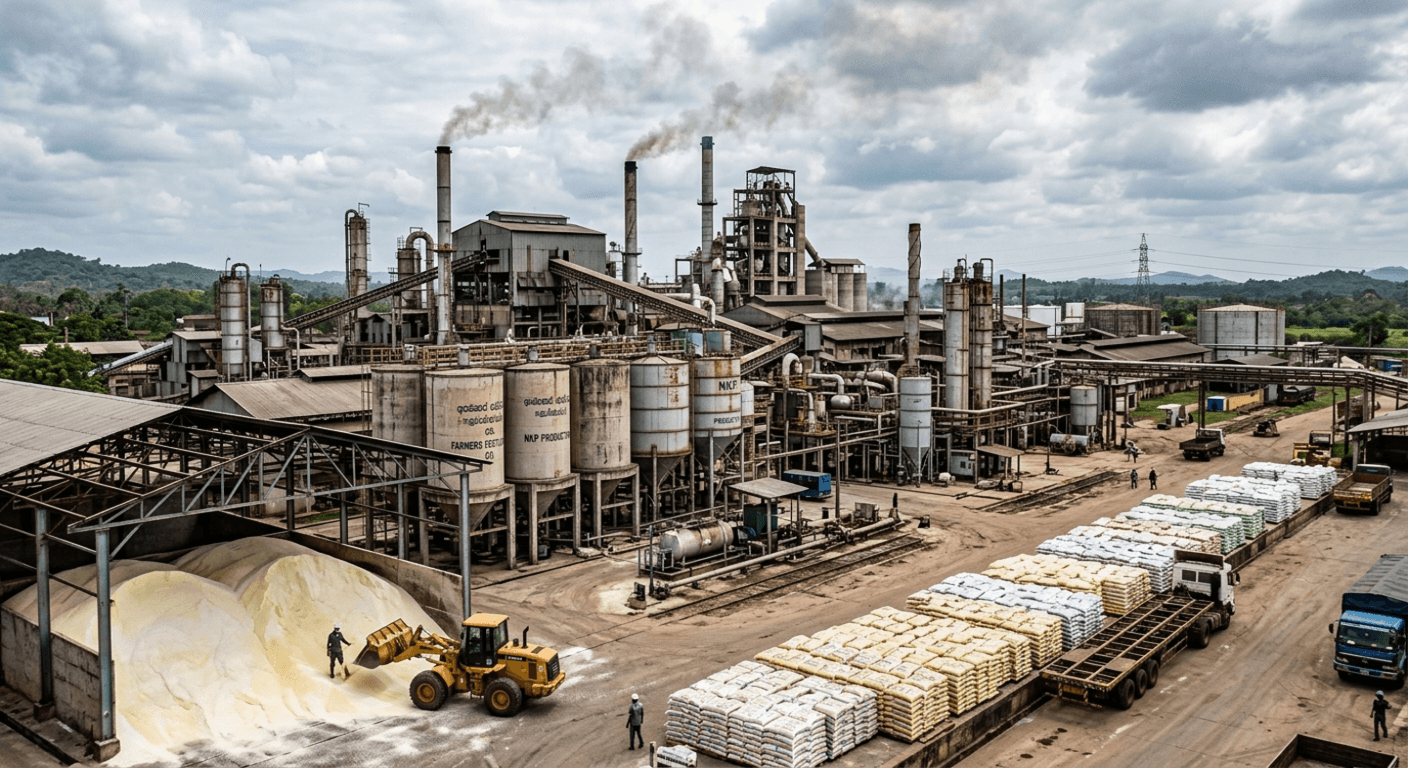
Experts estimate that reduced fertiliser availability could significantly lower crop yields across many regions. Nitrogen-based fertiliser, a key component in modern agriculture, is currently facing supply constraints.

According to industry estimates, around half a million tonnes of nitrogen fertiliser production has been affected. This reduction may lead to lower agricultural output worldwide.

Some crops could experience yield reductions of up to 50% in a single growing season if fertiliser use is significantly reduced.

Warning on Food Prices and Global Inequality

Food production costs are rising due to increasing energy prices, transport costs, and fertiliser shortages. However, crop prices have not yet adjusted proportionally, creating financial pressure for farmers globally.

Experts warn that if competition for food increases, wealthier countries may be able to secure supplies at higher prices, potentially reducing availability for poorer nations.

This situation could increase food insecurity in developing countries, where populations are less able to absorb rising food costs.

Inflation and Consumer Impact

Although immediate food shortages are unlikely in countries like the UK and Europe, rising production costs are expected to gradually increase food prices in supermarkets.

Food inflation could reach higher levels in the coming months if global supply pressures continue.

Global Oil Prices Surge After Trump’s Iran Warning.

Global Oil Prices Surge After Trump’s Iran Warning

Global crude oil prices have been increased again following remarks delivered by Donald Trump regarding tensions involving Iran.

As a result, uncertainty has been created in international energy markets. Consequently, investors have reacted cautiously to possible supply disruptions.


Supply Concerns Linked to Strait of Hormuz

Market expectations that restrictions affecting the Strait of Hormuz could soon be eased were weakened after the speech.

This narrow shipping route is considered extremely important because nearly 20% of global energy demand is transported through it. Therefore, any disruption in this region is closely monitored by global markets.

As a result, oil supply concerns were strengthened further after the warning statements were delivered.

Brent Crude Oil Prices Increased by 4%

Before the presidential speech began, the price of Brent crude oil had been recorded at 100 US dollars per barrel.

During the speech, price fluctuations were observed in the global market. However, by the end of the trading session, the price had increased by nearly 4%, reaching approximately 105.38 US dollars per barrel.

Therefore, renewed investor concern about supply chain risks has been reflected in the price movement.


Investors React to Escalating Political Warnings

Strong warnings regarding possible leadership changes in Iran and threats involving infrastructure damage were highlighted during the speech.

As a result, additional risks to the global oil supply chain were anticipated by investors. Consequently, analysts have indicated that these concerns contributed directly to the recent price increase.

Furthermore, continued geopolitical uncertainty in the region is expected to influence global energy markets in the coming weeks.

Global Economic Impact Closely Monitored

Because the Strait of Hormuz plays a vital role in global oil transportation, developments in the region are being closely monitored by economic observers worldwide.

Therefore, further price volatility is expected if geopolitical tensions remain unresolved.

As a result, global markets are likely to remain sensitive to future political developments affecting energy supply routes.