Indian Regulator Targets Owner of Swiss Gold Refinery Valcambi

A major financial controversy has emerged involving Rajesh Exports, the Indian company that owns Switzerland-based gold refinery Valcambi. India’s stock market regulator has accused the company of significant accounting irregularities and claims that its turnover may have been overstated by approximately $159 billion (CHF 127 billion) over several years.

In a provisional ruling released on Wednesday, the regulator stated that Rajesh Exports allegedly presented an inflated and misleading picture of its financial strength and business scale. As part of the action, Chief Executive Officer and majority shareholder Rajesh Mehta has been temporarily barred from trading shares of the company until further notice.

The investigation centers on Valcambi, one of the world’s most recognized gold refineries, located in Ticino, Switzerland. Rajesh Exports acquired Valcambi in 2015 for approximately $400 million. According to the regulator, a large portion of the group’s reported revenue originated from foreign subsidiaries, particularly the Swiss refinery.

Authorities criticized the company for failing to disclose important financial information related to Valcambi and several other overseas subsidiaries. Regulators noted that Valcambi’s audited financial statements reportedly showed substantially lower sales figures than those reflected in the group’s consolidated accounts.

The regulator believes these discrepancies may indicate that the overall operational size and turnover of the company were significantly overstated for an extended period. The investigation began in 2024 after a shareholder submitted a formal complaint regarding the company’s financial reporting practices.

Importantly, the ruling does not accuse Valcambi itself of any wrongdoing. The allegations currently focus on Rajesh Exports and its management team. The Swiss refinery has not been directly implicated in the accounting concerns raised by Indian authorities.

The case is expected to attract significant attention from investors, financial regulators, and the global precious metals industry as further details emerge in the coming months.
Switzerland Reacts to New US Tariff Proposal.

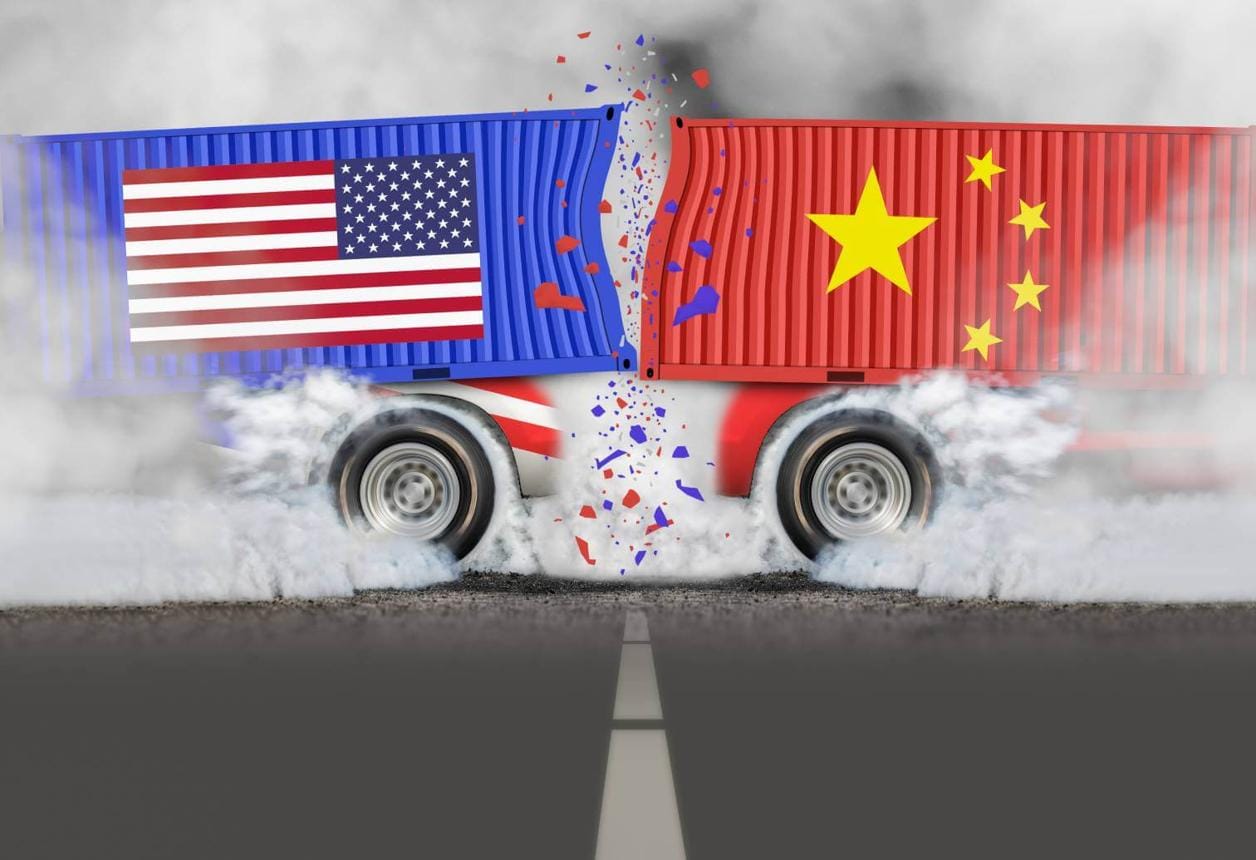
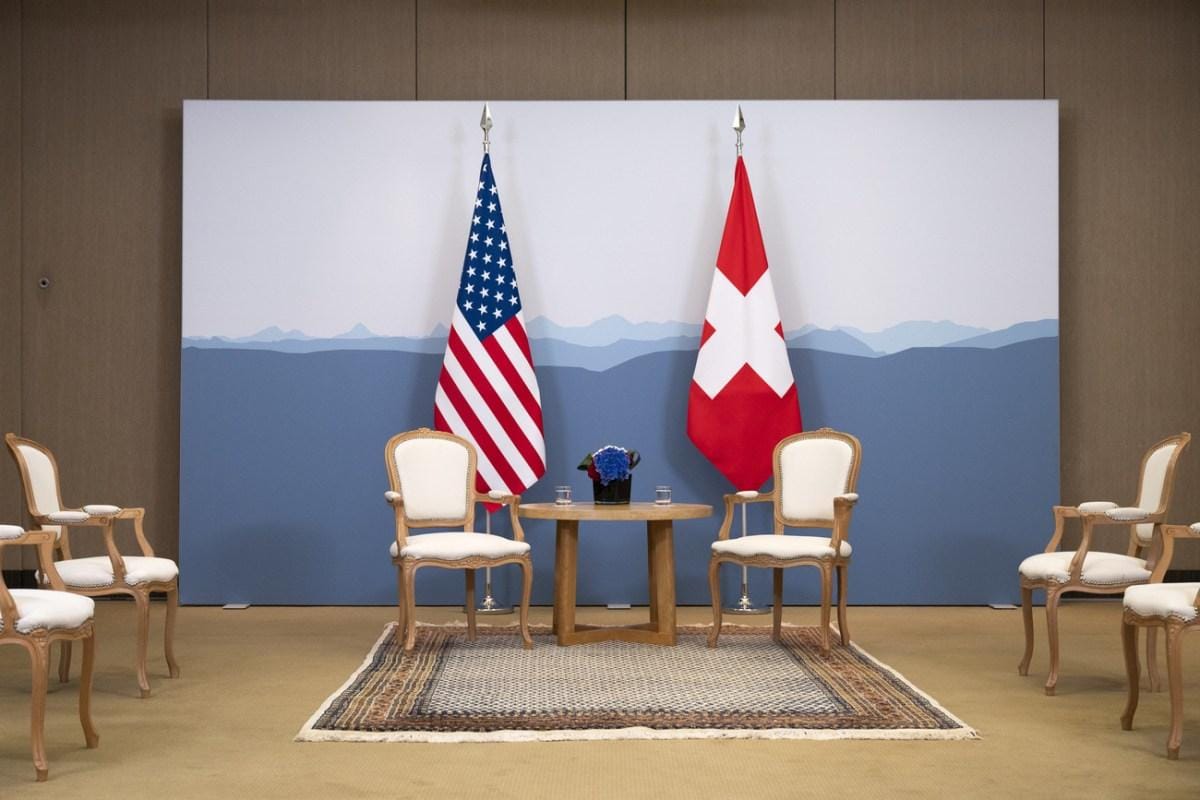
Swiss President Guy Parmelin has stated that the Swiss government was not surprised by the United States’ proposal to introduce new tariffs of 12.5% on Swiss goods. He confirmed that Switzerland is currently engaged in ongoing negotiations with Washington to reach a balanced trade agreement.

Speaking at the Swiss Economic Forum (SEF) in Interlaken, Parmelin explained that Swiss authorities were already aware of investigations under Section 301 of the US Trade Act. He noted that the government had anticipated a decision regarding potential trade measures from the United States.

Parmelin, who also serves as Switzerland’s economics minister, emphasized that the Swiss government firmly rejects the criticisms made by the US in relation to its trade practices. He added that Switzerland has already responded to these concerns in written form as part of official diplomatic communication.

Despite the proposed tariffs, Swiss officials are continuing discussions with US representatives, aiming to protect key export sectors and maintain stable economic relations between the two countries. The negotiations are expected to focus on ensuring fair trade conditions and minimizing potential impacts on Swiss industries.

The announcement comes at a sensitive time for global trade relations, as countries continue to navigate economic uncertainty and shifting tariff policies. Switzerland, a highly export-oriented economy, is closely monitoring developments to safeguard its economic interests.

Authorities have reiterated their commitment to dialogue and diplomatic engagement, signaling that discussions with the United States will continue in the coming months.

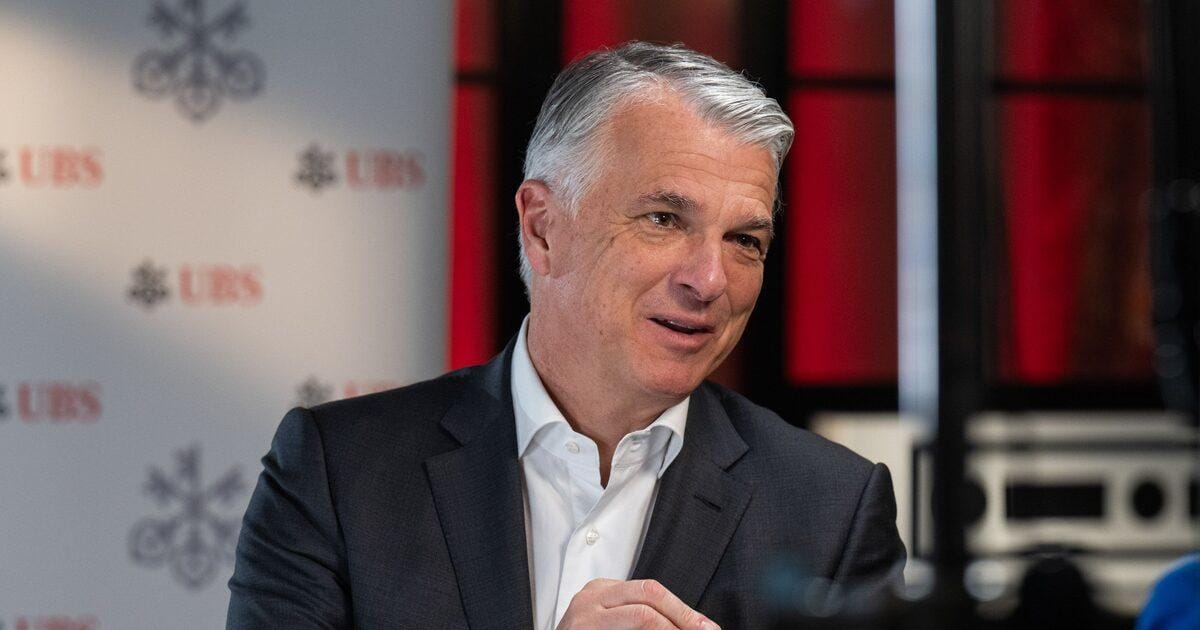
UBS CEO Sergio Ermotti Dismisses Relocation Rumours, Reaffirms Swiss HQ.

UBS Chief Executive Officer Sergio Ermotti has reaffirmed the bank’s long-term commitment to Switzerland, dismissing ongoing speculation about a possible relocation of its headquarters.

Speaking amid renewed debate over Swiss banking regulations, Ermotti stressed that UBS remains firmly anchored in Switzerland, despite tensions with the federal government over proposed changes to capital requirements.

The dispute centres on a plan by the Federal Council to require UBS’s foreign subsidiaries to be fully backed by equity capital. The measure is intended to strengthen financial stability and reduce systemic risk in the banking sector.

UBS has opposed the proposal, arguing that stricter capital rules could weaken its global competitiveness and limit its operational flexibility in international markets.

The disagreement has repeatedly triggered speculation that UBS might consider shifting parts of its operations abroad. However, Ermotti has consistently rejected such rumours, emphasizing that Switzerland remains the bank’s strategic and operational base.

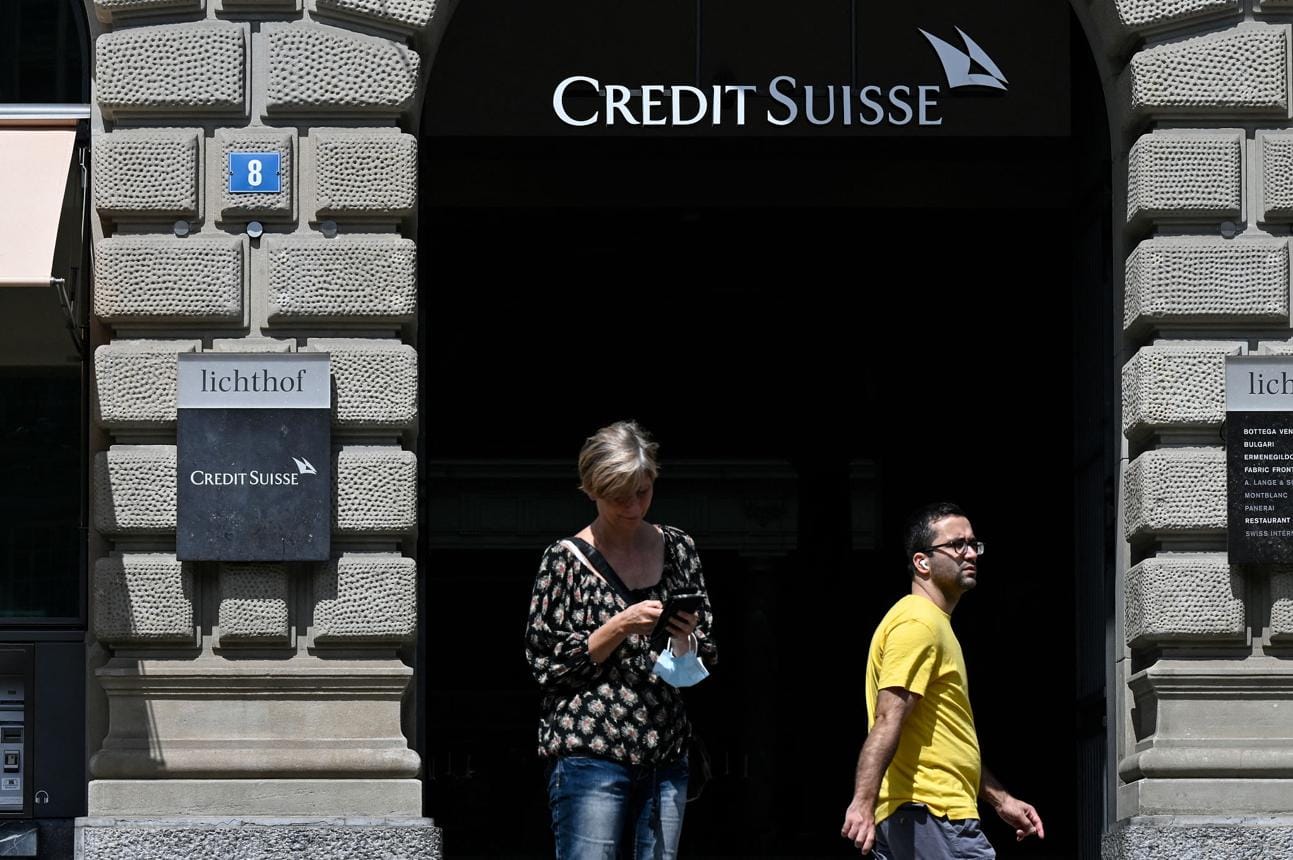
The Swiss government maintains that stronger capital buffers are necessary given UBS’s size and global exposure, particularly following its takeover of Credit Suisse, which significantly expanded its balance sheet.

Despite regulatory tensions, UBS leadership continues to highlight the importance of Switzerland as a stable financial hub and key location for global banking operations.

The latest remarks from Ermotti aim to reassure markets and policymakers that UBS intends to maintain its headquarters in Switzerland while continuing discussions with regulators on future capital rules.

Roche Criticizes US and China Protectionism, Calls Tariff Policy “Blackmail”.

Roche Chair Severin Schwan has strongly criticized rising protectionist trade policies in the United States and China, describing US tariff strategies as a form of “blackmail” during remarks at the Swiss Economic Forum in Interlaken.

Schwan warned that the world’s two largest pharmaceutical markets are increasingly using their economic dominance to force companies to shift value creation within their borders. He said this trend is significantly disrupting the global structure of the pharmaceutical industry.

According to Schwan, both the United States and China are pursuing policies that prioritize domestic production and investment, creating pressure on international pharmaceutical firms to adapt their supply chains and operational strategies.

The comments come after Roche, alongside other major pharmaceutical companies including Novartis, reached an agreement with the US government in late 2025. The deal includes price reductions for certain medicines produced by Roche subsidiary Genentech, in exchange for a temporary exemption from US pharmaceutical tariffs.

Roche has also committed to large-scale investment in the United States, reportedly totaling around $50 billion, as part of efforts to maintain market access and regulatory stability.

However, Schwan argued that such arrangements are not genuine partnerships but rather one-sided pressures imposed by powerful markets. He stated that companies are effectively forced into compliance under the “law of the strongest.”

In response to ongoing uncertainty, Roche has increased short-term exports to the United States while accelerating long-term plans to restructure its global supply chains. The company aims to reduce its dependence on politically sensitive markets, although Schwan acknowledged that such shifts could have negative consequences for other countries, including Switzerland.

The remarks highlight growing tensions between global pharmaceutical firms and major economic powers as trade policy becomes increasingly intertwined with industrial strategy.

Swiss Regulator Finds Gaps in Banks’ Money Laundering Risk Analysis.

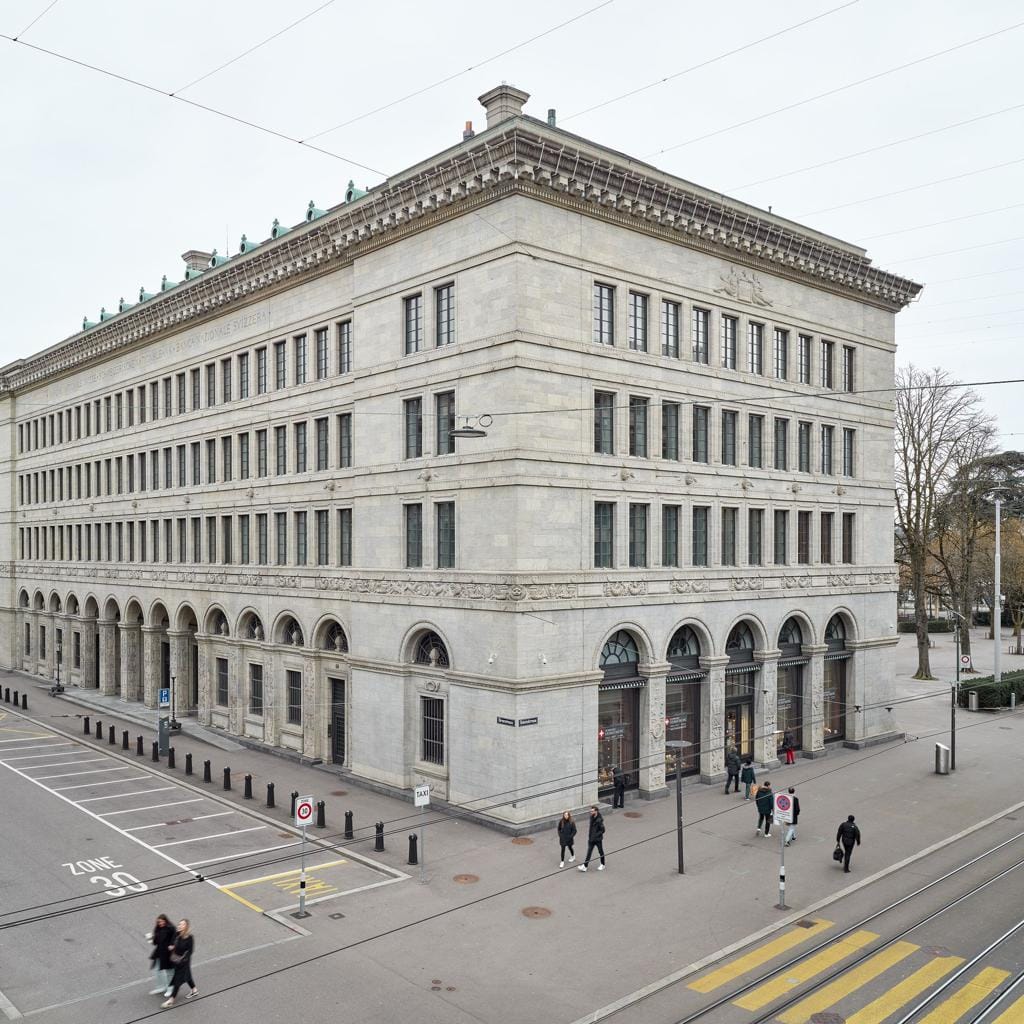
Switzerland’s financial regulator FINMA has found that while banks and other financial institutions have strengthened their anti-money laundering (AML) measures, significant weaknesses remain in how they assess and manage risk.

In a report published on Thursday, FINMA stated that Swiss banks, asset managers, and other financial institutions are still not consistently applying robust risk analysis frameworks. The regulator emphasized that institutions must make better use of existing tools to identify and monitor high-risk financial activity.

Following a review process launched after investigations in 2023, FINMA examined the risk assessments of more than 30 banks and conducted additional supervisory checks across the financial sector. The findings revealed recurring shortcomings in how risks are recorded and evaluated.

According to FINMA, some institutions failed to document risks in sufficient detail, while internal control exceptions were applied too broadly. In addition, warning indicators designed to detect suspicious activity were often too weak or not clearly defined, increasing the chance that problematic client relationships could go unnoticed.

The regulator highlighted particular concerns around politically exposed persons (PEPs), complex corporate structures, and the growing use of crypto-related financial services. These areas, FINMA warned, require enhanced scrutiny due to their higher exposure to money laundering risks.

Although Switzerland’s financial sector has made progress in strengthening compliance systems, FINMA stressed that further improvements are necessary to ensure effective risk detection and prevention. The authority called on institutions to tighten internal controls and improve the quality of their monitoring processes.

The report reinforces Switzerland’s ongoing efforts to maintain the integrity of its banking system while adapting to increasingly complex global financial risks.

Nestlé Acquires Full Ownership of Germany’s yfood Labs.

Swiss food and beverage giant Nestlé has agreed to acquire full ownership of Germany-based yfood Labs, a company known for its liquid meals, powdered nutrition products, and snack bars.

Nestlé previously held a 49% stake in the Munich-based company since 2023. With this new agreement, the multinational will take complete control of the business, further expanding its presence in the growing functional food and meal-replacement market.

Although financial details of the transaction were not disclosed due to a confidentiality agreement, Nestlé confirmed that yfood Labs generated approximately €150 million (CHF 137.5 million) in revenue last year, highlighting the company’s strong performance in its sector.

The transfer of shares from the founders is expected to take place on July 3, pending the necessary regulatory approvals. Once completed, the acquisition will allow Nestlé to fully integrate yfood Labs into its broader global portfolio.

Industry analysts view the deal as part of Nestlé’s ongoing strategy to strengthen its position in innovative nutrition products that target modern consumer lifestyles, including on-the-go meals and health-focused alternatives.

The acquisition also reflects the continued consolidation trend in the European food and beverage sector, where major corporations are expanding through strategic investments in fast-growing niche brands.

Switzerland Expected to See Moderate Economic Growth: OECD Report.

The Organisation for Economic Co-operation and Development (OECD) has projected that Switzerland will experience moderate economic growth in the coming years, supported mainly by strong domestic demand despite global economic uncertainties.

According to the latest report published on Tuesday, Switzerland’s real GDP is expected to grow by 1.1% in 2026 and rise to 1.5% in 2027. The outlook suggests that the Swiss economy will remain relatively stable even as global energy prices and geopolitical tensions continue to impact international markets.

The OECD notes that higher energy costs and weaker external demand may slightly affect exports in the short term. However, Switzerland’s strong domestic market and low dependence on fossil fuels are helping to cushion the impact. The country’s limited reliance on Middle Eastern energy imports also reduces its vulnerability compared to many other OECD economies.

Export performance is expected to recover in 2027 as key trading partners rebound from the energy shock. This recovery is likely to support Swiss industries, particularly export-driven sectors such as pharmaceuticals and high-value manufacturing.

Inflation in Switzerland is projected to remain within the Swiss National Bank’s (SNB) target range of 0–2%, despite short-term pressure from rising energy prices. The Swiss franc’s strength, driven by its safe-haven status, continues to influence monetary policy decisions and help control inflation levels.

The OECD also highlights potential risks, including prolonged energy market instability, supply chain disruptions, and possible new trade tariffs. However, a faster-than-expected recovery in Europe and other major markets could further improve Switzerland’s growth outlook.

Overall, the Swiss economy is expected to remain stable, with gradual growth supported by domestic resilience, cautious monetary policy, and a strong financial system.

Economiesuisse Calls US Forced Labour Allegations ‘Unfounded’.

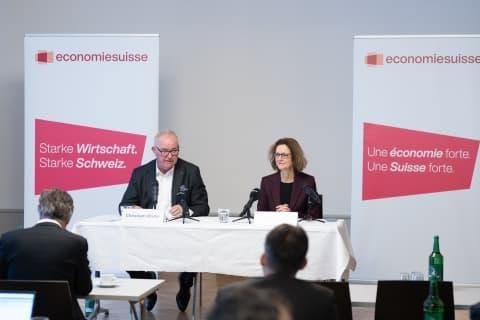
Switzerland’s leading business federation, Economiesuisse, has strongly rejected recent US allegations of forced labour, describing the claims as “completely unfounded” and inconsistent with Swiss law.

Speaking at a media conference, Economiesuisse chief economist Rudolf Minsch stated that forced labour is strictly prohibited under Swiss legislation. He emphasized that Switzerland has fully complied with international labour standards and said, “Switzerland has done its homework.”

The statement comes in response to renewed tariff threats from the United States, which have raised concerns among Swiss exporters. According to Minsch, the current proposed 12.5% tariffs on Swiss goods are not expected to significantly disrupt the economy, as they are only slightly higher than the 10% tariffs proposed for European Union countries.

He explained that Swiss companies could gradually absorb the additional costs, adjust their supply chains, or pass some of the impact on to consumers if necessary. Compared to earlier trade tensions, the current situation is seen as less severe.

Minsch highlighted that previous tariff levels were far more damaging. He recalled that Switzerland once faced tariffs as high as 39% while the EU was subject to 15%, calling that period “the real blow” for Swiss exporters due to the wide competitiveness gap.

Despite ongoing uncertainty, Economiesuisse stressed that predictability in trade policy is more important for businesses than small differences in tariff rates. The organization noted that Swiss companies are better able to adapt when they have clear, long-term regulatory expectations.

Overall, Swiss industry leaders remain cautiously optimistic, stating that while trade tensions persist, the impact on Switzerland’s economy is expected to remain manageable.

Swiss Bank Stops Loan Access for Refugees.

A well-known Swiss bank has reportedly ended loan facilities for individuals holding refugee status in Switzerland. The decision has sparked discussion among community groups, financial experts, and refugee support organizations regarding access to essential financial services.

Banks in Switzerland regularly review their lending policies based on risk assessments, regulatory requirements, and internal business strategies. Changes to loan eligibility criteria can affect specific customer groups, including foreign nationals and individuals with different residence permit categories.

The reported move has raised concerns among refugee communities who rely on financial products to support education, housing, transportation, and small business activities. Advocates argue that access to responsible credit plays an important role in helping individuals integrate into Swiss society and achieve financial stability.

Supporters of stricter lending policies, however, point out that banks must manage financial risks carefully and comply with regulatory obligations. Financial institutions often evaluate factors such as income stability, employment status, residency conditions, and repayment capacity before approving loans.

The development highlights the ongoing debate between financial risk management and equal access to banking services in Switzerland. Further clarification from the bank and relevant authorities may provide additional details regarding the scope and impact of the policy change.

Swiss Economy Grows Slower Than Expected in Early 2026.

Switzerland’s economy recorded moderate growth during the first quarter of 2026, according to the latest figures released by the State Secretariat for Economic Affairs (SECO). The country’s real Gross Domestic Product (GDP) increased by 0.4% compared with the previous quarter after seasonal and special-event adjustments.

The result came in slightly below SECO’s preliminary forecast of 0.5% issued earlier this month. Despite the small downgrade, the latest figure still represents an improvement compared with the previous two quarters, which recorded growth rates of 0.2% and -0.4% respectively.

The main driver of economic expansion was Switzerland’s industrial sector. Industrial value added increased by a strong 1.3%, marking one of the sector’s best performances in recent quarters after a prolonged period of modest growth.

In contrast, the service sector showed only limited momentum. Growth in services reached just 0.2%, with several industries reporting mixed results. Retail and trade activities experienced declines, reflecting cautious consumer behavior and weaker domestic spending.

Private consumption remained largely stagnant, contributing to weak domestic demand. Overall domestic final demand rose by only 0.1%. Government expenditure helped support economic activity, increasing by 0.9% during the quarter.

SECO noted that Swiss GDP figures are adjusted to remove the impact of major international sporting events. Organizations such as the International Olympic Committee and several global sports federations are based in Switzerland, and their licensing revenues can significantly influence economic statistics. Without these adjustments, first-quarter GDP growth would have reached 0.7%.

While growth remains positive, the latest figures suggest that Switzerland’s economic recovery continues at a measured pace. Strong industrial performance is helping to offset weaker consumer spending, but economists will continue to monitor domestic demand and global economic conditions closely in the coming months.

The latest data indicate that Switzerland remains on a stable economic path, though challenges linked to consumer confidence and international market uncertainties continue to influence growth prospects.