Swiss Parliament Approves Funding for EU Research Programmes.

Switzerland has taken another important step in strengthening its position in international research and innovation. The Swiss Parliament approved CHF58.3 million in funding for European Union research programmes as part of a supplementary 2026 budget package worth nearly CHF90 million.

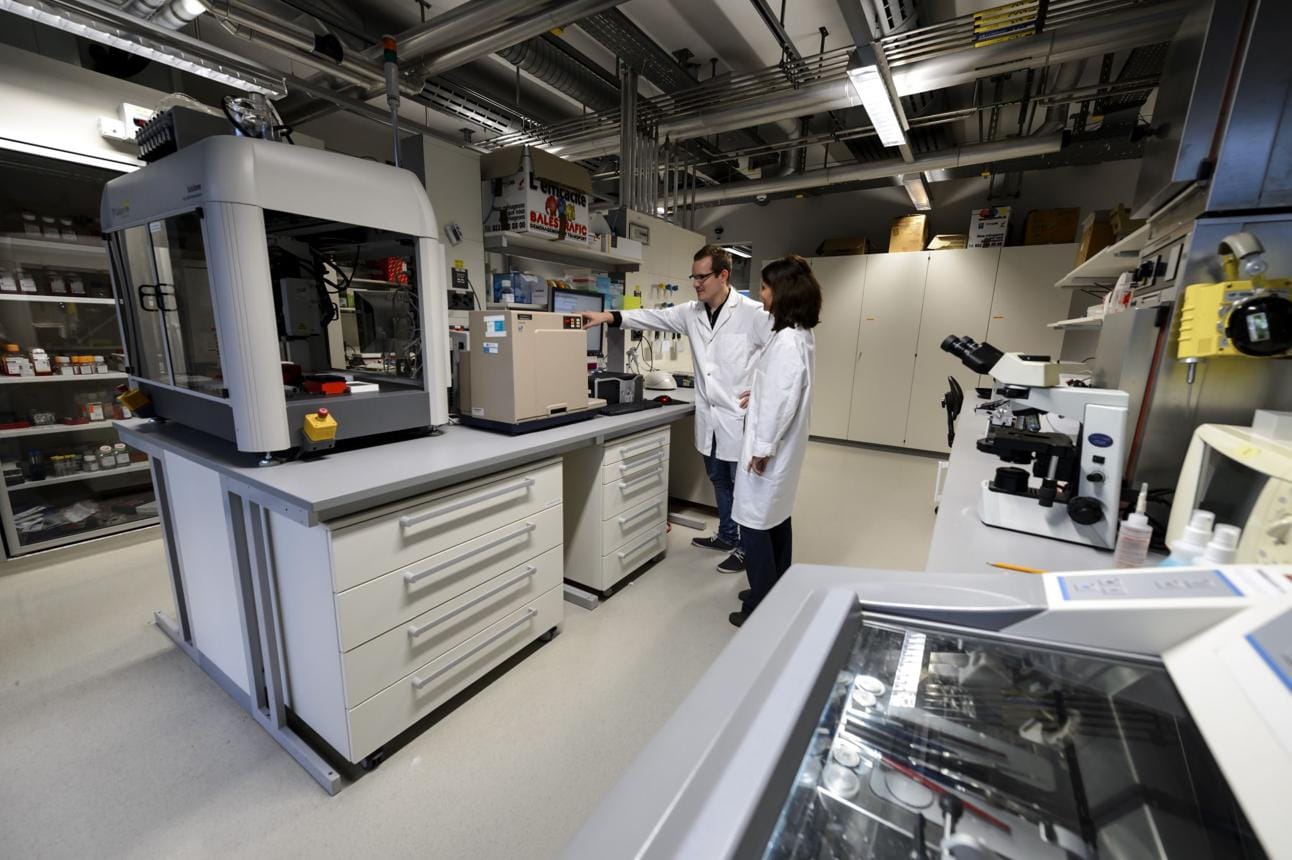
The funding will support Switzerland’s participation in major European research initiatives, including Horizon Europe and Euratom. Lawmakers emphasized that maintaining access to these programmes is crucial for Swiss universities, researchers, scientists, and technology companies that rely on international collaboration and advanced research networks.

Parliament reduced the government’s original request of CHF67.3 million by removing a reserve fund that was no longer necessary. Despite the reduction, the approved funding ensures Switzerland can continue contributing to and benefiting from some of the world’s largest research and innovation projects.

Supporters of the measure argued that Switzerland must remain connected to global scientific developments and avoid another period of exclusion from key European research platforms. They stressed that research cooperation plays a vital role in driving innovation, economic growth, technological advancement, and international competitiveness.

The budget supplement also includes additional funding for the European Space Agency, Swiss rail cargo services, and transportation infrastructure projects. The decision highlights Switzerland’s continued commitment to science, technology, and international research partnerships.
Gunvor Offices Searched in Swiss Corruption Probe.

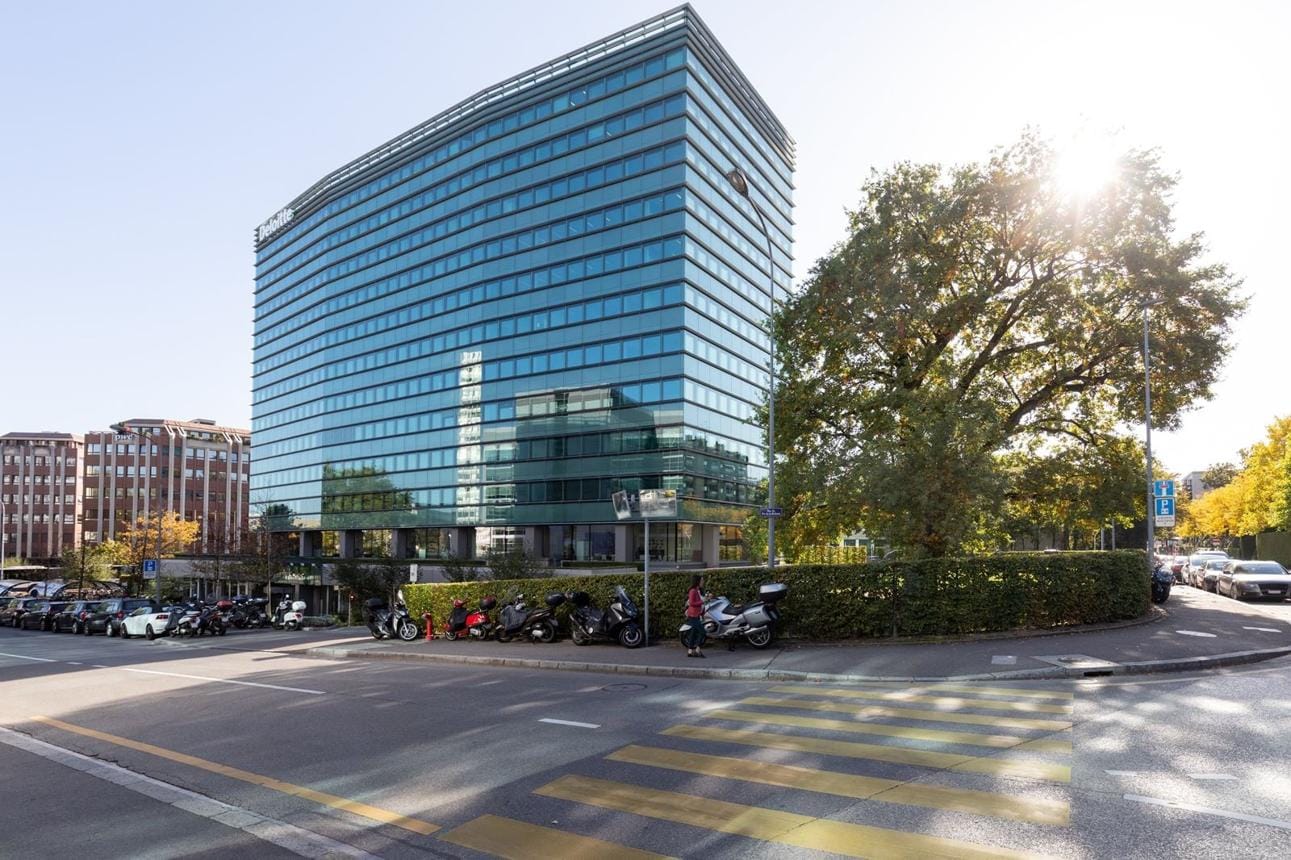
Swiss authorities have searched the Geneva headquarters of commodities trader Gunvor as part of an ongoing criminal investigation into suspected bribery involving foreign public officials.

The search was conducted by federal police in May on the orders of the Office of the Attorney General of Switzerland. The development became public after it was reported by the Swiss non-governmental organization Public Eye and later confirmed by Swiss authorities.

According to the Office of the Attorney General, the investigation remains active and authorities have provided only limited information. Officials emphasized that the presumption of innocence applies throughout the legal process.

Public Eye has raised questions about an oil contract allegedly concluded in Gabon in 2024. The organization claims that a parallel payment system may have been used to compensate intermediaries operating in Africa. These allegations are currently being examined within the broader investigation.

Gunvor has strongly rejected the accusations. The company stated that it has never seen or known of the contract referenced by Public Eye and accused the organization of exaggerating and misrepresenting information. Gunvor also emphasized that the company itself is not currently the direct target of the criminal proceedings and has pledged full cooperation with investigators.

The case comes as Gunvor faces renewed scrutiny due to previous corruption-related convictions in Switzerland. In 2019, Swiss authorities found the company criminally liable for corruption involving activities in Congo and Côte d’Ivoire. In 2024, the company was again found criminally liable in connection with corruption offenses linked to Ecuador.

Commodity trading remains one of Switzerland’s most important economic sectors, with Geneva serving as a major international hub for energy and commodity businesses. As a result, investigations involving large trading firms often attract significant public and regulatory attention.

Authorities have not announced when further information regarding the investigation will be released. The inquiry remains ongoing.

Swiss Parliament Boosts Non-Profit Housing Fund.

The Swiss Parliament has approved a significant increase in funding designed to support non-profit housing projects and improve access to affordable homes.

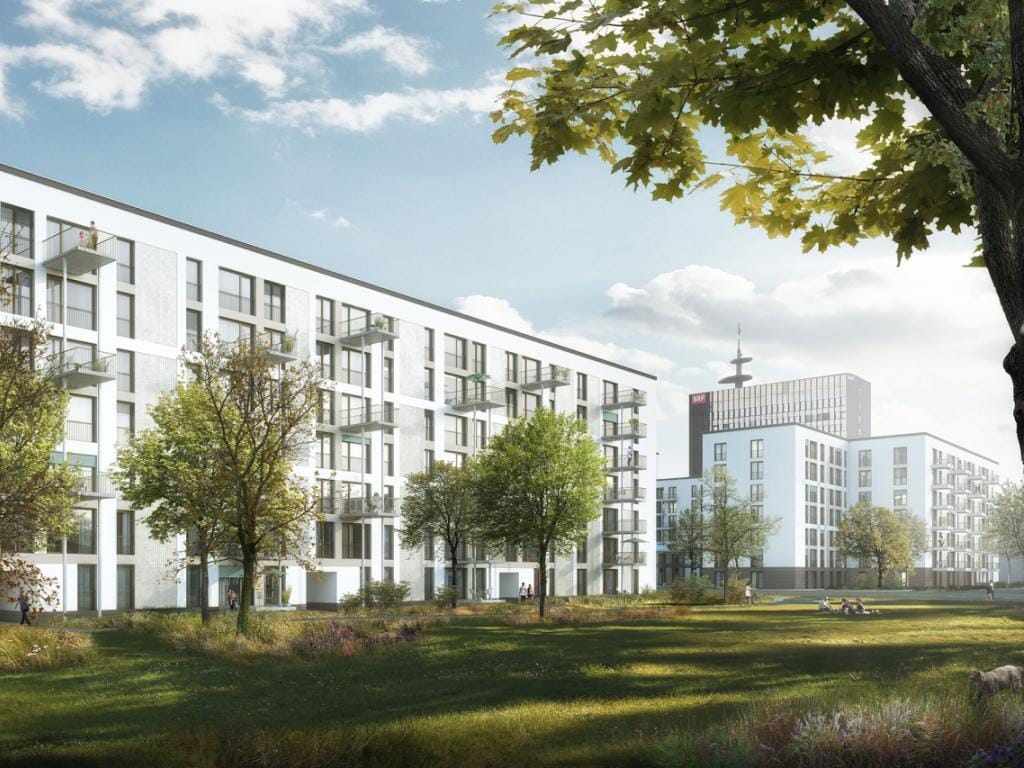
The Senate voted in favor of increasing the Fonds de Roulement by CHF150 million for the period between 2030 and 2034. This revolving fund provides loans to non-profit housing organizations for new construction projects, property renovations, and the purchase of residential buildings.

The measure forms part of Switzerland’s broader strategy to address housing shortages and rising property costs affecting many regions of the country. Affordable housing remains a major concern for households facing increasing rents and limited housing availability.

In addition to expanding the fund, the Senate also agreed to continue a federal guarantee program that supports housing development. Through this mechanism, the Swiss Confederation guarantees bonds issued by the financing center for non-profit housing developers. These guarantees help organizations secure financing under more favorable conditions and lower borrowing costs.

For this purpose, Parliament approved a commitment credit worth CHF1.92 billion covering the period from 2027 to 2033. The financial backing is expected to provide long-term stability for housing initiatives and encourage additional investment in affordable residential projects.

The House of Representatives had previously endorsed the same proposals, allowing the measures to move forward with broad parliamentary support.

Housing affordability has become an increasingly important issue across Switzerland, particularly in urban centers where demand continues to outpace supply. Rising rents and limited housing stock have placed pressure on many families, students, and lower-income residents.

Supporters of the funding expansion argue that strengthening the non-profit housing sector will help create sustainable, affordable living options while supporting balanced urban development. The new investments are expected to play a key role in addressing Switzerland’s long-term housing needs.

Fribourg Secures Jewish and Muslim Burial Rights.

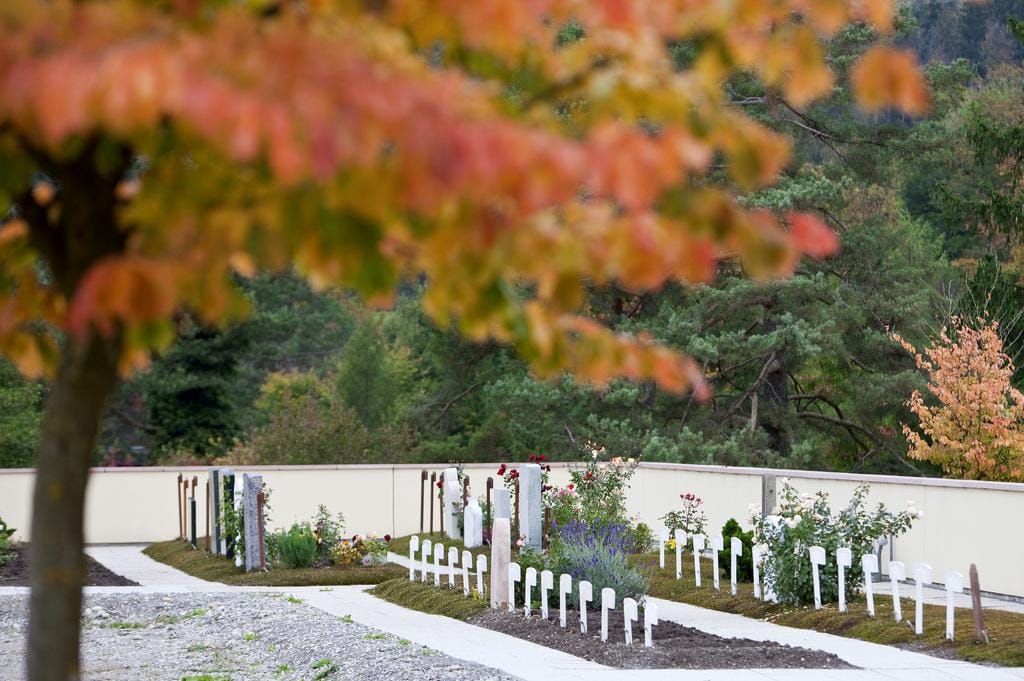
The city of Fribourg has reached a constructive agreement with Jewish and Muslim community representatives regarding burial arrangements at St Leonhard Cemetery. The agreement establishes clear rules for the long-term use of burial plots and provides greater certainty for affected communities.

Under the new arrangement, larger family graves capable of accommodating more than eight burials will be permitted in designated sections of the cemetery. In addition, permanent burial rights, a key concern for both religious communities, have been formally guaranteed.

City officials stated that the agreement balances historical preservation with modern social and cultural needs. Fribourg aims to promote inclusion, mutual respect, and equal recognition of all residents regardless of their religious background.

The cemetery’s historic Jewish section, established in 1912 and protected as a heritage site, will remain preserved. Authorities emphasized that the new regulations will not affect the historical character of this important area.

Concerns had emerged in 2024 when proposed cemetery regulations raised fears within the Jewish community about potentially high maintenance costs. The final agreement addresses these concerns by allowing existing Jewish graves to remain permanently protected. The city will continue providing burial spaces free of charge, except for maintenance-related expenses.

The same principles will apply to a newly designated Muslim burial section. Permanent burial rights are guaranteed, and the orientation of graves will continue to respect Islamic traditions.

The Jewish community welcomed the outcome, describing it as a constructive and respectful compromise. Community representatives praised the agreement as a practical solution that respects religious customs while supporting social harmony.

The agreement reflects Switzerland’s ongoing efforts to accommodate religious diversity and ensure that public institutions adapt to the needs of a multicultural society while preserving historical heritage and community values.

Swiss Insect Species Show Mixed Recovery.

Researchers from several Swiss institutions analyzed records of 811 insect species collected between 1930 and 2021. The study, published in the journal Nature Ecology and Evolution, provides one of the most comprehensive pictures of long-term insect population trends in Switzerland.

The findings show that deadwood beetles have experienced a strong recovery after decades of decline. Their numbers dropped steadily until around 1960 but later stabilized and have now returned to levels similar to those recorded in 1930. Scientists attribute this recovery to improved forest management practices, increased biodiversity protection, and the availability of more deadwood habitats.

Butterflies, however, tell a very different story. Their diversity declined sharply until the 1980s and has failed to recover. Today, Switzerland has approximately 12% fewer butterfly species than it did in 1930. The decline is especially severe in the Central Plateau region, where butterfly diversity has fallen by nearly 29%.

Researchers point to agricultural intensification between 1950 and 1980 as a major factor behind these losses. The widespread use of fertilizers and pesticides, combined with landscape simplification, significantly reduced natural habitats for many insect species.

Climate change has also played a role. Rising temperatures have benefited certain warmth-loving species, particularly deadwood beetles, allowing them to expand their range. Major storms such as Vivian in 1990 and Lothar in 1999 also created large amounts of deadwood, providing valuable habitats for beetle populations.

The study highlights that environmental protection measures introduced since the 1990s have produced positive results, particularly in forest ecosystems. However, researchers warn that stronger and more targeted conservation efforts are still needed to protect vulnerable species such as butterflies.

Experts believe that preserving biodiversity remains essential for maintaining healthy ecosystems, pollination services, and Switzerland’s natural heritage. The findings serve as both a success story for conservation and a reminder that many species still require urgent protection.

Swiss Parliament Moves Against Unsafe Temu Products

Swiss lawmakers are pushing for stricter regulations on Chinese online retailers such as Temu and Shein, citing growing concerns over product safety and consumer protection.

The Swiss House of Representatives has joined the Senate in supporting measures that would increase oversight of products entering Switzerland from foreign online marketplaces. Every day, tens of thousands of parcels arrive in the country from China, raising concerns about compliance with Swiss safety standards.

Politicians argue that many low-cost products sold through online platforms fail to meet the strict safety requirements applied to goods sold by Swiss retailers. Several incidents have highlighted the risks. Reports include electronic chargers overheating and melting, as well as electrical devices allegedly exploding and causing injuries.

Parliamentarian Matthias Bregy stated that authorities have observed numerous products that do not comply with Swiss safety and security standards. Under the proposed measures, foreign online platforms would be required to clearly declare when products fail to meet Swiss regulations. Authorities would also increase inspections of imported packages.

Consumer protection groups, however, believe the proposed measures may not be sufficient. Consumer advocate Sara Stalder argues that the enormous volume of daily imports makes effective inspection and product declarations difficult to enforce. She believes stronger legal accountability for online platforms would provide better protection for consumers.

Supporters of the parliamentary proposal say enhanced risk-based inspections are necessary to create a fair marketplace. Swiss retailers must already comply with strict regulations and safety requirements, while foreign platforms often operate under different standards.

The issue now moves to the Swiss government for further consideration and implementation. The debate reflects growing international concerns about product quality, consumer safety, and regulatory oversight in the rapidly expanding cross-border e-commerce sector.

As online shopping continues to grow, Switzerland is seeking ways to balance consumer choice, competitive pricing, and public safety while ensuring that all products sold to Swiss customers meet appropriate standards.

Federal Court Judge Says Affair Was Not Illegal.

Swiss Federal Court judge Yves Donzallaz has publicly defended his past relationship with fellow judge Beatrice van de Graaf, stating that while the affair may have been inappropriate, it was not illegal under Swiss law.

In an interview with the Tamedia newspaper group, Donzallaz explained that the relationship, which lasted for nearly a year, never violated legal requirements governing members of Switzerland’s highest court. According to him, the relationship ended around Easter 2026 and never developed into a shared long-term living arrangement.

The controversy centers on provisions within the Federal Court Act that prohibit judges who are in a long-term cohabitation from serving on the same judicial panels. Donzallaz argued that the legal definition of cohabitation did not apply in their case because they did not share a residence or maintain a common household.

The judge stated that he and van de Graaf spent limited time together and never worked on the same judicial panel during their relationship. As a result, he believes there was no conflict of interest and no legal obligation to disclose the relationship.

The matter gained public attention after media reports revealed the relationship in April. In response, federal judges held an extraordinary meeting in May and concluded that romantic relationships between sitting members of the Federal Court are inconsistent with the court’s professional customs and ethical expectations.

An independent panel of experts is currently examining questions related to judicial independence and governance within Switzerland’s highest court. The panel is expected to submit its findings to the court’s Administrative Commission by the end of June.

Despite the controversy, Donzallaz has confirmed his intention to seek another term on the Federal Court for the 2027–2032 period. He maintains that he acted within the law and believes he has committed no wrongdoing. However, due to age limits, he would leave office in 2029 if re-elected.

The case has sparked a wider national debate about judicial transparency, ethics, and the balance between private life and public responsibility within Switzerland’s legal system.

Swiss Initiative Pushes for Stronger Digital Security

A newly launched people’s initiative in Switzerland is seeking to strengthen the country’s digital security by introducing constitutional protections for cybersecurity, personal data, and digital infrastructure.

The initiative, titled “For the Digital Security of Switzerland,” was officially published in the Federal Gazette and has been launched by the Swiss Digital Pact association. Supporters argue that stronger legal safeguards are necessary to protect citizens, businesses, and public institutions from growing digital threats.

Under the proposal, a new Article 57a titled “Digital Security” would be added to the Swiss Federal Constitution. The amendment would explicitly require the federal government to establish effective security standards across Switzerland’s digital environment and ensure their implementation.

The initiative aims to create a safer digital space for the population, the economy, government institutions, and the vast amount of data generated and stored throughout the country. One of the key objectives is to improve the protection of personal information and strengthen resilience against cyberattacks.

As digital technologies become increasingly important in everyday life, concerns over data breaches, cybercrime, and online security continue to grow. Supporters believe constitutional-level protections would provide a stronger legal framework to address future digital challenges.

To move forward, the initiative must gather 100,000 valid signatures from Swiss voters by December 2, 2027. If enough signatures are collected, Swiss citizens will have the opportunity to vote on the proposal in a nationwide referendum.

The initiative reflects Switzerland’s broader ambition to position itself as a trusted and secure digital hub. Advocates argue that strengthening cybersecurity and data protection is essential for maintaining public confidence, supporting innovation, and protecting critical infrastructure in an increasingly connected world.

If approved, the proposal could become one of the most significant constitutional updates related to digital rights and cybersecurity in Switzerland’s history.

Swiss Car Market Stalls as EV Sales Surge.

Switzerland’s car market remained largely unchanged during the first five months of 2026, as rising demand for electric vehicles helped offset declining sales of traditional petrol and diesel-powered cars.

According to figures released by Auto Schweiz, approximately 91,300 new vehicles were registered between January and May 2026. This total is nearly identical to the number recorded during the same period last year, indicating that the overall market has stagnated despite significant changes in consumer preferences.

The strongest growth came from electric mobility. Registrations of fully electric vehicles increased by 15.5% compared with the first five months of 2025. Plug-in hybrid vehicles performed even better, recording a 20.1% increase over the same period.

Industry experts attribute the growing popularity of electric vehicles partly to higher fuel prices and increasing consumer interest in environmentally friendly transportation. Improved charging infrastructure and a wider range of electric vehicle models have also contributed to stronger demand.

Meanwhile, traditional combustion-engine vehicles continued to lose market share. New registrations of petrol and diesel-powered cars declined further, reflecting the ongoing shift toward cleaner technologies and lower-emission transport solutions.

The latest figures highlight the transformation taking place within Switzerland’s automotive sector. While overall vehicle sales have remained stable, the composition of the market is changing rapidly as more buyers choose electric and hybrid alternatives.

Auto Schweiz noted that the growth in electric vehicle sales was essential in maintaining overall market stability. Without the strong performance of electric and plug-in hybrid models, the Swiss car market would likely have recorded a decline.

As Switzerland continues its transition toward sustainable mobility, electric vehicles are expected to play an increasingly important role in shaping the future of the country’s transport sector.

Memorial Concert Honors Crans-Montana Fire Victims.

Five months after the tragic fire at the Le Constellation bar in Crans-Montana, a special memorial concert was held to honor those who lost their lives and to support survivors still recovering from their injuries.

The event, titled “Tribute to the Angels of Crans-Montana,” was organized by the Italian Embassy in Bern and served as a moment of reflection, remembrance, and solidarity. The concert aimed to commemorate the young victims of one of Switzerland’s most heartbreaking recent tragedies.

The fire claimed the lives of 41 people and left 115 others injured, several of them seriously. The disaster deeply affected families, friends, and communities both in Switzerland and abroad.

Under the artistic direction of renowned violinist Michael Guttman, the Crans Montana Classics concert featured an ensemble of 12 string musicians. The performers presented a selection of emotional and inspiring works by celebrated composers including Giacomo Puccini, Maurice Ravel, Johann Sebastian Bach, and Benjamin Britten.

More than 250 people attended the memorial gathering. Among those present were Italian Ambassador Gian Lorenzo Cornado, Swiss Federal Councillor Beat Jans, Valais State Council President Christophe Darbellay, and Crans-Montana Mayor Nicolas Féraud.

The concert created a solemn atmosphere where attendees could remember the victims, express support for the injured, and reflect on the importance of community solidarity during difficult times.

As Crans-Montana continues to heal from the tragedy, the memorial concert served as a powerful reminder of the lives lost and the resilience shown by survivors, families, and the wider community.

The event highlighted the enduring bonds between Switzerland and Italy and demonstrated the commitment of both nations to honor the memory of those affected by the devastating fire.