Lost 1900 Silent Film Rediscovered in Swiss Archives

A previously missing silent film from 1900 has been rediscovered in the collections of the Cinémathèque suisse, Switzerland’s national film archive. The film, now confirmed to be Diving for Treasure, has been restored and attributed to pioneering British filmmaker Robert W. Paul.

The short film portrays two divers attempting to recover a treasure chest from a sunken shipwreck. It was originally released in the early days of cinema and is now considered an important example of experimental filmmaking at the turn of the 20th century.

Experts believe this surviving copy is likely the only existing version of the film. Film historian Patrick Friel described the discovery as a major breakthrough in early cinema research, highlighting Robert W. Paul’s role as a foundational figure in British film production.

The identification has also been confirmed by Ian Christie, an emeritus professor and specialist in early British cinema, who emphasized the film’s historical importance and its innovative visual techniques. At the time of its release, the underwater scenes were created using a creative method involving an aquarium placed in front of the camera lens.

The film was first restored in 2005 from a nitrate print and later digitized in 2021. The restoration process also revived its original tinting using the Desmet method, which recreates the color tones of early silent films.

Today, Diving for Treasure is available for public viewing on the Cinémathèque suisse digital platform, accompanied by a piano score performed by musician Enrico Camponovo. The rediscovered film offers a rare glimpse into the earliest experiments of cinematic storytelling and technical innovation.

This finding reinforces Switzerland’s role in preserving global film heritage and highlights the importance of archival work in recovering lost cultural artifacts.
Swiss Aviation Accidents Rise by 20% in 2025.

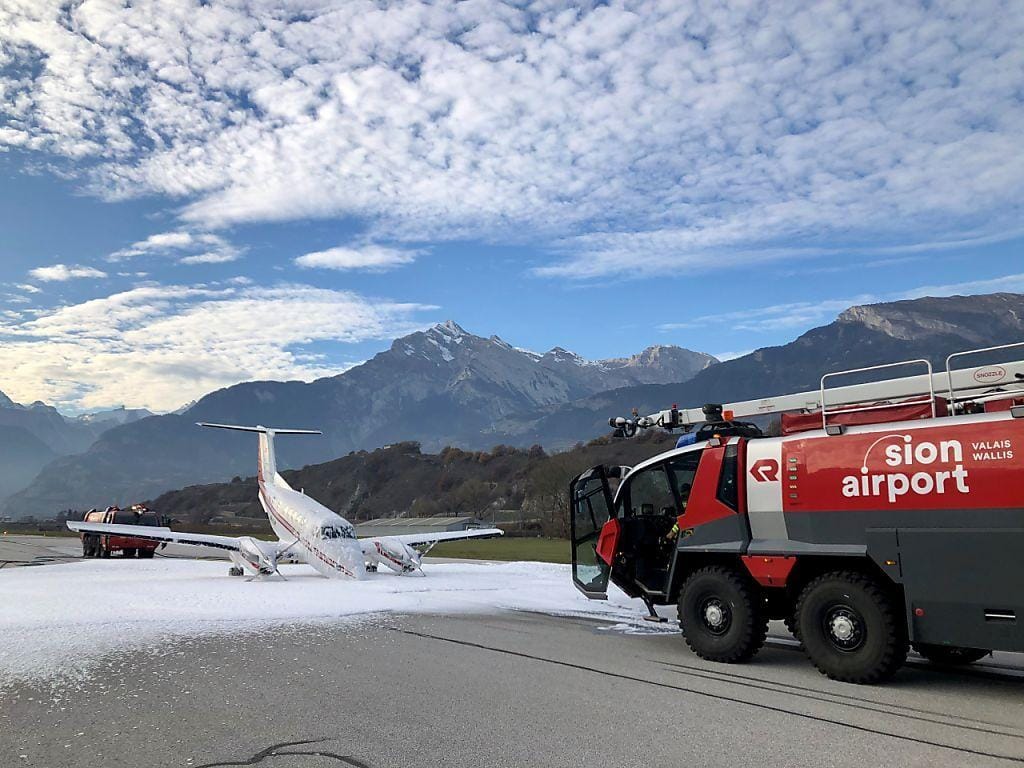
The number of reported aviation accidents in Switzerland increased by approximately 20% in 2025, according to the Federal Office of Civil Aviation (FOCA). The rise reflects a broader increase in reported incidents across both recreational and general aviation sectors.

FOCA data shows that four separate accidents in recreational aviation resulted in a total of six fatalities. In addition, one fatal incident occurred in agricultural helicopter operations. Importantly, no fatal accidents were recorded in commercial aviation during the same period.

Overall, FOCA processed 14,972 incident reports throughout the year, marking a significant workload for aviation safety authorities. Officials attribute the increase not only to a higher number of incidents but also to improved reporting practices within the aviation sector.

Another contributing factor highlighted by FOCA is the increase in air traffic activity, alongside growing concerns over GPS signal interference, which has affected navigation systems in certain cases.

The reported incidents include a rise in near-collisions, unauthorized airspace entries, and conflicts involving drones. Authorities also noted that some incidents occurred on the ground, particularly at smaller and more complex airfields where operations are more challenging.

The Federal Office of Civil Aviation emphasized that while the increase in reported cases appears significant, it also reflects improved monitoring and reporting standards, which contribute to better overall aviation safety management.

Swiss aviation authorities continue to focus on reducing risks through stricter airspace regulation, better pilot training, and enhanced coordination with drone operators and air traffic systems.

Gotthard Base Tunnel Marks 10 Years in Service.

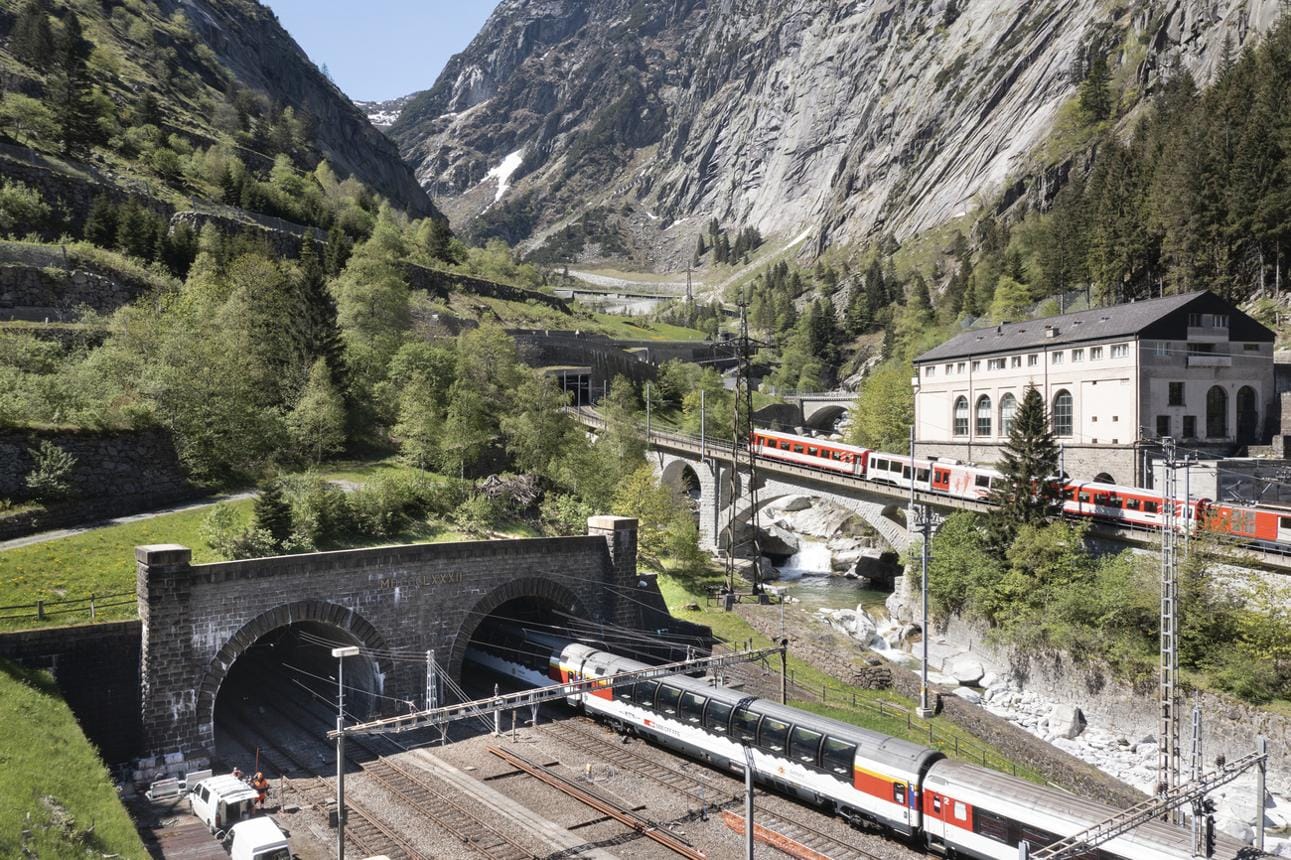
The Gotthard Base Tunnel, the world’s longest railway tunnel, has reached its tenth anniversary since opening on June 1, 2016. Stretching 57 kilometres beneath the Swiss Alps, the tunnel has significantly transformed both passenger and freight rail transport across Switzerland.

According to Swiss Federal Railways (SBB), the tunnel has nearly doubled passenger demand along the north–south corridor over the past decade. It has become a key route connecting northern Switzerland with the southern canton of Ticino and beyond into Italy.

Since its inauguration, a total of approximately 169,000 passenger trains and 276,000 freight trains have passed through the tunnel. The infrastructure has strengthened Switzerland’s position as a central transit hub in Europe.

The opening of the Ceneri Base Tunnel in 2020 further improved connectivity. Together, these major engineering projects have reduced travel time between Zurich and Lugano to just 1 hour and 53 minutes, saving around 50 minutes compared to pre-tunnel travel times.

Freight transport has also seen significant growth. In 2025, the volume of goods transported through the Gotthard corridor reached 24.2 million tonnes, compared to 17.8 million tonnes in 2015 before the tunnel became fully operational.

The Gotthard Base Tunnel is widely regarded as one of the most important infrastructure projects in modern European history. It enhances efficiency, reduces road congestion, and supports Switzerland’s long-term strategy of shifting freight transport from road to rail.

Ten years on, the tunnel continues to play a vital role in both passenger mobility and international trade, reinforcing Switzerland’s reputation for engineering excellence and sustainable transport solutions.

Swiss Economy Grows Slower Than Expected in Early 2026.

Switzerland’s economy recorded moderate growth during the first quarter of 2026, according to the latest figures released by the State Secretariat for Economic Affairs (SECO). The country’s real Gross Domestic Product (GDP) increased by 0.4% compared with the previous quarter after seasonal and special-event adjustments.

The result came in slightly below SECO’s preliminary forecast of 0.5% issued earlier this month. Despite the small downgrade, the latest figure still represents an improvement compared with the previous two quarters, which recorded growth rates of 0.2% and -0.4% respectively.

The main driver of economic expansion was Switzerland’s industrial sector. Industrial value added increased by a strong 1.3%, marking one of the sector’s best performances in recent quarters after a prolonged period of modest growth.

In contrast, the service sector showed only limited momentum. Growth in services reached just 0.2%, with several industries reporting mixed results. Retail and trade activities experienced declines, reflecting cautious consumer behavior and weaker domestic spending.

Private consumption remained largely stagnant, contributing to weak domestic demand. Overall domestic final demand rose by only 0.1%. Government expenditure helped support economic activity, increasing by 0.9% during the quarter.

SECO noted that Swiss GDP figures are adjusted to remove the impact of major international sporting events. Organizations such as the International Olympic Committee and several global sports federations are based in Switzerland, and their licensing revenues can significantly influence economic statistics. Without these adjustments, first-quarter GDP growth would have reached 0.7%.

While growth remains positive, the latest figures suggest that Switzerland’s economic recovery continues at a measured pace. Strong industrial performance is helping to offset weaker consumer spending, but economists will continue to monitor domestic demand and global economic conditions closely in the coming months.

The latest data indicate that Switzerland remains on a stable economic path, though challenges linked to consumer confidence and international market uncertainties continue to influence growth prospects.

Thousands Explore New RTS Media Centre in Lausanne.

More than 15,000 people visited the new production site of Swiss public broadcaster RTS in Lausanne-Ecublens during a highly successful open weekend event. The new facility, located on the campus of the Swiss Federal Institute of Technology Lausanne (EPFL), welcomed visitors of all ages eager to discover the world of media production and broadcasting.

Large crowds gathered even before the official opening, with many visitors exploring exhibitions, interactive activities, and behind-the-scenes tours. Families, students, and media enthusiasts had the opportunity to experience how television, radio, and digital content are produced.

One of the most popular attractions allowed visitors to step into the role of a journalist by reading news from a teleprompter and presenting weather forecasts. Guests also explored RTS news vehicles, production studios, and broadcasting facilities, gaining a unique insight into the daily work of media professionals.

The event featured live radio broadcasts, public podcast recordings, and guided tours of the new production centre. Studio 1 attracted particularly strong interest, with audiences filling seats to watch programmes being produced in real time.

RTS announced that public engagement activities will continue throughout June, offering additional opportunities for visitors to explore media careers, content creation, and public service broadcasting. Registration will be required for many of these activities.

The broadcaster also revealed plans to expand its media education programme. From next year, RTS will increase the number of workshops from 300 to 400 annually, with most sessions remaining free for schools and the public.

The new Lausanne-Ecublens production hub replaces several older facilities in Lausanne and Geneva, creating a modern centre for broadcasting, digital media production, and audience engagement.

RTS expects to welcome approximately 10,000 visitors each year through guided tours, workshops, and educational activities, strengthening its connection with the Swiss public and future generations of media professionals.

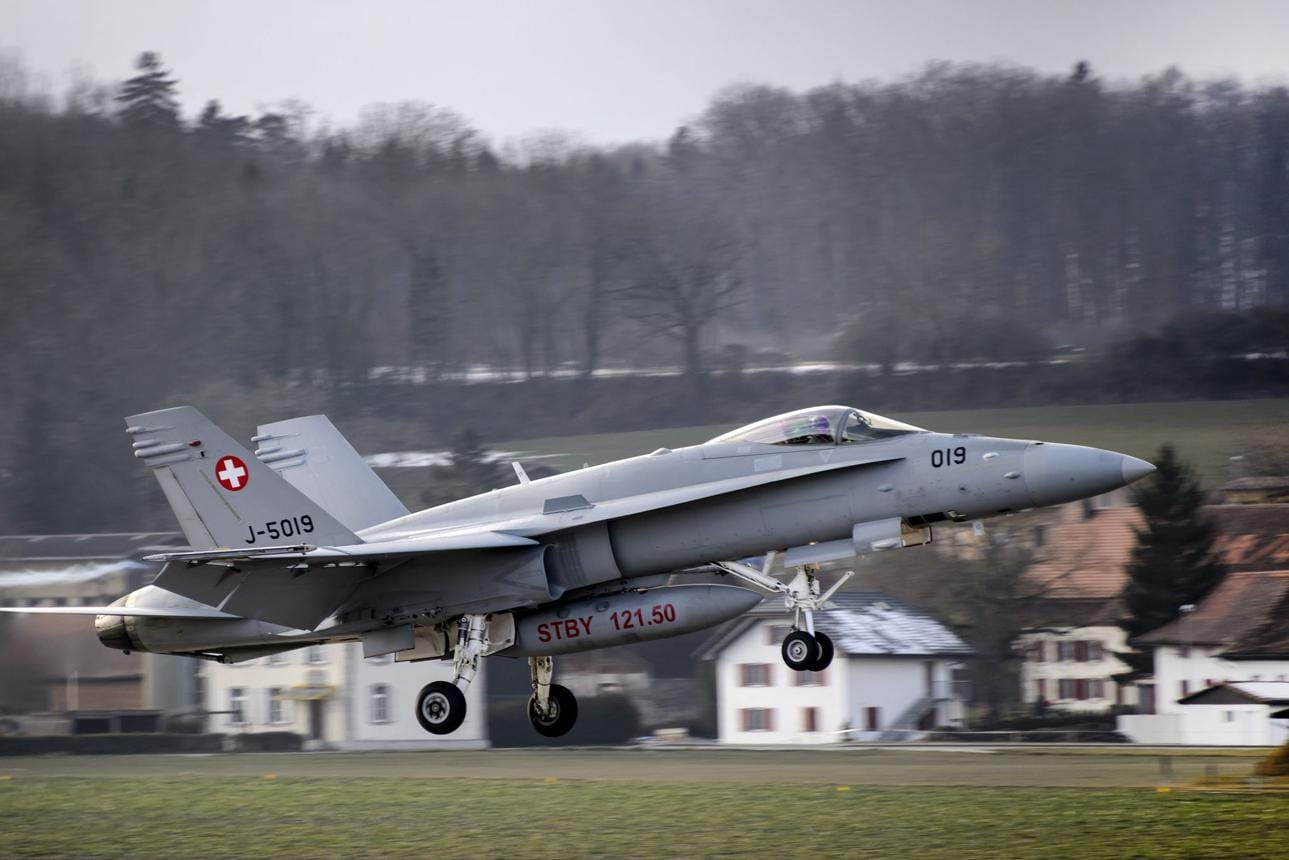
Swiss Air Force Extends Life of F/A-18 Fighter Jets.

The Swiss Air Force has successfully completed a major inspection and refurbishment program for its fleet of F/A-18C/D fighter jets, extending their operational life until the next generation of aircraft enters service.

According to the Federal Armaments Office (Armasuisse), structural inspections and refurbishment work on all 30 F/A-18 fighter jets were completed at the end of April 2026. The upgrades will allow the aircraft to continue operating safely and effectively for several more years.

The extension is designed to bridge the gap until Switzerland’s new F-35A fighter jets are fully introduced into service during the early 2030s. Regular maintenance and periodic inspections will continue to ensure the aircraft remain mission-ready.

The Swiss Parliament approved CHF450 million for the life-extension project as part of the 2017 Armed Forces program. The initiative was carried out through cooperation between Armasuisse, the Swiss Air Force, Ruag, and several industry partners.

The modernization program was implemented in multiple phases. One of the most significant milestones was completed in 2021 with the installation of advanced communication, navigation, and identification systems, improving the aircraft’s operational capabilities.

Originally, the F/A-18 fleet was expected to be retired by 2025. However, delays in the transition to the new F-35A fleet made the extension necessary to maintain Switzerland’s air defense capabilities.

The project ensures that Switzerland can continue to protect its airspace while preparing for the arrival of its future generation of fighter aircraft. The successful completion of the maintenance program represents an important step in maintaining national security and operational readiness during the transition period.

With the upgraded F/A-18 fleet remaining active, the Swiss Air Force will continue to play a vital role in air policing, national defense, and security operations until the F-35A aircraft become fully operational.

Switzerland Expands Domestic Violence Awareness Campaign.

The Swiss government has officially launched the second phase of its national campaign against domestic, sexual, and gender-based violence. The new stage focuses on increasing public awareness of available support services, particularly the nationwide victim support hotline, 142, which has been available 24 hours a day, seven days a week since May 2026.

The campaign is led by Interior Minister Elisabeth Baume-Schneider and builds upon the first phase introduced in late 2025. According to the Federal Office for Gender Equality (FOGE), the objective is to ensure that prevention messages and support resources reach as many people as possible across Switzerland.

A significant expansion of the campaign has been made possible through additional funding approved by Parliament. The initiative is supported by the federal government, cantonal authorities, municipalities, and numerous civil society organizations.

Two important new topics have been added to the campaign. One focuses on children who are exposed to domestic violence within their homes, while the other highlights the growing issue of digital surveillance and online control within abusive relationships. These themes will be promoted through a nationwide poster campaign and informational materials available in 13 languages.

Domestic violence remains a serious concern in Switzerland. Police recorded approximately 22,000 domestic violence-related offences during 2025. Authorities also reported 34 domestic violence-related homicides during the same year. Among those victims, 21 people lost their lives in the context of a current or former intimate relationship, including 19 women and two men.

Swiss authorities hope the expanded campaign will encourage more victims and witnesses to seek help, raise awareness of available support services, and contribute to reducing violence across the country.

Finland Denies Switzerland Ice Hockey Gold.

Switzerland’s dream of winning the Ice Hockey World Championship on home ice came to a heartbreaking end on Sunday night as Finland secured a dramatic 1-0 victory in overtime.

The final, played in front of a passionate Swiss crowd, remained scoreless throughout regulation time before Finland found the breakthrough shortly after 11pm. The decisive goal handed Finland its fifth world championship title and left Swiss supporters devastated.

Across Zurich, thousands of fans gathered in bars, restaurants, and public viewing areas to support the national team. Popular locations along Langstrasse were filled with hopeful supporters who cheered loudly throughout the match. However, moments after Finland scored the winning goal, the celebrations instantly turned into silence.

Switzerland entered the final with high expectations after reaching the championship match for the third consecutive year. Having finished as runners-up in the previous two tournaments, many believed this would finally be the year the Swiss team lifted the gold medal in front of its home fans.

The official fan zone in Zurich’s Altstetten district also attracted huge crowds despite weather disruptions earlier in the day. Authorities temporarily closed the area due to severe thunderstorms before reopening it as fans returned in large numbers.

Although the defeat was painful, Switzerland’s performance throughout the tournament earned widespread praise. Reaching another World Championship final and securing the silver medal confirmed the country’s status as one of the strongest ice hockey nations in the world.

To recognize the team’s remarkable achievement, Zurich will host a special reception for the players at Volkshaus. Fans will have an opportunity to celebrate the silver medal winners and thank them for an unforgettable tournament.

While the gold medal slipped away in overtime, the Swiss team once again demonstrated determination, skill, and resilience, giving supporters plenty of reasons to be proud despite the disappointment.

Swiss Mental Hospital Escapee Case Goes to Court.

A Swiss court is currently examining a serious case involving a psychiatric patient who escaped from a mental health facility in 2018 and went on to attack several people with a hatchet, leaving four individuals seriously injured.

The incident took place after the patient fled from the Préfargier psychiatric hospital. Following the escape, the individual carried out a violent attack, raising major questions about the responsibilities of medical staff and the safety protocols in place at the facility.

During the court proceedings, prosecutors argued that hospital staff failed to properly assess and monitor the patient’s condition. They also claimed that there was a delay in informing authorities after the escape, which may have contributed to the severity of the incident.

The medical team, however, strongly rejected the allegations. Their defense stated that psychiatric professionals followed standard medical procedures and that it is not always possible to predict sudden acts of extreme violence, even in monitored patients.

Experts in forensic psychiatry often emphasize that while risk assessments are an important part of mental health care, predicting rare violent behavior with complete accuracy remains extremely difficult.

Following the attack, the individual later died by suicide while in prison, adding further complexity to the case and its legal interpretation.

The court is now expected to deliver its verdict by the end of the year. The outcome is likely to have implications for how psychiatric risk assessment and patient supervision are handled in Switzerland’s mental health system.

The case has also reignited public debate about the balance between patient rights, medical responsibility, and public safety in psychiatric care institutions.

Indian Tourist Fined in Switzerland for Traffic Violation.

An Indian tourist has reportedly received a substantial traffic violation fine after visiting Switzerland nearly a year ago, highlighting the strict enforcement of road laws in the country.

According to reports shared on social media, the young woman traveled to Switzerland for tourism and later received a notice alleging that she had violated traffic regulations during her stay. The fine demanded is estimated to be around ₹1.5 lakh in Indian currency.

The incident gained attention after the tourist posted about it online, asking whether others had experienced similar situations. Several users responded, stating that such delayed fines are not uncommon in Switzerland and other European countries, including Germany and Italy.

Some travelers shared similar experiences where they received penalty notices months after returning from their trips abroad. In some cases, fines were significantly lower, while others reported unexpected charges linked to rental vehicles or road violations.

However, many users noted that Switzerland is known for its strict traffic laws and consistent enforcement. Authorities in European countries often track violations through automated systems such as speed cameras, toll systems, and rental car agreements, which can result in delayed notices being sent internationally.

Reports also suggest that such fines are typically non-negotiable once issued. Failure to pay may lead to increased penalties over time or legal complications in future travel within the region. Some users advised that installment payment options may sometimes be available depending on the issuing authority.

The incident serves as a reminder for international travelers to carefully follow local traffic rules when visiting foreign countries, especially in Europe where enforcement systems are highly automated and strictly regulated.

Swiss authorities are known for maintaining strong road safety standards, and penalties are often enforced without exceptions, reinforcing the importance of compliance for all visitors.