Switzerland’s 10 Million Population Vote: Impact on Tamils?

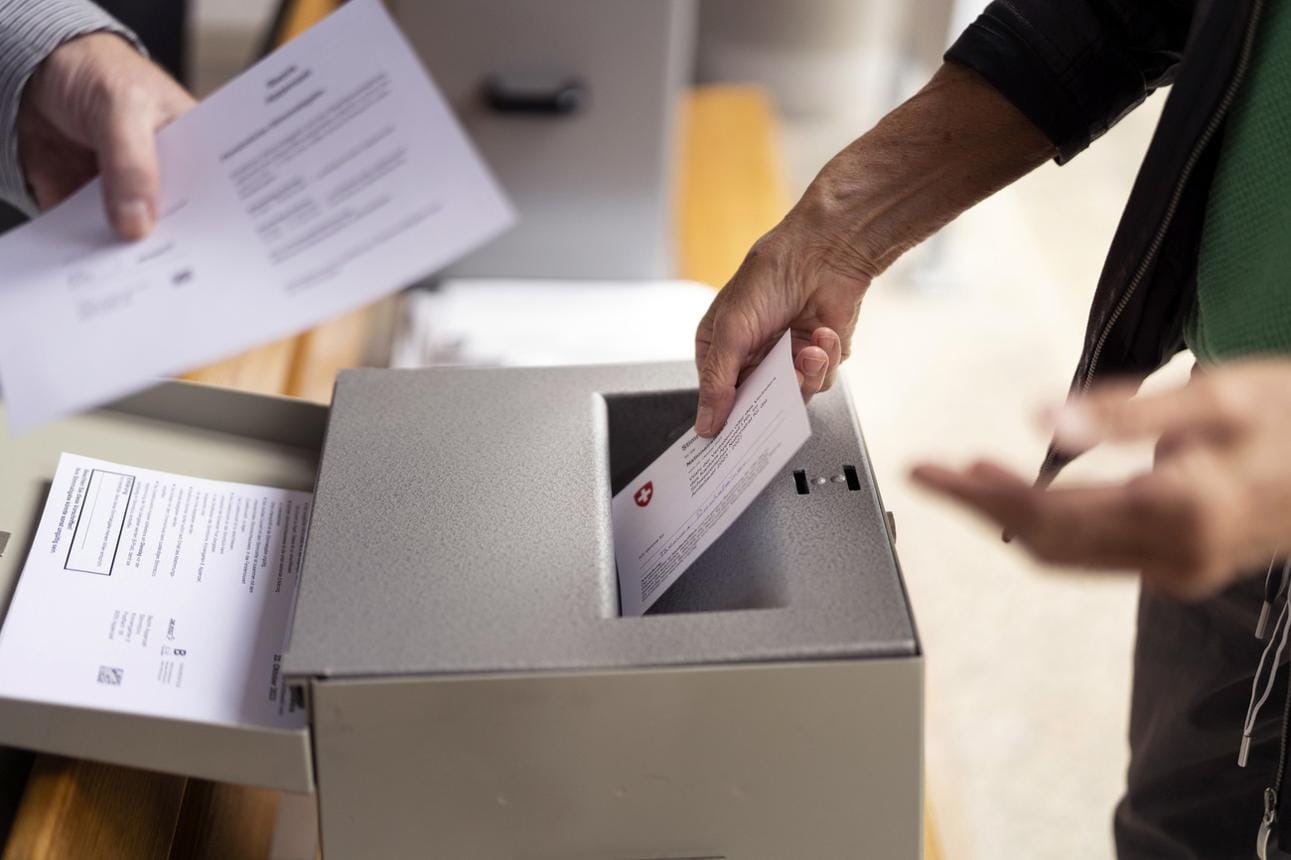
Switzerland is preparing for an important national vote on a proposal known as “No to 10 Million Switzerland,” which aims to limit the country’s population growth. The initiative, introduced by the Swiss People’s Party (SVP), seeks to prevent Switzerland’s population from exceeding 10 million by introducing stricter controls on immigration.

Supporters of the proposal argue that rapid population growth places increasing pressure on housing, transportation, public services, infrastructure, and environmental resources. They believe Switzerland should take stronger measures to manage migration and maintain the country’s quality of life.

Opponents, however, warn that the proposal could negatively affect Switzerland’s economy, labour market, and international competitiveness. Most major political parties, along with the Swiss Federal Government, have rejected the initiative and are encouraging voters to oppose it. Critics argue that Switzerland relies heavily on skilled foreign workers and international talent to support economic growth.

Speaking on the issue, Socialist Democratic Party member Siri Rasamanickam urged Swiss citizens to study the proposal carefully before casting their vote. He emphasized the importance of making informed decisions based on official information rather than opinions shared on social media.

The proposal has also attracted attention among migrant communities, including Swiss Tamils, who are closely following the debate. While the initiative primarily focuses on future population growth and immigration policies, many observers believe the outcome could influence Switzerland’s long-term approach to migration and integration.

Political analysts note that the proposal faces significant opposition from major parties and government institutions. Nevertheless, the final decision rests with Swiss voters, making the upcoming referendum an important event for the country’s future migration policies.

The vote is expected to generate widespread discussion across Switzerland as citizens consider the balance between population growth, economic needs, and social development.+
Starting a Business in Switzerland: A Complete Guide.

Switzerland offers one of the most business-friendly environments in Europe, making it an attractive destination for entrepreneurs and small business owners. Whether you want to start a cleaning service, construction company, online store, restaurant, delivery service, or consulting business, understanding the registration process is essential for success.

The simplest option is to start as a Sole Proprietorship (Einzelfirma). This structure is suitable for self-employed individuals and freelancers. Entrepreneurs must register with the AHV/AVS social insurance office as self-employed. If annual revenue exceeds CHF 100,000, registration in the Commercial Register becomes mandatory. Businesses earning less than this amount may register voluntarily to increase credibility and visibility.

Another popular option is establishing a GmbH (Limited Liability Company). This structure requires a minimum share capital of CHF 20,000 and offers greater legal protection for business owners. A notary must prepare the incorporation documents before the company is officially registered in the Swiss Commercial Register.

For larger businesses, the AG (Aktiengesellschaft) structure is commonly used. This form is designed for companies seeking significant investment and expansion opportunities. AG companies require higher capital contributions and more extensive legal procedures, including mandatory notary certification and Commercial Register registration.

Entrepreneurs can complete many registration procedures through EasyGov, Switzerland’s official online business platform. The service allows users to register companies, complete AHV registrations, apply for VAT registration, and handle Commercial Register procedures through a single portal. Business owners can also verify registered companies using the Zefix central commercial register database.

Various organizations provide support for new entrepreneurs in Switzerland. Cantonal economic development offices, chambers of commerce, business consultants, startup incubators, and financial institutions offer guidance on legal requirements, taxation, accounting, and business planning. Their expertise can help entrepreneurs navigate the Swiss business environment more efficiently.

Before starting a business, entrepreneurs should evaluate their residence permit status, business activity, expected revenue, and legal obligations. Proper planning and compliance with Swiss regulations can significantly improve the chances of building a successful and sustainable business.

Swiss Bank Stops Loan Access for Refugees.

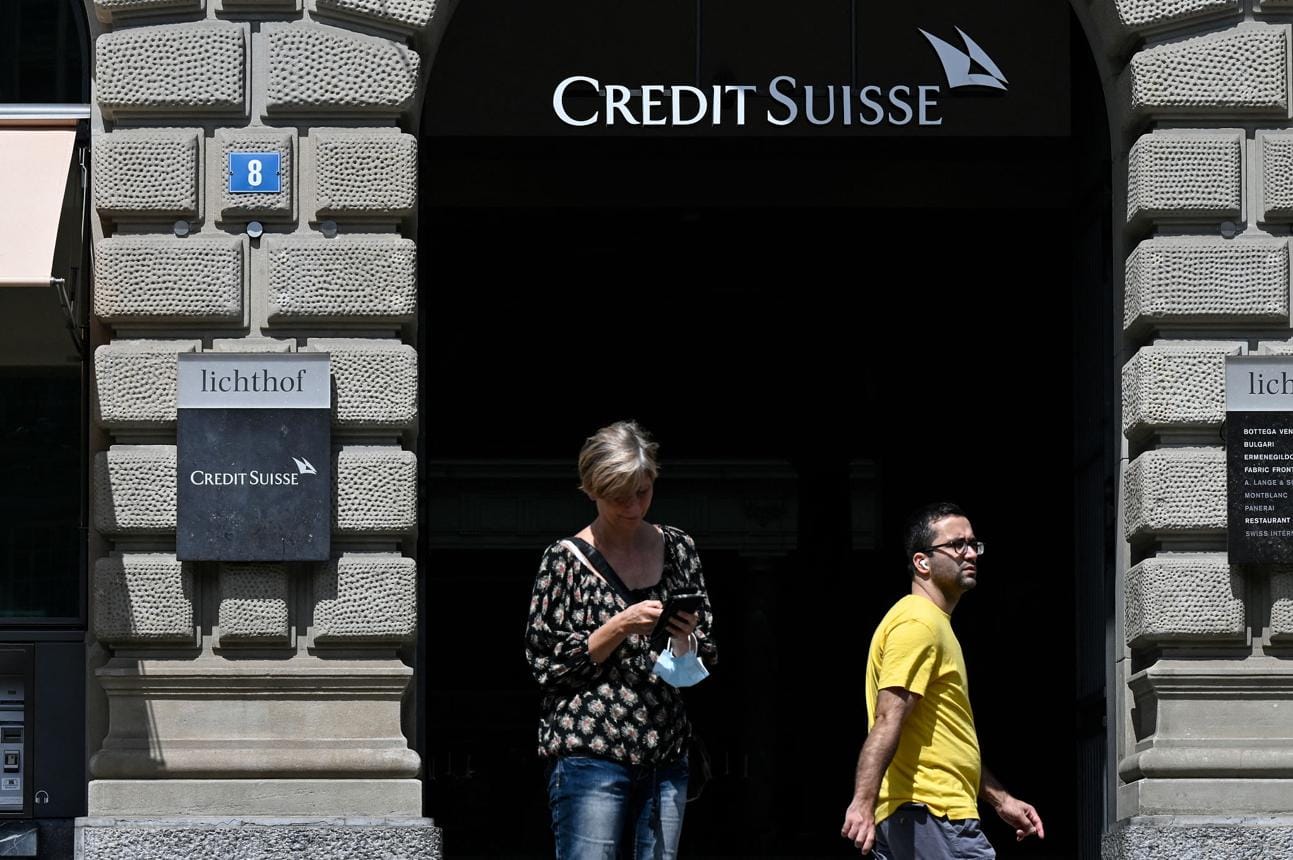
A well-known Swiss bank has reportedly ended loan facilities for individuals holding refugee status in Switzerland. The decision has sparked discussion among community groups, financial experts, and refugee support organizations regarding access to essential financial services.

Banks in Switzerland regularly review their lending policies based on risk assessments, regulatory requirements, and internal business strategies. Changes to loan eligibility criteria can affect specific customer groups, including foreign nationals and individuals with different residence permit categories.

The reported move has raised concerns among refugee communities who rely on financial products to support education, housing, transportation, and small business activities. Advocates argue that access to responsible credit plays an important role in helping individuals integrate into Swiss society and achieve financial stability.

Supporters of stricter lending policies, however, point out that banks must manage financial risks carefully and comply with regulatory obligations. Financial institutions often evaluate factors such as income stability, employment status, residency conditions, and repayment capacity before approving loans.

The development highlights the ongoing debate between financial risk management and equal access to banking services in Switzerland. Further clarification from the bank and relevant authorities may provide additional details regarding the scope and impact of the policy change.

Migros Restaurant Food Quality in Switzerland.

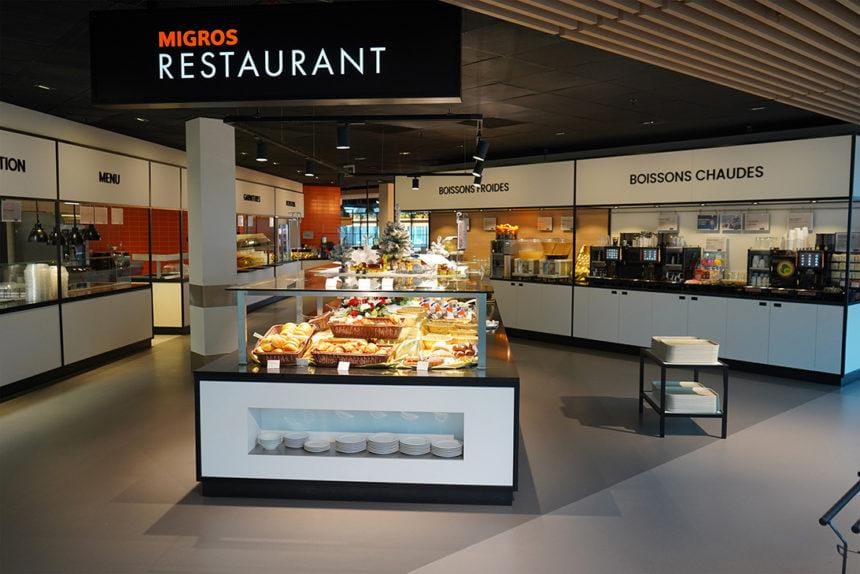
Migros operates some of the most popular self-service restaurants across Switzerland and continues to attract thousands of customers every day. While Migros restaurants are not considered luxury dining destinations, many visitors appreciate them for offering fresh meals, affordable prices, and a comfortable dining environment.

Migros focuses on providing seasonal menus, freshly prepared dishes, salad buffets, vegetarian options, and family-friendly meals. The company aims to deliver quality food that meets Swiss standards while keeping prices accessible for everyday customers. This combination has helped Migros become a trusted choice for quick lunches and casual dining throughout the country.

Many customers praise Migros restaurants for offering good value for money. Fresh salads, buffet selections, clean dining spaces, and family-oriented meal options remain among the most appreciated features. Customers also value the use of ingredients that comply with Switzerland’s strict food quality standards.

However, customer experiences can vary between different Migros restaurant locations. Some visitors report that food quality and taste differ from branch to branch. Others believe that food standards have changed over recent years, while some diners feel the restaurants may not satisfy expectations for premium culinary experiences.

Overall, Migros remains a reliable option for people seeking a clean, affordable, and convenient meal in Switzerland. Although food enthusiasts looking for gourmet dining may prefer other restaurants, Migros continues to maintain its reputation as one of Switzerland’s most accessible and trusted self-service dining brands.

US Proposes New Tariffs on Swiss Goods Over Forced Labour Concerns

The United States has announced plans to impose new tariffs of 12.5% on Swiss imports linked to allegations of goods produced using forced labour, escalating trade tensions between the two countries.

The move is part of a broader trade policy initiative under the US administration, which targets around 60 trading partners, including Switzerland. The US argues that affected countries have not done enough to prevent imports of products linked to forced labour practices.

According to a report from the US Trade Representative, Switzerland is among 54 economies that allegedly lack a clear legal ban on such imports. As a result, Washington is considering additional tariffs on 45 of these countries, including Switzerland.

However, certain products such as semiconductors, coffee, beef, and fruit would be excluded from the proposed tariff measures.

Other countries facing similar or lower tariff proposals include the European Union, Canada, the United Kingdom, Mexico, Indonesia, Pakistan, and several Asian and Latin American nations.

The proposal is still under review, but it signals increased pressure on Switzerland’s export-driven economy, particularly in sectors linked to global supply chains.

Swiss authorities have not yet issued an official response, but the issue is expected to be discussed further in upcoming trade negotiations.

Authorities Rule Out Terrorism in Bellinzona Knife Attack Case.

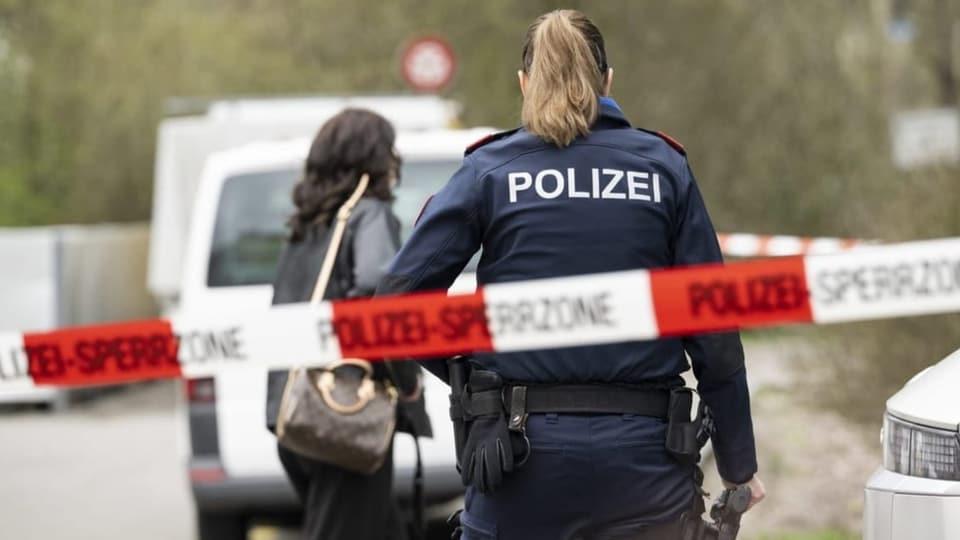
Swiss authorities have confirmed that no terrorist or jihadist motive was identified in a knife attack that took place in Bellinzona, despite earlier concerns raised in media reports.

In late January, a 37-year-old Swiss-Turkish woman entered a mobile phone shop in the Ticino town and threatened employees with a knife. Reports indicated that she allegedly shouted religious phrases during the incident, which initially raised suspicions of a possible extremist link.

However, the Office of the Attorney General of Switzerland (OAG) has now confirmed that investigations found no evidence of a terrorist background or ideological motive. The case is being treated as a criminal incident rather than an act of terrorism.

Authorities also stated that the suspect is currently receiving outpatient psychiatric treatment. Medical assessments indicated that she was not fit for questioning or trial at the time of the incident, leading to her involuntary admission to a psychiatric facility.

The legal proceedings remain ongoing, and officials have not released further details due to the sensitivity of the case.

The clarification highlights the importance of distinguishing between mental health-related incidents and ideologically motivated attacks during criminal investigations.

WHO Reports Decline in Suspected Ebola Cases in DR Congo.

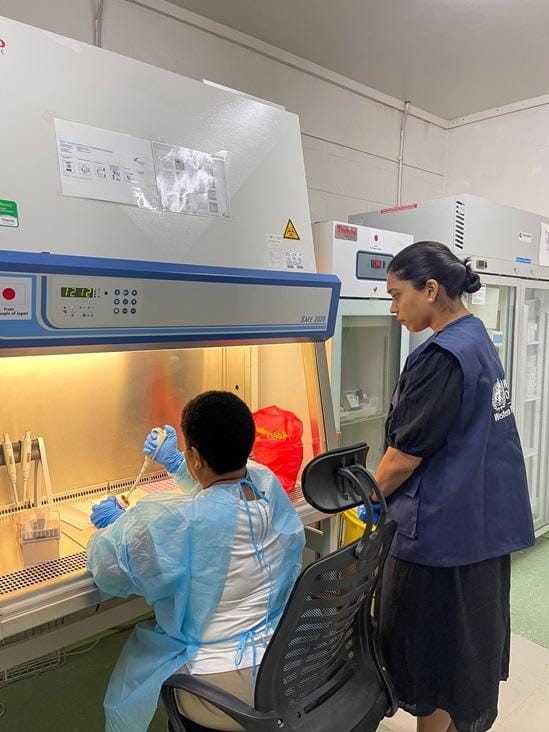
The World Health Organization (WHO) has reported a significant drop in suspected Ebola cases in the Democratic Republic of Congo (DRC), as improved testing has ruled out many earlier alerts.

According to the latest update, the number of suspected cases has fallen to 116, compared with more than 900 reported just days earlier. Many of the previously suspected patients tested negative for Ebola and were found to have other illnesses or non-Ebola-related fevers.

Despite the decline in suspected cases, the outbreak remains serious. The WHO confirmed 321 total cases and 48 deaths in the country so far, while six patients have recovered. Health authorities continue to closely monitor the situation to prevent further spread.

In neighboring Uganda, officials have confirmed nine cases and one death. The country has temporarily closed its border with the DRC as a preventive measure. However, global health experts, including the WHO, caution against broad travel restrictions, stating that only infected individuals and direct contacts should face movement limitations.

The International Organization for Migration (IOM) warned that border closures could worsen the situation by pushing people to cross unofficially, making health screening more difficult and increasing the risk of undetected transmission.

Health agencies continue to emphasize surveillance, testing, and targeted containment as the most effective tools to control the outbreak.

Switzerland Opens Ukraine Reconstruction to Private Companies.

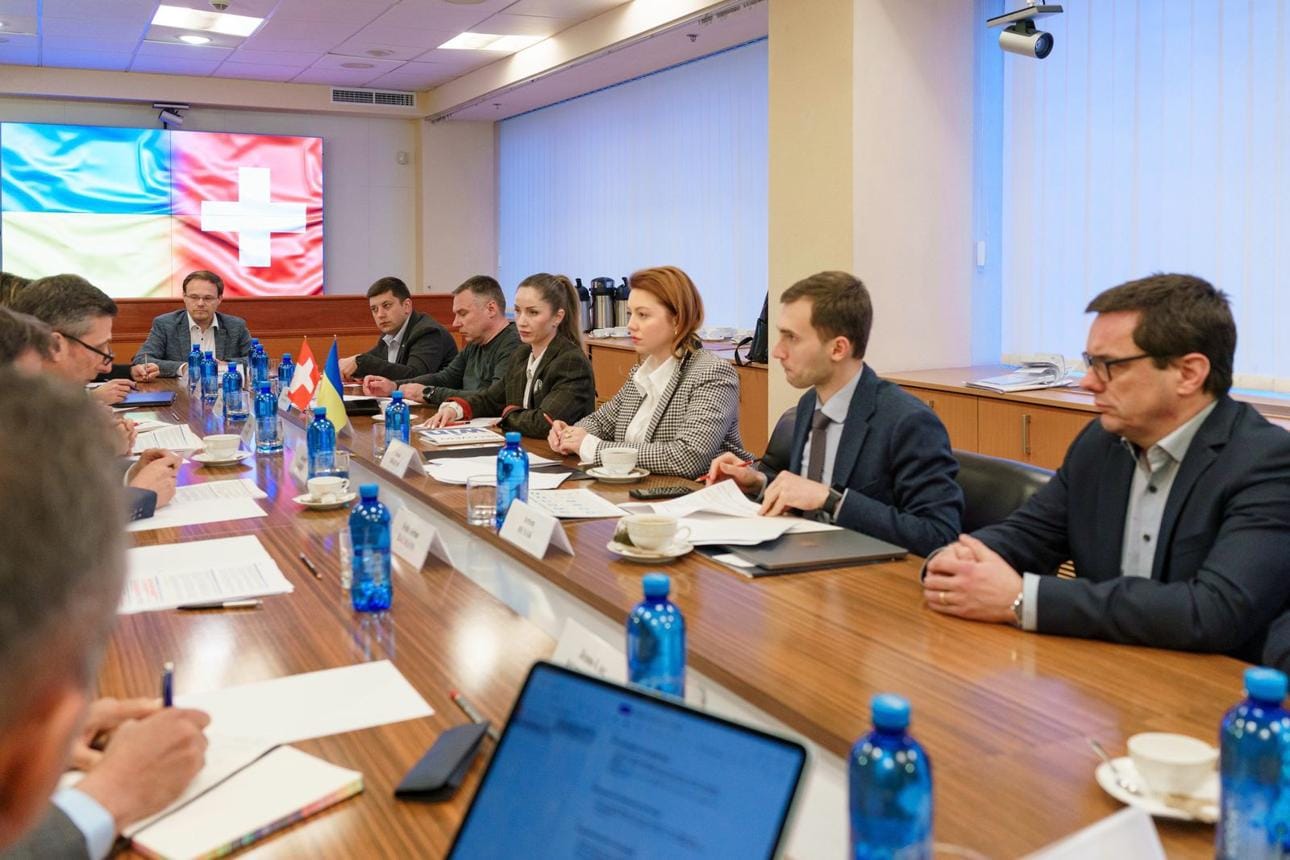
Switzerland has approved a new bilateral agreement that will allow private companies to participate in the reconstruction of Ukraine, marking a significant shift in its development cooperation approach.

Both chambers of the Swiss Parliament supported the agreement, which was originally signed in July 2025. The decision enables Swiss companies— including those not currently operating in Ukraine— to take part in rebuilding infrastructure in the war-affected country.

Under the new system, reconstruction projects will be managed through official tenders organised by Swiss authorities, based on requests from Ukrainian institutions. This ensures that projects are coordinated transparently while expanding opportunities for Swiss businesses in international development work.

The government noted that this form of “tied aid,” which links development assistance with domestic economic participation, required a legal basis because it does not fully align with existing Swiss development cooperation law.

Authorities also highlighted that financial risks, including corruption concerns, are reduced because funds will not be transferred directly to Ukrainian state bodies. Instead, payments will go directly to Swiss companies delivering approved projects.

The initiative reflects Switzerland’s broader effort to combine humanitarian support with economic engagement while contributing to Ukraine’s long-term reconstruction and stability.

Association for Burn Victims Founded After Crans-Montana Fire.

A new organisation called Initiative Phoenix has been founded in Switzerland to support victims of the devastating Crans-Montana fire disaster, which killed 41 people and left 115 injured.

The association was created five months after the tragedy and aims to improve medical care, rehabilitation, and long-term support for burn victims. It focuses on promoting medical innovation in burn treatment and strengthening cooperation between international specialists.

Initiative Phoenix also plans to develop practical therapeutic guidelines for victims and their families. These recommendations will be created through collaboration between doctors and experts, allowing affected individuals to access structured medical and psychological support.

The organisation will further support humanitarian, scientific, and social initiatives related to severe accident recovery. A key goal is to improve coordination between medical institutions treating serious burn injuries across Switzerland and abroad.

The project was initiated by Belgian plastic surgeon Johann Wary, who resides in Crans-Montana. He is supported by a medical committee consisting of six Swiss and Belgian doctors, including specialists from CHUV Lausanne, one of Switzerland’s leading university hospitals.

The initiative reflects growing efforts to provide long-term care and structured recovery pathways for victims of large-scale disasters.

Digital Skills in Switzerland Show Strong Access but Clear Inequalities.

Switzerland continues to perform strongly in digital development, but a new report from the Federal Statistical Office (FSO) highlights significant gaps in digital skills across different population groups.

Overall, Switzerland ranks above the EU average in internet access, online services, and digital abilities. Nearly all households—about 99%—have internet access, and most people use the internet daily. However, the report confirms that access alone does not guarantee equal digital participation.

Older adults, people with lower levels of education, and individuals in lower-skilled occupations face the greatest challenges. While more than three-quarters of people aged 16 to 74 have basic digital skills, this figure drops sharply among those over 60 and those without post-compulsory education.

The gap becomes more visible in the use of digital services. Around 81% of residents use e-banking, but only 62% of people over 60 do so. The difference is even more striking in artificial intelligence usage, where 75% of young people aged 15–29 use AI tools compared to just 15% of older adults.

Gender differences also remain. Men use generative AI more often than women, while higher education levels strongly correlate with better digital skills.

The FSO warns that digital inclusion must improve so that all citizens can fully participate in modern society, especially as services increasingly move online.