
Rare Hearing Disorder Prevents Woman From Hearing Male Voices in China

Doctors in China were surprised after a young woman reportedly developed a rare hearing condition that prevented her from hearing male voices clearly while still being able to hear female voices.

The unusual medical case was reported in Xiamen, China, where the woman woke up one morning and discovered that she could not properly hear her boyfriend speaking. She later realized that male voices around her sounded unclear or completely inaudible.

Medical experts diagnosed the condition as “Reverse Slope Hearing Loss,” a rare form of hearing impairment that affects the ability to hear low-frequency sounds. Since male voices generally have lower sound frequencies compared to female voices, the woman struggled to hear conversations involving men.

Doctors explained that the condition may have been triggered by severe stress, emotional exhaustion, and lack of sleep. According to reports, the woman had recently experienced high stress levels and sleep deprivation before the symptoms appeared.

When she visited the hospital, she reportedly heard female nurses speaking without difficulty, while male voices remained difficult to understand. The unusual case quickly attracted public attention and sparked discussions about hearing health and stress-related medical conditions.

Medical professionals say Reverse Slope Hearing Loss is extremely rare compared to common hearing disorders. Experts also warn that chronic stress and poor sleep can negatively affect both mental and physical health, including hearing ability in some cases.

Doctors recommend seeking medical attention immediately if sudden hearing changes or unusual auditory symptoms appear.

Scientists Warn Human Y Chromosome Could Slowly Disappear in the Future

Scientists have raised fresh discussions about the future of the human Y chromosome after research suggested it may continue shrinking over millions of years. The Y chromosome plays a major role in determining male biological sex in humans, while the X chromosome is present in both males and females.

Australian genetic researcher Jennifer Graves, a professor associated with La Trobe University, previously published research examining the long-term evolution of sex chromosomes in mammals.

According to her findings, the human Y chromosome has gradually lost a large number of genes over millions of years. Early in mammalian evolution, X and Y chromosomes were believed to be similar in size and genetic structure. However, scientific comparisons with ancient mammals such as the platypus suggested that the human Y chromosome has continued shrinking over evolutionary time.

Professor Graves estimated that the Y chromosome may have lost around 1,400 genes throughout evolution. Based on earlier calculations, some researchers suggested that if this gradual decline continued at the same rate, the Y chromosome could theoretically disappear millions of years in the future.

However, many modern scientists emphasize that this does not mean men will disappear anytime soon. Researchers say evolution is extremely complex, and some species have already developed alternative biological systems for sex determination even without a traditional Y chromosome.

Genetics experts also note that current studies continue to debate whether the human Y chromosome is still shrinking or has now stabilized over time. The topic remains an important area of research in evolutionary biology and human genetics.

Scientists stress that the possible disappearance of the Y chromosome, if it ever happens, would occur over millions of years and would not affect present or future generations anytime soon.

Switzerland Joins International Coalition to Return Ukrainian Children

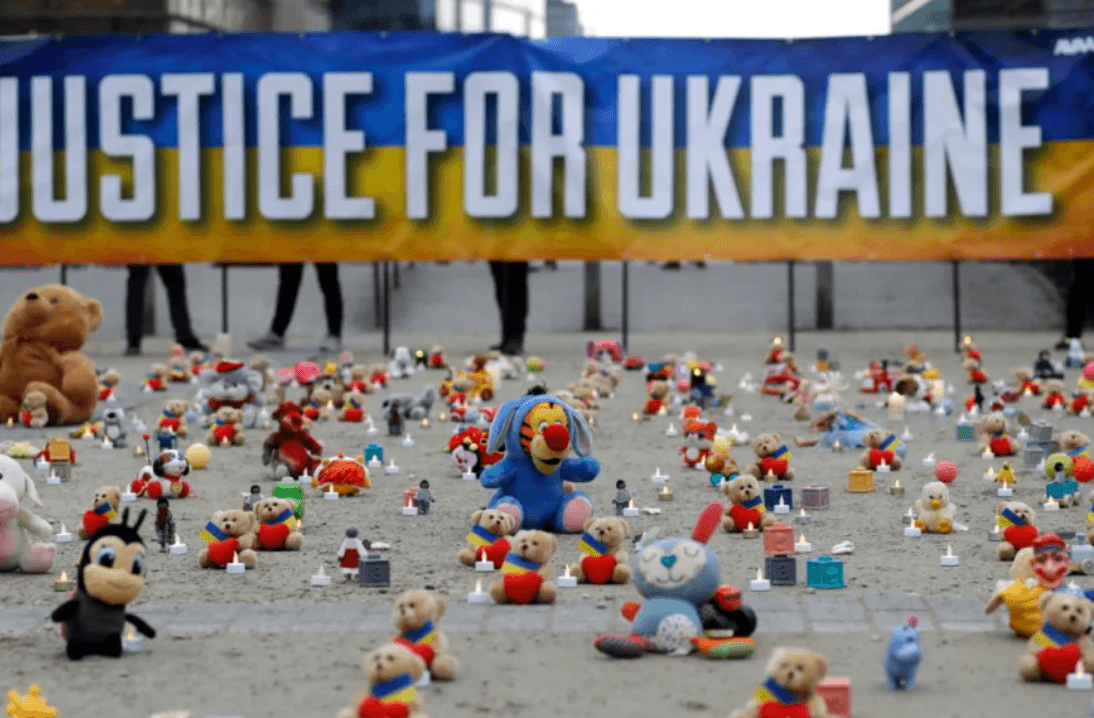
Switzerland has officially joined the international coalition working to return Ukrainian children allegedly deported or forcibly relocated by Russia during the ongoing war in Ukraine.

Swiss authorities confirmed that the country has formally informed Ukraine and Canada about its decision to become a full member of the coalition. Until now, Switzerland had participated only as an observer in coalition meetings.

The international coalition was created by Canada and Ukraine in February 2024 and currently includes 47 countries and international organizations. The latest meeting of the coalition took place in Brussels, where Switzerland was represented by Ambassador Rita Adam.

According to coalition data, more than 20,000 reports of possible deportations and forced relocations of Ukrainian children by Russia have been documented since the start of the conflict. So far, 2,133 children have reportedly been returned to Ukraine from deportation, forced relocation, or territories under temporary occupation.

Swiss officials stated that joining the coalition fulfills a mandate approved by the Swiss parliament. Human rights organizations and international leaders continue to call for stronger international cooperation to protect children affected by war and support efforts to reunite families.

The move highlights Switzerland’s growing diplomatic involvement in humanitarian initiatives linked to the Ukraine conflict and international child protection efforts.

Human Trafficking Cases Rise in Switzerland

The number of identified human trafficking victims in Switzerland increased in 2025, according to a new report released by FIZ Advocacy and Support for Migrant Women and Victims of Trafficking.

The organization registered 228 people in its victim protection programme last year, representing an increase of 20 cases compared to the previous year. In 65 cases, authorities and support services arranged special protected accommodation for victims in need of urgent safety and support.

FIZ identified 82 individuals as confirmed victims of human trafficking. Most of the victims were women, and a significant number were linked to the sex industry. According to the report, 48 out of the 82 confirmed victims were involved in sex work under exploitative conditions.

FIZ representatives explained that the victims came from more than 80 different countries, with many originating from Eastern Europe. The victims ranged from very young individuals to people over the age of sixty.

According to FIZ spokesperson Fanie Wirth, many victims share similar vulnerabilities, including limited education, unemployment, economic hardship, and social isolation. She also stated that increased awareness and improved reporting systems may have contributed to the rise in identified cases.

Human rights experts warn that the true number of trafficking victims in Switzerland could be significantly higher because many cases remain unreported. Advocacy groups continue to call for stronger protection systems, awareness campaigns, and international cooperation to combat human trafficking and support survivors.