


Roche Acquires AI Specialist PathAI in Major Healthcare Deal.

Swiss pharmaceutical giant Roche has announced the acquisition of American artificial intelligence company PathAI as part of its strategy to strengthen AI-powered healthcare and digital pathology solutions.

The deal is valued at $750 million, with additional milestone payments that could increase the total value by up to $300 million.

Through the acquisition, Roche aims to expand its leadership in AI-based diagnostic technologies and accelerate the development of personalized medicine.

PathAI specializes in artificial intelligence systems used in pathology and medical diagnostics. Its AI-powered Image Management System (IMS) helps laboratories improve efficiency, analyze medical images faster, and support clinical decision-making.

Roche stated that combining PathAI’s technology with Roche’s diagnostic expertise will help speed up the development of new therapies, improve laboratory operations, and support the discovery of new biomarkers and advanced diagnostic tools.

The two companies already began collaborating in 2021, with the partnership expanding further in 2024 before the acquisition announcement.

Roche expects the transaction to be finalized during the second half of 2026, pending approval from regulatory and competition authorities.

After completion, PathAI will be integrated into Roche’s diagnostics division, strengthening the company’s position in the growing field of AI-driven healthcare innovation.

The move highlights the increasing importance of artificial intelligence in global healthcare, where pharmaceutical companies are investing heavily in digital diagnostics, precision medicine, and automated laboratory technologies.
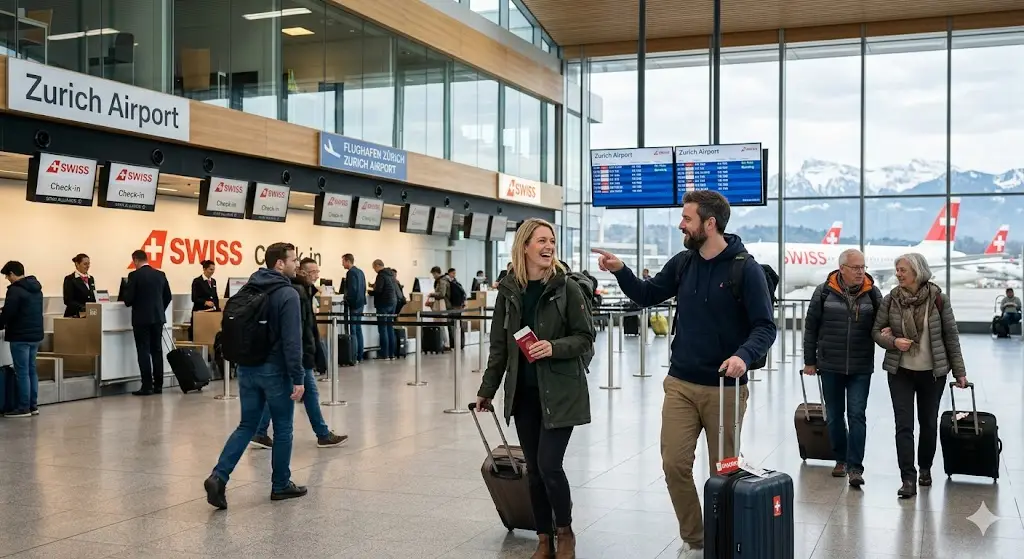
Middle East War Expected to Affect Swiss Tourism Industry.

The ongoing conflict in the Middle East is expected to negatively impact the tourism sector in Switzerland, according to Switzerland Tourism.

Tourism officials warned that the war could lead to a moderate decline in overnight hotel stays this year, although demand during the summer season is expected to remain relatively stable.

The Swiss hotel industry recorded a noticeable slowdown in March, with overnight stays falling by 5.2% compared to the same period last year. However, Switzerland Tourism explained that the decline was not caused solely by the conflict but also by calendar-related factors.

One major reason was the timing of school winter holidays. In 2026, winter vacations in many European regions ended in February, while several major markets, including Germany, had holidays extending into March during the previous year.

Despite the uncertainty, many tourism operators remain optimistic about the upcoming summer season. Industry experts expect stable demand from domestic travelers and visitors from neighboring European countries.

The trend toward “nearshoring” — where tourists prefer destinations closer to home — is continuing to support Switzerland’s tourism sector amid global instability.

Interestingly, Switzerland also recorded a surprising rebound in visitors from Gulf countries, with arrivals increasing by 7.9%. Tourism officials noted that this was partly due to the timing of Ramadan, which fell in March 2025 and traditionally reduces travel activity.

Looking ahead to 2026, Switzerland Tourism predicts a 2–3% decline in overnight stays linked to geopolitical tensions in the Middle East.

However, officials stressed that the current situation is far less severe than the tourism collapse experienced during the COVID-19 pandemic. They described the present slowdown as a market adjustment affecting only certain travel segments.

Tourism experts added that hotels heavily dependent on travelers from affected regions may feel stronger economic pressure, while the broader Swiss tourism industry is expected to remain stable overall.