Swiss Cantons Oppose Converting Asylum Status Into Work Permits

Several Swiss cantons have opposed a federal proposal that would allow asylum seekers with temporary protection status to convert their residency into work permits after five years.

The Conference of Cantonal Directors of Social Affairs of Central Switzerland warned that the policy could place significant financial pressure on cantons and municipalities across Switzerland.

The debate mainly concerns refugees holding Switzerland’s temporary protection status S, many of whom arrived from Ukraine following the ongoing conflict. Cantonal authorities argue that status S was originally designed as a short-term humanitarian measure rather than a pathway to permanent residence.

According to the cantons, automatically converting S permits into B residence permits after five years would fundamentally change the purpose of the protection system. Officials stated that such a move would transform a temporary protection mechanism into a long-term immigration model.

The cantons also criticized the federal government’s financial approach. Under the proposal, Bern plans to reduce or stop federal financial support after five years, while local governments would continue covering social welfare and integration costs.

Regional leaders are now demanding greater authority over social assistance policies and adjustments to federal regulations to ensure that cantons are not left carrying the long-term financial burden alone.

The Conference of Cantonal Directors of Social Affairs of Central Switzerland includes the cantons of Lucerne, Uri, Schwyz, Nidwalden, Obwalden, and Zug.

The issue is expected to remain politically sensitive as Switzerland continues balancing refugee protection policies with economic and social integration challenges.
Switzerland Monitors Safety Concerns Over Tavneos Drug After Japan Warning

Swissmedic is closely monitoring international safety concerns surrounding the drug Tavneos after Japanese authorities reported multiple deaths linked to its use.

Japanese pharmaceutical company Kissei Pharmaceutical has advised doctors not to prescribe Tavneos to new patients following reports that 20 people died after taking the medication since its launch in 2021. The company also warned healthcare professionals about the risk of severe liver dysfunction.

Tavneos, developed by Amgen, is used to treat rare autoimmune diseases. Japanese officials urged doctors to carefully review ongoing treatments and determine whether patients should continue using the drug.

International regulators have also increased scrutiny over the medication. The Food and Drug Administration is reportedly considering withdrawing approval for the drug in the United States, while the European Medicines Agency has launched a formal safety review.

Swissmedic confirmed that it continuously monitors global developments involving medicines approved in Switzerland and remains in contact with international regulatory agencies. Tavneos, also known as Avacopan, has been approved for use in Switzerland since 2022.

The Swiss regulator stated that it actively analyzes safety data as part of its ongoing market surveillance process. However, Swiss authorities clarified that no formal procedure currently exists to suspend or withdraw Tavneos from the Swiss market.

As a result, the drug remains authorized for use in Switzerland while investigations continue internationally.

Jordan Refuses Full Cooperation in Swiss Weapons Inspection

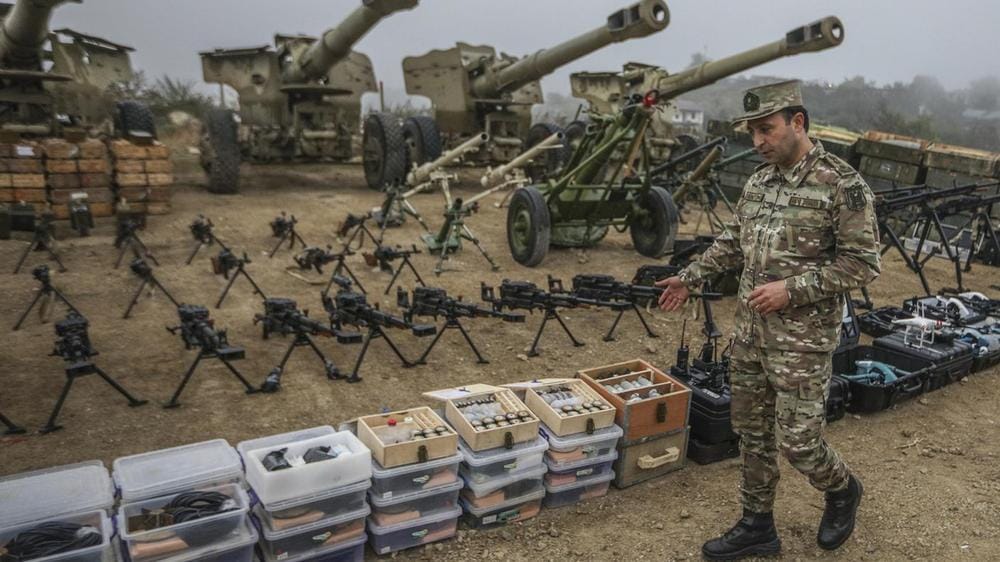
Jordan has refused to fully cooperate with Swiss inspectors conducting checks on weapons exported from Switzerland, raising concerns over compliance with international arms agreements.

According to a report from State Secretariat for Economic Affairs (Seco), Swiss officials visited Jordan in February 2025 as part of a post-shipment verification (PSV) process. These inspections ensure that Swiss-made weapons remain in the importing country and are not transferred without authorization.

The report revealed that Jordan prevented inspectors from examining certain weapons during the visit. Swiss authorities also reported that some individual weapons could not be located, increasing concerns about transparency and accountability.

Switzerland requires importing countries to follow strict rules regarding the resale or transfer of military equipment. Swiss officials say on-site inspections are essential for verifying whether countries respect these obligations.

The issue has sparked political debate in Switzerland as parliament recently approved changes to relax parts of the War Materiel Act. Under the revised law, importing countries may no longer need to provide guarantees against transferring Swiss weapons to third parties in every case.

Critics argue that loosening export controls could weaken oversight and reduce Switzerland’s ability to monitor how its military equipment is used abroad. Supporters, however, claim the reforms would simplify export procedures and improve the competitiveness of Swiss defense industries.

The law change now faces a national referendum after campaigners submitted more than 75,000 signatures demanding a public vote. Swiss voters are expected to decide on the issue no earlier than September 2026.

The debate highlights growing international concern over arms exports, military accountability, and the monitoring of defense agreements between countries.

Israel Detains Swiss Activists on Gaza Flotilla Near Cyprus

Israeli armed forces intercepted a Gaza-bound flotilla near the coast of Cyprus and arrested several activists, including four Swiss nationals, according to videos shared online by participants.

The flotilla was part of a humanitarian mission organized by Global Sumud, aiming to reach Gaza by sea. Videos posted on Instagram confirmed the detention of members of the Swiss delegation, including Lausanne-based artist Anne Rochat. Reports indicate that eight Swiss citizens had joined the mission.

The Federal Department of Foreign Affairs stated that the Swiss embassy in Tel Aviv is currently in contact with Israeli authorities regarding the situation. However, officials said they had not yet received detailed information about the condition of the detained Swiss citizens.

Swiss authorities called on Israel to respect the fundamental rights of those involved in the flotilla and to comply with international maritime law. The FDFA emphasized that any intervention at sea must follow the principle of proportionality.

The Swiss government also revealed that it had warned organizers in April about the “considerable risks” associated with joining naval expeditions toward Gaza. Authorities stressed that participants acted under their own responsibility.

According to Swiss law, consular support may be limited in cases where citizens knowingly enter high-risk situations despite official warnings. The FDFA added that any assistance provided could also be billed to the individuals involved.

The incident has drawn international attention as tensions surrounding humanitarian missions to Gaza continue to increase across the region.

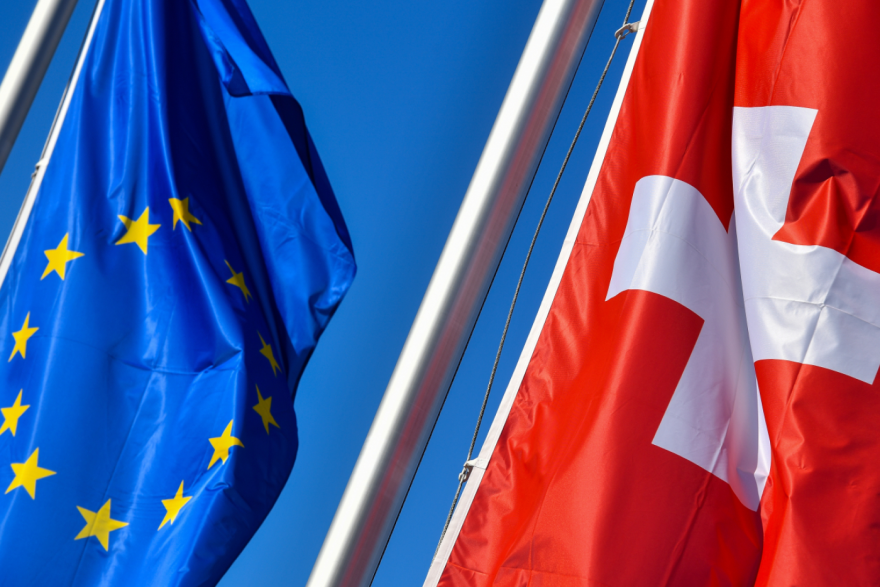
EU Rejects Swiss Criticism Over New Steel Import Tariffs.

The European Union has rejected criticism from Switzerland over its newly approved steel import tariffs, stating that the measures comply with existing trade agreements and do not breach ongoing bilateral understandings.

The dispute escalated after Swiss Economics Minister Guy Parmelin described the EU’s stricter steel rules as “unacceptable” and expressed surprise at their timing, as Switzerland’s parliament continues reviewing a major bilateral agreement package with Brussels.

The European Commission responded that the joint declaration on stabilising Switzerland–EU relations only applies to the new cooperation package currently under negotiation. It clarified that steel trade falls under the 1972 free trade agreement and is therefore outside the scope of the recent political declaration.

The EU’s new steel policy includes reduced import quotas and doubled tariffs on excess volumes, aiming to protect its domestic steel industry. These rules are expected to take effect from July 1, with exceptions only for European Economic Area countries such as Norway, Iceland, and Liechtenstein.

European Commission emphasized that Switzerland is not part of the exemption list and that any future quota adjustments would need to be negotiated through international trade frameworks such as the World Trade Organization.

Swiss officials argue that the timing and scope of the measures could create political tension while the broader Switzerland–EU agreement package is still under parliamentary review. Despite disagreements, both sides have expressed interest in maintaining stable long-term relations.

Switzerland Raises Concerns Over Italy’s Cross-Border Health Tax Plan.

Switzerland has raised serious concerns over Italy’s proposed “health tax” on cross-border workers, a move that could affect thousands of commuters, especially in the border region of Canton of Ticino.

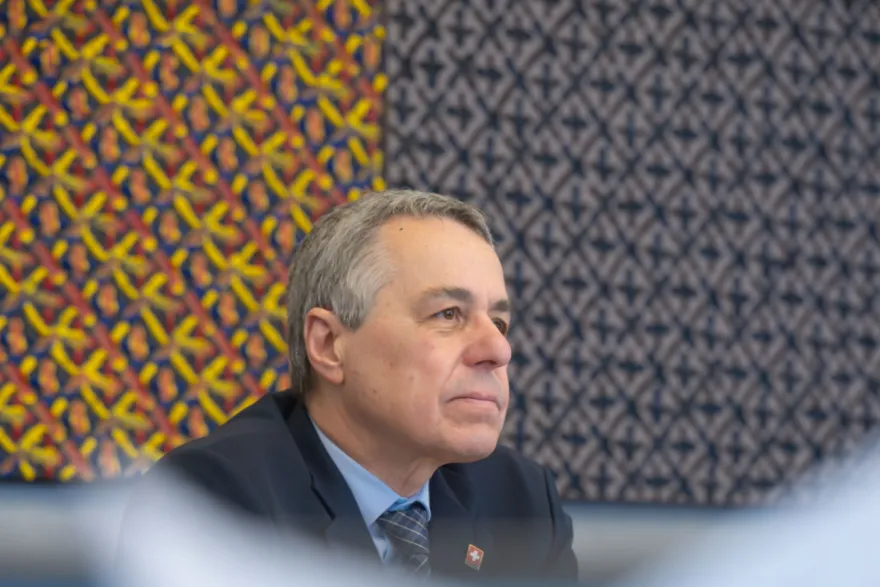
During discussions in Bellinzona, Swiss Foreign Minister Ignazio Cassis emphasized the importance of maintaining strong bilateral relations between Switzerland and Italy. He expressed hope that ongoing dialogue would remain constructive as both countries address sensitive cross-border issues.

The proposed Italian policy would allow border regions to impose a levy of around 3% to 6% on net wages earned in Switzerland by Italian cross-border workers. Swiss authorities warn that this could create economic pressure and disrupt labor mobility between the two countries.

Officials also raised concerns about Italy’s idea of introducing “special economic zones” in border areas. These zones aim to reduce taxes and bureaucracy to encourage businesses to stay in Italy instead of relocating to Switzerland.

In addition, discussions included broader financial topics such as inter-cantonal financial equalization, budget tightening measures, and the promotion of the Italian language in Switzerland. The Ticino government has urged reforms to prevent widening economic gaps between Swiss cantons.

The issue will remain politically sensitive as both nations prepare for the upcoming OSCE Ministerial Council meeting in Lugano, scheduled for December 3–4, where diplomatic cooperation will be further tested.

Swiss Crowdfunding Market Grows for First Time Since 2021 Driven by Crowdlending Surge

Switzerland’s crowdfunding sector has returned to growth in 2025 after three consecutive years of decline, signaling renewed investor confidence in digital financing platforms. According to the latest “Crowdfunding Monitor Switzerland” report by Lucerne University of Applied Sciences and Arts (HSLU), the total volume of funds raised through online platforms increased by 14% to CHF629 million (around $800 million).

The market had previously peaked at nearly CHF792 million in 2021 before experiencing a steady decline. The recent recovery is mainly driven by strong performance in the crowdlending segment, which now accounts for approximately 75% of the total crowdfunding volume in Switzerland.

CHF 629 million = 629000000 CHFCHF\ 629\ million\ =\ 629\,000\,000\ CHFCHF 629 million = 629000000 CHF

Experts explain that stricter banking regulations introduced in 2025 played a key role in boosting alternative financing channels. Swiss banks are now required to hold more capital against riskier property loans, making traditional lending more expensive and less flexible. As a result, businesses and individuals are increasingly turning to crowdlending platforms for faster and more accessible financing options.

The report also highlights a broader recovery across other crowdfunding segments. Crowdsupporting and crowddonating platforms recorded growth for the first time since 2020. Crowddonating, which supports charitable, cultural, and social initiatives, and crowdsupporting, where contributors receive rewards such as products or services, together increased significantly in 2025.

Sports and health-related projects were among the most successful categories, contributing to a total combined volume increase of 30% to CHF35 million. Meanwhile, real estate crowdlending showed particularly strong expansion, rising by 38% to CHF275 million, making it one of the most important growth drivers in the sector.

Researchers from HSLU noted that the annual “Crowdfunding Monitor Switzerland” plays a key role in tracking market trends and improving transparency within the financial ecosystem. The study helps identify emerging investment behaviors and highlights how regulatory changes continue to shape Switzerland’s digital finance landscape.

Swiss Economy Records Strong Growth in Early 2026 Despite Global Challenges

Switzerland’s economy showed stronger-than-expected growth during the first quarter of 2026 despite rising oil prices and ongoing global trade uncertainties. According to the latest flash estimate released by the Swiss State Secretariat for Economic Affairs (SECO), the country’s real seasonally adjusted gross domestic product (GDP) increased by 0.5% compared to the previous quarter.

The positive economic performance came from growth in both the industrial and service sectors. Economists had predicted a lower increase of between 0.3% and 0.4%, making the latest figures a positive surprise for the Swiss economy. During the final quarter of 2025, Switzerland’s GDP had grown by only 0.2%, while the previous quarter experienced a 0.5% decline due to international tariff disputes and trade tensions.

GDP Growth=0.5%GDP\ Growth = 0.5\%GDP Growth=0.5%

SECO economic expert Felicitas Kemeny explained that confidence in the economy has improved in recent months. She stated that reduced tariffs and slight economic recovery in Germany helped support Swiss economic activity. Several economic indicators also pointed toward stronger business confidence and stable consumer activity across Switzerland.

Although oil prices increased significantly during March, analysts noted that confidence indicators remained relatively stable. This has created optimism that Switzerland may maintain positive economic momentum in the short term. However, uncertainty still exists because global energy prices and international trade conditions continue to affect economic forecasts worldwide.

The Swiss government currently expects economic growth of around 1.0% for 2026 under its main scenario. If oil prices remain elevated for a longer period, experts believe growth could slow slightly to around 0.8%. SECO will release the detailed GDP report on June 1, which will provide more information about the performance of individual sectors within the Swiss economy.

Switzerland continues to demonstrate resilience despite global economic pressure, inflation concerns, and international market instability. Economists believe the country’s diversified economy, stable financial system, and strong industrial base continue to support steady economic growth during uncertain times.

Switzerland Praises WHO for Strong Hantavirus Management.

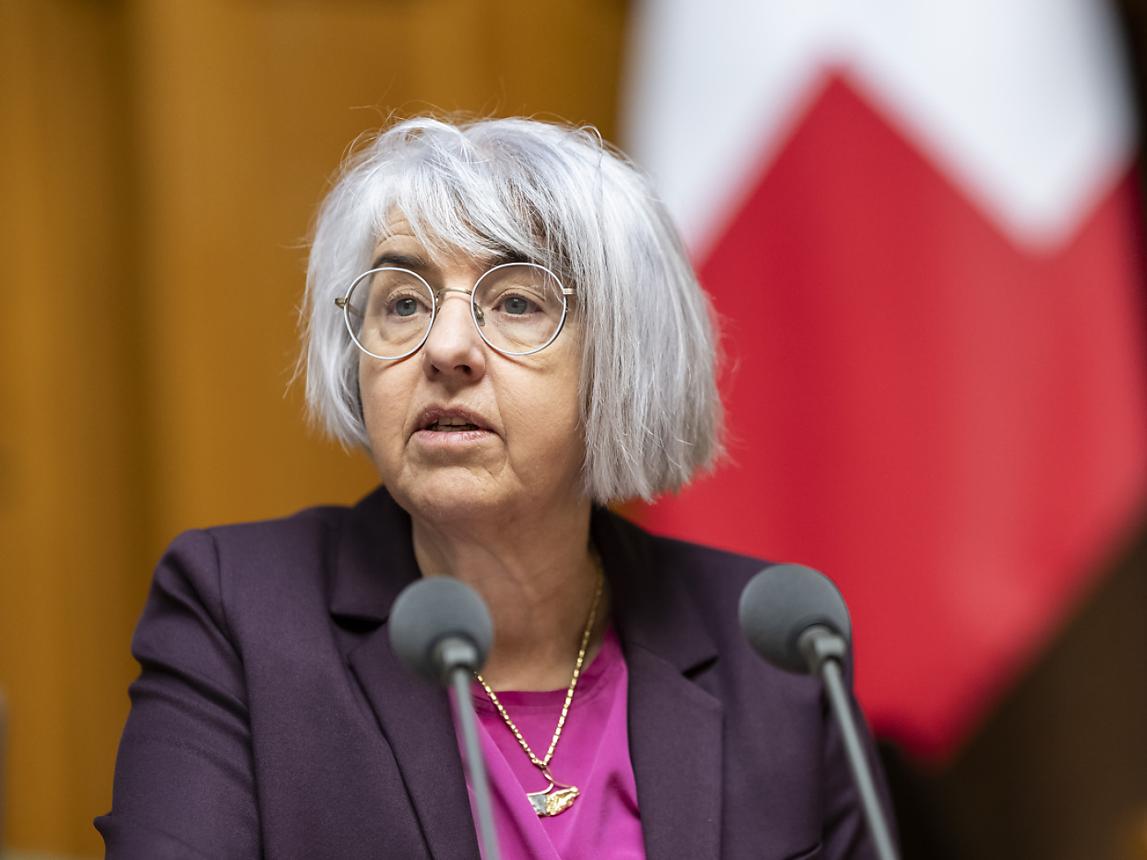
Switzerland has praised the role of the Geneva-based World Health Organization (WHO) for leading the global response to the hantavirus outbreak. During the opening of the World Health Assembly in Geneva, Swiss Interior Minister Elisabeth Baume-Schneider emphasized the importance of international cooperation and transparent health communication during future global health emergencies.

Baume-Schneider stated that the WHO remains an essential institution for global public health despite growing political pressure and financial challenges. She called for a realistic and efficient international system that allows countries to share pathogen information and medical countermeasures quickly during pandemics. Switzerland strongly believes that global cooperation is necessary to prevent future health crises and protect millions of lives worldwide.

The minister also highlighted the WHO’s active response to both hantavirus and Ebola outbreaks. She acknowledged that the organization continues to perform its responsibilities effectively even after facing a budget reduction of nearly $1 billion and the loss of approximately 1,300 staff members. Switzerland reaffirmed its support for the WHO and stressed that the organization plays a critical role in global disease monitoring, emergency response, and healthcare coordination.

Recent criticism from countries such as the United States and Argentina has created uncertainty around the WHO’s future funding and leadership. However, Switzerland continues to support the Geneva-based organization and recognizes its contribution to international health security. Swiss officials believe that strengthening the WHO will improve global preparedness for future pandemics and emerging infectious diseases.

Experts say hantavirus infections remain a serious public health concern in several regions worldwide. The disease spreads mainly through contact with infected rodents and can cause severe respiratory complications. Health authorities continue to monitor the situation closely while encouraging countries to improve disease surveillance and emergency response systems.

Swiss Economy Grows 0.5% Despite Oil Price Shock

The Swiss economy recorded stronger-than-expected growth in early 2026 despite global pressure from rising oil prices and ongoing trade uncertainties.

According to a flash estimate released by the State Secretariat for Economic Affairs (SECO), Switzerland’s gross domestic product (GDP) increased by 0.5% in the first quarter of 2026 compared to the previous quarter.

Both the industrial and service sectors contributed to this positive performance, showing resilience even amid external economic shocks.

The growth rate exceeded analysts’ expectations, which had predicted expansion between 0.3% and 0.4%, according to market surveys.

In the previous quarters, the Swiss economy showed mixed performance, including a 0.2% growth at the end of 2025 and a 0.5% contraction earlier due to tariff-related tensions.

SECO officials noted that improved business confidence played a key role in the recovery, along with easing tariff pressures and modest positive spillover effects from Germany’s economy.

However, economists remain cautious about the outlook. Rising oil prices, which increased significantly in March, could still affect economic momentum in the coming months.

Despite this, confidence indicators have remained relatively stable, suggesting that short-term growth may continue.

The Swiss government currently projects annual growth of around 1.0%, though this could be revised down to 0.8% if high energy prices persist.

A detailed GDP breakdown is expected in the upcoming full report scheduled for June 1, which will provide deeper insight into sector-specific performance.