French Victim of Crans-Montana Fire Files Cross-Border Compensation Claim

A young French woman severely injured in the Crans-Montana bar fire in Switzerland has filed a compensation claim with the Crime Victims Compensation Commission (CIVI) at the Paris Judicial Court.

The 26-year-old victim suffered life-changing injuries in the New Year’s fire, which killed 41 people and injured more than 100 others. According to her lawyer, Sébastien Fanti, she sustained second- and third-degree burns covering 58.5% of her body and has lost the use of both hands.

The legal claim seeks compensation for severe physical, psychological, and functional damage, as well as the loss of her ability to work. While the exact amount has not been disclosed, the lawyer stated it reflects the “exceptional severity” of the injuries.

The legal action aims to use both Swiss and French legal systems to ensure the victim receives financial support to rebuild her life. The lawyer emphasized that while no compensation can undo the suffering, it can help provide a path toward recovery and stability.

The case is linked to a broader criminal investigation launched after allegations of culpable fire, grievous bodily harm, and violations of building safety regulations. The complaint was filed with the Valais public prosecutor’s office and targets individuals responsible for managing and supervising the premises.

The investigation also extends to potential administrative and political responsibility, as legal representatives argue that accountability may involve multiple levels of oversight failure.

Authorities in the canton of Valais have confirmed receipt of the complaint and continue to examine the circumstances surrounding the tragic incident.


Swiss Banking Fraud Cases Increase in 2025, Ombudsman Reports.

Financial fraud cases have increased in Switzerland in 2025, according to the Swiss Banking Ombudsman, with online banking and card payment scams driving most complaints.

The Swiss Banking Ombudsman handled 2,575 cases last year, marking a 4% increase compared with the previous year, as reported by Ombudsman Andreas Barfuss during a press conference.

Fraud-related complaints rose significantly to 316 cases in 2025, up from 270 in 2024. Officials said phishing attacks and digital payment fraud remain the most common issues affecting customers.

Regionally, 55% of complaints came from German-speaking Switzerland, while 23% originated from abroad. French-speaking Switzerland accounted for 19%, and Italian-speaking regions remained stable at 3%.

The report noted that in 90% of cases, the disputed amount was below CHF 100,000, indicating that most incidents involve relatively moderate financial losses.

Authorities emphasized that banks are not generally legally required to reimburse victims of such fraud cases. However, each complaint is assessed individually based on the circumstances and evidence provided.

Experts warn that the rise in digital fraud reflects growing cybersecurity risks as more banking services move online, highlighting the importance of stronger user awareness and preventive security measures.

Rising Fuel Prices Change Swiss Travel Habits, Survey Finds

Rising fuel prices are significantly changing travel behavior in Switzerland, as residents increasingly turn to public transport and more sustainable mobility options, according to a new survey.

A study conducted by Marketagent Schweiz found that 42.1% of respondents are now using public transport more often, while 35.2% report walking more frequently due to higher fuel costs.

The survey, based on 1,000 participants, also shows that 23.6% are cycling or using scooters more often, and 14.7% are working from home more regularly to reduce commuting expenses.

Despite growing concerns about persistently high fuel prices, more than half of respondents (56.9%) said they do not plan to switch to electric vehicles. Only 4.2% have already purchased an electric car, while 16.9% are considering doing so.

When asked about future car purchases, 32.6% of participants preferred hybrid vehicles. Petrol cars remained closely behind at 31%, while electric vehicles accounted for 26.1%. Diesel vehicles are declining in popularity, with just 7.1% of respondents considering them.

Industry data shows rising interest in electric mobility, with strong growth in searches and sales on platforms such as AutoScout24. However, the share of electric cars in overall registrations remains relatively stable at around 21.7%.

A separate analysis by Swisscharge highlights the cost advantage of electric vehicles. Charging an EV can cost around CHF 5.23 per 100 km, compared with CHF 11.08 for a petrol-powered car, especially when charging at home or at work.

Experts suggest that while cost pressures are encouraging behavioral change, long-term adoption of electric vehicles will depend on infrastructure expansion, affordability, and consumer confidence.

Preventive Culling Slows Wolf Population Growth in Switzerland

Preventive culling measures have successfully slowed the growth of the wolf population in Switzerland, according to a federal assessment covering regulatory actions since 2023.

The Federal Office for the Environment (FOEN) reported that more than 220 wolves have been killed across three regulatory phases, including animals removed before causing any recorded livestock damage.

During the most recent period from September 2025 to January 2026, authorities culled 77 wolves. In the previous 2024/2025 phase, 92 wolves were removed, while the initial shorter phase recorded 55. In all cases, the number of wolves shot remained below the maximum quotas authorized by federal authorities.

FOEN data shows that during the latest cycle, 76 wolves were removed through preventive measures and one following confirmed livestock damage. The government had approved the culling of approximately 115 wolves for that period.

Authorities state that the policy aims to manage wolf numbers in regions where livestock farming is affected while maintaining ecological balance. The approach reflects Switzerland’s effort to balance wildlife conservation with agricultural protection.

The federal government concludes that regulated culling has contributed to stabilizing wolf population growth, although debates continue over long-term wildlife management strategies and conservation ethics.

Six in Ten Swiss Companies Now Use AI, UBS Study Finds

A new study by UBS shows that around six out of ten companies in Switzerland are now using artificial intelligence, highlighting rapid but uneven adoption across the business sector.

Economist Alessandro Bee noted that while AI is widely used, most companies are not yet applying it in a structured or systematic way. The study found that smaller firms mainly use AI for data analysis, while larger corporations focus more on automating business processes.

Overall, Swiss companies view AI more as an opportunity than a risk. Many businesses expect the technology to significantly improve productivity and efficiency in the coming years.

However, concerns remain. Companies highlighted data protection, cybersecurity risks, and the possibility of incorrect decisions caused by flawed algorithms or poor-quality data as key challenges.

The survey also found that just over half of the companies plan to expand their use of AI or adopt it for the first time within the next five years. At the same time, nearly one-third of businesses currently do not use AI and have no plans to implement it in the near future.

UBS economist Pascal Zumbühl emphasized that AI adoption in Switzerland is growing, but not uniformly, with a clear divide between early adopters and companies still hesitant about the technology.

The findings suggest that AI will play an increasingly important role in Switzerland’s economic future, but its integration will depend on how businesses address trust, regulation, and implementation challenges.

Swiss Rail Freight Restructuring Impacts Nearly 200 Employees

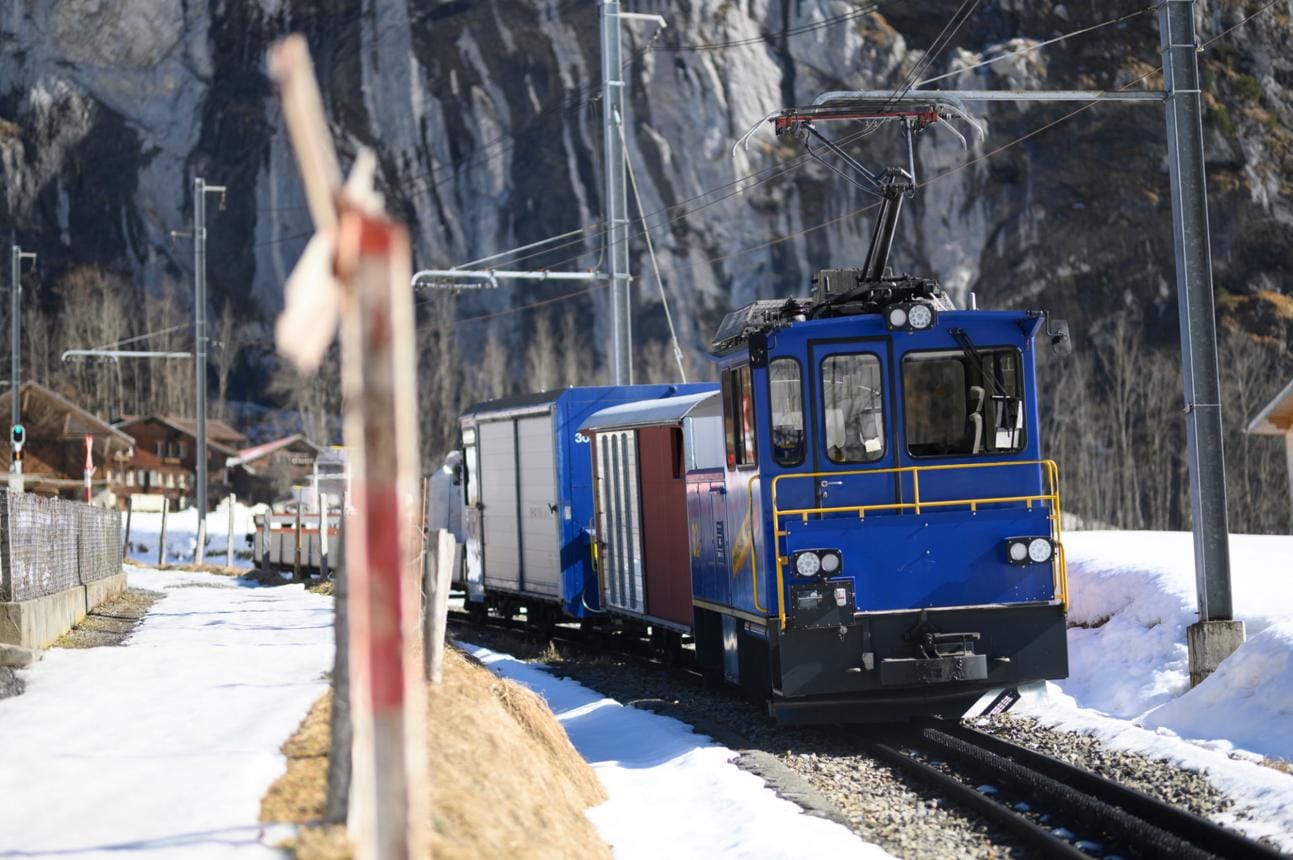
Swiss Federal Railways is reorganizing its freight operations, leading to major internal changes that will affect nearly 200 employees across Switzerland.

The restructuring focuses on strengthening wagonload freight services (TWCI), where wagons from different customers are combined into single freight trains to improve efficiency and reduce operational costs.

The Swiss government has assigned SBB’s cargo division a public service mandate, requiring it to improve performance and ensure long-term sustainability in freight transport.

Under the new plan, the company aims to make freight operations profitable by 2033. SBB stated that the revised system will become significantly more efficient starting in December, as part of a broader modernization strategy.

As part of the restructuring, employees will either be relocated, retrained, or integrated into subsidiary companies or partner networks. The company emphasized that redundancies will remain rare and will be considered only as a last resort.

Around 30 employees in French-speaking regions of Switzerland are directly affected, with support measures offered to help them transition into new roles within or outside the organization.

The freight overhaul reflects Switzerland’s efforts to strengthen its logistics infrastructure while adapting to changing transport demands and financial pressures in the rail sector.

Swiss Army Expands Field Trials of Minidrones for Combat and Reconnaissance

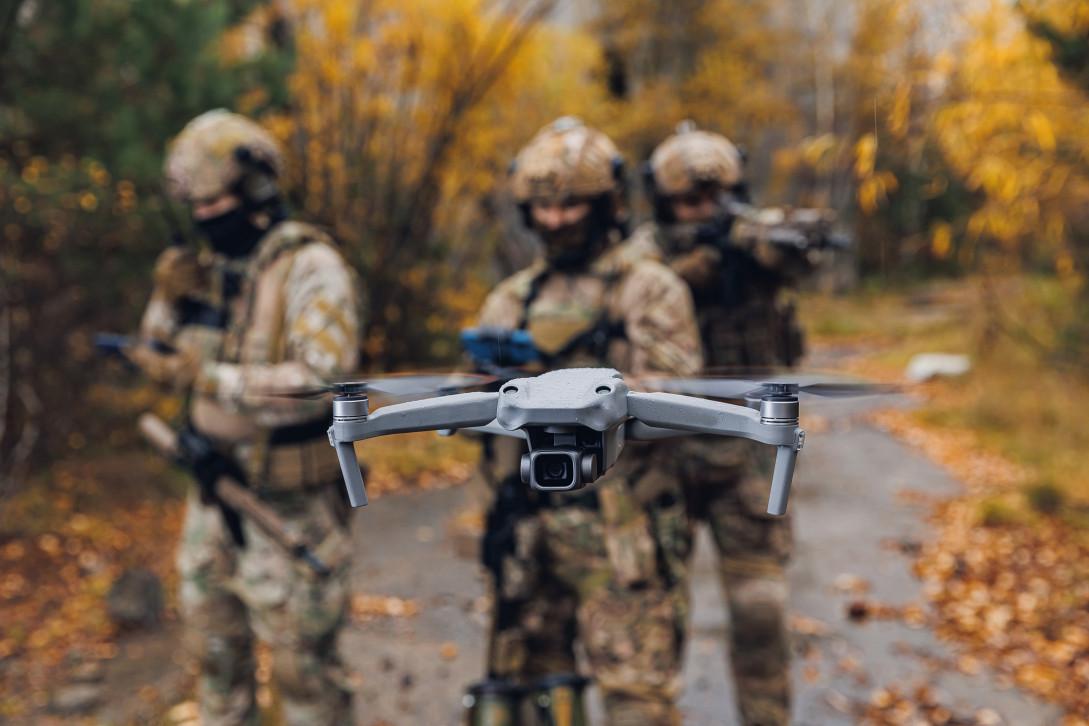
The Swiss Armed Forces are continuing field trials of advanced minidrones designed for reconnaissance and potential combat use, as modern warfare increasingly relies on unmanned systems.

The army stated that drones are rapidly expanding capabilities in both surveillance and attack operations. These minidrones are primarily used for reconnaissance missions, allowing forces to gather intelligence without putting soldiers at direct risk.

However, military officials also acknowledge that when equipped with explosive payloads, drones can function as precision weapons capable of targeting enemy positions. This dual-use capability reflects lessons learned from modern conflicts, including the war in Ukraine, where drone warfare has significantly changed battlefield strategies.

The army is actively training personnel in First Person View (FPV) drone piloting, a system where operators use immersive goggles to control drones through live video feeds. Around 20 recruits have already undergone training as part of upcoming field trials scheduled for autumn 2025.

Further tests are being carried out by the Defence UAV and Robotics Competence Centre, focusing on how FPV drone units can be integrated into traditional combat formations. The goal is to improve coordination between drone operators and ground troops during military operations.

According to the Swiss army, drone use has become a standard feature in modern crisis and conflict scenarios. In response to growing technological threats, the Federal Department of Defence, Civil Protection and Sport (DDPS) established a dedicated Drone Task Force in June 2024.

The ongoing trials highlight Switzerland’s efforts to adapt its defense strategy while maintaining its long-standing policy of neutrality in global conflicts.

Middle East Conflict and Oil Prices Threaten Swiss Economic Growth

The ongoing Middle East conflict is likely to slow down Switzerland’s economic growth while increasing inflation, according to new projections from UBS economists.

Analysts Alessandro Bee and Matteo Mosimann warn that if tensions between the United States and Iran continue, oil prices could rise above $150 per barrel. Such a surge would significantly increase global energy costs and raise fears of a broader economic slowdown.

The report highlights that higher fuel prices are already impacting Swiss households. Increased costs for petrol and heating oil are currently costing consumers around CHF 170 million per month, although this still represents less than 0.5% of total household spending.

Despite rising prices, consumer confidence has weakened. UBS noted that morale dropped in March and April to its lowest level in nearly two and a half years. However, industrial sentiment has remained relatively stable, showing limited immediate impact on production activity.

Economists expect some stabilization if geopolitical tensions ease in the coming months, with global oil supply likely to normalize in the second half of the year. However, they still caution that the Swiss economy will face pressure even under improved conditions.

UBS has revised its growth outlook downward. For 2026, Swiss GDP is now expected to grow by just 0.7%, compared with earlier forecasts of 0.9%. In 2027, growth is projected at 1.4%, slightly below previous estimates.

Despite the slowdown, economists believe Switzerland could benefit indirectly from fiscal stimulus measures in Europe, including Germany’s tax package, which may support confidence and economic activity in the longer term.

Overall, the outlook suggests moderate but manageable economic pressure rather than a severe downturn.

Swiss Citizens Launch Constitutional Initiative to Protect Pollinating Insects.

A citizen-led committee in Switzerland has launched a popular initiative aimed at strengthening legal protection for bees and other pollinating insects by embedding it directly into the national constitution.

The initiative, titled “In favour of ensuring the pollination of cultivated and wild plants by insects (bee initiative),” was officially published in the Federal Gazette on Tuesday. It brings together beekeepers, environmental supporters, and members of parliament.

The proposal calls on both the federal government and cantonal authorities to take responsibility for ensuring effective pollination of crops and wild plants. It also demands that authorities allocate sufficient resources and establish clear national guidelines to protect pollinating insect populations.

If successful, the initiative must collect at least 100,000 valid signatures by November 19, 2027, to trigger a nationwide referendum.

Supporters argue that pollinating insects are essential for food production and biodiversity, as they play a critical role in maintaining ecosystems and agricultural yields. Without them, many plant species and crops would face serious decline.

The initiative reflects growing public concern over environmental degradation, pesticide use, and habitat loss, all of which have contributed to declining bee populations in recent years.

If approved by voters, the proposal would make pollinator protection a constitutional duty, significantly strengthening Switzerland’s environmental policy framework.

Swiss-Built Smile Satellite Successfully Launches Into Space

The Smile satellite has successfully launched into space, marking a major achievement for Swiss and international space research.

A Vega-C rocket carried the satellite to an altitude of more than 700 kilometres above Earth before the spacecraft safely separated and deployed its solar panels. Scientists confirmed the mission’s successful start shortly after launch.

Researchers from the University of Applied Sciences and Arts Northwestern Switzerland played a key role in developing important components for the mission. Project leader Säm Krucker described the launch as an exciting milestone and said the satellite will now begin collecting scientific data over the next three years.

The Smile mission is a joint project between European and Chinese space agencies. Its primary goal is to better understand space weather and the interaction between solar winds and Earth’s magnetic field.

Space weather is caused by charged particles released from the Sun during solar storms. When these particles collide with Earth’s magnetic field, they can create auroras while also disrupting satellites, navigation systems, communications, and even power grids.

Swiss researchers developed and tested a cooling system for the satellite’s telescope and also contributed advanced software algorithms designed to improve image quality captured by the onboard wide-angle camera.

Swiss technology also supported the rocket itself. Beyond Gravity manufactured the rocket’s protective nose cone, which shielded the satellite during launch.

The successful mission highlights Switzerland’s growing role in global aerospace innovation and scientific space exploration.