Swiss Old-Age Pension Payments Hit Record High.

Switzerland has reported a record rise in old-age pension payments, reflecting the country’s steadily ageing population. According to the Federal Social Insurance Office, a total of 2.64 million old-age pensions were paid out last year, marking a 1.6% increase compared to the previous year.

The data shows that Switzerland continues to experience a consistent rise in pension recipients. In the previous year, the number of beneficiaries had already increased by around 1.8%, adding approximately 44,000 new pensioners. In the latest reporting period, a further net increase of about 40,400 people was recorded.

By the end of 2025, the Swiss pension system was paying out a total of around 2.91 million pensions, including old-age pensions as well as widows’, widowers’, and orphans’ benefits. Notably, around one-third of these pensions are being paid to individuals living outside Switzerland, highlighting the global nature of Swiss retirement distribution.

Despite the growing number of beneficiaries, the Swiss pension system remained financially stable. It closed the year with a surplus, as total income exceeded expenditure by CHF1.8 billion. When investment income is included, the overall operating result reached CHF4.4 billion, although this was lower than the CHF5.6 billion recorded the previous year.

The continued growth in pension payouts reflects demographic changes in Switzerland, where an ageing population is placing increasing pressure on long-term social insurance systems. Policymakers continue to monitor sustainability measures to ensure that future generations receive stable retirement support.

The report has sparked renewed discussion about retirement planning, cost of living for pensioners, and the financial balance of Switzerland’s public pension system.


Blatten Landslide Damage Reaches CHF255 Million.

A devastating landslide in Blatten has caused insured damages estimated at CHF255 million, making it one of the most expensive natural disasters in recent Swiss history. The disaster struck on May 28, 2025, after a collapsing glacier buried large sections of the village located in the Lötschental valley of Valais.

According to financial statements released by Switzerland’s natural hazard insurance pool, around CHF240 million of the losses fall under the country’s natural hazard compensation system. Swiss insurers are now dealing with significant claims related to destroyed homes, damaged infrastructure, and business losses caused by the catastrophic glacier collapse.

Insurance authorities reported that approximately CHF210 million in losses came from damage to buildings and property structures. Another CHF30 million involved household contents, furniture, and movable belongings destroyed by the landslide. In addition, around CHF15 million in damages occurred outside the insurance loss pool, including vehicle damage and business interruption costs.

The natural hazard pool in Switzerland helps private insurers share financial risks linked to natural disasters such as landslides, floods, avalanches, and storms. The organisation also purchases international reinsurance protection to support member companies during large-scale catastrophes.

The Blatten disaster shocked residents across Switzerland and raised new concerns about climate change, glacier instability, and increasing natural hazard risks in Alpine regions. Experts continue monitoring mountain areas where melting glaciers and unstable rock formations may create future dangers for nearby communities.

Swiss authorities and emergency services acted quickly during the disaster response, but the landslide still caused massive destruction across the village. Recovery and rebuilding efforts are expected to continue for several years as affected families and businesses attempt to recover from the disaster.

The incident remains one of the most discussed environmental and insurance-related events in Switzerland during 2025 and continues to attract national and international attention.

Swiss Woman Faces Trial Over Gun Threat to Children.

A shocking criminal case in Basel has drawn major public attention after a 70-year-old Swiss woman allegedly threatened children with a loaded firearm during Swiss National Day celebrations. The incident reportedly happened on August 1, 2023, in Aesch, where several children were lighting fireworks near a family garden.

According to prosecutors, the elderly woman became upset because the loud fireworks frightened the dog she was walking. Investigators stated that she first confronted the children and demanded they stop using fireworks. However, when the children did not immediately leave, the situation escalated dramatically.

Authorities claim the woman returned to her apartment, collected a loaded Glock 19 pistol, and walked back toward the children. Prosecutors say she pointed the weapon at three boys and fired a shot into the air close to one child’s head. The prosecution argues that the incident placed the children and nearby residents in serious danger.

The criminal charges against the woman include assault, threatening behaviour, coercion, endangering life, and violations of Swiss weapons laws. Court documents state that the accused did not possess a legal permit to carry the handgun in public at the time of the incident.

The three boys reportedly suffered ear pain and tinnitus after the gunshot and later underwent medical examinations at a children’s hospital. Their parents have filed legal complaints and requested compensation for the emotional and physical distress caused by the frightening encounter.

The trial is taking place in the criminal court in Muttenz near Basel. Swiss authorities continue to emphasize that the presumption of innocence applies until the court delivers its final judgement.

This case has also reopened discussions across Switzerland regarding firearm safety, responsible gun ownership, and public security during national celebrations. The incident has gained widespread attention in Swiss media due to the involvement of children and the dangerous use of a firearm in a residential area.

Swiss Primary Pupils Show Strong Academic Performance.

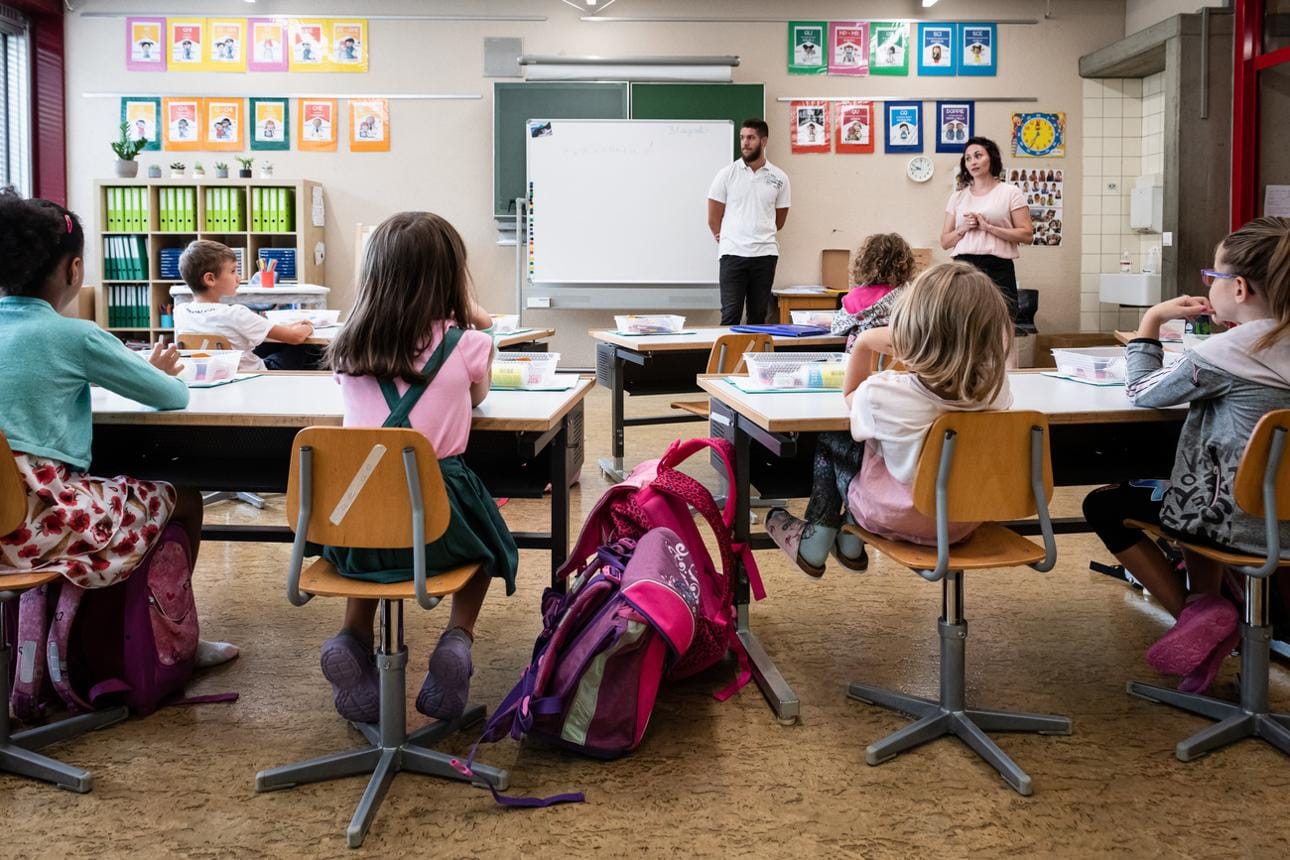
A new nationwide education assessment shows that the majority of primary school pupils in Switzerland are performing well in mathematics and language skills during the early years of schooling.

The study, published by the Swiss Conference of Cantonal Ministers of Education, evaluated around 20,000 pupils in 2024 who were in the fourth year of HarmoS schooling, equivalent to the second grade of primary school.

According to the results, 87% of pupils achieved the expected national standards in oral comprehension, while 79% met reading comprehension goals and 76% reached the required level in mathematics.

Christophe Darbellay, president of the education ministers’ conference, described the findings as a positive sign for Switzerland’s long-term education reforms.

He stated that the core purpose of school education remains teaching children how to read, write, and calculate effectively.

The assessment also revealed that there are no major performance differences between Swiss cantons, highlighting the success of efforts to harmonise education standards across the country over the past two decades.

However, the report also identified significant inequalities linked to social background. Pupils from disadvantaged households, especially those with migrant backgrounds and foreign languages spoken at home, performed notably lower than students from more advantaged families.

Researchers found that children facing multiple social and linguistic disadvantages reached national learning targets only around half the time, while students from wealthier or more stable backgrounds achieved success rates close to 90%.

The findings suggest that while Swiss schools are effective at teaching foundational skills during early education, maintaining strong academic performance as students grow older remains a major challenge.

The report also contrasts with previous studies showing weaker academic outcomes among older students, particularly in spelling and language skills at the end of compulsory schooling.

Xhaka Named in Fourth Switzerland World Cup Squad.

Granit Xhaka has been selected for his fourth FIFA World Cup squad as Switzerland national football team prepares for the upcoming international tournament.

The experienced midfielder will add to his impressive international career tally of 136 caps as Switzerland aims to make a strong impact on the world stage.

The squad announcement also included several surprise decisions. Alvyn Sanches and Joel Monteiro were left out despite being part of Switzerland’s recent friendly matches against Germany and Norway earlier this year.

Meanwhile, Christian Fassnacht earned a place in the squad after finishing as the top scorer in the Swiss Super League with 18 goals for BSC Young Boys.

Cedric Itten also secured selection despite experiencing relegation with German side Fortuna Düsseldorf.

Switzerland will begin tournament preparations on Monday with friendly matches against Jordan in St. Gallen on May 31 and Australia in San Diego on June 6.

The Swiss team will open their Group B campaign against Qatar national football team in Santa Clara on June 13, before facing Bosnia-Herzegovina and Canada in the following group-stage fixtures.

Gotthard Rail Tunnel Upgrade Costs Rise.

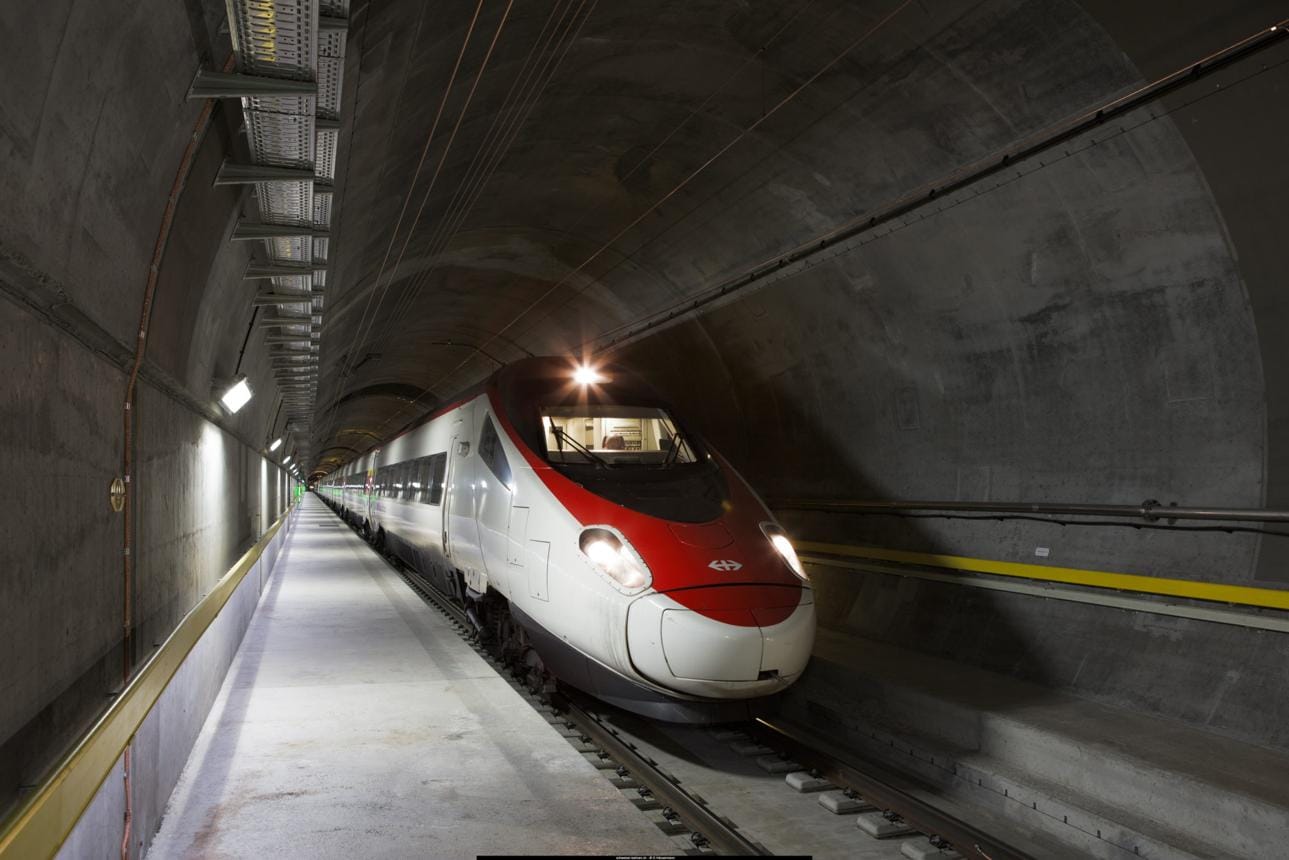
Renovation work at Switzerland’s Gotthard Base Tunnel could become significantly more expensive due to delays in replacing the tunnel’s aging radio communication system.

According to reports, the upgrade project has encountered major setbacks linked to technical and organisational problems involving external suppliers, as well as the difficulty of accessing sections of the tunnel for maintenance work.

The communication system plays a vital role in tunnel operations. It allows train drivers to communicate with control centres and other trains while also enabling passengers to access mobile phone and internet services deep inside the Gotthard mountain corridor.

The system was originally scheduled for replacement during planned maintenance work between 2024 and 2026. However, the project has fallen behind schedule, raising concerns about additional infrastructure costs.

As a result of the delays, Swiss Federal Railways (SBB) must reportedly extend existing operational contracts for at least two more years, with a possibility of extending them further up to six years.

The maximum projected additional cost is expected to exceed CHF4.6 million, although railway officials noted that some operational expenses would have been necessary regardless of the delays.

Reports also suggest that authorities are considering abandoning the current replacement project entirely as an alternative solution.

The Gotthard Base Tunnel is one of the world’s most important rail infrastructure projects and serves as a key transport corridor linking northern and southern Europe through Switzerland.

Zurich Riots Leave Police Officer Injured.

A police officer was slightly injured during overnight unrest in Zurich after officers came under attack from a large group during a disturbance that escalated into violent clashes.

According to Swiss police, officers responded to reports of excessive noise shortly after 2:30am on Sunday. When a patrol arrived at the scene, individuals in the crowd allegedly threw bottles and stones at the police officers.

The situation quickly intensified, forcing officers to temporarily withdraw and request reinforcements. Authorities later used rubber bullets and pepper sprays in an effort to regain control of the area.

Additional police units deployed water cannons and police dogs to disperse and contain the rioters as tensions continued to rise.

During the confrontation, one police officer was struck by an object and sustained minor injuries. A police vehicle was also damaged during the unrest.

Officials stated that the crowd eventually dispersed after police intervention restored order.

The incident has renewed concerns about public safety and violent disturbances during large gatherings in Swiss urban areas, especially during weekend nightlife hours.

Authorities have not yet released information regarding arrests or possible criminal charges linked to the incident.

Swiss Aromat Spice Remains Popular in South Africa.

The famous Swiss seasoning Aromat may face an uncertain future in Switzerland, but in South Africa it continues to play an important role in everyday cooking and local food culture.

For more than 70 years, Aromat has remained a favorite flavor enhancer across South African communities, especially in township restaurants and street food stalls.

In Cape Town’s historic Langa township, the spice continues to be widely used alongside grilled meats, roasted corn, and local dishes served in busy neighborhood eateries.

At Jordan Ways of Cooking, a popular local restaurant, chef Ntlalo Jordan keeps a large container of Aromat ready in the kitchen because customers frequently request it with their meals.

Jordan, who previously worked in luxury hotels across Dubai, Liberia, and Sudan before opening his own restaurant, says he personally prefers fresh herbs and homemade marinades. However, he acknowledges that Aromat has become deeply connected to local taste preferences.

The seasoning’s popularity reflects how international food products can become part of regional culinary identity over time. In South Africa, Aromat is often used to add flavor to meats, vegetables, fries, and traditional township-style meals.

The story of Aromat also highlights the cultural connection between Switzerland and South Africa through food traditions that have crossed continents and generations.

Swiss Home Ownership Dream Faces Housing Crisis.

The dream of owning a home in Switzerland remains difficult for many residents due to rising property prices and limited housing supply, according to a new survey published by MoneyPark and Helvetia.

The study found that nearly 70% of people aged between 25 and 40 want to own their own property, especially detached houses located in quieter rural areas. However, only 16% of current homeowners said they are considering selling their homes, creating major supply pressure in the market.

The survey also highlighted differences in housing satisfaction across Switzerland. Only one-third of tenants reported being satisfied with their current homes, compared to 54% of apartment owners and 89% of detached house owners.

According to MoneyPark CEO Lukas Vogt, many Swiss residents would prefer to live in rural environments but continue moving toward cities due to better job opportunities, infrastructure, and social connections.

This trend is contributing to continued urbanisation across the country rather than a movement back toward rural living.

Housing affordability has also become a major political issue. On June 14, voters in Zurich will vote on initiatives aimed at improving tenant protections and increasing the supply of affordable housing.

The ongoing housing shortage remains one of the biggest economic and social challenges in Switzerland, especially for younger generations trying to enter the property market.

Lawyer Criticises Swiss Response to Gaza Flotilla Detentions.

A lawyer representing Swiss participants in the recent Gaza flotilla mission has strongly criticised the response of Swiss authorities following the activists’ detention by Israel.

Speaking to Swiss public broadcaster RTS, Claire Dechamboux accused the Federal Department of Foreign Affairs (FDFA) of failing to act despite prior warnings and testimonies describing violence allegedly experienced by the activists.

Seven of the eight Swiss flotilla participants returned to Geneva on Saturday, where they were welcomed by family members, supporters, and humanitarian activists at the airport.

According to Dechamboux, the activists are physically stable but remain deeply affected by the experience. She stated that they appeared psychologically exhausted and traumatised after the detention.

“They are trembling; you can see it was a very difficult experience,” the lawyer explained while describing the emotional condition of the returning activists.

The flotilla mission, which aimed to reach Palestinian territory with humanitarian intentions, was intercepted by Israeli authorities earlier this week. Participants were reportedly detained before later being released and transported back to Europe.

The controversy has intensified political debate in Switzerland over the country’s diplomatic responsibilities and response to citizens involved in international humanitarian missions.

Human rights organisations and supporters are now calling for greater transparency and stronger diplomatic engagement regarding the treatment of activists detained during the operation.