Switzerland Warns Against Bolivia Travel.

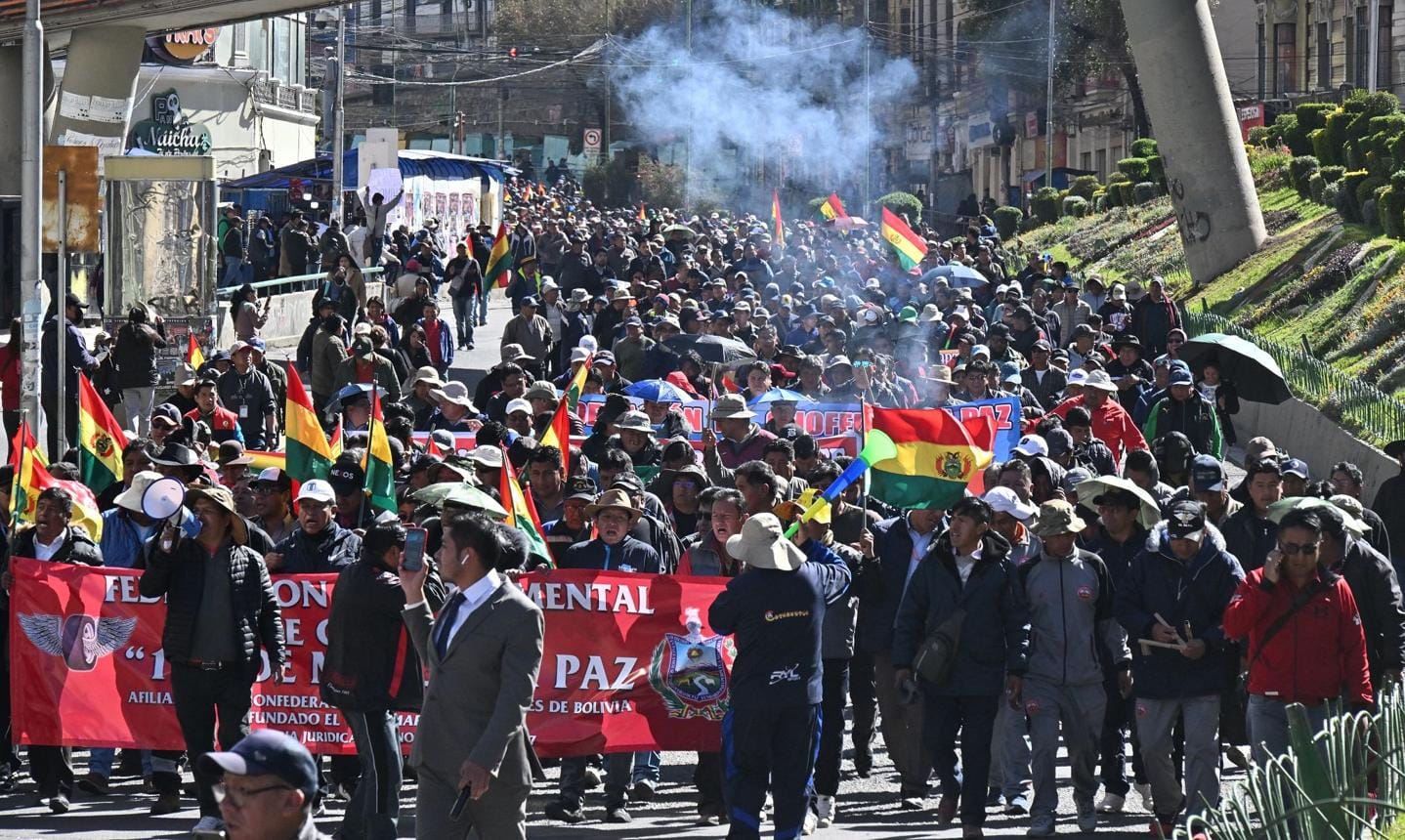
The Swiss Federal Department of Foreign Affairs has updated its travel advisory for Bolivia following violent demonstrations and growing unrest in the country’s capital, La Paz. Swiss authorities now advise citizens to avoid non-essential travel due to the worsening security situation and uncertain developments.

According to the updated advisory, Bolivia has experienced numerous roadblocks and protests since early May. Major access routes to La Paz remain heavily disrupted, affecting transportation and the supply of essential goods including food, fuel, and medical supplies.

Swiss officials warned travellers to avoid demonstrations, crowded public areas, and political gatherings. Authorities also noted that the Swiss embassy may have limited ability to assist stranded citizens attempting to leave affected regions during the unrest.

Violence escalated on Monday when protesters, including miners, farmers, teachers, and supporters of former president Evo Morales, attempted to enter the main government square in La Paz. Local reports stated that demonstrators threw stones and fireworks, set vehicles on fire, and stormed several public buildings.

Police forces reportedly responded with tear gas to control the crowds. According to Bolivia’s ABI news agency, at least 95 people were arrested during the clashes.

Bolivia has faced a severe economic crisis for several years, leading to recurring protests and political tensions across the country. Rising inflation, shortages of essential goods, and public dissatisfaction continue to fuel nationwide unrest.

The latest travel warning highlights growing international concern over the security situation in Bolivia as authorities continue monitoring developments in the South American nation.
Crans-Montana Fire Victim Seeks €8.2M Compensation.

A French woman seriously injured in the deadly Crans-Montana Fire Disaster has filed a compensation claim worth €8.2 million (CHF7.5 million) in a Paris court. Her lawyer stated that the claim aims to cover urgent medical expenses and lifelong care costs following the tragic incident.

The victim’s lawyer, Sébastien Fanti, explained that the legal request includes €2 million as an immediate payment for emergency treatment and ongoing support. The remaining amount would help cover medical care, rehabilitation, loss of earnings, and future living expenses for the victim.

According to the lawyer, the woman suffered severe physical injuries during the devastating fire and will require permanent care for the rest of her life. An expert reportedly prepared the preliminary compensation estimate submitted to the court in Paris.

The legal action was filed with the Compensation Commission for Victims of Crime in Paris. It follows a criminal complaint submitted to the Valais public prosecutor’s office on April 1. The complaint includes allegations of negligent arson, negligent grievous bodily harm, and violations of building regulations connected to the disaster.

Lawyer Sébastien Fanti said he currently represents 26 victims and family members affected by the tragedy. He also stated that he believes France could eventually pay compensation to the injured woman and later seek accountability from local Swiss authorities.

The tragic fire disaster took place in Crans-Montana on New Year’s Day. The incident claimed the lives of 41 people and injured 115 others, making it one of the most devastating recent tragedies in Switzerland.

Authorities in the canton of Valais continue investigating the causes of the fire and possible violations of safety regulations. The case has attracted significant public attention across both Switzerland and France due to the scale of the disaster and the ongoing legal proceedings.

Foreign Investment in Switzerland Drops in 2025.

Foreign investment in Switzerland declined significantly in 2025 as global companies slowed expansion plans across Europe. According to a recent report released by EY, the number of foreign investment projects in Switzerland dropped by nearly 24%, falling to only 84 projects during the year.

US companies, which remain the largest foreign investors in Switzerland, also reduced their investment activities. The report showed that investment projects from American firms declined by 7% compared to previous years. Economic uncertainty, geopolitical tensions, and changing global trade policies influenced many companies to delay or reduce expansion plans.

Across Europe, investment activity also weakened. Total foreign investment projects across European countries fell by 7%, reaching the lowest level recorded in the last eleven years. Analysts believe that rising energy costs, inflation pressures, geopolitical instability, and economic concerns continue to affect investor confidence throughout the continent.

Despite the decline, Switzerland continues to maintain its strong reputation as an important business destination in Europe. Experts highlight that the country still offers major advantages such as political stability, legal security, a skilled workforce, advanced infrastructure, and an attractive tax system for international companies.

According to André Bieri from EY, Switzerland still acts as a “gateway to Europe” for many US companies. Businesses continue to value Switzerland for its strategic location and reliable economic environment even during uncertain global conditions.

France and the United Kingdom ranked among the most attractive investment destinations in Europe during 2025, while Germany secured third place. Switzerland ranked 13th overall in Europe for foreign investment projects.

Economic experts warn that ongoing geopolitical developments and support programs introduced in the United States could continue to impact investment activity in Europe, including Switzerland. However, Switzerland’s strong financial system and international business environment may help the country recover investment growth in the coming years.

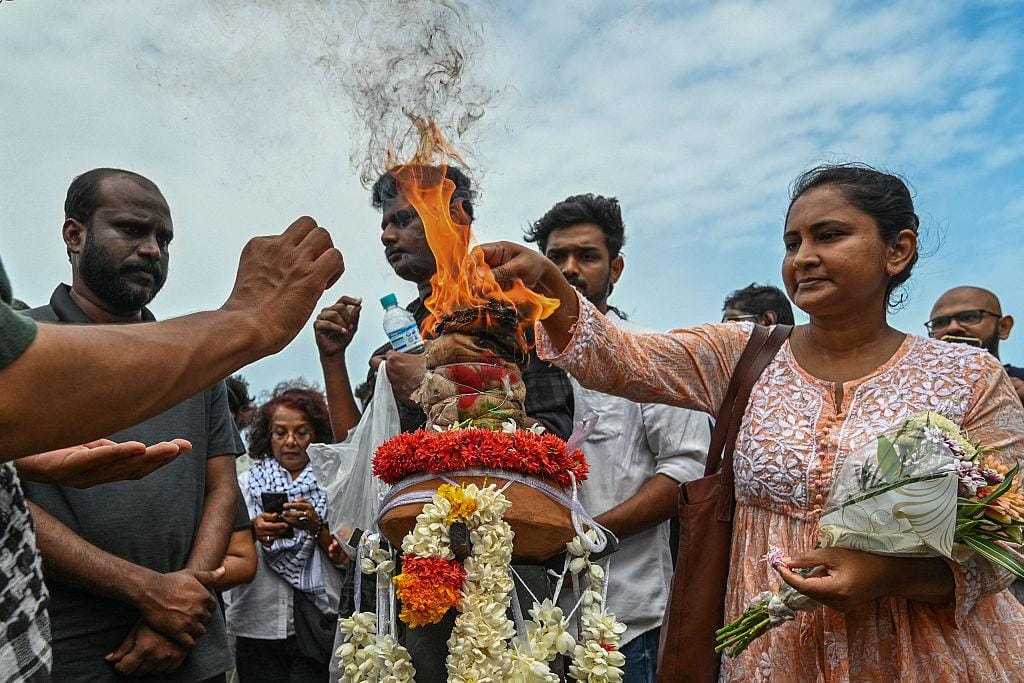
Mullivaikkal Kanji Distribution 2026 Remembrance

Every year in May, Tamils around the world remember the painful memories of the final phase of the Sri Lankan civil war.

In 2009, thousands of Tamil civilians lost their lives during the final days of the conflict in Mullivaikkal, located in the Northern Province of Sri Lanka.

The tragedy continues to remain one of the most emotional and heartbreaking events in Tamil history.

During the last stage of the war, Tamil civilians faced severe shortages of food, medicine, and shelter. Many families struggled to survive under dangerous conditions while staying in so-called safe zones. With limited access to resources, people prepared simple porridge using only rice and water. This meal later became known as “Mullivaikkal Kanji,” a symbol of survival, suffering, and remembrance among Tamils worldwide.

As conditions became more difficult, some families added coconut milk to the kanji whenever possible. Despite the hardships, the porridge helped save many lives during the humanitarian crisis. Today, Mullivaikkal Kanji represents not only the struggle of Tamil civilians but also the resilience and unity of the Tamil community across the globe.

Every year from May 12 to May 18, Tamil communities organize Mullivaikkal Kanji distribution events in remembrance of those who lost their lives during the war. In 2026, remembrance activities continue across Northern and Eastern Sri Lanka, including areas such as Jaffna, Mullivaikkal, Vavuniya, Batticaloa, and Trincomalee.

Tamil organizations, activists, students, and diaspora communities also conduct memorial events in countries including Switzerland, Canada, United Kingdom, and France. These remembrance programs aim to preserve history, honor victims, and raise awareness among younger generations about the impact of war on civilians.

In 2026, discussions surrounding justice, accountability, human rights, and reconciliation continue within Tamil communities worldwide. Many activists and civil organizations emphasize the importance of remembering Mullivaikkal to ensure that such tragedies never happen again. The annual kanji distribution has become a powerful symbol of memory, unity, and cultural identity for Tamils across the world.