Petition Filed Against Starlink Antennas in Switzerland.

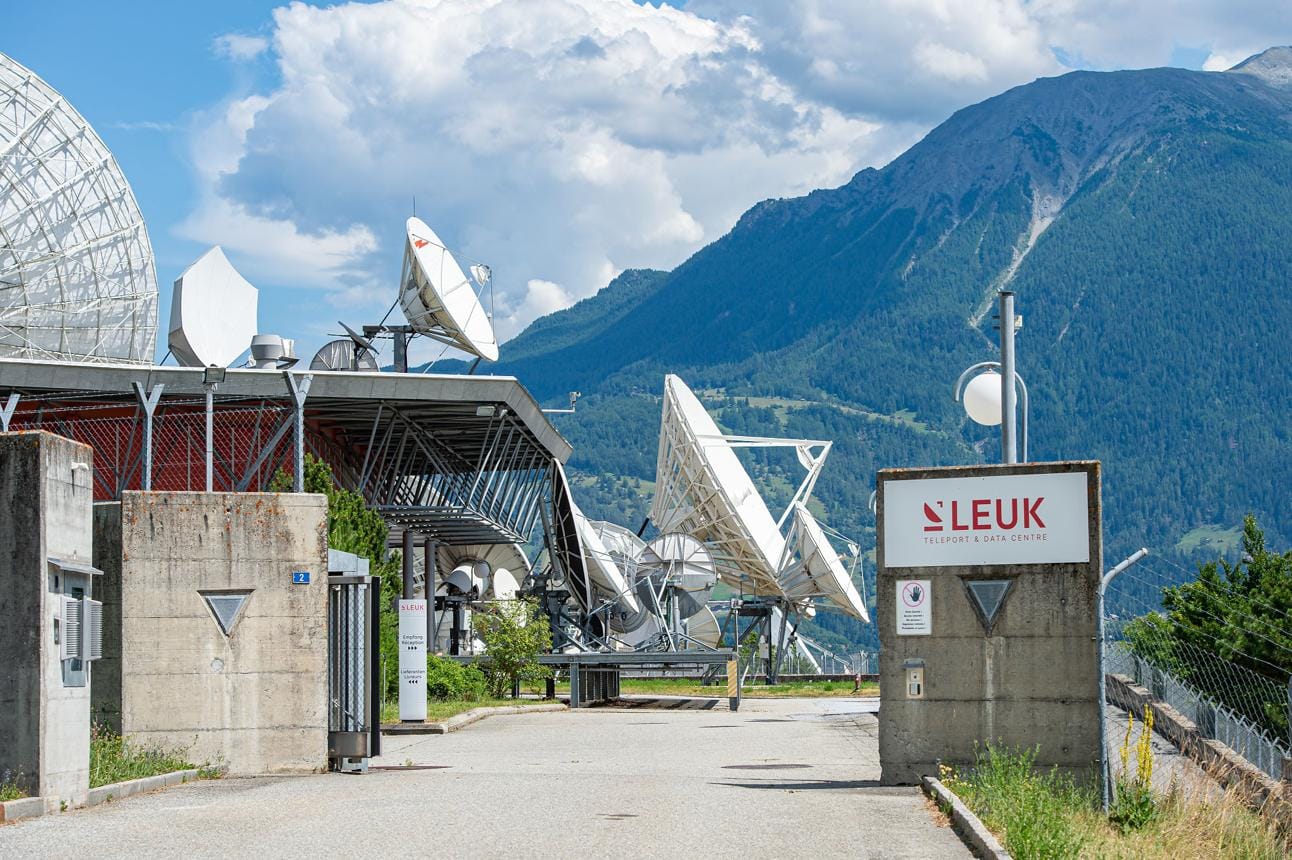
Opponents of the planned Starlink antenna project in Leuk have submitted a petition with 14,550 signatures to Swiss authorities, calling for the cancellation of the project.

The petition was delivered in Bern and addressed to Swiss Defence Minister Martin Pfister. Campaign groups argue that the proposed installation of 40 satellite antennas could create long-term geopolitical and technological dependence.

The organisations behind the petition include Campax and a regional group known as “Protection against satellite radiation in the Leuk region.” Both groups raised concerns over national security, technological sovereignty, and possible environmental and health impacts linked to satellite communication infrastructure.

Critics claim the project could increase Switzerland’s dependence on foreign-controlled technology networks at a time when geopolitical tensions and digital security concerns are growing globally.

The proposed Starlink facility in Valais is part of broader efforts to expand satellite internet infrastructure across Europe. Supporters of such projects often highlight benefits including improved connectivity, faster communications, and advanced technological development for remote regions.

However, local resistance has increased in recent months as residents and activists question the long-term implications of large-scale satellite installations.

Swiss authorities have not yet announced any final decision regarding the future of the project. The petition now adds political pressure to ongoing discussions surrounding technology infrastructure, national independence, and environmental concerns in Switzerland.

‘Smile’ Space Weather Satellite Launches With Swiss Technology Onboard

The international Smile space mission is preparing for launch with important technology developed in Switzerland playing a key role in the satellite’s success.

The Smile satellite — short for Solar wind Magnetosphere Ionosphere Link Explorer — is scheduled to launch on May 19 at 05:52 Swiss time. The mission aims to improve scientific understanding of solar storms and space weather that can affect satellites, navigation systems, and even power grids on Earth.

The project is a collaboration between European and Chinese space agencies and includes contributions from Swiss researchers and technology companies.

According to André Csillaghy from the University of Applied Sciences Northwestern Switzerland (FHNW), the launch is both exciting and stressful for the engineering teams involved.

Swiss researchers developed crucial software systems and a key cooling component for the satellite’s advanced X-ray telescope. Without this technology, the telescope would not function properly in the harsh conditions of space.

The Swiss cooling system, known as the “Rocket Science radiator,” was designed and tested at FHNW in Windisch. Its purpose is to keep the telescope detectors at extremely low temperatures of around -110°C, allowing the instruments to operate accurately.

The satellite’s mission is focused on studying interactions between solar winds and Earth’s magnetic field. Charged particles from the sun travel toward Earth at extremely high speeds and interact with the planet’s protective magnetosphere.

Scientists hope Smile will provide valuable new data about space weather, which can disrupt communication systems, satellites, GPS networks, and electricity infrastructure during strong solar storms.

The spacecraft carries four major scientific instruments, including an X-ray camera, ultraviolet camera, ion spectrometer, and magnetometer. One of the mission’s biggest goals is to create the first detailed visualisation of Earth’s magnetic field using advanced X-ray imaging technology.

The Swiss engineering team has spent nearly eight years working on the mission together with partners from the Zurich University of Applied Sciences, KOEGL Space, and Space Acoustics.

Experts say the Smile mission highlights Switzerland’s growing importance in international aerospace research and advanced scientific technology development.

AI Data Centres May Strain Switzerland’s Water Supply

The rapid expansion of artificial intelligence infrastructure is raising concerns about water and energy consumption in Switzerland. Experts warn that the growing number of AI-powered data centres could place increasing pressure on the country’s natural resources, especially water supplies used for cooling systems.

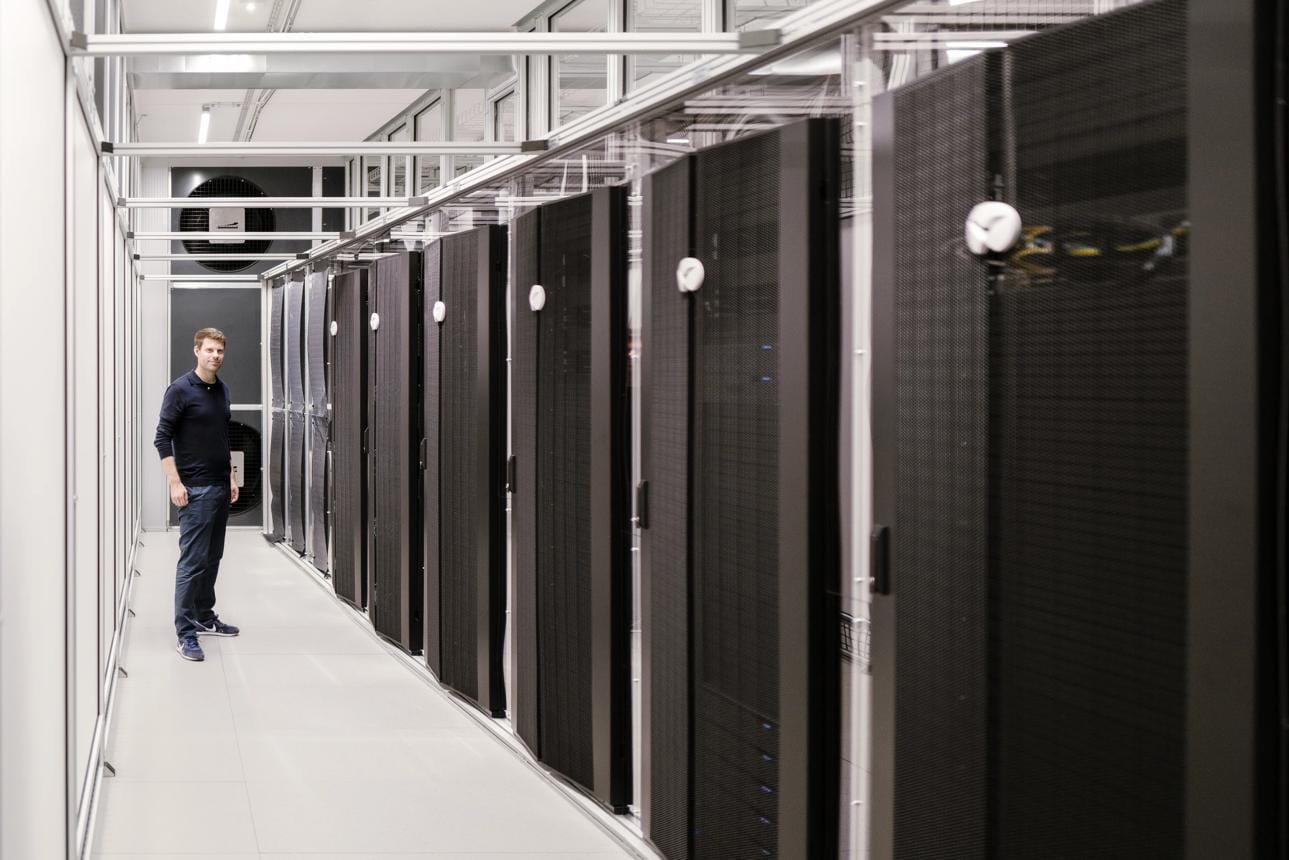
Switzerland currently hosts around 120 data centres, with approximately 20 additional facilities under construction. This gives the country one of the highest concentrations of data centres per capita in the world. The rise of artificial intelligence technologies is accelerating this growth as companies invest heavily in advanced computing infrastructure.

AI servers require significantly more processing power than traditional systems. As a result, they generate higher levels of heat and require intensive cooling methods to maintain safe operating temperatures. Many of these cooling systems depend heavily on water.

According to David Atienza Alonso, a professor at EPFL and an expert in AI computing systems, increasing AI adoption will continue driving demand for larger and more powerful data centres.

He explained that countries are also expanding domestic data infrastructure due to geopolitical tensions and concerns about digital sovereignty. Governments and companies increasingly want sensitive data to remain within national borders, leading to greater investment in local storage and computing facilities.

While Switzerland is often called the “water tower of Europe” because of its lakes, rivers, and glaciers, experts warn that resource availability should not be taken for granted. If AI infrastructure growth continues without long-term planning, some regions could eventually face challenges in supplying enough electricity and water.

Global estimates from the International Energy Agency suggest that data centres currently consume around 560 billion litres of water annually worldwide. This figure could rise to 1.2 trillion litres by 2030 as AI usage expands rapidly across industries.

Most of this water is used for cooling servers and generating electricity required to power data centre operations. Environmental experts say the issue remains largely invisible to the public despite its growing importance in the digital economy.

Researchers and policymakers are now calling for sustainable infrastructure planning, improved cooling technologies, and better resource management to ensure that Switzerland can support technological growth without placing excessive strain on natural resources.

iPhone 18 Series Price Leak: Apple May Keep Pro Prices Stable

The upcoming flagship lineup from Apple Inc., the iPhone 18 series, is expected to launch around September 2026, and early leaks suggest that Apple may follow a stable pricing strategy for its premium models.

According to industry reports, Apple could maintain the price of its high-end models despite increasing competition in the premium smartphone market. The iPhone 18 Pro Max is expected to follow a similar pricing strategy seen in rival flagship devices from Samsung, particularly the Galaxy S26 series.

Initial estimates suggest that the iPhone 18 Pro may start at around $1,099, while the iPhone 18 Pro Max could be priced at approximately $1,199 in global markets. This indicates that Apple may avoid significant price hikes for its top-tier models.

Experts believe this strategy is aimed at strengthening Apple’s dominance in the premium smartphone segment while responding to increasing demand for advanced features such as improved photography, AI-powered performance, and long-term device durability.

Interestingly, Samsung has also reportedly followed a mixed pricing strategy in its Galaxy S26 lineup, keeping the Ultra model price stable while slightly increasing the prices of base and Plus variants in select markets.

If these reports are accurate, both Apple and Samsung appear to be focusing on balancing profitability with customer retention in a highly competitive flagship smartphone market.

Alienware Launches Its First Budget Gaming Laptop ‘Alienware 15’

Alienware has introduced its first budget-friendly gaming laptop, the Alienware 15, marking a strategic shift from its traditionally premium-priced gaming systems.

The new model aims to deliver high-performance gaming at a more accessible price point, expanding the brand’s reach into the mid-range laptop market.

The Alienware 15 comes equipped with AMD and Intel processor options, including AMD Ryzen 7 260 and AMD Ryzen 5 220 variants, along with NVIDIA GeForce RTX 4050 graphics. Users can also upgrade to an RTX 5060 configuration for higher performance.

The laptop supports up to 32GB RAM and offers storage options of 512GB or 1TB NVMe SSD, catering to both casual and serious gamers.

Its display features a 16:10 WUXGA (1920×1200) panel with a 165Hz refresh rate and 300-nit brightness, designed to enhance smooth gameplay and visual clarity during fast-paced gaming sessions.

Pricing for the Alienware 15 starts at approximately $1,299 for AMD models and $1,349 for Intel models, making it significantly more affordable than previous Alienware releases such as the Alienware 16 Aurora, which was priced around $1,690.

According to the company, the new laptop was developed through a more balanced engineering approach, focusing on where to invest in performance and where to reduce costs without compromising the core gaming experience.

Industry analysts view this move as Alienware’s attempt to compete more directly in the growing budget gaming laptop segment.

Google Introduces “Googlebook” AI-Powered Laptop with Gemini Intelligence

Google has announced a new generation of AI-powered laptops called Googlebook, marking a major evolution beyond the Chromebook lineup. The devices are built using Gemini Intelligence and integrate both Android and ChromeOS technologies into a single unified ecosystem.

The new Googlebook laptops are designed to provide advanced artificial intelligence assistance for everyday computing tasks. A key feature called Magic Pointer allows users to interact more intelligently with content. For example, clicking a date inside an email automatically creates a calendar event, while selecting images enables instant visual organization and display.

Googlebook also introduces a feature called Create Your Widget, which allows users to build personalized dashboards by combining apps such as Gmail, Calendar, and other Google services. This enables users to manage travel plans, family events, hotel bookings, countdowns, and more from a single interface.

The devices operate fully within the Android ecosystem, allowing seamless integration between mobile phones and laptops. Users can access mobile applications directly from the laptop, such as ordering food or completing learning apps like Duolingo without switching devices.

Another feature, Quick Access, enables users to view and manage mobile files directly within the laptop’s file system, improving cross-device productivity.

Switzerland Ranks 3rd Globally in R&D Intensity

Switzerland continues to strengthen its position as a global innovation hub, with major companies ranking among the world’s top investors in research and development (R&D), according to a new EY study published on Tuesday.

The analysis of the world’s 500 largest corporate R&D spenders shows that Swiss firms achieved the third-highest research intensity globally in 2025, measured by the ratio of R&D spending to revenue. Only companies in the United States and the Netherlands ranked higher.

Swiss corporations recorded an average R&D intensity of 8.4%, significantly above the European average of 6.7%, although still below the United States, which leads with 9.2%.

In total, Swiss companies invested approximately €34 billion (CHF 31.2 billion) in innovation last year, placing Switzerland sixth worldwide in total R&D expenditure.

The study highlights the strong contribution of Basel-based pharmaceutical giants. Roche remains one of the world’s leading investors in innovation, spending €14.3 billion on R&D. Novartis also plays a key role, investing €9.9 billion and ranking among the top global companies.

According to EY analysts, medicines continue to be the most research-intensive industry worldwide, reflecting the importance of pharmaceutical innovation in Switzerland’s economy.

However, the report also highlights a growing gap between Europe and the United States. While American companies increased R&D spending by 12% in 2025, European firms saw only a 5% increase, with relatively stagnant revenue growth.

At the global level, technology giants dominate absolute R&D spending. Companies such as Amazon, Alphabet (Google), and Meta (Facebook) lead the rankings, with Amazon alone investing more than €96 billion, largely driven by artificial intelligence development.

EY concludes that global companies are prioritising innovation more than ever, with R&D budgets growing faster than overall revenues. This trend reinforces the importance of research investment in maintaining long-term competitiveness.

Basel Life Sciences Hub Partners with Korean Biopharmas

The Basel Area is strengthening its global position as a leading biotech hub through a new partnership with major South Korean biopharma organizations. Basel Area Business & Innovation announced a strategic collaboration aimed at helping Korean biotech companies expand into international markets.

The initiative brings together key partners including Roche Korea, Korea Health Industry Development Institute, and Korea Technology Finance Corporation. The collaboration focuses on accelerating growth opportunities for high-potential biopharma companies, particularly targeting expansion into the United States and other global markets.

Officials described the partnership as a new model of international ecosystem building. It combines market access, industry expertise, and funding support to create faster pathways for innovation-driven companies. The program will officially launch in May 2026 as a joint open innovation initiative.

Each partner will play a distinct role in the program. Roche Korea will lead company selection and explore opportunities for mentorship and collaboration. KHIDI will identify promising companies and support program operations, while KIBO will evaluate participants and facilitate access to financing. Meanwhile, Basel Area Business & Innovation will connect selected firms with infrastructure and networks within the region.

The collaboration will also provide access to the Switzerland Innovation Park Basel Area, one of Europe’s most concentrated life sciences ecosystems. This infrastructure offers startups and scaleups the resources needed to grow rapidly in a competitive global environment.

Industry leaders emphasized that innovation is increasingly global, and partnerships like this help bridge regions. By linking Korean biotech innovators with Basel’s established ecosystem, the initiative aims to accelerate breakthroughs and strengthen international cooperation.

The program is expected to evolve into a flagship initiative, deepening ties between South Korea and global biotech markets while positioning Basel as a gateway for life sciences innovation.