

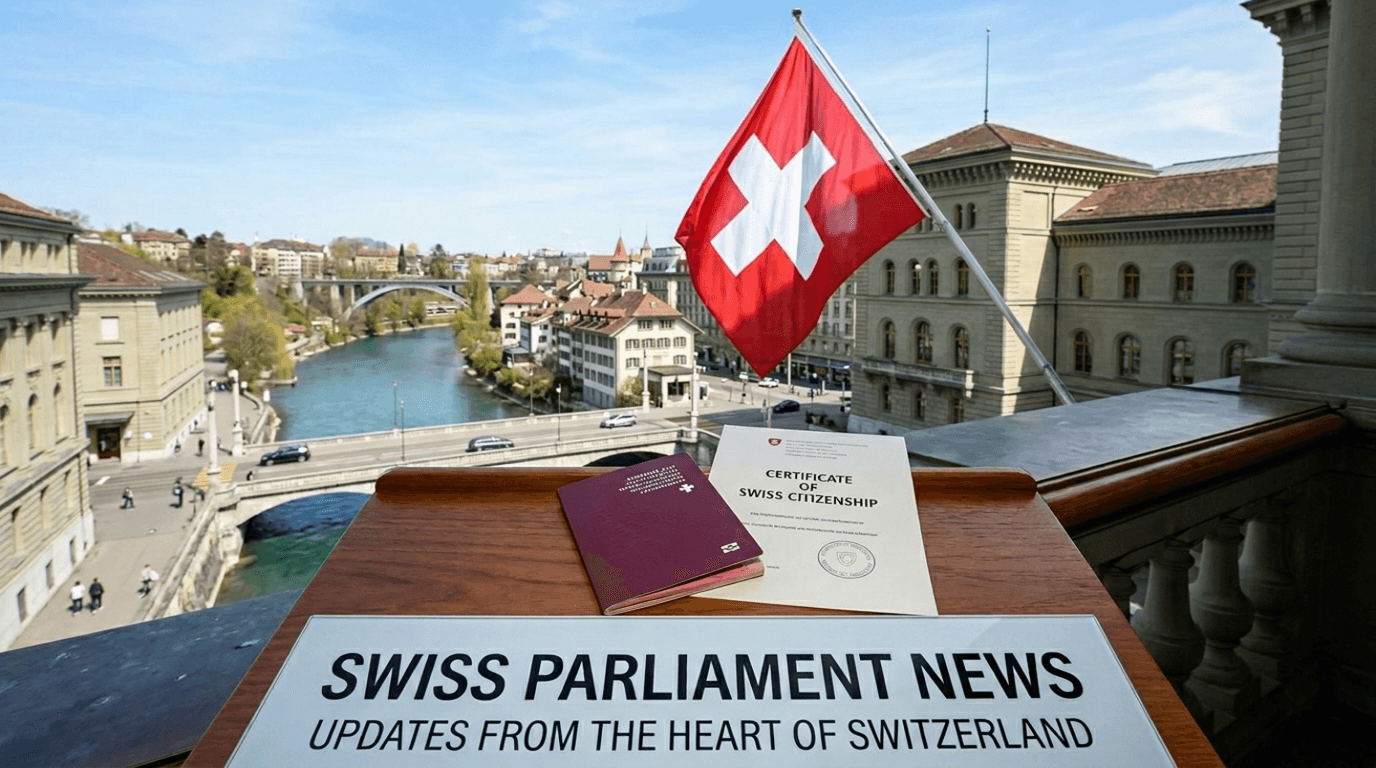
Swiss Parliament Rejects Proposal to Simplify Citizenship Process

The Swiss House of Representatives has voted against a proposal that aimed to simplify the citizenship process for foreigners living in Switzerland. The proposal was rejected with a two-thirds majority vote in Parliament.

The initiative had been introduced to make naturalisation easier for long-term foreign residents, including families, workers, and students who have been living in Switzerland for many years.

Supporters of the proposal argued that the current process is complicated and time-consuming. They believed that immigrants who are well integrated into Swiss society should receive easier access to Swiss citizenship.

However, a majority of Swiss lawmakers opposed the proposal and decided to keep the existing naturalisation system unchanged. Counter-proposals suggested by minority members of Parliament were also rejected during the voting process.

At present, applicants seeking Swiss citizenship must continue to meet several requirements, including residency duration, language ability, social integration, and a clean legal record.

The decision is expected to be closely followed by immigrant communities across Switzerland, including the Tamil diaspora.
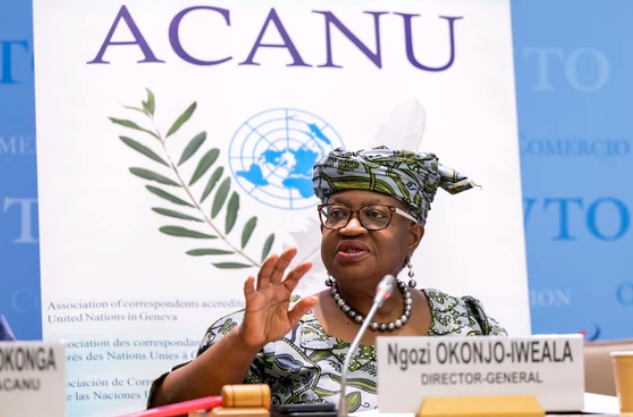
WTO Minister Conference Fails After Brazil Blocks U.S.

The WTO minister conference in Yaoundé was concluded without a conclusive outcome, as consensus on key trade measures was not reached. A major moratorium that prevents taxation on electronic transmissions — covering services such as streaming, downloads, digital files, and emails — has now lapsed immediately after Brazil opposed the United States’ proposal.

The United States, joined by Switzerland, had pursued a permanent resolution to extend the moratorium. This moratorium was significant for global digital trade, as it ensured that digital content and electronic transmissions remained exempt from customs duties. However, the U.S. delegation withdrew its support for another two‑year extension and instead pushed for a longer‑term solution. A compromise proposal for a five‑year extension was reportedly on the table and was believed to be acceptable to most World Trade Organization (WTO) members.

Despite this apparent consensus, Brazil blocked the proposal, demanding concessions in agricultural trade. As a result, the moratorium was unable to be adopted, and the negotiations collapsed. Observers described Brazil’s stance as retaliation related to separate tariff disputes with the United States.

The United States had aggressively lobbied member states in the weeks leading up to and during the conference. Some participants noted criticism from civil society and individual countries about U.S. tactics. A representative from a western delegation remarked that many nations attended discussions considering “what concessions they could make to the United States.” Another diplomat reported that the United States viewed the moratorium issue as a test of institutional influence after years of friction under former U.S. leadership.

The breakdown of talks in Yaoundé meant that no roadmap for WTO reform was finalized. Cameroon’s trade minister and conference chair, Luc Magloire Mbarga Atangana, attributed the lack of progress to insufficient time for negotiation. Symbolically, lightning struck near the venue on Sunday as failure became increasingly apparent, underscoring how tense negotiations had become.

In a draft agreement, WTO members committed to continuing discussions, with interim progress reports scheduled for July and December, and biannual reviews in 2027. The goal is to develop concrete reform recommendations by 2028, though details remain uncertain.