Swiss Primary Pupils Show Strong Academic Performance.

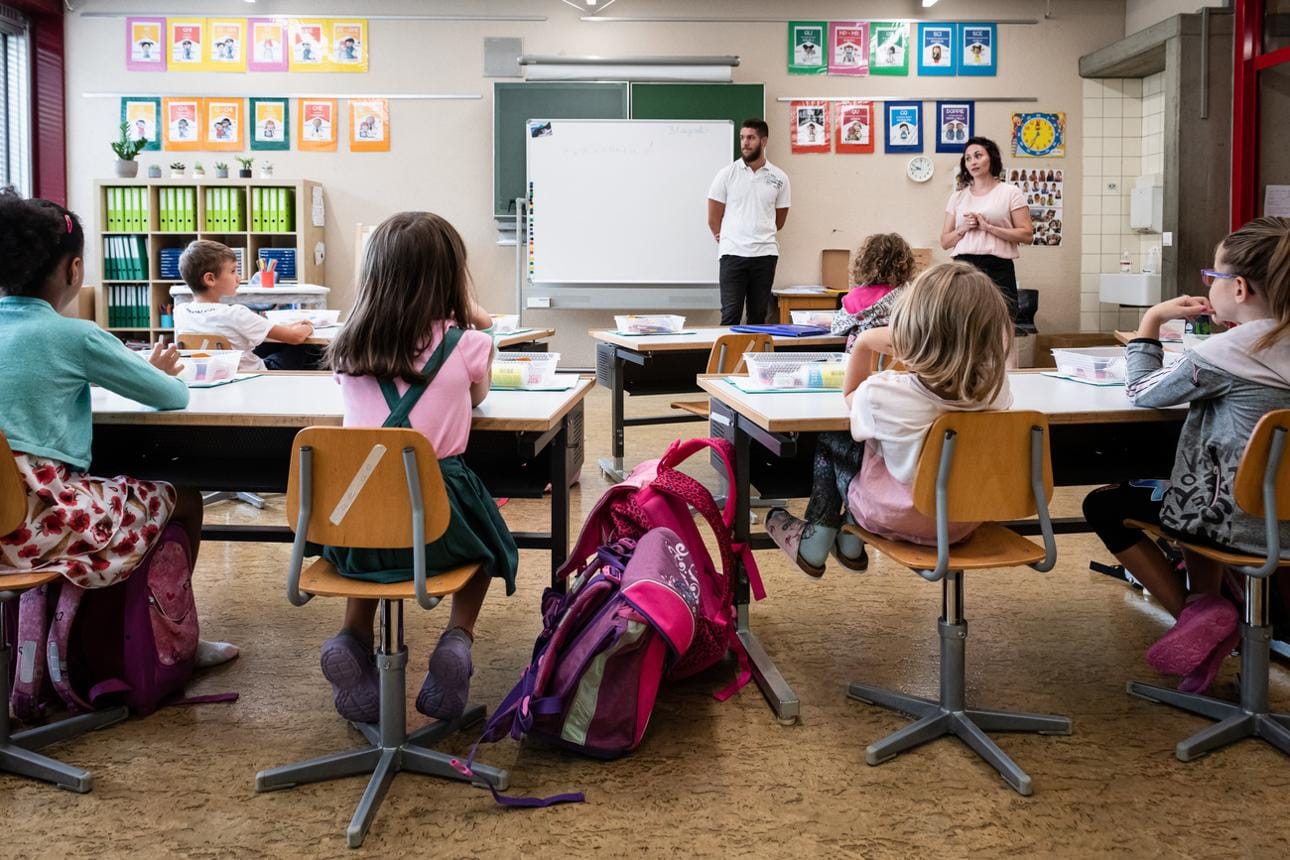
A new nationwide education assessment shows that the majority of primary school pupils in Switzerland are performing well in mathematics and language skills during the early years of schooling.

The study, published by the Swiss Conference of Cantonal Ministers of Education, evaluated around 20,000 pupils in 2024 who were in the fourth year of HarmoS schooling, equivalent to the second grade of primary school.

According to the results, 87% of pupils achieved the expected national standards in oral comprehension, while 79% met reading comprehension goals and 76% reached the required level in mathematics.

Christophe Darbellay, president of the education ministers’ conference, described the findings as a positive sign for Switzerland’s long-term education reforms.

He stated that the core purpose of school education remains teaching children how to read, write, and calculate effectively.

The assessment also revealed that there are no major performance differences between Swiss cantons, highlighting the success of efforts to harmonise education standards across the country over the past two decades.

However, the report also identified significant inequalities linked to social background. Pupils from disadvantaged households, especially those with migrant backgrounds and foreign languages spoken at home, performed notably lower than students from more advantaged families.

Researchers found that children facing multiple social and linguistic disadvantages reached national learning targets only around half the time, while students from wealthier or more stable backgrounds achieved success rates close to 90%.

The findings suggest that while Swiss schools are effective at teaching foundational skills during early education, maintaining strong academic performance as students grow older remains a major challenge.

The report also contrasts with previous studies showing weaker academic outcomes among older students, particularly in spelling and language skills at the end of compulsory schooling.
Xhaka Named in Fourth Switzerland World Cup Squad.

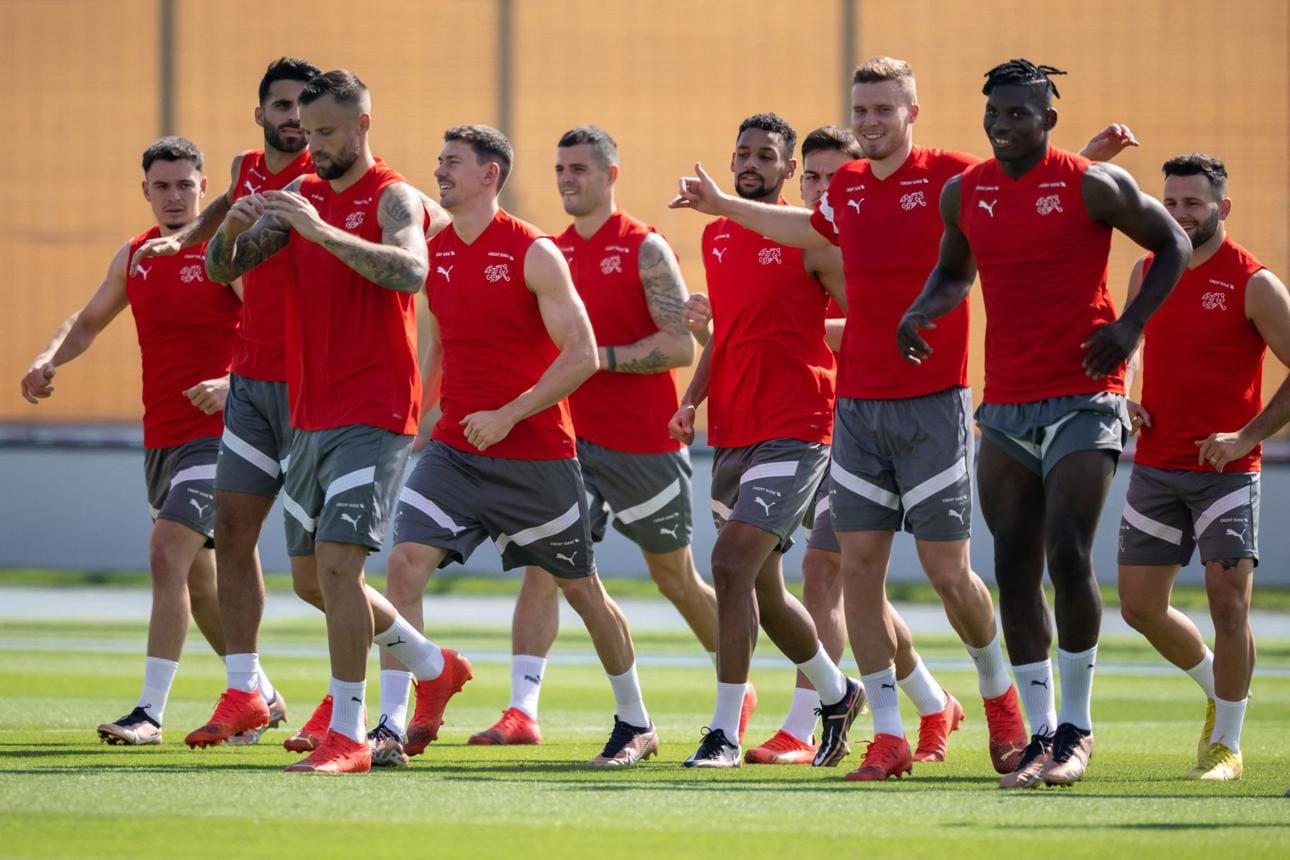
Granit Xhaka has been selected for his fourth FIFA World Cup squad as Switzerland national football team prepares for the upcoming international tournament.

The experienced midfielder will add to his impressive international career tally of 136 caps as Switzerland aims to make a strong impact on the world stage.

The squad announcement also included several surprise decisions. Alvyn Sanches and Joel Monteiro were left out despite being part of Switzerland’s recent friendly matches against Germany and Norway earlier this year.

Meanwhile, Christian Fassnacht earned a place in the squad after finishing as the top scorer in the Swiss Super League with 18 goals for BSC Young Boys.

Cedric Itten also secured selection despite experiencing relegation with German side Fortuna Düsseldorf.

Switzerland will begin tournament preparations on Monday with friendly matches against Jordan in St. Gallen on May 31 and Australia in San Diego on June 6.

The Swiss team will open their Group B campaign against Qatar national football team in Santa Clara on June 13, before facing Bosnia-Herzegovina and Canada in the following group-stage fixtures.

Gotthard Rail Tunnel Upgrade Costs Rise.

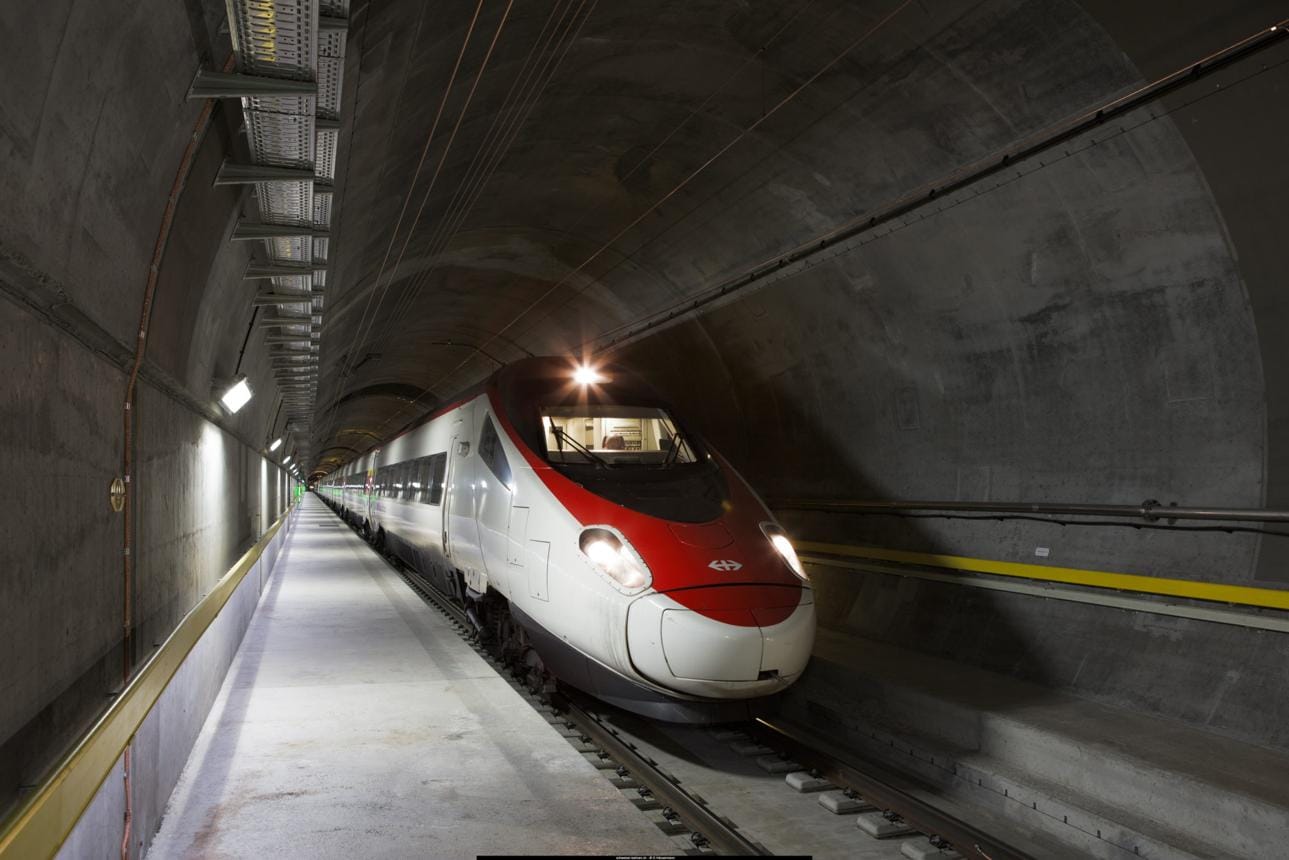
Renovation work at Switzerland’s Gotthard Base Tunnel could become significantly more expensive due to delays in replacing the tunnel’s aging radio communication system.

According to reports, the upgrade project has encountered major setbacks linked to technical and organisational problems involving external suppliers, as well as the difficulty of accessing sections of the tunnel for maintenance work.

The communication system plays a vital role in tunnel operations. It allows train drivers to communicate with control centres and other trains while also enabling passengers to access mobile phone and internet services deep inside the Gotthard mountain corridor.

The system was originally scheduled for replacement during planned maintenance work between 2024 and 2026. However, the project has fallen behind schedule, raising concerns about additional infrastructure costs.

As a result of the delays, Swiss Federal Railways (SBB) must reportedly extend existing operational contracts for at least two more years, with a possibility of extending them further up to six years.

The maximum projected additional cost is expected to exceed CHF4.6 million, although railway officials noted that some operational expenses would have been necessary regardless of the delays.

Reports also suggest that authorities are considering abandoning the current replacement project entirely as an alternative solution.

The Gotthard Base Tunnel is one of the world’s most important rail infrastructure projects and serves as a key transport corridor linking northern and southern Europe through Switzerland.

Zurich Riots Leave Police Officer Injured.

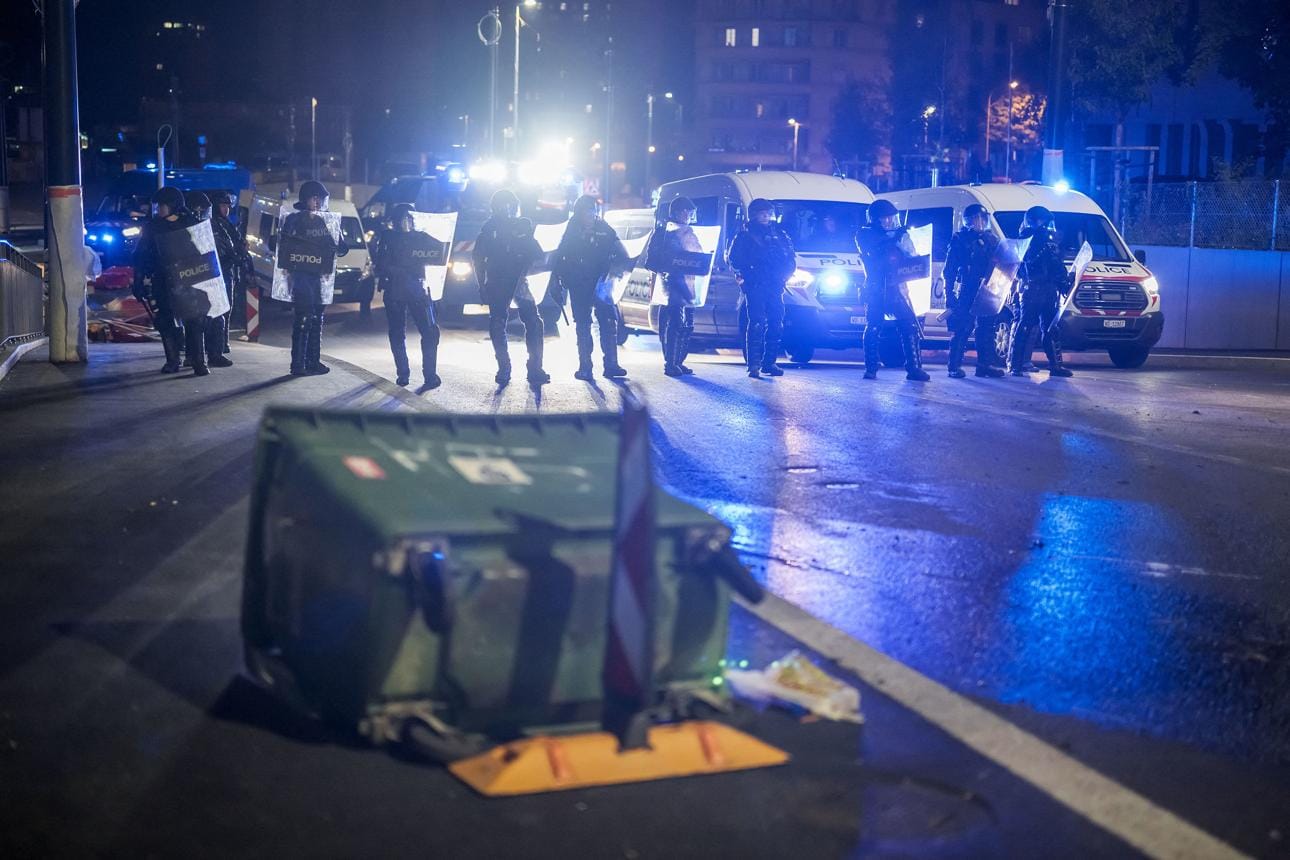
A police officer was slightly injured during overnight unrest in Zurich after officers came under attack from a large group during a disturbance that escalated into violent clashes.

According to Swiss police, officers responded to reports of excessive noise shortly after 2:30am on Sunday. When a patrol arrived at the scene, individuals in the crowd allegedly threw bottles and stones at the police officers.

The situation quickly intensified, forcing officers to temporarily withdraw and request reinforcements. Authorities later used rubber bullets and pepper sprays in an effort to regain control of the area.

Additional police units deployed water cannons and police dogs to disperse and contain the rioters as tensions continued to rise.

During the confrontation, one police officer was struck by an object and sustained minor injuries. A police vehicle was also damaged during the unrest.

Officials stated that the crowd eventually dispersed after police intervention restored order.

The incident has renewed concerns about public safety and violent disturbances during large gatherings in Swiss urban areas, especially during weekend nightlife hours.

Authorities have not yet released information regarding arrests or possible criminal charges linked to the incident.

Xiaomi Launches Xiaomi 17 Max with 8000mAh Battery

Xiaomi has officially launched its latest flagship smartphone, the Xiaomi 17 Max, in China, introducing major upgrades in battery life, performance, and camera technology.

The device comes with an enormous 8000mAh battery paired with 100W fast charging, making it one of the most powerful battery configurations in the smartphone market.

At its core, the phone is powered by the latest Snapdragon 8 Elite Gen 5 chipset and runs on Android 16 with Xiaomi’s HyperOS 3 interface, offering improved performance and system optimization.

The Xiaomi 17 Max is available in multiple configurations, including 12GB and 16GB RAM options, along with 256GB and 512GB storage variants.

It features a 6.9-inch LTPO OLED display with a resolution of 2608 × 1200 pixels. The screen supports a 120Hz refresh rate, peak brightness of up to 3,500 nits, and advanced HDR10+ and Dolby Vision technologies for enhanced visual quality.

In the camera department, the smartphone offers a triple-camera setup, including a 200MP ISOCELL HP9 primary sensor, a 50MP ultra-wide lens, and a 50MP periscope telephoto camera. The system is enhanced with Leica Summilux optics and Hyper OIS stabilization technology for improved image clarity and low-light performance.

The Xiaomi 17 Max positions itself as a premium flagship device aimed at users seeking high-end photography, long battery life, and top-tier performance in a single smartphone.

UNRWA Faces Uncertain Future Amid Deepening Crisis

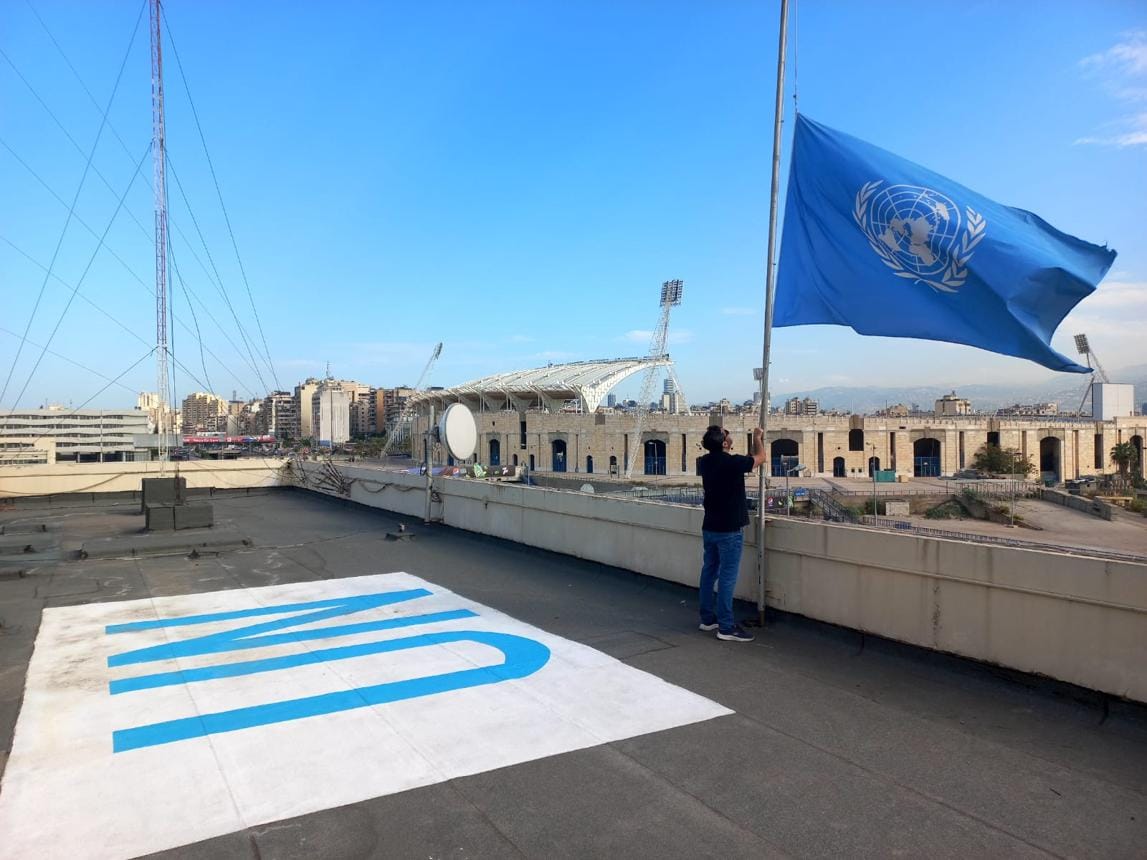
The United Nations Relief and Works Agency for Palestine Refugees (UNRWA) is facing what officials describe as the most serious crisis in its history, with growing financial strain, political pressure, and operational challenges threatening its future.

UNRWA Commissioner-General Philippe Lazzarini warned that the agency is approaching a point where it may become “unviable,” highlighting the severe difficulties it is currently facing.

The agency, based in Geneva, was originally established in 1949 to provide relief services to Palestinian refugees displaced during the 1948 conflict. Over time, it has evolved into a major humanitarian provider, delivering essential health, education, and social services across the Middle East.

Despite its expanded role, UNRWA was intended as a temporary organization until a political resolution to the Israeli-Palestinian conflict was reached. However, the absence of a lasting settlement has led to repeated renewals of its mandate.

Today, UNRWA operates under increasing pressure, particularly in Gaza, where access and operational capacity have been significantly affected by ongoing conflict and political restrictions.

Financial constraints have further intensified concerns, with donor uncertainty and political debates impacting the agency’s ability to maintain essential services for millions of refugees.

The situation has sparked global debate about the future of humanitarian aid structures in the region and whether UNRWA’s responsibilities should be restructured or replaced in the long term.

As the crisis deepens, international stakeholders continue to assess how best to ensure continuity of aid for Palestinian refugees while addressing the agency’s long-standing structural challenges.

Swiss Aromat Spice Remains Popular in South Africa.

The famous Swiss seasoning Aromat may face an uncertain future in Switzerland, but in South Africa it continues to play an important role in everyday cooking and local food culture.

For more than 70 years, Aromat has remained a favorite flavor enhancer across South African communities, especially in township restaurants and street food stalls.

In Cape Town’s historic Langa township, the spice continues to be widely used alongside grilled meats, roasted corn, and local dishes served in busy neighborhood eateries.

At Jordan Ways of Cooking, a popular local restaurant, chef Ntlalo Jordan keeps a large container of Aromat ready in the kitchen because customers frequently request it with their meals.

Jordan, who previously worked in luxury hotels across Dubai, Liberia, and Sudan before opening his own restaurant, says he personally prefers fresh herbs and homemade marinades. However, he acknowledges that Aromat has become deeply connected to local taste preferences.

The seasoning’s popularity reflects how international food products can become part of regional culinary identity over time. In South Africa, Aromat is often used to add flavor to meats, vegetables, fries, and traditional township-style meals.

The story of Aromat also highlights the cultural connection between Switzerland and South Africa through food traditions that have crossed continents and generations.

Swiss Home Ownership Dream Faces Housing Crisis.

The dream of owning a home in Switzerland remains difficult for many residents due to rising property prices and limited housing supply, according to a new survey published by MoneyPark and Helvetia.

The study found that nearly 70% of people aged between 25 and 40 want to own their own property, especially detached houses located in quieter rural areas. However, only 16% of current homeowners said they are considering selling their homes, creating major supply pressure in the market.

The survey also highlighted differences in housing satisfaction across Switzerland. Only one-third of tenants reported being satisfied with their current homes, compared to 54% of apartment owners and 89% of detached house owners.

According to MoneyPark CEO Lukas Vogt, many Swiss residents would prefer to live in rural environments but continue moving toward cities due to better job opportunities, infrastructure, and social connections.

This trend is contributing to continued urbanisation across the country rather than a movement back toward rural living.

Housing affordability has also become a major political issue. On June 14, voters in Zurich will vote on initiatives aimed at improving tenant protections and increasing the supply of affordable housing.

The ongoing housing shortage remains one of the biggest economic and social challenges in Switzerland, especially for younger generations trying to enter the property market.

Lawyer Criticises Swiss Response to Gaza Flotilla Detentions.

A lawyer representing Swiss participants in the recent Gaza flotilla mission has strongly criticised the response of Swiss authorities following the activists’ detention by Israel.

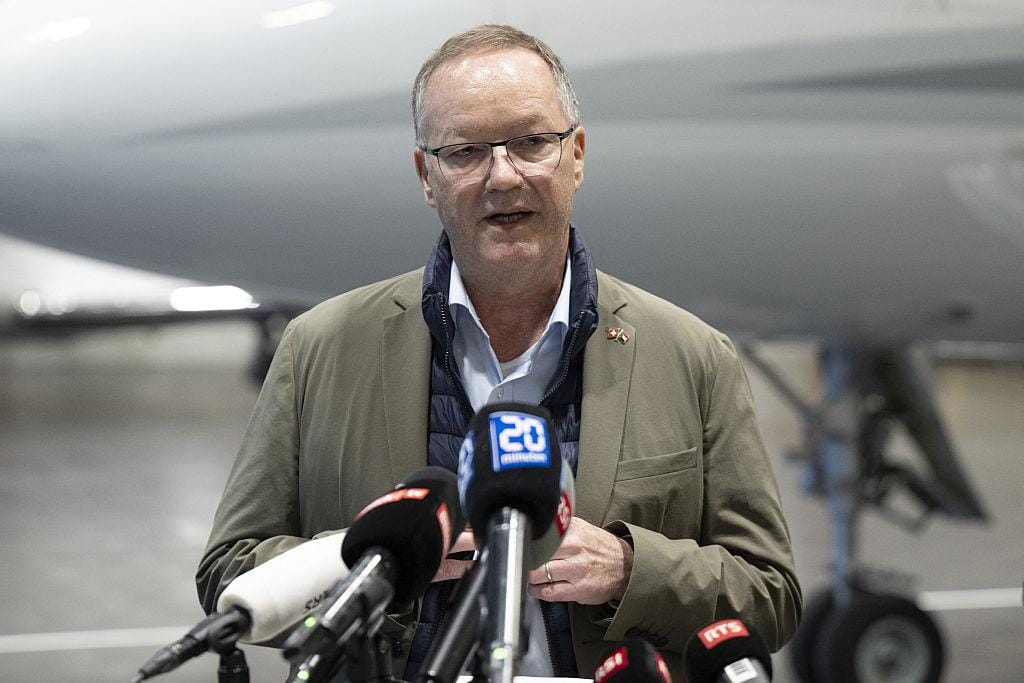
Speaking to Swiss public broadcaster RTS, Claire Dechamboux accused the Federal Department of Foreign Affairs (FDFA) of failing to act despite prior warnings and testimonies describing violence allegedly experienced by the activists.

Seven of the eight Swiss flotilla participants returned to Geneva on Saturday, where they were welcomed by family members, supporters, and humanitarian activists at the airport.

According to Dechamboux, the activists are physically stable but remain deeply affected by the experience. She stated that they appeared psychologically exhausted and traumatised after the detention.

“They are trembling; you can see it was a very difficult experience,” the lawyer explained while describing the emotional condition of the returning activists.

The flotilla mission, which aimed to reach Palestinian territory with humanitarian intentions, was intercepted by Israeli authorities earlier this week. Participants were reportedly detained before later being released and transported back to Europe.

The controversy has intensified political debate in Switzerland over the country’s diplomatic responsibilities and response to citizens involved in international humanitarian missions.

Human rights organisations and supporters are now calling for greater transparency and stronger diplomatic engagement regarding the treatment of activists detained during the operation.

Swiss Gaza Flotilla Activists Return Home.

Seven Swiss participants involved in the international Gaza flotilla mission returned to Geneva on Saturday after being detained by Israeli authorities earlier this week.

The activists arrived at Geneva Airport wearing keffiyehs and were welcomed by family members and supporters, including people who had participated in earlier flotilla missions.

The flotilla boats, which were heading toward Palestinian territory with humanitarian intentions, were intercepted by the Israeli military on Monday. Following the operation, hundreds of participants were reportedly detained aboard ships before later being transferred to detention facilities in Israel.

According to statements made by some of the returning activists, participants experienced physical, psychological, and sexual violence during detention. They described the alleged treatment as extremely serious and called for international attention to the issue.

The activists also criticised the response of the Federal Department of Foreign Affairs (FDFA), accusing Swiss authorities of providing insufficient support during the incident.

One activist stated that Switzerland had been informed in advance about the risks faced by participants but allegedly failed to take stronger diplomatic action. Several supporters present at the airport accused both Swiss officials and sections of the media of failing to adequately address the situation.

Legal and medical support for the activists is now being organised in Switzerland. Lawyer Claire Dechamboux explained that doctors in Lausanne are preparing to assess the physical and psychological condition of the returning participants.

She noted that many of those involved may be traumatised and will require time and professional care before fully discussing their experiences.

The incident has added to growing international debate surrounding humanitarian missions to Gaza, human rights concerns, and diplomatic responses by European governments.