Swiss Woman Faces Trial Over Gun Threat to Children.

A shocking criminal case in Basel has drawn major public attention after a 70-year-old Swiss woman allegedly threatened children with a loaded firearm during Swiss National Day celebrations. The incident reportedly happened on August 1, 2023, in Aesch, where several children were lighting fireworks near a family garden.

According to prosecutors, the elderly woman became upset because the loud fireworks frightened the dog she was walking. Investigators stated that she first confronted the children and demanded they stop using fireworks. However, when the children did not immediately leave, the situation escalated dramatically.

Authorities claim the woman returned to her apartment, collected a loaded Glock 19 pistol, and walked back toward the children. Prosecutors say she pointed the weapon at three boys and fired a shot into the air close to one child’s head. The prosecution argues that the incident placed the children and nearby residents in serious danger.

The criminal charges against the woman include assault, threatening behaviour, coercion, endangering life, and violations of Swiss weapons laws. Court documents state that the accused did not possess a legal permit to carry the handgun in public at the time of the incident.

The three boys reportedly suffered ear pain and tinnitus after the gunshot and later underwent medical examinations at a children’s hospital. Their parents have filed legal complaints and requested compensation for the emotional and physical distress caused by the frightening encounter.

The trial is taking place in the criminal court in Muttenz near Basel. Swiss authorities continue to emphasize that the presumption of innocence applies until the court delivers its final judgement.

This case has also reopened discussions across Switzerland regarding firearm safety, responsible gun ownership, and public security during national celebrations. The incident has gained widespread attention in Swiss media due to the involvement of children and the dangerous use of a firearm in a residential area.


8 Things Landlords in Switzerland Are Legally Not Allowed to Ask Tenants.

Finding a rental home in Switzerland can be challenging, and tenants often feel pressured to accept strict conditions. However, Swiss tenancy law provides strong protections that clearly define what landlords can and cannot demand from tenants.

Under Swiss rental regulations, landlords are not allowed to impose or request several types of information or conditions that violate privacy, equality, or legal boundaries.

Here are 8 things landlords in Switzerland cannot legally ask tenants to provide or accept:

1. Excessive personal data

Landlords cannot request unnecessary personal details such as detailed lifestyle habits or unrelated private information beyond rental needs.

2. Religious or political affiliation

Tenants cannot be asked about their religion, political views, or ideological beliefs.

3. Ethnicity or nationality discrimination

Although identification is required, landlords cannot use nationality or ethnicity to discriminate in rental decisions.

4. Medical or health information

Landlords are not allowed to request medical history or health conditions of tenants.

5. Unreasonable financial guarantees

Demands for excessive deposits beyond legal limits (typically more than three months’ rent) are not permitted under Swiss law.

6. Permanent employment requirement without flexibility

While income verification is allowed, landlords cannot impose unrealistic employment conditions that exclude otherwise financially stable applicants.

7. Personal relationship or family planning details

Questions about marriage plans, pregnancy, or family intentions are not allowed.

8. Illegal clauses in rental contracts

Any contract terms that violate tenant protection laws—such as waiving legal rights—are not enforceable.

Swiss tenancy law is designed to ensure fairness between landlords and tenants while protecting privacy and preventing discrimination. Even in competitive housing markets, landlords must comply with strict legal frameworks.

Tenants who feel their rights have been violated can seek help from tenant associations or legal authorities in Switzerland.

Swiss Vote on 10 Million Population Cap Plan.

Swiss voters are set to decide next month on a controversial initiative that proposes capping the country’s population at 10 million, sparking intense debate across the nation.

The proposal, which is widely seen as an anti-immigration measure, has divided public opinion in Switzerland, a country known for its strong economy, high living standards, and reliance on foreign labor.

Supporters argue that limiting population growth is necessary to protect infrastructure, housing availability, and environmental sustainability. They believe rapid population increases are placing pressure on transport systems, public services, and urban development.

Opponents, however, warn that such a cap could severely damage Switzerland’s economy, which depends heavily on skilled foreign workers across industries such as healthcare, technology, and finance. Critics also argue that the initiative could harm Switzerland’s international reputation and labor market stability.

The referendum highlights growing tensions in Swiss politics over immigration, demographic change, and national identity. Similar debates have previously shaped policy discussions within Switzerland, which regularly holds referendums on major national issues.

If approved, the measure could have long-term implications for immigration policy, labor supply, and Switzerland’s economic growth model.

The vote is expected to be closely watched both domestically and internationally, as it reflects broader European debates on migration and population control.

Holiday Rush Causes Major Delays in Switzerland.

Travellers returning from the Whit Monday holiday faced significant congestion across Switzerland, with heavy traffic on major roads and increased passenger volumes at key airports.

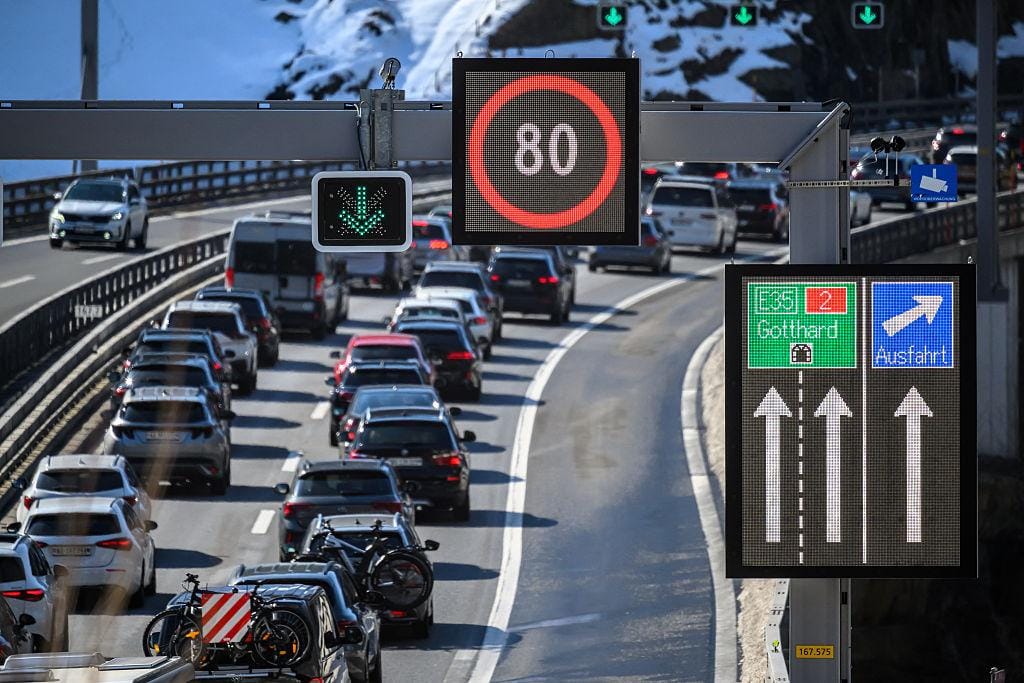
Traffic delays were particularly severe near the Gotthard tunnel in Gotthard Tunnel, where northbound return traffic built up to around three kilometres during the afternoon. Motorists experienced waiting times of up to 30 minutes, while southbound traffic also faced minor delays of around one kilometre.

Air travel was equally busy, with Swiss airports reporting high passenger volumes throughout the long Whitsun weekend.

EuroAirport Basel-Mulhouse-Freiburg handled approximately 84,300 passengers over the weekend, with an additional 34,000 travellers expected on Whit Monday alone, according to airport estimates.

Meanwhile, Geneva Airport projected a total of around 210,000 passengers across the entire holiday period, reflecting strong seasonal travel demand.

Authorities and airport operators noted that the surge in traffic is typical during extended holiday weekends, especially when travellers return simultaneously from various European destinations.

The combination of road congestion and high airport passenger flow highlights the continued pressure on Switzerland’s transport infrastructure during peak travel periods.

Swiss Ambassador Targets Stronger UN Dialogue.

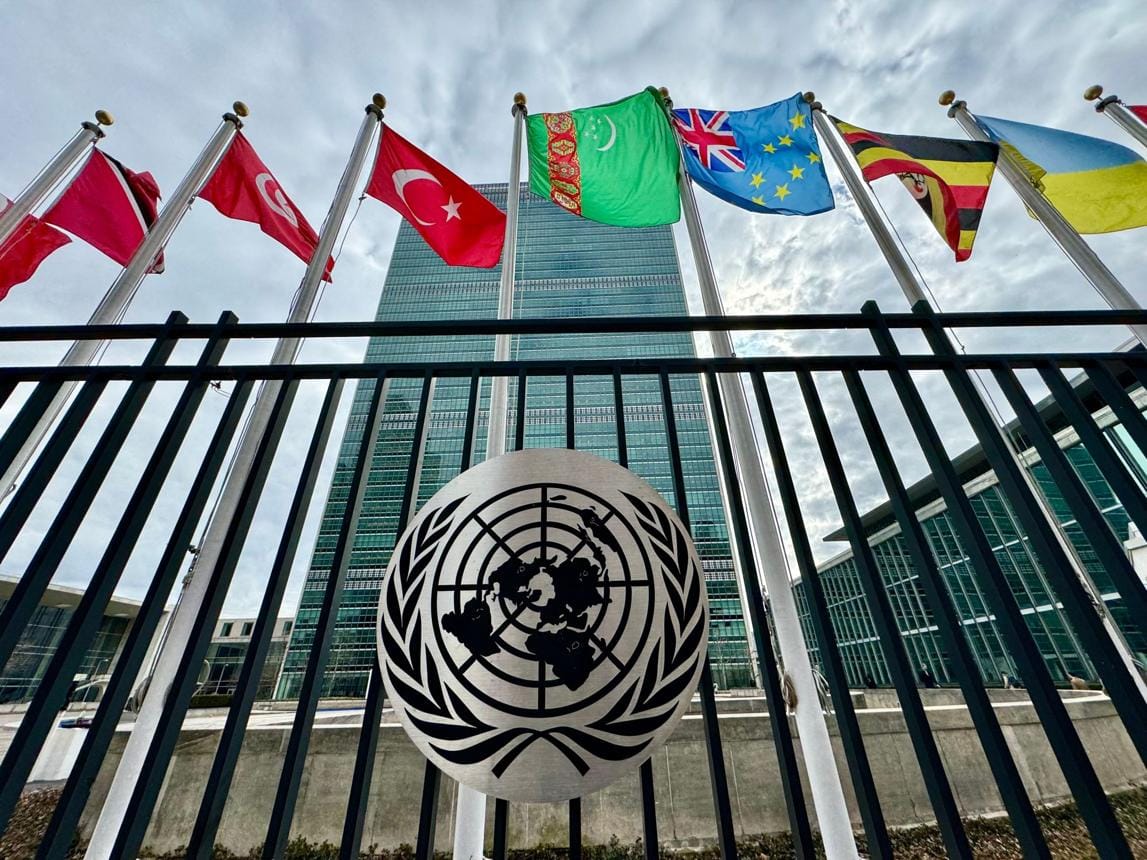
Switzerland’s newly appointed ambassador to the United Nations is calling for a stronger global role for Switzerland and a renewed focus on “International Geneva” as a key hub for diplomacy and multilateral cooperation.

The new ambassador, Frank Grütter, has expressed his intention to bring a distinctly Swiss approach to the United Nations in New York by promoting dialogue, pragmatism, resilience, and innovation in global decision-making.

With over 25 years of diplomatic experience, Grütter is highly familiar with the UN system. He previously served in New York in the early 2000s and later headed the United Nations and International Organisations Division in Bern from 2018 to 2022. He also played a key role in Switzerland’s successful campaign for a non-permanent seat on the UN Security Council.

Grütter officially presented his credentials to UN Secretary-General António Guterres on May 8. During their meeting, discussions focused on Switzerland’s role within the UN system and its position as host to major international organisations in Geneva and Bern.

Switzerland continues to position itself as a global bridge-builder, supporting international law, human rights, and sustainable development through diplomatic engagement and its policy of good offices.

Grütter also emphasized that the UN remains an essential platform for global dialogue despite geopolitical tensions and operational challenges, including financial liquidity pressures caused by delayed or missing contributions from some member states.

However, he also highlighted positive developments, including strong international support for the UN and recent agreements such as the high seas treaty and a global pandemic accord negotiated under the World Health Organization World Health Organization.

He noted that despite financial challenges, many countries are now paying their contributions more consistently, reflecting renewed commitment to the institution.

According to the ambassador, Switzerland’s recent experience on the Security Council continues to strengthen its role within the UN system and supports its broader diplomatic strategy.

Grütter concluded that while global challenges remain significant, it is important to recognize both the difficulties and the progress being made within the international system.

Zurich Riots Leave Officer Injured.

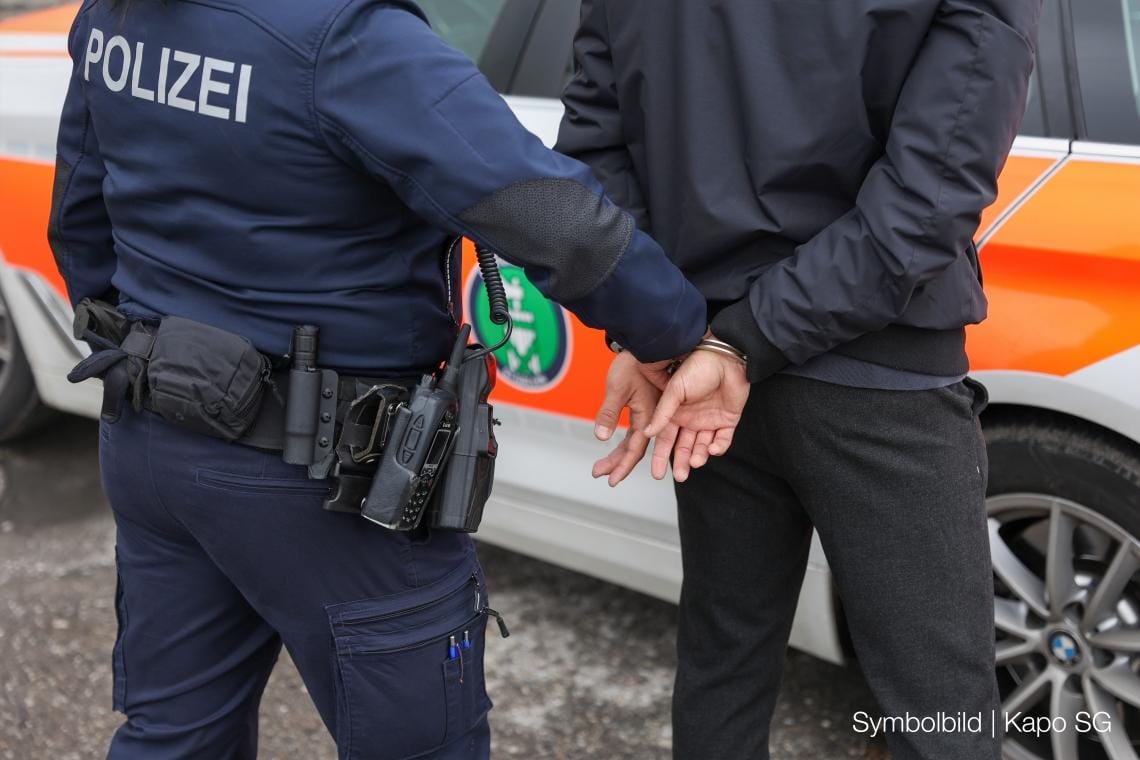
A violent disturbance erupted in the city of Zurich in Zurich over the weekend, leaving a police officer slightly injured after clashes with a large group of rioters.

According to police reports, officers were initially called to the scene following complaints of a noise disturbance in the early hours of Sunday morning. A patrol arrived shortly after 2:30 a.m., but was immediately met with aggression as a group of individuals began throwing bottles and stones at police vehicles.

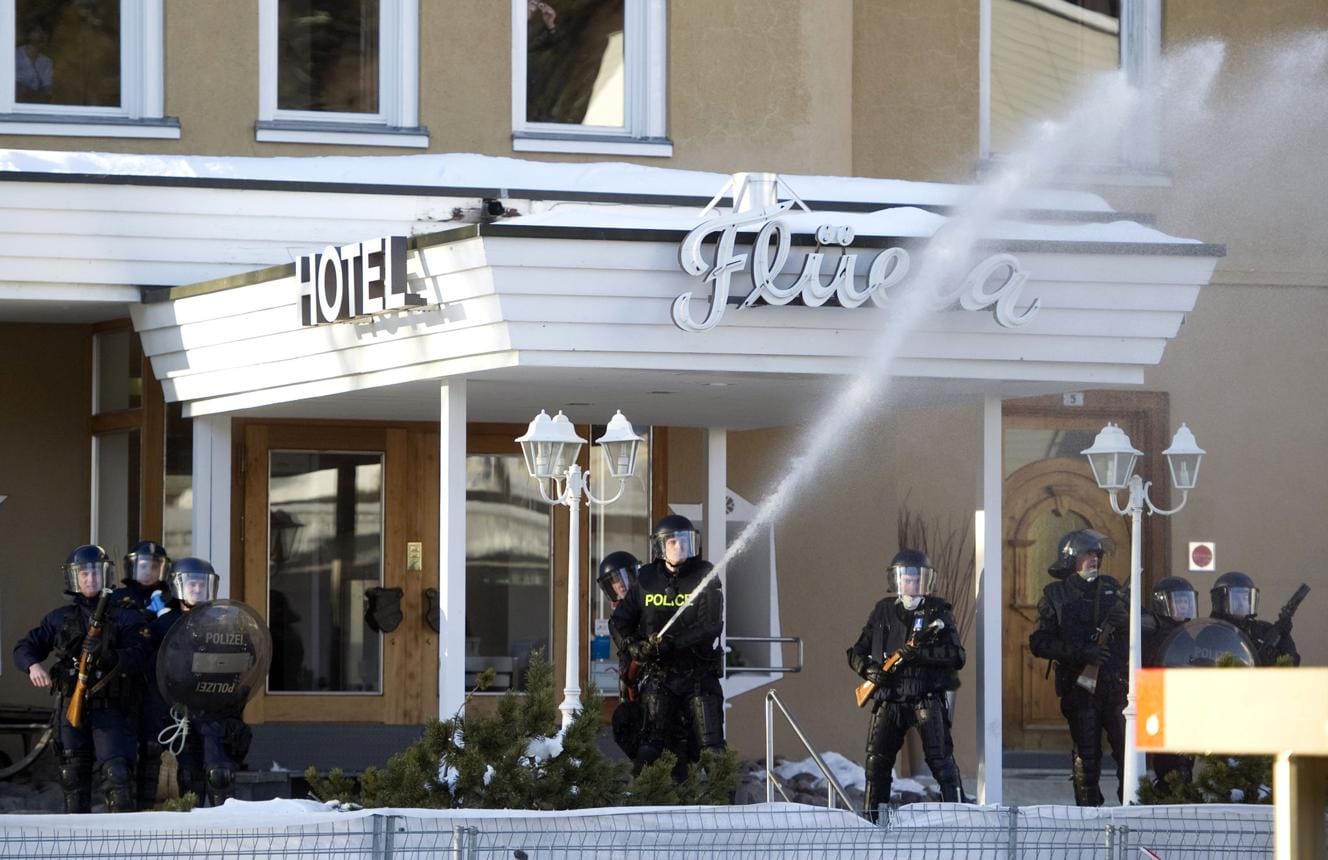
As the situation escalated, officers were forced to withdraw from the area and request reinforcements. Law enforcement then responded with crowd-control measures, including rubber bullets and chemical sprays, in an attempt to disperse the group.

Additional police units were deployed, including a water cannon and police dogs, to regain control of the situation and contain the unrest.

During the confrontation, one officer was struck by an object and sustained minor injuries. A police vehicle was also damaged in the incident before the crowd eventually dispersed.

Authorities have launched an investigation into the unrest and are working to identify those involved in the violence.

Switzerland Civil Service Rumours Clarified: Zivildienst Still Exists.

Recent social media claims suggesting that Switzerland has abolished Zivildienst (civilian service) and made military training compulsory for all citizens are inaccurate.

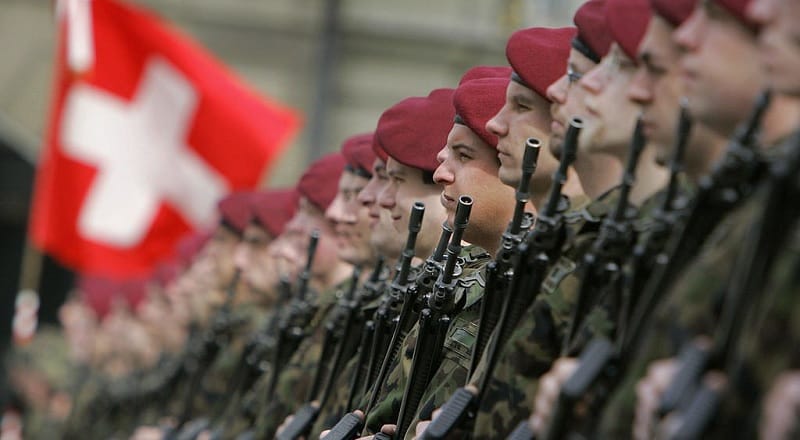
In reality, Switzerland continues to operate a mandatory service system for men, where individuals can choose between military service and alternative civilian service depending on eligibility and conscience-based exemption.

Despite rising political discussions, the core system has not been removed. The Swiss government is currently reviewing certain regulations due to an increasing number of conscripts opting for civilian service instead of military training.

Political movements, including debates involving the Swiss People’s Party (SVP), have pushed for stricter service rules. However, no law has been passed to eliminate civilian service entirely.

Public debates also intensified after campaigns featuring controversial political messaging, including visual protests involving international political figures, which sparked online misinformation.

Authorities have clarified that the current structure still allows two legal pathways:

  • Military service for eligible male citizens
  • Alternative civilian service (Zivildienst) for those who refuse military service on conscientious grounds

However, the government and parliament are gradually tightening rules to prevent misuse of the civilian service system, making it less flexible than before.

Key discussions in 2025–2026 include:

  • Restricting easy transitions from military service to Zivildienst
  • Reducing exemptions in certain professional categories
  • Preventing civilian service from being used as a “shortcut option”

A broader proposal suggesting compulsory public service for both men and women was also discussed in a 2025 referendum but was rejected by voters.

Current Situation (2026)

Switzerland still maintains:

  • Mandatory service for men
  • Option to choose military OR civilian service
  • No complete abolition of Zivildienst

However, policy tightening is expected to continue gradually during 2026.

Swiss Primary Pupils Show Strong Academic Performance.

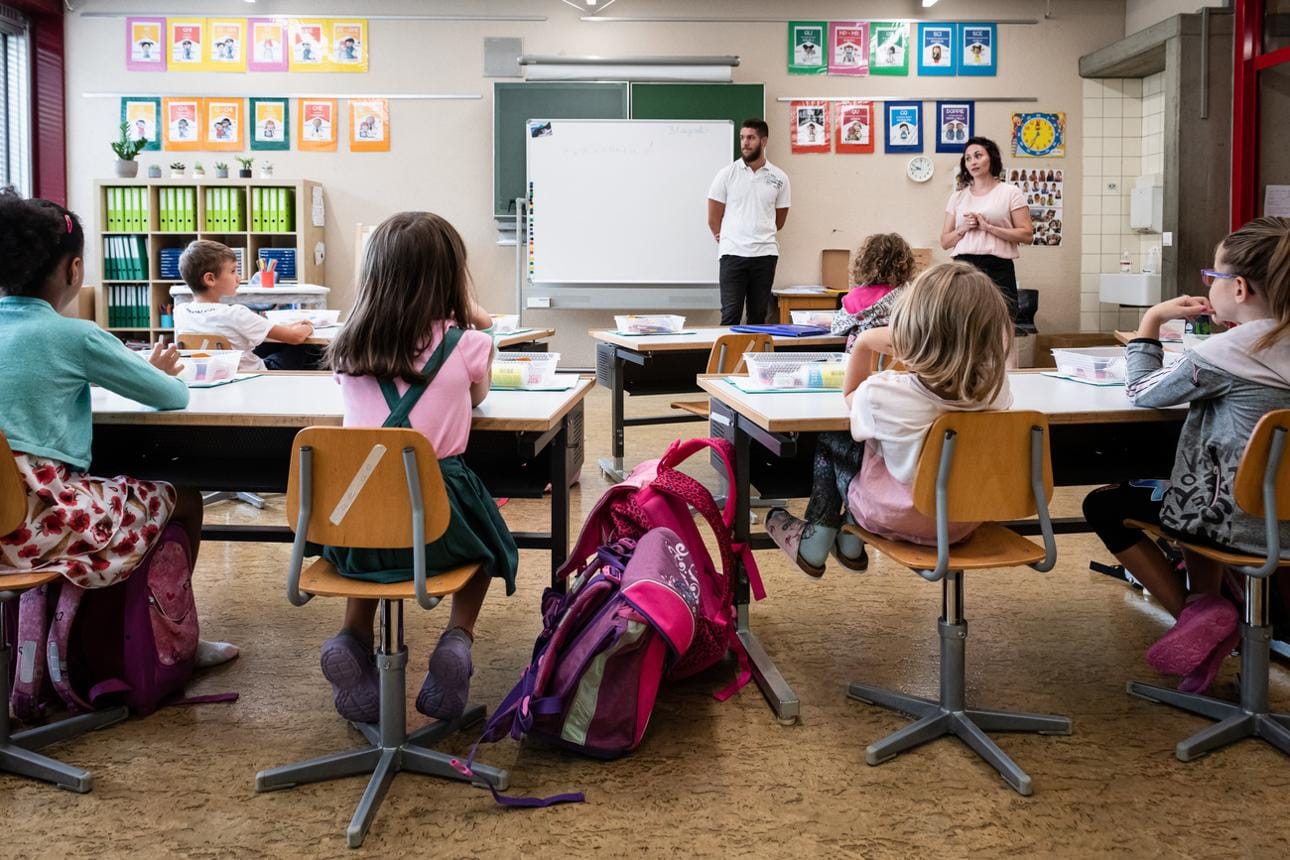
A new nationwide education assessment shows that the majority of primary school pupils in Switzerland are performing well in mathematics and language skills during the early years of schooling.

The study, published by the Swiss Conference of Cantonal Ministers of Education, evaluated around 20,000 pupils in 2024 who were in the fourth year of HarmoS schooling, equivalent to the second grade of primary school.

According to the results, 87% of pupils achieved the expected national standards in oral comprehension, while 79% met reading comprehension goals and 76% reached the required level in mathematics.

Christophe Darbellay, president of the education ministers’ conference, described the findings as a positive sign for Switzerland’s long-term education reforms.

He stated that the core purpose of school education remains teaching children how to read, write, and calculate effectively.

The assessment also revealed that there are no major performance differences between Swiss cantons, highlighting the success of efforts to harmonise education standards across the country over the past two decades.

However, the report also identified significant inequalities linked to social background. Pupils from disadvantaged households, especially those with migrant backgrounds and foreign languages spoken at home, performed notably lower than students from more advantaged families.

Researchers found that children facing multiple social and linguistic disadvantages reached national learning targets only around half the time, while students from wealthier or more stable backgrounds achieved success rates close to 90%.

The findings suggest that while Swiss schools are effective at teaching foundational skills during early education, maintaining strong academic performance as students grow older remains a major challenge.

The report also contrasts with previous studies showing weaker academic outcomes among older students, particularly in spelling and language skills at the end of compulsory schooling.

Xhaka Named in Fourth Switzerland World Cup Squad.

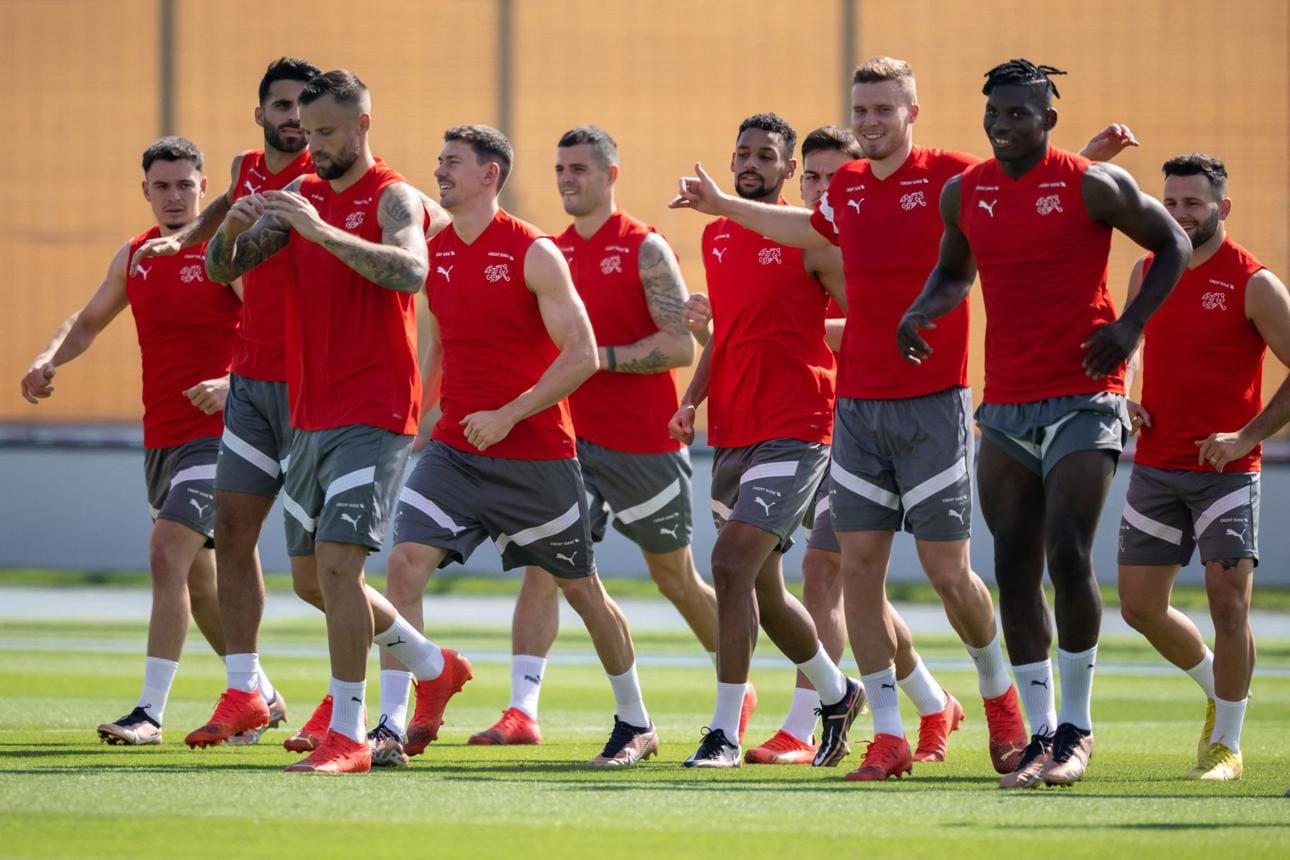
Granit Xhaka has been selected for his fourth FIFA World Cup squad as Switzerland national football team prepares for the upcoming international tournament.

The experienced midfielder will add to his impressive international career tally of 136 caps as Switzerland aims to make a strong impact on the world stage.

The squad announcement also included several surprise decisions. Alvyn Sanches and Joel Monteiro were left out despite being part of Switzerland’s recent friendly matches against Germany and Norway earlier this year.

Meanwhile, Christian Fassnacht earned a place in the squad after finishing as the top scorer in the Swiss Super League with 18 goals for BSC Young Boys.

Cedric Itten also secured selection despite experiencing relegation with German side Fortuna Düsseldorf.

Switzerland will begin tournament preparations on Monday with friendly matches against Jordan in St. Gallen on May 31 and Australia in San Diego on June 6.

The Swiss team will open their Group B campaign against Qatar national football team in Santa Clara on June 13, before facing Bosnia-Herzegovina and Canada in the following group-stage fixtures.

Gotthard Rail Tunnel Upgrade Costs Rise.

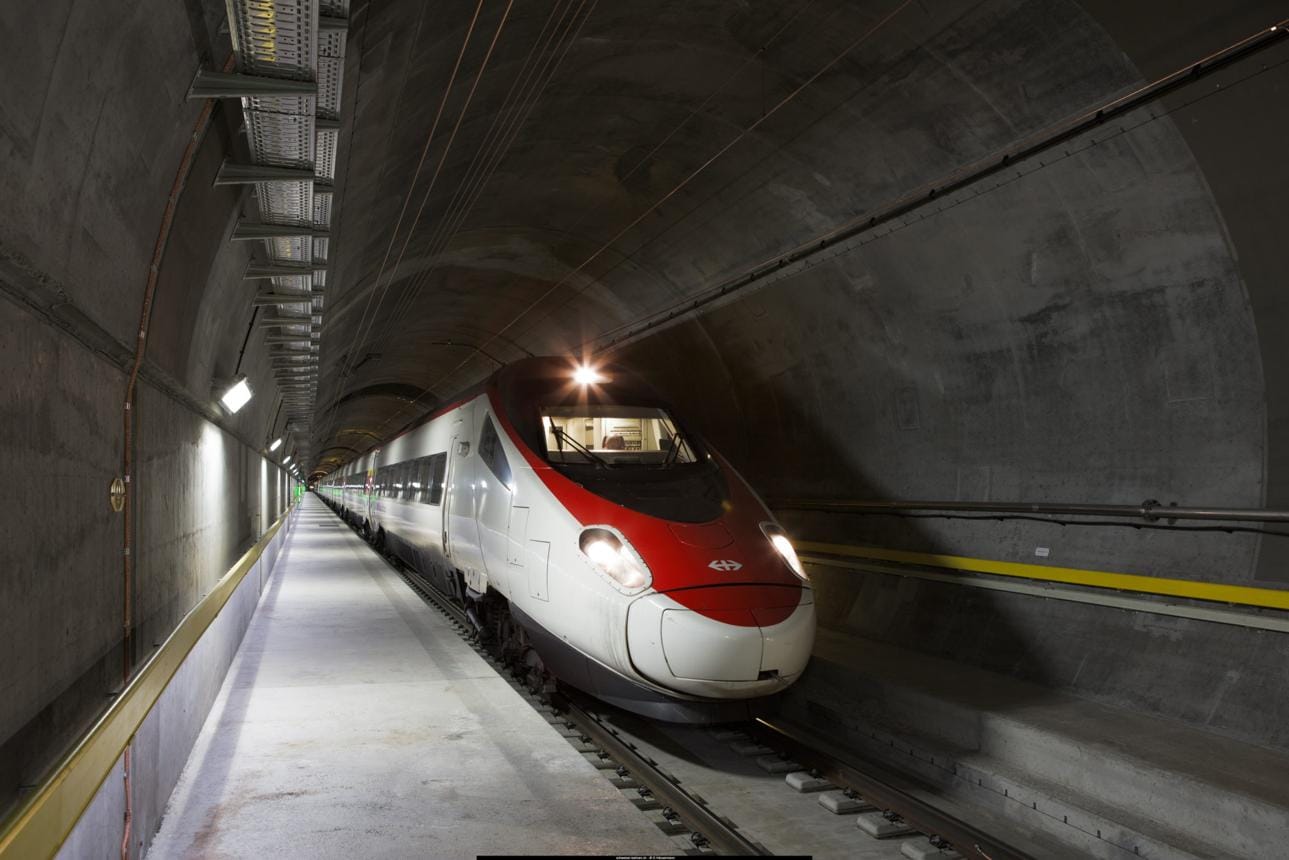
Renovation work at Switzerland’s Gotthard Base Tunnel could become significantly more expensive due to delays in replacing the tunnel’s aging radio communication system.

According to reports, the upgrade project has encountered major setbacks linked to technical and organisational problems involving external suppliers, as well as the difficulty of accessing sections of the tunnel for maintenance work.

The communication system plays a vital role in tunnel operations. It allows train drivers to communicate with control centres and other trains while also enabling passengers to access mobile phone and internet services deep inside the Gotthard mountain corridor.

The system was originally scheduled for replacement during planned maintenance work between 2024 and 2026. However, the project has fallen behind schedule, raising concerns about additional infrastructure costs.

As a result of the delays, Swiss Federal Railways (SBB) must reportedly extend existing operational contracts for at least two more years, with a possibility of extending them further up to six years.

The maximum projected additional cost is expected to exceed CHF4.6 million, although railway officials noted that some operational expenses would have been necessary regardless of the delays.

Reports also suggest that authorities are considering abandoning the current replacement project entirely as an alternative solution.

The Gotthard Base Tunnel is one of the world’s most important rail infrastructure projects and serves as a key transport corridor linking northern and southern Europe through Switzerland.