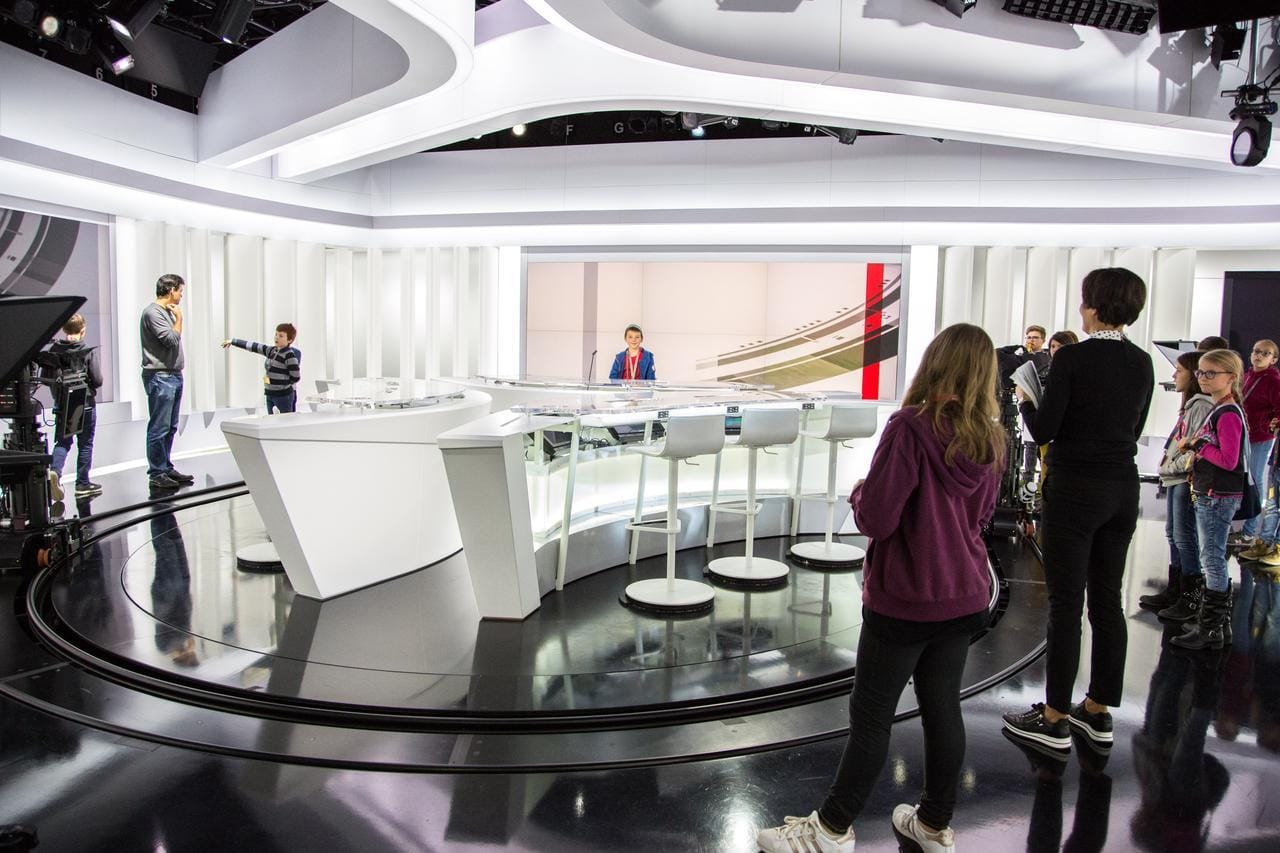
Thousands Explore New RTS Media Centre in Lausanne.

More than 15,000 people visited the new production site of Swiss public broadcaster RTS in Lausanne-Ecublens during a highly successful open weekend event. The new facility, located on the campus of the Swiss Federal Institute of Technology Lausanne (EPFL), welcomed visitors of all ages eager to discover the world of media production and broadcasting.

Large crowds gathered even before the official opening, with many visitors exploring exhibitions, interactive activities, and behind-the-scenes tours. Families, students, and media enthusiasts had the opportunity to experience how television, radio, and digital content are produced.

One of the most popular attractions allowed visitors to step into the role of a journalist by reading news from a teleprompter and presenting weather forecasts. Guests also explored RTS news vehicles, production studios, and broadcasting facilities, gaining a unique insight into the daily work of media professionals.

The event featured live radio broadcasts, public podcast recordings, and guided tours of the new production centre. Studio 1 attracted particularly strong interest, with audiences filling seats to watch programmes being produced in real time.

RTS announced that public engagement activities will continue throughout June, offering additional opportunities for visitors to explore media careers, content creation, and public service broadcasting. Registration will be required for many of these activities.

The broadcaster also revealed plans to expand its media education programme. From next year, RTS will increase the number of workshops from 300 to 400 annually, with most sessions remaining free for schools and the public.

The new Lausanne-Ecublens production hub replaces several older facilities in Lausanne and Geneva, creating a modern centre for broadcasting, digital media production, and audience engagement.

RTS expects to welcome approximately 10,000 visitors each year through guided tours, workshops, and educational activities, strengthening its connection with the Swiss public and future generations of media professionals.
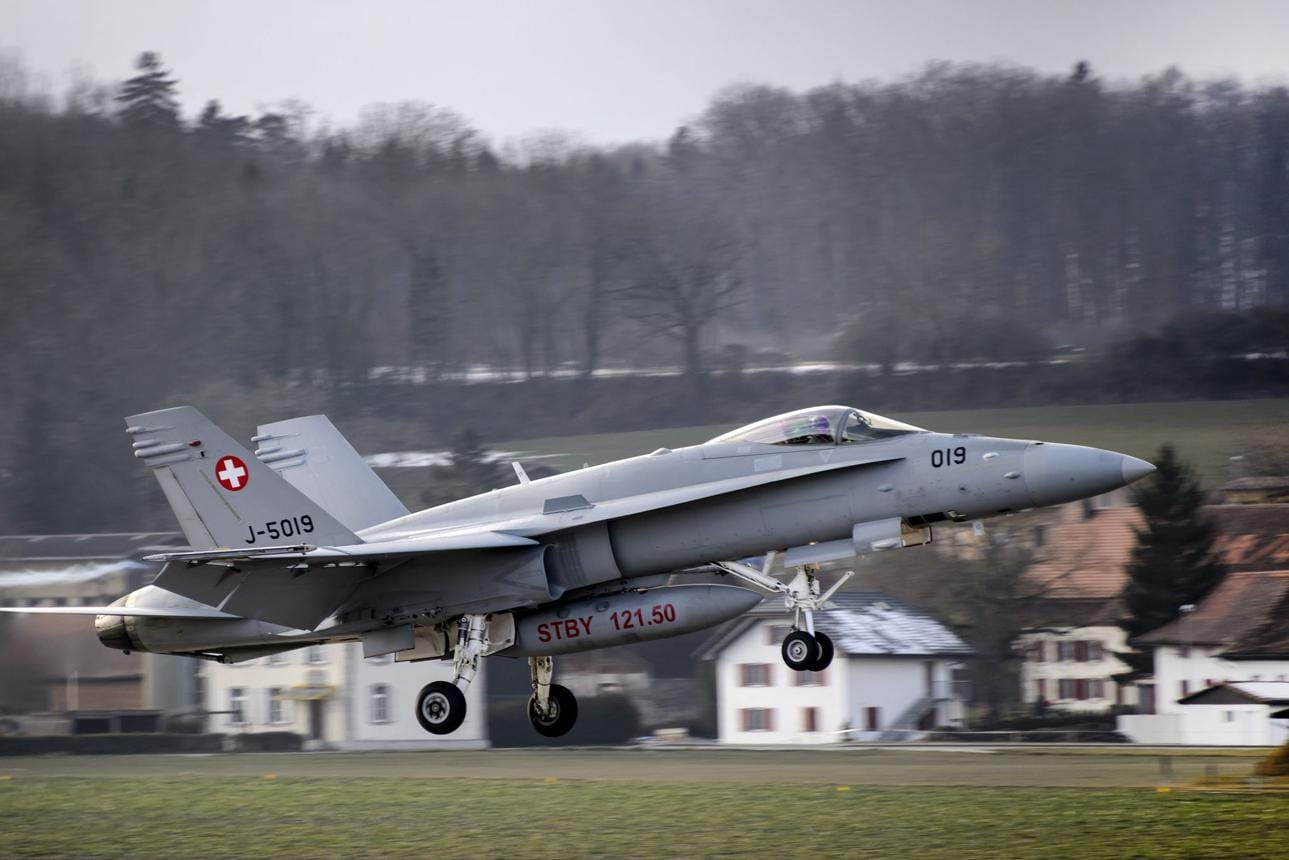
Swiss Air Force Extends Life of F/A-18 Fighter Jets.

The Swiss Air Force has successfully completed a major inspection and refurbishment program for its fleet of F/A-18C/D fighter jets, extending their operational life until the next generation of aircraft enters service.

According to the Federal Armaments Office (Armasuisse), structural inspections and refurbishment work on all 30 F/A-18 fighter jets were completed at the end of April 2026. The upgrades will allow the aircraft to continue operating safely and effectively for several more years.

The extension is designed to bridge the gap until Switzerland’s new F-35A fighter jets are fully introduced into service during the early 2030s. Regular maintenance and periodic inspections will continue to ensure the aircraft remain mission-ready.

The Swiss Parliament approved CHF450 million for the life-extension project as part of the 2017 Armed Forces program. The initiative was carried out through cooperation between Armasuisse, the Swiss Air Force, Ruag, and several industry partners.

The modernization program was implemented in multiple phases. One of the most significant milestones was completed in 2021 with the installation of advanced communication, navigation, and identification systems, improving the aircraft’s operational capabilities.

Originally, the F/A-18 fleet was expected to be retired by 2025. However, delays in the transition to the new F-35A fleet made the extension necessary to maintain Switzerland’s air defense capabilities.

The project ensures that Switzerland can continue to protect its airspace while preparing for the arrival of its future generation of fighter aircraft. The successful completion of the maintenance program represents an important step in maintaining national security and operational readiness during the transition period.

With the upgraded F/A-18 fleet remaining active, the Swiss Air Force will continue to play a vital role in air policing, national defense, and security operations until the F-35A aircraft become fully operational.

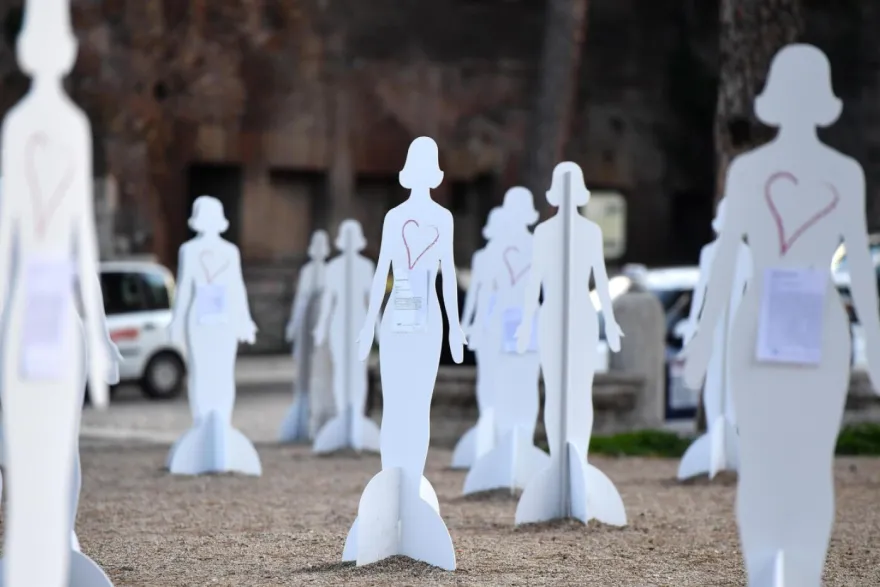
Switzerland Expands Domestic Violence Awareness Campaign.

The Swiss government has officially launched the second phase of its national campaign against domestic, sexual, and gender-based violence. The new stage focuses on increasing public awareness of available support services, particularly the nationwide victim support hotline, 142, which has been available 24 hours a day, seven days a week since May 2026.

The campaign is led by Interior Minister Elisabeth Baume-Schneider and builds upon the first phase introduced in late 2025. According to the Federal Office for Gender Equality (FOGE), the objective is to ensure that prevention messages and support resources reach as many people as possible across Switzerland.

A significant expansion of the campaign has been made possible through additional funding approved by Parliament. The initiative is supported by the federal government, cantonal authorities, municipalities, and numerous civil society organizations.

Two important new topics have been added to the campaign. One focuses on children who are exposed to domestic violence within their homes, while the other highlights the growing issue of digital surveillance and online control within abusive relationships. These themes will be promoted through a nationwide poster campaign and informational materials available in 13 languages.

Domestic violence remains a serious concern in Switzerland. Police recorded approximately 22,000 domestic violence-related offences during 2025. Authorities also reported 34 domestic violence-related homicides during the same year. Among those victims, 21 people lost their lives in the context of a current or former intimate relationship, including 19 women and two men.

Swiss authorities hope the expanded campaign will encourage more victims and witnesses to seek help, raise awareness of available support services, and contribute to reducing violence across the country.

Swiss Mental Hospital Escapee Case Goes to Court.

A Swiss court is currently examining a serious case involving a psychiatric patient who escaped from a mental health facility in 2018 and went on to attack several people with a hatchet, leaving four individuals seriously injured.

The incident took place after the patient fled from the Préfargier psychiatric hospital. Following the escape, the individual carried out a violent attack, raising major questions about the responsibilities of medical staff and the safety protocols in place at the facility.

During the court proceedings, prosecutors argued that hospital staff failed to properly assess and monitor the patient’s condition. They also claimed that there was a delay in informing authorities after the escape, which may have contributed to the severity of the incident.

The medical team, however, strongly rejected the allegations. Their defense stated that psychiatric professionals followed standard medical procedures and that it is not always possible to predict sudden acts of extreme violence, even in monitored patients.

Experts in forensic psychiatry often emphasize that while risk assessments are an important part of mental health care, predicting rare violent behavior with complete accuracy remains extremely difficult.

Following the attack, the individual later died by suicide while in prison, adding further complexity to the case and its legal interpretation.

The court is now expected to deliver its verdict by the end of the year. The outcome is likely to have implications for how psychiatric risk assessment and patient supervision are handled in Switzerland’s mental health system.

The case has also reignited public debate about the balance between patient rights, medical responsibility, and public safety in psychiatric care institutions.

Middle East War Could Indirectly Affect Switzerland.

If a major conflict or war in the Middle East, particularly involving Iran, escalates further, Switzerland could be affected indirectly rather than through direct security threats. Due to its neutral position and geographic location in central Europe, the country is not expected to face immediate military risks. However, global economic and political ripple effects could still influence daily life in Switzerland.

One of the most immediate impacts would likely be on energy prices. A large portion of global oil and gas supplies is linked to the Middle East. If tensions rise, global energy markets often react quickly, leading to higher fuel prices. This could affect petrol, diesel, and even air travel costs in Switzerland.

Higher energy prices typically contribute to inflation. As transportation and production costs increase, the prices of food, goods, and essential services may also rise. This can gradually affect household budgets across the country.

Financial markets may also experience volatility. Switzerland’s banking and investment sectors are closely connected to global markets, meaning uncertainty can impact stock prices, investments, and corporate performance. Export-oriented industries could also experience slower growth if global demand weakens.

There may also be broader security and migration-related effects across Europe. Increased instability in the Middle East can lead to higher refugee flows and stricter border monitoring across European countries, including Switzerland.

Despite these indirect risks, Switzerland’s neutrality significantly reduces the likelihood of any direct military involvement. The country focuses on diplomacy, stability, and economic resilience, which helps limit immediate threats to the population.

Overall, while everyday life in Switzerland is unlikely to be directly disrupted by a Middle East conflict, global economic connections mean that energy prices, inflation, and financial stability could still be affected depending on how the situation develops internationally.

Switzerland Maintains Neutral Stance on Iran Conflict.

Switzerland continues to uphold its long-standing policy of neutrality in relation to the ongoing tensions and conflicts involving Iran and other Middle Eastern actors. The Swiss government does not take sides in military conflicts and instead focuses on promoting peace and diplomatic solutions.

In the context of the Iran conflict, Switzerland consistently calls for de-escalation and urges all parties involved to avoid actions that could further intensify violence. The government emphasizes the importance of reducing tensions through dialogue rather than military escalation.

Swiss authorities also stress that all parties must respect international humanitarian law and broader principles of international law. Civilian protection remains a key priority in Switzerland’s foreign policy approach to conflict situations.

As part of its diplomatic role, Switzerland has historically acted as an intermediary between countries that do not maintain direct diplomatic relations. One of the most notable examples is its role as a protecting power for communication between the United States and Iran. In this capacity, Switzerland facilitates the exchange of official messages and supports limited diplomatic communication channels.

Due to its neutrality, Switzerland does not support military actions by any side. At the same time, it does not endorse retaliatory measures or escalation in conflicts involving Iran. Instead, it positions itself as a mediator that encourages peaceful negotiation and international cooperation.

In line with its neutrality laws, Switzerland also applies strict regulations on arms exports and may restrict certain military-related transit activities to ensure compliance with international obligations.

Overall, Switzerland’s position on the Iran conflict reflects its core foreign policy principles: neutrality, conflict prevention, respect for international law, and commitment to diplomatic dialogue as the primary means of resolving international disputes.

Switzerland Hosts Over 140 Foreign Diplomatic Missions.

Switzerland is widely recognized as one of the world’s most important diplomatic centers, hosting a large number of foreign embassies and international representations.

According to available figures, around 146 countries maintain official diplomatic representation in Switzerland. Of these, nearly half have established full embassies directly in the capital city, Bern.

Bern alone hosts approximately 91 foreign embassies, making it a key center for bilateral diplomatic relations. These embassies manage political, economic, and consular relations between Switzerland and their respective countries.

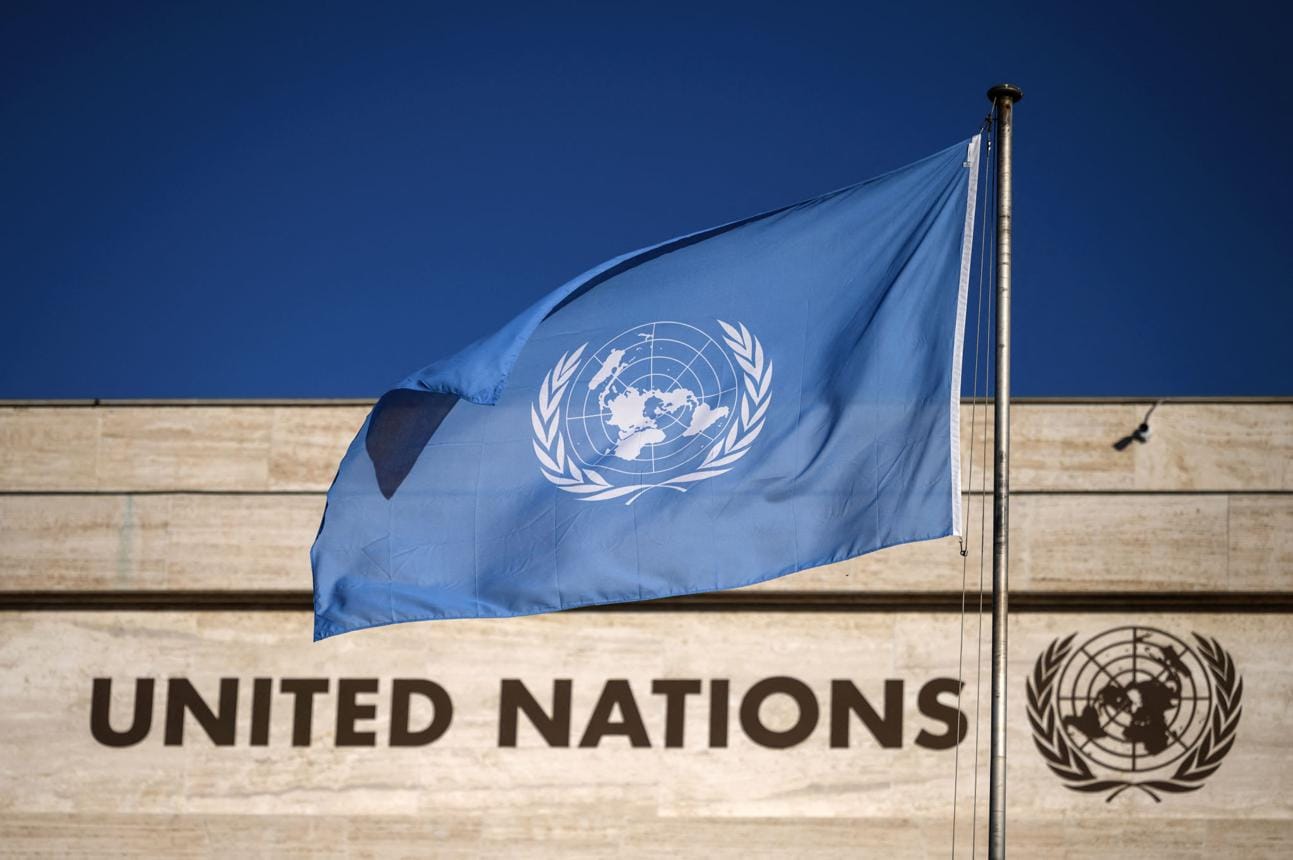
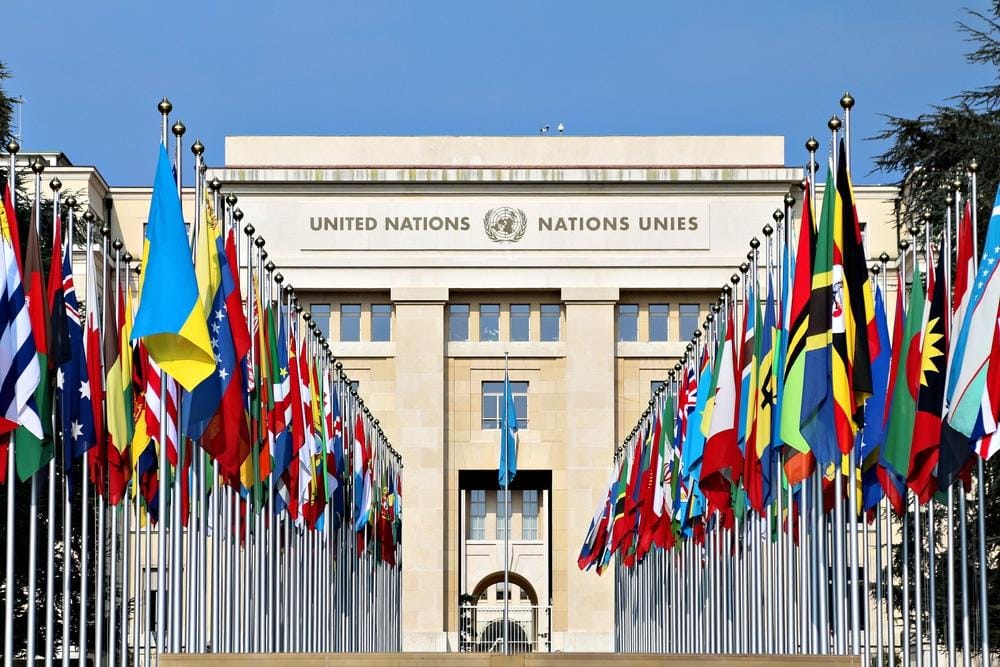
In addition to Bern, Geneva plays a crucial international role. The city is home to the United Nations Office at Geneva and dozens of other global organizations. Around 64 permanent missions representing various countries operate there, focusing on multilateral diplomacy and international cooperation.

Beyond embassies and permanent missions, Switzerland also hosts more than 180 consulates across different cities. These consular offices provide services such as visa processing, assistance to citizens abroad, and trade support.

While Bern serves as the political capital for diplomatic relations, Geneva functions as a global hub for international dialogue, peacebuilding, and humanitarian coordination.

Overall, Switzerland’s diplomatic network reflects its long-standing policy of neutrality and international engagement. With over 140 countries represented in various forms, the country continues to play a central role in global diplomacy and international governance.

Swiss Cantonal Banks Hold More Capital Than Required

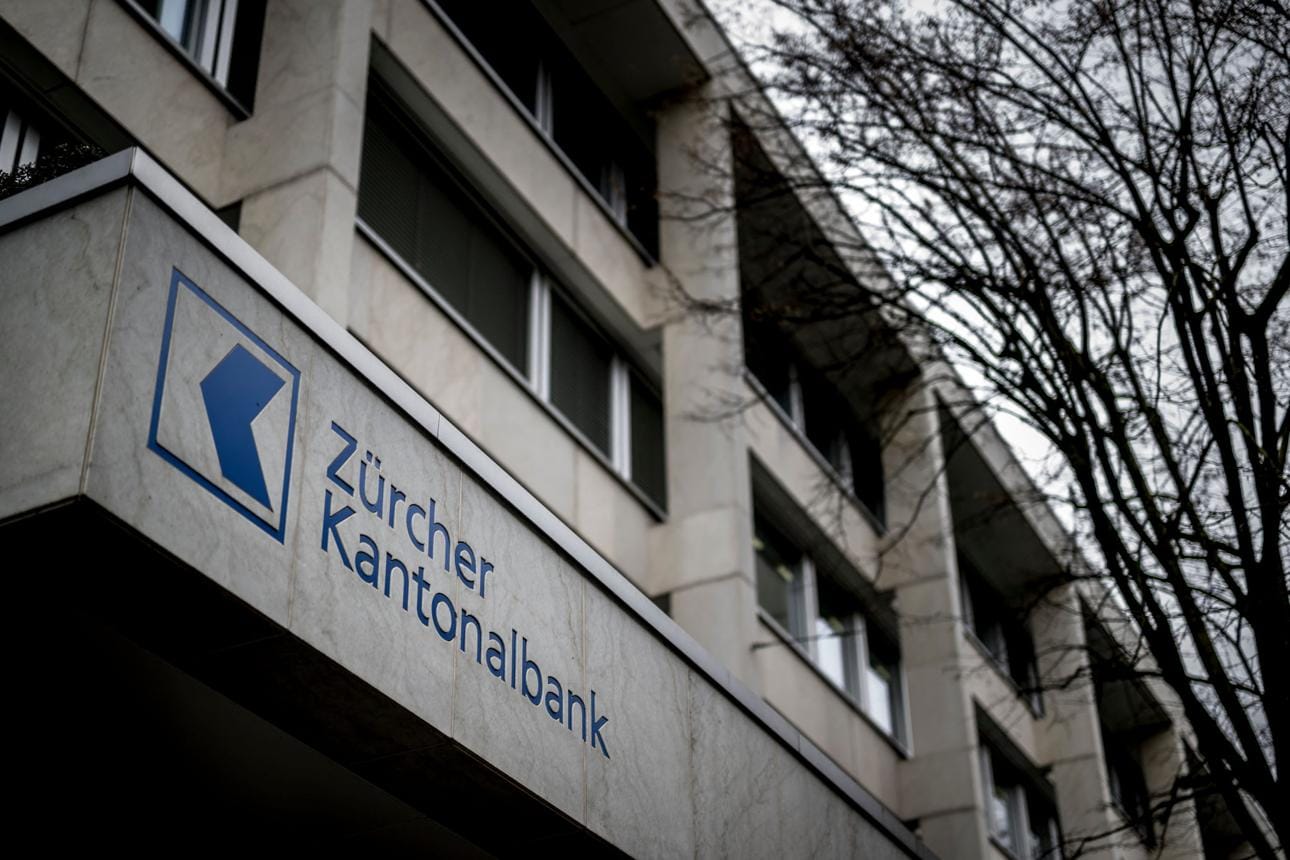
Swiss cantonal banks are holding substantially more equity capital than required by law, according to a new study by Zurich-based Independent Credit View (I-CV). The findings highlight the strong financial position of these regional institutions, even as public attention remains largely focused on major banks such as UBS.

The study reveals that Switzerland’s 24 cantonal banks have continued to expand steadily, with total assets growing by more than 3% annually. Combined, these banks now manage total assets worth approximately CHF839 billion, surpassing the CHF501 billion held by UBS’s Swiss business operations.

A bank’s total assets include customer deposits, investments, mortgages, and loans. As these figures increase, banks are generally expected to maintain sufficient capital reserves to absorb potential losses and ensure financial stability. According to the report, cantonal banks are maintaining capital buffers significantly above the minimum legal requirements.

Financial experts view these additional reserves as a sign of strength and resilience. Strong capital levels help banks withstand economic downturns, market volatility, and unexpected financial shocks. They also provide greater confidence for customers, investors, and regulators.

Despite their growing size and importance within the Swiss financial system, cantonal banks often receive less public scrutiny than global banking giants such as UBS. However, their collective balance sheet now represents a major component of Switzerland’s banking sector.

The report suggests that while the debate around banking regulations frequently focuses on systemically important institutions, cantonal banks have quietly built substantial financial safeguards over many years.

Analysts note that maintaining higher-than-required capital levels may help support long-term stability, particularly during periods of economic uncertainty. As Switzerland continues to strengthen its financial sector, cantonal banks remain a key pillar of the country’s banking and lending system.

The study also highlights the important role these institutions play in regional economic development by providing mortgages, loans, and financial services to households and businesses across Switzerland.

Swiss Lakes Hit Record High Temperatures in May.

Switzerland’s lakes are experiencing unprecedented warmth, with many recording their highest-ever temperatures for the month of May. According to recent reports, 26 of the country’s 32 largest lakes have reached record surface temperatures, highlighting the growing impact of warmer weather and climate change.

Several well-known lakes, including Lake Zurich, Lake Geneva, Lake Maggiore, Lake Lucerne, and Lake Brienz, have all recorded unusually high temperatures. On Saturday, many lakes exceeded 20°C, a level typically associated with warmer summer periods rather than late spring.

Lake Murten recorded the highest temperature at 24.6°C, followed by Lake Geneva at 23.6°C. Lake Zurich reached 22.4°C, while Lake Maggiore measured 21.8°C. Lake Lucerne and Lake Biel also exceeded seasonal averages, both recording temperatures of 20.3°C.

Scientists warn that warmer lake water can create environmental and health challenges. Higher temperatures encourage the growth of blue-green algae, bacteria, and cercaria, commonly known as duck fleas. These microscopic larvae can trigger allergic skin reactions and severe itching in swimmers.

Researchers from the Swiss Federal Institute of Aquatic Science and Technology (Eawag) believe that duck fleas could become more widespread in Swiss lakes during future summers as water temperatures continue to rise.

The warming trend also threatens aquatic wildlife. Cold-water fish species such as trout and char require oxygen-rich environments to survive. Experts explain that prolonged water temperatures above 20°C can become dangerous for these species, affecting their growth, health, and survival rates.

Climate specialists warn that rising lake temperatures are placing increasing pressure on freshwater ecosystems across Switzerland. As extreme weather patterns become more frequent, scientists are closely monitoring lake conditions and their impact on biodiversity.

The record-breaking temperatures serve as another reminder of the environmental challenges linked to a warming climate and the need for continued conservation efforts to protect Switzerland’s natural resources.