Cinema Attendance Rises Across Switzerland in 2026.

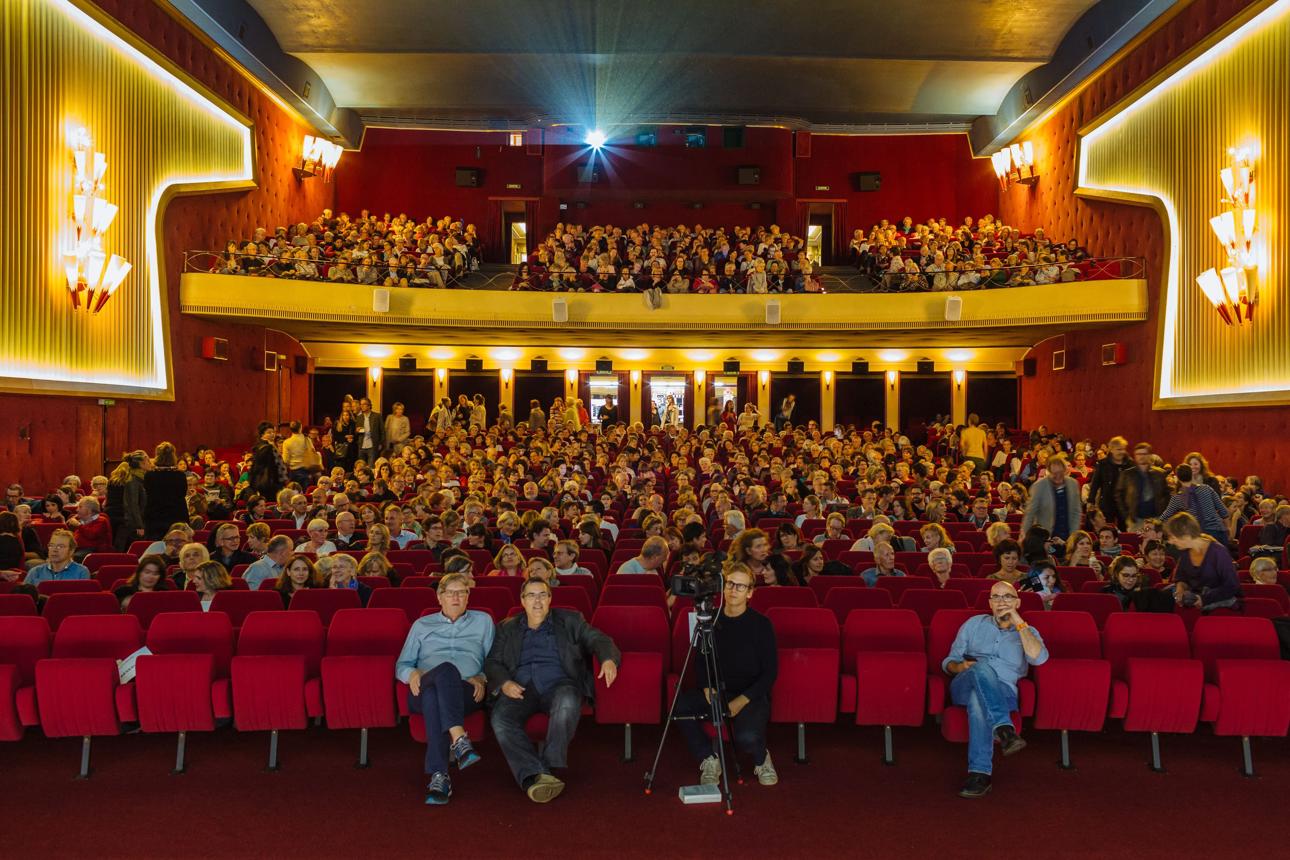
Swiss cinemas are experiencing a strong recovery in 2026, with attendance rising sharply across all regions of the country. According to provisional figures from the Federal Statistical Office (FSO), cinema admissions increased by nearly 25% in the first half of the year compared to the same period in 2025.

By week 21, cinemas across Switzerland recorded approximately 4.68 million admissions, representing nearly 890,000 more tickets sold than the previous year. The growth reflects renewed audience interest in theatrical releases and a strong lineup of international and regional films.

The most significant increase was observed in French-speaking Switzerland, where cinema attendance surged by 30%. German-speaking regions also saw a solid rise of 19%, while canton Ticino recorded the highest growth at 42%. Despite these regional differences, the FSO confirmed that the overall balance between language regions remains stable.

Several blockbuster releases played a key role in driving audiences back to cinemas. In French-speaking Switzerland, the biographical film Michael, based on the life of Michael Jackson, attracted large crowds. In German-speaking regions, audiences were drawn to The Super Mario Galaxy Movie, a new animated adventure featuring Nintendo’s iconic character. Meanwhile, in Ticino, The Devil Wears Prada 2 became a major success, bringing significant numbers of viewers to theatres.

The momentum accelerated in mid-May, when weekly attendance figures rose dramatically. In week 20 alone, more than 360,000 people visited cinemas across Switzerland, compared with fewer than 100,000 during the same period in 2025. Over one weekend, Michael drew around 28,000 viewers in French-speaking regions, while The Devil Wears Prada 2 attracted more than 17,000 cinema-goers.

Industry experts say the recovery could continue in the coming months, supported by a strong slate of upcoming releases. Highly anticipated titles include Christopher Nolan’s The Odyssey, a cinematic adaptation of the ancient epic, and Dune: Part Three, directed by Denis Villeneuve, expected to release in December.

Analysts believe that if this trend continues, 2026 could mark a turning point for the Swiss cinema industry after years of fluctuating attendance figures.

Geneva Approves No G7 Protest Route.

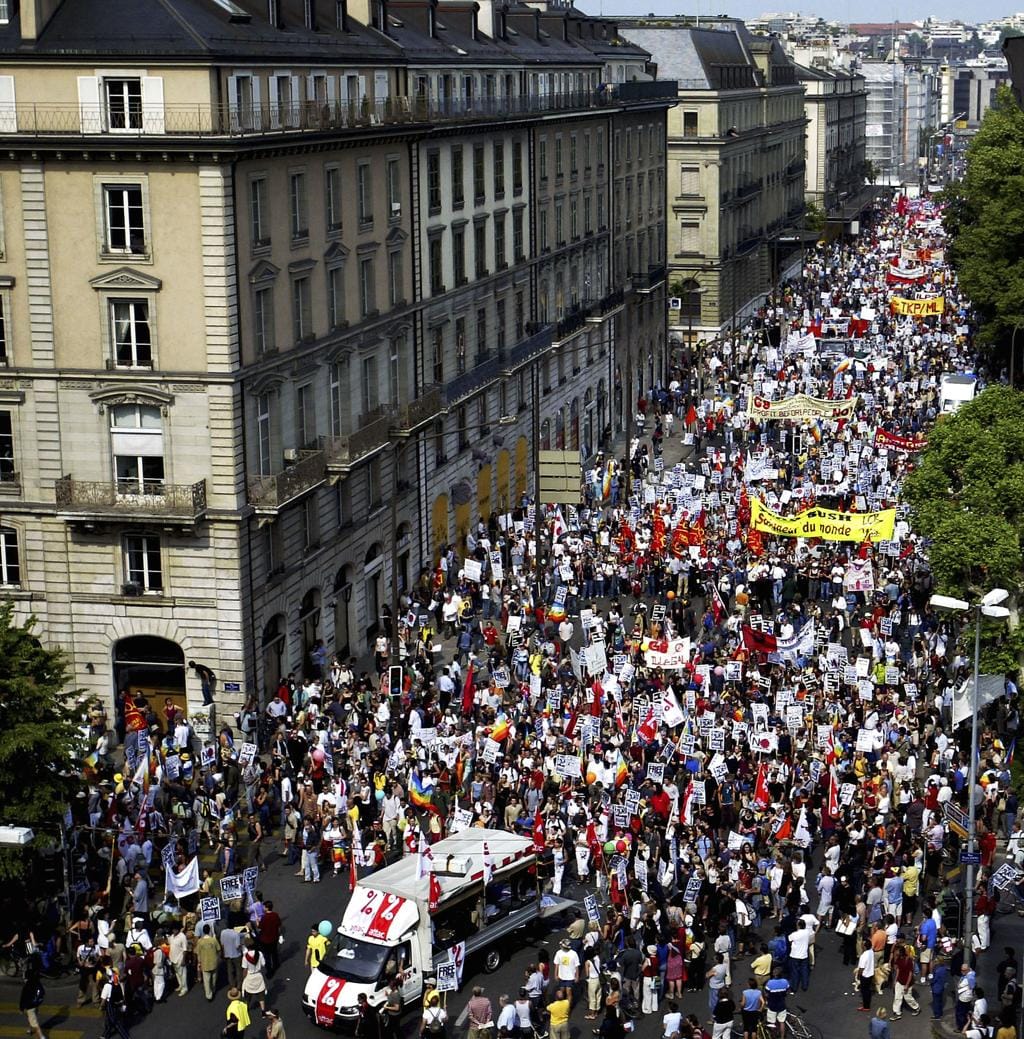
Geneva authorities and anti-G7 activists have reached an agreement on the route for a major demonstration planned ahead of the upcoming G7 Summit. The march, scheduled for June 14, 2026, will follow a revised path through Geneva city centre after discussions between protest organisers and local officials.

The agreement was finalized following talks between representatives of the No G7 coalition and Geneva State Councillor Carole-Anne Kast. Organisers confirmed that the demonstration route has been modified to avoid the Mont Blanc Bridge area and will instead be redirected through Rue des Alpes.

According to protest organisers, the change was welcomed because it reduces the possibility of tensions between demonstrators and security forces. Activists had expressed concerns that a route passing close to the Mont Blanc Bridge, where access restrictions are in place, could increase the risk of confrontations during the event.

Geneva authorities reviewed the organisers’ concerns and agreed to adjust the proposed route on the right bank of the Rhône River. The compromise is being viewed as a positive step toward ensuring that the demonstration can proceed peacefully while maintaining public safety.

The protest is expected to attract activists from Switzerland and neighbouring countries who oppose policies associated with the Group of Seven (G7). Demonstrators plan to raise issues including economic inequality, climate action, social justice, and global governance.

The 52nd G7 Summit will take place from June 15 to June 17, 2026, in Evian, France, near the Swiss border. Due to the summit’s proximity to Geneva, Swiss authorities have implemented enhanced security measures and coordination plans to manage cross-border activities and public demonstrations.

Both organisers and officials have expressed hope that the agreed route will allow participants to exercise their right to peaceful protest while minimizing disruptions and maintaining security throughout the event.

Swiss Hospital Faces Backlash Over Brain Removal Case.

A serious ethical controversy has emerged in Switzerland after it was revealed that a hospital in Geneva removed the brain of a young man following his death in a traffic accident without informing or obtaining permission from his family.

The case involves a young man named Alexandre, who died in a road accident three years ago. His parents had already completed all funeral arrangements, believing that their son had been laid to rest respectfully. However, it has now come to light that the Romandy University Centre of Forensic Medicine removed his brain for investigative purposes related to the accident case.

According to reports, the procedure was carried out for forensic examination to support ongoing or potential legal investigations. However, the family was not informed about the organ removal at the time, and they only discovered the incident much later. This has led to deep shock and emotional distress among the relatives.

The case has sparked widespread debate in Switzerland about medical ethics, patient rights, and legal boundaries in forensic investigations. While forensic institutions are authorized in certain cases to retain organs or tissues for examination, critics argue that transparency and family consent should remain a priority, especially when dealing with human remains.

Legal experts and ethicists are now questioning whether current Swiss medical regulations sufficiently protect the rights of deceased individuals and their families. The incident has also raised broader concerns about how forensic procedures are communicated and whether existing laws need to be revised to ensure clearer consent frameworks.

Public reaction has been strong, with many calling for stricter guidelines and greater accountability in medical institutions. The case continues to fuel discussions about balancing scientific investigation needs with respect for human dignity and family rights.

Authorities have not yet announced any disciplinary action, but the controversy is expected to prompt further review of forensic medical practices in Switzerland.

Switzerland Reacts to New US Tariff Proposal.

Swiss President Guy Parmelin has stated that the Swiss government was not surprised by the United States’ proposal to introduce new tariffs of 12.5% on Swiss goods. He confirmed that Switzerland is currently engaged in ongoing negotiations with Washington to reach a balanced trade agreement.

Speaking at the Swiss Economic Forum (SEF) in Interlaken, Parmelin explained that Swiss authorities were already aware of investigations under Section 301 of the US Trade Act. He noted that the government had anticipated a decision regarding potential trade measures from the United States.

Parmelin, who also serves as Switzerland’s economics minister, emphasized that the Swiss government firmly rejects the criticisms made by the US in relation to its trade practices. He added that Switzerland has already responded to these concerns in written form as part of official diplomatic communication.

Despite the proposed tariffs, Swiss officials are continuing discussions with US representatives, aiming to protect key export sectors and maintain stable economic relations between the two countries. The negotiations are expected to focus on ensuring fair trade conditions and minimizing potential impacts on Swiss industries.

The announcement comes at a sensitive time for global trade relations, as countries continue to navigate economic uncertainty and shifting tariff policies. Switzerland, a highly export-oriented economy, is closely monitoring developments to safeguard its economic interests.

Authorities have reiterated their commitment to dialogue and diplomatic engagement, signaling that discussions with the United States will continue in the coming months.

Switzerland Rejects EU Copernicus Program Until 2034

The Swiss government has confirmed that Switzerland will not participate in the European Union’s Copernicus Earth observation programme between 2028 and 2034, citing financial limitations and budget pressures. The decision marks a significant policy shift and contrasts with parliament’s earlier support for joining the initiative.

The Federal Council announced that the country’s current financial situation makes participation in Copernicus impossible during the upcoming funding period. While no detailed financial breakdown was provided, officials stated that Switzerland could reconsider joining the programme in 2032 if economic conditions improve.

Copernicus is one of Europe’s most important Earth observation and environmental monitoring systems. Established in cooperation between the European Union and the European Space Agency (ESA), the programme uses satellites and advanced technologies to collect data on climate change, environmental conditions, natural disasters, land use, and atmospheric developments. Governments, researchers, and businesses across Europe rely on Copernicus data for planning, scientific research, and environmental protection.

The decision has attracted attention because the Swiss parliament approved a motion supporting participation more than four years ago. Lawmakers viewed membership as a strategic investment in scientific research, climate monitoring, and technological innovation. However, despite parliament’s approval, the Federal Council has repeatedly postponed implementation and has now officially decided against participation for the next funding cycle.

Experts note that access to Earth observation data plays an increasingly important role as countries respond to climate change, extreme weather events, and environmental challenges. Copernicus has become a key platform for monitoring global warming, glacier changes, drought conditions, flooding risks, and ecosystem health across Europe.

Although Switzerland will remain outside the programme for the foreseeable future, the government has left the door open for future participation. Officials indicated that a reassessment could take place in 2032, depending on the country’s financial position and strategic priorities.

The announcement is expected to generate debate among policymakers, researchers, and environmental organizations, many of whom believe that international scientific cooperation will become increasingly important in addressing climate and environmental challenges in the years ahead.

Swiss Rivers and Lakes Remain Critically Low Despite Rain.

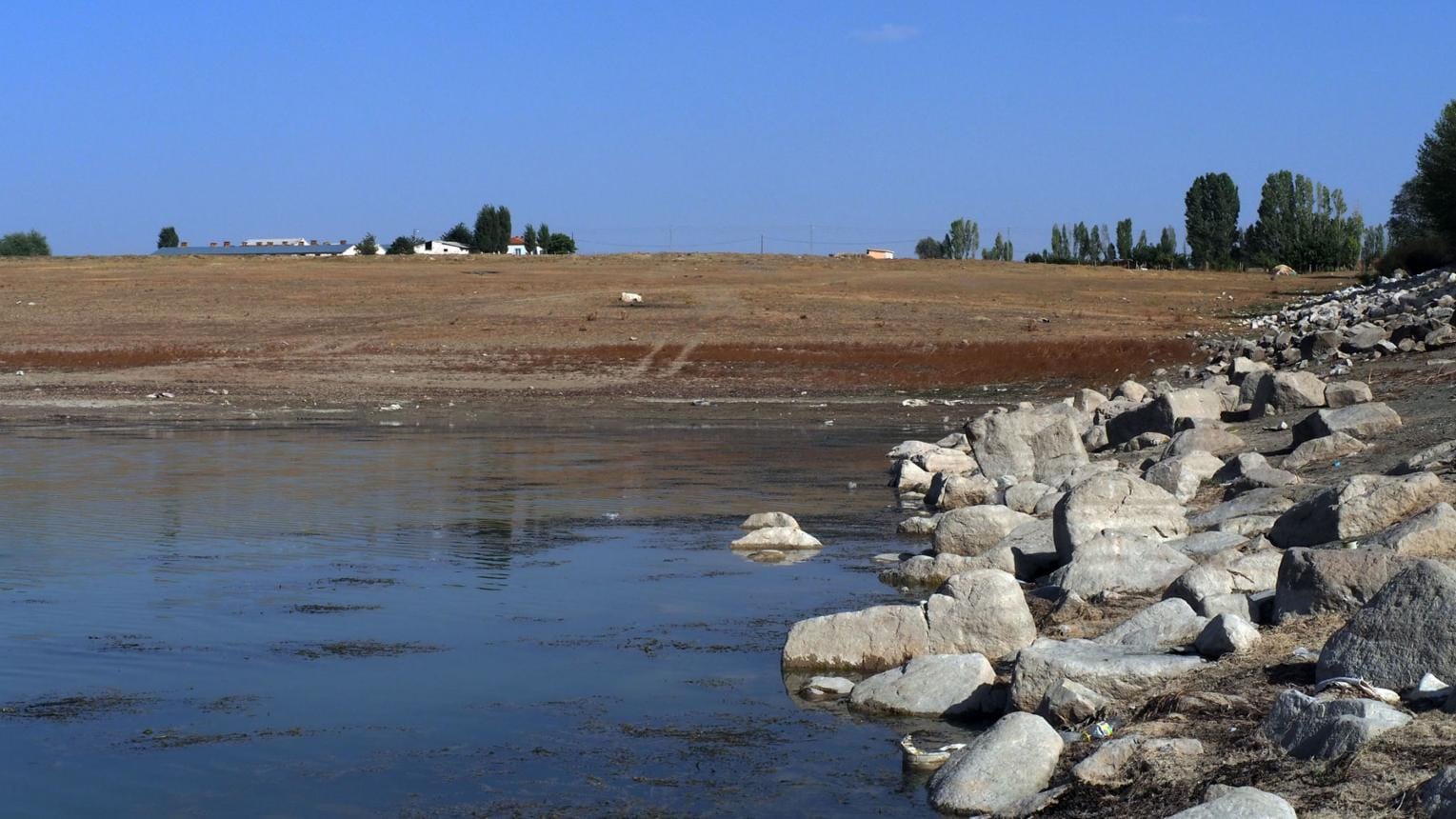
Switzerland continues to experience drought conditions as water levels in many rivers and lakes remain significantly below normal despite recent rainfall. According to measurements from the Federal Office for the Environment (FOEN), several major waterways across the country are still showing unusually low levels for this time of year.

The High Rhine, Reuss, and Limmat rivers remain below their seasonal averages, highlighting the ongoing impact of dry weather conditions that have persisted for months. While this week’s rain provided temporary relief, experts say it has not been enough to restore water levels to normal.

Lake Constance and Lake Zug are among the most affected areas. Hydrologists attribute the situation to prolonged drought combined with above-average temperatures, which have increased evaporation rates across Switzerland. The combination of reduced rainfall and warmer weather has placed additional pressure on lakes, rivers, and surrounding ecosystems.

Earlier this month, the western section of Lake Constance reached a historic low water level, creating challenges for navigation and transport. Since the end of April, a stretch of the Rhine River between Stein am Rhein and Diessenhofen has remained impassable due to insufficient water levels. However, shipping operations on Lake Zug and Lake Aegeri have continued without major disruptions despite the challenging conditions.

Environmental experts warn that extreme fluctuations between high and low water levels are becoming increasingly common. Unregulated bodies of water such as Lake Constance and Lake Walen are particularly vulnerable to changing weather patterns. According to Swiss Shipping Company Untersee und Rhein, these fluctuations have intensified in recent years, making water management and navigation more difficult.

The contrast has been striking. In June 2024, authorities issued the highest-level flood warning for the Untersee region. Less than a year later, the same area recorded historically low water levels. Experts say this demonstrates the growing unpredictability of weather patterns and the challenges they create for communities, businesses, and transport networks.

As Switzerland faces another dry season, authorities and industry leaders are exploring long-term solutions to maintain navigation, protect water resources, and adapt to increasingly extreme weather conditions. The situation continues to be closely monitored as concerns grow about the environmental and economic impacts of prolonged drought.

Swiss Cantons Face Rising Refugee Costs.

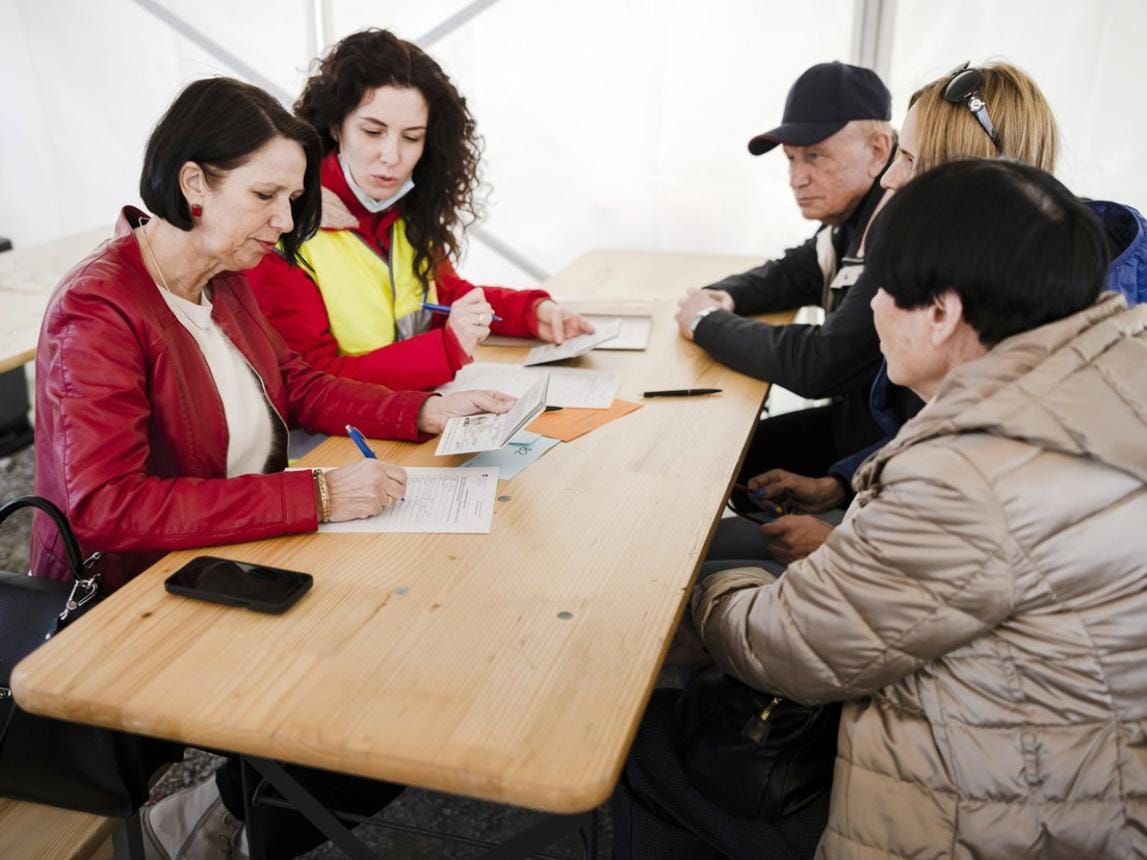
Swiss cantons and municipalities are preparing for a significant financial challenge as Ukrainian refugees with Protection Status S begin transitioning to regular social assistance from 2027. Local authorities estimate that the nationwide additional burden could reach approximately CHF300 million annually, raising concerns about future budgets and public spending.

Municipal leaders across Switzerland are urging the federal government to provide clear guidance and financial support before the transition takes effect. Bruno Tüscher, Mayor of Münchwilen in the canton of Aargau, warned that without federal assistance, municipalities may face higher tax pressures. He stated that the added costs could increase local tax rates by around three percent, placing additional strain on communities already managing rising expenses.

The canton of Aargau expects municipalities to absorb roughly CHF25 million in extra costs once refugees move to the standard welfare system. Local officials are seeking urgent clarification as they begin preparing financial plans and budgets for the coming years.

Graubünden has also calculated the potential impact. Authorities estimate that around 900 refugees could transition to regular social assistance, creating annual costs of approximately CHF5.4 million. The city of Chur alone may be responsible for CHF2.2 million of that amount. City Councilor Patrik Degiacomi noted that current estimates represent a best-case scenario and warned that actual costs could rise further if economic and social conditions change.

The upcoming policy shift has sparked debate across Switzerland about how refugee support should be funded and shared between federal, cantonal, and municipal governments. While many officials continue to support humanitarian assistance for those displaced by the war in Ukraine, they are also calling for a sustainable financial framework that protects local services and taxpayers.

As 2027 approaches, Swiss cantons are increasing pressure on federal authorities to address funding concerns and provide long-term solutions. The issue is expected to remain a major topic in Swiss political and economic discussions as governments balance humanitarian commitments with fiscal responsibility.

Gunvor Offices Searched in Swiss Corruption Probe.

Swiss authorities have searched the Geneva headquarters of commodities trader Gunvor as part of an ongoing criminal investigation into suspected bribery involving foreign public officials.

The search was conducted by federal police in May on the orders of the Office of the Attorney General of Switzerland. The development became public after it was reported by the Swiss non-governmental organization Public Eye and later confirmed by Swiss authorities.

According to the Office of the Attorney General, the investigation remains active and authorities have provided only limited information. Officials emphasized that the presumption of innocence applies throughout the legal process.

Public Eye has raised questions about an oil contract allegedly concluded in Gabon in 2024. The organization claims that a parallel payment system may have been used to compensate intermediaries operating in Africa. These allegations are currently being examined within the broader investigation.

Gunvor has strongly rejected the accusations. The company stated that it has never seen or known of the contract referenced by Public Eye and accused the organization of exaggerating and misrepresenting information. Gunvor also emphasized that the company itself is not currently the direct target of the criminal proceedings and has pledged full cooperation with investigators.

The case comes as Gunvor faces renewed scrutiny due to previous corruption-related convictions in Switzerland. In 2019, Swiss authorities found the company criminally liable for corruption involving activities in Congo and Côte d’Ivoire. In 2024, the company was again found criminally liable in connection with corruption offenses linked to Ecuador.

Commodity trading remains one of Switzerland’s most important economic sectors, with Geneva serving as a major international hub for energy and commodity businesses. As a result, investigations involving large trading firms often attract significant public and regulatory attention.

Authorities have not announced when further information regarding the investigation will be released. The inquiry remains ongoing.

Swiss Parliament Boosts Non-Profit Housing Fund.

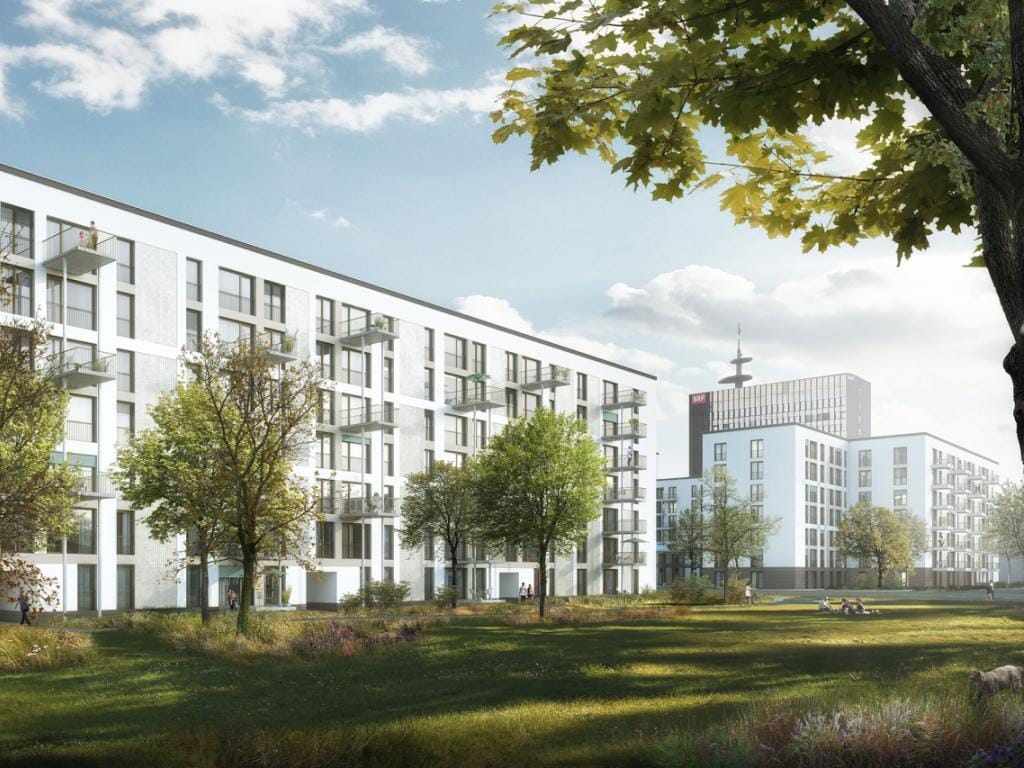
The Swiss Parliament has approved a significant increase in funding designed to support non-profit housing projects and improve access to affordable homes.

The Senate voted in favor of increasing the Fonds de Roulement by CHF150 million for the period between 2030 and 2034. This revolving fund provides loans to non-profit housing organizations for new construction projects, property renovations, and the purchase of residential buildings.

The measure forms part of Switzerland’s broader strategy to address housing shortages and rising property costs affecting many regions of the country. Affordable housing remains a major concern for households facing increasing rents and limited housing availability.

In addition to expanding the fund, the Senate also agreed to continue a federal guarantee program that supports housing development. Through this mechanism, the Swiss Confederation guarantees bonds issued by the financing center for non-profit housing developers. These guarantees help organizations secure financing under more favorable conditions and lower borrowing costs.

For this purpose, Parliament approved a commitment credit worth CHF1.92 billion covering the period from 2027 to 2033. The financial backing is expected to provide long-term stability for housing initiatives and encourage additional investment in affordable residential projects.

The House of Representatives had previously endorsed the same proposals, allowing the measures to move forward with broad parliamentary support.

Housing affordability has become an increasingly important issue across Switzerland, particularly in urban centers where demand continues to outpace supply. Rising rents and limited housing stock have placed pressure on many families, students, and lower-income residents.

Supporters of the funding expansion argue that strengthening the non-profit housing sector will help create sustainable, affordable living options while supporting balanced urban development. The new investments are expected to play a key role in addressing Switzerland’s long-term housing needs.

Fribourg Secures Jewish and Muslim Burial Rights.

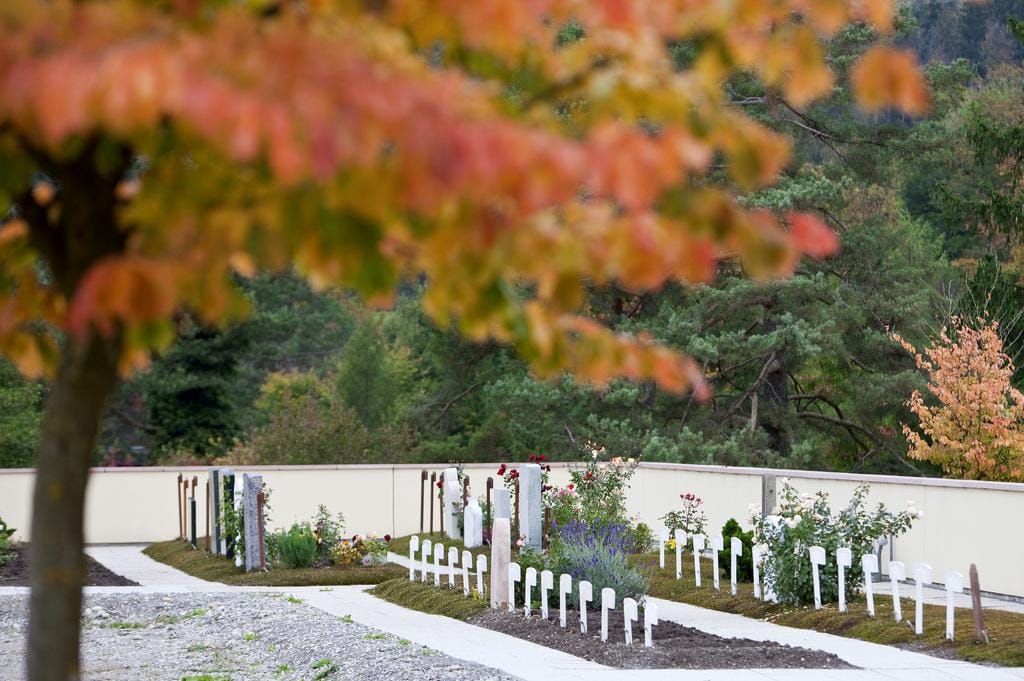
The city of Fribourg has reached a constructive agreement with Jewish and Muslim community representatives regarding burial arrangements at St Leonhard Cemetery. The agreement establishes clear rules for the long-term use of burial plots and provides greater certainty for affected communities.

Under the new arrangement, larger family graves capable of accommodating more than eight burials will be permitted in designated sections of the cemetery. In addition, permanent burial rights, a key concern for both religious communities, have been formally guaranteed.

City officials stated that the agreement balances historical preservation with modern social and cultural needs. Fribourg aims to promote inclusion, mutual respect, and equal recognition of all residents regardless of their religious background.

The cemetery’s historic Jewish section, established in 1912 and protected as a heritage site, will remain preserved. Authorities emphasized that the new regulations will not affect the historical character of this important area.

Concerns had emerged in 2024 when proposed cemetery regulations raised fears within the Jewish community about potentially high maintenance costs. The final agreement addresses these concerns by allowing existing Jewish graves to remain permanently protected. The city will continue providing burial spaces free of charge, except for maintenance-related expenses.

The same principles will apply to a newly designated Muslim burial section. Permanent burial rights are guaranteed, and the orientation of graves will continue to respect Islamic traditions.

The Jewish community welcomed the outcome, describing it as a constructive and respectful compromise. Community representatives praised the agreement as a practical solution that respects religious customs while supporting social harmony.

The agreement reflects Switzerland’s ongoing efforts to accommodate religious diversity and ensure that public institutions adapt to the needs of a multicultural society while preserving historical heritage and community values.