KitKat ‘Break Mode’ Case Blocks Phone Signals – How It Works

Global confectionery brand KitKat, owned by Nestlé, has introduced an innovative product designed to help users disconnect from their smartphones and enjoy a real break.

In collaboration with Ogilvy Colombia, KitKat launched the “Break Mode” phone case, a unique accessory that blocks mobile signals when a device is placed inside it. The concept aligns with the brand’s famous “Take a Break” message, encouraging users to step away from constant digital distractions.

📡 How Does the KitKat Break Mode Case Work?

The case uses a special layered material made from copper, polyester, and polypropylene. These materials create a shielding effect that prevents signals such as Wi-Fi, mobile networks, and radio waves from reaching the phone.

This mechanism is based on the principle of a Faraday cage. When electromagnetic waves attempt to pass through the metallic layer, the free electrons within the material move rapidly and redistribute the energy, effectively blocking the signals from entering.

As a result, once the phone is placed inside the case, it becomes temporarily disconnected from calls, messages, and internet connectivity—allowing users to focus on their break without interruptions.
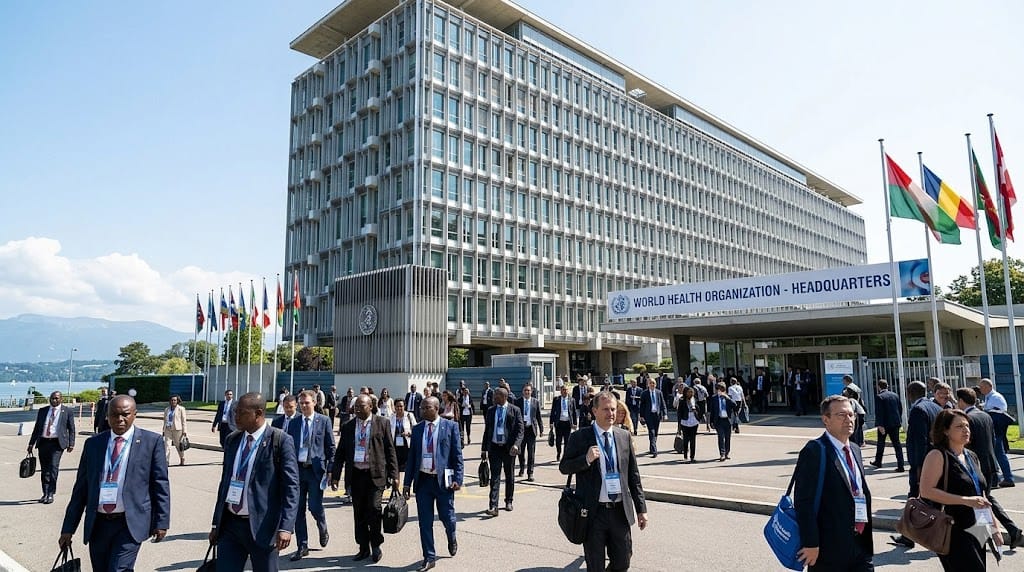
WHO Extends Pandemic Virus and Vaccine Sharing Talks by One Year

Negotiations led by the World Health Organization on a global system for sharing viruses and vaccines during pandemics have been extended by one year after member countries failed to reach a consensus.

Talks held in Geneva highlighted ongoing disagreements between high-income and developing nations over how pandemic resources should be shared. Despite a week of intensive discussions, key differences prevented a final agreement.

The extension decision, reached late Friday, will require formal approval at the upcoming World Health Assembly, scheduled to open in Geneva on May 18. The next round of negotiations is expected to take place in July.

Tedros Adhanom Ghebreyesus acknowledged the progress made so far but emphasized that significant challenges remain. He noted that while countries have shown strong commitment, major differences still need to be resolved before a global framework can be finalized.

The proposed system aims to improve the sharing of virus samples and ensure fair access to vaccines during global health emergencies, an issue that gained urgency following recent pandemic experiences.

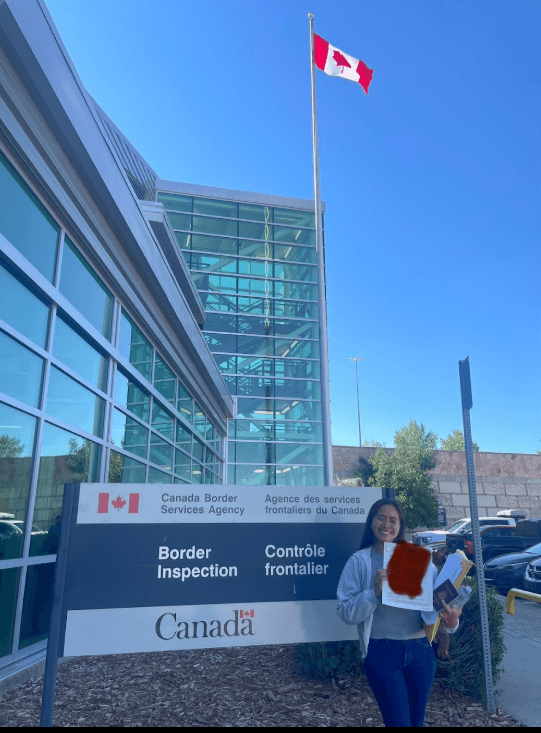
Canada PR Fee Increase: New Immigration Charges Announced for 2026.

Immigration, Refugees and Citizenship Canada has officially announced an increase in Permanent Residency (PR) application fees, affecting thousands of immigration applicants worldwide.

As of April 30, 2026, Canada has raised processing fees across multiple immigration programs, including Express Entry, Provincial Nominee Programs (PNPs), and family sponsorship categories. Most categories have seen an increase of approximately 4% to 5%.

Applicants who submitted their applications before April 30 but chose to pay the Right of Permanent Residence Fee (RPRF) later are now required to pay the updated higher fee. This change applies even if the application was already in progress but the payment was not completed before the deadline.

However, applicants who submitted their full application along with the required fees before April 30 and received confirmation from Canadian immigration authorities do not need to take any further action. Their applications will continue to be processed under the previous fee structure.

The IRCC stated that these adjustments are part of periodic updates to align immigration service costs with administrative and processing requirements. The increase is expected to impact new applicants planning to apply for Canadian permanent residency in 2026.

Immigration consultants advise applicants to carefully check updated fee structures before submitting new applications to avoid unexpected costs.

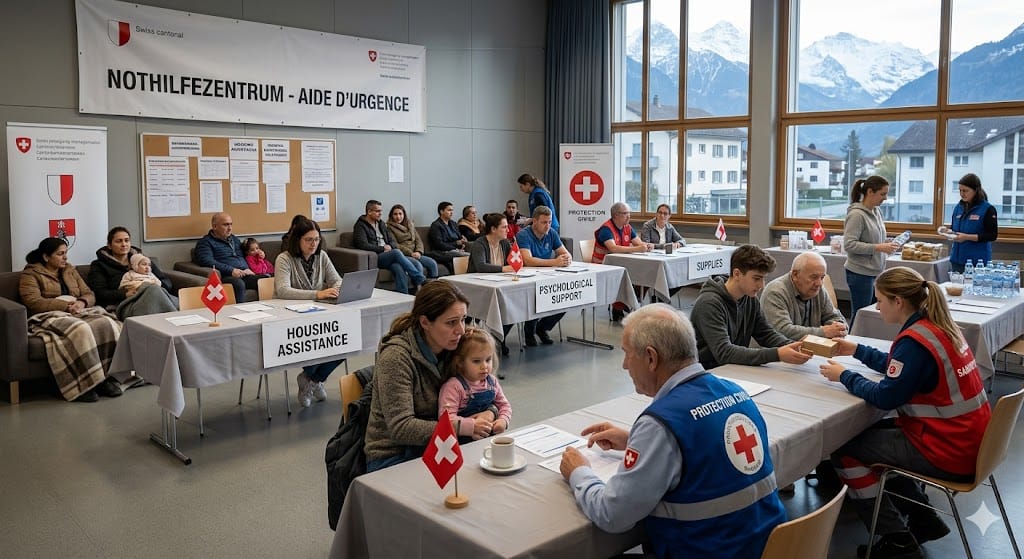
Swiss Fire Tragedy: LAVI Centres Overwhelmed with 700 Support Cases

Swiss support services are experiencing a major surge in demand after a devastating New Year’s Eve fire in Crans-Montana that killed 41 people. Victims and families are actively seeking legal, financial, and psychological assistance across Switzerland.

The LAVI centres, which provide free victim support services, are currently managing nearly 700 active cases. Around 400 of these cases come from the canton of Valais, where the tragedy occurred. Authorities confirm that the demand for support has increased sharply since January 2.

Sonia Golay, manager of LAVI centres in Valais, stated that victims immediately contacted support services to understand their rights. She confirmed that families are requesting guidance on legal procedures, financial compensation, and psychological care available under Swiss law.

International families, including those from Australia, Belgium, Italy, and France, have also reached out. They are seeking clarity on civil legal proceedings in Switzerland and asking how the justice system will handle cross-border victim cases.

Families are also raising practical concerns, including transport costs, accommodation support, and long-term assistance for affected relatives. These issues have added further pressure on support services already handling a large caseload.

To manage the crisis, LAVI centres have received additional state funding since January. This support has enabled the recruitment of extra staff to handle the growing number of requests. So far, LAVI has distributed approximately CHF 400,000 in emergency financial aid to affected families.

Authorities continue to coordinate victim assistance efforts while ensuring that all families receive legal and emotional support following the tragedy.

Fertiliser Supply Disruption Due to Iran Conflict Could Impact Global Food Production

Global Fertiliser Crisis Raises Food Security Concerns

Global food production could face serious pressure as disruptions in fertiliser supply threaten agricultural output worldwide, according to industry experts.

The chief executive of one of the world’s largest fertiliser producers, Yara, has warned that ongoing conflict in the Gulf region is affecting the transport and production of essential fertiliser materials.

The disruption, linked to instability in and around Iran, has led to restricted shipping routes through the Strait of Hormuz, a key global trade passage for energy and agricultural inputs.

Possible Impact on Global Food Production

Experts estimate that reduced fertiliser availability could significantly lower crop yields across many regions. Nitrogen-based fertiliser, a key component in modern agriculture, is currently facing supply constraints.

According to industry estimates, around half a million tonnes of nitrogen fertiliser production has been affected. This reduction may lead to lower agricultural output worldwide.

Some crops could experience yield reductions of up to 50% in a single growing season if fertiliser use is significantly reduced.

Warning on Food Prices and Global Inequality

Food production costs are rising due to increasing energy prices, transport costs, and fertiliser shortages. However, crop prices have not yet adjusted proportionally, creating financial pressure for farmers globally.

Experts warn that if competition for food increases, wealthier countries may be able to secure supplies at higher prices, potentially reducing availability for poorer nations.

This situation could increase food insecurity in developing countries, where populations are less able to absorb rising food costs.

Inflation and Consumer Impact

Although immediate food shortages are unlikely in countries like the UK and Europe, rising production costs are expected to gradually increase food prices in supermarkets.

Food inflation could reach higher levels in the coming months if global supply pressures continue.

Swiss Parliament Rejects Proposal to Simplify Citizenship Process

The Swiss House of Representatives has voted against a proposal that aimed to simplify the citizenship process for foreigners living in Switzerland. The proposal was rejected with a two-thirds majority vote in Parliament.

The initiative had been introduced to make naturalisation easier for long-term foreign residents, including families, workers, and students who have been living in Switzerland for many years.

Supporters of the proposal argued that the current process is complicated and time-consuming. They believed that immigrants who are well integrated into Swiss society should receive easier access to Swiss citizenship.

However, a majority of Swiss lawmakers opposed the proposal and decided to keep the existing naturalisation system unchanged. Counter-proposals suggested by minority members of Parliament were also rejected during the voting process.

At present, applicants seeking Swiss citizenship must continue to meet several requirements, including residency duration, language ability, social integration, and a clean legal record.

The decision is expected to be closely followed by immigrant communities across Switzerland, including the Tamil diaspora.

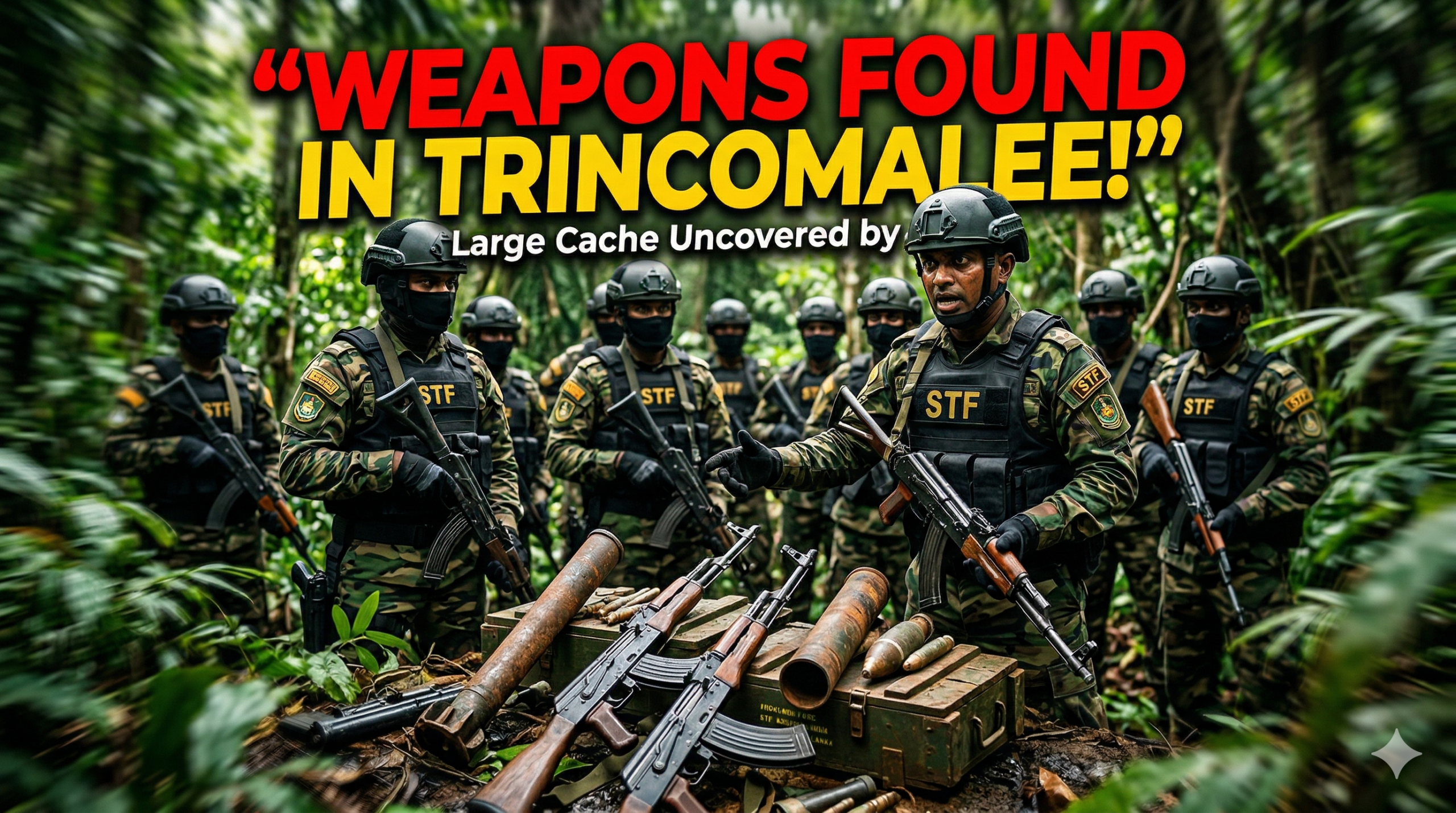
Trincomalee Weapons Seized in Police Raid

Police in Trincomalee, Sri Lanka, seized a large cache of hidden weapons during a special raid in the Boomarathadiya area. This operation shows how intelligence-led policing prevents crime and ensures public safety.


Operation Details

Authorities used secret intelligence from local informants to plan the raid. They launched a targeted search in the Vagarai area, where officers found weapons buried underground. Police secured the site and all evidence for further analysis.


Items Seized

Police recovered four hand grenades, two grenade launchers, and seventy-five rounds of ammunition for T-56 rifles. They transported all weapons to the Echchilampattu Police Station for investigation. Forensic teams examined the weapons to trace their origin and possible previous use.


Investigation Underway

Police are identifying who hid the weapons and their purpose. They coordinate with other divisions to trace the arms’ origin and possible criminal networks. Similar operations in Batticaloa and Jaffna highlight the recurring threat of hidden weapons in Northern and Eastern provinces.


Community and Public Safety

Police urged citizens to report suspicious activities. Community cooperation helps prevent illegal arms circulation. Local leaders also called for increased surveillance and public awareness campaigns.

Security experts note that recovering weapons strengthens public trust in law enforcement. Additionally, operations disrupt organized crime networks operating across multiple districts.


Official Guidance and Resources

Authorities encourage the public to stay vigilant near schools, military camps, and remote villages.

For more information, visit:


Continuing Investigations

Trincomalee police continue investigating the origin and purpose of the weapons. Officials will release updates after verifying their findings. This operation shows Sri Lankan security forces’ commitment to protect communities and prevent criminal activity.

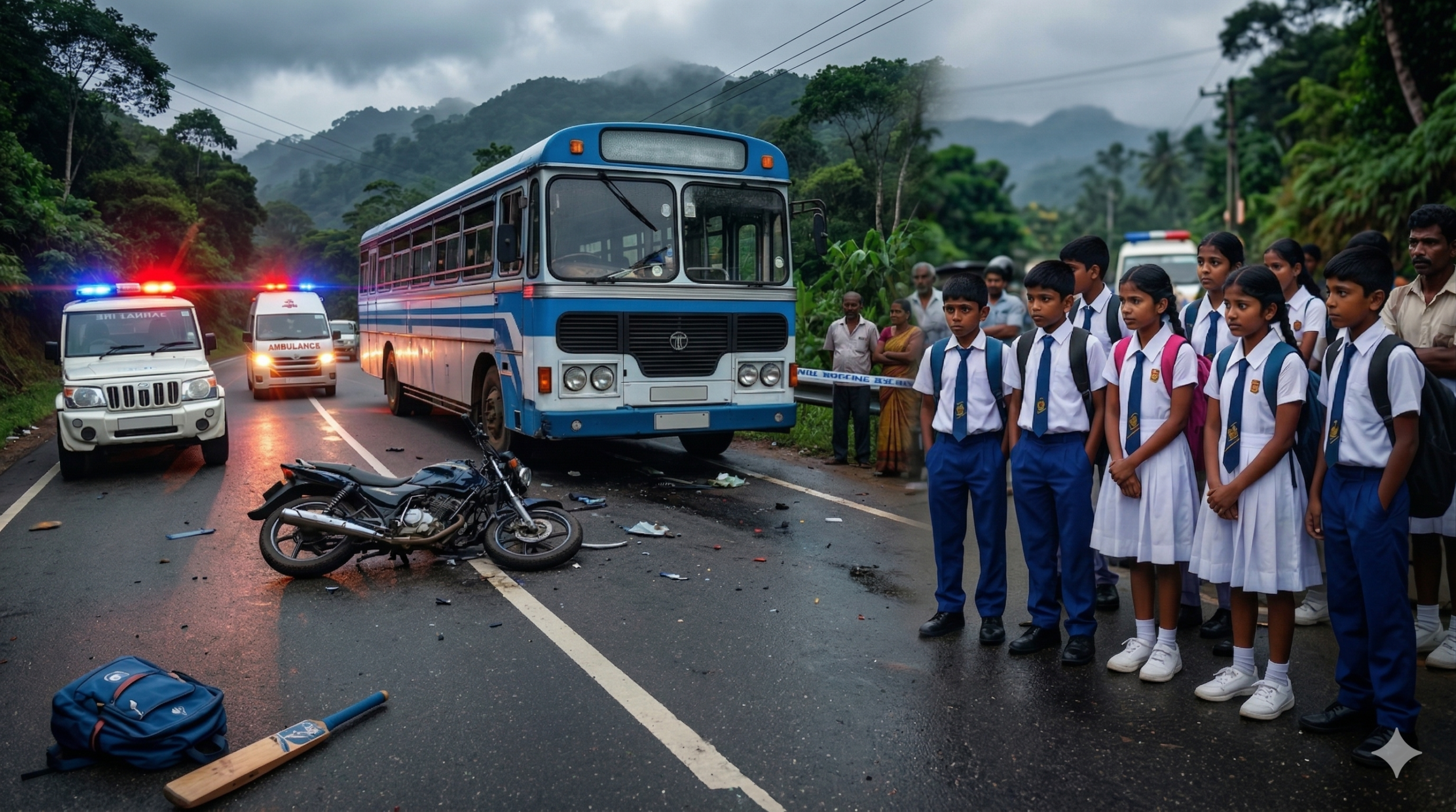
School Student Killed in Ududumbara Road Accident

A tragic road accident occurred in Ududumbara, Sri Lanka, when a private bus collided with a motorcycle carrying two school students. As a result, one student died instantly, while the other suffered serious injuries.

The crash happened near the Pallekele Army Camp as the bus traveled toward Kandy. The students had been returning home after watching an inter-school cricket match held in Kandy. Meanwhile, local authorities rushed to the scene to manage traffic and assist victims.

Police arrested the bus driver immediately, and officers began investigating the accident thoroughly. They reviewed eyewitness accounts, traffic camera footage, and road conditions to determine the exact cause. Additionally, investigators plan to interview other drivers in the area.

The injured student was taken to the Intensive Care Unit of Kandy National Hospital. Doctors are monitoring him closely while providing emergency care. Experts warn that school children remain especially vulnerable on the roads, and parents should ensure they use safe transport. Furthermore, drivers must follow speed limits and exercise caution near schools and sports events.

Authorities face growing pressure to improve road safety measures. For instance, officials could install speed bumps, improve road signage, and increase police patrols near schools. Past incidents, such as the Kandy Road Accident 2024 and Colombo School Bus Incident, highlight the urgent need for better safety rules.

The Sri Lanka Police Traffic Division provides safety tips for drivers and pedestrians. The Road Safety Authority of Sri Lanka also offers educational materials for parents and students. Therefore, families and schools are encouraged to follow these guidelines.

Meanwhile, the local community expressed grief and condolences to the student’s family. Teachers, parents, and students organized awareness campaigns to promote safe travel practices. In addition, they distributed leaflets and used social media to warn others.

Police asked witnesses of the Ududumbara accident to provide statements. This cooperation will help prevent similar tragedies in the future.

Sri Lanka Navy Seizes Over 300kg Heroin at Sea

The Sri Lanka Navy stopped a major drug smuggling attempt at sea. The action was taken after receiving international intelligence.

Naval teams spotted a fishing boat near Beruwala. The boat looked suspicious. Officers quickly moved in and surrounded it.

The Navy then checked the boat. They found 298 fertilizer sacks onboard. Inside the sacks, more than 300 kilograms of heroin had been hidden.

The boat was taken to Dikowita Fisheries Harbour. Officers carried out a full inspection there.

Six suspects were arrested at the scene. Officers also seized modern communication devices from the boat.

The Police Narcotics Bureau is now leading the investigation. Officials believe an international crime network is behind this smuggling attempt.

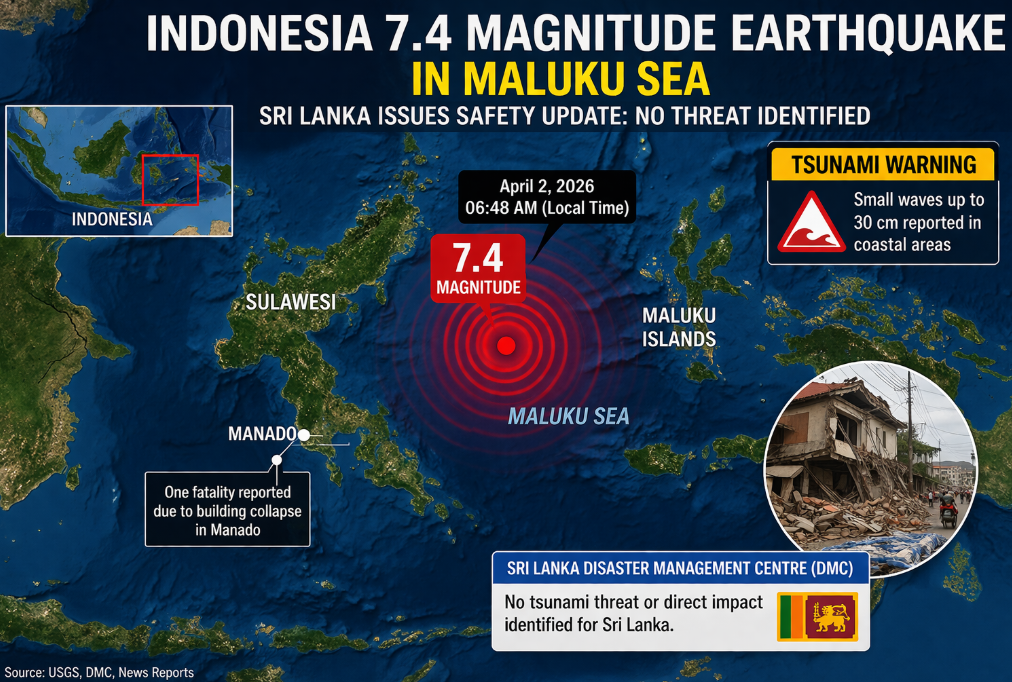
Indonesia 7.4 Quake: Sri Lanka Advisory.

A powerful 7.4-magnitude earthquake was recorded in the Maluku Sea, between the island groups of Sulawesi and Maluku, at 6:48 a.m. local time on April 2, 2026, according to seismic monitoring agencies. The earthquake was confirmed by international geological authorities, including the U.S. Geological Survey (USGS).

Following the strong offshore tremor, a tsunami alert was initially issued for several coastal regions in eastern Indonesia. Small tsunami waves measuring up to 30 centimeters were reported in nearby coastal areas shortly after the earthquake. Authorities later confirmed that the immediate large-scale tsunami threat had subsided.

Meanwhile, structural damage was reported in parts of Manado, where debris from collapsing structures resulted in the death of one individual. Emergency teams were deployed, and precautionary safety measures were activated across affected regions as aftershocks continued to be monitored.

Importantly, the Disaster Management Centre (DMC) of Sri Lanka announced that no tsunami threat or direct impact had been identified for Sri Lanka following the earthquake. The situation was closely monitored, and the public was informed that no emergency coastal warnings were required at this stage.

However, residents across the region were advised by authorities to remain alert for further updates, as seismic activity in the Pacific Ring of Fire zone continues to be closely observed by international monitoring agencies.