Siri AI Coming to Switzerland.

Swiss iPhone and iPad users are set to receive access to Apple’s latest Siri AI technology later this year, giving them an advantage over users in European Union countries where the feature remains unavailable.

Apple has confirmed that Switzerland is not affected by the restrictions currently preventing the launch of Siri AI across the 27 member states of the European Union. According to an Apple spokesperson, the limitations apply only to EU countries, allowing Swiss users to enjoy the new artificial intelligence features once they become available.

The enhanced Siri AI assistant will initially launch as a beta version and will be available to Swiss users whose devices are set to English. Apple has also announced plans to expand support to additional languages in the near future.

However, not all Apple devices will be compatible with the new AI-powered assistant. Users will need one of Apple’s latest devices to access Siri AI. Supported smartphones include the iPhone 15 Pro, iPhone 15 Pro Max, and newer models. For iPad users, compatibility begins with the iPad mini featuring the A17 Pro chip and iPads powered by the M1 chip or later.

The development places Switzerland in a favorable position compared to many neighboring EU countries. Apple has delayed the rollout of Siri AI within the European Union due to regulatory requirements from the European Commission, which seeks greater openness and interoperability for AI assistants from competing providers on Apple devices.

As artificial intelligence becomes an increasingly important part of everyday technology, Swiss Apple users will soon be among the first in Europe to experience Apple’s next-generation AI assistant. The move highlights Switzerland’s unique position outside the European Union while remaining closely connected to the European technology market.

Swiss Lynx Face Ongoing Threats Despite Population Recovery

The lynx has made a remarkable comeback in Switzerland over recent decades, successfully re-establishing itself across parts of the Alpine and Jura regions. However, conservation experts warn that the species still faces significant challenges that could threaten its long-term survival.

According to WWF Switzerland, recent studies reveal that road and railway accidents remain the leading cause of death among wild lynx. As transportation networks expand and traffic volumes increase, these majestic predators continue to face serious risks while moving through their natural habitats.

Researchers have also confirmed cases of illegal poaching. While documented incidents already raise concerns, experts believe the true scale of poaching may be much higher due to unreported cases that remain undetected in remote areas.

In addition to human-related threats, scientists have identified congenital heart defects in several lynx populations. Researchers suggest that these rare health problems may be linked to limited genetic diversity within Switzerland’s lynx population, highlighting a growing concern for the species’ future health and resilience.

WWF lynx expert Gabor von Bethlenfalvy emphasized the importance of the lynx within Switzerland’s ecosystem. As a top predator, the lynx helps regulate wildlife populations and contributes to maintaining healthy and stable forest environments.

Today, approximately 360 lynx are believed to live across the cross-border Alpine and Jura regions. Due to its central role in supporting these populations, Switzerland carries a significant responsibility in ensuring the species’ long-term protection.

Conservation organizations are calling for stronger measures, including the creation of connected wildlife corridors, targeted releases to improve genetic diversity, enhanced international cooperation, and continued scientific monitoring. Experts believe these actions are essential to secure a sustainable future for one of Switzerland’s most iconic wild animals.

Swiss Airports Warn Non-EU Travelers of Longer Delays

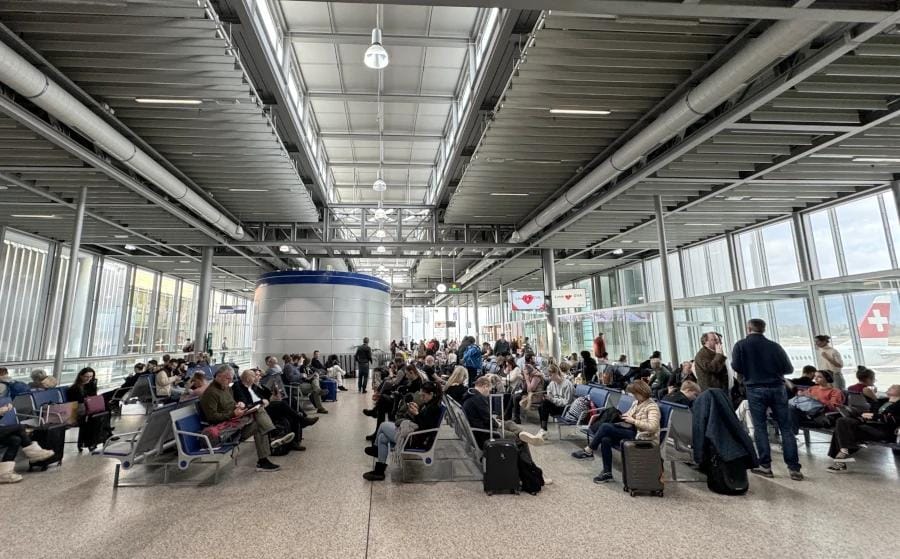
Swiss airports have issued an important warning to international travelers, particularly those arriving from countries outside the European Union. Passengers may experience significantly longer waiting times at border control checkpoints due to the implementation of the European Union’s new Entry/Exit System (EES).

The EES requires non-EU nationals traveling to and from the Schengen Area for short stays to register biometric information, including fingerprints and facial photographs, at border crossings. The new digital system is designed to strengthen border security and improve the monitoring of traveler movements across Europe.

As a result, travelers arriving in Switzerland may face additional processing times while their biometric data is collected and verified. Airport authorities have advised passengers to allow extra time when planning their journeys.

Zurich Airport has warned that waiting times could reach up to one hour during peak travel periods. Geneva Airport has also indicated that passengers may experience delays as the new procedures are introduced.

Airport officials have further noted that the situation could become more challenging in the coming weeks as the summer holiday season approaches. Increased passenger numbers combined with the new registration requirements are expected to place additional pressure on border control operations.

Travelers are encouraged to arrive early, keep all travel documents ready, and follow airport guidance to ensure a smoother travel experience. Swiss authorities continue to monitor the implementation of the system and are working to minimize disruptions for passengers.

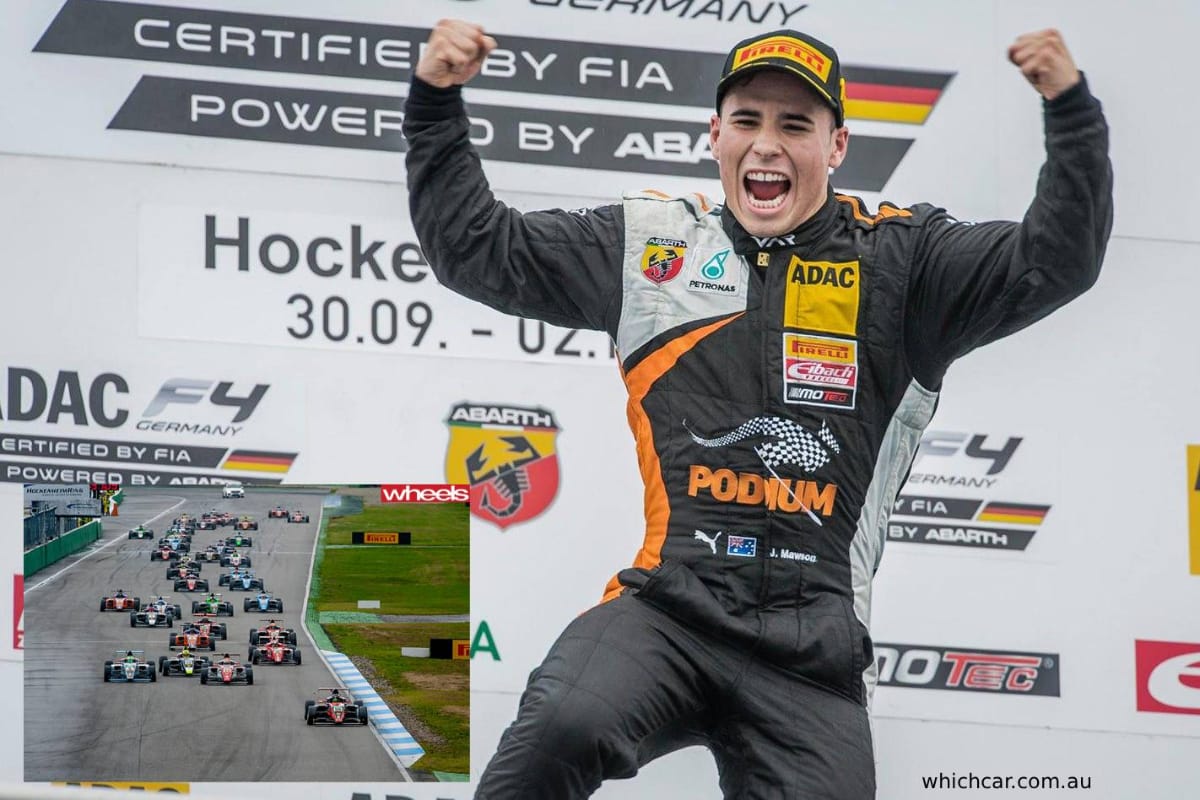
Joey Mawson Cleared in Swiss Abuse Case.

Australian racing driver Joey Mawson has been officially cleared by a Swiss court in a high-profile abuse allegation case that attracted significant public attention. Following the verdict, Mawson stated that he always believed the truth would prevail and described the outcome as the beginning of a new chapter in his life.

The case dates back to 2019, when Mawson was staying in Gland, near Geneva, Switzerland. Allegations were made against him involving a nurse connected to Formula One legend Michael Schumacher. Throughout the investigation and court proceedings, Mawson consistently denied any wrongdoing and maintained that the relationship was consensual.

Last Friday, the Swiss court delivered its verdict, stating that there was insufficient evidence to establish criminal responsibility. The judge emphasized that Mawson was leaving the courtroom as a free man and that no stain should remain on his reputation due to the lack of evidence supporting the allegations.

Mawson’s legal team welcomed the decision, describing the driver as innocent and relieved after years of uncertainty. His lawyer stated that Mawson would now return to Australia, focus on rebuilding his future, and continue pursuing his professional and personal goals.

Following the ruling, Mawson shared a heartfelt statement on Instagram. He explained that the past three years had been among the most difficult periods of his life. He spoke about facing false accusations, intense public scrutiny, and the challenge of defending his name while remaining largely silent throughout the legal process.

In his statement, Mawson said that from the very beginning he had maintained his innocence and trusted that the truth would ultimately emerge. With the legal battle now behind him, he expressed gratitude to those who supported him and announced that he is ready to move forward and start a new chapter.

The case has generated widespread discussion across Switzerland, Australia, and the international motorsport community. The court’s decision brings an end to a long-running legal dispute and allows Mawson to focus once again on his racing career and future opportunities.

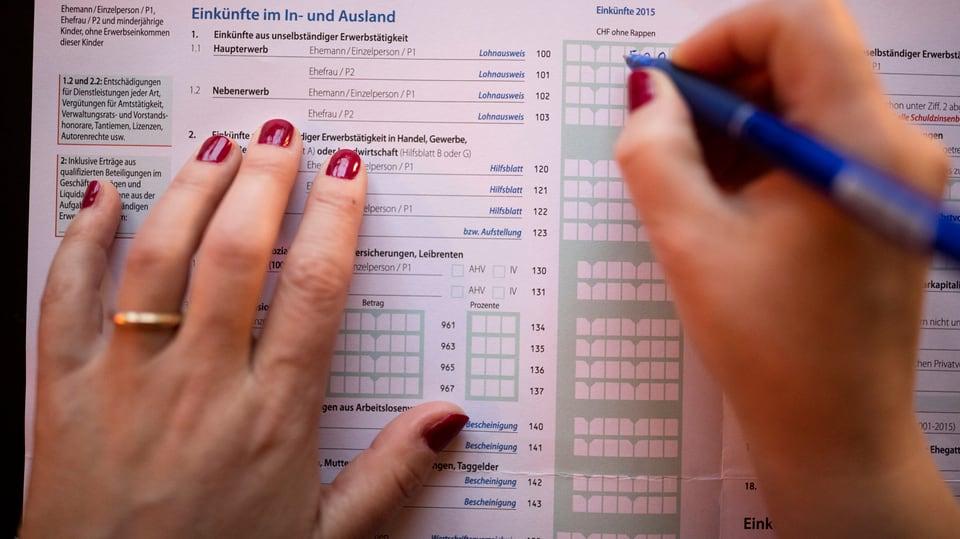
What Documents Are Required for a Swiss Tax Declaration (Steuererklärung)?

Residents of Switzerland who need to submit a tax declaration (Steuererklärung) should prepare all necessary documents before filing. Providing complete and accurate information helps avoid delays and ensures that eligible deductions are included.

Essential Documents for Swiss Tax Filing

Identity Card or Residence Permit Copy (Ausweis)
A copy of your Swiss ID card, passport, or residence permit.

Tax Declaration Form (Formular)
The official tax return form received from the canton or municipality.

Health Insurance Tax Certificate (Krankenkasse Steuerausweis)
Annual certificate showing health insurance premiums paid.

Annual Salary Certificate (Lohnausweis)
Issued by your employer and contains income and deduction details.

Donation Receipts (Spendenquittungen)
Proof of charitable donations that may qualify for tax deductions.

Mortgage Interest Certificate (Zinsbelastung)
Required if you own property and pay mortgage interest.

Annual Bank Account Statements (Jährlicher Kontoauszug)
Statements showing balances and interest earned during the tax year.

Life Insurance Tax Certificate (Lebensversicherung Steuerausweis)
Certificate showing premiums paid and policy information.

Savings Account Annual Statement (Sparkonto Jahresauszug)
Year-end statement for all savings accounts.

Interest Certificate for Loans (Zinsausweis)
Documents showing interest paid on personal loans or other liabilities.

Additional Documents That May Be Required

  • Pension Fund Statements (2nd Pillar / BVG)
  • Pillar 3a Contribution Certificates
  • Childcare Expense Receipts
  • Education and Training Costs
  • Medical Expense Receipts
  • Property Ownership Documents
  • Rental Income Statements
  • Securities and Investment Statements

Important Advice

Before submitting your Swiss tax return, verify that all certificates cover the correct tax year. Missing documents can result in delays or missed tax deductions. Keeping documents organized throughout the year makes the tax filing process much easier.

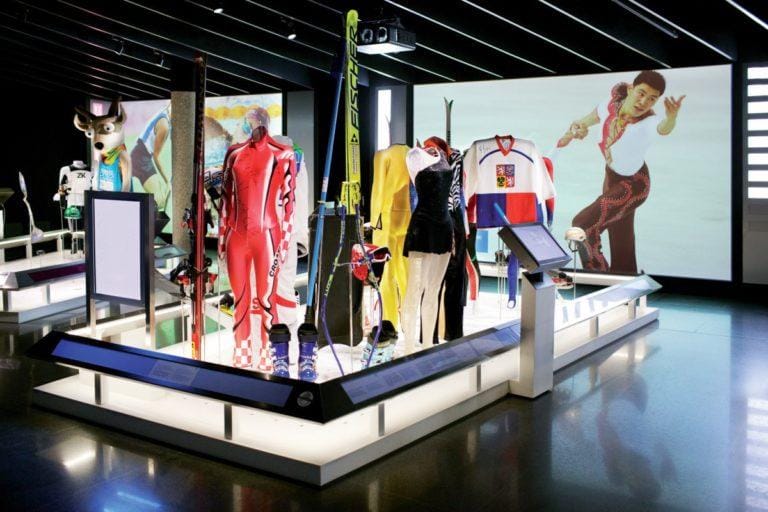
Olympic Museum in Lausanne Expands Collection with New Olympic Memorabilia

The Olympic Museum in Lausanne has unveiled more than 300 new objects collected during the Winter Olympic Games held in Milan and Cortina, enriching one of the world’s most important sports heritage collections.

Among the latest additions are items used by several Swiss Olympic champions, including the skis of Mathilde Gremaud, the helmet of Franjo von Allmen, and the racing suit worn by Loïc Meillard. Equipment belonging to Marianne Fatton, who secured Olympic gold for Switzerland in Italy, has also joined the museum’s growing collection.

The museum also received contributions from international sporting stars. Norwegian cross-country skiing legend Johannes Klæbo, a six-time Olympic champion, donated his competition poles. Italian speed skater Francesca Lollobrigida, a double Olympic gold medallist, contributed her racing suit to the collection.

A public donation ceremony took place in Lausanne on Tuesday, bringing together athletes who participated in the Olympic Games. Swiss ice hockey player Alina Müller, who won a bronze medal and served as Switzerland’s flag bearer during the closing ceremony, also attended the event.

In addition to sporting equipment, museum representatives collected objects connected to the visual identity of the Games, including materials from the opening and closing ceremonies. These items help preserve the atmosphere and cultural significance of each Olympic edition.

The Olympic Museum currently houses more than 90,000 objects gathered over the last 120 years. The institution credits athletes for helping preserve Olympic history by donating valuable items that tell the stories of sporting achievement and international competition.

With each new acquisition, the Lausanne-based museum continues its mission of safeguarding Olympic heritage and inspiring future generations through the history of sport.

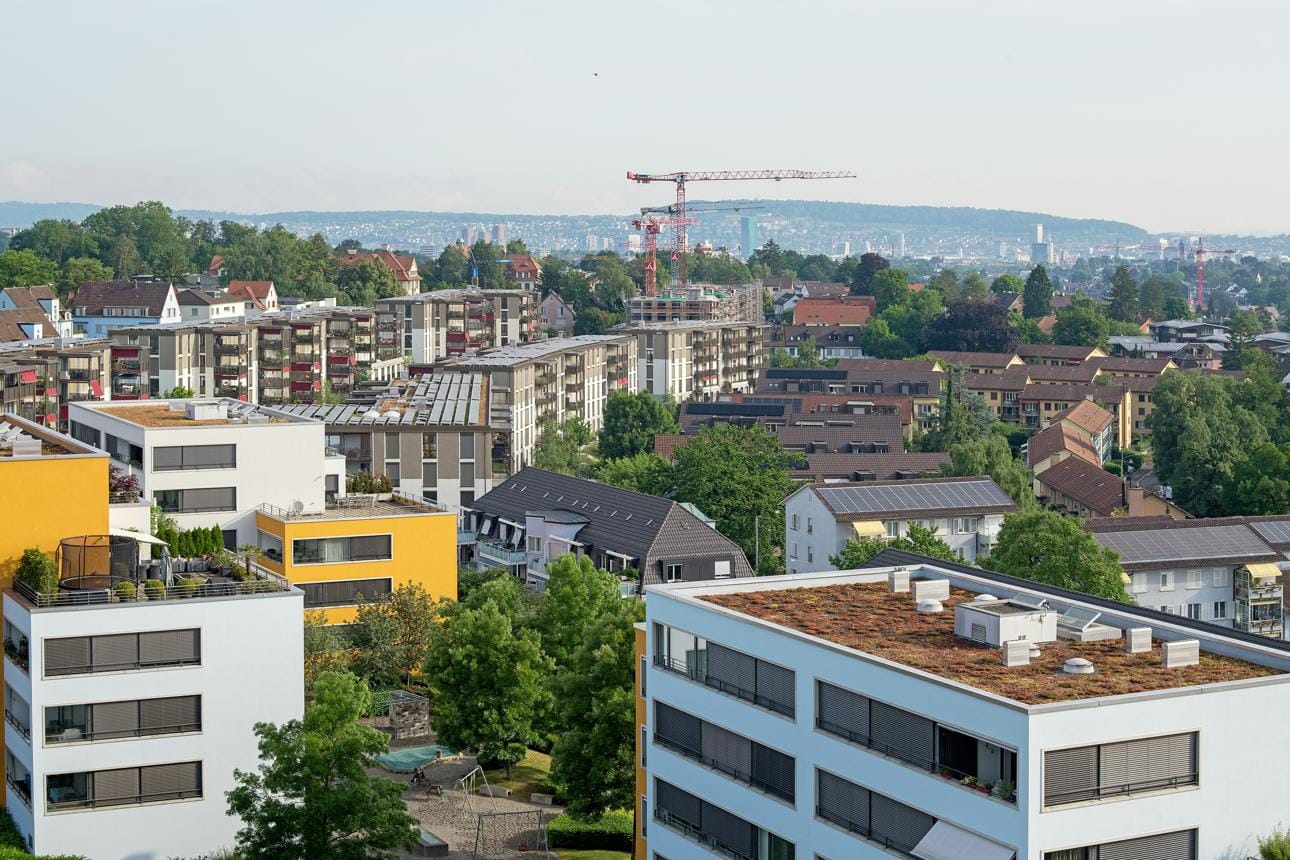
Zurich Introduces New Building Law Changes for 2025–2026

The canton of Zurich is implementing significant updates to its construction and land-use regulations between 2025 and 2026. These changes aim to control urban development, protect green spaces, and improve housing availability across the region.

Stricter rules outside construction zones (RPG 2)

A major change comes from the revised Swiss federal spatial planning law, known as RPG 2, which will take effect from 2026. Under this reform, strict limitations will be imposed on new construction outside designated building zones (Ausserhalb Bauzone). This means that new developments in rural or protected areas will face stronger approval restrictions.

The canton of Zurich is currently adjusting its Planning and Building Law (PBG) to align with these federal requirements.

Zurich city revises zoning regulations (BZO)

Zurich city is also undergoing a full revision of its Building and Zoning Ordinance (BZO). The main objectives include:

  • Increasing housing supply
  • Expanding affordable housing
  • Protecting green and open spaces
  • Managing urban densification more effectively

Although the new rules are still being finalized, they are already influencing how building applications are evaluated by authorities.

Cantonal PBG amendments in effect from 2026

In addition, the Zurich cantonal council approved several amendments to the Planning and Building Law (PBG) in early 2026. Some of these changes will officially take effect from August 1, 2026.

These adjustments include technical updates to construction limits, approval procedures, and regulatory definitions that impact how building permits are processed. Overall, Zurich is moving toward a more controlled and structured urban development model. While these reforms aim to support sustainable housing growth, they also introduce stricter requirements for developers and private builders, especially outside official construction zones.

Swiss Restaurant Industry Faces Mixed Financial Pressure in 2025

The restaurant and gastronomy sector in Switzerland is currently experiencing a mixed and challenging business environment. While some restaurants continue to perform well, many smaller establishments are struggling to maintain profitability due to rising operational costs and changing customer behaviour.

According to industry data from GastroSuisse and KOF, restaurant revenues in early 2025 show a decline compared to the previous year, highlighting ongoing pressure across the sector.

Rising operational costs impact profitability

One of the main challenges for Swiss restaurants is the continuous increase in operating expenses. Costs for rent, employee salaries, insurance, electricity, and raw materials have all risen significantly. As a result, profit margins have become tighter, especially for small and medium-sized businesses.

Changing customer behaviour

Consumer habits have also shifted. Many people are dining out less frequently or choosing more affordable options. This trend has directly affected mid-range and fine dining restaurants, particularly in urban areas where competition and costs are high.

Restaurant closures in high-cost areas

Some restaurants have been forced to close, especially in city locations with high rental prices. Fine dining establishments are also facing increased financial pressure due to higher operational requirements and reduced customer spending.

Opportunities still exist in the market

Despite the challenges, opportunities remain for well-planned businesses. Restaurants that succeed often focus on:

  • Prime location selection
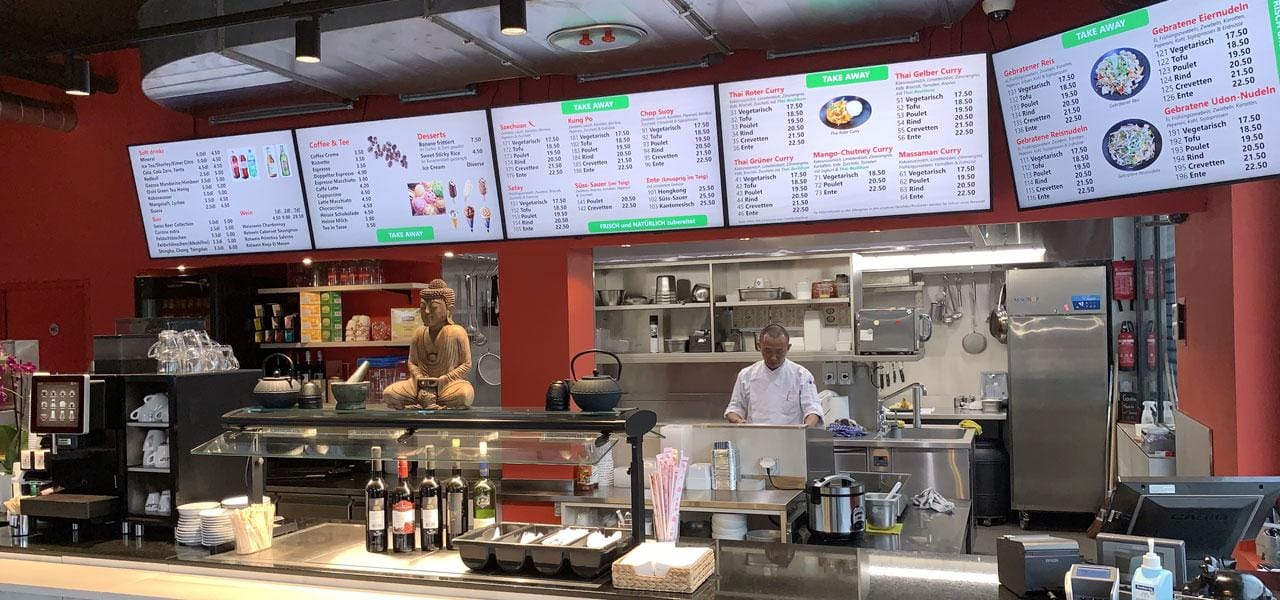
  • Efficient and affordable menu concepts (such as Asian, Indian, or takeaway models)
  • Strict cost management
  • Active involvement of the owner in daily operations

These factors help certain restaurants remain profitable even in a competitive environment.Overall, the Swiss gastronomy sector does not offer easy profits at the moment. Success depends heavily on management efficiency, location choice, and customer targeting. New investors are advised to carefully evaluate rent, competition, and customer demographics before starting a restaurant business in Switzerland.

Important Guide for Buying or Building a House in Switzerland

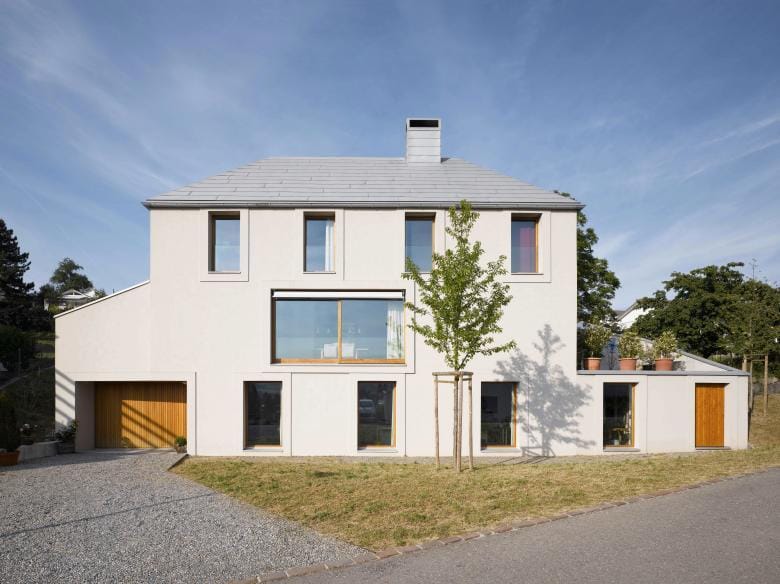
Buying or building a home in Switzerland involves strict financial planning and several legal and banking procedures. Residents often use a combination of savings, pension funds, and bank mortgages to secure property ownership.

Pension fund usage for home purchase

In Switzerland, individuals can often use up to 10% of their pension savings (Pillar 2) for buying a home. If the remaining amount is insufficient, buyers may need to arrange additional financing through banks or private loans. Some people also use additional pension withdrawals depending on eligibility and financial structure.

Mortgage repayment and insurance options

Homebuyers in Switzerland are usually required to repay mortgage interest rather than fully paying off the loan immediately. Many borrowers also take life insurance policies and assign them to the bank as security. This can provide additional benefits such as potential tax advantages and financial protection for the family.

Buying vs building a home

Experts often suggest that buying an already constructed home is safer than building a new one. This is because construction projects can face delays, cost overruns, and regulatory challenges. Ready-built homes reduce such risks and provide faster occupancy.

Age-based mortgage planning

For individuals above 50 years of age, a 10-year mortgage contract is often considered more practical. Shorter loan terms help reduce long-term financial risk and ensure that repayment aligns better with retirement planning.

Overall, the Swiss housing system offers flexibility but requires careful financial planning. Pension funds, insurance structures, and mortgage terms all play an important role in determining affordability and long-term stability for homeowners.

Swiss Women Trust Public Institutions Less Than Men, Study Finds

Women in Switzerland show significantly lower levels of trust in public institutions compared to men, according to a new study commissioned by the Federal Office for Gender Equality (FOGE) and conducted by the OECD.

The research, which analysed institutional trust across 30 countries, reveals that although Switzerland performs relatively well in international comparisons, a notable gender gap persists within the country.

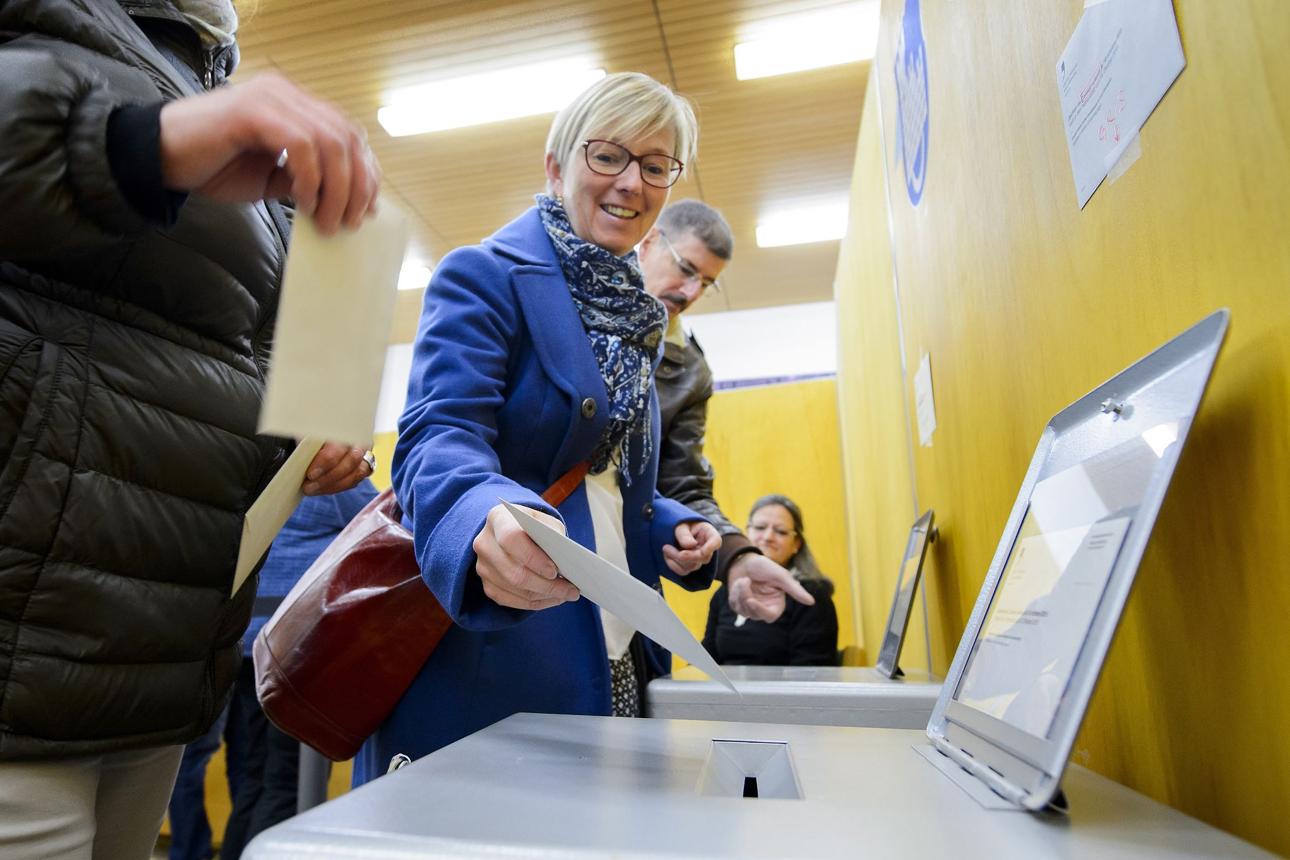
One of the key findings shows that 45% of women express confidence in their ability to participate in politics, compared to 65% of men. This indicates a substantial difference in perceived political empowerment between genders.

The study also highlights disparities in political engagement. Around 26% of women in Switzerland do not participate in any political activity, compared to 17% of men. According to FOGE, this gap is nearly twice as large as the average gender difference observed across OECD countries.

Researchers also identified differences in satisfaction with public services, suggesting that women may evaluate state institutions more critically than men.

Despite these gaps, overall institutional trust in Switzerland remains high compared to many other countries. However, the findings underline ongoing challenges related to gender equality in political participation and civic engagement.

The report suggests that addressing these disparities could strengthen democratic participation and improve confidence in public institutions among women in Switzerland.