Alienware Launches Its First Budget Gaming Laptop ‘Alienware 15’

Alienware has introduced its first budget-friendly gaming laptop, the Alienware 15, marking a strategic shift from its traditionally premium-priced gaming systems.

The new model aims to deliver high-performance gaming at a more accessible price point, expanding the brand’s reach into the mid-range laptop market.

The Alienware 15 comes equipped with AMD and Intel processor options, including AMD Ryzen 7 260 and AMD Ryzen 5 220 variants, along with NVIDIA GeForce RTX 4050 graphics. Users can also upgrade to an RTX 5060 configuration for higher performance.

The laptop supports up to 32GB RAM and offers storage options of 512GB or 1TB NVMe SSD, catering to both casual and serious gamers.

Its display features a 16:10 WUXGA (1920×1200) panel with a 165Hz refresh rate and 300-nit brightness, designed to enhance smooth gameplay and visual clarity during fast-paced gaming sessions.

Pricing for the Alienware 15 starts at approximately $1,299 for AMD models and $1,349 for Intel models, making it significantly more affordable than previous Alienware releases such as the Alienware 16 Aurora, which was priced around $1,690.

According to the company, the new laptop was developed through a more balanced engineering approach, focusing on where to invest in performance and where to reduce costs without compromising the core gaming experience.

Industry analysts view this move as Alienware’s attempt to compete more directly in the growing budget gaming laptop segment.


Farmers Shocked After Hundreds of Kilograms of Asparagus Stolen in Switzerland

Switzerland has witnessed an unusual agricultural theft after hundreds of kilograms of asparagus ready for harvest were stolen from farmland in the canton of Fribourg.

The incident took place in the village of Delley, where the Ruegsegger family had cultivated asparagus crops on their fields and were preparing for harvest season.

Asparagus is considered a high-value food product in Switzerland due to its nutritional benefits and market demand. The vegetable is rich in vitamins, minerals, and antioxidants and is widely associated with digestive health, blood sugar control, and immune system support.

In Swiss markets, asparagus can sell for between CHF8.50 and CHF20 per kilogram, making it one of the more valuable seasonal agricultural products.

According to reports, unknown individuals harvested and stole around 300 kilograms of asparagus from two separate fields belonging to the family.

The farmers believe the theft was not carried out by opportunistic trespassers. Instead, they suspect experienced individuals with professional knowledge of asparagus harvesting carefully removed the crops using specialised methods.

The incident has left the Ruegsegger family shocked and financially affected, especially at a time when food prices continue to rise internationally due to ongoing geopolitical tensions and supply chain disruptions.

Local farmers say the theft highlights growing concerns over agricultural security and increasing pressure on food production costs across Europe.

Authorities are expected to investigate the incident as the farming community calls for stronger protection measures for valuable crops during harvest periods.

Ebookers to Shut Down Swiss Travel Platform in September

Ebookers will officially close its Swiss operations later this year, ending its travel booking services in Switzerland from September 2, 2026.

The online travel provider confirmed on its website that its Swiss website, mobile application, and Bonus+ loyalty programme will all be discontinued in early September.

Customers can continue making bookings through Ebookers until the shutdown date. However, the company stated that any trips booked between June 12 and September 2, 2026, must be completed by November 1, 2026.

The closure affects all travel-related services offered by Ebookers in Switzerland, including hotel reservations, flights, holiday packages, car rentals, and activity bookings.

Existing reservations will still be eligible for changes or cancellations under normal conditions. After September 2, hotel bookings connected to Ebookers will continue through Hotels.com, which belongs to the same corporate group.

Both Ebookers and Hotels.com operate under the US-based travel company Expedia Group.

Swiss media outlet Blick first reported the closure of Ebookers’ Swiss services. The company has not publicly explained the reasons behind the decision to exit the Swiss market.

The move comes amid increasing competition in the online travel sector and changing consumer booking habits across Europe.

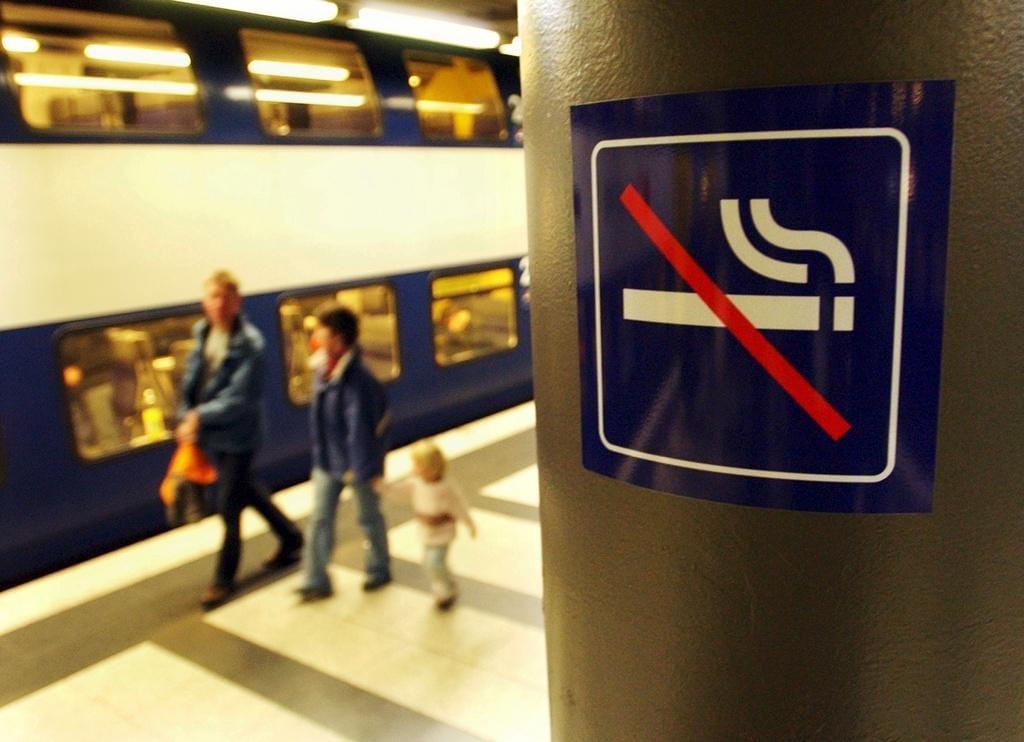
New Swiss Platform Highlights Dangers of Passive Smoking and Vaping

A new public health platform in Switzerland is raising awareness about the dangers of passive smoking and vaping as prevention groups express concern over the country’s tobacco control policies.

The platform, Passivesmoke.ch, was launched by the Swiss Association for Tobacco Prevention in partnership with the Swiss Lung League.

Campaigners say the initiative responds to growing nicotine consumption among young people and Switzerland’s continued refusal to ratify the World Health Organization Framework Convention on Tobacco Control.

According to new figures published by Addiction Switzerland, electronic cigarettes are increasingly becoming the main entry point to nicotine use among adolescents. The study found that around 45% of people aged 18 to 24 already consume nicotine-related products such as e-cigarettes, snus, and nicotine pouches.

Health advocates describe the trend as alarming and warn that passive exposure to smoke and vaping emissions remains a daily issue in homes, shared living spaces, and indoor public areas.

The new platform aims to educate the public about the health risks associated with second-hand smoke and passive vaping, topics that campaigners say have been largely overlooked in recent public debates.

The WHO Framework Convention on Tobacco Control recommends measures such as stricter advertising restrictions and higher tobacco taxes to reduce nicotine consumption. However, Switzerland remains one of the few European countries that has not fully adopted the agreement.

Earlier this year, a majority in the Swiss parliament rejected ratification of the convention, arguing that it could weaken national sovereignty by aligning Swiss policies with international standards.

Public health organizations continue to call for stronger tobacco prevention measures as nicotine product use rises among younger generations across Switzerland.

Long Traffic Jams Build Early at Switzerland’s Gotthard Tunnel.

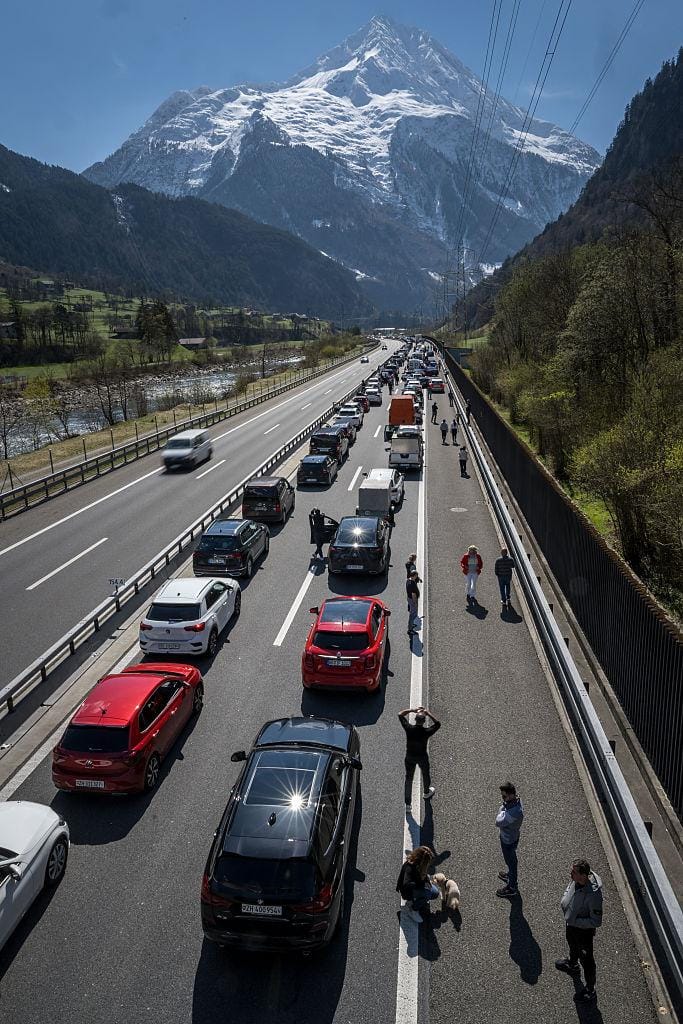
Heavy traffic congestion has already formed at the northern entrance of the Gotthard Road Tunnel as holiday and transit traffic intensifies across Switzerland.

According to the Touring Club Switzerland (TCS), a queue measuring approximately 9 kilometres had developed at the north portal by 7:20am on Thursday morning.

Motorists faced waiting times exceeding 90 minutes before entering the tunnel. Traffic authorities reported that the line of vehicles was divided into several sections between Erstfeld and Göschenen.

Drivers heading south were advised to use the alternative route via the A13 motorway and the San Bernardino Tunnel to avoid severe delays.

Traffic pressure at the Gotthard route has remained high in recent days. On Wednesday afternoon, authorities had already recorded a traffic jam stretching around 10 kilometres at the same location.

The Gotthard corridor is one of Europe’s most important north-south transit routes, particularly during holiday periods and long weekends, often leading to significant congestion at tunnel access points.

Swiss traffic authorities continue to monitor the situation and recommend that travelers check live traffic updates before beginning their journeys.

Swiss Court Convicts Businessman for Supplying Sensitive Goods to Russia

Switzerland’s Federal Criminal Court has sentenced a businessman to a suspended prison term after finding him guilty of illegally supplying sensitive materials to Russia in violation of Swiss export control laws.

The court handed the man a 16-month suspended prison sentence for multiple offences under the Swiss Goods Control Act, including attempted illegal exports linked to materials allegedly intended for a programme involving weapons of mass destruction.

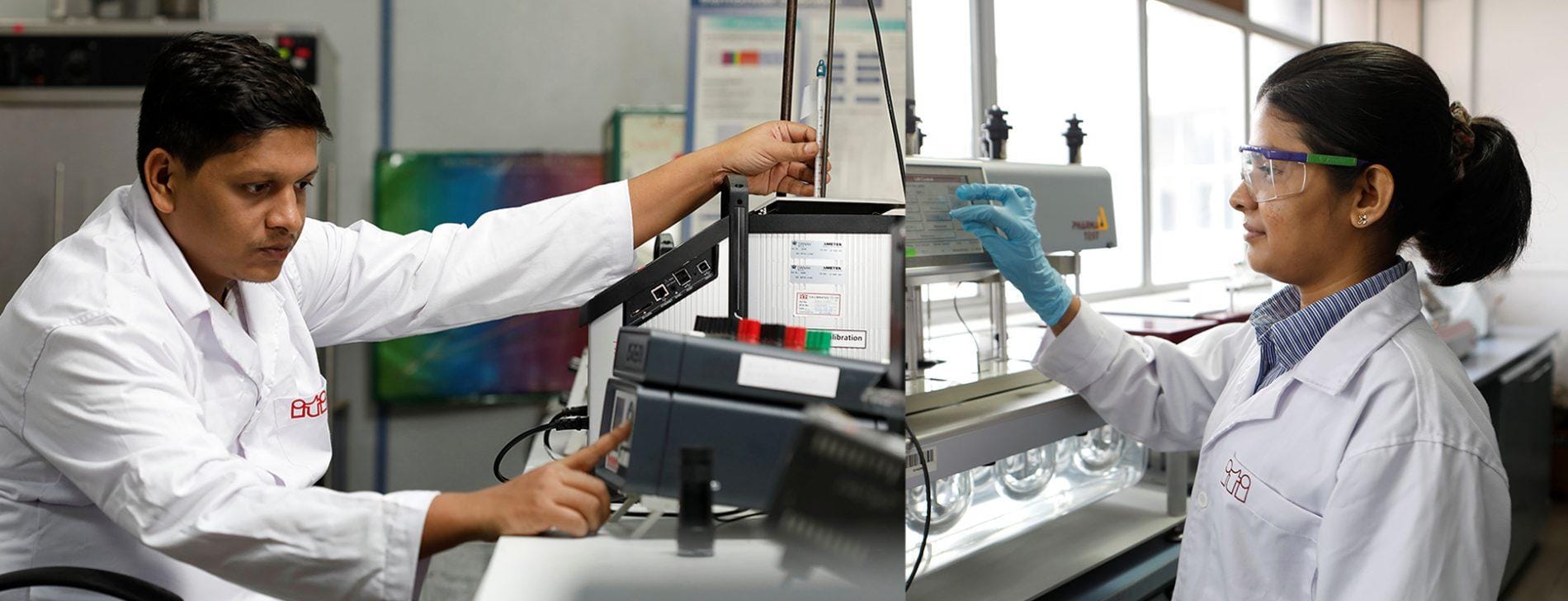
According to prosecutors, the businessman worked for a company that distributes laboratory equipment, medical products, and pharmaceutical materials. Over a period of four years, he supplied and offered to supply goods to two individuals connected to the Russian trade mission in Bern.

Investigators stated that products worth around CHF75,000 were successfully exported to Russia, while additional offers totaling approximately CHF934,000 were proposed but never completed due to intervention by Swiss authorities in 2024.

The case highlights Switzerland’s strict regulations on dual-use goods and sensitive technologies that could potentially support military or prohibited weapons programmes.

Swiss authorities have intensified monitoring of exports linked to Russia in recent years, particularly following international sanctions and heightened geopolitical tensions.

The ruling underscores the country’s commitment to enforcing international non-proliferation rules and preventing the transfer of controlled materials that could threaten global security.

Swiss Population Cap Could Cost Billions, Study Warns

Switzerland could face significant long-term economic losses if the proposed “No to ten million” population cap initiative is approved, according to a new study published by the Swiss migration authorities ahead of the upcoming federal referendum.

The report, released by the government’s migration office, concludes that restricting immigration would provide only limited relief to housing pressure, while generating substantial financial costs for the economy and public finances.

While the study acknowledges that limiting population growth could slightly ease overcrowding in certain urban areas and the housing market, it states that these benefits would be far smaller than the broader economic consequences.

The analysis warns that Switzerland’s pension system would be severely affected, with the state pension fund potentially losing several billion francs annually over the coming decades due to a shrinking workforce.

It also projects a decline in tax revenues, noting that public income would fall more sharply than government spending reductions. As a result, the share of healthcare and social costs relative to national income would increase compared to a scenario without population limits.

The report further states that savings in social assistance and supplementary benefits would not be sufficient to compensate for reduced tax income. This imbalance could eventually lead to higher taxes for residents, particularly impacting the working-age population.

The initiative, which proposes limiting Switzerland’s population growth to around ten million people, has sparked strong political debate, especially regarding its impact on economic stability, labour shortages, and public services.

The study concludes that while migration control may offer short-term relief in specific sectors, the long-term fiscal impact could be significantly negative for the Swiss economy.

SWISS Airline to Resume Tel Aviv Flights in July After Suspension

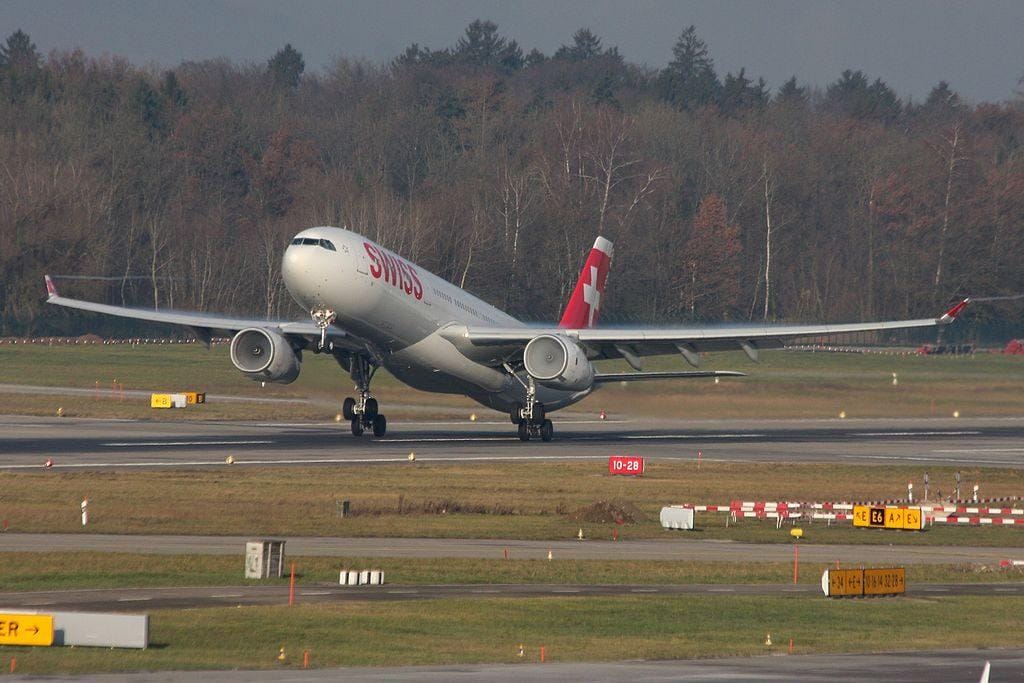
SWISS International Air Lines has announced that it will resume flights between Switzerland and Tel Aviv in July, following a suspension that began in March due to the ongoing conflict in the Middle East.

The airline stated that it is currently carrying out operational preparations to restart the route, including crew scheduling, aircraft allocation, and coordination with internal and external partners. SWISS also confirmed that it is engaging in discussions with its social partners to ensure a smooth restart of operations.

Several airlines within the Lufthansa Group have already planned to resume Tel Aviv services from June, but SWISS has chosen a later restart date in July to ensure full operational readiness.

The suspension of flights was originally introduced in response to security concerns linked to the war in the Middle East. SWISS said passenger safety remains its top priority when adjusting flight schedules.

In addition to the Tel Aviv update, the airline confirmed extended suspensions on other routes. Flights to Dubai will remain suspended until September 13, 2026, while services to Beirut will stay suspended until October 24, 2026.

SWISS continues to adjust its international network based on geopolitical developments and operational feasibility. The airline said it will continue to monitor the situation closely and update schedules if conditions change.

The decision reflects the ongoing impact of regional instability on global aviation routes, particularly in the Middle East, where several airlines have modified or temporarily suspended operations.

Swiss Nuclear Power Plants Could Operate Up to 80 Years, New Study Finds

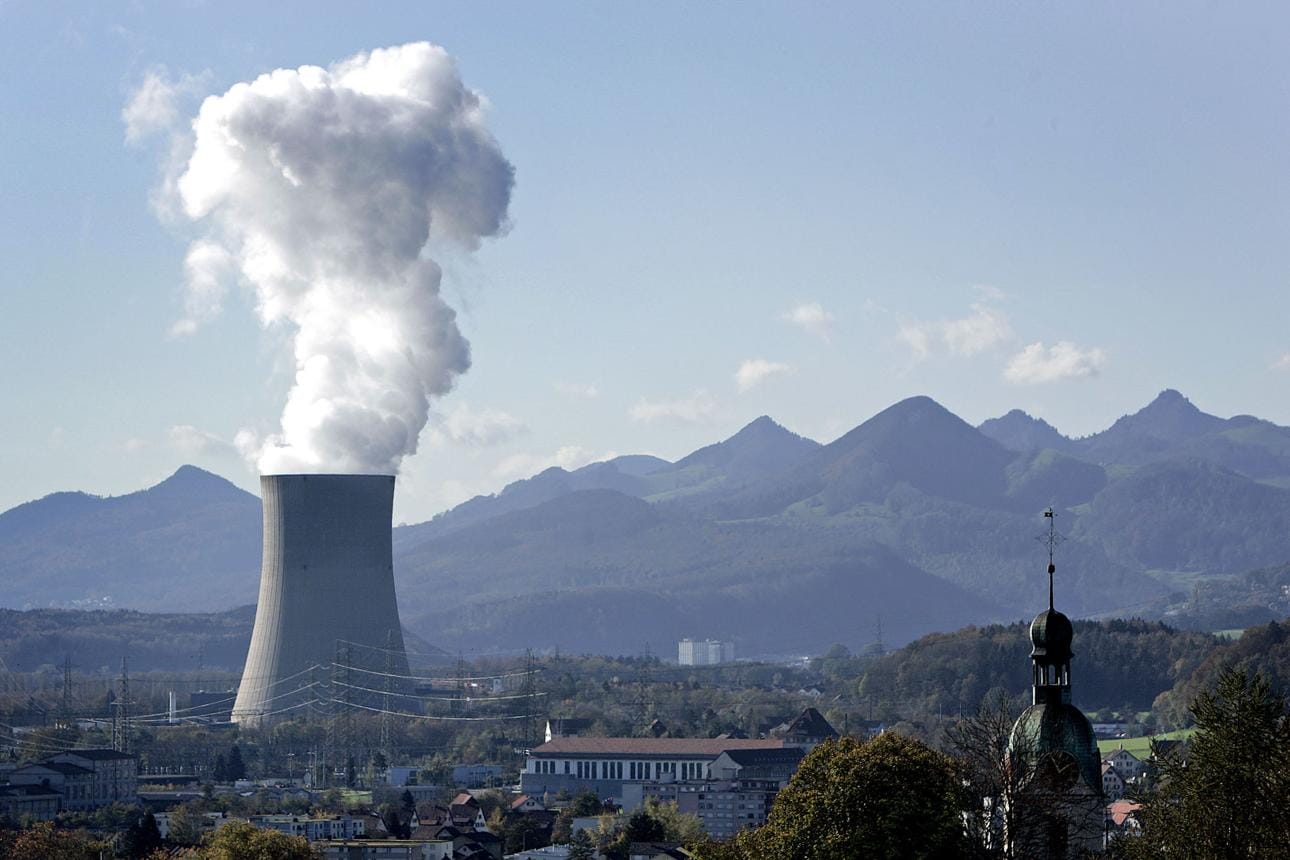
Switzerland is reconsidering the long-term future of its nuclear energy sector after a new government-commissioned study found that two major nuclear power plants could safely operate for up to 80 years.

The report focuses on the Gösgen Nuclear Power Plant and the Leibstadt Nuclear Power Plant, which were previously assumed to have economically viable lifespans of around 60 years.

According to the findings, extending their operational life by an additional 20 years is both technically feasible and largely economically viable, provided that necessary safety upgrades and maintenance investments are carried out.

The study was commissioned following a parliamentary request and has renewed debate about Switzerland’s long-term energy strategy, especially as the country continues to balance climate goals with energy security concerns.

The report suggests that the required modernization investments would likely be justified by continued electricity production, and it states that direct financial support from the government may not be necessary for long-term operation.

Energy industry leaders have supported the findings. Thomas Sieber stated that extending nuclear plant lifespans to 80 years appears technically realistic under proper maintenance and upgrades.

The discussion comes at a time when Switzerland is also reviewing its broader nuclear policy, including debates about whether to lift restrictions on building new nuclear power plants. Rising energy demand, climate change pressures, and geopolitical instability have all contributed to renewed interest in nuclear power across Europe.

If implemented, the extended operation of these plants could play a significant role in ensuring Switzerland’s electricity supply stability in the coming decades.

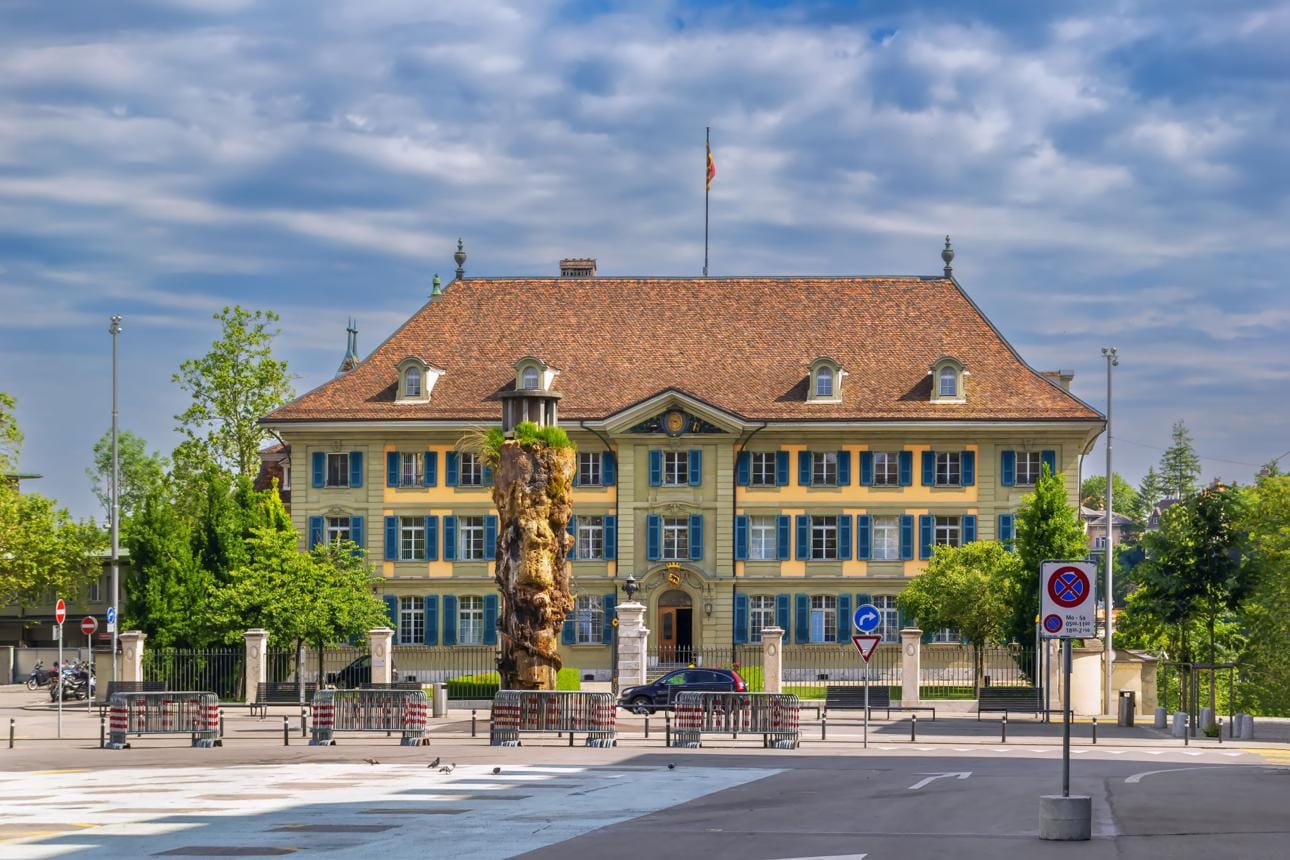
Bern Police Launch ‘Super-Recogniser’ Pilot Project to Identify Criminals.

Bern Cantonal Police is launching a pilot project that uses officers with exceptional face-recognition abilities, known as “super-recognisers,” to support criminal investigations.

The initiative follows internal testing within the police force, where around 30 officers were identified as having above-average facial recognition skills. According to a police spokesperson, roughly 10% of participants in the screening demonstrated these enhanced abilities.

Super-recognisers have the rare capacity to accurately remember and identify faces even after brief or indirect encounters. Authorities say this capability can significantly assist in locating violent offenders and improving public safety operations.

The project development was already underway when the Canton of Bern parliament approved a motion from the Centre Party in March calling for the use of super-recognisers to strengthen policing capabilities.

Officials noted that recent public order challenges, including escalated demonstrations in the canton last October, contributed to political support for the initiative.

The Bern Cantonal Police confirmed that detailed planning for the pilot is now complete and implementation is scheduled for the summer. Officers selected for the program will be deployed to support investigations where facial identification is critical.

The pilot reflects a broader trend in European policing strategies that combine human cognitive skills with modern investigative methods to improve identification accuracy and response times.

Authorities will evaluate the effectiveness of the program after its initial rollout before deciding whether to expand it across the canton.