Switzerland Warns of High Risk of African Swine Fever Spread

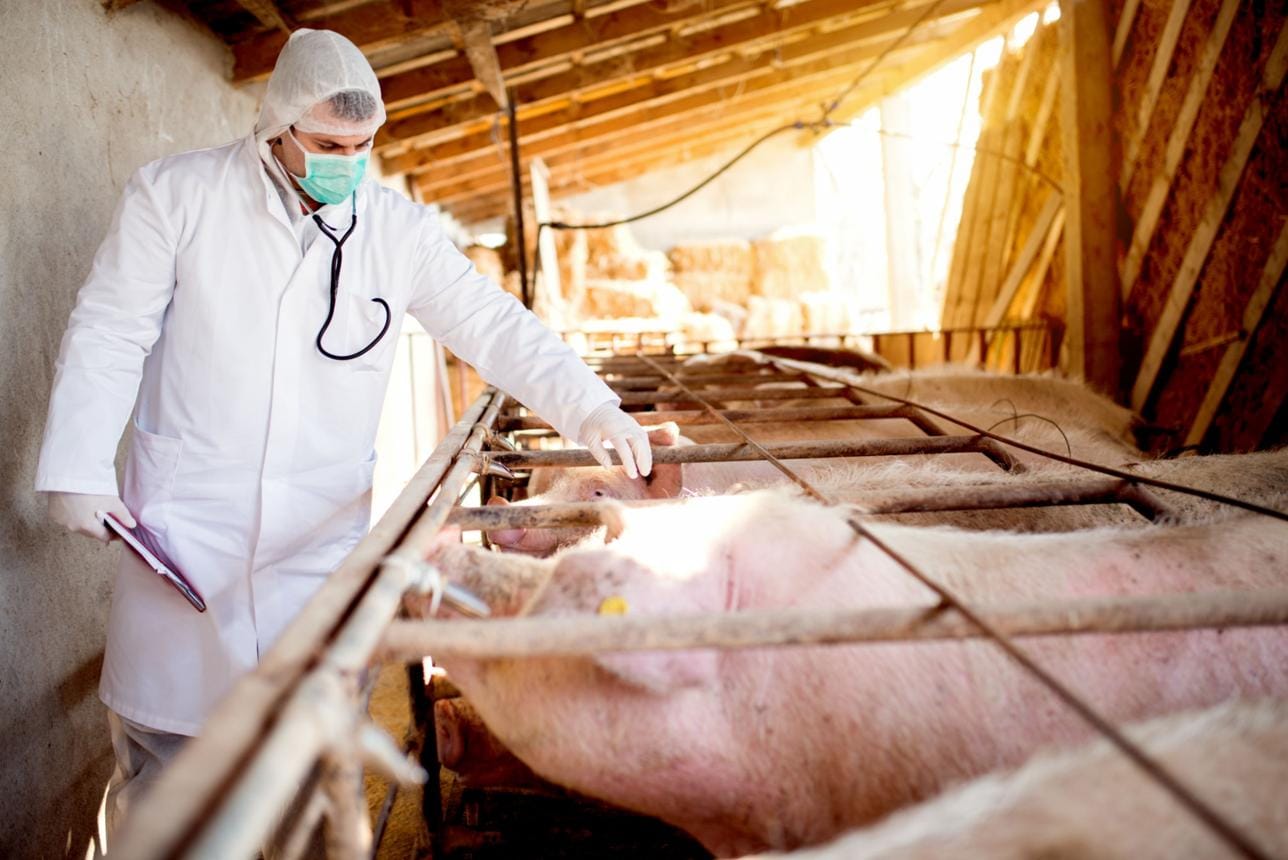
Switzerland has warned that the risk of African swine fever (ASF) spreading into the country remains high as new outbreaks continue to emerge across Europe.

According to the Federal Food Safety and Veterinary Office (FSVO), transmission from infected wild boar populations to domestic pigs is possible at any time, particularly in regions near affected European zones.

The warning follows renewed outbreaks in Italy during April, after earlier hopes that the disease had been brought under control. Authorities also reported setbacks in Germany, where new ASF cases were recently detected in Saxony.

The Swiss government strongly advises travellers not to import pork or wild boar meat products from affected regions into Switzerland. Officials also urge hunters returning from those areas to thoroughly clean and disinfect clothing, footwear, vehicles, and equipment before crossing the border.

The FSVO stated that the ASF virus is highly resistant and can remain infectious for long periods in blood, meat products, and animal carcasses, increasing the risk of accidental transmission.

Pig owners are being asked to contact veterinarians immediately if animals show unusual symptoms. Switzerland has also intensified surveillance through a national early-detection programme that tests wild boar found dead or visibly ill.

So far, all 25 wild boar tested in Switzerland have returned negative results, according to authorities.

Across Europe, African swine fever cases among wild boar populations remain elevated, and Swiss officials warn that additional outbreaks are likely in the coming months.

Although ASF does not pose a direct threat to humans, the disease can severely impact agriculture and livestock industries due to the high mortality rate among pigs and strict trade restrictions triggered by outbreaks.


Court Bans In-Office Judge Romance

Switzerland’s highest judicial body has ruled that romantic relationships between federal judges are incompatible with the court’s professional standards and judicial customs.

The decision was made during an extraordinary meeting of all members of the Federal Supreme Court of Switzerland on Wednesday following public attention surrounding a relationship between two federal judges.

The controversy emerged after reports revealed a relationship between federal judge Beatrice van de Graaf and federal judge Yves Donzallaz. The matter became public in April through reporting by the German-language publication Weltwoche.

According to a statement released by the Federal Court, judges are expected to avoid behaviour that could raise concerns about their independence, impartiality, or the reputation of the judiciary.

The court announced that an independent panel of experts will examine the specific case involving the two judges. An external specialist has been tasked with clarifying the facts and reporting findings to the Administrative Commission of the Federal Court.

Officials stated that the investigation results are expected by the end of June, after which the court will decide on any further action.

While the inquiry into the individual case remains ongoing, the court separately confirmed that romantic relationships between members of the court are fundamentally considered incompatible with current judicial conduct standards.

The development has sparked debate in Switzerland regarding judicial ethics, independence, and personal conduct within the country’s highest legal institutions.

Europe’s AI Defence Revolution Gains Momentum

European defence forces are rapidly accelerating the integration of artificial intelligence into military systems, marking a major shift from experimental use to operational deployment across the continent.

According to defence analysts speaking to Euronews, countries including Germany, France, Ukraine, and the United Kingdom are leading Europe’s push to integrate AI into modern warfare systems.

One of the most significant recent developments is the “Brave Germany” programme, launched by Germany and Ukraine, which aims to deploy approximately 5,000 joint AI-enabled medium-range strike drones. The initiative reflects growing collaboration between European states on advanced defence technologies.

Experts say Europe’s militaries have already used artificial intelligence for years in logistics, human resources, and equipment maintenance. However, recent developments show a shift toward integrating AI into core operational and tactical decision-making systems.

Stockholm International Peace Research Institute (SIPRI) researcher Laura Bruun explains that early military AI adoption began around 2015, when the technology became advanced enough to significantly improve operational efficiency.

She notes that even basic AI systems can optimise battlefield logistics and route planning, similar to navigation tools used in everyday applications.

Current AI defence investment in Europe is largely focused on two key areas: semi-autonomous weapon systems and AI-driven decision-support systems that assist commanders in real time.

Analysts say the rapid expansion of military AI raises strategic, ethical, and security questions as countries balance innovation with regulation and international law.

As AI integration deepens, Europe’s defence landscape is expected to continue evolving, with increased collaboration, competition, and investment shaping the next phase of military modernization.

Swiss Health Insurance Premiums to Rise by 3.7% Next Year, But Slowdown Expected

Switzerland residents will face higher health insurance costs next year, although the increase is expected to be more moderate than in recent years, according to new market forecasts.

A report from comparison platform Comparis predicts an average premium increase of 3.7% for the upcoming year. While this still adds pressure on households, it represents a slowdown compared to the sharp rises seen in previous cycles.

The report explains that health insurers are currently rebuilding financial reserves after years of relatively low premiums and political pressure to keep insurance buffers limited. This restructuring phase has contributed to gradual premium adjustments.

According to Comparis, stronger-than-expected investment returns have helped stabilize the financial position of insurers in the short term. However, the report warns that global economic uncertainty could quickly reverse this stability, as insurers depend heavily on financial market performance to support their reserves.

Health insurance costs remain one of the largest recurring expenses for Swiss households, and even moderate increases can significantly impact household budgets.

The forecast suggests that while the pace of premium growth is slowing, cost pressure in the Swiss healthcare system is unlikely to disappear in the near future.

Authorities and insurers continue to debate long-term reforms aimed at controlling healthcare spending while maintaining high-quality medical services.

Swiss Households Could Pay CHF 635 More Per Year if Anti-Immigration Proposal Passes

Switzerland households could face higher annual costs if the proposed “No to 10 million” anti-immigration initiative is approved, according to opponents of the plan.

Campaigners against the proposal warn that the policy could increase the average household burden by around CHF 635 per year, driven by reduced tax revenues, higher public service costs, and increased pressure on the national economy.

The initiative aims to significantly restrict immigration levels in Switzerland, but critics argue that such limits would weaken the country’s labour market and strain public finances.

Opponents claim that fewer working-age migrants would reduce tax contributions while increasing per-capita costs for healthcare, pensions, and infrastructure. They also warn that businesses could face labour shortages, potentially slowing economic growth.

The warning adds to a growing debate ahead of the referendum on whether Switzerland should introduce stricter population controls. Government-linked analyses have previously suggested that long-term fiscal impacts could outweigh any benefits such as reduced housing pressure.

Supporters of the initiative argue that limiting population growth would ease housing shortages and reduce overcrowding in urban areas, but critics say these gains would be limited compared to broader economic losses.

The proposal remains highly contested, with both sides presenting sharply different forecasts about its impact on the economy and everyday living costs.

Swiss Report Warns Anti-Queer Violence in Switzerland Is ‘Just the Tip of the Iceberg’

A new report from the Swiss LGBTIQ Helpline has recorded 281 cases of anti-LGBTIQ discrimination and violence over the past year, warning that the real scale of incidents is likely far higher.

The findings were published in the organisation’s eighth annual “Hate Crime” report, which shows that reported cases have remained at a consistently high level, following 309 reports in 2024 and 281 in 2025.

The report states that most incidents occurred in public spaces, where victims frequently experienced verbal abuse, insults, and harassment. Out of all reported cases, 52 involved discrimination and 45 involved physical violence.

A major concern highlighted in the study is that underreporting remains widespread. Only around 10% of hate crime incidents are reported to the police, mainly in cases involving physical violence.

The report also cites a Geneva-based study indicating that more than 80% of LGBTIQ individuals have experienced discrimination or violence in public spaces, reinforcing concerns that the official figures represent only a fraction of actual incidents.

According to the data, nearly two-thirds of victims reported psychological impacts, including anxiety, stress, and long-term emotional distress. Incidents occurring in institutional environments such as schools, workplaces, and healthcare settings were found to have particularly severe consequences.

The organisation warns that the persistence of hate crimes reflects deeper social challenges and calls for stronger reporting mechanisms, improved protection measures, and increased awareness across Swiss society.

The report concludes that anti-LGBTIQ violence remains a significant issue in Switzerland and stresses the need for continued monitoring and policy action.

Swiss Entry Veronica Fusaro Fails to Qualify for Eurovision 2026 Final

The Eurovision Song Contest 2026 has advanced to its Grand Final in Vienna, but Switzerland has failed to secure a place in the final round.

The contest moved to Vienna after the 2025 winner, countertenor JJ, claimed victory in Basel with the song “Wasted Love,” bringing the competition to Switzerland for that year.

In the second semi-final held on Thursday, Swiss singer Veronica Fusaro performed her entry “Alice” in an attempt to reach the Grand Final scheduled for Saturday.

Despite a strong performance, Switzerland did not qualify for the final round, ending its Eurovision 2026 campaign at the semi-final stage.

The Eurovision Song Contest remains one of the world’s largest live music events, bringing together performers from across Europe and beyond in a highly competitive televised format. Each year, countries compete for both jury and public votes to reach the Grand Final.

Switzerland’s elimination marks a disappointing outcome for fans following its previous success as a host nation after the 2025 victory in Basel.

Organisers continue preparations for the Grand Final in Vienna, where the winner of Eurovision 2026 will be crowned.

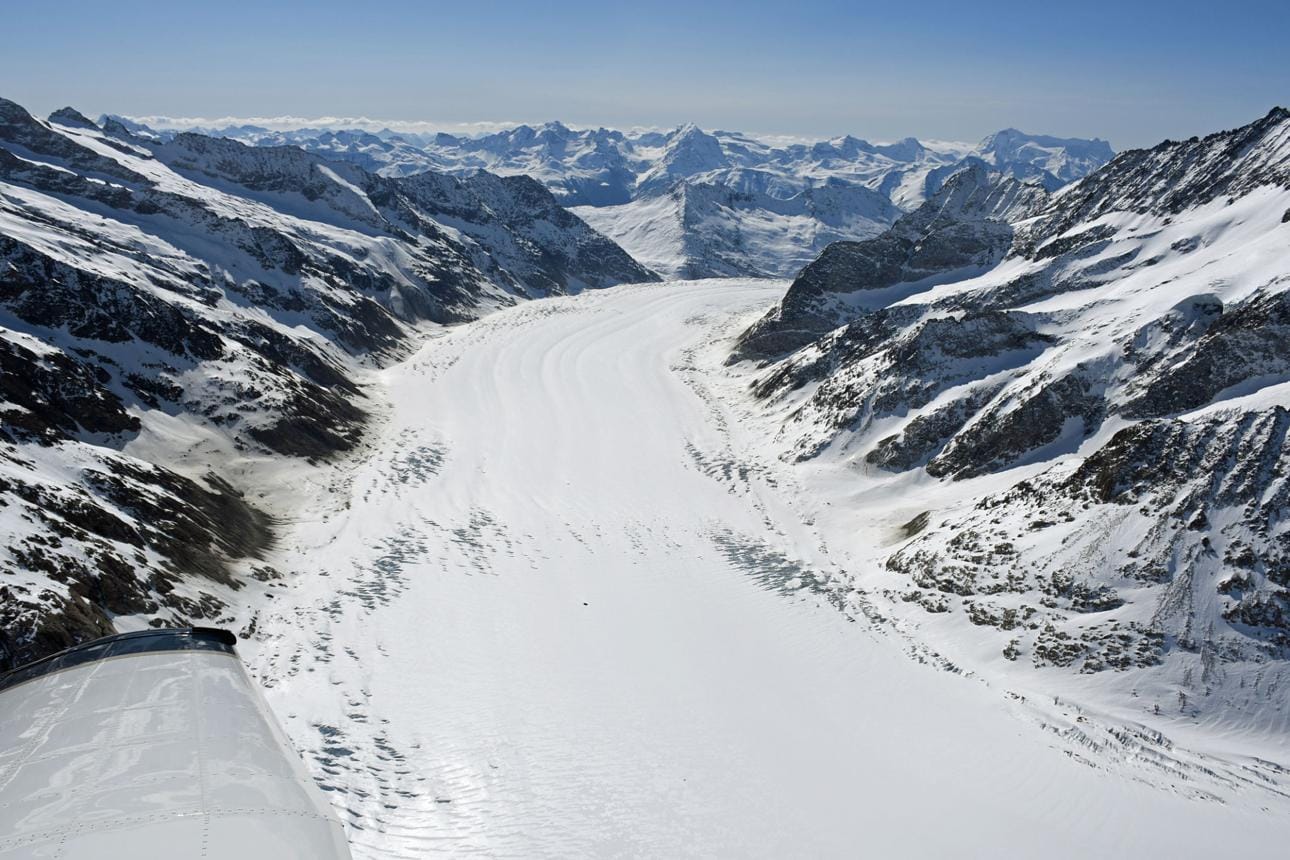
Swiss Glacier Snow Levels Critically Low

Glaciers across Switzerland are entering the summer season with significantly below-average snow cover, raising concerns about accelerated melting and long-term water availability.

According to the Swiss Glacier Monitoring Network (GLAMOS), snow cover across key Alpine glaciers is about 25% lower than the decade average, leaving ice masses unusually exposed at the start of the melt season.

Scientists report that the reduced winter snowfall has weakened the natural protective layer that normally shields glaciers from early summer heat. This layer typically reflects sunlight and slows ice loss, but current measurements show a much thinner snowpack across major glacier regions.

GLAMOS data collected from around 25 monitored glaciers indicates widespread deficits, with some areas experiencing snow shortages of several metres compared to long-term averages. The early onset of melting is already shifting the seasonal balance, causing glaciers to begin losing mass sooner than usual.

Regional variations are significant. In parts of southeastern Switzerland, including the Engadine region, snow deficits are particularly severe. Even major glacier systems such as the Great Aletsch Glacier and Rhône Glacier are reporting substantial reductions in winter accumulation.

Researchers warn that continued early-season melting could disrupt Switzerland’s role as the “Water Tower of Europe,” as glaciers regulate water flow into major river systems such as the Rhine, Rhône, and Po.

The reduced snow buffer may also impact hydroelectric power generation, agriculture, and downstream water availability across central and western Europe during late summer months.

Climate experts emphasize that while annual variability exists, the consistent pattern of reduced snow accumulation and earlier melt onset reflects a long-term trend linked to changing climate conditions in the Alps.

Isabella Rossellini to Receive Excellence Award at Locarno Film Festival

Isabella Rossellini will receive the Excellence Award at the upcoming Locarno Film Festival, celebrating her long-standing contribution to cinema, television, and fashion.

The award will be presented on August 5 during the opening night of the festival’s 79th edition, held on the iconic Piazza Grande in Locarno, Switzerland.

Rossellini, the daughter of Swedish actress Ingrid Bergman and Italian filmmaker Roberto Rossellini, built her career first as a model before becoming an internationally recognised film and television actor. She is widely known for her role as Dorothy Vallens in David Lynch’s Blue Velvet (1986).

Over the decades, she has collaborated with acclaimed directors such as Robert Zemeckis and the Taviani brothers, building a reputation as one of contemporary cinema’s most distinctive performers.

More recently, she appeared in La Chimera (2023) by Alice Rohrwacher and Conclave (2024) by Edward Berger, a performance that earned her an Academy Award nomination for Best Supporting Actress.

Beyond acting, Rossellini is also deeply involved in environmental and animal studies. She holds a Master’s degree in animal behaviour and conservation from Hunter College in New York and has created several short film projects, including the acclaimed series Green Porno (2008–2009), which humorously explores animal mating behaviours.

Festival artistic director Giona A. Nazzaro described her as a “visionary and incomparable performer” whose work has left a lasting impact on global cinema.

The 79th Locarno Film Festival will run from August 5 to 15, bringing international filmmakers, actors, and audiences together in Switzerland.

Alienware Launches Its First Budget Gaming Laptop ‘Alienware 15’

Alienware has introduced its first budget-friendly gaming laptop, the Alienware 15, marking a strategic shift from its traditionally premium-priced gaming systems.

The new model aims to deliver high-performance gaming at a more accessible price point, expanding the brand’s reach into the mid-range laptop market.

The Alienware 15 comes equipped with AMD and Intel processor options, including AMD Ryzen 7 260 and AMD Ryzen 5 220 variants, along with NVIDIA GeForce RTX 4050 graphics. Users can also upgrade to an RTX 5060 configuration for higher performance.

The laptop supports up to 32GB RAM and offers storage options of 512GB or 1TB NVMe SSD, catering to both casual and serious gamers.

Its display features a 16:10 WUXGA (1920×1200) panel with a 165Hz refresh rate and 300-nit brightness, designed to enhance smooth gameplay and visual clarity during fast-paced gaming sessions.

Pricing for the Alienware 15 starts at approximately $1,299 for AMD models and $1,349 for Intel models, making it significantly more affordable than previous Alienware releases such as the Alienware 16 Aurora, which was priced around $1,690.

According to the company, the new laptop was developed through a more balanced engineering approach, focusing on where to invest in performance and where to reduce costs without compromising the core gaming experience.

Industry analysts view this move as Alienware’s attempt to compete more directly in the growing budget gaming laptop segment.