Swiss Media Analyze Winterthur Knife Attack.

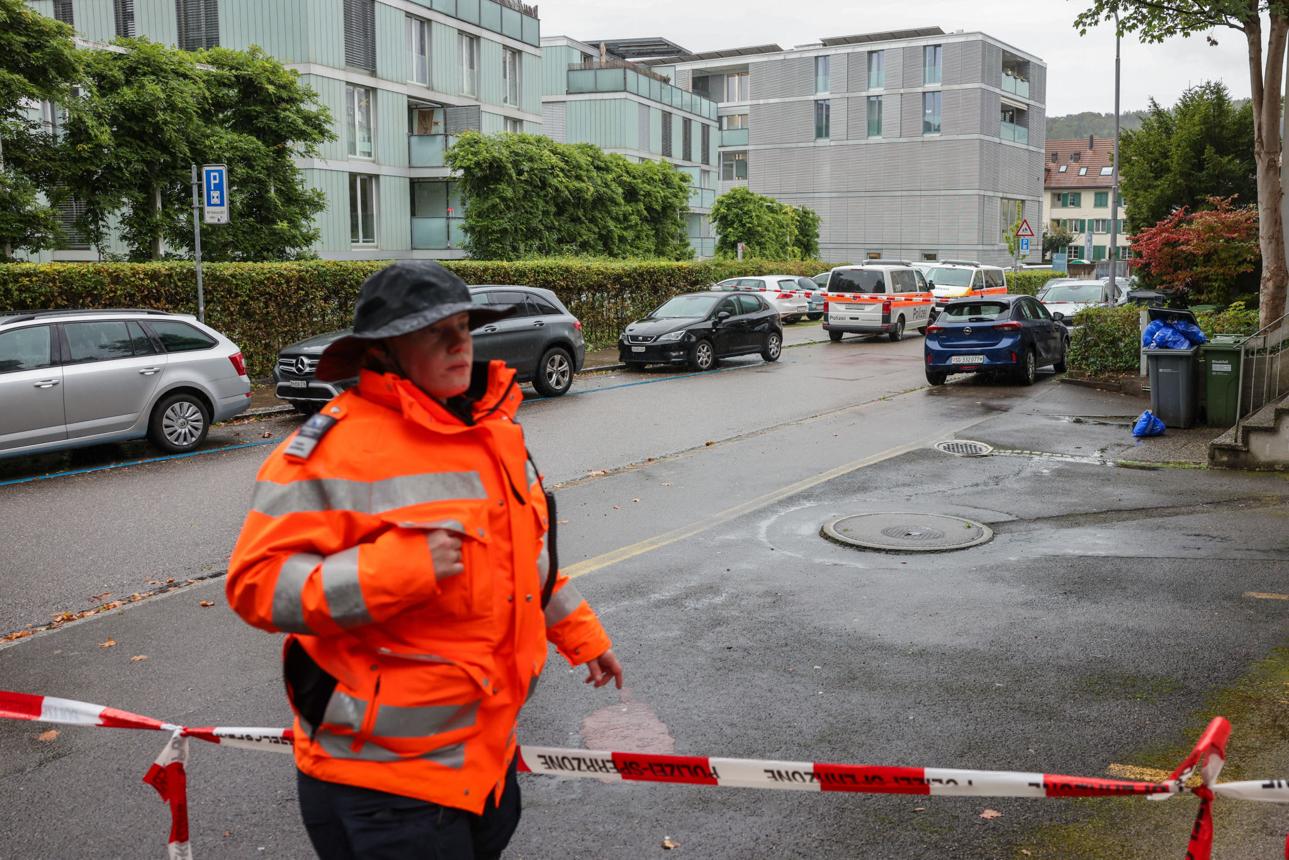
Swiss media outlets are closely examining the recent knife attack in Winterthur, where three people were injured on Thursday morning. The discussion has shifted toward whether the incident was driven by radicalisation, psychological illness, or a combination of both factors.

German psychologist Ahmad Mansour told Blick that mental illness and ideological radicalisation can coexist and often reinforce each other. He argued that focusing only on psychological instability may overlook potential ideological risks. Mansour also criticised the clinic that released the 31-year-old suspect shortly before the attack, suggesting that while the patient’s mental condition was assessed, possible extremist risk factors may not have been fully considered.

In contrast, psychologist and criminologist Jérôme Endrass of Zurich’s Office of Corrections and Rehabilitation presented a different view in the Neue Zürcher Zeitung. He explained that the patient showed no immediate signs of danger at the time of release, and therefore standard procedures were followed. According to Endrass, psychiatric institutions primarily assess mental health risks rather than carrying out detailed ideological threat evaluations.

Endrass also highlighted structural limitations in Switzerland’s system, noting that psychiatric clinics are generally not informed about possible Islamist links for data protection and security reasons. Likewise, police and judicial authorities do not have access to medical records, creating a separation between security and healthcare systems.

He added that whether the attack had an Islamist motive remains uncertain based on current evidence. Initial assessments suggest that psychosis may have played a central role in the attacker’s behaviour, with indications that the violence appeared random rather than ideologically targeted.

Experts note that ideologically motivated attackers typically select symbolic targets such as Western institutions, religious groups, or specific communities. In this case, the lack of targeted selection has led investigators to continue exploring both psychological and potential ideological explanations.

The debate highlights ongoing challenges in Switzerland regarding risk assessment, information sharing, and early identification of individuals who may pose a threat to public safety.


Swiss Federal Judges Face Pressure Over Affair.

Pressure is mounting on Switzerland’s Federal Court after allegations emerged that two senior judges concealed a romantic relationship. The controversy has triggered calls for resignation and raised concerns about judicial independence and institutional integrity.

Former Federal Court president Ulrich Meyer has publicly urged judges Yves Donzallaz and Beatrice van de Graaf to step down or at least not seek re-election in September 2026. Speaking to CH Media, Meyer said the situation has pushed the Federal Court into what he described as an “institutional crisis”.

Swiss law prohibits long-term cohabitation between members of the Federal Court, a rule designed to protect neutrality and prevent conflicts of interest. Critics argue that failing to disclose such a relationship undermines public trust in the judiciary.

Meyer also criticised the court’s Administrative Commission, which oversees the Federal Court under the leadership of François Chaix. He argued that the body cannot avoid responsibility, regardless of whether it was aware of the relationship, and called for a thorough investigation into the matter.

According to Meyer, even private relationships between judges can raise serious questions about judicial independence and must be subject to scrutiny to ensure transparency and fairness in court decisions.

The controversy has also revived attention on Meyer’s own past conduct. He previously faced criticism in 2020 for inappropriate remarks about a judge at the Federal Criminal Court, which he later admitted was a mistake.

He also clarified details about a past relationship with a court clerk at the former Federal Insurance Court in Lucerne, stating that he had fully disclosed it to colleagues and maintained transparency throughout.

As debate continues, the case has intensified scrutiny of ethical standards within Switzerland’s highest court, with growing pressure for clearer rules and stronger oversight mechanisms to protect judicial credibility.

Three Swiss Indicted in Hermès Share Dispute.

Three Swiss professionals, including two lawyers and a notary, have been indicted in Paris in connection with a high-profile legal dispute involving shares of the French luxury brand Hermès. The case is linked to allegations of financial misconduct and contested share transfers involving the luxury goods giant LVMH.

The investigation centres on claims made by Nicolas Puech, an 83-year-old Swiss resident and heir connected to the Hermès fortune. He alleges that his former asset manager, Eric Freymond, improperly transferred his Hermès shares in favour of LVMH and its billionaire chairman Bernard Arnault. Freymond, who was previously at the centre of the dispute, has since passed away.

According to the Paris public prosecutor’s office, the individuals under investigation have denied the allegations and are disputing the facts of the case. Authorities confirmed that the investigation remains ongoing as legal proceedings continue.

Puech filed a civil complaint in December 2023, accusing his former manager of breach of trust and alleging that assets were mismanaged for decades. He claims that shares held through Swiss-based structures were sold or transferred without his consent or knowledge.

The case has drawn international attention due to its connection with two major luxury conglomerates, Hermès and LVMH, and the long-running tension between their shareholders. Investigators are continuing to examine the financial transactions and legal responsibilities involved in the alleged mismanagement.

The indictment highlights the complexity of cross-border financial disputes involving Swiss asset management structures and major European corporate interests, with further developments expected as the case progresses.

Swiss Tech Industry Recovers, But Risks Remain.

Switzerland’s technology industry has started the year with a strong rebound, showing growth in new orders, sales, and exports. However, industry leaders warn that the recovery remains fragile and exposed to global economic and political risks.

According to Swissmem, the association representing Switzerland’s machinery, electrical engineering, and metals industries, new orders increased by 10.1% in the first quarter compared to the previous year. During the same period, revenues rose by 3.4%, while exports grew by 1.1%, indicating a moderate but positive recovery trend.

Export performance varied significantly across regions. The European Union played a key role in driving growth, with exports rising by 3.9%. In contrast, demand declined in key international markets such as Asia (-4.5%) and the United States (-4.2%), highlighting uneven global recovery patterns.

Within product categories, Switzerland saw declines in exports of measuring, control, and precision instruments as well as machinery and mechanical equipment. However, strong growth in rail, road, and air vehicle exports—up by 28.4%—helped balance overall performance due to several large international contracts.

Despite improvements, the industry is still operating below optimal capacity. The average utilisation rate stood at 81.6%, below the long-term benchmark of 85.6%. Employment in the sector slightly increased to 324,200 workers, reflecting cautious stability in the labour market.

Swissmem director Stefan Brupbacher noted that while indicators such as the purchasing managers’ index show encouraging signals, the recovery is not evenly distributed. Larger firms and certain high-tech segments, including industrial electrical engineering, energy solutions, data centres, artificial intelligence, and space-related technologies, are performing better than smaller companies.

Smaller enterprises, however, reported a revenue decline of 1.8%, underlining structural imbalances within the sector. Brupbacher warned that the current growth is “a fragile balance” and could reverse quickly due to global uncertainties.

Key risks include geopolitical tensions in the Middle East, rising energy costs, supply chain disruptions, US tariffs, and EU trade restrictions. These factors, according to Swissmem, could abruptly halt the current positive trend.

The association is calling for stable and supportive policy frameworks in Switzerland, including progress on free trade agreements such as Mercosur and rejection of restrictive immigration measures that could limit workforce availability.

Overall, while Switzerland’s tech industry is showing signs of recovery, experts emphasize that long-term stability will depend on global conditions and domestic policy decisions.

Heatwave Triggers Dangerous Ozone Levels.

A heatwave in central Switzerland has pushed ozone concentrations to dangerous levels, raising serious health concerns for residents. Authorities have issued warnings urging people to limit outdoor activities, especially during the afternoon when pollution levels peak.

According to Umwelt Zentralschweiz, current measurements show that the hourly ozone limit of 120 micrograms per cubic metre has been widely exceeded in several areas. The problem is most severe during the afternoon hours, when strong sunlight accelerates the formation of ozone in the atmosphere.

Experts explain that intense solar radiation triggers chemical reactions between air pollutants such as vehicle emissions, paints, and industrial solvents, converting them into ground-level ozone. This secondary pollutant becomes particularly concentrated during hot and sunny weather conditions.

Health officials warn that high ozone levels can cause eye irritation, coughing, throat discomfort, and breathing difficulties. Individuals with pre-existing respiratory conditions such as asthma are especially at risk and are advised to take extra precautions.

Authorities recommend that outdoor physical activity should be avoided between midday and evening when ozone concentrations are highest. Ventilation of indoor spaces is also advised during the early morning hours, when air quality is relatively better.

The cantonal environmental agency continues to monitor the situation closely as the heatwave persists, emphasizing the importance of reducing exposure and minimizing health risks during periods of elevated air pollution.

Switzerland Urged to Act on Digitalisation.

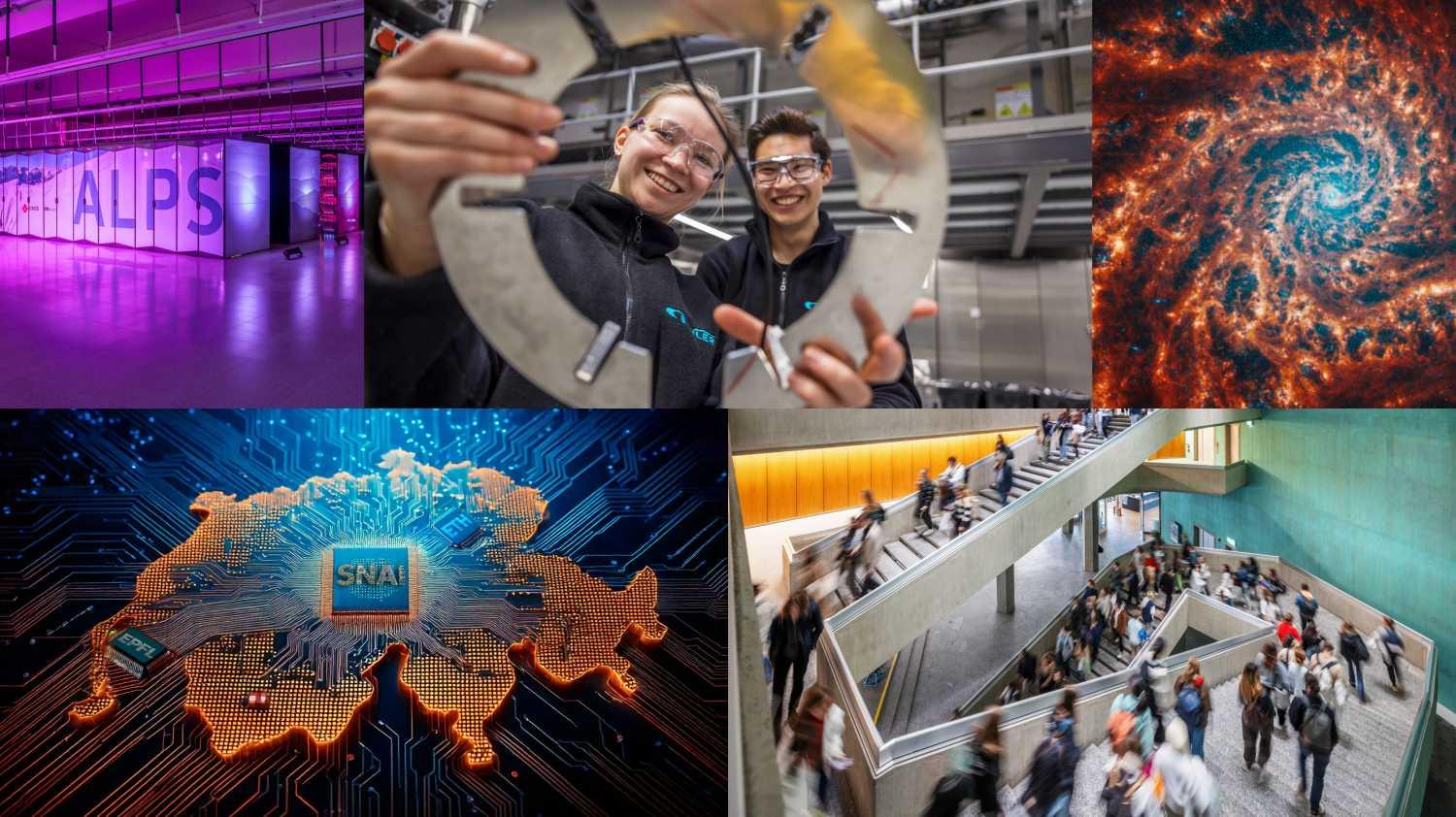
Swiss researchers are calling for urgent action on digitalisation, warning that Switzerland must rethink how artificial intelligence and digital tools will reshape key sectors such as education, media, and the labour market. According to a press release from the Swiss National Science Foundation (SNSF), the country can fully benefit from digital transformation only if politics, business, and society work together.

The findings are based on the National Research Programme “Digital Transformation” (NRP 77), a large-scale initiative commissioned by the Swiss government. Over five years, researchers conducted 46 separate projects with a total budget of CHF 30 million to examine how digital technologies are influencing Swiss society.

The research highlights that the impact of artificial intelligence does not depend on the technology itself, but on how it is used in real-world applications. This means that governance, education, and institutional readiness play a crucial role in determining whether digital tools create benefits or risks.

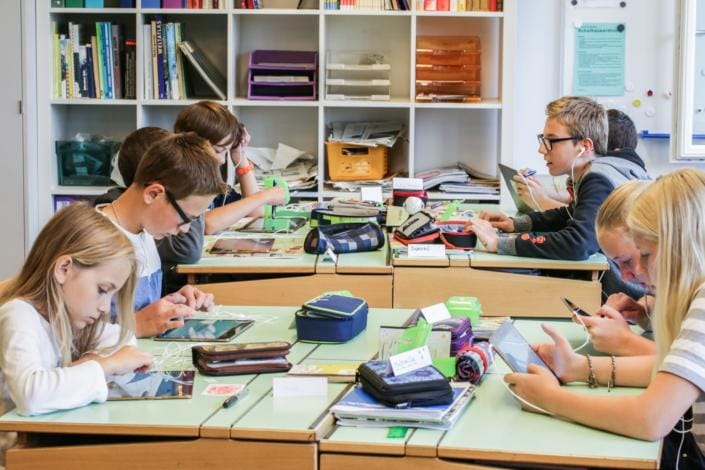
One of the key findings shows that digital tools are often underused in Swiss schools. This is mainly due to a lack of structured implementation strategies and insufficient training opportunities for teachers, which limits the effective integration of technology in education.

The study also points to growing pressure on the labour market, where companies are encouraged to invest more consistently in developing digital skills among employees. Without continuous upskilling, Switzerland risks widening skill gaps in an increasingly AI-driven economy.

In addition, researchers stress the importance of maintaining a strong and independent media landscape to protect democratic processes in the digital age. They warn that digital transformation must be managed carefully to ensure transparency, accountability, and public trust.

Overall, the report concludes that Switzerland has significant opportunities in digital transformation, but success will depend on coordinated action across all sectors of society.

Switzerland’s First F-35 Jet Assembled.

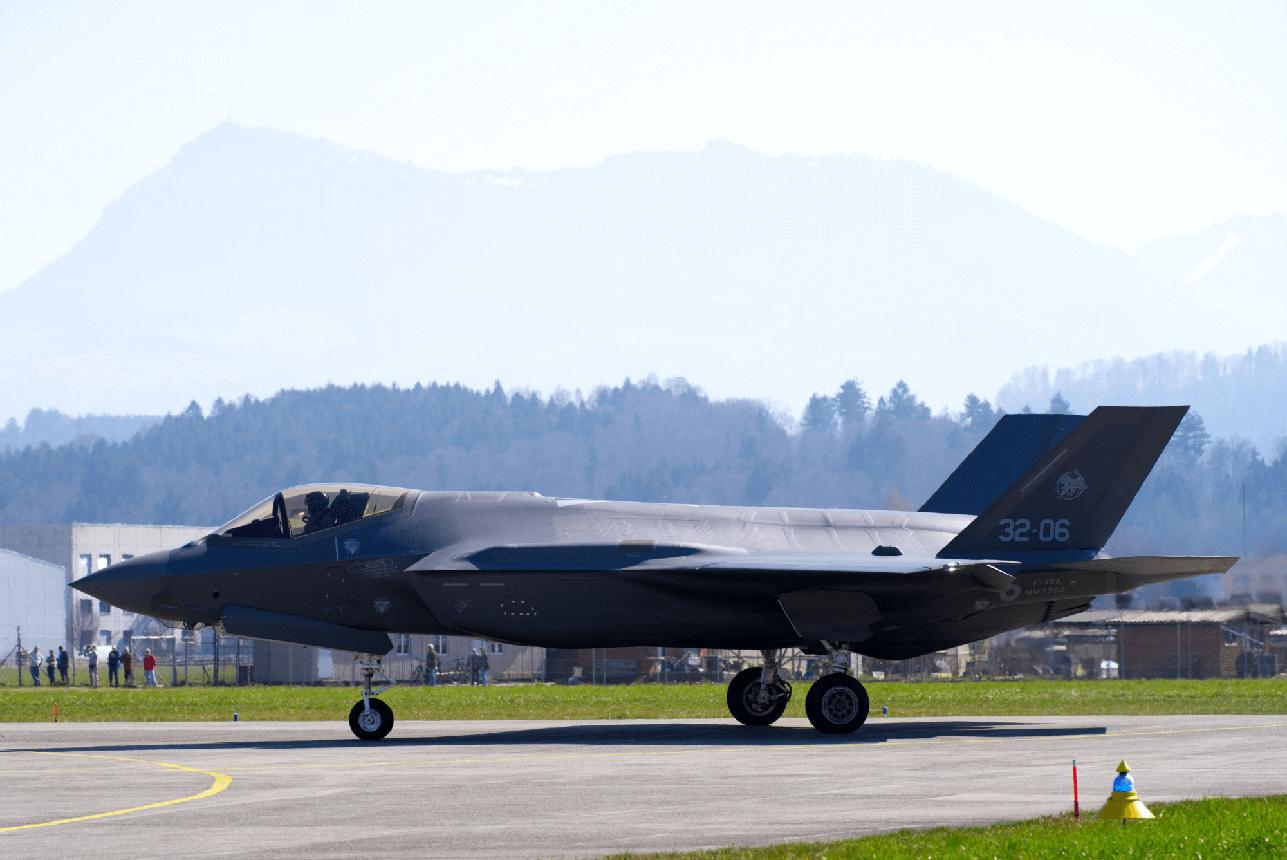
Switzerland has reached a major milestone in its defence modernization program as assembly begins on its first F-35 fighter jet at the Lockheed Martin production facility in Georgia, United States. The development marks the start of physical production for Swiss-bound aircraft under the country’s new air defence procurement plan.

According to armasuisse, production of key components for Switzerland’s F-35 fleet has already started, with further assembly stages planned over the coming months. The global production chain involves more than 2,100 subcontractors, highlighting the international scale of the fighter jet program.

The first batch of eight F-35 aircraft will initially be used for pilot training purposes in the United States. Swiss pilots are expected to begin training with these jets in Arkansas from mid-2027, allowing them to gain operational experience before the aircraft are delivered to Switzerland.

Full delivery of the fighter jets to Switzerland is scheduled to begin approximately one year after the training phase starts. Additional aircraft will be completed and delivered from the final assembly line located in Cameri, Italy, ensuring a structured rollout of the fleet.

The F-35 program represents a significant upgrade for the Swiss Air Force, strengthening the country’s long-term air defence capabilities through advanced stealth technology, modern avionics, and multinational production cooperation.

The Future of Lab Research? Meet the Swiss AI Mouse.

Swiss researchers have developed an artificial intelligence (AI) model that simulates a mouse to reduce the need for live animal testing in drug development. The innovation was created by the Swiss Federal Laboratories for Materials Science and Technology (Empa) and is designed to evaluate how new active compounds behave inside a living organism using computer-based simulations.

The AI-driven “virtual mouse” can predict how nanoparticles with specific properties are distributed throughout the body. This capability is especially important in advanced medical research, including the development of treatments for brain tumours, where nanoparticles are used to cross the blood-brain barrier and deliver targeted therapy.

Researchers say the model can act as a decision-making tool in early-stage drug development. By simulating biological processes digitally, scientists can better understand how compounds interact within the body before moving to costly and ethically sensitive animal testing stages.

The system helps reduce reliance on live animal experiments by providing detailed predictions of drug behaviour in complex biological environments. This approach supports more ethical research practices while also potentially speeding up pharmaceutical development.

Empa researchers highlight that the AI model is not intended to fully replace all animal testing immediately, but it represents a major step toward reducing its use. By combining material science, biomedical research, and artificial intelligence, Switzerland continues to advance in ethical and data-driven healthcare innovation.

Swiss Wages Set to Rise by Up to 2% in 2026.

Average wages in Switzerland are expected to rise between 1.5% and 2% this year, broadly matching inflation levels. However, salary growth will not be evenly distributed across all professions or regions, according to a new labour market survey by job placement firm Adecco.

The report, based on more than 15,000 job interviews, shows that Swiss companies are increasingly focusing on targeted recruitment rather than expanding their workforce across all departments. This shift is creating a more selective salary structure, where only certain roles benefit from significant pay increases.

Specialist professionals are expected to see the strongest wage growth. In particular, workers with expertise in business transformation, artificial intelligence, and sustainability-related ESG (environmental, social, and governance) fields are in high demand. These niche skills are becoming essential as companies adapt to digitalisation and regulatory changes.

At the same time, most general job functions are expected to experience only moderate salary increases. Adecco highlights that salary progression is now more closely linked to measurable performance and project contributions rather than seniority or hierarchical position within a company.

The labour market continues to face a shortage of advanced technical skills, a situation made worse by the retirement of the baby boomer generation. This structural gap is increasing competition for highly qualified candidates and pushing salaries higher in specialised sectors.

Regional differences also remain significant. The “Zurich premium” continues to influence national wage patterns, with employees working in or around Switzerland’s financial hub earning between CHF 5,000 and CHF 10,000 more per year compared to the national average.

Overall, while Swiss salaries are rising, the growth is uneven, reflecting a labour market increasingly shaped by specialised skills, regional demand, and performance-based pay structures.

Pollution Delays Swiss Munitions Dump Cleanup.

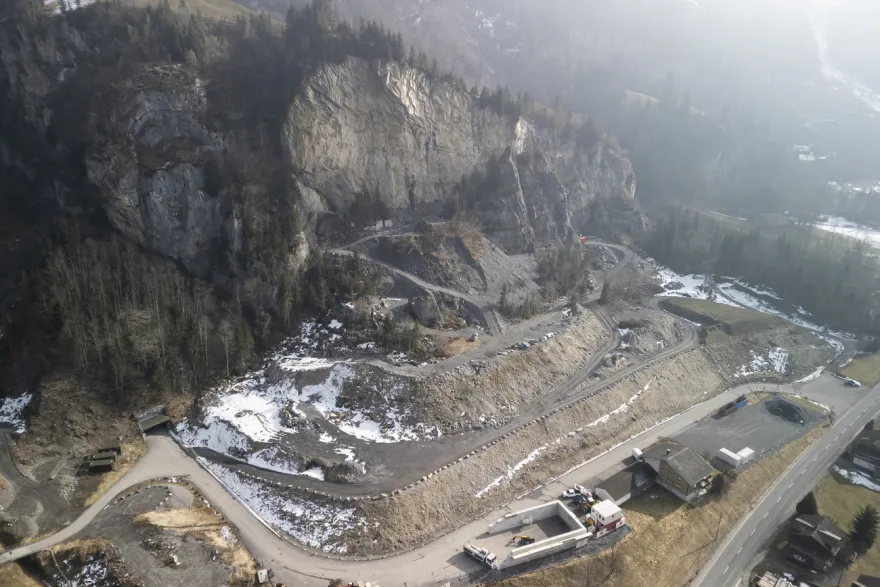
Switzerland has delayed the cleanup of the historic Mitholz munitions depot after investigators discovered far more contaminated material than expected. The revised timeline now extends the massive environmental and safety project until 2047, two years later than previously planned.

The ammunition depot, located in the Bernese Oberland region, became the site of a deadly disaster on December 19, 1947, when part of the 7,000 tonnes of stored munitions and explosives exploded. The blast killed nine people and scattered hazardous material across the surrounding area. For decades, authorities believed the site posed little danger until a reassessment in 2018 prompted the federal government to launch a full-scale cleanup operation.

Engineers and environmental specialists have since uncovered significant levels of contamination throughout the area. Investigations revealed that large amounts of polluted material remain buried beneath mudslide deposits and avalanche protection structures. Experts estimate that around 350,000 cubic metres of heavily contaminated debris are located within the affected zone.

The scale of the contamination has increased the complexity of the project. Some excavated material can be reused, but heavily polluted waste requires specialized treatment and disposal. Authorities also warn that hidden contaminants may still exist beneath rock crevices and deep underground fissures near the former ammunition depot.

Residents living near Mitholz will be required to temporarily leave their homes by the end of 2032. The evacuation is expected to last approximately ten years while cleanup and safety operations continue. Despite the contamination, officials report that no pollutants have been detected in local water sources. Agricultural land and grazing areas outside the affected zones remain safe for continued use.

Project leaders have also reported a positive development. New assessments indicate that the risk of a major explosion is lower than previously estimated. As a result, Switzerland’s defence authorities can reduce the scale of planned protective infrastructure near a railway line, saving approximately CHF8 million. However, the overall cleanup project remains one of Switzerland’s most expensive environmental and safety operations, with total costs estimated at around CHF2.5 billion.

The Mitholz cleanup highlights Switzerland’s commitment to addressing historical environmental hazards while protecting local communities and preserving public safety for future generations.