Nestlé Acquires Full Ownership of Germany’s yfood Labs.

Swiss food and beverage giant Nestlé has agreed to acquire full ownership of Germany-based yfood Labs, a company known for its liquid meals, powdered nutrition products, and snack bars.

Nestlé previously held a 49% stake in the Munich-based company since 2023. With this new agreement, the multinational will take complete control of the business, further expanding its presence in the growing functional food and meal-replacement market.

Although financial details of the transaction were not disclosed due to a confidentiality agreement, Nestlé confirmed that yfood Labs generated approximately €150 million (CHF 137.5 million) in revenue last year, highlighting the company’s strong performance in its sector.

The transfer of shares from the founders is expected to take place on July 3, pending the necessary regulatory approvals. Once completed, the acquisition will allow Nestlé to fully integrate yfood Labs into its broader global portfolio.

Industry analysts view the deal as part of Nestlé’s ongoing strategy to strengthen its position in innovative nutrition products that target modern consumer lifestyles, including on-the-go meals and health-focused alternatives.

The acquisition also reflects the continued consolidation trend in the European food and beverage sector, where major corporations are expanding through strategic investments in fast-growing niche brands.
Switzerland Expected to See Moderate Economic Growth: OECD Report.

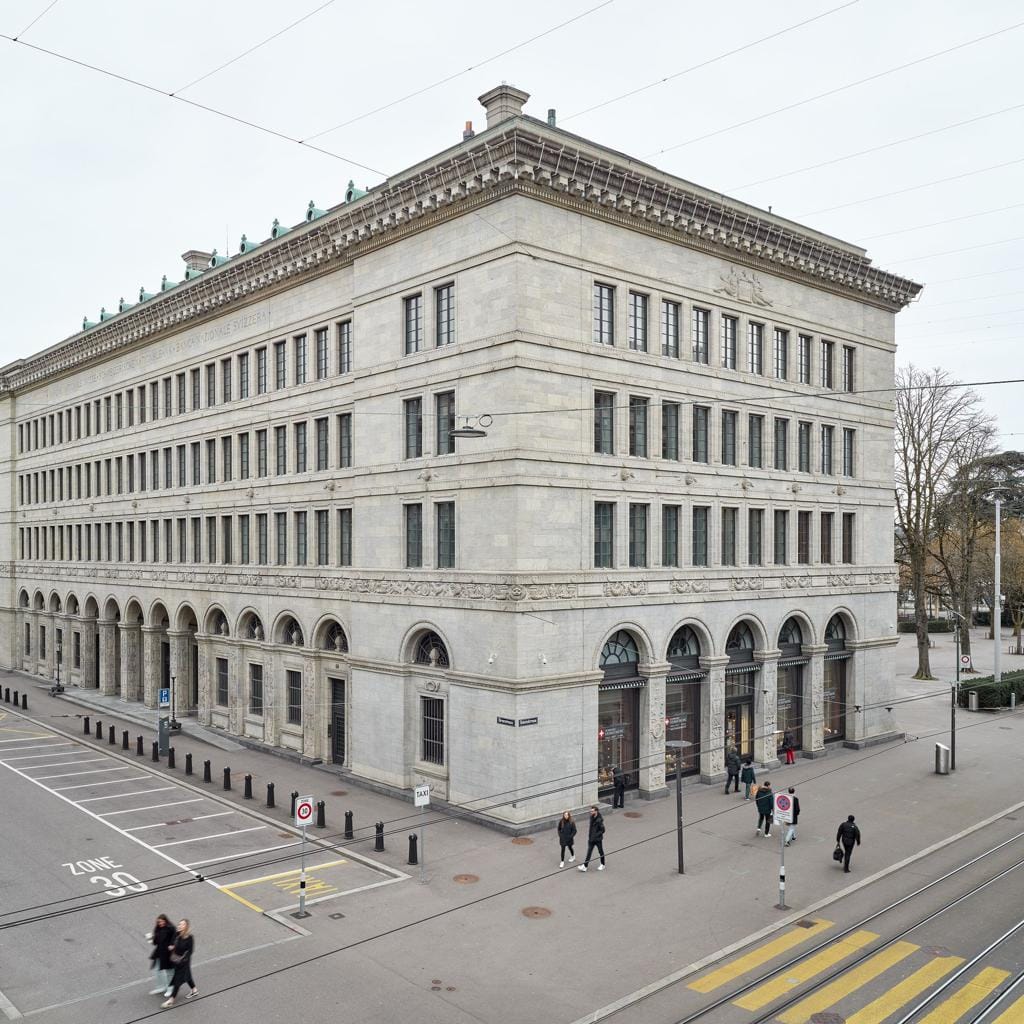
The Organisation for Economic Co-operation and Development (OECD) has projected that Switzerland will experience moderate economic growth in the coming years, supported mainly by strong domestic demand despite global economic uncertainties.

According to the latest report published on Tuesday, Switzerland’s real GDP is expected to grow by 1.1% in 2026 and rise to 1.5% in 2027. The outlook suggests that the Swiss economy will remain relatively stable even as global energy prices and geopolitical tensions continue to impact international markets.

The OECD notes that higher energy costs and weaker external demand may slightly affect exports in the short term. However, Switzerland’s strong domestic market and low dependence on fossil fuels are helping to cushion the impact. The country’s limited reliance on Middle Eastern energy imports also reduces its vulnerability compared to many other OECD economies.

Export performance is expected to recover in 2027 as key trading partners rebound from the energy shock. This recovery is likely to support Swiss industries, particularly export-driven sectors such as pharmaceuticals and high-value manufacturing.

Inflation in Switzerland is projected to remain within the Swiss National Bank’s (SNB) target range of 0–2%, despite short-term pressure from rising energy prices. The Swiss franc’s strength, driven by its safe-haven status, continues to influence monetary policy decisions and help control inflation levels.

The OECD also highlights potential risks, including prolonged energy market instability, supply chain disruptions, and possible new trade tariffs. However, a faster-than-expected recovery in Europe and other major markets could further improve Switzerland’s growth outlook.

Overall, the Swiss economy is expected to remain stable, with gradual growth supported by domestic resilience, cautious monetary policy, and a strong financial system.

Economiesuisse Calls US Forced Labour Allegations ‘Unfounded’.

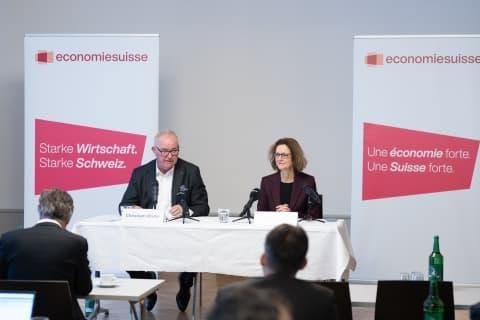
Switzerland’s leading business federation, Economiesuisse, has strongly rejected recent US allegations of forced labour, describing the claims as “completely unfounded” and inconsistent with Swiss law.

Speaking at a media conference, Economiesuisse chief economist Rudolf Minsch stated that forced labour is strictly prohibited under Swiss legislation. He emphasized that Switzerland has fully complied with international labour standards and said, “Switzerland has done its homework.”

The statement comes in response to renewed tariff threats from the United States, which have raised concerns among Swiss exporters. According to Minsch, the current proposed 12.5% tariffs on Swiss goods are not expected to significantly disrupt the economy, as they are only slightly higher than the 10% tariffs proposed for European Union countries.

He explained that Swiss companies could gradually absorb the additional costs, adjust their supply chains, or pass some of the impact on to consumers if necessary. Compared to earlier trade tensions, the current situation is seen as less severe.

Minsch highlighted that previous tariff levels were far more damaging. He recalled that Switzerland once faced tariffs as high as 39% while the EU was subject to 15%, calling that period “the real blow” for Swiss exporters due to the wide competitiveness gap.

Despite ongoing uncertainty, Economiesuisse stressed that predictability in trade policy is more important for businesses than small differences in tariff rates. The organization noted that Swiss companies are better able to adapt when they have clear, long-term regulatory expectations.

Overall, Swiss industry leaders remain cautiously optimistic, stating that while trade tensions persist, the impact on Switzerland’s economy is expected to remain manageable.

Switzerland to Align with EU on Migrant Return Centres Abroad.

Switzerland is set to follow new European Union (EU) migration rules that allow for the creation of migrant return centres outside Europe for rejected asylum seekers. As part of the Schengen area, Switzerland is required to align its national laws with the evolving EU migration framework.

A deal reached in Brussels will introduce measures aimed at speeding up deportation procedures and improving coordination among member states. Countries that choose to participate will be allowed to establish centres in third countries to host individuals whose asylum applications have been rejected.

According to Switzerland’s State Secretariat for Migration (SEM), the country will have up to two years to integrate the new rules into national legislation. The proposal will be reviewed by the Swiss Parliament and may also be subject to an optional referendum.

However, the implementation of such centres depends on whether suitable partner countries agree to host them. These centres could serve either as final destinations or temporary holding locations before migrants are transferred to their country of origin or another third state. All arrangements must comply with international human rights standards.

The European Council has stated that families may also be placed in these centres, although unaccompanied minors will be exempt under the current framework. Discussions are still ongoing regarding potential host countries and operational structures.

Swiss authorities have indicated that any participation will depend on legal compliance, international agreements, and parliamentary approval. The issue is expected to generate political debate within Switzerland as migration policy remains a sensitive national topic.

Unreleased Google Pixel Watch 5 Discovered in Caribbean Sea.

An unusual and surprising discovery has brought the yet-to-be-released Google Pixel Watch 5 into the spotlight after it was reportedly found underwater in the Caribbean Sea.

According to reports, a scuba diver exploring near St. Martin Island came across the smartwatch submerged beneath the sea. The device is believed to be the upcoming Google Pixel Watch 5, which has not yet been officially announced by the company. The incident has raised widespread curiosity in the global technology community.

The discovery was later shared on X (formerly Twitter) by user Randy Pitchford (@DuvalMagic), showing images of the smartwatch recovered from the seabed. While the device’s battery was completely drained, it reportedly still displayed the correct time briefly due to residual power.

Google is expected to launch the Pixel Watch 5 alongside the Pixel 11 series in August. However, this unexpected leak has given the public an early glimpse of its design, which appears similar to the Pixel Watch 4 but may include several internal upgrades.

Industry sources suggest that the Pixel Watch 5 will likely feature improvements in health tracking, artificial intelligence integration, and battery efficiency. Although no official specifications have been confirmed, expectations are high for a more advanced wearable experience.

The incident has sparked major discussion in the tech world, as it is highly unusual for an unreleased consumer device to surface in such a condition. Whether this was a prototype loss or an accidental drop remains unclear, but the story has already generated significant attention ahead of the official launch.

Major Instagram Accounts Hacked via Meta AI Vulnerability.

A new cybersecurity incident has reportedly exposed a critical vulnerability in Meta’s AI support system, allowing hackers to take control of several high-profile Instagram accounts.

According to security researchers, including ZachXBT and Dark Web Informer, the attackers did not rely on traditional phishing or malware techniques. Instead, they exploited Meta’s AI-powered support assistant to bypass account recovery protections.

The breach is said to have affected several notable accounts, including the White House Instagram account used during Barack Obama’s presidency, the official Sephora brand account, and an account linked to a U.S. Space Force official. While the exact number of compromised accounts has not been confirmed, multiple users across platforms such as Reddit, X, and Telegram have reported similar incidents.

Reports indicate that the attackers used VPN services to mimic the target’s region and initiated password recovery through the “Forgot Password” option. They then manipulated the AI chatbot into associating a new email address with the account. This allowed verification codes to be redirected to attacker-controlled email addresses, enabling them to reset passwords and take over the accounts.

Meta has stated that the issue has now been fixed and that additional security measures are being implemented to protect affected users. However, some users claim they are still facing difficulties in regaining access to their accounts even after the patch.

The incident has raised serious concerns about the security of AI-driven support systems and the effectiveness of two-factor authentication (2FA) in preventing sophisticated account takeover attacks. Cybersecurity experts are calling for stronger safeguards as AI tools become more integrated into user account management systems.

Switzerland Star Breel Embolo Blocked by ESTA Delay.

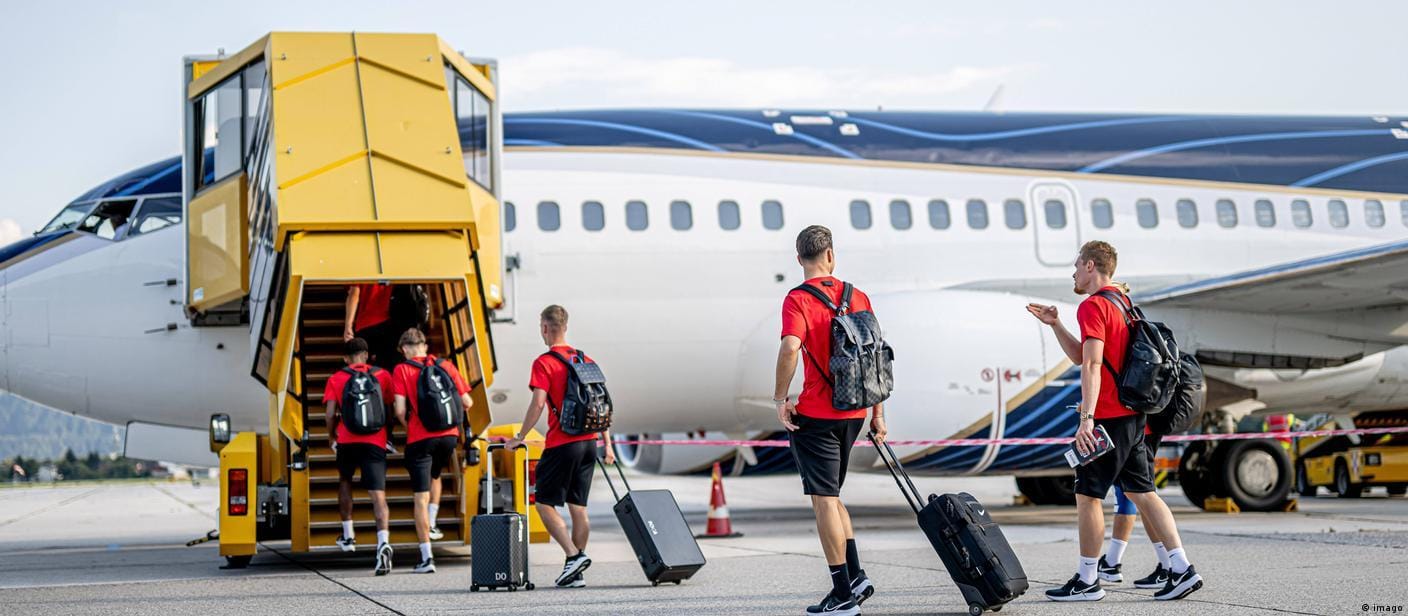
Switzerland forward Breel Embolo was unable to travel with the national football team to Los Angeles as scheduled due to an issue with his ESTA travel authorization for entry into the United States.

The Swiss Football Association (SFV) confirmed that Embolo’s ESTA had initially been approved earlier in the day. However, just hours before the team’s departure, authorities informed the association that his travel authorization had been placed under further review. As a result, the striker was unable to board the flight with the rest of the squad.

The situation created uncertainty within the Switzerland camp shortly before their scheduled departure at 1pm on Tuesday. The SFV stated that it is in contact with both Swiss and US authorities to resolve the issue as quickly as possible.

At this stage, no official explanation has been provided for the renewed review of Embolo’s ESTA application. The striker remains in Switzerland while waiting for clearance to travel.

Team officials have not confirmed when Embolo will be able to join his teammates in Los Angeles. The incident highlights how travel documentation procedures can unexpectedly disrupt international sporting schedules, even at the highest level of competition.

Further updates are expected once the Swiss Football Association receives clarification from the relevant authorities.

Amazfit Unveils Balance 3 and Balance Ultra Smartwatches.

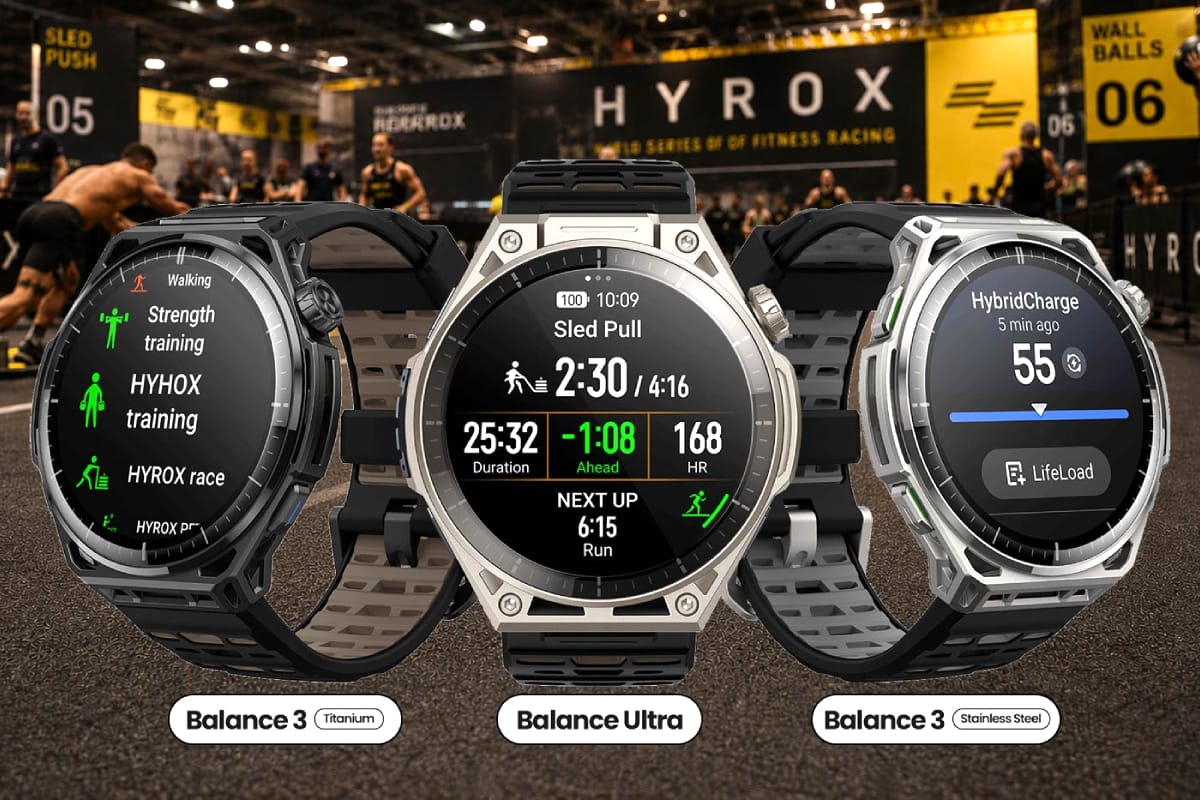
Amazfit has officially launched two new smartwatches, Balance 3 and Balance Ultra, introducing a new Hybrid Training System designed to enhance personalized fitness and lifestyle tracking.

The Hybrid Training System integrates multiple health and performance factors such as strength, endurance, recovery, stress levels, work routine, and daily lifestyle habits. Using data collected through the Zepp App, the system provides users with a clear and intelligent training guide that adapts to their overall physical condition and progress.

The premium Amazfit Balance Ultra model features a Grade 5 titanium body, offering durability along with a high-end design. It comes with an impressive 1.5-inch AMOLED display that delivers up to 3000 nits brightness for clear visibility even under strong sunlight. The smartwatch also supports GPS, offline maps, Bluetooth calling, Zepp Flow voice commands, and more than 180 workout modes.

One of the standout features of the Balance Ultra is its extended battery life, lasting up to 30 days on a single charge, making it ideal for long-term fitness tracking and outdoor activities.

The standard Amazfit Balance 3 is available in stainless steel and titanium options. It offers up to 21 days of battery life and includes 25 auto-recognized strength training modes. The device also supports HYROX-specific training tools, making it suitable for competitive fitness athletes and gym enthusiasts.

With these new releases, Amazfit continues to strengthen its position in the global smartwatch market by focusing on advanced health tracking, performance analytics, and long-lasting battery technology.

Switzerland’s 10 Million Population Vote: Impact on Tamils?

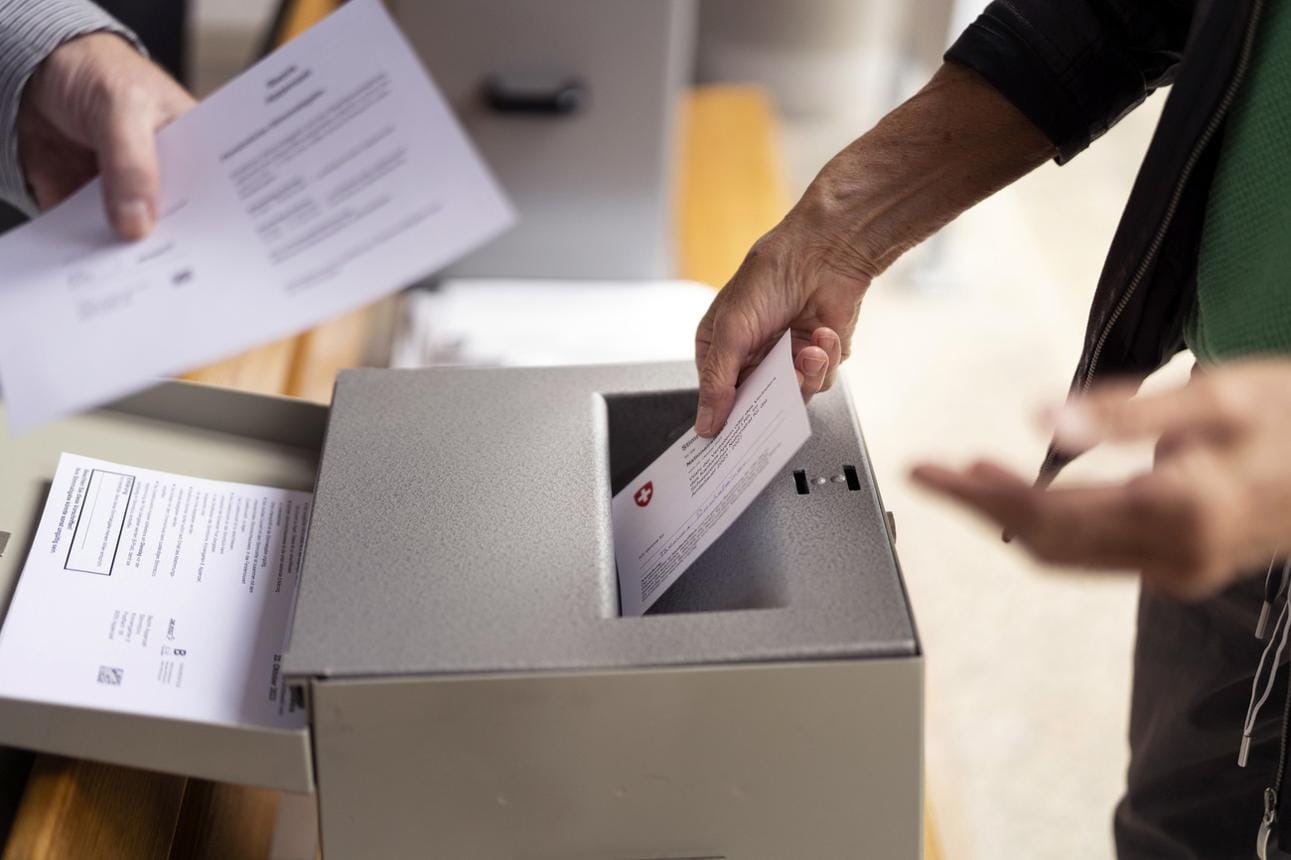
Switzerland is preparing for an important national vote on a proposal known as “No to 10 Million Switzerland,” which aims to limit the country’s population growth. The initiative, introduced by the Swiss People’s Party (SVP), seeks to prevent Switzerland’s population from exceeding 10 million by introducing stricter controls on immigration.

Supporters of the proposal argue that rapid population growth places increasing pressure on housing, transportation, public services, infrastructure, and environmental resources. They believe Switzerland should take stronger measures to manage migration and maintain the country’s quality of life.

Opponents, however, warn that the proposal could negatively affect Switzerland’s economy, labour market, and international competitiveness. Most major political parties, along with the Swiss Federal Government, have rejected the initiative and are encouraging voters to oppose it. Critics argue that Switzerland relies heavily on skilled foreign workers and international talent to support economic growth.

Speaking on the issue, Socialist Democratic Party member Siri Rasamanickam urged Swiss citizens to study the proposal carefully before casting their vote. He emphasized the importance of making informed decisions based on official information rather than opinions shared on social media.

The proposal has also attracted attention among migrant communities, including Swiss Tamils, who are closely following the debate. While the initiative primarily focuses on future population growth and immigration policies, many observers believe the outcome could influence Switzerland’s long-term approach to migration and integration.

Political analysts note that the proposal faces significant opposition from major parties and government institutions. Nevertheless, the final decision rests with Swiss voters, making the upcoming referendum an important event for the country’s future migration policies.

The vote is expected to generate widespread discussion across Switzerland as citizens consider the balance between population growth, economic needs, and social development.+

Starting a Business in Switzerland: A Complete Guide.

Switzerland offers one of the most business-friendly environments in Europe, making it an attractive destination for entrepreneurs and small business owners. Whether you want to start a cleaning service, construction company, online store, restaurant, delivery service, or consulting business, understanding the registration process is essential for success.

The simplest option is to start as a Sole Proprietorship (Einzelfirma). This structure is suitable for self-employed individuals and freelancers. Entrepreneurs must register with the AHV/AVS social insurance office as self-employed. If annual revenue exceeds CHF 100,000, registration in the Commercial Register becomes mandatory. Businesses earning less than this amount may register voluntarily to increase credibility and visibility.

Another popular option is establishing a GmbH (Limited Liability Company). This structure requires a minimum share capital of CHF 20,000 and offers greater legal protection for business owners. A notary must prepare the incorporation documents before the company is officially registered in the Swiss Commercial Register.

For larger businesses, the AG (Aktiengesellschaft) structure is commonly used. This form is designed for companies seeking significant investment and expansion opportunities. AG companies require higher capital contributions and more extensive legal procedures, including mandatory notary certification and Commercial Register registration.

Entrepreneurs can complete many registration procedures through EasyGov, Switzerland’s official online business platform. The service allows users to register companies, complete AHV registrations, apply for VAT registration, and handle Commercial Register procedures through a single portal. Business owners can also verify registered companies using the Zefix central commercial register database.

Various organizations provide support for new entrepreneurs in Switzerland. Cantonal economic development offices, chambers of commerce, business consultants, startup incubators, and financial institutions offer guidance on legal requirements, taxation, accounting, and business planning. Their expertise can help entrepreneurs navigate the Swiss business environment more efficiently.

Before starting a business, entrepreneurs should evaluate their residence permit status, business activity, expected revenue, and legal obligations. Proper planning and compliance with Swiss regulations can significantly improve the chances of building a successful and sustainable business.