Swiss Cantons Face Rising Refugee Costs.

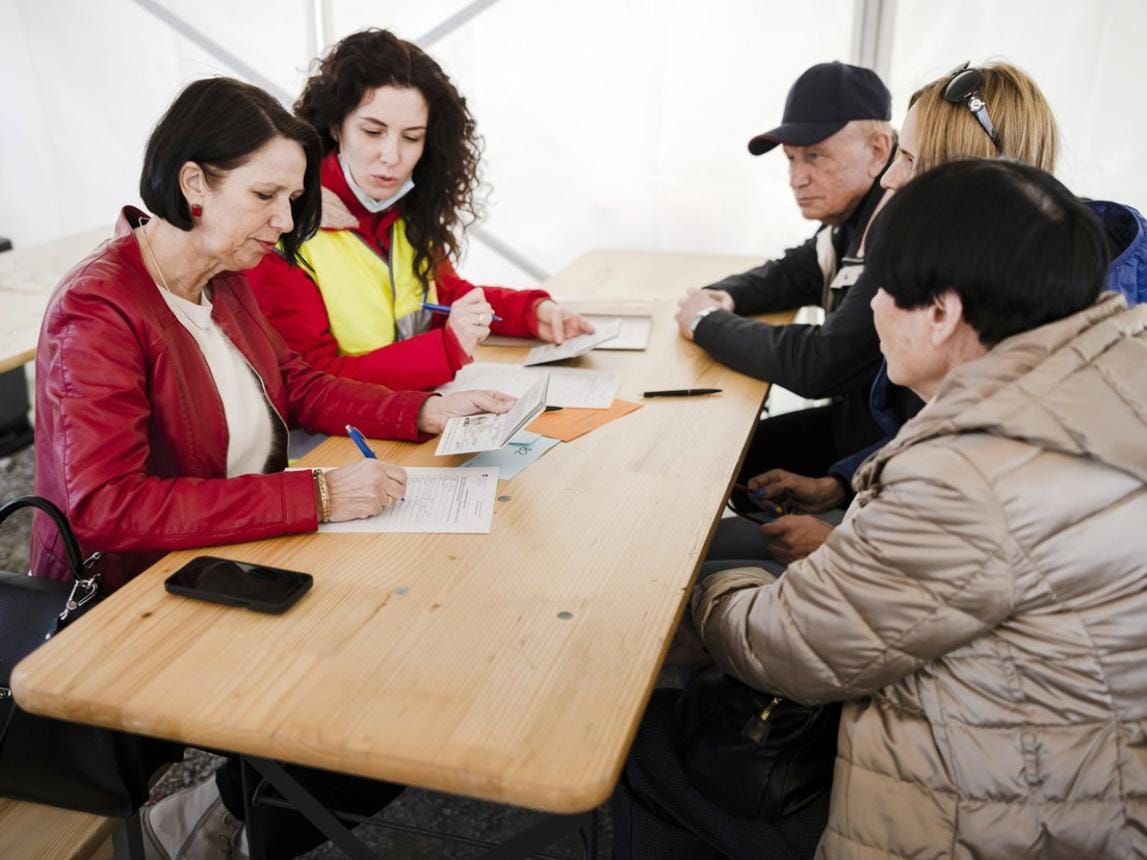
Swiss cantons and municipalities are preparing for a significant financial challenge as Ukrainian refugees with Protection Status S begin transitioning to regular social assistance from 2027. Local authorities estimate that the nationwide additional burden could reach approximately CHF300 million annually, raising concerns about future budgets and public spending.

Municipal leaders across Switzerland are urging the federal government to provide clear guidance and financial support before the transition takes effect. Bruno Tüscher, Mayor of Münchwilen in the canton of Aargau, warned that without federal assistance, municipalities may face higher tax pressures. He stated that the added costs could increase local tax rates by around three percent, placing additional strain on communities already managing rising expenses.

The canton of Aargau expects municipalities to absorb roughly CHF25 million in extra costs once refugees move to the standard welfare system. Local officials are seeking urgent clarification as they begin preparing financial plans and budgets for the coming years.

Graubünden has also calculated the potential impact. Authorities estimate that around 900 refugees could transition to regular social assistance, creating annual costs of approximately CHF5.4 million. The city of Chur alone may be responsible for CHF2.2 million of that amount. City Councilor Patrik Degiacomi noted that current estimates represent a best-case scenario and warned that actual costs could rise further if economic and social conditions change.

The upcoming policy shift has sparked debate across Switzerland about how refugee support should be funded and shared between federal, cantonal, and municipal governments. While many officials continue to support humanitarian assistance for those displaced by the war in Ukraine, they are also calling for a sustainable financial framework that protects local services and taxpayers.

As 2027 approaches, Swiss cantons are increasing pressure on federal authorities to address funding concerns and provide long-term solutions. The issue is expected to remain a major topic in Swiss political and economic discussions as governments balance humanitarian commitments with fiscal responsibility.
Why Gstaad Is Now Europe’s Most Expensive Alpine Property Market.

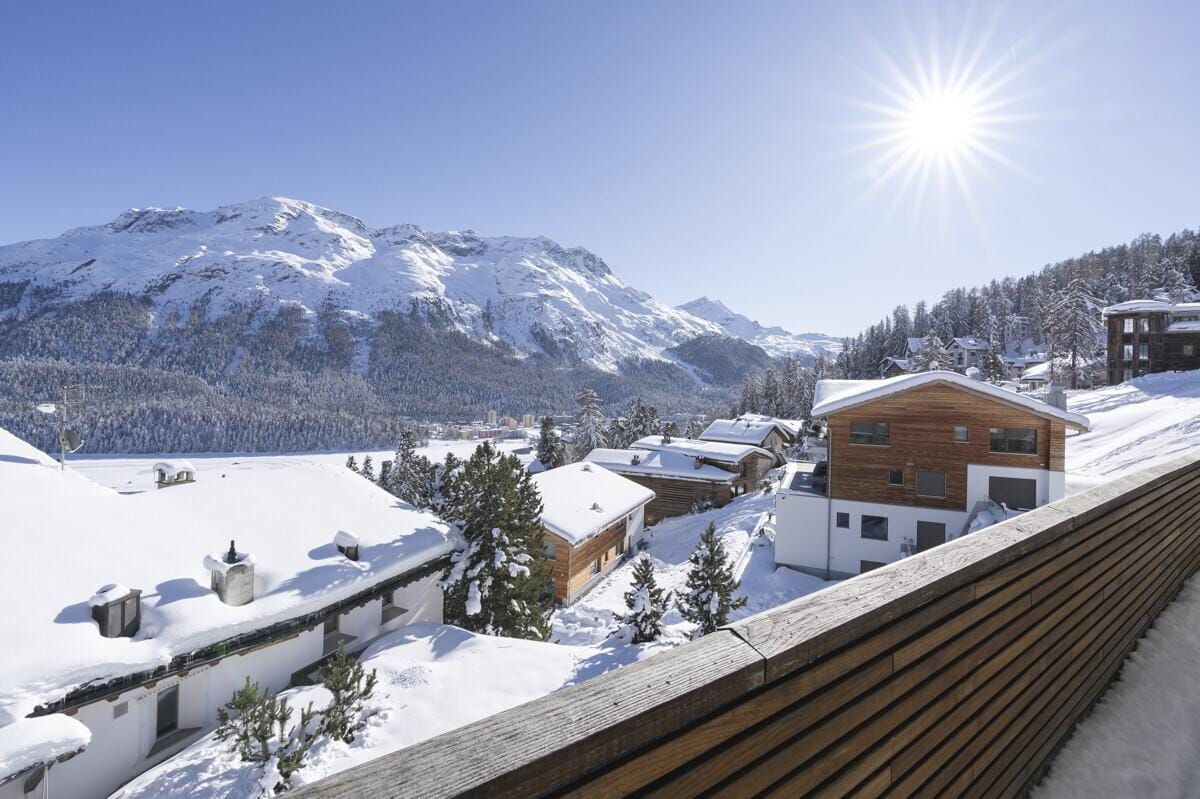
Switzerland continues to dominate the European Alpine holiday home market, with Gstaad securing the position as the most expensive mountain resort for luxury properties. According to a recent UBS study, premium chalets and apartments in Gstaad now average around CHF 25,000 per square metre, making it the highest-priced Alpine destination in Europe.

Engadin/St. Moritz follows closely with average prices reaching CHF 24,000 per square metre. Other prestigious Swiss destinations including Verbier, Andermatt, and Zermatt complete the top five rankings, with luxury properties starting at approximately CHF 21,000 per square metre. The findings highlight Switzerland’s continued strength in the luxury real estate sector.

Outside Switzerland, France’s Courchevel ranks as the most expensive foreign Alpine resort, with property prices averaging around €20,000 per square metre. Austria’s Kitzbühel follows at approximately €16,000, while Italy’s Cortina d’Ampezzo records average prices of about €13,000 per square metre.

The Alpine property market continues to benefit from growing tourism, major international sporting events, and improved financing conditions. Across Europe’s mountain resorts, holiday apartment prices increased by nearly 4% over the past year. Switzerland and Italy recorded the strongest growth rates, approaching 6%, while Austria experienced a recovery with growth exceeding 3%.

Remote working trends are also driving demand for mountain properties. Younger professionals increasingly seek flexible lifestyles that combine work and nature. At the same time, rising temperatures in urban areas have made cooler Alpine destinations more attractive for both investors and homeowners. Longer life expectancy and demand from retirees further support the market’s growth.

Industry experts expect Swiss Alpine property values to continue rising in the coming years. Switzerland remains highly attractive due to its economic stability, strong currency, investor confidence, security, privacy, and favorable tax environment. These advantages continue to position Swiss mountain resorts among the most sought-after real estate destinations in Europe.

Will AI Cause a Global Water Crisis? Shocking New UN Warning.

A new report has raised serious concerns about the environmental impact of rapidly expanding artificial intelligence infrastructure, warning that AI data centres could place extreme pressure on global water and energy resources.

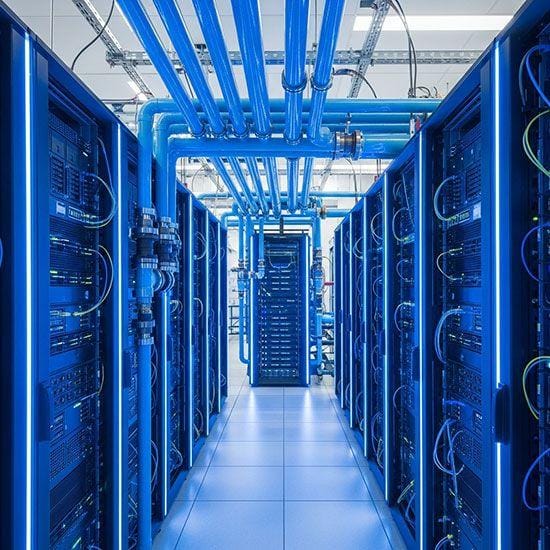
According to the United Nations University Institute for Water, Environment and Health (UNU-INWEH), the growth of AI technologies is driving massive investments in data centres worldwide. These facilities, which power large-scale AI systems, require vast amounts of electricity and water for cooling operations.

The report warns that by 2030, water consumption from AI-related data centres could reach approximately 9.3 trillion litres annually. This amount is comparable to the minimum yearly household water needs of around 1.3 billion people living in sub-Saharan Africa.

AI data centres rely heavily on water-based cooling systems, particularly in warmer regions, where continuous heat management is essential to maintain server performance. As a result, their environmental footprint is expanding alongside global demand for AI services.

In addition to water usage, the report highlights a sharp rise in electricity consumption. Global data centres are estimated to have used around 448 terawatt-hours (TWh) of electricity in 2025 alone. By 2030, this figure could rise to 945 TWh, nearly three times the combined annual electricity consumption of countries such as Pakistan, Bangladesh, and Nigeria.

The UNU-INWEH report also warns that AI infrastructure may contribute to local temperature increases. Data centres can raise surrounding land temperatures by an average of 2°C, creating so-called “heat island” effects that impact nearby communities. In extreme cases, temperature increases of up to 9°C have been recorded, affecting areas within several kilometres of large facilities.

Experts caution that while AI is transforming industries and economies, its rapid expansion could intensify environmental stress unless more sustainable energy and cooling solutions are developed.

The findings highlight the growing need for governments and technology companies to balance innovation with environmental responsibility as AI infrastructure continues to scale globally.

Siri’s Massive AI Evolution: Apple Teams Up with Google and NVIDIA.

Apple is preparing a major upgrade to its Siri voice assistant by integrating advanced artificial intelligence technologies from Google and NVIDIA, according to industry reports.

The company is expected to use Google’s Gemini AI models alongside NVIDIA’s Blackwell B200 chips to power the next generation of Siri, marking one of the biggest transformations of Apple’s voice assistant since its launch.

The new Siri is reportedly being designed as a fully AI-driven assistant with significantly improved natural language understanding, reasoning ability, and task automation features. Apple aims to unveil the upgraded version at its Worldwide Developers Conference (WWDC) 2026.

NVIDIA’s Blackwell B200 GPUs are specifically designed for large-scale AI processing and training. Apple is said to be leveraging these high-performance chips through Google Cloud infrastructure to handle complex Siri AI computations.

To strengthen user privacy, the system will also use NVIDIA’s “Confidential Compute” technology, which encrypts data during processing. This approach ensures that sensitive information remains protected even while being processed on AI hardware.

Apple’s existing Private Cloud Compute framework is also expected to play a key role, although the exact integration model between Apple’s own systems and external cloud infrastructure has not yet been fully clarified.

If implemented as planned, this collaboration between Apple, Google, and NVIDIA could transform Siri into a more powerful AI assistant capable of competing with modern generative AI systems in the market.

The move highlights Apple’s broader strategy to enhance its AI ecosystem while maintaining its strong focus on privacy and secure computing.

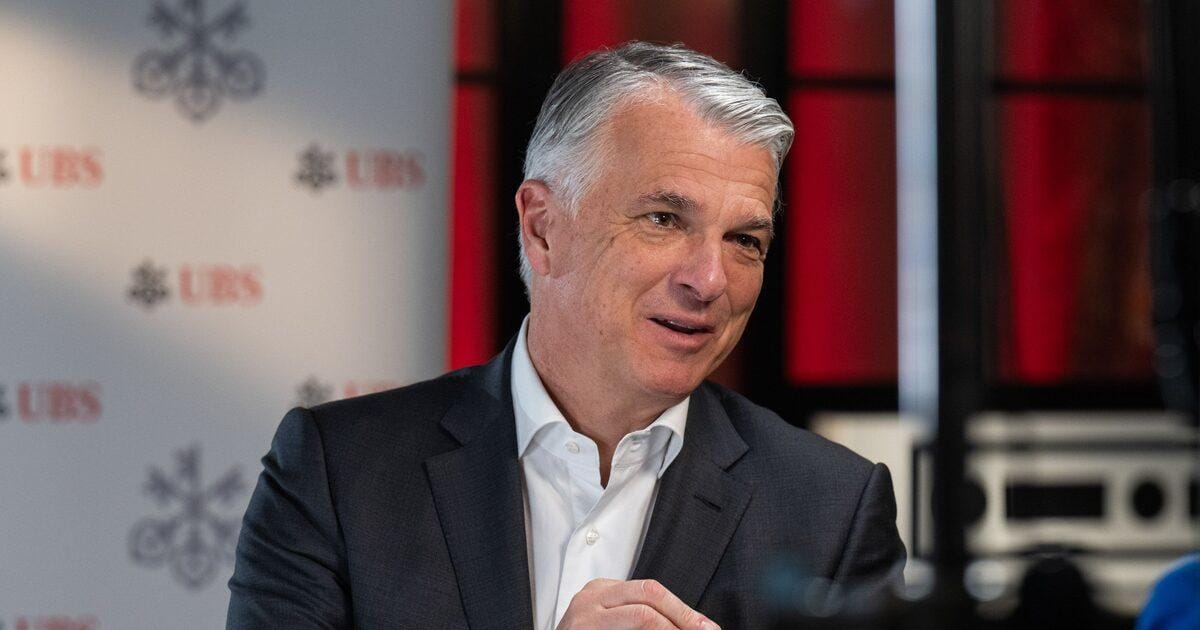
UBS CEO Sergio Ermotti Dismisses Relocation Rumours, Reaffirms Swiss HQ.

UBS Chief Executive Officer Sergio Ermotti has reaffirmed the bank’s long-term commitment to Switzerland, dismissing ongoing speculation about a possible relocation of its headquarters.

Speaking amid renewed debate over Swiss banking regulations, Ermotti stressed that UBS remains firmly anchored in Switzerland, despite tensions with the federal government over proposed changes to capital requirements.

The dispute centres on a plan by the Federal Council to require UBS’s foreign subsidiaries to be fully backed by equity capital. The measure is intended to strengthen financial stability and reduce systemic risk in the banking sector.

UBS has opposed the proposal, arguing that stricter capital rules could weaken its global competitiveness and limit its operational flexibility in international markets.

The disagreement has repeatedly triggered speculation that UBS might consider shifting parts of its operations abroad. However, Ermotti has consistently rejected such rumours, emphasizing that Switzerland remains the bank’s strategic and operational base.

The Swiss government maintains that stronger capital buffers are necessary given UBS’s size and global exposure, particularly following its takeover of Credit Suisse, which significantly expanded its balance sheet.

Despite regulatory tensions, UBS leadership continues to highlight the importance of Switzerland as a stable financial hub and key location for global banking operations.

The latest remarks from Ermotti aim to reassure markets and policymakers that UBS intends to maintain its headquarters in Switzerland while continuing discussions with regulators on future capital rules.

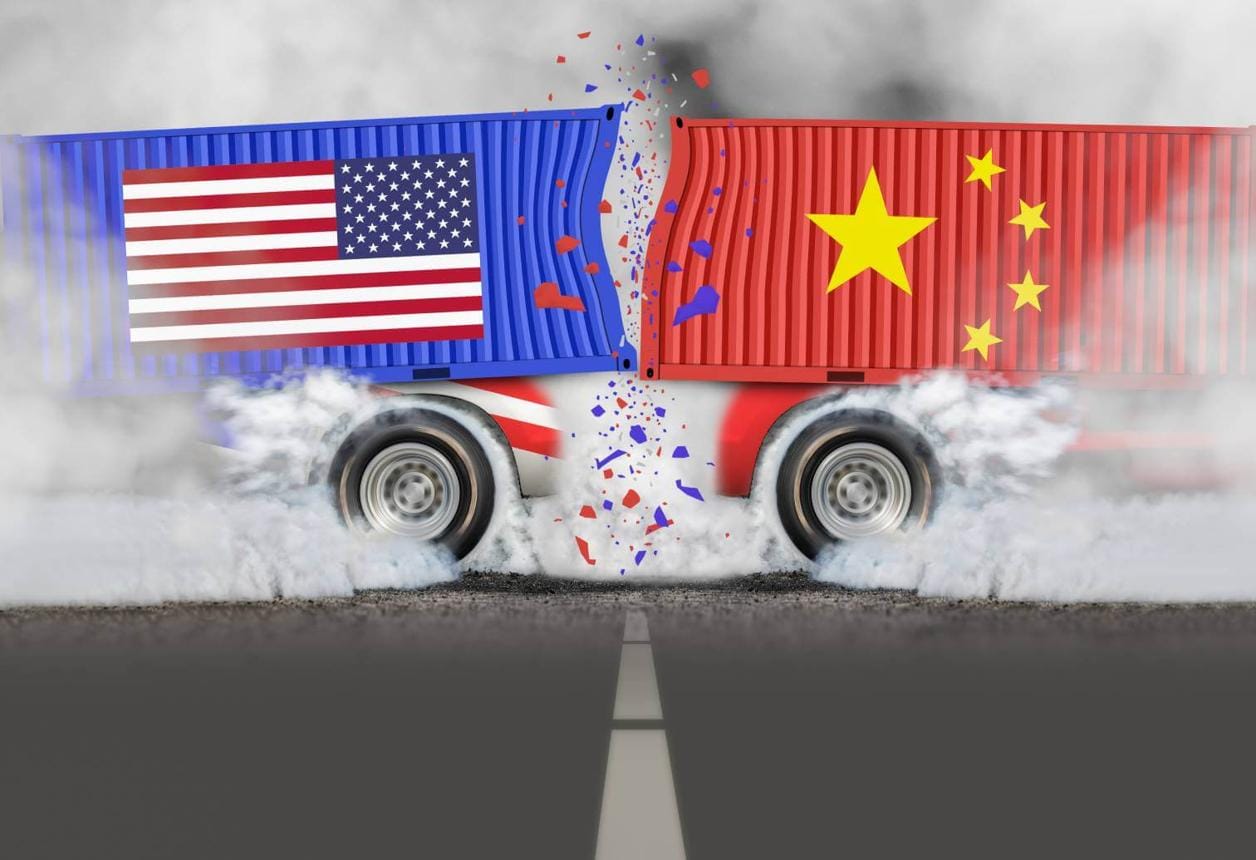
Roche Criticizes US and China Protectionism, Calls Tariff Policy “Blackmail”.

Roche Chair Severin Schwan has strongly criticized rising protectionist trade policies in the United States and China, describing US tariff strategies as a form of “blackmail” during remarks at the Swiss Economic Forum in Interlaken.

Schwan warned that the world’s two largest pharmaceutical markets are increasingly using their economic dominance to force companies to shift value creation within their borders. He said this trend is significantly disrupting the global structure of the pharmaceutical industry.

According to Schwan, both the United States and China are pursuing policies that prioritize domestic production and investment, creating pressure on international pharmaceutical firms to adapt their supply chains and operational strategies.

The comments come after Roche, alongside other major pharmaceutical companies including Novartis, reached an agreement with the US government in late 2025. The deal includes price reductions for certain medicines produced by Roche subsidiary Genentech, in exchange for a temporary exemption from US pharmaceutical tariffs.

Roche has also committed to large-scale investment in the United States, reportedly totaling around $50 billion, as part of efforts to maintain market access and regulatory stability.

However, Schwan argued that such arrangements are not genuine partnerships but rather one-sided pressures imposed by powerful markets. He stated that companies are effectively forced into compliance under the “law of the strongest.”

In response to ongoing uncertainty, Roche has increased short-term exports to the United States while accelerating long-term plans to restructure its global supply chains. The company aims to reduce its dependence on politically sensitive markets, although Schwan acknowledged that such shifts could have negative consequences for other countries, including Switzerland.

The remarks highlight growing tensions between global pharmaceutical firms and major economic powers as trade policy becomes increasingly intertwined with industrial strategy.

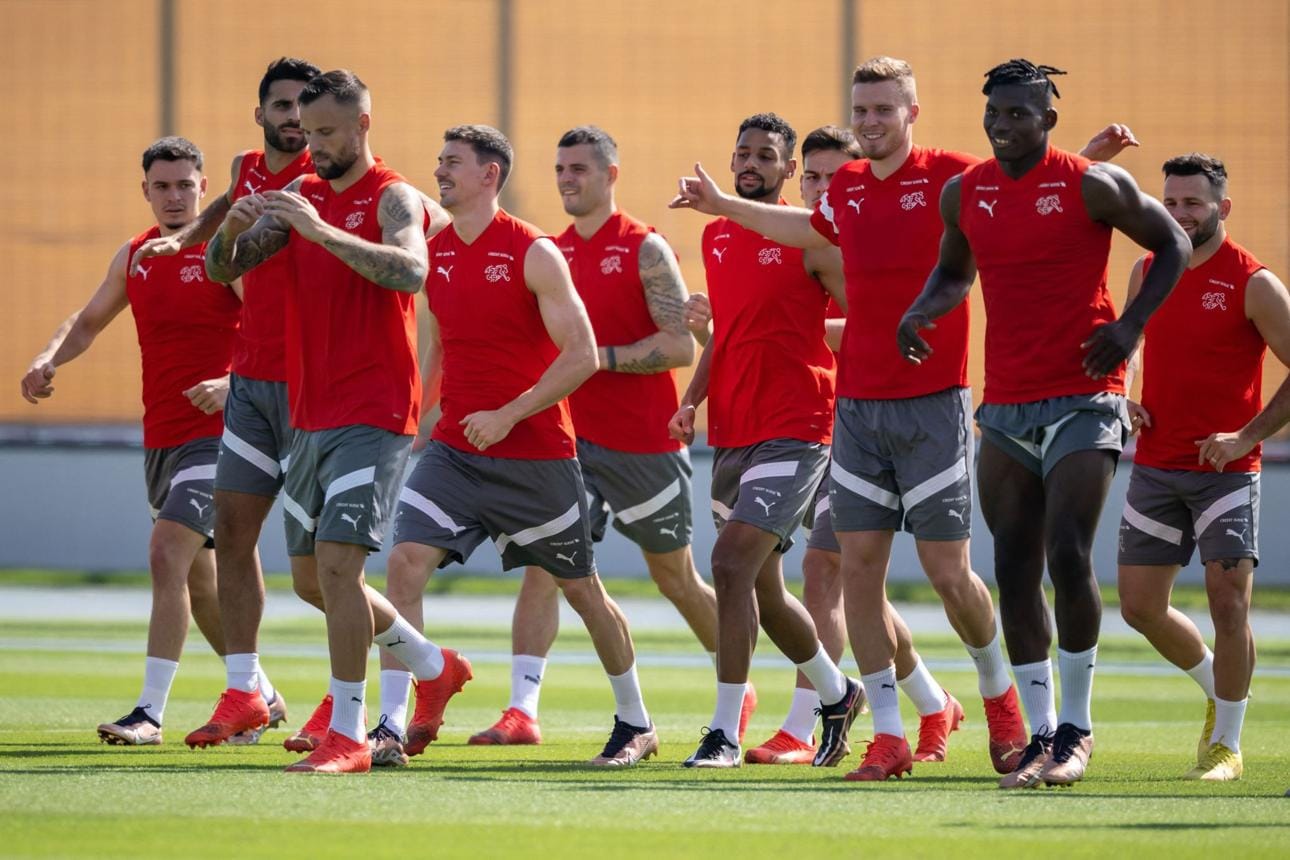
Swiss Striker Breel Embolo Cleared to Travel After Visa Delay Ahead of World Cup

Swiss striker Breel Embolo has been cleared to travel to the United States after receiving his visa on Thursday, ending a two-day delay that had prevented him from joining the national team ahead of the World Cup.

The Swiss Football Association (SFA) confirmed that Embolo’s visa was approved in the evening and that the player is expected to arrive in San Diego on Friday, where Switzerland is currently preparing for the tournament.

The striker had initially been stopped from boarding the team’s flight from Zurich to Los Angeles earlier in the week after his travel authorization (ESTA) was temporarily blocked by US authorities. Officials reportedly carried out additional checks related to a past legal case involving Embolo, which required clarification before entry approval.

To resolve the issue, the 29-year-old forward submitted an emergency visa application at the US Embassy in Bern. According to the SFA, the request was treated as a priority and processed quickly, allowing him to rejoin the squad without further delay.

Embolo’s visa issue was linked to a previous legal case from 2018 in Basel, which resulted in a conviction that was later upheld on appeal and finalized earlier this year. Authorities reportedly sought confirmation that the incident did not involve violence before granting travel clearance.

The Switzerland squad, based in San Diego, is scheduled to play a warm-up match against Australia on Saturday before beginning its World Cup campaign against Qatar on June 13 in Santa Clara, California. Group B also includes Canada and Bosnia and Herzegovina.

With Embolo now cleared, Switzerland expects to have a full-strength squad available for its final preparations ahead of the tournament.

Switzerland Marks 30 Years in Francophonie with Renewed Commitment.

Switzerland has reaffirmed its commitment to the International Organisation of La Francophonie as the country marks 30 years of membership in the global French-speaking community.

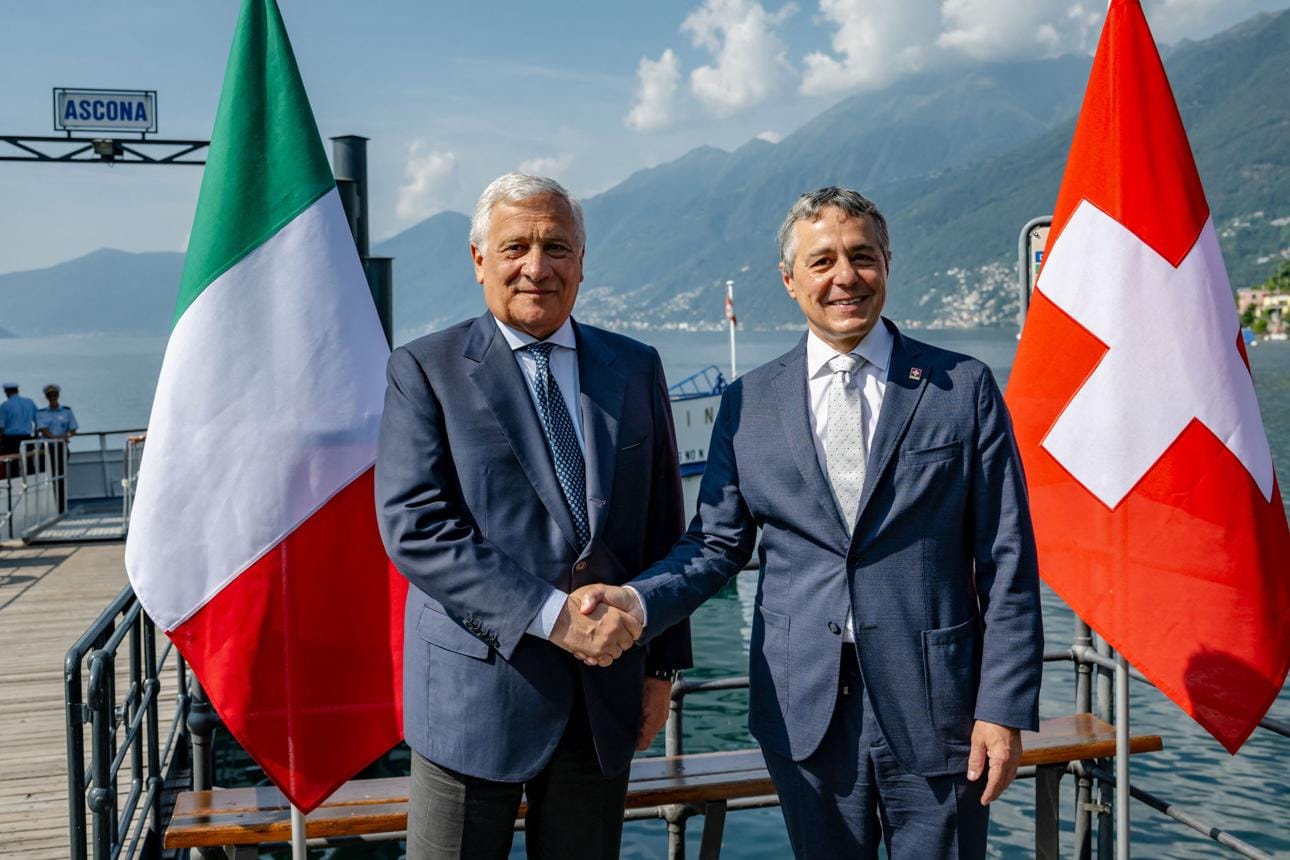
Foreign Minister Ignazio Cassis and Culture Minister Elisabeth Baume-Schneider met with Louise Mushikiwabo, Secretary-General of the Francophonie, in Bern on Thursday to celebrate the milestone and discuss the organisation’s future role.

During the discussions, Swiss officials emphasized the importance of maintaining a Francophonie that remains effective, relevant, and beneficial to its 90 member states and governments. They highlighted the organisation’s role as a platform for dialogue, cultural exchange, and international cooperation.

Speaking at the event, Baume-Schneider described the Francophonie as a privileged space for dialogue and influence. She noted that Switzerland contributes its unique experience in federalism, multilingual coexistence, mediation, and consensus-building, strengthening the organisation’s diplomatic value.

She also underlined that the French language serves as a bridge between cultures and continents, supporting mutual understanding and cooperation across diverse societies.

Since joining the organisation in 1996, Switzerland has viewed the Francophonie as an important forum for promoting democracy, peace, and human rights through linguistic diversity and shared cultural values.

For 2026, Switzerland’s contribution to the Francophonie amounts to CHF 4.1 million, making it the third-largest financial contributor after France and Canada, according to official figures.

The Observatory of the French Language reports that approximately 396 million people worldwide now speak French, highlighting the continued global relevance of the language.

The anniversary reinforces Switzerland’s role as a multilingual nation actively engaged in international cultural diplomacy and global dialogue.

Swiss Regulator Finds Gaps in Banks’ Money Laundering Risk Analysis.

Switzerland’s financial regulator FINMA has found that while banks and other financial institutions have strengthened their anti-money laundering (AML) measures, significant weaknesses remain in how they assess and manage risk.

In a report published on Thursday, FINMA stated that Swiss banks, asset managers, and other financial institutions are still not consistently applying robust risk analysis frameworks. The regulator emphasized that institutions must make better use of existing tools to identify and monitor high-risk financial activity.

Following a review process launched after investigations in 2023, FINMA examined the risk assessments of more than 30 banks and conducted additional supervisory checks across the financial sector. The findings revealed recurring shortcomings in how risks are recorded and evaluated.

According to FINMA, some institutions failed to document risks in sufficient detail, while internal control exceptions were applied too broadly. In addition, warning indicators designed to detect suspicious activity were often too weak or not clearly defined, increasing the chance that problematic client relationships could go unnoticed.

The regulator highlighted particular concerns around politically exposed persons (PEPs), complex corporate structures, and the growing use of crypto-related financial services. These areas, FINMA warned, require enhanced scrutiny due to their higher exposure to money laundering risks.

Although Switzerland’s financial sector has made progress in strengthening compliance systems, FINMA stressed that further improvements are necessary to ensure effective risk detection and prevention. The authority called on institutions to tighten internal controls and improve the quality of their monitoring processes.

The report reinforces Switzerland’s ongoing efforts to maintain the integrity of its banking system while adapting to increasingly complex global financial risks.

Swiss Army Mobilises 4,000 Soldiers for G7 Summit Security Near Evian.

Switzerland will deploy nearly 4,000 soldiers to support security operations for the upcoming G7 Summit taking place in neighbouring France near Evian from June 12 to 17.

The Swiss Defence Ministry confirmed that military personnel will assist cantonal authorities in Geneva, Vaud, and Valais to strengthen security across the border region. The main objective is to support civilian police forces, allowing them to focus on maintaining public order during the high-profile international event.

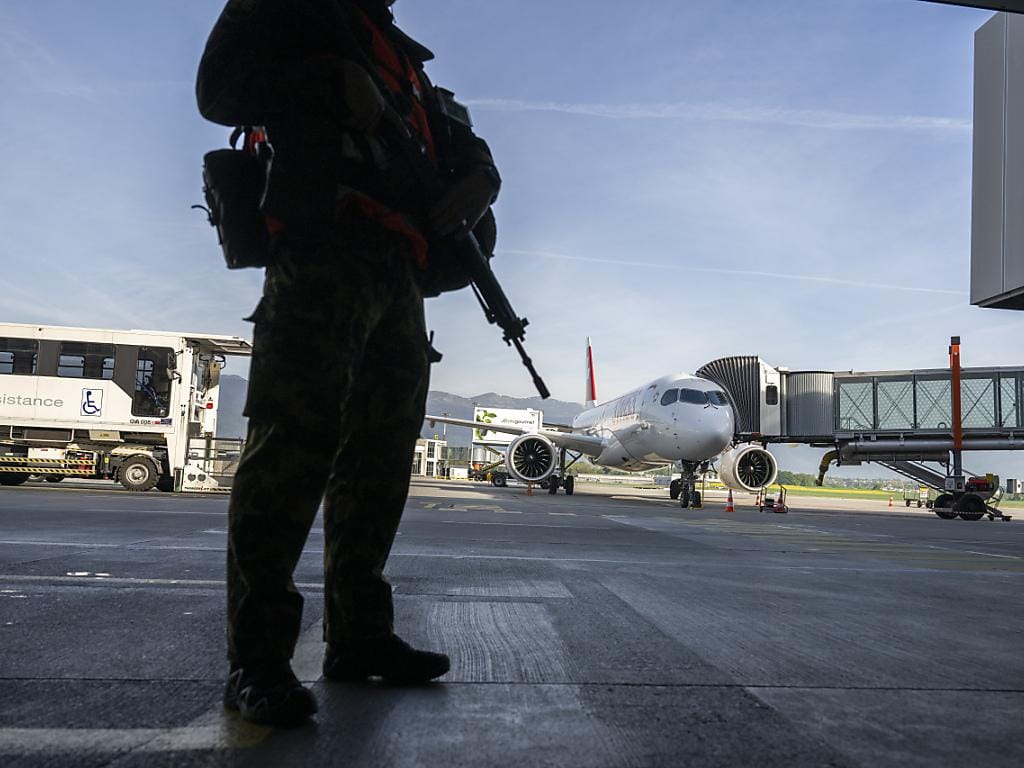
Key security responsibilities will include the protection of sensitive infrastructure such as Geneva International Airport, as well as assistance with border security operations. The Swiss Air Force will also reinforce air policing, with temporary airspace restrictions in place from June 10 to 18.

Authorities expect many international delegates to arrive via Geneva Airport before traveling across Lake Geneva to Evian. As part of the operation, Swiss forces will monitor key transport routes, the lake area, and surrounding regions.

The army will also contribute cyber defence capabilities, drone countermeasures, and protection against nuclear, biological, and chemical threats. However, Swiss military forces will not be involved in maintaining public order, which remains the responsibility of cantonal police.

All 1,500 police officers in Geneva will be deployed, supported by reinforcements from other cantons. Specialized equipment, including high-capacity water cannons from Germany, will also be made available to assist crowd control if necessary.

The large-scale security operation follows a request from regional authorities, as the cantons of Geneva, Vaud, and Valais prepare for increased pressure during the summit period. Swiss President Guy Parmelin has noted that discussions are ongoing regarding whether France will contribute to the significant security costs incurred by Switzerland.

At the same time, tensions have emerged over planned protests. The “No to G7” coalition has criticized restrictions imposed by Geneva authorities on demonstration routes and conditions, calling them overly restrictive. While a march has been authorized for the right bank of Geneva on June 14, requests for a protest village in Parc des Bastions were rejected.

Organizers have expressed concern over policing measures and fear potential clashes, recalling violent protests during the 2003 G8 summit in the region. Despite disagreements, the coalition has confirmed it will proceed with the demonstration, stating its intention to show international solidarity and opposition to global leaders.

The G7 security operation marks one of the largest coordinated Swiss support efforts in recent years, highlighting the country’s strategic role in safeguarding major international events held just across its border.